








OEM vs Aftermarket Excavator Injectors: Pros and Cons
- Why injector choice matters for excavator uptime and operating costs
- Performance, combustion and fuel economy
- Downtime costs and reliability
- Emissions and regulatory compliance
- OEM vs Aftermarket: Technical comparison
- Design, materials and manufacturing tolerances
- Calibration, flow matching and ECU compatibility
- Warranty, traceability and counterfeit risk
- Cost, availability and lifecycle considerations
- Initial cost vs total cost of ownership (TCO)
- Lead time, supply chain and fleet scale purchasing
- Rebuild vs replace and remanufactured injectors
- How to choose the right excavator injector for your fleet
- Diagnose before you replace
- Installation, calibration and post-install checks
- When to choose OEM, aftermarket, or reman
- Supplier selection, quality assurance and purchasing checklist
- What to ask your supplier
- Certifications and standards to consider
- Inspection and acceptance protocol
- Guangzhou Peppa Machinery: sourcing support and product strengths
- Frequently Asked Questions (FAQ)
- 1. Are aftermarket excavator injectors as good as OEM?
- 2. How do I test if an injector is failing?
- 3. Can I reuse old injector seals and O-rings when replacing injectors?
- 4. What is the expected lifespan of an excavator fuel injector?
- 5. Should I flow-match injectors after replacement?
- 6. Are remanufactured injectors a good compromise?
- Final recommendations and how I can help
I often get asked by fleet managers and service teams: should I choose OEM or aftermarket excavator injectors? The right choice affects fuel efficiency, emissions compliance, downtime and total cost of ownership. In this article I walk through the technical differences, real-world pros and cons of each option, and practical selection criteria for excavator injector replacements and upgrades. I also explain diagnostic and installation practices that reduce risk and extend injector life. For buyers sourcing parts globally, I include how reputable suppliers based in Guangzhou can support rapid delivery and customization.
Why injector choice matters for excavator uptime and operating costs
Performance, combustion and fuel economy
An excavator injector controls fuel metering, atomization and spray pattern — all critical to efficient combustion in diesel engines. Poor spray or incorrect flow rates increase soot, lower fuel efficiency and raise crankcase contamination. I have measured fleet-level fuel consumption swings of 3-8% when injector spray characteristics degrade or are mismatched to engine calibration.
For technical background on fuel injection principles see the Wikipedia overview on fuel injection: https://en.wikipedia.org/wiki/Fuel_injection.
Downtime costs and reliability
Injector failures cause hard starting, misfire, excess smoke and in severe cases cylinder damage. Unplanned downtime for a medium-sized excavator can cost hundreds of dollars per hour in lost productivity. Choosing the right injector reduces return visits and unplanned repair time. In my experience, consistent manufacturing and calibration are the biggest contributors to long-term reliability.
Emissions and regulatory compliance
Injector spray precision affects NOx and particulate emissions. For operations in regulated regions, using injectors that meet engine manufacturer tolerances helps maintain emission control systems. Agencies such as the US Environmental Protection Agency discuss diesel exhaust and its health impacts here: https://www.epa.gov/health/diesel-exhaust.
OEM vs Aftermarket: Technical comparison
Design, materials and manufacturing tolerances
OEM injectors are manufactured or specified by the engine maker to match original design tolerances, coatings and nozzle geometries. Aftermarket injectors vary: High Quality aftermarket brands often match or exceed OEM materials and coatings, while low-cost options may use inferior steels, softer needle seating or different nozzle hole profiles that alter spray. Manufacturing tolerances directly affect flow rate and spray pattern repeatability.
Calibration, flow matching and ECU compatibility
Modern excavators use common-rail or electronically controlled injection. Injectors must be flow-matched within engine bank tolerances to avoid imbalance and cylinder-to-cylinder variation. OEM units commonly ship pre-calibrated to specific engine ECU maps. Aftermarket injectors may require bench flow-testing and calibration to achieve the same uniformity. For technical context on common-rail systems, Bosch provides in-depth documentation: https://www.bosch-mobility-solutions.com/en/products-and-services/powertrain-systems/diesel/.
Warranty, traceability and counterfeit risk
OEM injectors typically come with manufacturer warranty and clear part traceability. Aftermarket warranties depend on the supplier. There is a documented market for counterfeit parts; buying from trusted vendors with traceability and batch documentation reduces risk of substandard injectors entering your fleet. For parts traceability best practices, rely on suppliers who provide serial numbers and test reports.
| Characteristic | OEM Injector | Aftermarket Injector (High Quality) | Aftermarket Injector (Budget) |
|---|---|---|---|
| Initial cost | High | Moderate | Low |
| Fit & compatibility | Exact fit | High (may need bench testing) | Variable |
| Performance & flow consistency | Factory-calibrated | Comparable when tested | Often inconsistent |
| Warranty & support | Strong | Depends on vendor | Limited |
| Counterfeit risk | Low (if sourced from OEM dealer) | Medium (trusted brands low) | High |
| Lead time | Variable, depends on dealer stock | Often faster (local stock) | Fast |
| Serviceability & rebuild | Rebuild kits available | Rebuildable (brand dependent) | Often not recommended |
Cost, availability and lifecycle considerations
Initial cost vs total cost of ownership (TCO)
When comparing OEM and aftermarket excavator injectors, I always calculate TCO: initial cost, expected life, fuel impact, and downtime risk. A cheaper injector that reduces fuel efficiency by even 2% or causes an extra service event per year can cost more over the life of the engine than paying for a higher-quality unit upfront.
Lead time, supply chain and fleet scale purchasing
For large fleets, reliable supply is crucial. Aftermarket suppliers often have broader stock and can support urgent replacements. Conversely, OEM dealers may offer guaranteed compatibility but longer lead times for some rare part numbers. Sourcing strategies I recommend: keep a small stock of critical injectors matched to your typical engine models and use trusted suppliers to avoid counterfeit risk.
Rebuild vs replace and remanufactured injectors
Remanufactured injectors (reman) are a middle ground. Certified reman units usually undergo ultrasonic cleaning, replacement of wear parts and flow testing. Reman injectors from reputable sources can deliver near-OEM performance at reduced cost. If considering remanufactured or rebuilt injectors, request flow test certificates and proof of parts origin.
How to choose the right excavator injector for your fleet
Diagnose before you replace
Never replace injectors based solely on age. Perform diagnostics: injector balance testing, return flow measurement, fuel pressure checks, leak-down and nozzle spray inspection. Many failures are secondary to fuel contamination or fuel pump issues; resolving root causes prevents repeated injector failures.
Installation, calibration and post-install checks
Injection systems require proper torque, seals, and in many cases injector-to-ECU calibration. After installation, I advise flow matching and a controlled break-in (monitoring for leaks, smoke, and fuel consumption). Use a calibrated test bench or certified service shop for critical machines.
When to choose OEM, aftermarket, or reman
My practical recommendations:
- OEM: Choose when engine is under warranty, exact match is required, or when emission compliance and resale value are priorities.
- High Quality aftermarket: Suitable for cost-sensitive fleets that need fast delivery and reputable performance; ensure bench testing and warranty terms.
- Budget aftermarket: Only for non-critical machines where downtime risk is low and cost is the overriding constraint; verify return policies and inspection reports.
- Remanufactured: Good compromise when supplied by certified reman vendors with test certificates.
Supplier selection, quality assurance and purchasing checklist
What to ask your supplier
When I vet suppliers, I always request: batch traceability, flow-test certificates, warranty terms, and evidence of anti-counterfeit measures. For electronic injectors, confirm firmware/ECU compatibility and any required reprogramming steps.
Certifications and standards to consider
Look for suppliers with ISO 9001 quality management and documented test procedures. For diesel systems reference material from established manufacturers and technical bodies such as Bosch and SAE to validate technical claims (see Bosch diesel information: https://www.bosch-mobility-solutions.com/en/products-and-services/powertrain-systems/diesel/).
Inspection and acceptance protocol
On receipt, inspect injectors for physical defects, verify part numbers, review flow-test paperwork and perform a bench test where possible. For fleets, maintain records for parts, serial numbers, and performance to support warranty claims and lifecycle analysis.
Guangzhou Peppa Machinery: sourcing support and product strengths
As a buyer who sources parts internationally, I value suppliers that combine product breadth, technical support and local logistics. Guangzhou Peppa Machinery Equipment Co., Ltd. is a professional one-stop wholesale service provider for excavator parts located in Guangzhou Wholesale Center. They sell excavator parts globally and provide professional parts sales advice and solutions. With more than 15 years of experience, their product range covers engine systems, electrical systems, hydraulic systems and sealing systems, and they supply both imported parts and OEM products.
Their engine accessories include engine cylinder sleeve components and other engine parts for brands such as Caterpillar, Komatsu, Cummins, Isuzu, Mitsubishi, and Hino; they also stock large and small bearings, overhaul kits, crankshafts, connecting rods, turbochargers, water pumps, oil pumps and compressors. At Peppa Machinery, they understand every customer has unique needs for excavator parts. Their customized service support is designed to provide tailored solutions that ensure maximum efficiency and satisfaction. They combine extensive industry expertise with personalized attention to deliver services that match operational requirements.
Key competitive advantages I have observed with suppliers like Peppa Machinery:
- Wide inventory including OEM and high-quality aftermarket injectors and related engine components.
- Local Guangzhou wholesale center presence enabling faster pickups and consolidated shipments for international buyers.
- Technical sales advice and flow-test documentation on request to support quality assurance.
- Customization and kit assembly services to match fleet ordering patterns (engine parts, electrical parts, hydraulic parts, genuine parts, seal kits and undercarriage parts).
If you are evaluating injector suppliers, request their test certificates, ask about reman programs and confirm warranty and return procedures. A supplier who can provide OEM cross-references and flow-test reports substantially lowers operational risk.
Frequently Asked Questions (FAQ)
1. Are aftermarket excavator injectors as good as OEM?
Quality varies by supplier. High Quality aftermarket and certified reman injectors can match OEM performance when they come with flow-test reports and proper materials. Budget options are riskier. Always request test certificates and warranty terms.
2. How do I test if an injector is failing?
Common tests: cylinder balance test, return flow measurement, nozzle spray inspection, high-pressure leak-down test and ECU fault code analysis. A properly equipped workshop can bench-test individual injectors and provide flow curves.
3. Can I reuse old injector seals and O-rings when replacing injectors?
No. Always replace injector seals, O-rings and any crush washers with fresh OEM-spec parts to ensure proper sealing and prevent leaks or coolant ingress.
4. What is the expected lifespan of an excavator fuel injector?
Lifespan varies with fuel quality, maintenance and operating conditions. With good fuel filtration and maintenance, injectors often last 6,000 to 12,000 hours; harsh conditions may shorten this. Reman and OEM quality strongly influence longevity.
5. Should I flow-match injectors after replacement?
Yes. Flow-matching ensures consistent fuel delivery across cylinders and reduces rough running and uneven wear. Flow matching is especially important for electronically controlled common-rail systems.
6. Are remanufactured injectors a good compromise?
Certified remanufactured injectors can offer near-OEM performance at lower cost. The key is to use reman suppliers who document the replacement parts and provide flow-test certificates.
Final recommendations and how I can help
In my experience, the right injector decision balances cost, risk and operational priorities. For critical machines and warranty-covered engines, OEM injectors provide peace of mind. For cost efficiency and fast replacement, high-quality aftermarket or reman injectors from reputable suppliers are often the best choice — but only when backed by test documentation and warranty.
If you need parts supply, flow-test documentation, or help selecting the right excavator injector for your fleet model, consider Guangzhou Peppa Machinery Equipment Co., Ltd. Their broad product range (Engine Parts, Electrical Parts, Hydraulic Parts, Genuine Parts, Seal Kits, Undercarriage Parts), 15+ years of experience and Guangzhou wholesale presence make them a practical partner for global buyers. Contact them for tailored solutions, parts lists and quotation support, or request flow-test certificates and sample reports before purchase.
Contact/Request Products: reach out to Guangzhou Peppa Machinery through their official sales channels for a quotation, parts cross-reference, or technical consultation to ensure the excavator injector you choose matches your engine, ECU and operational needs.
How to Choose the Right Overhaul Gasket Set for Your Excavator
Key Specs to Compare When Buying an Excavator Fuel Pump
How to Troubleshoot Common Excavator Fuel Pump Problems
Top Excavator Crankshaft and Camshaft Manufacturers and Suppliers in China
Excavator Parts
How can I verify compatibility before placing an order?
Please provide us with your machine brand, model number, and the part number (if available). Our team will double-check the compatibility to ensure you receive the correct parts.
Do you provide technical support or installation guidance?
While we do not offer on-site installation, we can provide basic technical advice, diagrams, or documentation to assist your technicians with installation and troubleshooting.
What brands of excavator parts do you supply?
We supply a full range of parts compatible with major international and Chinese brands, including Caterpillar, Komatsu, Hitachi, Volvo, Doosan, Hyundai, Sany, Liugong, XCMG, Zoomlion, and more.
Are your parts genuine or OEM?
We offer both genuine parts and high-quality OEM alternatives. You can choose according to your budget and application needs. All OEM products are tested to meet or exceed original specifications.
What types of parts do you mainly offer?
Our main product categories include:
• Engine parts (liner kits, crankshafts, water/oil pumps, etc.)
• Electrical parts (sensors, monitors, throttle motors, wiring harnesses)
• Hydraulic parts (pumps, valves, cylinders)
• Sealing kits (NOK, SKF, PQ brands, floating seals, O-rings)

Isuzu SP 4JG1 4JG2 4JG3 Cylinder Liner 1876182070 1-87618207-0 1876182080 1-87618208-0 1876182100 1-87618210-0
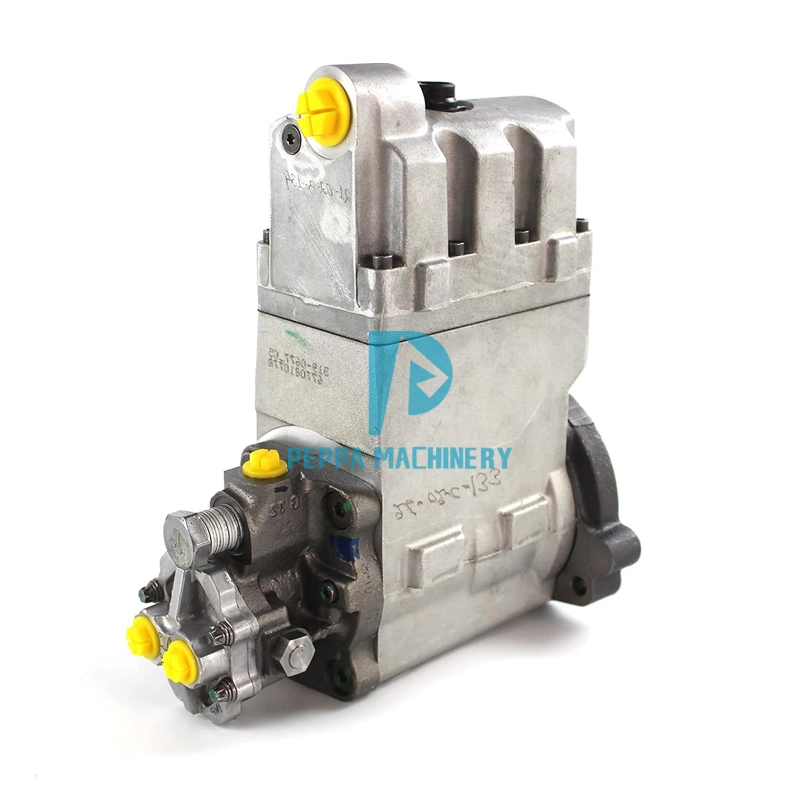
Fuel Feed / Transfer Pump Assembly for Caterpillar C7 & C9 Engines | Direct Replacement for OEM Parts #319-0678, 254-4358, 304-0678, 295-4778, 228-589
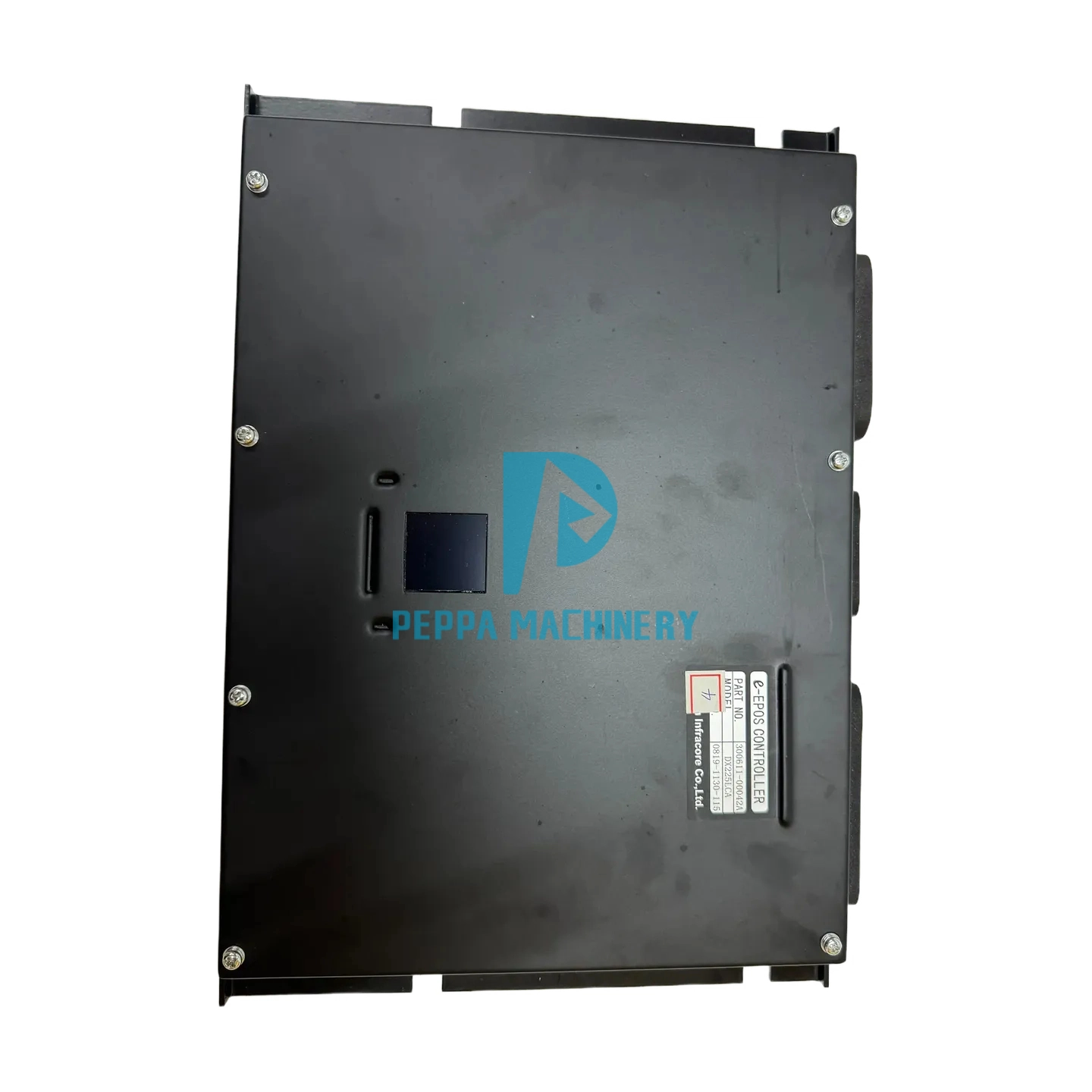
Excavator Accessories Excavator Controller DX225 DX225LCA E-EPOS Controller Computer Board 300611-00042 K1026740 K1001369C K1056425 ECU ECM

Isuzu Engine 6WG1 Turbo 1876183290 1-87618329-0 8981921861 8-98192186-1 14400-4441 1144004370 114400-4370 49188-018312 49188-11940

Reliable Source for Quality Excavator Components.
Follow Us
Our Partners


Our Payment Methods


 High Quality
 7/24 Service
 Guaranteed Warranty
 Scan QR Code
Facebook
TikTok
YouTube
Pinterest
Twitter