








How to Troubleshoot Common Excavator Fuel Pump Problems
- Identifying Symptoms and Initial Safety Checks
- Common symptoms that point to the fuel pump
- Safety and preparatory steps
- Systematic Diagnostic Workflow
- 1. Visual and basic checks
- 2. Electrical tests for electric/prime pumps
- 3. Fuel pressure and flow testing
- Root Causes and Targeted Remedies
- Contamination: water, particulates, and microbial growth
- Air ingress and cavitation
- Mechanical wear and internal failure
- Practical Tests, Tools, and When to Replace
- Recommended diagnostic tools and procedures
- Decision table: repair vs. replace
- Bench testing and professional repair options
- Types of Fuel Pumps and Comparative Guidance
- Common pump types used on excavators
- Comparison table: pump types, typical faults, and service notes
- Maintenance Practices to Prevent Fuel Pump Failures
- Scheduled maintenance essentials
- Parts selection and the role of genuine/OEM parts
- Guangzhou Peppa Machinery — Solutions and Advantages
- FAQs — Common Questions About Excavator Fuel Pump Problems
- 1. How do I know if the fuel pump is bad or the injector system is at fault?
- 2. Can I clean a fuel pump or should I replace it?
- 3. How much does replacing an excavator fuel pump typically cost?
- 4. What preventive measures reduce fuel pump failures?
- 5. Are aftermarket fuel pumps reliable for heavy equipment?
- 6. How do I handle fuel contamination found in the tank?
Excavator downtime often starts at the fuel system. Problems with an excavator fuel pump can cause limp performance, hard starts, stalling, smoke, or complete shutdown. This article gives a structured, practical troubleshooting workflow—rooted in safety, measurement, and proven repair practices—to help service technicians, fleet managers, and equipment owners diagnose fuel delivery failures, isolate causes (electrical, mechanical, contamination, air ingress), and decide on repair vs. replacement. Authoritative references and a vendor solution are provided for OEM and imported replacement parts.
Identifying Symptoms and Initial Safety Checks
Common symptoms that point to the fuel pump
Before opening the pump, observe and record symptoms. Typical indicators that implicate the excavator fuel pump include: slow cranking but no start, seizure/stall under load, intermittent power loss, abnormal black/white smoke after start, and fuel smell or visible leaks. These signs help separate fuel-pump problems from injector, air intake, or electrical-ignition faults.
Safety and preparatory steps
Always depressurize and isolate the fuel system on modern common-rail or high-pressure pumps—follow OEM service manual steps. Wear eye protection and gloves. Work in a well-ventilated area away from ignition sources. Disconnect battery negative before electrical tests. For guidance on fuel system hazards and safety best practices, see Fuel pump — Wikipedia and consult your OEM safety documentation.
Systematic Diagnostic Workflow
1. Visual and basic checks
Start simple: check fuel level, fuel quality (water, dirt, gelled fuel), fuel lines for kinks or collapsed hoses, clamps and fittings for leaks, and the fuel filter condition. Replace clogged filters and drain water separators. Fuel contamination (water, microbial growth) is a leading cause of fuel-system failures on diesel equipment—document findings and take samples for lab analysis if contamination is suspected.
2. Electrical tests for electric/prime pumps
Many excavators use electrically driven lift/priming pumps. Use a multimeter to check for battery voltage at the pump connector when the key/prime circuit is engaged. Check the pump ground continuity. If voltage is present but the pump does not run, bench-test the pump with direct 12/24V per OEM instructions. If current draw is abnormally high or low, the pump motor is likely failing.
3. Fuel pressure and flow testing
Measure static and dynamic fuel pressures with a calibrated gauge at test ports or at the rail (if applicable). Low pressure with normal electrical input suggests internal failure or blockage. Low flow but normal pressure may indicate check valves or internal leaks. If your excavator uses low-pressure lift/prefilter pumps, typical lift-pump pressures are low—always compare with the OEM spec. For high-pressure common-rail systems consult the service manual and observe strict safety precautions due to very high pressures; reference: Diesel engine — Wikipedia.
Root Causes and Targeted Remedies
Contamination: water, particulates, and microbial growth
Contaminants abrade pump internals and clog passages. Water causes corrosion and poor lubrication in fuel pumps. Test suspicious fuel with a clear container—water will separate. If contamination is confirmed: drain tanks, flush lines, replace filters and the pump if internal corrosion is present. Consider biocide treatment and fuel polishing for tanks that have microbial contamination.
Air ingress and cavitation
Symptoms of air ingress include rough idle, surging, and decreased power under load. Inspect suction lines, hose clamps, tank vents, and gasket seals for leaks. Cavitation can occur when inlet restrictions cause vapor pockets; this damages impellers and reduces pump life. Resolve by repairing leaks, replacing collapsed hoses, and ensuring correct pump inlet geometry. Use an inline clear hose for temporary testing to observe air bubbles during cranking.
Mechanical wear and internal failure
Over time, mechanical pumps develop wear on gears, vanes, or diaphragms. Signs include loss of flow even with correct voltage and no contamination. Bench testing or disassembly will show scoring, pitting, or worn bearings. Replace worn pumps and always inspect mating components (strainers, foot valves) for debris that may have accelerated wear.
Practical Tests, Tools, and When to Replace
Recommended diagnostic tools and procedures
Essential tools: fuel pressure gauge with appropriate adapters, in-line flow meter, multimeter, vacuum/pressure pump for priming checks, clear test hoses, and a fuel sampling kit. Procedure example: (1) confirm battery voltage at pump, (2) observe pump operation and listen for unusual noise, (3) measure fuel pressure at specified test point, (4) measure flow over time with a container or flow meter, and (5) perform bench test if applicable.
Decision table: repair vs. replace
Use the table below to decide action based on diagnosis:
| Observed Condition | Likely Cause | Recommended Action |
|---|---|---|
| No electrical supply at pump | Fuse/relay/wiring fault | Repair wiring, replace fuse/relay, retest |
| Voltage present but pump silent | Failed pump motor | Bench-test; replace pump if confirmed |
| Low pressure & low flow | Clogged filter, collapsed suction hose, internal wear | Replace filter, check hoses, replace pump if internal damage |
| Intermittent surging | Air ingress, failing check valve | Pressure test inlet, replace seals/check valves |
| Visible contamination/corrosion | Water or particulates in fuel | Drain & clean tank, replace filters & pump |
Bench testing and professional repair options
When a pump is removed, bench testing (flow and pressure under controlled voltage) confirms performance. Some pumps can be rebuilt with OEM kits (seals, diaphragms, bearings); however, for critical construction equipment, full replacement with a quality OEM or OEM-equivalent unit is often recommended to minimize downtime risk.
Types of Fuel Pumps and Comparative Guidance
Common pump types used on excavators
Excavators may use one or more of the following: mechanical lift pumps (older machines), electric lift/priming pumps, transfer modules, and high-pressure injection pumps (mechanical or common-rail). Each type requires a specific diagnostic approach.
Comparison table: pump types, typical faults, and service notes
| Pump Type | Typical Faults | Service Notes |
|---|---|---|
| Electric lift/primer pump | Motor failure, clogged strainer, wiring faults | Easy bench-test; replace motor assembly or pump module |
| Mechanical diaphragm/gear pump | Wear, seal failure, cavitation damage | Inspect for scoring; consider rebuild or OEM replacement |
| High-pressure injection pump | Internal wear, metering faults, timing drift | Specialized calibration required; use qualified service |
Maintenance Practices to Prevent Fuel Pump Failures
Scheduled maintenance essentials
Replace fuel filters at OEM intervals or sooner in dirty environments. Use water separators and drain them regularly. Maintain tank cleanliness and inspect sealing surfaces, vents, and breathers. Keep fuel storage within specifications to avoid degradation—store diesel in a cool, dry place and use first-in-first-out rotation.
Parts selection and the role of genuine/OEM parts
Using quality replacement parts—OEM or high-quality aftermarket—reduces the chance of premature failure. For critical components like fuel pumps and injection systems, purchase parts that meet OEM tolerances. Industry standards and OEM documentation are authoritative sources for part selection and torque/assembly specs; always follow the excavator manufacturer's service manual.
Guangzhou Peppa Machinery — Solutions and Advantages
Guangzhou Peppa Machinery Equipment Co., Ltd. is a professional one-stop wholesale service provider for excavator parts. Located in Guangzhou Wholesale Center, Peppa Machinery supplies excavator parts worldwide and provides professional parts sales advice and solutions. With over 15 years of experience, Peppa offers components across engine systems, electrical systems, hydraulic systems, and sealing systems, including both imported parts and OEM products.
Main product categories include engine parts (cylinder sleeve components and other parts for brands such as Caterpillar, Komatsu, Cummins, Isuzu, Mitsubishi, Hino), bearings, overhaul kits, crankshafts, connecting rods, turbochargers, water pumps, oil pumps, compressors, and more. Peppa Machinery emphasizes customized service support—matching parts and technical advice to individual fleet requirements to ensure uptime and efficiency.
Why consider Peppa Machinery: experienced sourcing and quality control, broad OEM and aftermarket inventory, tailored recommendations for engine parts, electrical parts, hydraulic parts, genuine parts, seal kits, and undercarriage parts. For excavator fuel pump issues, Peppa can supply compatible OEM or high-quality replacement pumps, filters, and repair kits, and advise on correct part numbers and installation practices.
FAQs — Common Questions About Excavator Fuel Pump Problems
1. How do I know if the fuel pump is bad or the injector system is at fault?
Start with simple checks: confirm battery voltage at the pump, listen for pump operation, and measure fuel pressure and flow at the pump/test ports. If the pump provides correct pressure and flow but engine performance is poor, the issue may be injectors or injection timing. If pressure/flow are low, the pump or suction side is likely at fault.
2. Can I clean a fuel pump or should I replace it?
Minor contamination and filter-clogging can be remedied by cleaning strainers and replacing filters. However, pumps with internal corrosion, pitting, worn bearings, or motor failure typically require replacement or a professional rebuild. For critical equipment, replacement with a tested unit is often the most reliable option.
3. How much does replacing an excavator fuel pump typically cost?
Costs vary by pump type, excavator model, and region. Electric lift pumps are generally less expensive than high-pressure injection pumps. Always consider labor, calibration (for injection pumps), and ancillary parts (filters, hoses, clamps). Contact parts suppliers like Guangzhou Peppa Machinery for specific quotes and part numbers.
4. What preventive measures reduce fuel pump failures?
Regular filter changes, water separation, tank cleaning, proper fuel storage, and checking suction hoses/venting reduce failures. Use quality fuel and replace components at OEM intervals. Schedule inspections after operations in dusty or wet environments.
5. Are aftermarket fuel pumps reliable for heavy equipment?
High-quality aftermarket pumps that meet OEM specifications can be reliable and cost-effective. Verify supplier reputation, warranty, and material standards. For high-pressure injection pumps, consider OEM or authorized remanufactured units and ensure professional installation and calibration.
6. How do I handle fuel contamination found in the tank?
Stop using contaminated fuel. Drain and clean the tank, flush lines, replace filters, and inspect the pump. If contamination reached the pump internals, replacement is often required. Treat tanks for microbial contamination if needed and implement fuel management practices.
Need parts or technical advice? Contact Guangzhou Peppa Machinery Equipment Co., Ltd. for tailored solutions, OEM and imported parts, and professional replacement recommendations. Peppa Machinery supports Engine Parts, Electrical Parts, Hydraulic Parts, Genuine Parts, Seal Kits, and Undercarriage Parts to help restore performance and uptime.
For authoritative background on fuel systems and diesel engines, see: https://en.wikipedia.org/wiki/Fuel_pump and https://en.wikipedia.org/wiki/Diesel_engine. Always consult your excavator OEM service manual for model-specific specifications and safe service procedures.
Top 10 excavator oil pump Manufacturers and Supplier Brands
Top excavator oil pump Manufacturers and Suppliers
What are the application scenarios of engine overhaul gasket kit?
Top 7 High Output Alternators for Heavy-Duty Excavators
Excavator Parts
How can I verify compatibility before placing an order?
Please provide us with your machine brand, model number, and the part number (if available). Our team will double-check the compatibility to ensure you receive the correct parts.
What types of parts do you mainly offer?
Our main product categories include:
• Engine parts (liner kits, crankshafts, water/oil pumps, etc.)
• Electrical parts (sensors, monitors, throttle motors, wiring harnesses)
• Hydraulic parts (pumps, valves, cylinders)
• Sealing kits (NOK, SKF, PQ brands, floating seals, O-rings)
Can I get help choosing the right parts for my machine?
Yes. Our experienced sales team is here to provide professional recommendations and solutions based on your excavator model, part number, or specific requirements.
What brands of excavator parts do you supply?
We supply a full range of parts compatible with major international and Chinese brands, including Caterpillar, Komatsu, Hitachi, Volvo, Doosan, Hyundai, Sany, Liugong, XCMG, Zoomlion, and more.
Do you provide technical support or installation guidance?
While we do not offer on-site installation, we can provide basic technical advice, diagrams, or documentation to assist your technicians with installation and troubleshooting.

Isuzu SP 4JG1 4JG2 4JG3 Cylinder Liner 1876182070 1-87618207-0 1876182080 1-87618208-0 1876182100 1-87618210-0
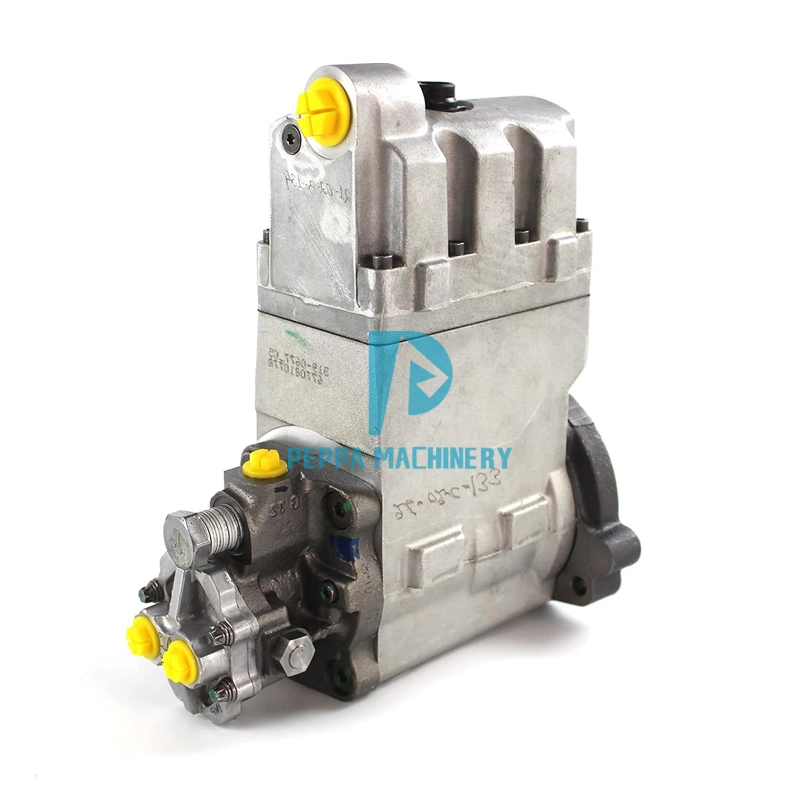
Fuel Feed / Transfer Pump Assembly for Caterpillar C7 & C9 Engines | Direct Replacement for OEM Parts #319-0678, 254-4358, 304-0678, 295-4778, 228-589
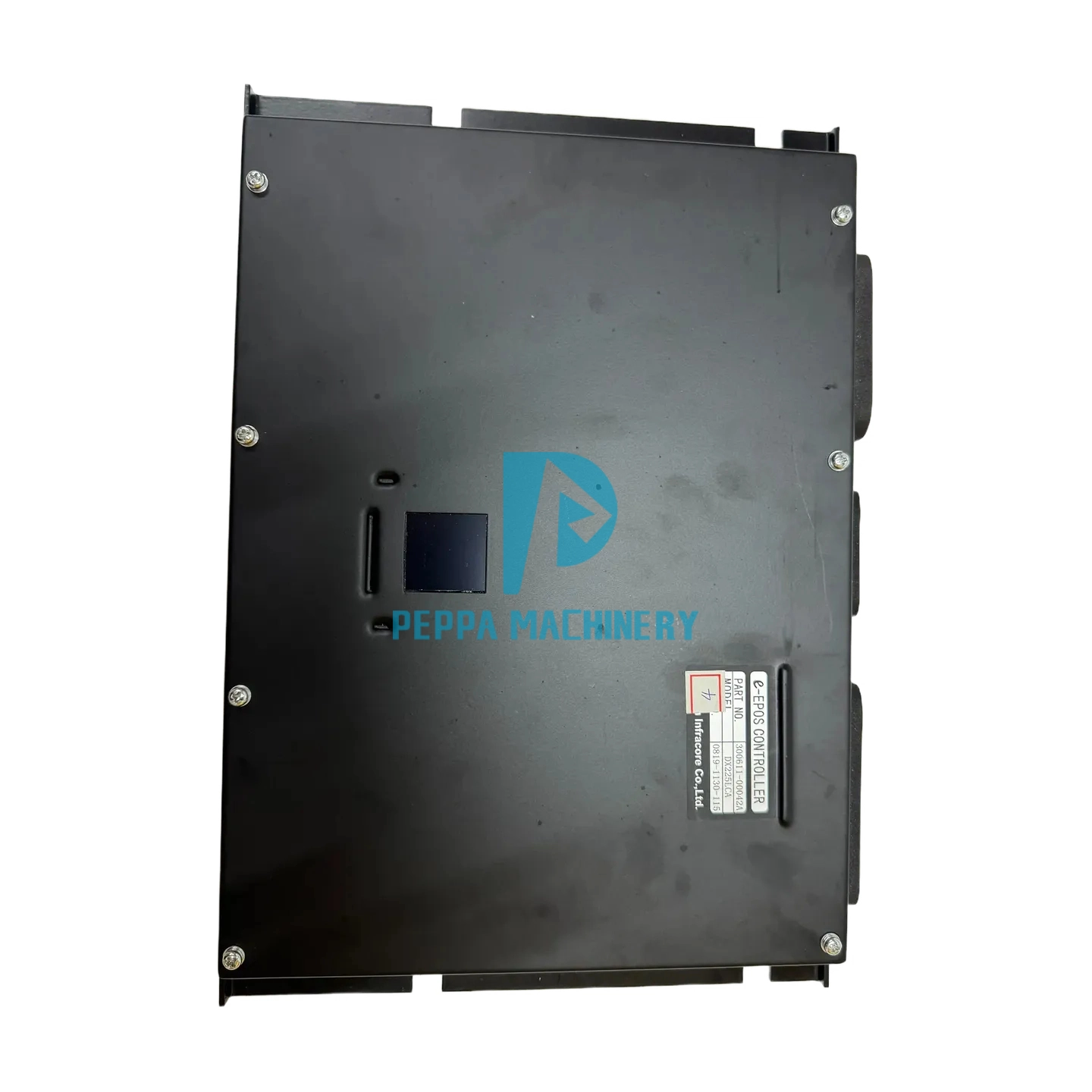
Excavator Accessories Excavator Controller DX225 DX225LCA E-EPOS Controller Computer Board 300611-00042 K1026740 K1001369C K1056425 ECU ECM

Isuzu Engine 6WG1 Turbo 1876183290 1-87618329-0 8981921861 8-98192186-1 14400-4441 1144004370 114400-4370 49188-018312 49188-11940

Reliable Source for Quality Excavator Components.
Follow Us
Our Partners


Our Payment Methods


 High Quality
 7/24 Service
 Guaranteed Warranty
 Scan QR Code
Facebook
TikTok
YouTube
Pinterest
Twitter