








How to Choose the Right Overhaul Gasket Set for Your Excavator
- Common Causes of Gasket Failure in Excavators
- Thermal and Mechanical Stress
- Surface Finish, Flatness and Damage
- Incorrect Material Selection
- How to Define Your Requirements Before Buying
- Identify Engine and Machine Specifications
- Decide OEM vs Aftermarket vs Remanufactured Kits
- Consider Operating Environment and Duty Cycle
- Choosing the Right Overhaul Gasket Set: Materials and Design
- Head Gaskets: Multi-Layer Steel (MLS) vs Composite
- Elastomers and Seal Kits
- Gasket Thickness and Compression Characteristics
- Installation, Inspection and Best Practices
- Pre-Installation Checks
- Torque Sequence, Pattern and Tools
- Break-in and Follow-up Inspection
- Table: Quick Comparison — OEM vs Aftermarket Overhaul Gasket Sets
- Cost vs. Risk: Making the Right Value Decision
- Calculating Total Cost of Ownership
- When to Upgrade Materials
- Supplier Selection Checklist
- About Guangzhou Peppa Machinery and How They Help
- Final Checklist: Buying and Installing an Overhaul Gasket Set
- Before Purchase
- Before Installation
- After Installation
- FAQ
- 1. What exactly is included in a typical overhaul gasket set?
- 2. Can I reuse old gaskets during an overhaul to save cost?
- 3. How do I know if I need an MLS head gasket or a composite one?
- 4. What are the signs of a failing head gasket on an excavator?
- 5. How important is surface finish and flatness for gasket sealing?
- 6. Do I need specialty gaskets for high-temperature or marine environments?
- Contact / View Products
I write from long experience in excavator maintenance and parts supply: choosing the correct overhaul gasket set is one of the most cost-effective steps you can take to restore engine integrity and avoid repeat failures. An overhaul gasket set isn't just a collection of soft parts—it's a system-level solution that must match part tolerances, material compatibility, and installation practices to reliably seal cylinders, oil passages, coolant jackets and hydraulic interfaces.
Common Causes of Gasket Failure in Excavators
Thermal and Mechanical Stress
Excavator engines and hydraulic components undergo large thermal cycles and vibration. Repeated expansion/contraction, combined with cylinder pressure and crankcase loading, causes gasket creep, extrusion or blowout. Understanding thermal coefficients of gasket materials matters when selecting an overhaul gasket set. For basic reference on sealing principles and elastomer behavior see Gasket - Wikipedia and O-ring - Wikipedia.
Surface Finish, Flatness and Damage
Even a perfect gasket will fail on a warped or scratched mating surface. Head gasket failures commonly follow poor resurfacing or improper torque sequence. I always inspect mating surfaces with a straight edge and measure warpage with a feeler gauge when recommending a cylinder head overhaul gasket set.
Incorrect Material Selection
Not all gaskets tolerate fuel, hydraulic oil, coolant or high combustion pressures equally. Choosing an overhaul gasket set with incompatible materials (e.g., a non-asbestos fiber where a metal-reinforced head gasket is required) invites early leaks. For material guidance consult engineering references such as Engineering Toolbox - Gasket Materials.
How to Define Your Requirements Before Buying
Identify Engine and Machine Specifications
Start with the machine's make, model, serial number and engine model (Caterpillar, Komatsu, Cummins, Isuzu, etc.). Overhaul gasket sets are not universal: bore spacing, head bolt pattern, and oil/coolant passage layout differ across engines. Use OEM parts manuals when possible to ensure the gasket set contains every required component.
Decide OEM vs Aftermarket vs Remanufactured Kits
There's a tradeoff between cost and certainty. OEM kits typically guarantee fit, materials and dimensional accuracy, but cost more. High-quality aftermarket suppliers sometimes match OEM form and function and offer improved availability. Remanufactured kits can be economical but require careful supplier vetting. I include a direct comparison below to clarify the decision drivers.
Consider Operating Environment and Duty Cycle
If the machine runs in high-temperature, dusty, or corrosive conditions, specify gaskets rated for those environments. Heavy-duty construction sites may justify High Quality metal-reinforced head gaskets and high-temp elastomers; light-duty or short-term repairs might accept economical fiber gaskets.
Choosing the Right Overhaul Gasket Set: Materials and Design
Head Gaskets: Multi-Layer Steel (MLS) vs Composite
For modern high-compression diesel engines, Multi-Layer Steel (MLS) head gaskets provide superior sealing under cylinder pressure and thermal cycling. Older engines may use composite or asbestos-free fiber gaskets. I recommend MLS for late-model Caterpillar, Komatsu and Cummins engines; composites can be acceptable for lower-pressure designs.
Elastomers and Seal Kits
O-rings and seals in an overhaul set should be selected for fluid compatibility (coolant, oil, fuel) and temperature range. For O-rings, common materials include NBR (nitrile), HNBR (hydrogenated NBR), and FKM (Viton). HNBR is a reliable all-around choice for modern diesel engine oil and coolant exposure. For reference on O-ring standards see ISO 3601 - O-rings.
Gasket Thickness and Compression Characteristics
Thickness affects compression set and sealing ability. Overly thick gaskets can alter head-to-block clearance and valve timing; too thin may not compensate for surface irregularities. When recommending a cylinder overhaul gasket set I verify OEM specified thicknesses and provide alternatives only when they meet the same compression characteristics and dimensional tolerances.
Installation, Inspection and Best Practices
Pre-Installation Checks
Before installing a new overhaul gasket set: clean all mating surfaces, remove corrosion and old gasket material, check warpage, inspect bolt threads, and replace any damaged studs or bolts. I always advise replacing head bolts with torque-to-yield (TTY) bolts if recommended by the OEM.
Torque Sequence, Pattern and Tools
Follow the OEM torque sequence and use a calibrated torque wrench. For critical engine components, a torque-angle gauge may be required for final stretch. Incorrect tightening sequence or insufficient torque is a leading cause of leaks even with correct parts.
Break-in and Follow-up Inspection
After overhaul, run the machine through warm-up cycles and re-torque where specified. Monitor coolant and oil for cross-contamination. I typically inspect gasketed joints after 50-100 operating hours post-overhaul to catch any settling issues early.
Table: Quick Comparison — OEM vs Aftermarket Overhaul Gasket Sets
| Factor | OEM Set | Quality Aftermarket | Low-cost Aftermarket |
|---|---|---|---|
| Fit & Compatibility | Guaranteed | Often exact (verify fit list) | Variable; risk of missing pieces |
| Material Certs | Usually provided | Provided by reputable brands | Rare or absent |
| Lead Time | May be longer | Often good availability | Good availability but inconsistent |
| Price | Highest | Moderate | Lowest |
| Warranty & Support | Strong | Varies by supplier | Limited or none |
Data above reflects market patterns I’ve observed across global parts suppliers and is backed by supplier catalogs and industry practice; always verify material certifications and fitment reports before purchase.
Cost vs. Risk: Making the Right Value Decision
Calculating Total Cost of Ownership
Consider downtime, potential rework, and collateral damage from a failed gasket (e.g., cracked head, cylinder wash). Often, paying a High Quality for a proven overhaul gasket set saves more than the initial cost by preventing repeat disassembly and lost production.
When to Upgrade Materials
If an engine has experienced repeated head gasket issues, consider upgrading to higher-grade materials (MLS, higher temp elastomers) and revising procedures (surface finish to OEM spec, better fasteners). These upgrades can be particularly worthwhile in high-hour fleets.
Supplier Selection Checklist
Choose suppliers who can provide: part numbers and cross-reference with OEM, material certificates (MSDS / spec sheets), fitment lists, and documented return/warranty policies. Support and parts advice are as valuable as the kit itself.
About Guangzhou Peppa Machinery and How They Help
Guangzhou Peppa Machinery Equipment Co., Ltd. is a professional one-stop wholesale service provider for excavator parts. Located in Guangzhou Wholesale Center, Peppa Machinery sells excavator parts globally and provides professional parts sales advice and customized solutions. With more than 15 years of experience, their product range covers engine systems, electrical systems, hydraulic systems and sealing systems, and they supply both imported parts and OEM products.
Their main engine accessory products include engine cylinder sleeve components and other engine parts for brands such as Caterpillar, Komatsu, Cummins, Isuzu, Mitsubishi and Hino; large and small bearings; overhaul kits; crankshafts; connecting rods; turbochargers; water pumps; oil pumps; compressors, and more. Peppa Machinery emphasizes customized service support—matching parts to each customer’s unique operational requirements—and combines industry expertise with personalized attention to ensure efficiency and satisfaction.
Key competitive advantages I’ve found with Peppa Machinery:
- Extensive inventory across Engine Parts, Electrical Parts, Hydraulic Parts, Genuine Parts, Seal Kits and Undercarriage Parts
- 15+ years of supplier relationships enabling access to hard-to-find OEM and imported components
- Technical support and tailored solutions—valuable when selecting the correct overhaul gasket set by engine serial number
- Quality control processes and the ability to provide material or fitment documentation on request
If you’re sourcing an overhaul gasket set, I recommend discussing your engine serial number, operational profile and previous failure history with a parts advisor at Peppa Machinery to get a kit that matches both fit and duty cycle.
Final Checklist: Buying and Installing an Overhaul Gasket Set
Before Purchase
- Confirm machine and engine serial numbers
- Request part list and material/specification sheets
- Verify warranty, return and lead time
Before Installation
- Inspect mating surfaces for warpage and damage
- Replace related fasteners if required (TTY bolts)
- Ensure correct torque tools and sequences are available
After Installation
- Follow OEM break-in recommendations
- Re-check torque where specified and monitor fluids
- Document serial numbers and part numbers for resale value and future servicing
FAQ
1. What exactly is included in a typical overhaul gasket set?
A comprehensive overhaul gasket set usually contains head gaskets, intake and exhaust gaskets, manifold gaskets, valve cover gaskets, oil pan gasket, seals and O-rings for oil and coolant galleries, timing cover gasket, and small items like washers and seals. Content varies by engine and supplier—always verify the parts list against the OEM manual.
2. Can I reuse old gaskets during an overhaul to save cost?
Generally no. Reusing gaskets compromises seal integrity because compressive set and material damage occur during the first installation. Critical gaskets such as head gaskets and oil seals should always be replaced during an overhaul.
3. How do I know if I need an MLS head gasket or a composite one?
Check the OEM specification for your engine model. As a rule, modern high-compression or turbocharged diesel engines use MLS gaskets. For older, low-compression engines, composite gaskets may be original. When in doubt, consult the engine manufacturer's service manual or a trusted supplier like Peppa Machinery.
4. What are the signs of a failing head gasket on an excavator?
Common signs include coolant loss without external leaks, white smoke from the exhaust, milky oil (coolant contamination), overheating, and loss of compression in one or more cylinders. Diagnoses should include a compression test, coolant pressure test and inspection of oil for contamination.
5. How important is surface finish and flatness for gasket sealing?
Very important. Surface finish and flatness determine how well a gasket can conform and seal. OEM specifications often cite a maximum allowable surface roughness (Ra) and flatness tolerance. Resurfacing should be done to those tolerances; improper resurfacing is a frequent cause of gasket failure.
6. Do I need specialty gaskets for high-temperature or marine environments?
Yes—choose gasket materials and elastomers rated for higher temperatures, salt exposure and specific fluid chemistries. For example, FKM (Viton) elastomers hold up better in high-temperature or chemically aggressive environments than standard NBR.
Contact / View Products
If you need help selecting the correct overhaul gasket set for your excavator, contact Guangzhou Peppa Machinery Equipment Co., Ltd. Their technical team can verify fitment by serial number and recommend OEM or high-quality aftermarket kits tailored to your operating conditions. Visit their catalog or request a quote to compare options and get material certifications: Guangzhou Peppa Machinery provides one-stop wholesale services for Engine Parts, Electrical Parts, Hydraulic Parts, Genuine Parts, Seal Kits and Undercarriage Parts—backed by 15+ years of industry experience.
For critical repairs I recommend sharing machine serial numbers, operating environment, failure history and service goals with your parts advisor to get the best outcome and minimize downtime.
References: Gasket fundamentals and O-ring standards: https://en.wikipedia.org/wiki/Gasket, https://en.wikipedia.org/wiki/O-ring, ISO O-ring standard: https://www.iso.org/standard/45163., gasket material guidance: https://www.engineeringtoolbox.com/gasket-materials-d_1511..
Overhaul Gasket Set Storage, Shelf Life and Handling Best Practices
How to Verify Quality: Testing Electric Fuel Pumps for Excavators
Top Brands of Excavator Injectors for Heavy Equipment
How to Choose a High Output Alternator for Excavators
Excavator Parts
Do you provide technical support or installation guidance?
While we do not offer on-site installation, we can provide basic technical advice, diagrams, or documentation to assist your technicians with installation and troubleshooting.
Can I get help choosing the right parts for my machine?
Yes. Our experienced sales team is here to provide professional recommendations and solutions based on your excavator model, part number, or specific requirements.
What types of parts do you mainly offer?
Our main product categories include:
• Engine parts (liner kits, crankshafts, water/oil pumps, etc.)
• Electrical parts (sensors, monitors, throttle motors, wiring harnesses)
• Hydraulic parts (pumps, valves, cylinders)
• Sealing kits (NOK, SKF, PQ brands, floating seals, O-rings)
How can I verify compatibility before placing an order?
Please provide us with your machine brand, model number, and the part number (if available). Our team will double-check the compatibility to ensure you receive the correct parts.
Are your parts genuine or OEM?
We offer both genuine parts and high-quality OEM alternatives. You can choose according to your budget and application needs. All OEM products are tested to meet or exceed original specifications.

Isuzu SP 4JG1 4JG2 4JG3 Cylinder Liner 1876182070 1-87618207-0 1876182080 1-87618208-0 1876182100 1-87618210-0
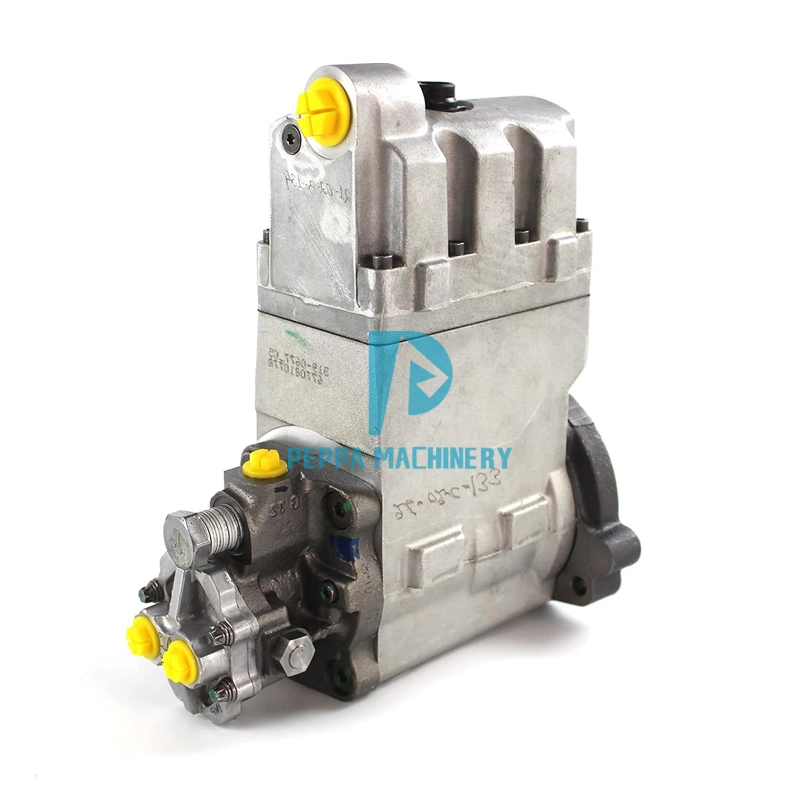
Fuel Feed / Transfer Pump Assembly for Caterpillar C7 & C9 Engines | Direct Replacement for OEM Parts #319-0678, 254-4358, 304-0678, 295-4778, 228-589
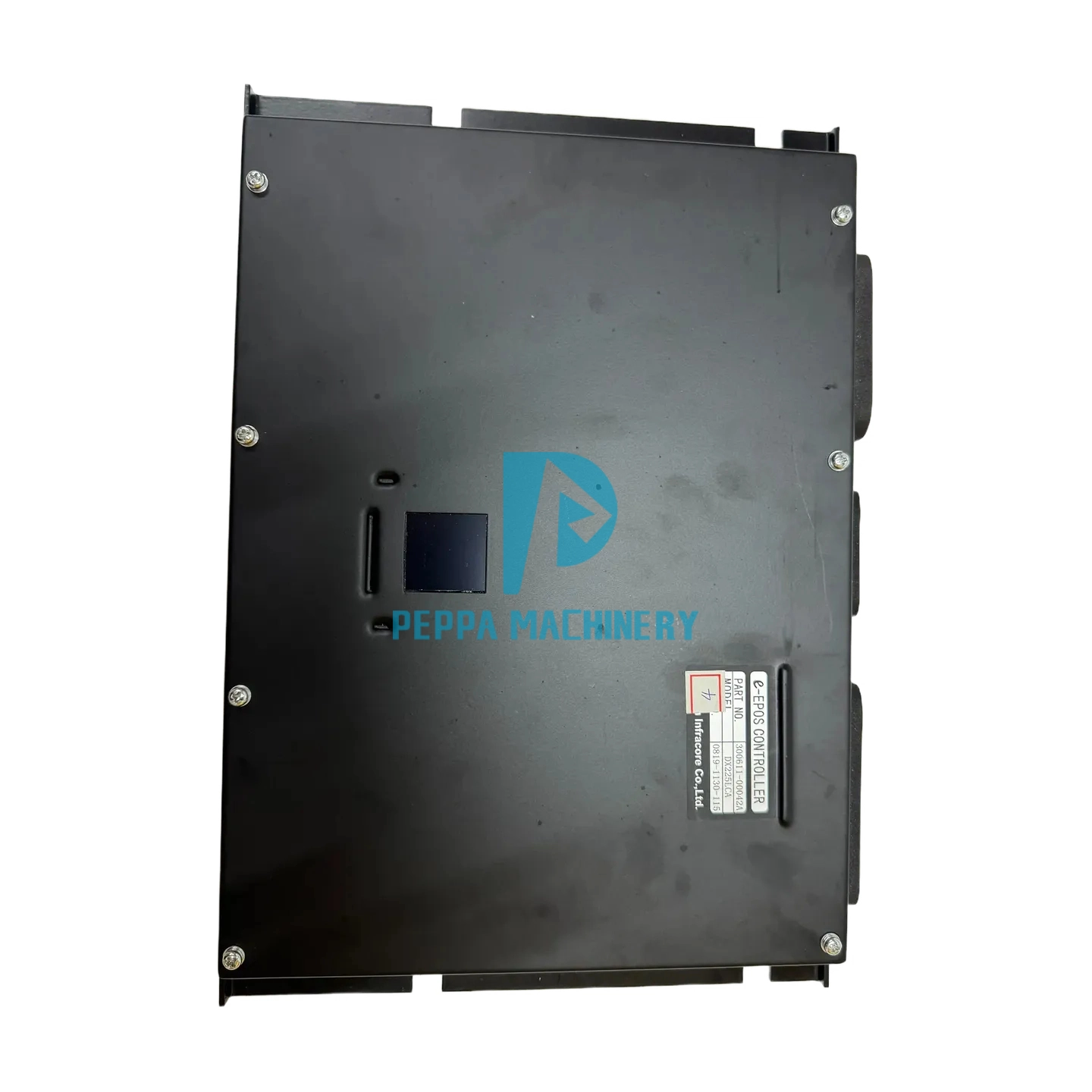
Excavator Accessories Excavator Controller DX225 DX225LCA E-EPOS Controller Computer Board 300611-00042 K1026740 K1001369C K1056425 ECU ECM

Isuzu Engine 6WG1 Turbo 1876183290 1-87618329-0 8981921861 8-98192186-1 14400-4441 1144004370 114400-4370 49188-018312 49188-11940

Reliable Source for Quality Excavator Components.
Follow Us
Our Partners


Our Payment Methods


 High Quality
 7/24 Service
 Guaranteed Warranty
 Scan QR Code
Facebook
TikTok
YouTube
Pinterest
Twitter