








How to Verify Quality: Testing Electric Fuel Pumps for Excavators
- Understanding the role of fuel delivery in excavator performance
- Why the electric fuel pump matters for excavators
- Common types and installation positions
- Typical failure modes and root causes
- Preparing to test an electric fuel pump
- Safety, documentation and OEM specifications
- Required tools and measurement equipment
- Choose bench-test vs in-situ test
- Step-by-step testing procedures
- Pressure and flow testing (bench and field)
- Electrical diagnostics: voltage, current draw and wiring
- Leak, contamination and filter assessment
- Interpreting results, troubleshooting and ensuring quality
- How to interpret common measurement outcomes
- Quality assurance, lifecycle and accelerated testing
- Procurement guidance and traceability
- Comparison: bench vs in-situ testing (example values)
- Supplier selection, warranty and how Peppa Machinery supports quality
- What to expect from a professional parts provider
- About Guangzhou Peppa Machinery and how they help excavator operators
- Peppa Machinery competitive strengths and quality assurances
- How to work with a supplier on pump validation
- FAQ — Testing electric fuel pumps for excavators
- 1. How do I know if the electric fuel pump is failing?
- 2. Can I test the pump without removing it from the excavator?
- 3. What are safe test voltage limits?
- 4. How often should fuel pumps be inspected or replaced?
- 5. Is it okay to use aftermarket pumps?
- 6. What are acceptable current draw values?
- 7. How do contaminants affect pump life?
Testing electric fuel pumps on excavators requires a clear process that combines mechanical inspection, electrical diagnostics and flow/pressure measurement. This guide provides field-ready procedures and bench-testing methods that align with industry best practices and quality management principles to help workshop technicians, fleet managers and parts buyers verify pump performance, diagnose failures, and select reliable replacement units.
Understanding the role of fuel delivery in excavator performance
Why the electric fuel pump matters for excavators
An excavator’s fuel delivery system is foundational to engine performance, emissions and uptime. Electric fuel pumps (often used as lift or supply pumps) move fuel from the tank to the primary injection components. Failures or degraded output can cause hard starts, power loss, increased smoke, stalling or damage to high‑pressure fuel systems. For a technical overview see Wikipedia: Fuel pump.
Common types and installation positions
Electric fuel pumps for excavators are typically installed either in-tank or inline near the fuel tank. In-tank pumps benefit from cooling and submerged operation; inline pumps are easier to service but more exposed to heat and vibration. Choosing the correct type is essential—OEM or OEM-equivalent units should match flow, pressure and electrical characteristics specified by the engine or equipment manufacturer.
Typical failure modes and root causes
Common failure modes include reduced flow (clogging/contamination), insufficient pressure (worn impeller or internal leakage), electrical issues (wiring, relay, or internal motor failure), cavitation, and mechanical wear from fuel contamination. Corrosion, water in fuel and improper installation are frequent contributors on construction sites where filtration and fuel handling are imperfect.
Preparing to test an electric fuel pump
Safety, documentation and OEM specifications
Before testing, collect the excavator’s service manual and the electric fuel pump OEM specifications: rated flow (L/min or GPH), nominal pressure (bar or psi), expected current draw (A), and connector/pinout. Follow Lockout-Tagout and battery isolation procedures to prevent accidental crank or energizing of the starter circuit. Quality management standards such as ISO 9001 recommend documented test records for traceability.
Required tools and measurement equipment
Essential tools: multimeter (True RMS), clamp ammeter, fuel flow meter or graduated container and stopwatch, fuel pressure gauge with adapter, bench power supply (12V or vehicle voltage), hose and fittings, fuel filter pressure-drop test rig, and leak-detection equipment. A smoke test or borescope may help inspect internal contamination. For electrical connectors, have a wiring diagram and test harness.
Choose bench-test vs in-situ test
Bench testing isolates the pump from vehicle variables—useful for verifying motor health and flow/pressure under controlled voltage. In-situ tests validate pump performance under real-system backpressure and filter conditions. Both are necessary: bench tests confirm the pump's intrinsic function; in-situ checks verify installation, tank pickup, lines and filters. See the comparison table below.
Step-by-step testing procedures
Pressure and flow testing (bench and field)
Procedure (bench):
- Mount pump securely in a test fixture or vice (avoid deforming the housing).
- Connect a calibrated fuel flow meter or run a known-length hose into a graduated container.
- Supply the pump at the nominal vehicle voltage (typically 12V DC) using a bench power supply with current limiting disabled for the test; monitor voltage at the pump terminals.
- Record steady-state flow (L/min) and outlet pressure (psi/bar) under open-flow and against a test regulator to simulate system backpressure.
- Compare results to OEM spec. If flow drops significantly under expected backpressure, internal wear or partial blockage is likely.
Procedure (in-situ):
- Install pressure gauge at the test port or fuel rail (as specified by OEM). If no port exists, use a proper adapter—never alter high-pressure rails without manufacturer guidance.
- With engine cranking or running depending on the test, measure pressure and flow, and observe behavior during acceleration and load.
- Record pressure ripple and drop during steady-state and transient conditions.
Electrical diagnostics: voltage, current draw and wiring
Use a multimeter to measure voltage at the pump under load. Voltage drops greater than 0.5V from battery to pump may indicate wiring resistance, poor grounds or connector corrosion. Measure current draw with a clamp ammeter; compare to manufacturer-rated current under nominal voltage. A sudden increase in current implies mechanical binding or failing brushes (for brushed motors), while abnormally low current suggests open coils or poor contact.
Leak, contamination and filter assessment
Inspect inlet screens, strainer baskets and fuel filters. Measure pressure drop across the filter at specified flow rates—excessive delta-P indicates clogging. Use a centrifuge or filter membrane sampling for water and particulate analysis if contamination is suspected. Visual inspection and microscopy of collected sediment can identify rust, glycol (coolant) or abrasive particles that accelerate wear.
Interpreting results, troubleshooting and ensuring quality
How to interpret common measurement outcomes
Interpreting results requires comparing measured values to OEM specifications and expected trends:
- Normal flow & pressure, high current: mechanical drag or partially blocked outlet.
- Low flow, normal current: internal leakage or worn impeller; check for cavitation.
- High pressure but low flow: partial restriction downstream or failed bypass/regulator.
- Voltage sag at pump with engine running: poor wiring or weak battery/alternator.
Always filter findings through operational symptoms (starting, smoke, power loss). When in doubt, replace with a validated unit and retest to isolate system vs pump faults.
Quality assurance, lifecycle and accelerated testing
Beyond pass/fail field tests, workshops and suppliers should implement acceptance and burn-in procedures: run pumps continuously under nominal voltage for a defined period (e.g., 30–60 minutes) while monitoring temperature, current and output stability. For larger fleets or OEM validation, accelerated life testing (thermal cycling, vibration, particulate exposure) can be used to reveal early failures; such methods are typically performed in certified test labs under standards aligned with product qualification programs. Industry quality schemes such as ISO 9001 provide frameworks for consistent QA processes.
Procurement guidance and traceability
When sourcing replacements, insist on traceability (batch numbers, country of origin), test certificates and compliance with manufacturer fitment data. For excavator parts and industry trends, refer to the Association of Equipment Manufacturers and technical resources from engine OEMs and industry standards bodies like SAE International. Maintain a parts log to record failure modes and serial numbers—this helps detect systemic issues due to counterfeit or substandard components.
Comparison: bench vs in-situ testing (example values)
| Test Type | What it checks | Typical measurement tools | Example acceptance/result guidance |
|---|---|---|---|
| Bench test | Intrinsic pump flow, pressure and current at controlled voltage | Bench power supply, flow meter, pressure gauge, ammeter | Flow within ±10% of OEM spec; current within rated value ±15%; stable pressure under simulated backpressure. If not, reject. |
| In-situ test | System-level performance: pump plus filters, lines and tank pickup | Pressure gauge at test port, flow restriction checks, multimeter | Measured pressure meets OEM running spec under load; little pressure drop across filters; no voltage drop >0.5V to pump. |
Note: Example acceptance boundaries are illustrative. Always use the excavator manufacturer’s specified limits for final verdicts.
Supplier selection, warranty and how Peppa Machinery supports quality
What to expect from a professional parts provider
A reputable supplier should provide product data sheets, compatibility tables for brands (e.g., Caterpillar, Komatsu, Cummins), test certificates and clear warranty terms. They should support technical questions about fitment, electrical connectors, mounting orientation and return processes for failed units.
About Guangzhou Peppa Machinery and how they help excavator operators
Guangzhou Peppa Machinery Equipment Co., Ltd. is a professional one-stop wholesale service provider for excavator parts. Located in Guangzhou Wholesale Center, Peppa Machinery sells excavator parts globally and provides professional parts sales advice and solutions. With more than 15 years of experience, their product coverage includes engine systems, electrical systems, hydraulic systems and sealing systems—offering both imported parts and OEM products.
Their main engine accessory offerings include engine cylinder sleeve components and engine parts for brands such as Caterpillar, Komatsu, Cummins, Isuzu, Mitsubishi and Hino; they also supply large and small bearings, overhaul kits, crankshafts, connecting rods, turbochargers, water pumps, oil pumps, compressors and more. At Peppa Machinery, customized service support is emphasized: they combine industry expertise with personalized attention to deliver tailored solutions that match operational requirements.
Peppa Machinery competitive strengths and quality assurances
Peppa Machinery differentiates itself through deep parts coverage (Engine Parts, Electrical Parts, Hydraulic Parts, Genuine Parts, Seal Kits, Undercarriage Parts), long-term supplier relationships, and technical consultation to ensure correct selection. For buyers needing quality assurance, Peppa can provide specifications, batch traceability and support in matching pumps to OEM electrical and pressure profiles—reducing the risk of misfit or early failure.
How to work with a supplier on pump validation
Request the pump’s test certificate and any burn-in reports. Ask for cross-reference numbers, connector diagrams and return policies for units that fail on installation. If purchasing in volume, negotiate sample bench testing or witness testing at the supplier’s facility to ensure conformity before shipment.
FAQ — Testing electric fuel pumps for excavators
1. How do I know if the electric fuel pump is failing?
Common signs include hard starting, surging under load, loss of power, black smoke or engine stalling. Confirm by measuring fuel pressure and flow, checking for voltage drop at the pump, and inspecting filters and pickup strainer for contamination.
2. Can I test the pump without removing it from the excavator?
Yes. In-situ testing with a pressure gauge at the test port and monitoring voltage/current at the pump terminals can diagnose many issues. However, bench testing is recommended when results are ambiguous or to verify the pump’s intrinsic performance.
3. What are safe test voltage limits?
Use the vehicle’s nominal system voltage (typically 12V). Allow for normal system variations (11–14.5V). Applying significantly higher voltage risks damaging the pump motor and will give misleading current/flow data.
4. How often should fuel pumps be inspected or replaced?
Inspection intervals depend on operating conditions. For heavy-duty or contaminated environments, inspect filters and pump performance during every major service (e.g., 250–500 hours). Replace per OEM intervals or earlier if performance degrades. Maintain records for trend analysis.
5. Is it okay to use aftermarket pumps?
High-quality aftermarket pumps can be acceptable if they match OEM specifications (flow, pressure, electrical connectors) and come with traceability and warranty. Avoid low-cost, unverified components that lack documentation. Work with reputable suppliers—such as Guangzhou Peppa Machinery—for validated alternatives.
6. What are acceptable current draw values?
Acceptable current draw varies by pump design. Check the manufacturer’s rated current. As a rule of thumb, compare measured draw to the rated value; deviations greater than ±15–20% warrant further investigation. Measure at operating voltage and under expected load conditions.
7. How do contaminants affect pump life?
Contaminants (sand, rust, water) accelerate wear of internal components, clog strainers and increase current draw and noise. Maintain proper filtration and sample fuel quality periodically—use laboratory analysis if contamination is recurrent.
If you need tested replacement electric fuel pumps, technical selection help, or bulk sourcing for excavator parts, contact Guangzhou Peppa Machinery Equipment Co., Ltd. Their experienced team can advise on suitable engine and electrical parts, supply OEM and imported items, and provide tailored solutions. View product categories or request a quote today—Engine Parts, Electrical Parts, Hydraulic Parts, Genuine Parts, Seal Kits, Undercarriage Parts—tailored to your fleet needs.
Contact Peppa Machinery to discuss pump specifications, request test certificates or arrange sample validation before purchase.
References: Wikipedia: Fuel pump; ISO 9001; Association of Equipment Manufacturers (AEM); SAE International.

The Ultimate Guide to Nozzle Fuel Injectors: 2026 Maintenance & Performance Secrets
Top Excavator Oil Pump Manufacturers and Suppliers in China
How to Verify Gasket Kit Compatibility by Engine Model/Serial
OEM vs Aftermarket Excavator Injectors: Pros and Cons
Excavator Parts
What brands of excavator parts do you supply?
We supply a full range of parts compatible with major international and Chinese brands, including Caterpillar, Komatsu, Hitachi, Volvo, Doosan, Hyundai, Sany, Liugong, XCMG, Zoomlion, and more.
How can I verify compatibility before placing an order?
Please provide us with your machine brand, model number, and the part number (if available). Our team will double-check the compatibility to ensure you receive the correct parts.
What types of parts do you mainly offer?
Our main product categories include:
• Engine parts (liner kits, crankshafts, water/oil pumps, etc.)
• Electrical parts (sensors, monitors, throttle motors, wiring harnesses)
• Hydraulic parts (pumps, valves, cylinders)
• Sealing kits (NOK, SKF, PQ brands, floating seals, O-rings)
Can I get help choosing the right parts for my machine?
Yes. Our experienced sales team is here to provide professional recommendations and solutions based on your excavator model, part number, or specific requirements.
Are your parts genuine or OEM?
We offer both genuine parts and high-quality OEM alternatives. You can choose according to your budget and application needs. All OEM products are tested to meet or exceed original specifications.
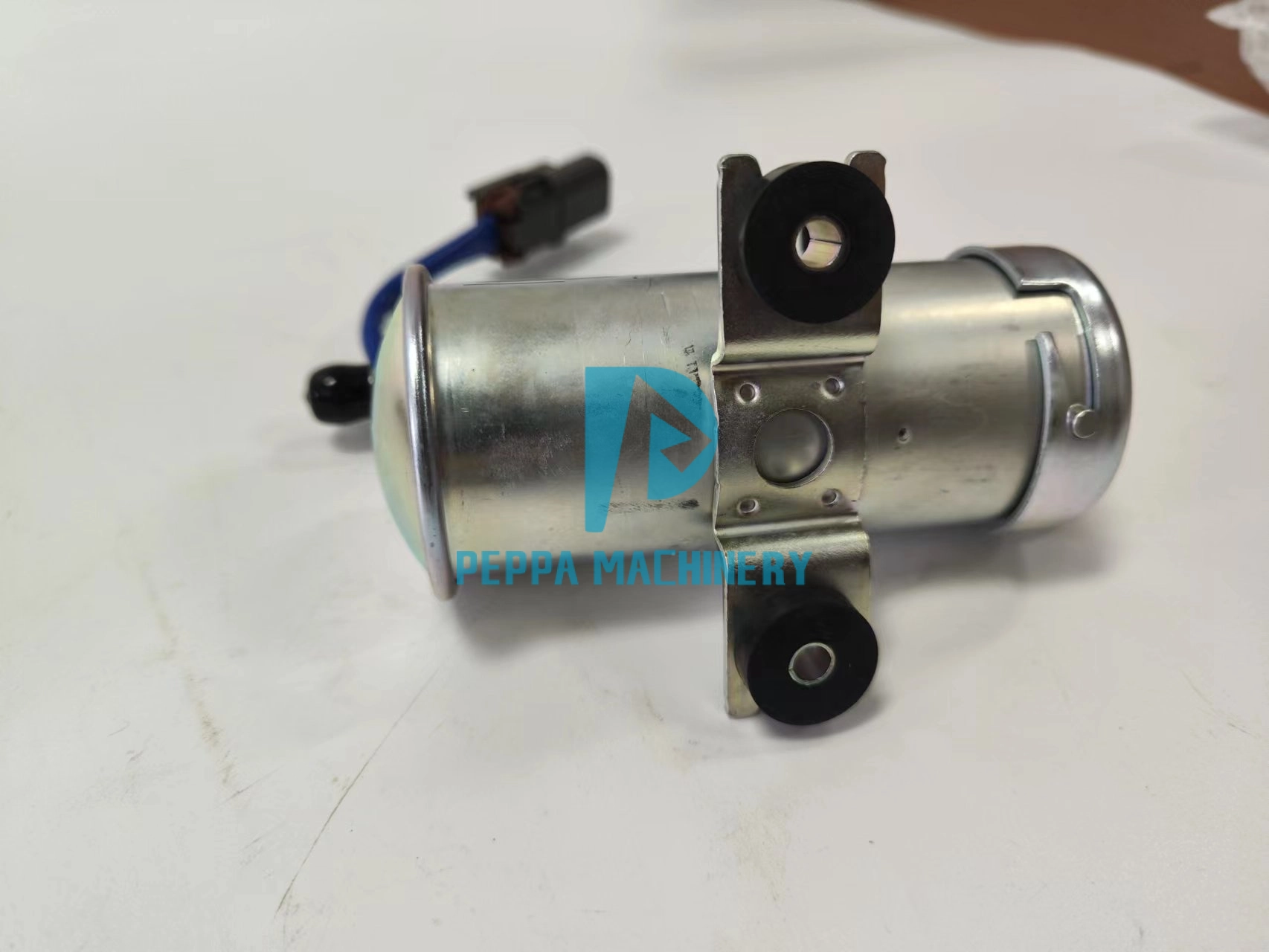
8-97515301-1 Electric Fuel Pump for 4HK1 6HK1 Engine 8975153011
Peppa Machinery presents Construction Machinery Parts 8-97515301-1 Electric Fuel Pump for 4HK1 6HK1 Engine 8975153011,Engineered for precision and durability, this overhaulkit ensures optimal performance and fuel efficiency. Reliable replacement for heavy-duty machinery.

Isuzu SP 4JG1 4JG2 4JG3 Cylinder Liner 1876182070 1-87618207-0 1876182080 1-87618208-0 1876182100 1-87618210-0
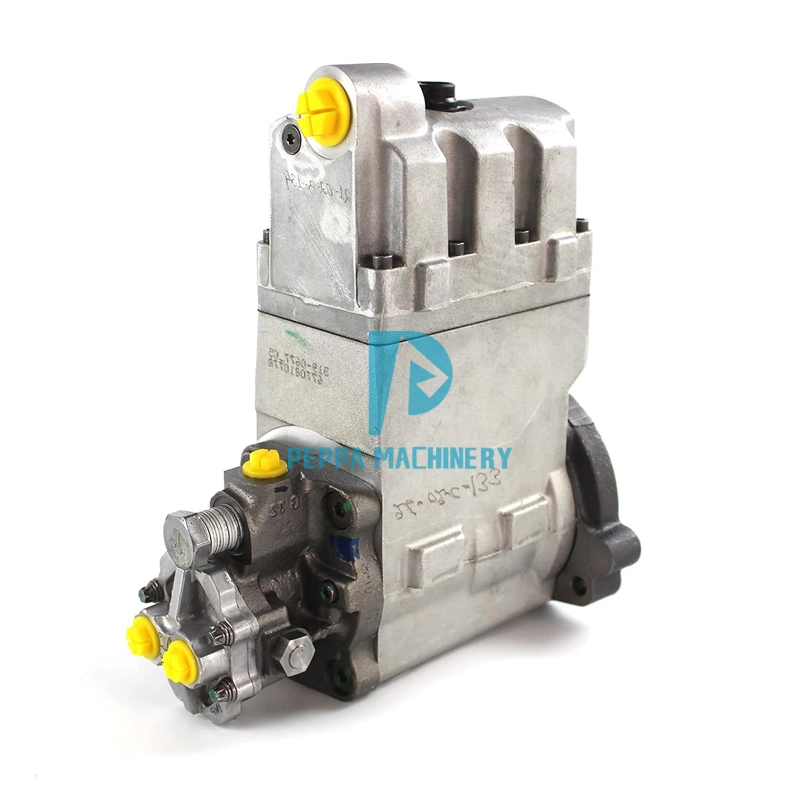
Fuel Feed / Transfer Pump Assembly for Caterpillar C7 & C9 Engines | Direct Replacement for OEM Parts #319-0678, 254-4358, 304-0678, 295-4778, 228-589
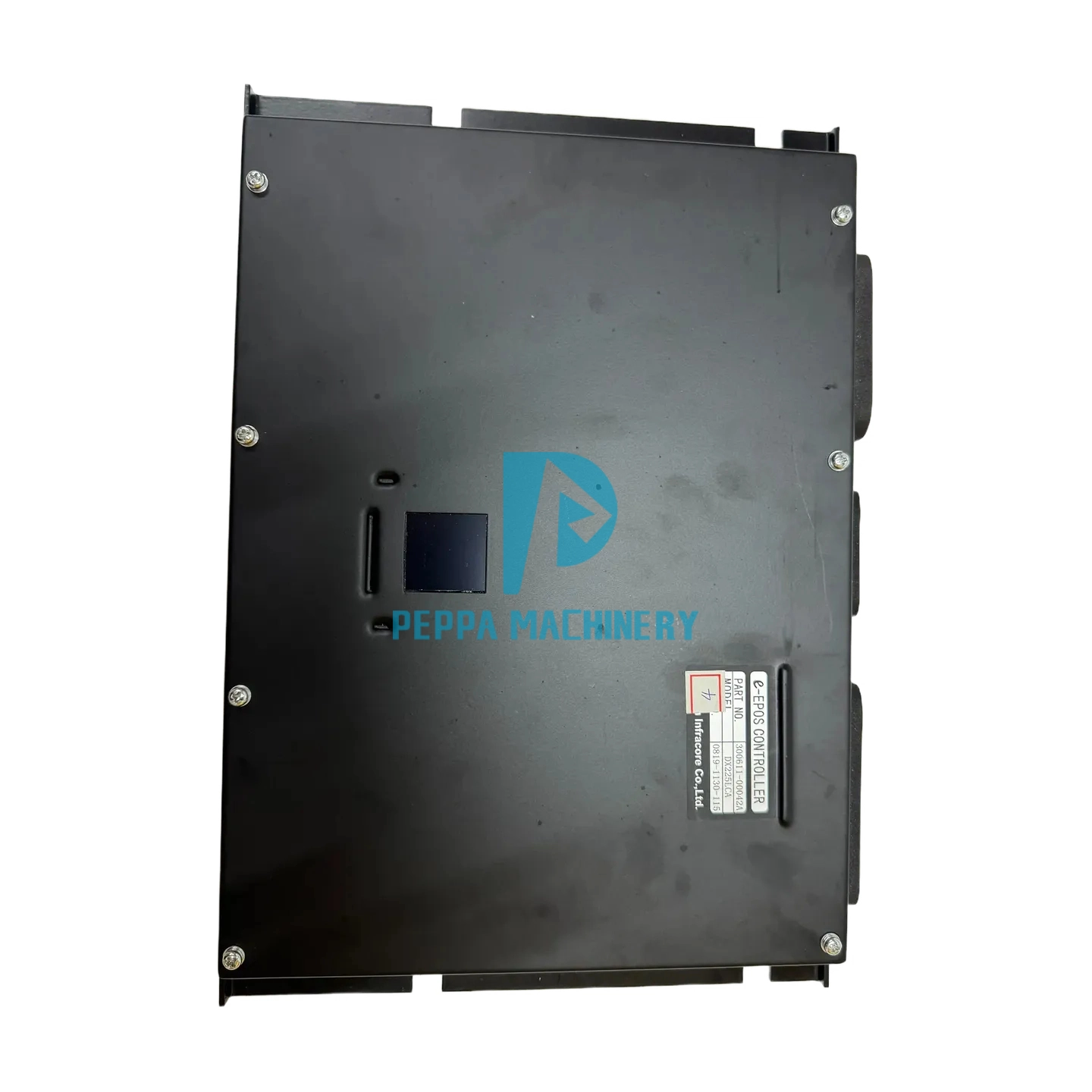
Excavator Accessories Excavator Controller DX225 DX225LCA E-EPOS Controller Computer Board 300611-00042 K1026740 K1001369C K1056425 ECU ECM

Reliable Source for Quality Excavator Components.
Follow Us
Our Partners


Our Payment Methods


 High Quality
 7/24 Service
 Guaranteed Warranty
 Scan QR Code
Facebook
TikTok
YouTube
Pinterest
Twitter