








The Ultimate Guide to Nozzle Fuel Injectors: 2026 Maintenance & Performance Secrets
- What is a Nozzle Fuel Injector?
- Key Takeaways & Quick Summary
- The Anatomy and Mechanics of a Fuel Nozzle
- Evolution & 2026 Future Trends in Injection Technology
- Maintenance Secrets & Expert Troubleshooting Tips
- Industry Leading Solutions and Real-World Examples
- Conclusion
- FAQ
- How long do nozzle fuel injectors last?
- What are the symptoms of a bad fuel injector nozzle?
- Can you clean a diesel injector nozzle?
- What is the difference between a pintle and multi-hole nozzle?
- How does atomization affect fuel economy?
- How much does it cost to replace a nozzle fuel injector?
- What causes microcavitation in fuel nozzles?
- How do electronic control units (ECU) interact with injector nozzles?
What is a Nozzle Fuel Injector?
A diesel fuel injector nozzle is a highly precise mechanical or electronic component in an engine's fuel system. It uses hydraulic pressure to spray metered fuel into the combustion chamber, maximizing surface area for clean, efficient combustion and optimal performance.
Historically and mechanically, the shift to precision spraying completely transformed engine capabilities. In fact, as reported by Wikipedia, fuel injection is the introduction of fuel in an internal combustion engine by means of a fuel injector, a technology that gradually gained prevalence until it largely replaced carburetors to enhance atomization and fuel delivery. By breaking down dense fuel into microscopic droplets, the nozzle significantly increases the exposed surface area. This rapid vaporization allows the fuel to mix evenly with highly compressed, heated air. The immediate result is robust power generation, smoother idle states, and a substantial reduction in toxic exhaust emissions, allowing heavy machinery to easily comply with modern EPA and Euro 6 standards.
Key Takeaways & Quick Summary
The core functionality of a fuel nozzle dictates overall fuel economy, engine power, and emissions compliance. Understanding its mechanics, maintaining clean fuel lines, and adopting modern diagnostic tools are critical steps to prevent catastrophic engine failure and costly vehicle downtime.
To maximize vehicle uptime and minimize fleet maintenance overhead, keep these critical points in mind:
- Performance Impact: Fuel nozzles act as the ultimate gatekeepers for efficiency; a worn nozzle can instantly drain fuel economy by up to 15%.
- Advanced Engineering: Modern diesel engines utilize precision multi-hole systems and advanced VCO (Valve-Covered Orifice) designs to deliver unparalleled accuracy.
- Preventative Care: Consistent maintenance is essential to prevent internal microcavitation, thermal fatigue, and heavy carbon deposit build-up.
- Smart Integration: Embracing 2026 IoT tracking trends drastically reduces unexpected injector failures by providing operators with real-time pressure and flow analytics.
The Anatomy and Mechanics of a Fuel Nozzle
A fuel nozzle operates through a complex interplay of hydraulic pressure, spring tension, and precise electronic control. Fuel enters the injector body, overcomes internal spring tension, and forces the needle valve open to spray fuel through microscopic laser-drilled orifices.
The evolution of the internal injector chamber has played a massive role in improving efficiency. Moving away from legacy blind-hole designs, the modern injector sac VCO design strategically positions the needle valve so that it directly covers the spray holes when closed. This advanced geometry drastically minimizes the volume of residual fuel left in the nozzle tip after the injection event, entirely preventing the secondary fuel dribbling that traditionally causes black smoke and carbon buildup.
Key mechanical actions governing the system include:
- Electronic Control Unit (ECU) Management: The ECU acts as the master brain of the engine, actively managing injection timing, pulse width, and fuel injection pressure regulation based on split-second sensor feedback from the crankshaft and intake manifold.
- Hydraulic Action: Highly pressurized fuel from the common rail system pushes against the needle valve's tapered surface. Once hydraulic force exceeds the heavy mechanical spring tension (pop pressure), the needle lifts instantly.
- Spray Pattern Variations: Older indirect injection engines often utilized a single-hole or self-cleaning pintle design. Conversely, modern direct-injection diesel engines demand complex multi-hole nozzle atomization to distribute fuel uniformly in a 3D cloud across a specific piston bowl shape.

Evolution & 2026 Future Trends in Injection Technology
The future of injection technology centers on real-time IoT monitoring, laser-drilled sub-micron orifices, and synthetic fuel compatibility. These 2026 advancements focus on ultra-fine atomization and smart diagnostics to predict mechanical wear and strictly adhere to tightening global emissions standards.
Addressing the critical industry gap in fleet management, 2026 is defined by the seamless integration of IoT sensors directly onto fuel rails. These smart diagnostics can accurately predict damaging hydraulic shock waves and fuel flow restrictions long before they trigger an on-road failure. Furthermore, manufacturing precision has reached unprecedented levels. Today's components feature laser-drilled orifices measuring sub-30 microns in diameter, essential for handling alternative bio-diesels and synthetic fuels that require different injection mapping.
The complexity of these modern systems cannot be understated. In fact, as reported by DieselNet, the main purpose of the fuel injection system is to deliver fuel into the cylinders while precisely controlling injection timing and fuel atomization, representing a significant portion of total engine cost due to intricate electronic control requirements.
Maintenance Secrets & Expert Troubleshooting Tips
Effective nozzle maintenance requires proactive fuel filtration and regular ultrasonic cleaning to remove stubborn carbon deposits. Accurately diagnosing spray patterns helps identify microcavitation early, allowing operators to replace worn nozzle tips before they cause severe engine misfires or efficiency loss.
To maintain a healthy diesel fuel system, mechanics must master the art of nozzle spray pattern troubleshooting. A healthy, optimally functioning nozzle emits a fine, symmetrical mist. If the diagnostic pop-tester reveals a lopsided spray, a streaky solid stream, or emits large unatomized droplets, it points directly to a partial blockage, a worn needle seat, or degraded spring tension.
Expert Tips for Longevity:
- Analyze Spray Patterns: Conduct professional bench testing to read spray shapes. A solid fuel stream instead of a fine vapor cloud points to critical tip wear that risks washing the engine cylinder wall.
- Filter Replacement: Never ignore OEM fuel filter update schedules. Running sub-par, water-contaminated fuel acts like liquid sandpaper inside a 30,000-psi high-pressure system.
- Spot Microcavitation: Look for microscopic pitting inside the nozzle during disassembly. This fatigue is caused by rapid pressure changes and vapor bubble collapse, which literally chip away at the hardened steel surface.
- Cleaning vs. Replacing: Specialized ultrasonic cleaning baths can efficiently dissolve exterior carbon buildup. However, if the nozzle tip exhibits internal physical wear or microcavitation damage, a complete component replacement is the only safe and viable fix.
Industry Leading Solutions and Real-World Examples
Partnering with proven aftermarket experts ensures fleets receive highly calibrated, durable replacement parts at cost-effective prices. Experienced suppliers leverage strict quality control to deliver OEM-grade fuel nozzles that restore factory power, enhance fuel economy, and significantly extend heavy-duty engine lifespan.
At Guangzhou Peiqi Machinery Equipment Co., Ltd. (operating globally as Peppa Machinery), we bring over 15 years of specialized experience as a professional one-stop wholesale service provider for heavy-duty excavator and construction parts. Based in the Guangzhou Wholesale Center, we supply premium engine systems, seal kits, and hydraulic systems to clients worldwide. When upgrading or repairing your fleet, our customized service support provides tailored solutions that ensure maximum operational efficiency.
We offer genuine parts and OEM-equivalent replacements specifically engineered for top-tier heavy machinery brands including Caterpillar, Komatsu, Cummins, Isuzu, Mitsubishi, and Hino. For example, fleets relying on Peppa Machinery's engine cylinder sleeve components and high-precision nozzles experience a verifiable ROI through decreased daily fuel consumption and restored factory-grade horsepower. Our strict adherence to ISO 9001:2015 quality standards guarantees that every part meets exact metering and long-term durability requirements, completely bridging the gap between premium performance and realistic aftermarket pricing.
Conclusion
The proper function of nozzle fuel injectors is vital to the performance, longevity, and efficiency of modern combustion engines. From the intricate mechanics of injector designs to the predictive power of 2026 IoT tracking, staying ahead of maintenance prevents downtime. By implementing regular fuel filtration checks and understanding the mechanical signs of poor atomization, operators can protect their massive engine investments and seamlessly pass strict global emissions regulations.
Contact us today to optimize your diesel fuel injector nozzle strategy.
FAQ
How long do nozzle fuel injectors last?
They typically last 50,000 to 100,000 miles depending on fuel quality and driving conditions. Regular fuel filter changes and preventative maintenance can significantly extend their lifespan.
What are the symptoms of a bad fuel injector nozzle?
Common signs include rough idling, engine misfires, and hard starting. You may also notice decreased fuel efficiency and excessive black exhaust smoke.
Can you clean a diesel injector nozzle?
Yes, specialized ultrasonic cleaning can effectively remove stubborn carbon buildup and restore spray patterns. However, severe wear or microcavitation damage requires a complete replacement of the nozzle tip.
What is the difference between a pintle and multi-hole nozzle?
Pintle nozzles feature a single pin that moves to allow fuel out, commonly used in older indirect injection systems. Multi-hole nozzles feature several tiny laser-drilled holes, offering finer atomization essential for modern direct injection engines.
How does atomization affect fuel economy?
Finer atomization creates smaller fuel droplets, which increases the total surface area of the fuel exposed to oxygen. This allows the fuel to burn more completely and quickly, translating to higher power output and less wasted fuel.
How much does it cost to replace a nozzle fuel injector?
Replacement costs typically range from $150 to $600 per injector, heavily dependent on the engine type and vehicle. Labor costs and the choice between OEM and aftermarket parts will significantly influence the final price.
What causes microcavitation in fuel nozzles?
Microcavitation is caused by high-pressure fluid dynamics that create rapid vapor bubbles within the fuel flow. When these bubbles collapse against the nozzle wall, they chip away at the metal surface, leading to structural fatigue.
How do electronic control units (ECU) interact with injector nozzles?
The ECU acts as the brain, calculating the exact timing and duration of the fuel spray required for optimal combustion. It continuously adjusts the injector pulse width based on real-time data from various engine sensors.
Top 10 excavator engine parts Manufacturers and Supplier Brands
Fuel Pump Maintenance Checklist to Prevent Excavator Downtime
OEM vs Aftermarket Excavator Oil Pumps: Pros and Cons
Top Excavator Water Pump Manufacturers and Suppliers in China
Excavator Parts
Are your parts genuine or OEM?
We offer both genuine parts and high-quality OEM alternatives. You can choose according to your budget and application needs. All OEM products are tested to meet or exceed original specifications.
Can I get help choosing the right parts for my machine?
Yes. Our experienced sales team is here to provide professional recommendations and solutions based on your excavator model, part number, or specific requirements.
What brands of excavator parts do you supply?
We supply a full range of parts compatible with major international and Chinese brands, including Caterpillar, Komatsu, Hitachi, Volvo, Doosan, Hyundai, Sany, Liugong, XCMG, Zoomlion, and more.
What types of parts do you mainly offer?
Our main product categories include:
• Engine parts (liner kits, crankshafts, water/oil pumps, etc.)
• Electrical parts (sensors, monitors, throttle motors, wiring harnesses)
• Hydraulic parts (pumps, valves, cylinders)
• Sealing kits (NOK, SKF, PQ brands, floating seals, O-rings)
Do you provide technical support or installation guidance?
While we do not offer on-site installation, we can provide basic technical advice, diagrams, or documentation to assist your technicians with installation and troubleshooting.

Isuzu SP 4JG1 4JG2 4JG3 Cylinder Liner 1876182070 1-87618207-0 1876182080 1-87618208-0 1876182100 1-87618210-0
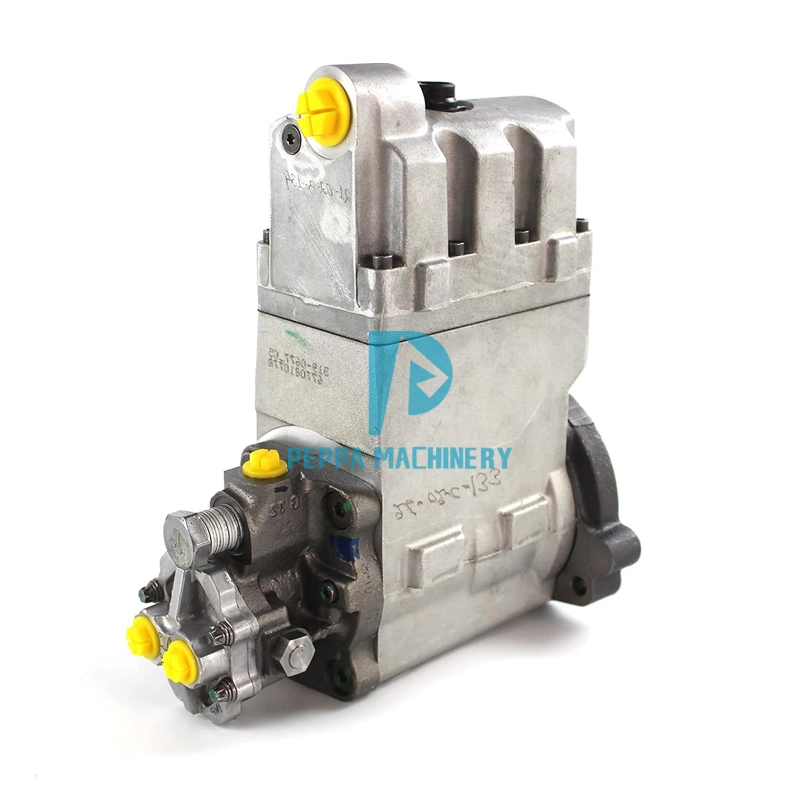
Fuel Feed / Transfer Pump Assembly for Caterpillar C7 & C9 Engines | Direct Replacement for OEM Parts #319-0678, 254-4358, 304-0678, 295-4778, 228-589
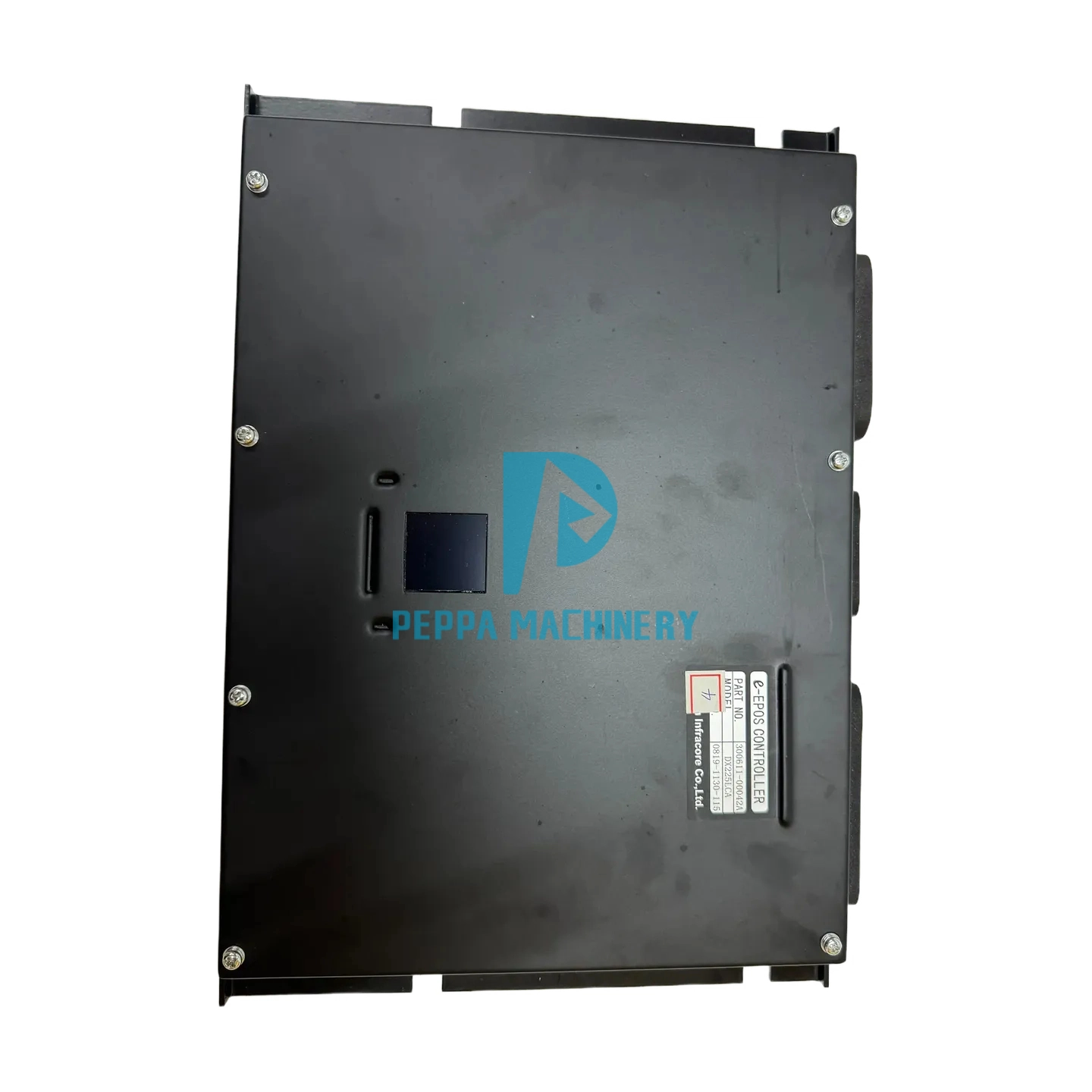
Excavator Accessories Excavator Controller DX225 DX225LCA E-EPOS Controller Computer Board 300611-00042 K1026740 K1001369C K1056425 ECU ECM

Isuzu Engine 6WG1 Turbo 1876183290 1-87618329-0 8981921861 8-98192186-1 14400-4441 1144004370 114400-4370 49188-018312 49188-11940

Reliable Source for Quality Excavator Components.
Follow Us
Our Partners


Our Payment Methods


 High Quality
 7/24 Service
 Guaranteed Warranty
 Scan QR Code
Facebook
TikTok
YouTube
Pinterest
Twitter