








Fuel Pump Maintenance Checklist to Prevent Excavator Downtime
- Why fuel system health matters for excavator uptime
- Role of the fuel pump in diesel-excavator performance
- Consequences of neglected fuel pump maintenance
- Common causes of fuel pump failure in excavators
- Preventive maintenance checklist for excavator fuel pumps
- Daily and pre-shift checks
- Weekly to monthly checks
- Scheduled (every 250–1,000 hours) maintenance
- Troubleshooting and diagnostics
- Symptoms, probable causes, and quick tests
- Using pressure gauges and flow meters
- Contamination analysis
- Parts selection, replacement criteria, and sourcing
- When to repair vs replace
- Choosing genuine vs aftermarket parts
- Sourcing and supply chain best practices
- Case examples and field-proven tips
- Case: Preventing cavitation on a 20-ton excavator
- Best practice: fuel handling and storage
- Record-keeping: the hidden ROI
- Guangzhou Peppa Machinery — parts supply and tailored solutions
- Troubleshooting quick-reference table
- References and standards
- FAQ — Frequently Asked Questions
- 1. How often should I replace my excavator's fuel filter?
- 2. What are the signs my fuel pump is failing?
- 3. Can I run the excavator if the fuel pump is making noise?
- 4. Is it better to buy OEM or aftermarket fuel pumps?
- 5. What should be included in a fuel system emergency kit?
- 6. How do I prevent water and microbial contamination in diesel?
- Contact and next steps
Excavator fuel pump failures are a leading cause of unexpected machine downtime on construction sites and in mining operations. Proper preventive maintenance reduces repair costs, avoids productivity losses, and extends the service life of fuel system components. This article provides a technician-focused, field-tested checklist for excavator fuel pump maintenance, diagnostic techniques to catch early signs of trouble, recommended inspection intervals, and guidance on sourcing quality replacement parts.
Why fuel system health matters for excavator uptime
Role of the fuel pump in diesel-excavator performance
On modern excavators the fuel pump (including lift pumps and fuel injection pumps) is central to delivering consistent fuel pressure and flow to the engine. A properly functioning pump ensures correct injection timing, combustion efficiency, and smooth engine operation. Fuel pump problems — loss of prime, cavitation, or internal wear — can manifest as hard starting, power loss, surging, excessive black smoke, or engine stalls.
Consequences of neglected fuel pump maintenance
Unscheduled failures lead to lost operator hours, emergency repair High Qualitys, and potential collateral damage (e.g., injection pump debris contaminating injectors). Industry analyses and OEM guidance emphasize scheduled maintenance to reduce lifecycle costs; for example, OEM manuals (Caterpillar, Komatsu) recommend routine fuel system inspections as part of standard service intervals (Caterpillar maintenance).
Common causes of fuel pump failure in excavators
Typical causes include contaminated fuel (water, particulates), fuel starvation (blocked suction, vapor lock), poor fuel filter maintenance, and wear from abrasive contaminants. Environmental factors (site dust, extreme temperatures) and poor fuel handling practices also accelerate pump degradation. See the general technical overview of fuel pumps on Wikipedia for component basics.
Preventive maintenance checklist for excavator fuel pumps
Daily and pre-shift checks
- Visual inspection: Check fuel lines, fittings, and visible pump housing for leaks, cracks or loose clamps. Tighten per torque specs where available.
- Check fuel level and quality when refueling: avoid topping up from unverified containers; use designated fuel transfer equipment with filtration.
- Run warm-up observation: listen for unusual pump noise during start and initial idle (sucking/whining noises can indicate cavitation or air ingress).
Weekly to monthly checks
- Fuel filter inspection/replacement: Replace primary and secondary fuel filters according to OEM intervals or sooner if differential pressure indicators suggest blockage. Water-in-fuel (WIF) indicators should be drained and inspected weekly in wet conditions.
- Inspect fuel lines and clamps: look for softening, swelling, chafing, or rodent damage; replace suspect hoses and secure clamps.
- Check for air leaks: perform a vacuum test on suction lines or observe sustained prime loss after engine shut-down/start; bleeding procedures vary by pump type.
Scheduled (every 250–1,000 hours) maintenance
- Fuel system cleaning and sediment drain: Drain sumps and separators. In dusty or marine environments shorten the interval.
- Pressure and delivery testing: Measure fuel rail pressure and pump delivery volume against OEM specs with a calibrated gauge. Record values for trend analysis.
- Inspect pump internal condition: For pumps with serviceable kits, remove and inspect for wear, scoring, or metal particles during major services.
Troubleshooting and diagnostics
Symptoms, probable causes, and quick tests
- Hard starting or no-start: Check for air in lines, clogged filters, failed lift pump, or fuel contamination. Quick test: crank while observing if fuel reaches lift pump/injection pump; use a pressure gauge on the supply side.
- Loss of power/surging: Test fuel pressure under load; low pressure often indicates worn pumps or blocked filters.
- Excessive smoke or rough running: Inspect for incorrect fuel delivery (overfueling) caused by faulty injection pump timing or a failing lift pump causing inconsistent supply.
Using pressure gauges and flow meters
Measuring static and dynamic pressure provides objective data. Use calibrated diesel-specific gauges and follow OEM pressure test ports and procedures. Trend logs (table below) help identify gradual degradation before catastrophic failure. If pressure or delivery volume falls below OEM minimums, plan pump overhaul/replacement.
Contamination analysis
When metal particles or unusual sediments appear in filters, send samples for laboratory particle analysis to identify wear patterns. Contamination can indicate upstream corrosion, degraded fuel tank internals, or failing pump components. For guidance on particle contamination standards, see SAE and industry literature (search SAE papers on diesel fuel contamination for technical background).
Parts selection, replacement criteria, and sourcing
When to repair vs replace
Repair (overhaul) is reasonable when pumps are serviceable, parts and labor cost less than replacement, and there is no severe internal damage. Replace when internal wear is extensive, repairs are not supported, or downtime constraints favor quick swap-out. Always follow OEM overhaul limits and tolerances; exceeding these risks premature failure.
Choosing genuine vs aftermarket parts
Genuine OEM pumps or certified remanufactured units typically provide the best fit, tested tolerances, and warranty support. High-quality aftermarket options may be cost-effective but verify material, tolerances, and return policies. For critical fuel injection pumps, OEM parts reduce risk of mismatched calibration and injector damage.
Sourcing and supply chain best practices
Maintain a validated supplier list and keep service-critical spares (filters, seals, lift pumps) on hand. Work with distributors who provide technical support, warranty documentation, and parts traceability. For large fleets, negotiate consignment stock or VMI (vendor-managed inventory) to minimize downtime. A professional parts provider like Guangzhou Peppa Machinery Equipment Co., Ltd. can support global sourcing and technical consultation (see detailed company profile below).
| Maintenance Item | Recommended Interval | Purpose / Notes |
|---|---|---|
| Visual inspection & pre-start checks | Daily | Catch leaks, loose clamps, air ingress early |
| Water-in-fuel drainage | Weekly or as indicated | Prevents corrosion and injector damage |
| Fuel filter replacement | 250–500 hours (or OEM spec) | Depends on fuel quality and environment |
| Pressure/flow testing | Every major service (500–1,000 hrs) | Establish performance baseline |
| Pump overhaul/replacement | Per OEM life limits or when performance drops | Condition-based decision |
Case examples and field-proven tips
Case: Preventing cavitation on a 20-ton excavator
On a heavy earthmoving jobsite, repeated cavitation symptoms (whine at high demand, intermittent power loss) were traced to a collapsed suction hose under negative pressure. Replacing suction hose with reinforced thickness, adding secure routing away from heat sources, and fitting a high-capacity primary filter eliminated cavitation and extended pump life by 40% in follow-up trend logs.
Best practice: fuel handling and storage
Always store diesel in clean, sealed tanks with bottom drains, use transfer pumps with in-line filtration, and avoid long storage times that promote microbial growth (diesel bug). Regularly test bulk fuel for water and particulate contamination to prevent contaminated fuel entering the excavator system.
Record-keeping: the hidden ROI
Document inspection results, pressure/flow readings, filter change dates, and parts replaced. Trend analysis uncovers slow degradation and supports condition-based maintenance, reducing unnecessary component swaps and preventing unexpected failures.
Guangzhou Peppa Machinery — parts supply and tailored solutions
Guangzhou Peppa Machinery Equipment Co., Ltd. is a professional one-stop wholesale service provider for excavator parts. It is located in Guangzhou Wholesale Center and sells excavator parts to the global region and provides professional parts sales advice and solutions. With more than 15 years of experience, the products cover engine systems, electrical systems, hydraulic system and sealing systems and can provide you with various imported parts and OEM products.
The main products of engine accessories are engine cylinder sleeve components and other engine parts of brands such as Caterpillar, Komatsu, Cummins, Isuzu, Mitsubishi, Hino, etc.; large and small bearings; overhaul kits; crankshafts; connecting rods; turbochargers; water pumps; oil pumps; compressors; etc.
At Peppa Machinery, we understand that every customer has unique needs when it comes to excavator parts. Our customized service support is designed to provide tailored solutions that ensure maximum efficiency and satisfaction. We combine our extensive industry expertise with personalized attention to deliver services that perfectly match your operational requirements.
Peppa Machinery competitive strengths and differentiators include:
- Extensive inventory across Engine Parts, Electrical Parts, Hydraulic Parts, Genuine Parts, Seal Kits, and Undercarriage Parts to reduce lead times.
- Access to imported OEM and high-quality aftermarket components with traceability and warranty support.
- Over 15 years of industry experience and technical consultation to help choose the right pump, seals, and service strategy.
- Custom solutions: repair kits, remanufactured pumps, or direct OEM replacements tailored to machine make/model.
Working with a supplier who understands fuel system maintenance reduces risk. Peppa Machinery can provide genuine parts and technical guidance that align with the preventive checklist above, helping fleet managers implement condition-based maintenance programs.
Troubleshooting quick-reference table
| Symptom | Likely Causes | Immediate Checks |
|---|---|---|
| Hard starting | Air in system, clogged filter, weak lift pump | Bleed fuel lines, inspect filters, test lift pump pressure |
| Loss of power under load | Fuel starvation, cavitation, worn pump | Measure fuel pressure/flow during load, inspect suction lines |
| White/black smoke, rough idle | Incorrect injection, contaminated fuel, pump wear | Check injectors, sample fuel for contamination, pressure test |
References and standards
For technical background and OEM recommendations consult these sources:
- Fuel pump general overview: Wikipedia — Fuel pump
- Excavator general specifications and OEM guidance: Wikipedia — Excavator
- Caterpillar maintenance and service resources: Caterpillar maintenance
- Industry papers on fuel contamination and filtration: see SAE International publications (search at SAE.org)
FAQ — Frequently Asked Questions
1. How often should I replace my excavator's fuel filter?
Follow the OEM recommended interval; a common practical interval is every 250–500 operating hours in normal conditions, but increase frequency in dusty, wet, or contaminated environments. Use differential pressure indicators and fuel quality tests to adjust intervals.
2. What are the signs my fuel pump is failing?
Early signs include unusual whining noises, difficulty starting, loss of power under load, inconsistent idling, and visible fuel leaks. Pressure and flow testing will confirm failing performance.
3. Can I run the excavator if the fuel pump is making noise?
Short-term operation may be possible but is risky. Noises like cavitation can cause rapid internal damage and lead to sudden failure. Schedule immediate inspection and plan for preventive replacement if diagnostics show degradation.
4. Is it better to buy OEM or aftermarket fuel pumps?
OEM pumps generally offer the best assurance of compatibility, calibration, and warranty. High-quality aftermarket parts can be cost-effective but verify provider credentials, tolerances, and return/warranty policies, especially for injection pumps.
5. What should be included in a fuel system emergency kit?
Carry critical spares and tools: primary/secondary fuel filters, O-rings and seal kits, a serviceable lift pump, suction hoses, clamps, a calibrated pressure gauge, and hand-priming tools. Quick access to these items reduces downtime for common failures.
6. How do I prevent water and microbial contamination in diesel?
Use sealed storage, regular sediment/drain checks, water separators, and maintain bulk fuel turnover. In long-storage cases consider biocides following manufacturer guidance and test fuel periodically.
Contact and next steps
If you need parts, technical advisement, or a tailored maintenance plan for your excavator fleet, contact Guangzhou Peppa Machinery Equipment Co., Ltd. Their specialists can recommend OEM or remanufactured fuel pumps, filter kits, and condition-based maintenance support to minimize downtime and optimize lifecycle costs.
Contact Peppa Machinery today to discuss your excavator fuel pump needs and receive a customized spare-parts plan and quotation.
OEM vs Aftermarket Stop Solenoids: Buyer’s Comparison
Compatibility Checklist: Gasket Kits for Popular Excavator Engines
OEM vs Aftermarket Excavator Fuel Injector Nozzles: Buyer Guide
Where to Buy excavator spare parts
Excavator Parts
What types of parts do you mainly offer?
Our main product categories include:
• Engine parts (liner kits, crankshafts, water/oil pumps, etc.)
• Electrical parts (sensors, monitors, throttle motors, wiring harnesses)
• Hydraulic parts (pumps, valves, cylinders)
• Sealing kits (NOK, SKF, PQ brands, floating seals, O-rings)
Do you provide technical support or installation guidance?
While we do not offer on-site installation, we can provide basic technical advice, diagrams, or documentation to assist your technicians with installation and troubleshooting.
What brands of excavator parts do you supply?
We supply a full range of parts compatible with major international and Chinese brands, including Caterpillar, Komatsu, Hitachi, Volvo, Doosan, Hyundai, Sany, Liugong, XCMG, Zoomlion, and more.
Are your parts genuine or OEM?
We offer both genuine parts and high-quality OEM alternatives. You can choose according to your budget and application needs. All OEM products are tested to meet or exceed original specifications.
How can I verify compatibility before placing an order?
Please provide us with your machine brand, model number, and the part number (if available). Our team will double-check the compatibility to ensure you receive the correct parts.

Isuzu SP 4JG1 4JG2 4JG3 Cylinder Liner 1876182070 1-87618207-0 1876182080 1-87618208-0 1876182100 1-87618210-0
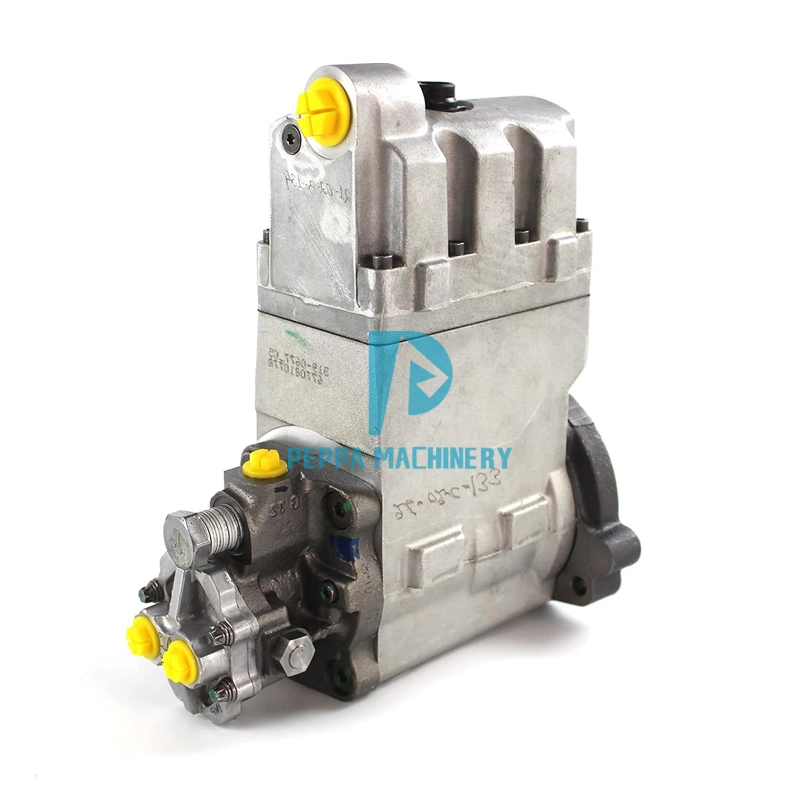
Fuel Feed / Transfer Pump Assembly for Caterpillar C7 & C9 Engines | Direct Replacement for OEM Parts #319-0678, 254-4358, 304-0678, 295-4778, 228-589
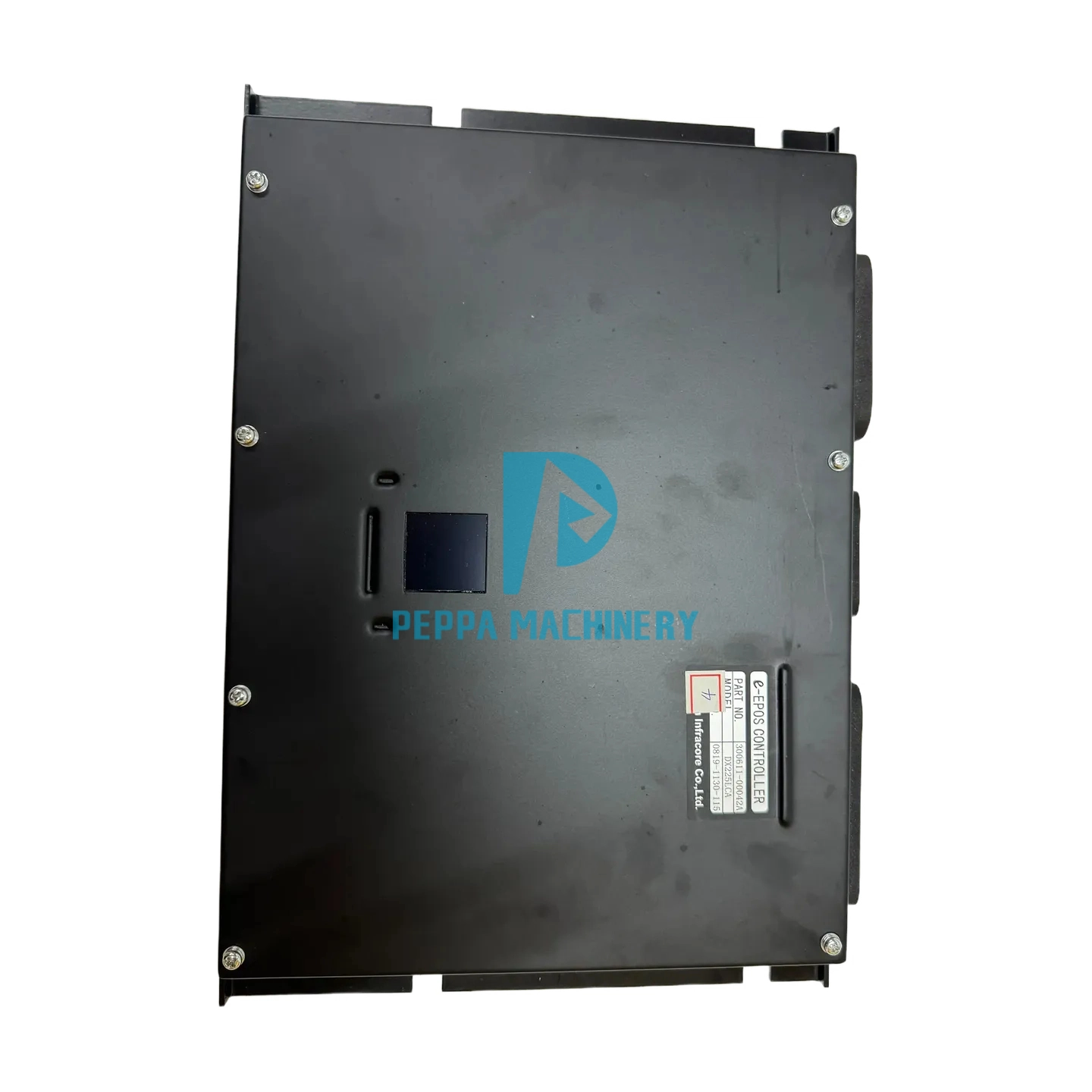
Excavator Accessories Excavator Controller DX225 DX225LCA E-EPOS Controller Computer Board 300611-00042 K1026740 K1001369C K1056425 ECU ECM

Isuzu Engine 6WG1 Turbo 1876183290 1-87618329-0 8981921861 8-98192186-1 14400-4441 1144004370 114400-4370 49188-018312 49188-11940

Reliable Source for Quality Excavator Components.
Follow Us
Our Partners


Our Payment Methods


 High Quality
 7/24 Service
 Guaranteed Warranty
 Scan QR Code
Facebook
TikTok
YouTube
Pinterest
Twitter