








Overhaul Gasket Set Storage, Shelf Life and Handling Best Practices
- Why correct storage and handling of seals and gaskets matters
- Common failure modes I see in the field
- Operational and economic consequences
- Standards and evidence I reference
- Understanding overhaul gasket set materials and realistic shelf life
- Materials commonly found in overhaul gasket sets
- Typical shelf life guidance by material type
- Standards and classification
- Storage conditions: warehouse and field best practices
- Environmental control: temperature, humidity, light and ozone
- Packaging, stacking and inventory rotation (FIFO)
- Recommended storage guidance table
- Handling, inspection and installation protocols
- Receiving and inspection checklist I use
- Handling to avoid contamination and physical damage
- Preparing gaskets for installation
- Installation checks table
- Quality control, traceability and supplier communication
- Why traceability matters
- Working with suppliers and asking the right questions
- Guangzhou Peppa Machinery — how we help excavator operators succeed
- Frequently Asked Questions (FAQ)
- 1. How long can I store an overhaul gasket set before it becomes unsafe to use?
- 2. What are the signs a gasket or seal has degraded in storage?
- 3. Can I extend shelf life by freezing gaskets or seals?
- 4. Is it okay to reuse gaskets from a previous overhaul?
- 5. What packaging features do I ask for when ordering overhaul gasket sets?
- 6. How should I store gasket sets at a remote site with limited climate control?
- Contact and product support
I write from more than 15 years of hands-on experience with excavator parts and sealing systems. Overhaul gasket set management is a deceptively simple area where small mistakes cause major engine leaks, hydraulic failures and costly downtime. In this article I provide practical, verifiable best practices for storage, shelf life estimation and handling of overhaul gasket sets — grounded in material science, industry recommendations and real-world workshop experience.
Why correct storage and handling of seals and gaskets matters
Common failure modes I see in the field
Gaskets and seals fail due to mechanical damage, chemical degradation, thermal aging, ozone cracking, compression set and contamination. A new overhaul gasket set stored improperly can exhibit hardening, cracks, or distortion before it ever reaches the engine. When that happens, reinstalling the part results in leaks, rework and often secondary damage to components.
Operational and economic consequences
In excavator fleets, a single gasket failure can lead to hydraulic fluid loss, loss of power, or engine overheating. The direct costs include replacement parts and labor; indirect costs include machine downtime, missed project milestones and damage to customer reputation. Preventing avoidable gasket failures is therefore a cost-effective reliability investment.
Standards and evidence I reference
My recommendations align with general sealing practice and quality management principles such as ISO 9001 for supplier control and traceability (ISO 9001), and with technical material information available for gaskets and elastomers (Gasket - Wikipedia, Elastomer - Wikipedia). For detailed elastomer behavior and O-ring guidance, industry handbooks like the Parker O-Ring Handbook are also useful references (Parker O-Ring Handbook).
Understanding overhaul gasket set materials and realistic shelf life
Materials commonly found in overhaul gasket sets
Overhaul gasket sets for excavators contain a variety of materials: elastomers (NBR, HNBR, FKM/Viton), fiber and aramid composites, cork-rubber, cellulose/fiber, metal (copper, steel), and multilayer steel (MLS) head gaskets. Each material ages differently: elastomers are sensitive to ozone, heat and oil; fiber-based gaskets are moisture- and compression-sensitive; metal gaskets are principally affected by corrosion.
Typical shelf life guidance by material type
Actual shelf life depends on storage conditions and formulation, but reasonable baseline guidance I use when advising customers is:
| Material | Typical shelf life (sealed, cool/dry) | Key degradation risks |
|---|---|---|
| General NBR (nitrile) seals | 5 years | Hardening, oil-induced swelling, ozone cracking |
| HNBR (hydrogenated NBR) | 7+ years | Better heat/ozone resistance than NBR, still sensitive to heat |
| FKM (Viton) | 7–10 years | Excellent heat/chemical resistance; storage-sensitive to extreme heat |
| Fiber/cellulose gaskets | 3–5 years | Moisture uptake, compression set, mold growth |
| Cork-rubber | 3–5 years | Drying, crumbling, oil degradation |
| Metal and MLS head gaskets | 10+ years (if corrosion-free) | Corrosion, deformation if stacked improperly |
These ranges are consistent with manufacturer data and my practical experience. For critical engine seals, I recommend treating elastomer components conservatively and validating with supplier shelf-life data.
Standards and classification
Elastomer classification standards such as ASTM D2000 (rubber product grading) and ISO documents related to seals (for example, ISO 3601 for O-rings) provide technical frameworks for material properties. Where possible, request material data sheets (MDS) and shelf-life statements from your supplier to get precise guidance.
Storage conditions: warehouse and field best practices
Environmental control: temperature, humidity, light and ozone
Optimal storage is cool (10–25°C), dry (relative humidity <60%) and out of direct sunlight. UV and ozone cause elastomer surface cracking over time. Avoid storing seals near ozone-generating equipment such as electric motors, mercury vapor lamps and high-voltage switchgear. For long-term storage I recommend climate-controlled storage or at least well-insulated, shaded rooms.
Packaging, stacking and inventory rotation (FIFO)
Maintain original sealed packaging whenever possible. Packaging often contains desiccants and barrier films that significantly extend shelf life. Do not crush or deform parts by stacking heavy items on gasket sets. Implement FIFO (first-in, first-out) inventory rotation so older kits are used first. Label each overhaul gasket set with receiving date, lot number and recommended discard date.
Recommended storage guidance table
| Control | Recommended value | Why it matters |
|---|---|---|
| Temperature | 10–25°C (50–77°F) | Heat accelerates polymer aging and compression set |
| Relative humidity | <60% | Prevents moisture uptake, mold and adhesive failures |
| Lighting | Low UV; avoid direct sunlight | UV degrades elastomers and some coatings |
| Ozone/contamination | Store away from ozone sources and solvents | Ozone causes surface cracking; solvents can swell or leach additives |
| Packaging | Original sealed packaging with desiccant | Protection against moisture and mechanical damage |
Handling, inspection and installation protocols
Receiving and inspection checklist I use
When I receive an overhaul gasket set I follow a strict checklist to ensure reliability:
- Confirm part numbers, lot numbers and supplier certification (traceability).
- Inspect packaging for damage, moisture ingress or punctures.
- Check elastomer parts for tackiness, hardening, cracks, flat spots or discoloration.
- Measure key dimensions where applicable (thickness, ID/OD of seals) against specs.
- Verify storage conditions noted by supplier for long-lead items.
Handling to avoid contamination and physical damage
Always handle gaskets with clean hands or nitrile gloves to prevent oil, dirt and chemical contamination. Avoid bending metal gaskets or sharply creasing fiber sheets. Do not wipe elastomer seals with petroleum solvents unless specified by the manufacturer. Keep gaskets in flat positions and avoid stacking uneven loads that can distort shapes.
Preparing gaskets for installation
Before installation I perform a pre-fit check: clean mating surfaces, verify bolt patterns, and lightly lubricate elastomer seals only with manufacturer-recommended lubricants (usually the service oil or a compatible assembly grease). For sealing surfaces I use approved sealants sparingly and only where the gasket design indicates. Over-tightening or under-tightening bolts are frequent causes of gasket failure; follow torque sequences and values from the OEM manual.
Installation checks table
| Step | Action | Reason |
|---|---|---|
| Surface prep | Clean and remove old gasket material | Ensures proper seating and sealing |
| Pre-fit | Place gasket, check alignment | Avoids misalignment and subsequent leaks |
| Lubrication | Use OEM-recommended lubricant sparingly | Prevents stick-slip and ensures correct compression |
| Tightening | Use torque wrench; follow pattern and spec | Prevents uneven compression and blowouts |
Quality control, traceability and supplier communication
Why traceability matters
When a gasket fails, traceability to batch/lot and material certificates lets you identify if the issue is isolated or systemic. I always request material certificates (MTRs) and shelf-life statements for critical sealing components, and I make those documents part of the purchase record. This aligns with ISO 9001 principles for supplier control and corrective action.
Working with suppliers and asking the right questions
Ask your supplier for:
- Material data sheets and recommended storage conditions.
- Shelf-life and best-before dates for elastomeric parts.
- Certificates of conformity and lot numbers for traceability.
- Recommendations for installation and approved lubricants or sealants.
Good suppliers will provide clear guidance and can offer customized packaging or expedited shipping for time-sensitive kits.
Guangzhou Peppa Machinery — how we help excavator operators succeed
At Guangzhou Peppa Machinery Equipment Co., Ltd., we act as a one-stop wholesale provider for excavator parts. Located in the Guangzhou Wholesale Center, we distribute globally and provide professional parts sales advice and solutions. With more than 15 years of experience, our product lines cover engine systems, electrical systems, hydraulic systems and sealing systems. We supply both imported parts and OEM products.
Our main engine accessory products include cylinder sleeve components and parts for brands such as Caterpillar, Komatsu, Cummins, Isuzu, Mitsubishi and Hino. We also stock large and small bearings; overhaul kits; crankshafts; connecting rods; turbochargers; water pumps; oil pumps; and compressors. For sealing requirements, our catalog includes seal kits and overhaul gasket sets compatible with the most common excavator makes.
At Peppa Machinery, we understand each customer’s application and operating environment is unique. Our customized service and technical support are designed to match those needs—whether you require genuine parts, OEM alternatives, or seals with specific material properties. We emphasize product traceability, clear storage recommendations and tailored packaging where required, so your overhaul gasket set arrives ready to perform.
Why customers choose us:
- Extensive industry experience and technical knowledge of excavator parts.
- Wide product range: Engine Parts, Electrical Parts, Hydraulic Parts, Genuine Parts, Seal Kits, Undercarriage Parts.
- Custom support for matching parts to operational requirements and inventory practices.
- Strong supply chain and presence in Guangzhou Wholesale Center for quick sourcing.
Frequently Asked Questions (FAQ)
1. How long can I store an overhaul gasket set before it becomes unsafe to use?
It depends on the materials and storage conditions. As a general rule, elastomeric seals (NBR) are usually safe up to 5 years when sealed and stored properly; HNBR and FKM may last 7–10 years. Fiber and cork gaskets are more vulnerable and I recommend 3–5 years. For critical applications, consult the supplier’s shelf-life statement and perform a visual and tactile inspection before installation.
2. What are the signs a gasket or seal has degraded in storage?
Look for surface cracks, loss of elasticity, hardening or tackiness, shrinkage, discoloration, flat spots or distortion. For fiber gaskets, check for water stains, mold or delamination. Metal gaskets should be free from corrosion and deformation.
3. Can I extend shelf life by freezing gaskets or seals?
No. Freezing is generally not recommended because it can make elastomers brittle and cause condensation when thawed. Stick to cool, dry, dark storage at moderate temperatures.
4. Is it okay to reuse gaskets from a previous overhaul?
Reuse is only acceptable if the gasket and sealing surfaces are designed for reuse (some metal gaskets are single-use). For most overhaul gasket sets, especially engine head and intake/exhaust gaskets, reuse is not recommended. Always follow OEM guidance.
5. What packaging features do I ask for when ordering overhaul gasket sets?
Request sealed packaging with desiccants for elastomeric parts, clear labeling with manufacturing/receive date and lot number, and if needed, moisture barrier films. For long shipments, ask for protective corrugated boxes and internal dividers to prevent movement and abrasion.
6. How should I store gasket sets at a remote site with limited climate control?
At remote sites, prioritize keeping kits inside insulated containers or metal cabinets away from direct sunlight and heat sources. Use airtight plastic bins with desiccant packs and rotate stock frequently. If possible, choose gaskets with better environmental resistance (e.g., FKM) for field spares.
Contact and product support
If you need help selecting the correct overhaul gasket set for a specific excavator model, verifying shelf life, or arranging tailored packaging and supply, contact Guangzhou Peppa Machinery Equipment Co., Ltd. We provide professional parts sales advice and customized solutions to ensure maximal uptime and reliability. View our product range or request a parts consultation to match Engine Parts, Electrical Parts, Hydraulic Parts, Genuine Parts, Seal Kits and Undercarriage Parts to your fleet requirements.
For urgent inquiries or to view products, please contact Peppa Machinery via the Guangzhou Wholesale Center channels or request a quotation through our sales team. I welcome direct questions about storage, inspection or installation — I will help you put practical controls in place to protect your overhaul gasket sets and reduce avoidable failures.
References and further reading: Gasket - https://en.wikipedia.org/wiki/Gasket; Elastomer - https://en.wikipedia.org/wiki/Elastomer; ISO 9001 - https://www.iso.org/iso-9001-quality-management.; Parker O-Ring Handbook - https://www.parker.com/literature/Sealing%20Solutions/O-Ring%20Handbook/Parker_O-Ring_Handbook.pdf.
Quality Tests: How to Inspect an Overhaul Gasket Set
How to Diagnose Excavator Electronic Fuel Pump Failures
Excavator Alternator Comparison: OEM vs Aftermarket
Excavator Injector Types and Compatibility Guide
Excavator Parts
Are your parts genuine or OEM?
We offer both genuine parts and high-quality OEM alternatives. You can choose according to your budget and application needs. All OEM products are tested to meet or exceed original specifications.
How can I verify compatibility before placing an order?
Please provide us with your machine brand, model number, and the part number (if available). Our team will double-check the compatibility to ensure you receive the correct parts.
Can I get help choosing the right parts for my machine?
Yes. Our experienced sales team is here to provide professional recommendations and solutions based on your excavator model, part number, or specific requirements.
What brands of excavator parts do you supply?
We supply a full range of parts compatible with major international and Chinese brands, including Caterpillar, Komatsu, Hitachi, Volvo, Doosan, Hyundai, Sany, Liugong, XCMG, Zoomlion, and more.
What types of parts do you mainly offer?
Our main product categories include:
• Engine parts (liner kits, crankshafts, water/oil pumps, etc.)
• Electrical parts (sensors, monitors, throttle motors, wiring harnesses)
• Hydraulic parts (pumps, valves, cylinders)
• Sealing kits (NOK, SKF, PQ brands, floating seals, O-rings)

Isuzu SP 4JG1 4JG2 4JG3 Cylinder Liner 1876182070 1-87618207-0 1876182080 1-87618208-0 1876182100 1-87618210-0
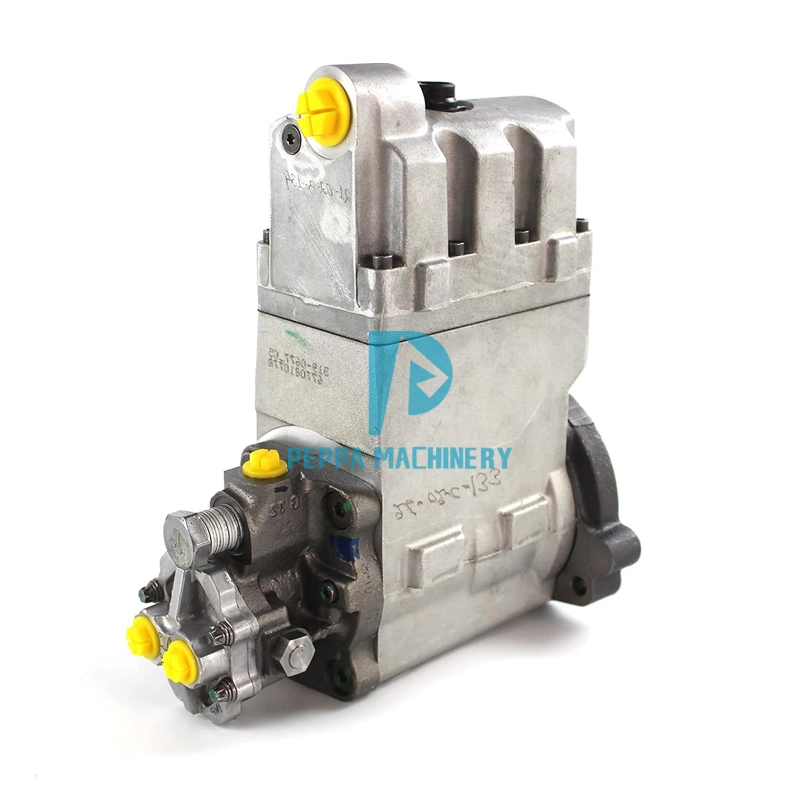
Fuel Feed / Transfer Pump Assembly for Caterpillar C7 & C9 Engines | Direct Replacement for OEM Parts #319-0678, 254-4358, 304-0678, 295-4778, 228-589
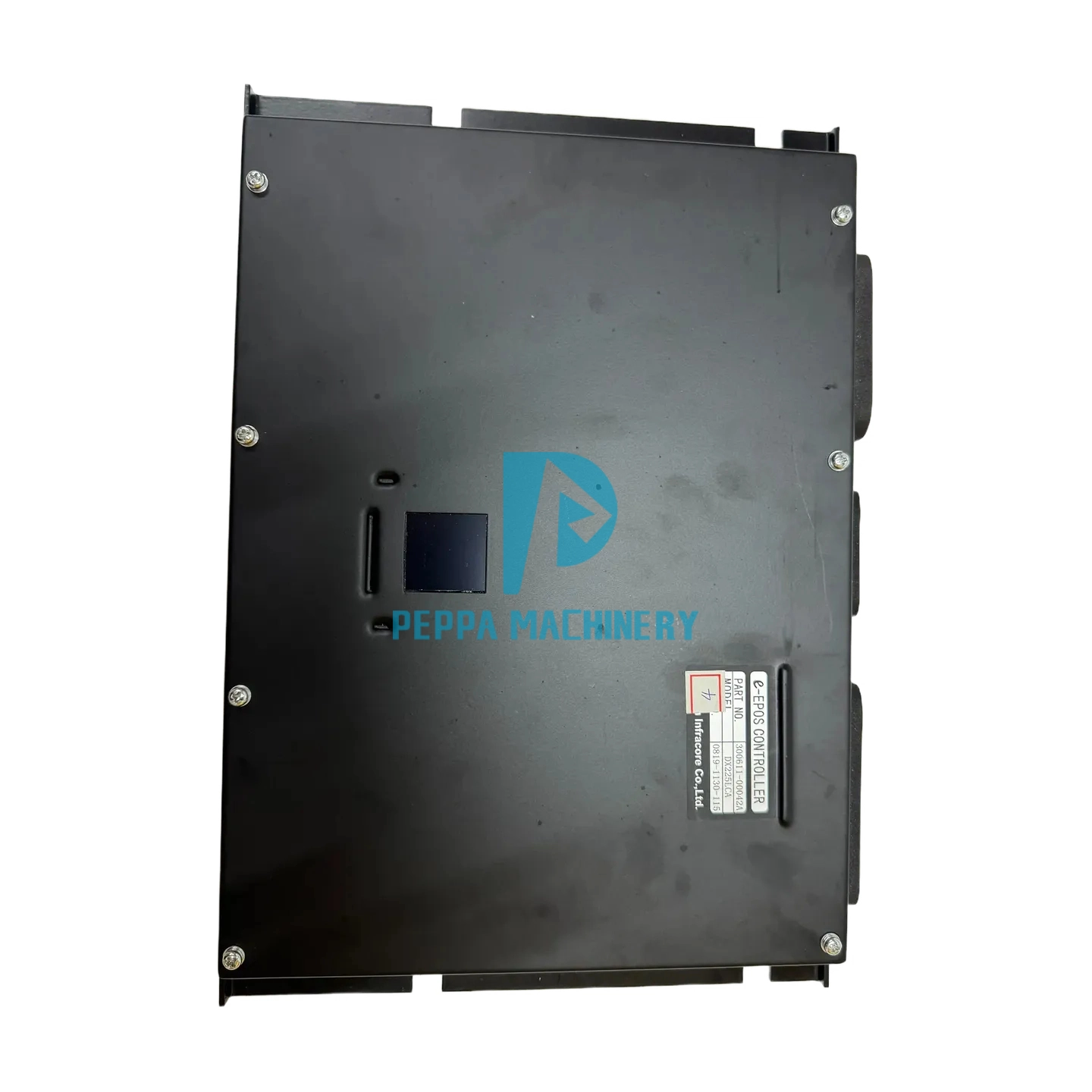
Excavator Accessories Excavator Controller DX225 DX225LCA E-EPOS Controller Computer Board 300611-00042 K1026740 K1001369C K1056425 ECU ECM

Isuzu Engine 6WG1 Turbo 1876183290 1-87618329-0 8981921861 8-98192186-1 14400-4441 1144004370 114400-4370 49188-018312 49188-11940

Reliable Source for Quality Excavator Components.
Follow Us
Our Partners


Our Payment Methods


 High Quality
 7/24 Service
 Guaranteed Warranty
 Scan QR Code
Facebook
TikTok
YouTube
Pinterest
Twitter