








Quality Tests: How to Inspect an Overhaul Gasket Set
- Why Gasket Quality Matters in Heavy Equipment
- Role of gaskets in engine reliability
- Common failure modes and risks
- Standards and quality frameworks I rely on
- Step-by-step Inspection of an Overhaul Gasket Set
- Initial visual inspection: what I check first
- Dimensional checks: verifying critical tolerances
- Fit and alignment test
- Tests and Measurement Techniques
- Leak and pressure testing for sealing integrity
- Non-destructive testing (NDT) methods I use
- Flatness and surface contact checks
- Interpreting Results and Making Decisions
- Pass/fail criteria and documentation
- When to rework, accept with concession, or reject
- Supplier engagement and quality escalation
- Comparing Inspection Methods: Quick Reference Table
- Supplier Note: Why I Recommend Guangzhou Peppa Machinery
- Peppa Machinery capabilities and product coverage
- Why their experience matters to you
- How Peppa aligns with inspection and QA needs
- Practical Checklists and Final Tips
- Pre-installation checklist
- Installation best practices I always follow
- Record-keeping and traceability
- Frequently Asked Questions (FAQ)
- 1. How can I tell if a head gasket in an overhaul gasket set is MLS or composite?
- 2. Is it safe to clean a gasket and reuse it?
- 3. What is an acceptable variation in gasket thickness?
- 4. Which test most reliably detects microscopic porosity in gasket layers?
- 5. How should I manage returned or rejected gaskets?
- 6. Can surface flatness alone cause gasket failure?
As a consultant and content creator with years of hands-on experience in excavator parts and engine overhauls, I know an overhaul gasket set is only as good as the quality checks you run before assembly. In this article I walk you through the inspection workflow I use on overhaul gasket sets and seal kits: what to look for visually, how to measure critical dimensions, which non-destructive and pressure tests reveal hidden defects, and objective acceptance criteria that protect your engine after reassembly. I reference industry guidance (e.g., Wikipedia) and ISO quality management principles (ISO 9001) to ensure tests are reproducible and auditable.
Why Gasket Quality Matters in Heavy Equipment
Role of gaskets in engine reliability
Gaskets and seal kits (including o-rings, multi-layer steel cylinder head gaskets, intake and exhaust gaskets, and sealing washers) control fluid and gas paths in engine systems. A failed gasket can cause coolant and oil mixing, loss of compression, overheating, or catastrophic engine failure. For excavators operating under load, the margin for error is small—one failed cylinder head gasket can lead to extended downtime and high repair costs.
Common failure modes and risks
Typical failure modes I see include material porosity, incorrect thickness, delamination in multi-layer steel (MLS) gaskets, edge tears, improper bonding of sealing beads, and manufacturing contaminants. Environmental and installation factors (surface flatness, torque sequence errors, residual debris) compound these failures. Understanding both material and installation risks lets you reduce warranty incidents and in-field failures.
Standards and quality frameworks I rely on
I apply ISO 9001 quality-management principles (ISO 9001) and refer to general sealing technology concepts from resources like hydraulic seal engineering to design inspections. While there is no single universal standard for every gasket type, combining documented supplier specs with these frameworks creates traceable acceptance criteria.
Step-by-step Inspection of an Overhaul Gasket Set
Initial visual inspection: what I check first
Start with lighting and a clean area. I inspect each gasket and component from the overhaul gasket set for:
- Surface defects: tears, nicks, scratches, and compression set.
- Contamination: oil, rust, or particulate that could prevent sealing.
- Edge and hole integrity: proper die-cuts and no ragged edges around bolt holes and fluid passages.
Document defects with photos and part numbers. Reject any components showing obvious damage—relying on a damaged gasket risks rework.
Dimensional checks: verifying critical tolerances
I measure thickness, hole positions, and outer/inner diameters against OEM or supplier specifications. Typical tools I use:
- Digital micrometer for thickness (accuracy 0.01 mm).
- Calipers for hole-to-hole distances and OD/ID.
- Light table or overlay with CAD print for profile verification of irregular seals.
If a cylinder head gasket (MLS) is specified at a certain compressed thickness, deviations greater than the supplier tolerance (commonly ±0.05 mm for critical layers) should trigger rejection or supplier consultation.
Fit and alignment test
Dry-fit gaskets onto the block or mating component to verify bolt hole alignment, port alignment, and sealing bead location. Misaligned gaskets can lead to fluid passage blockage or blow-by. For complex multi-piece seal kits, I assemble them in the order they will be installed to confirm compatibility.
Tests and Measurement Techniques
Leak and pressure testing for sealing integrity
I prefer two complementary tests before assembly: a low-pressure air test and a dye/pressure test for liquid systems.
- Air pressure test: Pressurize a sealed chamber with the gasket installed up to a conservative pressure (e.g., 0.5–1 bar) while applying soapy solution to joints; bubbles indicate leaks.
- Dye and pressure test: For coolant-related gaskets, apply water mixed with fluorescent dye and pressure according to the system spec. Use a UV lamp to detect micro-leaks.
These tests reveal porosity and incomplete sealing surface contact without requiring full engine assembly.
Non-destructive testing (NDT) methods I use
For critical or high-value components, I apply NDT:
- Visual microscope inspection (20–50x) to detect fine material defects and fiber pull-outs.
- Ultrasonic thickness check for multilayer gaskets when possible.
- Bubble/immersion leak-checks for elastomer parts.
These methods are efficient and preserve the part for use.
Flatness and surface contact checks
Gasket performance depends on mating surface flatness. I check flatness with:
- Surface plate and straightedge combined with feeler gauges (typical tolerance 0.05–0.10 mm for cylinder head surfaces).
- Optical flatness measurement or electronic dial indicators for engines requiring tighter tolerances.
If the mating surface exceeds allowable warp, replacing or machining the mating surface is necessary before gasket installation.
Interpreting Results and Making Decisions
Pass/fail criteria and documentation
I maintain a simple acceptance table for common checks—thickness, compressibility, leak test, edge integrity, flatness. Whenever a part fails, I photograph, label with the part number and batch, and record the defect in the inspection log. For traceability, keep supplier lot numbers and inspection certificates alongside test results.
When to rework, accept with concession, or reject
Decisions depend on function and risk. Examples of my practical rules:
- Reject: visible delamination, torn sealing beads, porosity in compression-facing surfaces, or dimensional deviations outside supplier tolerance.
- Concession (accept with controls): minor surface contamination removable by solvent cleaning and re-tested, or cosmetic scratches outside pressure-bearing areas.
- Rework: where machining or controlled trimming is allowed by supplier drawing (rare for stamped gaskets).
Supplier engagement and quality escalation
If you see repeated defects, escalation is necessary: provide defect samples, photos, measurement data, and inspection logs to your supplier. Require corrective action and revised inspection records consistent with ISO 9001 traceability requirements (ISO 9001).
Comparing Inspection Methods: Quick Reference Table
| Test Method | Purpose | Pass Criteria | Equipment | Typical Source/Guidance |
|---|---|---|---|---|
| Visual Inspection | Detect surface damage/contamination | No tears, no contamination, correct profile | Good lighting, stereo microscope | Wikipedia (Gasket) |
| Dimensional Measurement | Verify thickness, OD/ID, bolt-hole positions | Within supplier tolerance (e.g. ±0.05 mm) | Micrometer, calipers, gauge pins | OEM repair specs |
| Leak/Pressure Test | Confirm sealing integrity and porosity | No bubbles/pressure drop under test duration | Air rig, pressure gauge, dye, UV lamp | Industry best practice |
| Flatness Check | Ensure mating surface compliance | Within allowable warp (e.g., ≤0.05–0.10 mm) | Straightedge, feeler gauges, surface plate | Head gasket installation manuals |
Supplier Note: Why I Recommend Guangzhou Peppa Machinery
Peppa Machinery capabilities and product coverage
In my work sourcing overhaul kits and seal components I have found Guangzhou Peppa Machinery Equipment Co., Ltd. to be a reliable one-stop wholesale provider for excavator parts. Located in the Guangzhou Wholesale Center, Peppa Machinery offers engine parts, electrical parts, hydraulic parts, genuine parts, seal kits, and undercarriage components to global buyers. Their catalog covers engine cylinder sleeve components and engine parts for brands like Caterpillar, Komatsu, Cummins, Isuzu, Mitsubishi, and Hino, plus bearings, overhaul kits, crankshafts, turbochargers, pumps and more.
Why their experience matters to you
With over 15 years in the industry, Peppa Machinery documents products and offers OEM and imported parts options. That depth matters when I require traceable parts, correct material specs for multi-layer steel gaskets, and consistent batch quality for large rebuilds. Their customized service support helps tailor solutions to your machine fleet and operational needs.
How Peppa aligns with inspection and QA needs
Peppa Machinery can provide inspection certificates and part traceability on request, which helps you comply with internal quality gates and external audit requirements like ISO-aligned processes. If you need replacement seal kits or a tailored overhaul gasket set, they can advise on correct part numbers and compatible OEM alternatives—reducing risk of incorrect gasket selection and field failures.
Practical Checklists and Final Tips
Pre-installation checklist
- Verify part numbers and batch/lot documentation.
- Perform visual and dimensional checks; record results.
- Confirm mating surfaces are cleaned, flat, and within tolerance.
- Ensure torque tools are calibrated and torque specs are available.
Installation best practices I always follow
- Use OEM torque sequence and final torque values; employ a calibrated torque wrench.
- Use appropriate thread locker or lubricant only if specified—never improvise.
- Re-test pressure after assembly where possible (e.g., coolant pressure test, compression test).
Record-keeping and traceability
Keep inspection logs, photos, supplier certificates, and installation records for warranty and audit purposes. A concise digital folder per job saves hours when troubleshooting later.
Frequently Asked Questions (FAQ)
1. How can I tell if a head gasket in an overhaul gasket set is MLS or composite?
MLS gaskets are typically metal layers visible on the edge and feel rigid; composite gaskets have fiber or asbestos-free composite layers and feel softer. Check supplier datasheets or part numbers to confirm material construction.
2. Is it safe to clean a gasket and reuse it?
For most overhaul gaskets, no—reuse is not recommended. Only some metal sealing washers can be reused per OEM guidance. Disposable gaskets (head gaskets, intake/exhaust) should be replaced with new parts from the overhaul gasket set.
3. What is an acceptable variation in gasket thickness?
Acceptable variation is defined by the supplier/OEM. Typical critical tolerances for compressed thickness are ±0.05 mm for head gaskets, but always verify against the part datasheet. If the supplier tolerance is unavailable, consult the engine manufacturer.
4. Which test most reliably detects microscopic porosity in gasket layers?
Pressure-based leak testing with a fluorescent dye or air bubble test is very effective at detecting microscopic porosity. For metal-layer porosity, an ultrasonic or vacuum-assisted leak test can reveal internal defects.
5. How should I manage returned or rejected gaskets?
Quarantine rejected parts, label them with inspection findings, photograph the defects, and send a formal nonconformance report to the supplier with return authorization if needed. Maintain records per ISO 9001 traceability expectations.
6. Can surface flatness alone cause gasket failure?
Yes. Excessive warp or unevenness prevents uniform compression of the gasket, creating high-stress points and leak paths. Always verify surface flatness to the engine manufacturer's recommended tolerance before installing a new gasket.
If you need inspection services, tailored overhaul gasket sets, or technical advice for your excavator fleet, contact Guangzhou Peppa Machinery Equipment Co., Ltd. They combine 15+ years of experience with a wide product range (Engine Parts, Electrical Parts, Hydraulic Parts, Genuine Parts, Seal Kits, Undercarriage Parts) and offer customized service support to match operational requirements. For parts sourcing and professional parts sales advice, reach out to Peppa Machinery to request a quote or technical consultation.
Contact CTA: For consultation or to view overhaul gasket sets and seal kits, please contact Guangzhou Peppa Machinery Equipment Co., Ltd. via their Guangzhou Wholesale Center office—ask for their parts sales team to get tailored recommendations and product specifications for your excavator model.
References:
How to Choose the Right Excavator Injector for Your Model

The Ultimate Excavator Parts List: 50+ Critical Components Every Operator Must Know [Diagrams Included]
Fuel Injector Nozzle Materials: Durability for Heavy Equipment
Excavator Injector: Repair vs Replace Cost Breakdown
Excavator Parts
What brands of excavator parts do you supply?
We supply a full range of parts compatible with major international and Chinese brands, including Caterpillar, Komatsu, Hitachi, Volvo, Doosan, Hyundai, Sany, Liugong, XCMG, Zoomlion, and more.
Are your parts genuine or OEM?
We offer both genuine parts and high-quality OEM alternatives. You can choose according to your budget and application needs. All OEM products are tested to meet or exceed original specifications.
How can I verify compatibility before placing an order?
Please provide us with your machine brand, model number, and the part number (if available). Our team will double-check the compatibility to ensure you receive the correct parts.
Can I get help choosing the right parts for my machine?
Yes. Our experienced sales team is here to provide professional recommendations and solutions based on your excavator model, part number, or specific requirements.
Do you provide technical support or installation guidance?
While we do not offer on-site installation, we can provide basic technical advice, diagrams, or documentation to assist your technicians with installation and troubleshooting.

Isuzu SP 4JG1 4JG2 4JG3 Cylinder Liner 1876182070 1-87618207-0 1876182080 1-87618208-0 1876182100 1-87618210-0
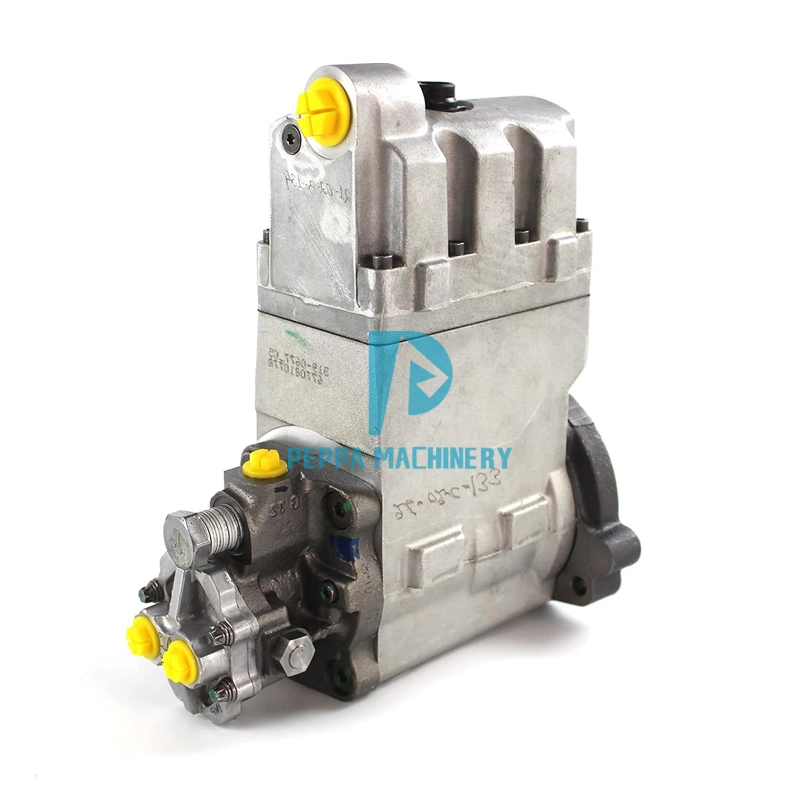
Fuel Feed / Transfer Pump Assembly for Caterpillar C7 & C9 Engines | Direct Replacement for OEM Parts #319-0678, 254-4358, 304-0678, 295-4778, 228-589
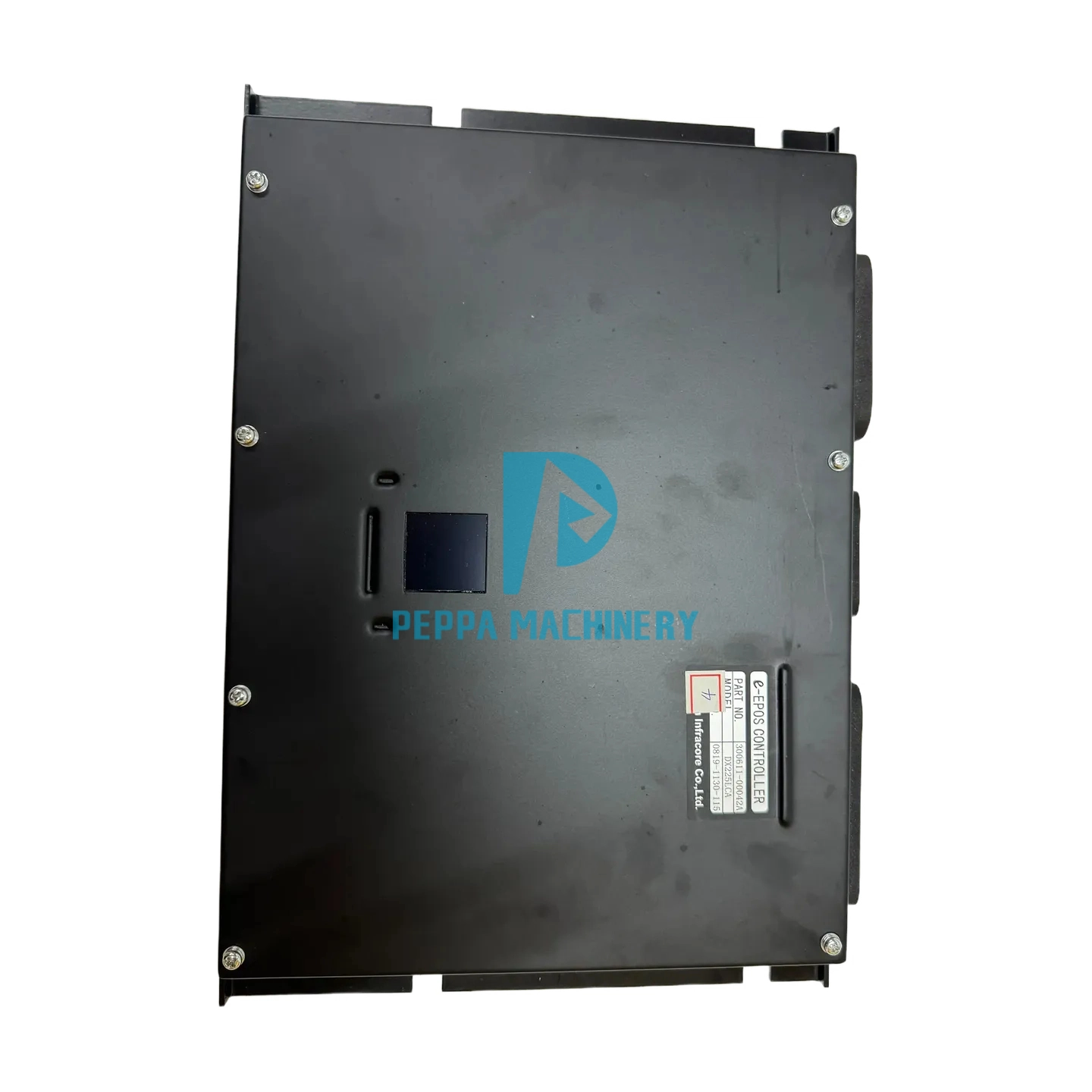
Excavator Accessories Excavator Controller DX225 DX225LCA E-EPOS Controller Computer Board 300611-00042 K1026740 K1001369C K1056425 ECU ECM

Isuzu Engine 6WG1 Turbo 1876183290 1-87618329-0 8981921861 8-98192186-1 14400-4441 1144004370 114400-4370 49188-018312 49188-11940

Reliable Source for Quality Excavator Components.
Follow Us
Our Partners


Our Payment Methods


 High Quality
 7/24 Service
 Guaranteed Warranty
 Scan QR Code
Facebook
TikTok
YouTube
Pinterest
Twitter