








Fuel Injector Nozzle Materials: Durability for Heavy Equipment
Fuel injector nozzles play a pivotal role in the performance and efficiency of heavy equipment engines. Their primary function is to atomize fuel, ensuring a fine mist that facilitates efficient combustion. The durability of these nozzles is paramount, as they operate under extreme conditions, including high pressures, temperatures, and exposure to corrosive substances. Selecting the appropriate materials for fuel injector nozzles is crucial to withstand these harsh environments and ensure the longevity and reliability of heavy equipment engines.
Understanding Fuel Injector Nozzles
Fuel injector nozzles are integral components of the fuel injection system in internal combustion engines. They are responsible for delivering fuel into the combustion chamber in a finely atomized spray, promoting efficient combustion and optimal engine performance. The design and material composition of these nozzles directly influence fuel atomization, combustion efficiency, and overall engine power output.
Key Materials Used in Fuel Injector Nozzles
The selection of materials for fuel injector nozzles is critical, as they must endure high pressures, temperatures, and exposure to corrosive fuels. Common materials include:
Stainless Steel: Renowned for its strength, corrosion resistance, and thermal stability, stainless steel is a preferred material for fuel injector nozzles. It resists degradation from sulfur-containing fuels and common fuel additives that can cause pitting or erosion over time. Additionally, stainless steel maintains structural integrity under repeated high-pressure fuel injection cycles, ensuring reliable performance.
Ceramic Coatings: To enhance performance, many modern injector nozzles feature advanced ceramic-based coatings such as zirconia (ZrO₂) or alumina-titanate. These coatings provide superior thermal insulation and reduce carbon buildup on the nozzle tip. The non-stick properties of ceramics minimize the adhesion of soot and varnish deposits, leading to improved cold-start performance, reduced emissions, and longer service intervals.
Heat-Treated Alloys: For high-performance and heavy-duty diesel engines, injector nozzles are often fabricated from specialized heat-treated alloys, including tool steels or nickel-based superalloys. Heat treatment significantly increases surface hardness and fatigue resistance, enabling the nozzle to endure millions of injection cycles without deformation or cracking. This enhanced durability is crucial in common rail systems, where injectors operate at ultra-high pressures and require extreme precision over extended lifespans.
Manufacturing Precision and Advanced Design Techniques
Precision engineering is vital in the manufacturing of fuel injector nozzles. Injector nozzles must be manufactured with micron-level accuracy to ensure consistent fuel spray patterns, droplet size, and penetration depth—all of which directly affect combustion efficiency and emission levels. Manufacturers use cutting-edge techniques such as Electrical Discharge Machining (EDM), laser drilling, and micro-milling to create perfectly round and smooth orifices.
Maintenance Considerations for Fuel Injector Nozzles
Regular maintenance of fuel injector nozzles is essential to ensure optimal engine performance and longevity. Common issues that can affect nozzle performance include:
Clogging: Deposits from fuel impurities, carbon buildup, or varnish can obstruct the nozzle holes, leading to poor atomization and reduced fuel flow. This is particularly common in gasoline engines with port injection due to lower pressures.
Wear and Tear: Over time, the precision components of the nozzle can wear out, affecting spray pattern and atomization, especially under the high pressures of diesel engines.
Leakage: Damaged seals, cracks, or worn O-rings can cause fuel to leak, leading to inefficient combustion, potential safety hazards, and increased emissions.
Conclusion
The durability of fuel injector nozzles is a critical factor in the performance and longevity of heavy equipment engines. Selecting appropriate materials, ensuring precise manufacturing, and adhering to regular maintenance schedules are essential to maintain optimal engine performance and minimize downtime.
Frequently Asked Questions (FAQ)
What materials are commonly used in fuel injector nozzles?
Common materials include stainless steel, ceramic coatings, and heat-treated alloys. Each material offers specific advantages in terms of strength, corrosion resistance, and thermal stability.
How does the material of a fuel injector nozzle affect engine performance?
The material influences the nozzle's durability, resistance to wear and corrosion, and ability to withstand high temperatures and pressures, all of which impact fuel atomization and combustion efficiency.
What are the signs that a fuel injector nozzle needs maintenance or replacement?
Signs include engine misfires, reduced fuel efficiency, increased emissions, and noticeable performance issues. Regular inspections can help identify these problems early.
Can fuel injector nozzles be cleaned, or do they need to be replaced?
In some cases, nozzles can be cleaned to remove deposits. However, if they are worn or damaged, replacement is necessary to maintain engine performance.
How often should fuel injector nozzles be inspected?
It's recommended to inspect fuel injector nozzles during regular engine maintenance intervals or if performance issues arise. Consulting the equipment manufacturer's guidelines can provide specific recommendations.
Contact Us for Quality Excavator Parts
At Guangzhou Peppa Machinery Equipment Co., Ltd., we specialize in providing high-quality excavator parts, including fuel injector nozzles, to ensure your equipment operates at peak performance. With over 15 years of experience, we offer a comprehensive range of engine, electrical, hydraulic, and sealing system components. Our products are compatible with leading brands such as Caterpillar, Komatsu, Cummins, Isuzu, Mitsubishi, and Hino. For more information or to place an order, please visit our website or contact us directly.
Top 10 Excavator Electronic Fuel Pumps for Heavy-Duty Use
How to Troubleshoot Common Excavator Fuel Pump Problems
Compatibility Guide: Overhaul Gasket Sets by Excavator Brand
Best excavator undercarriage parts manufacturers and supplier brands
Excavator Parts
Are your parts genuine or OEM?
We offer both genuine parts and high-quality OEM alternatives. You can choose according to your budget and application needs. All OEM products are tested to meet or exceed original specifications.
Can I get help choosing the right parts for my machine?
Yes. Our experienced sales team is here to provide professional recommendations and solutions based on your excavator model, part number, or specific requirements.
What brands of excavator parts do you supply?
We supply a full range of parts compatible with major international and Chinese brands, including Caterpillar, Komatsu, Hitachi, Volvo, Doosan, Hyundai, Sany, Liugong, XCMG, Zoomlion, and more.
What types of parts do you mainly offer?
Our main product categories include:
• Engine parts (liner kits, crankshafts, water/oil pumps, etc.)
• Electrical parts (sensors, monitors, throttle motors, wiring harnesses)
• Hydraulic parts (pumps, valves, cylinders)
• Sealing kits (NOK, SKF, PQ brands, floating seals, O-rings)
Do you provide technical support or installation guidance?
While we do not offer on-site installation, we can provide basic technical advice, diagrams, or documentation to assist your technicians with installation and troubleshooting.

Isuzu SP 4JG1 4JG2 4JG3 Cylinder Liner 1876182070 1-87618207-0 1876182080 1-87618208-0 1876182100 1-87618210-0
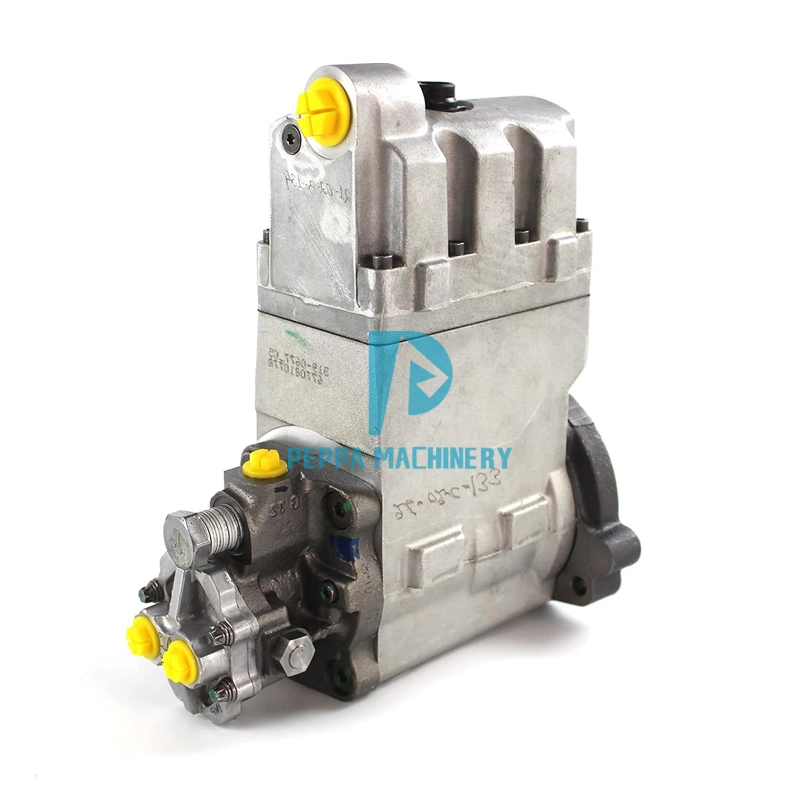
Fuel Feed / Transfer Pump Assembly for Caterpillar C7 & C9 Engines | Direct Replacement for OEM Parts #319-0678, 254-4358, 304-0678, 295-4778, 228-589
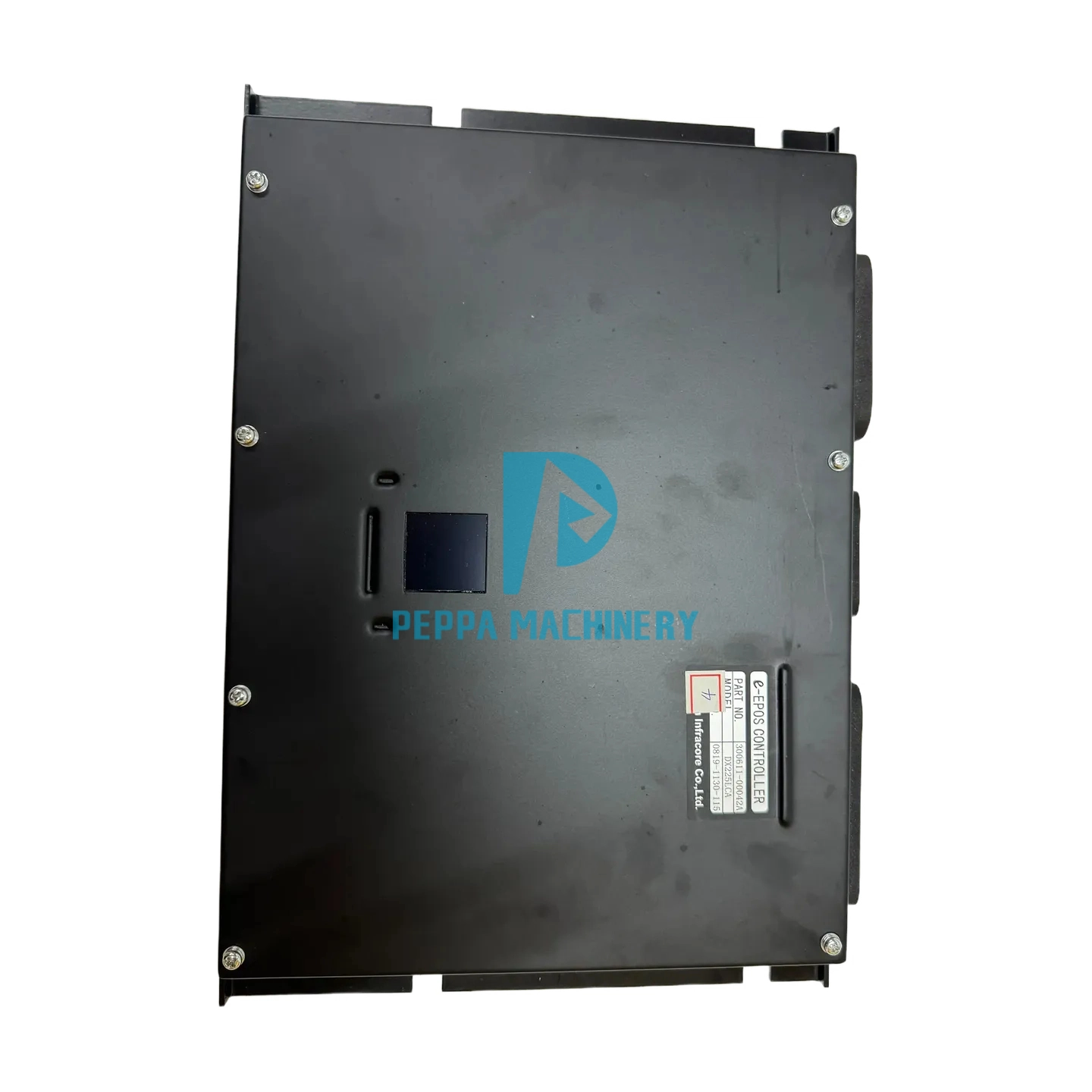
Excavator Accessories Excavator Controller DX225 DX225LCA E-EPOS Controller Computer Board 300611-00042 K1026740 K1001369C K1056425 ECU ECM

Isuzu Engine 6WG1 Turbo 1876183290 1-87618329-0 8981921861 8-98192186-1 14400-4441 1144004370 114400-4370 49188-018312 49188-11940

Reliable Source for Quality Excavator Components.
Follow Us
Our Partners


Our Payment Methods


 High Quality
 7/24 Service
 Guaranteed Warranty
 Scan QR Code
Facebook
TikTok
YouTube
Pinterest
Twitter