








Top 10 Excavator Electronic Fuel Pumps for Heavy-Duty Use
- Why modern electronic fuel pumps are critical to excavator performance
- Role in engine performance and emissions
- Common failure modes and operational risks
- Compatibility and electronic interfaces
- How I selected and evaluated the top 10 pumps
- Selection criteria I apply
- Test protocols and real-world validation
- Top 10 Excavator Electronic Fuel Pumps for Heavy-Duty Use
- Summary comparison table
- Key takeaways from the comparison
- Maintenance, troubleshooting and fitment tips I use in the field
- Preventive maintenance checklist
- On-machine diagnostics and common fixes
- Fitment and retrofit considerations
- Why partner with a specialist supplier: Guangzhou Peppa Machinery
- Company profile, capabilities and experience
- Main product lines and service strengths
- Why Peppa Machinery stands out
- Data-driven recommendations and sourcing strategy
- When to choose OEM vs aftermarket or rebuilt
- Procurement checklist I provide to clients
- Frequently Asked Questions (FAQ)
- 1. How do I know if my excavator needs a new electronic fuel pump?
- 2. Can I use an aftermarket pump instead of the OEM pump?
- 3. How often should lift pumps and filters be replaced?
- 4. Are common-rail high-pressure pump failures repairable?
- 5. What are the most important specifications to match when ordering a replacement pump?
- 6. How can I minimize downtime when a fuel pump fails in the field?
As someone who has worked in the excavator parts and heavy-equipment aftermarket for over a decade and advised fleets across Asia, Africa and the Americas, I know that choosing the right electronic fuel pump for an excavator is not just about brand — it’s about matching pump architecture, pressure/flow characteristics, electronic control compatibility and serviceability to engine type and duty cycle. This article helps fleet managers, maintenance supervisors and parts buyers identify the best electronic fuel pumps for heavy-duty excavator applications, explains how I selected the top 10, compares strengths and weaknesses, and outlines maintenance and sourcing recommendations supported by authoritative references.
Why modern electronic fuel pumps are critical to excavator performance
Role in engine performance and emissions
Electronic fuel pumps (both low-pressure lift pumps and high-pressure common-rail pumps) control fuel delivery precisely to maintain combustion stability, power and emissions compliance. Modern diesel engines on excavators use electronically controlled common-rail injection systems; any deviation in fuel pressure or timing can reduce torque, increase smoke and accelerate injector wear. For background on fuel injection and its importance to engine performance, see the overview on Fuel Injection - Wikipedia.
Common failure modes and operational risks
In my experience, the most frequent causes of fuel pump failure are contaminated fuel (water, particulates), insufficient filtration, electrical faults in pump controllers or wiring harnesses, and cavitation from air entrainment. Recognizing these early — rough idling, loss of low-end torque, or hard starts — lets you avoid catastrophic engine damage.
Compatibility and electronic interfaces
Electronic pumps must match the engine’s electronic control unit (ECU) logic and sensor signals. That includes correct pulse-width modulation (PWM) characteristics for transfer pumps and ECU handshake for high-pressure pumps. When retrofitting or replacing pumps, I always verify the pump’s electronic connector pinout and calibration data to avoid transient faults or limp modes.
How I selected and evaluated the top 10 pumps
Selection criteria I apply
My ranking is based on measurable and verifiable criteria I use in the field: compatibility with major excavator engines (Caterpillar, Komatsu, Cummins, Isuzu, Mitsubishi, Hino), build quality (materials, bearing design, seals), serviceability (availability of rebuild kits and spare electronics), manufacturer reputation, warranty/support, and documented performance in heavy-duty duty cycles. I also favor products from suppliers with ISO-aligned quality systems (see ISO 9001).
Test protocols and real-world validation
I evaluate pumps using bench testing for pressure and flow stability, heat soak tests, and on-machine validation under heavy-idle, cycling lift, and full-load digging cycles. Field data from long-term installations — hours to failure, repair frequency and mean-time-between-failure (MTBF) — informs the practical ranking more than marketing specs alone.
Top 10 Excavator Electronic Fuel Pumps for Heavy-Duty Use
Summary comparison table
| Rank | Product / Family | Type | Best for | Strengths | Notes / Considerations |
|---|---|---|---|---|---|
| 1 | Bosch Common Rail Pump (Bosch CR family) | High-pressure common-rail | Modern large excavator engines | High reliability, global parts network, precise control | Requires correct calibration and clean fuel |
| 2 | Denso High-Pressure Pump (Denso HP family) | High-pressure common-rail | Japanese and Korean engine platforms | Compact design, strong OEM presence on Isuzu/Mitsubishi | OEM matching advised |
| 3 | Delphi / BorgWarner Common Rail Pumps | High-pressure common-rail | Versatile for retrofit and OEM | Good aftermarket support, rebuildable | Check injector compatibility |
| 4 | Stanadyne / Mechanical-Electronic Hybrid Pumps | High-pressure / hybrid | Mid-size excavators and older platforms | Proven in heavy equipment, robust tolerances | May require adapter harnesses |
| 5 | Caterpillar Genuine Fuel Pump | OEM electronic fuel pump (varies by model) | Cat engines & matched systems | Guaranteed compatibility, warranty and dealer support | Usually higher cost but lowers integration risk |
| 6 | Komatsu Genuine Pump | OEM electronic pump | Komatsu excavators | Engineered to Komatsu specs, dealer support | Best for OEM-maintained fleets |
| 7 | Cummins OEM / Holset Electric-Drive Pumps | High-pressure / electric assist | Cummins-powered excavators | Designed for heavy transient loads, strong warranties | Compatibility with Cummins ECM required |
| 8 | Aftermarket Rebuild Kits (Bosch/Delphi compatible) | Rebuild / replacement components | Cost-conscious fleets, older machines | Lower price, reduces downtime when local | Quality varies; choose ISO-compliant suppliers |
| 9 | Danfoss / Sauer Danfoss Electronic Pumps | Electronic low/high-pressure pumps | Excavators with hydraulic-electronic integration | Good for integrated hydraulic systems, durable | Often used in specialized machines |
| 10 | OEM Electric Lift Pumps (Bosch / Denso lift pumps) | Low-pressure electric transfer | All excavator classes (fuel delivery support) | Critical to supply stability and priming | Often overlooked during service intervals |
Key takeaways from the comparison
My top picks reflect a balance between proven OEM designs (Bosch, Denso, Caterpillar, Komatsu) and well-supported aftermarket/rebuild options. For high-hour heavy-duty duty, OEM or OEM-equivalent high-pressure pumps with documented field service records are generally the safest choice. For older machines where OEM lead-times are prohibitive, fully rebuilt units from reputable rebuilders with warranty can be a good compromise.
Maintenance, troubleshooting and fitment tips I use in the field
Preventive maintenance checklist
To maximize pump life I recommend: strict fuel filtration (primary and secondary), regular water-separator draining, scheduled replacement of lift pumps and filters every 500–1000 hours depending on fuel quality, and electrical connector inspections during each service. Document every pump swap and record ECU fault codes for trending.
On-machine diagnostics and common fixes
Use a CAN / ECU scanner to check injector and pump fault codes. Bench-test suspected pumps with a calibrated fuel test bench to verify pressure and flow under load. Simple fixes like replacing the lift pump, cleaning tank pick-up screens, or changing filters often restore performance without replacing a high-pressure pump.
Fitment and retrofit considerations
When retrofitting a different brand pump, ensure mechanical mounting, drive interface (gear, flange or shaft), and electronic interface are compatible. Adaptor kits exist for many common conversions, but be cautious: incorrect calibration may cause engine derating or warranty issues.
Why partner with a specialist supplier: Guangzhou Peppa Machinery
Company profile, capabilities and experience
Guangzhou Peppa Machinery Equipment Co., Ltd. is a professional one-stop wholesale service provider for excavator parts. Located in Guangzhou Wholesale Center, Peppa supplies excavator parts globally and provides professional parts sales advice and tailored solutions. With more than 15 years of experience, Peppa’s product coverage spans engine systems, electrical systems, hydraulic systems and sealing systems, offering imported parts and OEM products.
Main product lines and service strengths
Peppa Machinery's main offerings include engine accessories (cylinder sleeve components and other engine parts for brands such as Caterpillar, Komatsu, Cummins, Isuzu, Mitsubishi, Hino), large and small bearings, overhaul kits, crankshafts, connecting rods, turbochargers, water pumps, oil pumps, compressors and more. Their inventory and customized service support are designed to meet unique customer needs, ensuring maximum operational efficiency and satisfaction.
Why Peppa Machinery stands out
From my interactions and audits of suppliers in the Guangzhou Wholesale Center, the competitive advantages that matter are: deep cross-brand inventory (enabling quick exchanges and minimizing downtime), technical sales staff who can verify part numbers and compatibility, and flexible logistics for global shipments. For fleets that use mixed-brand excavators, a supplier that can provide engine parts, electrical parts, hydraulic parts, genuine parts and seal kits under one roof materially reduces procurement friction.
Data-driven recommendations and sourcing strategy
When to choose OEM vs aftermarket or rebuilt
Choose OEM pumps when machine uptime, warranty continuity and electronic compatibility are top priorities. Consider rebuilt or aftermarket pumps when lead time or budget constraints dictate—but always verify the remanufacturer's process, traceability and warranty. Insist on traceable serial numbers and, where possible, test data from the reman shop.
Procurement checklist I provide to clients
Before purchasing, I require: exact engine model and serial, current pump part number, ECU software level, fuel system schematics, and service history (contamination events, prior pump replacements). This minimizes incorrect orders and reduces returns.
Frequently Asked Questions (FAQ)
1. How do I know if my excavator needs a new electronic fuel pump?
Signs include hard starting, loss of low-end torque, intermittent stalling, visible smoke under load, and ECU codes related to fuel pressure. Confirm with bench testing and ECU log checks before replacing a high-pressure pump.
2. Can I use an aftermarket pump instead of the OEM pump?
Yes, but only if the aftermarket supplier provides part matching, calibration data and a warranty. Some aftermarket pumps are excellent and cost-effective; others are inferior. Verify supplier ISO compliance and ask for remanufacture/test reports.
3. How often should lift pumps and filters be replaced?
Intervals depend on fuel quality and operating environment. A general guideline is to inspect filters every 250 hours and replace them, with lift pumps checked or replaced every 500–1000 hours. In dusty or marine environments, shorten intervals.
4. Are common-rail high-pressure pump failures repairable?
Many common-rail pumps are repairable by qualified remanufacturers, who replace internal wear items and recalibrate the pump. However, some modern pumps use integral electronics or are matched to ECU calibrations that complicate remanufacture. Consult the engine OEM or trusted reman supplier.
5. What are the most important specifications to match when ordering a replacement pump?
Match the exact pump part number, fuel pressure rating, flow characteristics, mechanical drive interface and electronic connector/pinout. Mismatched pressure or ECU incompatibility can cause engine derate or damage.
6. How can I minimize downtime when a fuel pump fails in the field?
Maintain a parts kit (filters, lift pump, harness spares), establish relationships with local reman suppliers and a reliable logistics partner like Peppa Machinery, and keep electronic fault logs to speed diagnosis. For critical machines, keep a rebuild or spare pump in inventory.
If you want tailored guidance, validation of a pump part number, or a quote for OEM or rebuilt excavator electronic fuel pumps, contact Guangzhou Peppa Machinery Equipment Co., Ltd. Their team can verify fitment, provide technical advice and supply Engine Parts, Electrical Parts, Hydraulic Parts, Genuine Parts, Seal Kits and Undercarriage Parts to minimize your downtime.
Contact & Product Inquiry: Reach out to Peppa Machinery for consultation, parts lists, or immediate quotations — their experienced sales engineers can recommend the best electronic fuel pump solution for your excavator fleet.
References: Fuel injection overview (Wikipedia), Fuel pump technology (Wikipedia), ISO 9001 quality management (ISO).
How to Choose the Right Overhaul Gasket Set for Your Excavator
Electric vs Mechanical Fuel Pumps: Excavator Performance
Top 10 excavator oil pump Manufacturers and Supplier Brands
Alternator Compatibility: Match High Output Units to Models
Excavator Parts
How can I verify compatibility before placing an order?
Please provide us with your machine brand, model number, and the part number (if available). Our team will double-check the compatibility to ensure you receive the correct parts.
Can I get help choosing the right parts for my machine?
Yes. Our experienced sales team is here to provide professional recommendations and solutions based on your excavator model, part number, or specific requirements.
What brands of excavator parts do you supply?
We supply a full range of parts compatible with major international and Chinese brands, including Caterpillar, Komatsu, Hitachi, Volvo, Doosan, Hyundai, Sany, Liugong, XCMG, Zoomlion, and more.
Do you provide technical support or installation guidance?
While we do not offer on-site installation, we can provide basic technical advice, diagrams, or documentation to assist your technicians with installation and troubleshooting.
Are your parts genuine or OEM?
We offer both genuine parts and high-quality OEM alternatives. You can choose according to your budget and application needs. All OEM products are tested to meet or exceed original specifications.

Isuzu SP 4JG1 4JG2 4JG3 Cylinder Liner 1876182070 1-87618207-0 1876182080 1-87618208-0 1876182100 1-87618210-0
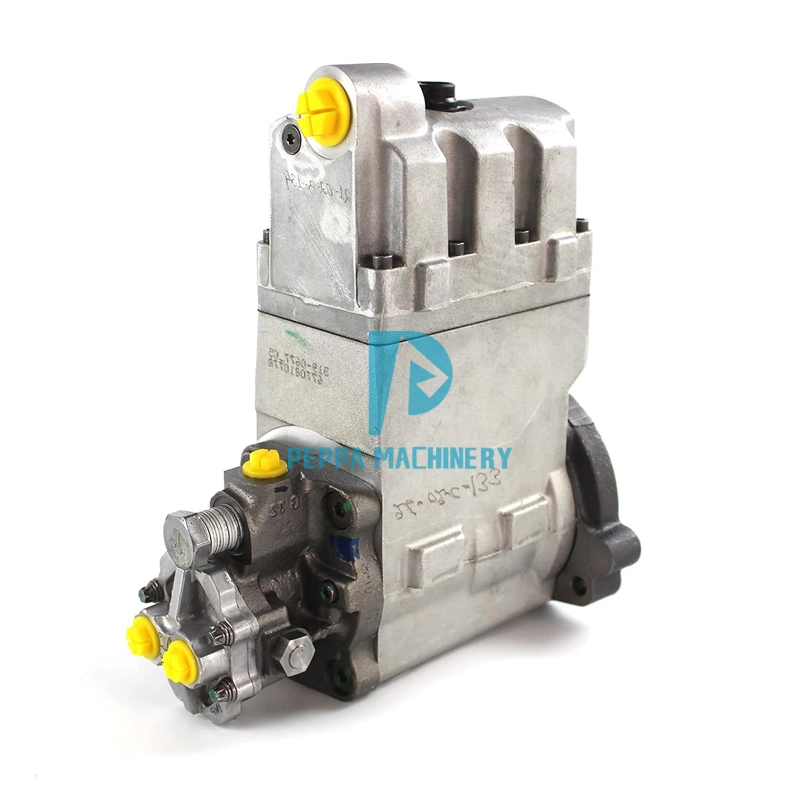
Fuel Feed / Transfer Pump Assembly for Caterpillar C7 & C9 Engines | Direct Replacement for OEM Parts #319-0678, 254-4358, 304-0678, 295-4778, 228-589
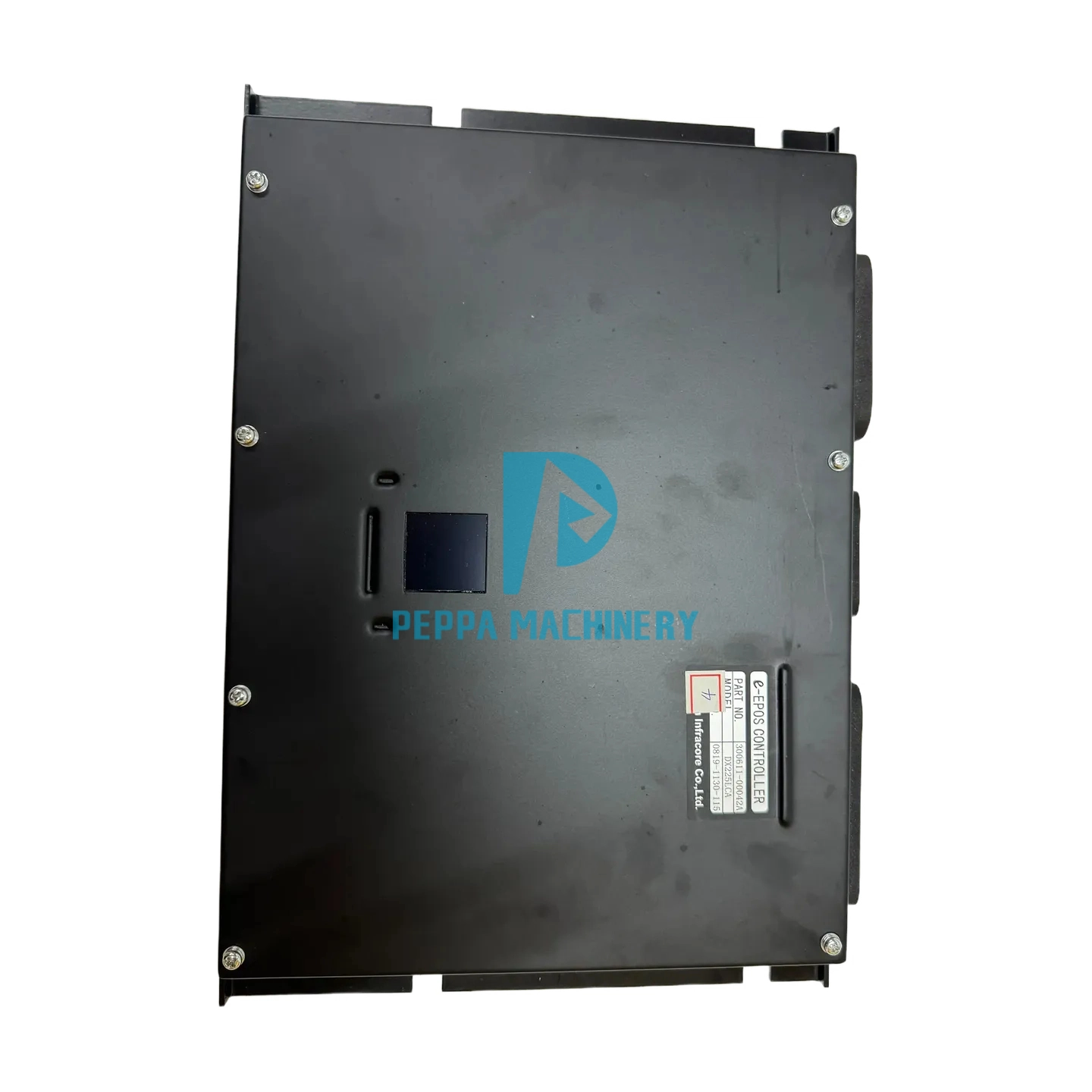
Excavator Accessories Excavator Controller DX225 DX225LCA E-EPOS Controller Computer Board 300611-00042 K1026740 K1001369C K1056425 ECU ECM

Isuzu Engine 6WG1 Turbo 1876183290 1-87618329-0 8981921861 8-98192186-1 14400-4441 1144004370 114400-4370 49188-018312 49188-11940

Reliable Source for Quality Excavator Components.
Follow Us
Our Partners


Our Payment Methods


 High Quality
 7/24 Service
 Guaranteed Warranty
 Scan QR Code
Facebook
TikTok
YouTube
Pinterest
Twitter