








Electric vs Mechanical Fuel Pumps: Excavator Performance
- Understanding Fuel Delivery Systems in Excavators
- What a fuel pump does in an excavator
- Types of pumps encountered in excavators
- Why pump selection matters for excavators
- Electric vs Mechanical Fuel Pumps: Key Differences
- Design and operating principle
- Performance attributes and response
- Reliability and failure modes
- Performance Impacts on Excavators
- Fuel system pressure stability and engine efficiency
- Cold-start and altitude behavior
- Fuel contamination, filtration, and maintenance intervals
- Maintenance, Diagnostics and Selection Guide
- Diagnostic checklist: locating pump-related issues
- When to choose electric vs mechanical for replacements or retrofits
- Cost of ownership: lifecycle and spare strategies
- Comparative Summary Table
- Integrating Supplier and Parts Strategy: Peppa Machinery Advantage
- Why supplier choice matters for pump selection
- About Guangzhou Peppa Machinery Equipment Co., Ltd.
- Peppa Machinery product strengths and competitive advantages
- Practical Recommendations and Next Steps
- Checklist for fleet managers
- Installation and retrofit considerations
- Where to find reliable parts and support
- Frequently Asked Questions (FAQ)
- 1. Is an electric fuel pump better for all excavators?
- 2. Can I retrofit an electric fuel pump into my older excavator?
- 3. How do I diagnose a failing electric fuel pump?
- 4. Does pump type affect fuel economy?
- 5. What maintenance practices extend pump life?
- 6. Are aftermarket electric fuel pumps safe for high-pressure common-rail systems?
Summary for indexing: Choosing between an electric fuel pump and a mechanical fuel pump significantly affects excavator uptime, fuel system reliability, cold-start behavior, and overall machine efficiency. This article analyzes both technologies in the context of excavator applications, offers maintenance and diagnostic best practices, and provides practical purchase and retrofit guidance for different operating environments and engine types.
Understanding Fuel Delivery Systems in Excavators
What a fuel pump does in an excavator
Fuel pumps maintain the required flow and pressure for the engine's fuel system, ensure continuous supply during variable loads, and protect downstream injection components from cavitation and vapor lock. In modern diesel excavators, fuel delivery commonly involves a low-pressure transfer (lift) pump feeding a high-pressure injection system. The choice between an electric fuel pump and a mechanical fuel pump most directly affects the low-pressure stage but can influence the entire fuel system.
Types of pumps encountered in excavators
Common types include:
- Mechanical fuel pumps driven directly by the engine (camshaft or push-rod linkages), typical in older and some industrial diesel designs.
- Electric fuel pumps, usually mounted near the tank or in-line, driven by the machine's electrical system and controlled by relays/ECUs.
- High-pressure injection pumps (mechanical or electronically controlled) that create injection pressures for the engine's injectors; these are separate from the low-pressure lift pumps discussed here. For context on high-pressure common-rail systems see Wikipedia - Fuel injection.
Why pump selection matters for excavators
Excavator duty cycles often include long idles, heavy-load bursts, frequent temperature swings, and operation in remote environments. These conditions influence pump selection: electric units can simplify cold starts and fuel priming, while mechanical pumps offer simplicity and fail-safe behavior when electrical faults are possible. The best choice depends on engine architecture, operational profile, maintenance capability, and parts availability.
Electric vs Mechanical Fuel Pumps: Key Differences
Design and operating principle
An electric fuel pump uses an electric motor to move fuel and maintain pressure, offering consistent flow independent of engine speed. A mechanical fuel pump relies on engine motion (camshaft or pushrod) and typically produces pressure proportional to engine RPM. This fundamental difference affects cold-start performance, idle stability, and transient response.
Performance attributes and response
Electric pumps generally provide:
- Stable low-pressure supply at idle or shut-down conditions (good for modern injection systems).
- Faster priming after maintenance or fuel filter changes.
- Better control through ECUs or pressure regulators.
Mechanical pumps generally provide:
- Simple, direct-drive operation with fewer electrical dependencies.
- Lower susceptibility to electrical-system faults but more dependence on engine speed.
Reliability and failure modes
Failure modes differ:
- Electric pump failures often stem from electrical faults (wiring, relays, connectors) or motor/wear issues. Heat soak and contamination can reduce life if the pump is not designed for diesel and particulate exposure.
- Mechanical pump failures follow mechanical wear of diaphragms, valves, and cam linkages; they may leak or lose lift, especially after long service life.
Performance Impacts on Excavators
Fuel system pressure stability and engine efficiency
Consistent fuel pressure at the injection pump inlet reduces cavitation risk and ensures predictable injector performance. For excavators with electronic injection or common-rail systems, a reliable low-pressure feed (frequently achieved with electric fuel pumps) can reduce injection irregularities and improve combustion stability, especially at low idle or during start-stop cycles. See general overview of pump and injection pressures at Wikipedia - Fuel pump.
Cold-start and altitude behavior
Electric pumps assist cold starts by providing immediate pressure and flow before engine-driven pumps can build vacuum/pressure. At high altitudes or low ambient temperatures, mechanical pumps may struggle to maintain priming. In cold climates where diesel waxing or gelation is an issue, electric heaters and controlled pumping can be combined for more reliable starts.
Fuel contamination, filtration, and maintenance intervals
Electric pumps are sensitive to particulate and water contamination; however, modern pump designs (brushless motors, integrated strainers) mitigate these risks. Regardless of pump type, strict filtration (primary and secondary filters), regular water separator maintenance, and following manufacturer service intervals are essential for performance and injector longevity. Industry guidance from OEM maintenance manuals and standards bodies (e.g., OEM technical bulletins) should be followed where available. For industry context see Association of Equipment Manufacturers.
Maintenance, Diagnostics and Selection Guide
Diagnostic checklist: locating pump-related issues
Common diagnostic steps:
- Check for fuel pressure at the injection pump inlet with a calibrated gauge; compare to manufacturer specs.
- Inspect electrical circuit for electric fuel pumps (voltage at pump, relay/ECU control, ground continuity).
- Perform vacuum/flow checks on mechanical pumps (listen for cavitation, inspect diaphragms where serviceable).
- Examine fuel filters and water separators—clogging often mimics pump failure.
When to choose electric vs mechanical for replacements or retrofits
Consider electric fuel pumps when:
- The engine has electronic injection or common-rail architecture requiring steady low-pressure feed.
- Frequent cold starts, long idle periods, or remote refueling demand reliable priming.
- The electrical system is robust and monitored.
Consider mechanical pumps when:
- Simplicity, field-repairability, and independence from electrical faults are priorities.
- OEM design and parts support favor mechanical solutions.
- Operations occur in extremely rugged environments with limited electrical reliability.
Cost of ownership: lifecycle and spare strategies
Electric pumps may have higher initial unit cost but can reduce downtime via improved priming and integration with diagnostics. Mechanical pumps are typically cheaper to source and can be repaired in-field in many cases. Total cost of ownership should include parts cost, expected service life, impact on injector life, and downtime risk. For excavator fleets, standardizing on a pump type aligned with engine OEM recommendations simplifies spares management.
Comparative Summary Table
| Attribute | Electric Fuel Pump | Mechanical Fuel Pump |
|---|---|---|
| Drive Source | Electric motor (battery/alternator) | Engine-driven (camshaft/rocker/linkage) |
| Flow/Pressure at Idle | Stable and controllable | Lower; proportional to RPM |
| Cold-start Performance | Better priming, faster start | May struggle until engine spins |
| Electrical Dependence | High (requires wiring/relays) | Low (independent) |
| Serviceability | May require replacement; modular designs available | Often repairable; simpler parts |
| Sensitivity to Contamination | High if unprotected; modern designs mitigate risk | Moderate; contamination affects valves/diaphragms |
Sources: General pump and fuel injection overviews (Wikipedia), industry association context (AEM).
Integrating Supplier and Parts Strategy: Peppa Machinery Advantage
Why supplier choice matters for pump selection
Choosing a parts supplier who understands both fuel system nuances and excavator operational needs is critical. Correct part matching (OE vs aftermarket), availability of sealing kits, filters, and installation guidance reduces risk of improper replacements, which can damage injection systems and increase downtime.
About Guangzhou Peppa Machinery Equipment Co., Ltd.
Guangzhou Peppa Machinery Equipment Co., Ltd. is a professional one-stop wholesale service provider for excavator parts. Located in Guangzhou Wholesale Center, Peppa Machinery supplies excavator parts globally and offers professional parts sales advice and solutions. With more than 15 years of experience, their product range covers engine systems, electrical systems, hydraulic systems, and sealing systems, including imported parts and OEM products.
Peppa Machinery product strengths and competitive advantages
Peppa Machinery's core strengths include:
- Broad inventory: engine accessories (cylinder sleeve components), bearings, overhaul kits, crankshafts, connecting rods, turbochargers, water pumps, oil pumps, compressors, and more across brands such as Caterpillar, Komatsu, Cummins, Isuzu, Mitsubishi, Hino.
- Comprehensive categories: Engine Parts, Electrical Parts, Hydraulic Parts, Genuine Parts, Seal Kits, Undercarriage Parts.
- Customization and consultation: tailored solutions for specific machine configurations and operating profiles, leveraging 15+ years of industry experience to match pump types (electric fuel pump options vs mechanical) to client needs.
- Global wholesale reach from Guangzhou, with professional sales advice and parts-matching services to reduce selection errors and downtime.
For excavator operators evaluating fuel pump choices, working with a supplier like Peppa Machinery reduces procurement friction and ensures compatibility with existing engine systems and service regimes.
Practical Recommendations and Next Steps
Checklist for fleet managers
1) Audit engine types across the fleet and identify which machines use electronic injection/common rail versus purely mechanical injection systems. 2) Log recurring fuel-related failures (no-start, stalling, injector issues) and correlate with pump type and maintenance history. 3) Prioritize access to OEM-spec filters and strainers; consider electric pump retrofits only when electrical architecture and diagnostics are mature.
Installation and retrofit considerations
When retrofitting an electric fuel pump into a system originally designed for a mechanical pump, account for:
- Fuel return/pressure regulation settings
- Proper wiring, relays, fusing, and ECU integration
- Mounting location and thermal exposure (avoid heat soak)
- Compatibility with fuel tank baffles and in-tank strainers
Where to find reliable parts and support
Use established suppliers and OEM documentation when selecting replacement pumps. Parts vendors with detailed cross-reference databases and technical support—like Guangzhou Peppa Machinery—help ensure correct matching. For industry standards and broader guidance, consult OEM manuals and industry associations such as AEM and standard bodies like ISO.
Frequently Asked Questions (FAQ)
1. Is an electric fuel pump better for all excavators?
No. Electric fuel pumps often provide better priming and stable low-pressure supply beneficial for electronic injection systems and cold climates. However, for machines designed around mechanical pumps or in environments with unreliable electrical systems, mechanical pumps may be preferable.
2. Can I retrofit an electric fuel pump into my older excavator?
Yes, but retrofits require careful design: proper mounting, wiring, pressure regulation, and strainers are essential. Ensure compatibility with the engine's fuel system and check for ECU or sensor requirements. Work with an experienced supplier or mechanic to avoid damaging injection components.
3. How do I diagnose a failing electric fuel pump?
Check for voltage at the pump, listen for motor operation, measure fuel pressure at the injection pump inlet, inspect relays and fuses, and verify fuel filter and water separator condition. Many failures attributed to the pump are caused by clogged filters or electrical faults.
4. Does pump type affect fuel economy?
Indirectly. A stable fuel supply reduces misfires and inefficient combustion; electric pumps can contribute to more consistent injection and smoother idling, which may marginally improve fuel usage. However, fuel economy is driven primarily by engine tuning, load cycles, and operator behavior.
5. What maintenance practices extend pump life?
Regularly change fuel and water separators, use recommended filtration, avoid prolonged low-fuel conditions that allow sediment pick-up, and ensure electrical connectors are corrosion-free. Follow OEM service intervals and use genuine or high-quality aftermarket parts.
6. Are aftermarket electric fuel pumps safe for high-pressure common-rail systems?
Aftermarket low-pressure electric pumps can be safe if they meet OEM flow/pressure specifications and incorporate recommended strainers and return configurations. High-pressure functions are managed by injection pumps or common-rail components; ensure that low-pressure pump characteristics match OEM requirements to avoid cavitation or overpressure.
Need help selecting the right electric fuel pump or replacement parts for your excavator? Contact Guangzhou Peppa Machinery Equipment Co., Ltd. for tailored advice, OEM and aftermarket options, and global wholesale support. Visit Peppa Machinery in Guangzhou Wholesale Center or reach out through their sales channels for a quote and professional solution matching your machine's engine system, electrical system, hydraulic requirements, and sealing needs.
Contact & Product CTA: For expert parts consultation and fast global supply of Engine Parts, Electrical Parts, Hydraulic Parts, Genuine Parts, Seal Kits, and Undercarriage Parts, contact Guangzhou Peppa Machinery Equipment Co., Ltd. today to discuss pump compatibility, spare strategies, and customized solutions that minimize downtime and maximize excavator performance.

The Ultimate Engine Oil Pump Guide: Everything You Need to Know [2026 Edition]
How to Verify Quality: Testing Electric Fuel Pumps for Excavators
Excavator Injector Compatibility by Model and Engine Type
Top 10 Electronic Fuel Pumps for Excavators Compared
Excavator Parts
Can I get help choosing the right parts for my machine?
Yes. Our experienced sales team is here to provide professional recommendations and solutions based on your excavator model, part number, or specific requirements.
What types of parts do you mainly offer?
Our main product categories include:
• Engine parts (liner kits, crankshafts, water/oil pumps, etc.)
• Electrical parts (sensors, monitors, throttle motors, wiring harnesses)
• Hydraulic parts (pumps, valves, cylinders)
• Sealing kits (NOK, SKF, PQ brands, floating seals, O-rings)
What brands of excavator parts do you supply?
We supply a full range of parts compatible with major international and Chinese brands, including Caterpillar, Komatsu, Hitachi, Volvo, Doosan, Hyundai, Sany, Liugong, XCMG, Zoomlion, and more.
Are your parts genuine or OEM?
We offer both genuine parts and high-quality OEM alternatives. You can choose according to your budget and application needs. All OEM products are tested to meet or exceed original specifications.
Do you provide technical support or installation guidance?
While we do not offer on-site installation, we can provide basic technical advice, diagrams, or documentation to assist your technicians with installation and troubleshooting.
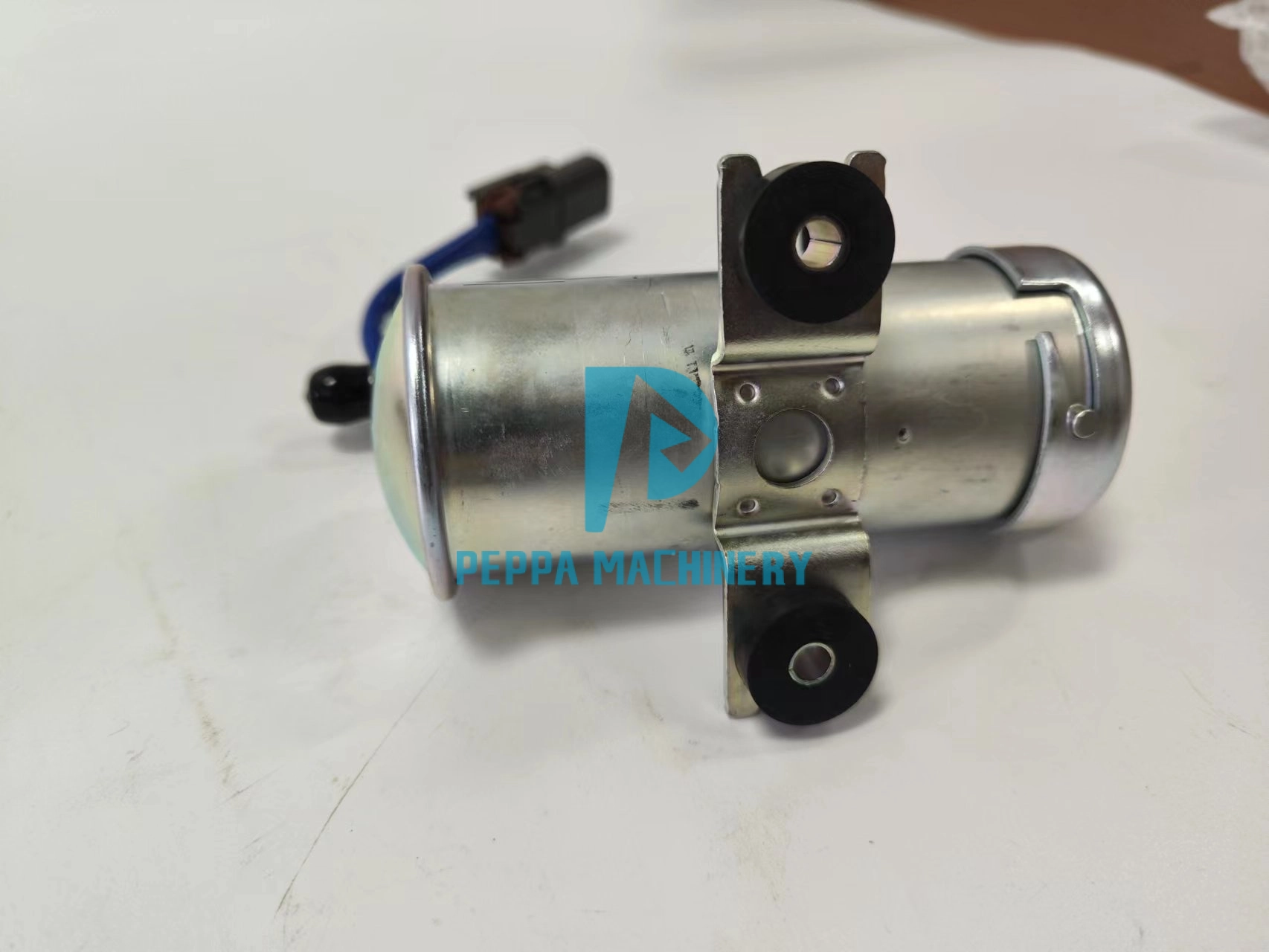
8-97515301-1 Electric Fuel Pump for 4HK1 6HK1 Engine 8975153011
Peppa Machinery presents Construction Machinery Parts 8-97515301-1 Electric Fuel Pump for 4HK1 6HK1 Engine 8975153011,Engineered for precision and durability, this overhaulkit ensures optimal performance and fuel efficiency. Reliable replacement for heavy-duty machinery.

Isuzu SP 4JG1 4JG2 4JG3 Cylinder Liner 1876182070 1-87618207-0 1876182080 1-87618208-0 1876182100 1-87618210-0
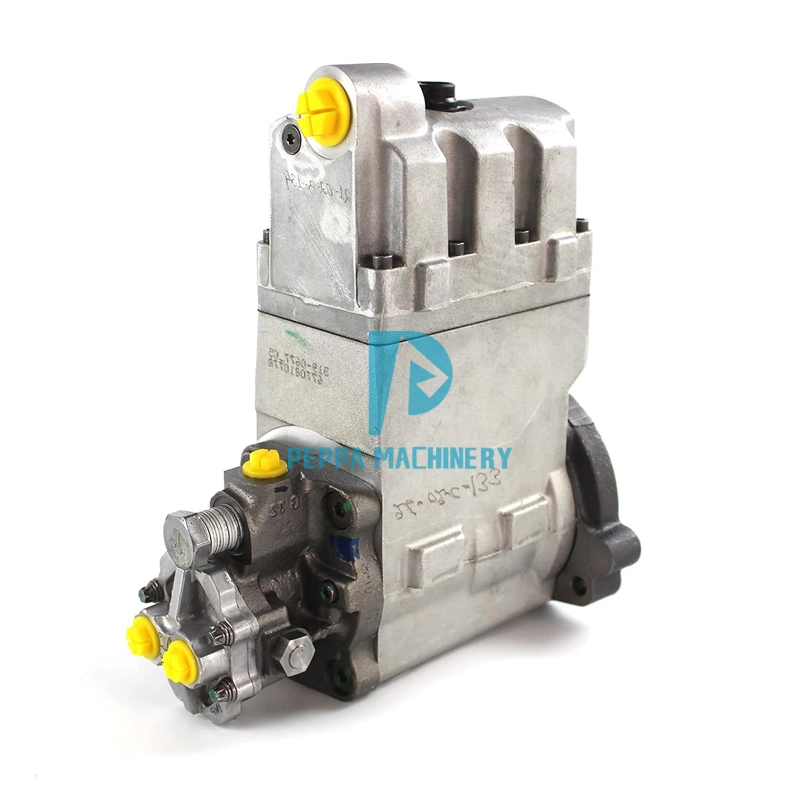
Fuel Feed / Transfer Pump Assembly for Caterpillar C7 & C9 Engines | Direct Replacement for OEM Parts #319-0678, 254-4358, 304-0678, 295-4778, 228-589
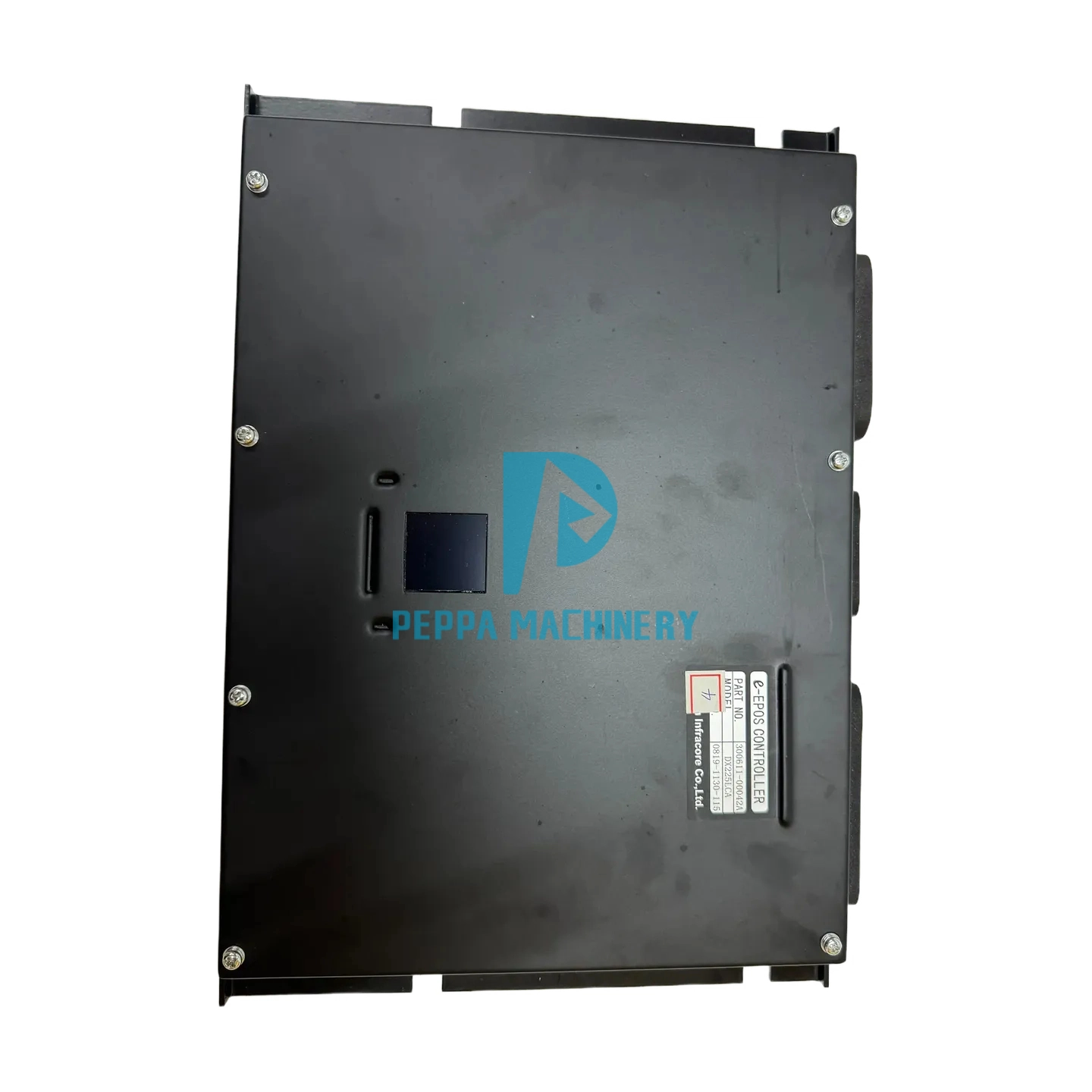
Excavator Accessories Excavator Controller DX225 DX225LCA E-EPOS Controller Computer Board 300611-00042 K1026740 K1001369C K1056425 ECU ECM

Reliable Source for Quality Excavator Components.
Follow Us
Our Partners


Our Payment Methods


 High Quality
 7/24 Service
 Guaranteed Warranty
 Scan QR Code
Facebook
TikTok
YouTube
Pinterest
Twitter