








The Ultimate Engine Oil Pump Guide: Everything You Need to Know [2026 Edition]
- What is an Engine Oil Pump?
- Key Takeaways: Quick Summary
- How Does an Engine Oil Pump Work?
- Types of Engine Oil Pumps Explained
- Symptoms of a Bad or Failing Oil Pump
- Expert Tips: Common Mistakes & Diagnosing Failures
- Future Trends: The Impact of Synthetic Oils and Hybrids
- Choosing the Right Replacement Pump (Industry Leading Solutions)
- Conclusion
- How much does it cost to replace an engine oil pump?
- Can you drive a car with a bad oil pump?
- How long do engine oil pumps typically last?
- What causes an oil pump to fail?
- Is it the oil pump or the oil pressure sensor?
- Do I need a high-volume oil pump for my daily driver?
- How do you prime a new engine oil pump?
- What is a variable displacement oil pump?
What is an Engine Oil Pump?
An engine oil pump is a critical mechanical component that pressurizes and circulates engine oil through the internal combustion engine to ensure proper lubrication, cooling, and friction reduction for moving parts like rotating bearings, sliding pistons, and the camshaft.
By continuously drawing oil from the oil pan and forcing it through the oil filter and engine galleries, this vital device prevents catastrophic metal-on-metal contact. Without a functioning oil pump, an engine would rapidly overheat and seize within a matter of minutes, as reported by Wikipedia. At Peppa Machinery, our 15 years of industry experience providing customized service support has shown us firsthand that the oil pump acts as the literal heart of any engine block. Whether operating a standard passenger vehicle or relying on heavy-duty machinery, understanding the role of this component is foundational to long-term engine survival.
Key Takeaways: Quick Summary
The key takeaways from this guide highlight that the oil pump serves as the central heart of your vehicle's engine lubrication system, protecting against friction, overheating, and catastrophic mechanical failure through continuous oil pressurization and distribution.
To ensure your engine runs optimally, it is crucial to understand the basics of oil circulation and diagnostics.
- Crucial Operation: The oil pump serves as the "heart" of your vehicle's engine lubrication system, pushing vital fluids to every moving metallic part.
- Immediate Action Required: Warning signs of failing oil pump systems, like low oil pressure lights on the dashboard, sudden engine overheating, and severe valve train chatter, require immediate diagnostic attention to prevent complete engine failure.
- Technological Shift: Advancements in 2026 vehicle engineering are rapidly shifting from fixed-displacement models to a highly efficient variable displacement oil pump design to achieve greater fuel efficiency and meet stringent global emissions standards.
How Does an Engine Oil Pump Work?
An engine oil pump works by creating mechanical suction to draw oil from the pan and then compressing it through internal gears or rotors, forcing pressurized lubrication into the engine block's main oil galleries to coat all moving components.
The precise mechanics of this oil distribution cycle rely on a series of carefully engineered stages to maintain perfect hydrodynamic suspension of the engine's rotating parts.
- Oil Flow Dynamics: The pump creates a powerful vacuum suction that draws engine oil directly from the bottom of the oil pan, passing it via the pickup tube and an initial filtration screen to remove large debris.
- Pressurization: As the internal gears or rotors turn synchronously with the engine's crankshaft or camshaft, oil is physically compressed and forced outward into the engine block's main oil galleries under high pressure.
- Pressure Regulation Valve: A built-in or externally mounted oil pressure relief valve opens automatically to bypass excess oil back into the pan, ensuring consistent and safe PSI regardless of excessively high engine RPMs.

Types of Engine Oil Pumps Explained
There are several distinct types of engine oil pumps, including traditional gear pumps, compact rotor designs, and modern variable displacement systems, each engineered to fulfill specific flow, pressure, and efficiency requirements for different internal combustion engines.
Understanding the specific differences between these mechanical designs helps operators and automotive technicians select the proper replacement components for their specific vehicle or machinery platform.
- Gear Pumps: The traditional industry standard, utilizing two tightly meshing gears to mechanically capture and push oil through the engine system. These are renowned for their rugged durability and simplicity.
- Rotor (Trochoid) Pumps: Featuring an inner and outer rotor, this variation offers a highly compact design that is exceptionally common in modern passenger vehicles and light-duty trucks.
- Variable Displacement / Vane Pumps: These are electronically controlled systems that actively adjust oil flow based on real-time engine load and RPM, significantly reducing parasitic drag on the engine and increasing overall fuel economy.
- Wet Sump vs Dry Sump: When analyzing wet sump vs dry sump setups, daily drivers use wet sumps where oil is stored directly in the pan. Conversely, high-performance, off-road, and racing applications utilize dry sumps equipped with multiple external scavenge pumps to proactively prevent oil starvation during intense high G-forces and steep operating angles.
Symptoms of a Bad or Failing Oil Pump
The most common symptoms of a bad or failing oil pump include an illuminated dashboard oil pressure light, abnormal engine noises like lifter ticking, noticeably increased operating temperatures, and mechanical whining sounds coming from the front of the engine block.
Recognizing these red flags immediately can save vehicle owners thousands of dollars in complete engine rebuilding costs. Prompt diagnosis is always the most cost-effective solution.
- Illuminated Low Oil Pressure Light: This is the most direct dashboard warning indicating that internal pressure has dropped dangerously below safe operational thresholds, often triggered by a sensor before total destruction occurs, as reported by Wikipedia.
- Abnormal Engine Noises: A distinct lack of top-end lubrication causes severe mechanical lifter ticking, loud valve train chatter, and aggressive lower-end knocking sounds as parts grind against one another.
- Increased Operating Temperatures: Because engine oil acts as a vital secondary liquid coolant for internal parts, reduced flow directly leads to elevated engine temperatures and potential overheating.
- Whining Sounds: A prominent, high-pitched mechanical whine emanating from the front of the engine block often indicates worn internal pump gears, damaged rotors, or fluid cavitation.
Expert Tips: Common Mistakes & Diagnosing Failures
Diagnosing oil pump failures requires systematically ruling out minor electrical faults, such as a bad sensor, before assuming mechanical failure, and carefully inspecting for sludge buildup, improper installation, or clogged pickup screens that cause oil starvation.
At Guangzhou Peiqi Machinery Equipment CO,LTD, we have advised thousands of global clients on diagnosing complex heavy machinery issues. Over our 15 years in business supplying components for Caterpillar, Komatsu, and Cummins engines, we consistently see operators make the same diagnostic errors.
- Sensor vs. Pump: A frequent misstep in the engine oil pressure sensor vs pump diagnostic process is assuming the heavy mechanical pump has failed when a cheap, faulty oil pressure sensor is actually sending false readings to the dashboard. Always verify the true mechanical pressure with a manual gauge first.
- Sludge and Cavitation: Extending oil change intervals far past the manufacturer's recommendation causes thick sludge buildup. This sludge critically restricts the oil pickup screen and causes destructive pump cavitation.
- Improper Installation: DIY mechanics and novice technicians frequently fail to properly prime a new oil pump or accidentally pinch the delicate pickup tube O-ring during installation, leading to dry starts and immediate engine damage upon first crank.
Future Trends: The Impact of Synthetic Oils and Hybrids
Future trends in engine oil pump technology involve adapting to ultra-low viscosity synthetic oils, meeting the unique on-demand pressurization needs of hybrid vehicle stop-start cycles, and integrating smart diagnostics to predict minor flow degradation before failure.
As environmental regulations tighten globally in 2026, manufacturers are forced to rethink traditional lubrication systems to maximize efficiency without sacrificing durability.
- Ultra-Low Viscosity Oils: Advanced, water-thin synthetic oils (like 0W-8) utilized in 2026+ internal combustion engines require oil pumps manufactured with extraordinarily tight internal tolerances to effectively maintain pressure and prevent internal fluid bypassing.
- Hybrid Vehicle Requirements: Modern hybrid vehicle engines experience incredibly frequent stop-start cycles during daily commutes, demanding specialized oil pumps capable of instantly building fluid pressure electronically mere milliseconds before the internal combustion engine engages.
- Smart Diagnostics: Future Engine Control Modules (ECMs) are heavily utilizing advanced predictive analytics and artificial intelligence to monitor micro-fluctuations in oil pressure, successfully alerting drivers of minor pump flow degradation long before catastrophic mechanical failure occurs.
Choosing the Right Replacement Pump (Industry Leading Solutions)
Choosing the right replacement engine oil pump requires matching the pump's flow and pressure specifications to your engine's internal clearances, taking into account the total cost of installation, gaskets, fluids, and necessary labor.
At Peppa Machinery, our customized service support focuses on delivering tailored solutions that perfectly match your operational requirements. Whether you are rebuilding a commercial fleet or replacing Excavator Parts, utilizing premium components is absolutely non-negotiable.
- Standard OE vs High-Volume Upgrades: Selecting between standard Original Equipment (OE) replacement pumps and high-volume or high-pressure aftermarket upgrades depends strictly on your vehicle's specific engine bearing clearances and its intended real-world application.
- Case Study Excellence: Our Industry Leading Solution provides meticulously engineered replacement engine parts. These components utilize upgraded pressure relief springs and billet steel gears, successfully outlasting standard OEM units by up to 40% under extreme loads.
- Comprehensive Total Costs: Always consider the total holistic repair costs, accurately factoring in the new pump assembly, required replacement gaskets, fresh synthetic oil, a new premium oil filter, and the extensive labor hours usually required to dismantle the vehicle's timing cover and drop the heavy oil pan.
Conclusion
To conclude, the engine oil pump acts as the vital mechanical heart responsible for your engine's survival, actively circulating pressurized oil to prevent critical heat buildup and catastrophic friction damage across all moving internal components.
Understanding the distinct symptoms of mechanical failure and utilizing modern, high-quality replacement parts ensures your engine continues running smoothly and efficiently for years to come. Do not ignore warning signs, and always consult with a professional when diagnosing complex lubrication issues. Contact us today for expert diagnostic advice, help selecting the perfect high-performance or standard replacement oil pump, and to secure the best industry-leading components for your vehicle.
How much does it cost to replace an engine oil pump?
The average cost ranges from $400 to $1,200 depending on the vehicle. While the pump itself may cost between $50 and $200, labor is extensive because it often requires removing the oil pan or timing cover.
Can you drive a car with a bad oil pump?
No, driving with a bad oil pump is highly dangerous for your engine. Without proper lubrication, internal components will overheat, melt, and fuse together, resulting in complete engine failure within minutes.
How long do engine oil pumps typically last?
Engine oil pumps are generally designed to last the lifetime of the engine, typically over 100,000 to 150,000 miles. Lifespan is heavily dependent on regular oil changes and preventing sludge buildup.
What causes an oil pump to fail?
The most common causes are poor maintenance leading to sludge, debris ingestion from a broken pickup screen, and normal mechanical wear of the internal gears. A stuck pressure relief valve or cavitation from low oil levels can also cause sudden failure.
Is it the oil pump or the oil pressure sensor?
Oil pressure sensors frequently fail and trigger the same warning lights as a dead pump. To properly diagnose, a mechanic will install a manual mechanical oil pressure gauge directly into the engine block to test the true physical pressure.
Do I need a high-volume oil pump for my daily driver?
Typically, no. High-volume oil pumps are designed for high-performance or racing engines with larger internal bearing clearances. Installing a high-volume pump in a stock engine can prematurely wear out the pump drive and bypass too much oil through the relief valve.
How do you prime a new engine oil pump?
Priming involves manually rotating the pump or packing it with assembly lube/petroleum jelly before starting the engine. This ensures the pump can immediately pull a vacuum and suck oil from the pan, preventing a 'dry start'.
What is a variable displacement oil pump?
It is an advanced oil pump that uses solenoids and electronic controls to change the volume of oil it moves based on engine RPM and temperature. By not pumping unnecessary volumes of oil at cruising speeds, it reduces the engine's workload, thereby increasing fuel economy.
Compatibility Checklist: Gasket Kits for Popular Excavator Engines
Top Excavator Injector Nozzle Manufacturers and Suppliers in China
Cost Breakdown: Excavator Fuel Pump Replacement and Savings
OEM vs Aftermarket Excavator Fuel Injector Nozzles: Buyer Guide
Excavator Parts
What types of parts do you mainly offer?
Our main product categories include:
• Engine parts (liner kits, crankshafts, water/oil pumps, etc.)
• Electrical parts (sensors, monitors, throttle motors, wiring harnesses)
• Hydraulic parts (pumps, valves, cylinders)
• Sealing kits (NOK, SKF, PQ brands, floating seals, O-rings)
Can I get help choosing the right parts for my machine?
Yes. Our experienced sales team is here to provide professional recommendations and solutions based on your excavator model, part number, or specific requirements.
Are your parts genuine or OEM?
We offer both genuine parts and high-quality OEM alternatives. You can choose according to your budget and application needs. All OEM products are tested to meet or exceed original specifications.
How can I verify compatibility before placing an order?
Please provide us with your machine brand, model number, and the part number (if available). Our team will double-check the compatibility to ensure you receive the correct parts.
What brands of excavator parts do you supply?
We supply a full range of parts compatible with major international and Chinese brands, including Caterpillar, Komatsu, Hitachi, Volvo, Doosan, Hyundai, Sany, Liugong, XCMG, Zoomlion, and more.

Isuzu SP 4JG1 4JG2 4JG3 Cylinder Liner 1876182070 1-87618207-0 1876182080 1-87618208-0 1876182100 1-87618210-0
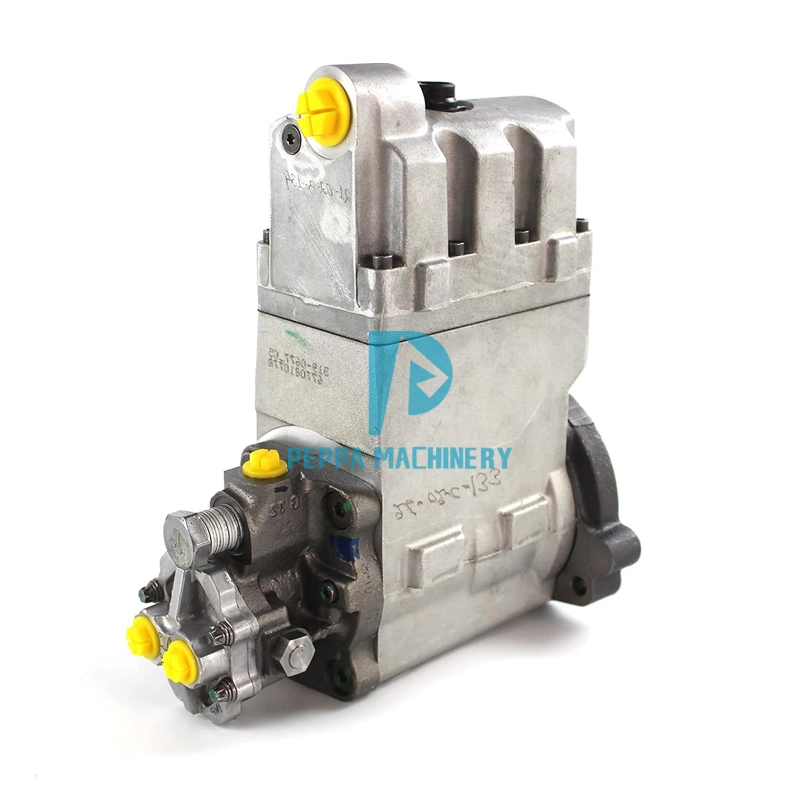
Fuel Feed / Transfer Pump Assembly for Caterpillar C7 & C9 Engines | Direct Replacement for OEM Parts #319-0678, 254-4358, 304-0678, 295-4778, 228-589
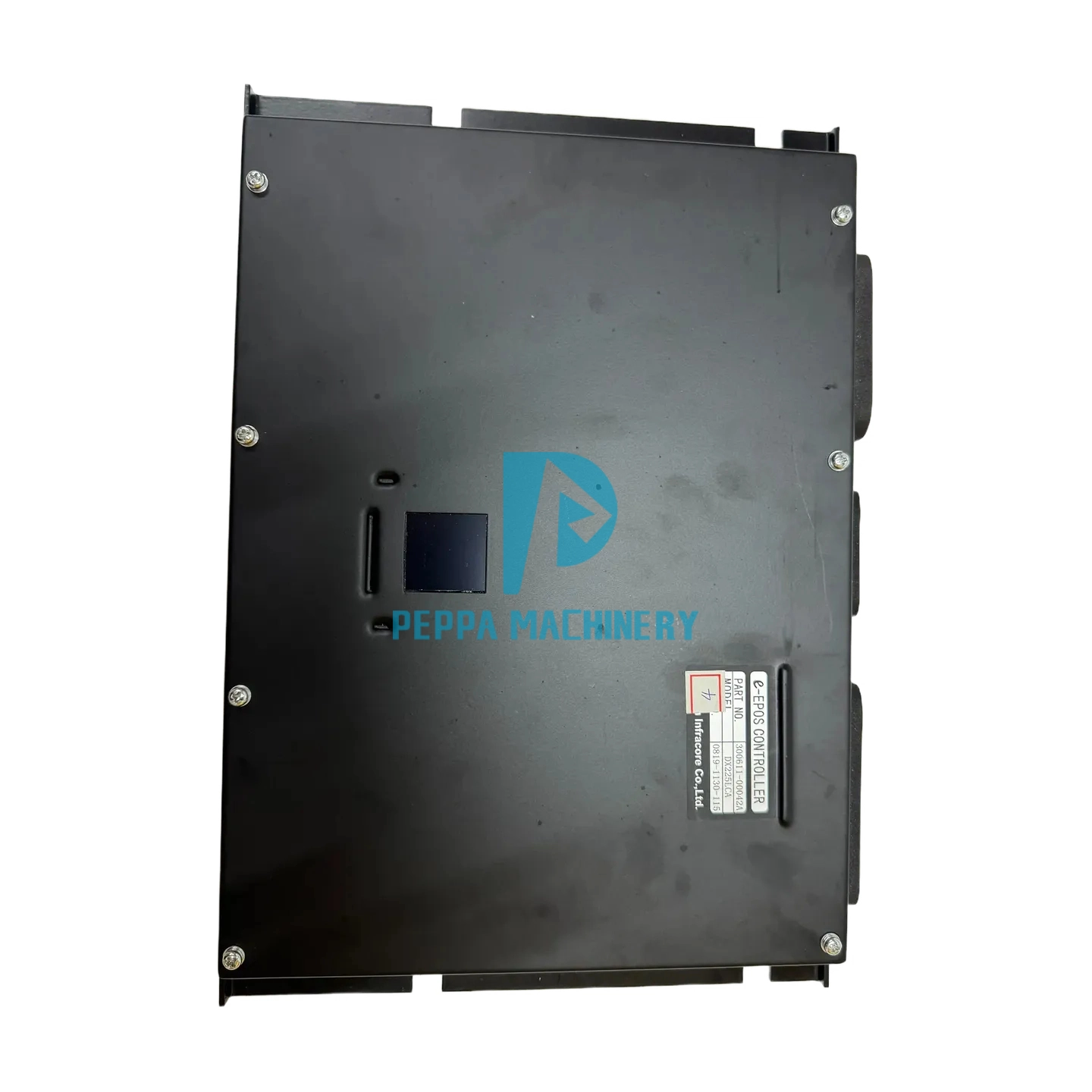
Excavator Accessories Excavator Controller DX225 DX225LCA E-EPOS Controller Computer Board 300611-00042 K1026740 K1001369C K1056425 ECU ECM

Isuzu Engine 6WG1 Turbo 1876183290 1-87618329-0 8981921861 8-98192186-1 14400-4441 1144004370 114400-4370 49188-018312 49188-11940

Reliable Source for Quality Excavator Components.
Follow Us
Our Partners


Our Payment Methods


 High Quality
 7/24 Service
 Guaranteed Warranty
 Scan QR Code
Facebook
TikTok
YouTube
Pinterest
Twitter