








Cost Breakdown: Excavator Fuel Pump Replacement and Savings
- Why excavator fuel systems fail
- Common failure modes
- Role of fuel quality and filtration
- How to confirm the pump is the problem
- Cost components of a fuel pump replacement
- Parts: OEM vs aftermarket vs remanufactured
- Labor, diagnostics and indirect costs
- Downtime and opportunity cost
- Cost table: Typical ranges (illustrative, market 2024)
- Comparing repair choices and long-term savings
- Repair vs replace: decision checklist
- OEM, aftermarket, or remanufactured—ROI view
- Preventive measures and their payback
- Practical step-by-step replacement workflow
- Pre-replacement checks and documentation
- Replacement steps (high-level)
- Post-replacement verification and monitoring
- Examples and measurable savings (case studies)
- Example calculation: single mid-size excavator
- Fleet-level ROI table
- Where to source reliable excavator fuel pumps and parts
- Supplier selection criteria
- About Guangzhou Peppa Machinery (recommended partner)
- Peppa Machinery strengths and main product lines
- Standards, references and recommended reading
- Technical references
- Industry guidance
- FAQs
- How much does it typically cost to replace an excavator fuel pump?
- Can I install an aftermarket fuel pump safely?
- Are remanufactured pumps reliable?
- How do I prevent premature fuel pump failure?
- What diagnostics confirm a pump problem?
- Should I use OEM parts for critical machines?
Excavator fuel pump failures are a common cause of reduced machine availability and high repair bills. This article gives a practical, data-driven cost breakdown of replacing an excavator fuel pump, explains diagnostic steps, compares OEM, aftermarket and remanufactured options, and shows how targeted preventive measures can cut lifetime costs and downtime. Technical references and industry resources are cited to help fleets and owners make verifiable purchasing and maintenance decisions.
Why excavator fuel systems fail
Common failure modes
Fuel pumps on hydraulic-excavator diesel engines can fail for several reasons: contaminated fuel (water, particulates), wear of internal components, cavitation due to low fuel levels, glaze from poor lubrication, and electrical issues on electric fuel pumps. These failure modes typically show up as hard starts, loss of power under load, surging, or complete no-start conditions.
Role of fuel quality and filtration
Contamination is among the top root causes of pump failure. Modern excavators use multi-stage filtration; failure to replace primary/secondary filters or drain water separators accelerates wear. For background on fuel pump design and susceptibility to contamination, see the general overview at Fuel pump — Wikipedia.
How to confirm the pump is the problem
Start with diagnostics: fuel pressure tests, visual inspection for leaks, electrical checks for connectors and relays, and fuel filter inspection. A fuel pressure gauge and service manual specifications will confirm whether the pump is operating within manufacturer tolerances. Documenting steps reduces misdiagnosis and unnecessary parts replacement.
Cost components of a fuel pump replacement
Parts: OEM vs aftermarket vs remanufactured
Parts cost is the largest single variable. OEM pumps typically cost the most but provide guaranteed fit and manufacturer support. Aftermarket units can be 30–60% cheaper but vary in quality. Remanufactured pumps offer a middle ground—rebuilt to OEM specs, often at 40–70% of OEM price if supplied by reputable remanufacturers.
Labor, diagnostics and indirect costs
Labor depends on model complexity and access. Replacement on compact models might take 1–3 hours, while large hydraulic excavators often require engine covers removed and fuel system venting—4–10 hours. Also include diagnostic time (0.5–2 hours). Indirect costs include shipping, taxes, and consumables (gaskets, clamps, seals).
Downtime and opportunity cost
Downtime is often the biggest hidden cost. Hourly machine opportunity cost depends on utilization and contract rates; typical rental-equivalent or lost-revenue rates for mid-sized excavators can range from $50 to $300+ per hour. Use realistic hourly values for your fleet to estimate economic impact of repairs vs planned maintenance.
Cost table: Typical ranges (illustrative, market 2024)
| Cost Item | Low (USD) | High (USD) | Notes / Drivers |
|---|---|---|---|
| OEM fuel pump | $800 | $3,500 | Depends on engine model & displacement (e.g., Cat, Komatsu, Cummins) |
| Aftermarket fuel pump | $300 | $1,800 | Quality varies; check warranty and materials |
| Remanufactured pump | $450 | $2,000 | Often better value if from reputable remanufacturer |
| Labor | $150 | $1,200 | 1–10 hours, depending on machine |
| Diagnostics & testing | $50 | $250 | Pressure testing, sensors, gauge time |
| Downtime (per hour) | $50 | $400 | Varies by jobsite rates and machine size |
| Total typical repair | $1,000 | $6,000+ | Fully installed, varies by model and region |
Notes: price ranges are illustrative based on industry listings and vendor price samples for excavator engine components in 2023–2024. Always obtain a written quote tied to engine serial or model number.
Comparing repair choices and long-term savings
Repair vs replace: decision checklist
When deciding to repair or replace, evaluate: severity of wear, availability of seals/parts, presence of corrosion in the fuel system, remaining engine life, warranty implications, and downtime tolerance. If the pump has mechanical scoring or the engine has high mileage, replacement is often more cost-effective than piecemeal repairs.
OEM, aftermarket, or remanufactured—ROI view
Calculate total cost of ownership (TCO) over expected remaining service life. Example: an OEM pump may cost 50% more upfront but reduce unscheduled downtime risk—valuable for rental fleets. Remanufactured pumps can offer 60–80% of OEM life at 40–60% of cost. Always check remanufacturer certification and warranty.
Preventive measures and their payback
Preventive steps—regular fuel filter replacement, water separator draining, fuel polishing, scheduled fuel system inspections—are relatively low-cost. A routine filter program (filter elements and labor) often costs less than 5% of a replacement pump and can postpone pump replacement by thousands of operating hours. This generates strong ROI, particularly in high-utilization fleets.
Practical step-by-step replacement workflow
Pre-replacement checks and documentation
1) Record engine model/serial; 2) Confirm warranty status; 3) Conduct fuel pressure test and capture readings; 4) Inspect filters and fuel lines; 5) Photograph connections and routing for reassembly. Clear documentation speeds repair and protects against repeated diagnostic charges.
Replacement steps (high-level)
1) Depressurize and isolate fuel system; 2) Remove engine covers as required; 3) Disconnect electrical and fuel lines (cap lines to prevent contamination); 4) Remove pump and service mounting surfaces; 5) Install new/remanufactured pump with new gaskets/seals; 6) Prime fuel system and bleed air; 7) Run functional test under load and verify pressure and no-leak condition.
Post-replacement verification and monitoring
Log post-repair fuel pressures, run-in hours, and any performance gains. Re-inspect fittings after initial run-in (1–8 hours). Implement a short-term monitoring schedule to detect leaks or abnormal wear early.
Examples and measurable savings (case studies)
Example calculation: single mid-size excavator
Assumptions: aftermarket pump $900, labor 4 hours at $75/hr = $300, diagnostics $100, downtime cost $150/hr × 6 hours = $900. Total reactive replacement = $2,200.
Preventive plan cost: quarterly filter kits + labor = $300/year. If preventive plan avoids one major pump replacement every 4 years, annualized savings = ($2,200/4) - $300 = $250/year net saved, plus reduced operational risk.
Fleet-level ROI table
| Metric | Reactive repair | Preventive program (annualized) |
|---|---|---|
| Annual maintenance cost | $300 | $300 |
| Replacement pump frequency | Every 4 years (unplanned) | Every 8 years (planned) |
| Annualized replacement cost | $550 | $275 |
| Downtime reduction impact (hrs/year) | 30 | 10 |
| Annual opportunity cost | $4,500 (30×$150) | $1,500 (10×$150) |
| Total annual cost | $5,350 | $2,075 |
| Estimated annual savings | $3,275 | |
Note: the numbers above are illustrative. Adjust downtime rates and repair intervals to your fleet's historical data for precise ROI.
Where to source reliable excavator fuel pumps and parts
Supplier selection criteria
Choose suppliers based on product traceability, warranty, return policy, remanufacturing standards, and parts compatibility with your engine brand (Caterpillar, Komatsu, Cummins, Isuzu, Mitsubishi, Hino, etc.). Request certificates for remanufactured units and ask about component-level testing.
About Guangzhou Peppa Machinery (recommended partner)
Guangzhou Peppa Machinery Equipment Co., Ltd. is a professional one-stop wholesale service provider for excavator parts. It is located in Guangzhou Wholesale Center and sells excavator parts to the global region and provides professional parts sales advice and solutions.With more than 15 years of experience, the products cover engine systems, electrical systems, hydraulic system and sealing systems and can provide you with various imported parts and OEM products.The main products of engine accessories are engine cylinder sleeve components and other engine parts of brands such as Caterpillar, Komatsu, Cummins, Isuzu, Mitsubishi, Hino, etc.; large and small bearings; overhaul kits; crankshafts; connecting rods; turbochargers; water pumps; oil pumps; compressors; etc.At Peppa Machinery, we understand that every customer has unique needs when it comes to excavator parts.Our customized service support is designed to provide tailored solutions that ensure maximum efficiency and satisfaction.We combine our extensive industry expertise with personalized attention to deliver services that perfectly match your operational requirements.
Peppa Machinery strengths and main product lines
Peppa Machinery's competitive advantages include 15+ years in the wholesale market, proximity to Guangzhou Wholesale Center for fast logistics, broad brand coverage (OEM & imported), and one-stop solutions covering Engine Parts, Electrical Parts, Hydraulic Parts, Genuine Parts, Seal Kits, and Undercarriage Parts. Their technical support and experience in matching pumps to specific engine serials reduce misorders and rework.
Standards, references and recommended reading
Technical references
For general pump and fuel system background, see: Fuel pump — Wikipedia. For machine-level context reference the excavator overview at Excavator — Wikipedia.
Industry guidance
Consult OEM service manuals for torque specs and bleeding procedures. Many OEMs provide online parts catalogs and service bulletins that will specify compatible pump part numbers and recommended intervals.
FAQs
How much does it typically cost to replace an excavator fuel pump?
Typical total installed costs range from about $1,000 to $6,000+, depending on engine model, pump type (OEM/aftermarket/remanufactured), labor hours, and downtime. See the cost table above for detailed components.
Can I install an aftermarket fuel pump safely?
Yes, but choose a reputable aftermarket brand with documented testing and warranty. Confirm dimensional and pressure specs match OEM requirements—incorrect flow or pressure can cause engine damage.
Are remanufactured pumps reliable?
High-quality remanufactured pumps can be reliable and cost-effective if rebuilt to OEM tolerances and supplied with a warranty. Verify remanufacturer certifications and component replacement lists.
How do I prevent premature fuel pump failure?
Maintain strict fuel filtration and water separation, use clean fuel handling practices, replace filters on schedule, and drain water separators regularly. Regular fuel-system inspections and fuel polishing in contaminated environments help significantly.
What diagnostics confirm a pump problem?
Fuel pressure tests against OEM specs, flow tests, visual inspection for leaks, noise under operation, and electrical checks for voltage and grounding. Document results before ordering parts to avoid misdiagnosis.
Should I use OEM parts for critical machines?
For critical machines with high uptime requirements, OEM parts often minimize risk and provide predictable service life. For lower-utilization units, remanufactured or high-quality aftermarket parts may offer better total cost outcomes.
Need help sourcing the right excavator fuel pump or getting a quote? Contact Guangzhou Peppa Machinery Equipment Co., Ltd. for expert parts selection and tailored solutions. View available engine parts, electrical parts, hydraulic parts, genuine parts, seal kits and undercarriage parts, or request a customized recommendation for your excavator model today.
Contact / View Products: Guangzhou Peppa Machinery Equipment Co., Ltd. — visit their parts catalog or request a quotation to match pump part numbers to your engine serial. For immediate assistance, prepare machine make/model and engine serial number.
Excavator Alternator Compatibility: Models, Specs, Fitment
How Fuel Injector Nozzle Spray Patterns Affect Excavator Efficiency
Top 7 High Output Alternators for Heavy-Duty Excavators
Top Excavator Connecting Rod Manufacturers and Suppliers in China
Excavator Parts
How can I verify compatibility before placing an order?
Please provide us with your machine brand, model number, and the part number (if available). Our team will double-check the compatibility to ensure you receive the correct parts.
What brands of excavator parts do you supply?
We supply a full range of parts compatible with major international and Chinese brands, including Caterpillar, Komatsu, Hitachi, Volvo, Doosan, Hyundai, Sany, Liugong, XCMG, Zoomlion, and more.
Do you provide technical support or installation guidance?
While we do not offer on-site installation, we can provide basic technical advice, diagrams, or documentation to assist your technicians with installation and troubleshooting.
Are your parts genuine or OEM?
We offer both genuine parts and high-quality OEM alternatives. You can choose according to your budget and application needs. All OEM products are tested to meet or exceed original specifications.
Can I get help choosing the right parts for my machine?
Yes. Our experienced sales team is here to provide professional recommendations and solutions based on your excavator model, part number, or specific requirements.

Isuzu SP 4JG1 4JG2 4JG3 Cylinder Liner 1876182070 1-87618207-0 1876182080 1-87618208-0 1876182100 1-87618210-0
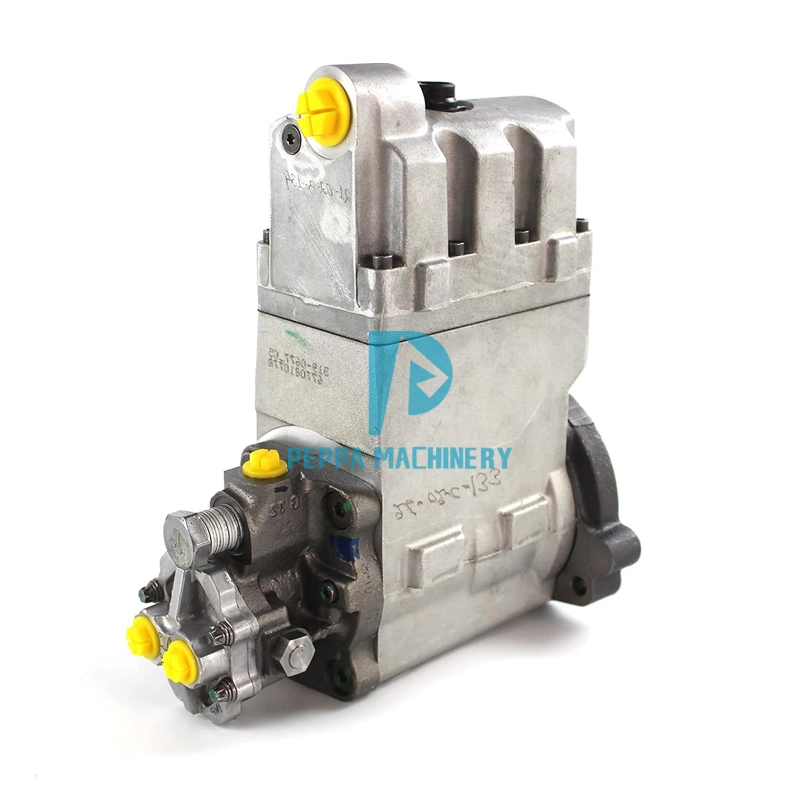
Fuel Feed / Transfer Pump Assembly for Caterpillar C7 & C9 Engines | Direct Replacement for OEM Parts #319-0678, 254-4358, 304-0678, 295-4778, 228-589
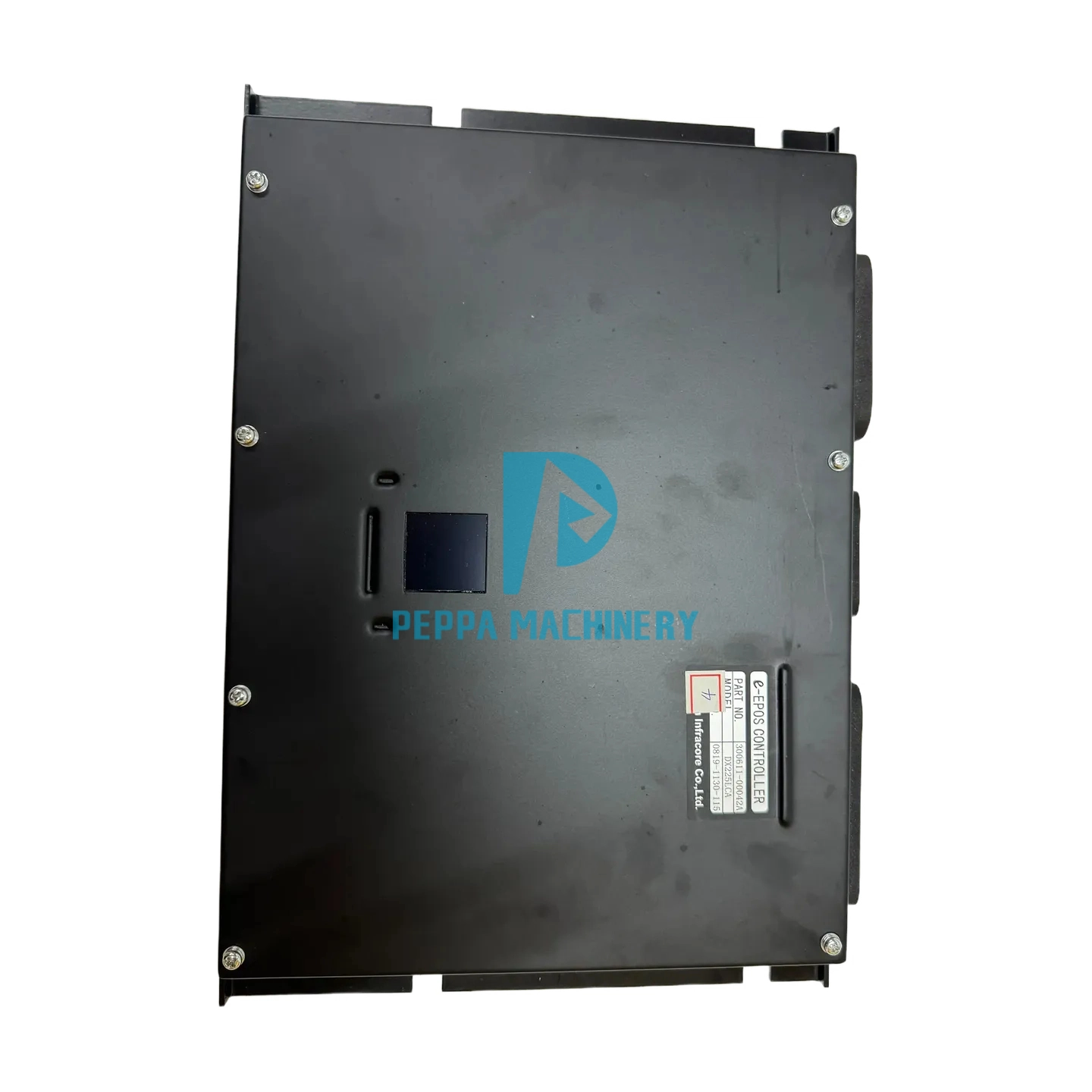
Excavator Accessories Excavator Controller DX225 DX225LCA E-EPOS Controller Computer Board 300611-00042 K1026740 K1001369C K1056425 ECU ECM

Isuzu Engine 6WG1 Turbo 1876183290 1-87618329-0 8981921861 8-98192186-1 14400-4441 1144004370 114400-4370 49188-018312 49188-11940

Reliable Source for Quality Excavator Components.
Follow Us
Our Partners


Our Payment Methods


 High Quality
 7/24 Service
 Guaranteed Warranty
 Scan QR Code
Facebook
TikTok
YouTube
Pinterest
Twitter