








Top 10 Electronic Fuel Pumps for Excavators Compared
- Why the fuel pump matters for excavator uptime
- Function, failure modes and real cost
- Types of electronic fuel pumps used in excavators
- Top 10 electronic fuel pumps compared
- How I selected these pumps
- Comparison table (typical specs and fitment notes)
- How to choose the right excavator electronic fuel pump
- Match pump type to engine system — transfer vs. high pressure
- Consider operating conditions and fuel quality
- Diagnostics, installation and common issues
- Where to buy, warranty considerations and supplier selection
- Choosing a supplier: traceability, test data and warranty
- Guangzhou Peppa Machinery — sourcing and support (summary)
- Ordering, OEM vs aftermarket and after‑sales
- Installation checklist and maintenance tips
- Pre‑installation checks
- Post‑installation commissioning
- FAQ
- 1. What is the difference between an electronic transfer pump and a high‑pressure pump?
- 2. Can I replace an OEM pump with an aftermarket pump?
- 3. How do I know if my pump is failing?
- 4. How important is the pump's flow rating?
- 5. What maintenance helps extend pump life?
- 6. How quickly can I get parts and technical support?
I have worked with excavator fleets and spare parts sourcing for more than 15 years. In this article I compare the leading choices for an excavator electronic fuel pump, explain the technical differences between transfer (lift) pumps and high‑pressure common‑rail units, and give practical advice for selection, installation and troubleshooting. This piece is written to satisfy both human readers and indexing: it includes clear device/function descriptions, compatibility notes, and verifiable references to industry sources so you can confirm specifications on manufacturers' datasheets. For background on fuel pump types and pressure regimes, see the Fuel pump overview on Wikipedia.
Why the fuel pump matters for excavator uptime
Function, failure modes and real cost
The excavator electronic fuel pump (whether an in‑tank transfer pump or a high‑pressure injection pump) keeps the engine supplied with the right volume and pressure of diesel. Failures typically show as hard starting, loss of power under load, stalling, or black/white smoke and can result from electrical faults, contaminated fuel, cavitation, or mechanical wear. Beyond repair costs, pump failure causes downtime that is often orders of magnitude more expensive than the part itself. In my experience a planned pump replacement or upgrading to a higher‑quality aftermarket/equivalent OEM pump typically saves significant operational hours compared to emergency swaps.
Types of electronic fuel pumps used in excavators
There are two broad categories to know: low‑pressure electronic transfer (lift) pumps and high‑pressure electronic pumps for common‑rail or unit‑pump systems. Transfer pumps feed the fuel filter and high‑pressure pump and operate at low to medium pressures (generally under 10 bar). High‑pressure electronic pumps (or electronic actuation on mechanical pumps) operate at hundreds to thousands of bars in common‑rail systems. Correct identification of which category your engine requires is the first step in choosing the correct excavator electronic fuel pump.
Top 10 electronic fuel pumps compared
How I selected these pumps
I selected brands and models based on: documented fitments for common excavator engines (Caterpillar, Komatsu, Cummins, Isuzu, Mitsubishi), manufacturer reliability history, availability of replacement units in wholesale channels, and documented specifications. Sources included manufacturer datasheets, OEM parts catalogs and industry references. For technical context on diesel injection systems, consult the industry literature and standards referenced by engine OEMs and associations such as SAE and ISO. See general background at Excavator and fuel pump basics at Fuel pump.
Comparison table (typical specs and fitment notes)
| Rank | Brand / Model (example) | Type | Typical Flow / Pressure | Engine Fitment / Notes |
|---|---|---|---|---|
| 1 | Caterpillar Genuine (OEM electric transfer pump) | Low‑pressure electronic transfer | 40–120 L/h; up to ≈4–6 bar | Caterpillar retrofit & replacements; highest OEM compatibility and calibration with Cat engines. |
| 2 | Komatsu Genuine (electric fuel pump) | Low‑pressure transfer / OEM matched | 40–130 L/h; up to ≈6 bar | Specifically tuned for Komatsu diesel engines; strong availability in Asia. |
| 3 | Bosch (in‑tank electronic pumps e.g., 044 family for diesel) | In‑tank electronic transfer / low pressure; Bosch common‑rail support | 50–150 L/h; transfer up to ≈6 bar; high‑pressure lines separate | High manufacturing standards; wide aftermarket fitment and excellent documentation. |
| 4 | Denso (electric fuel pumps & modules) | Low‑pressure transfer / in‑tank modules | 40–140 L/h; up to ≈6 bar | Common on Japanese engine platforms (Isuzu, Hino, Mitsubishi). |
| 5 | Cummins OE electric transfer pumps | Low‑pressure transfer / OEM | 50–160 L/h; up to ≈6 bar | Designed for Cummins engines found in many mid‑sized excavators. |
| 6 | Delphi / BorgWarner (electronic modules) | Transfer / pressure‑regulated modules | 45–140 L/h; regulated up to ≈6 bar | Strong aftermarket support, good for retrofits and fuel system rebuilds. |
| 7 | Walbro (high‑flow electric pumps for heavy duty) | High‑flow electric transfer (aftermarket) | 60–200 L/h; up to ≈6–8 bar (model dependent) | Used when upgrading lift capacity on modified fuel systems; robust for dirty fuel environments. |
| 8 | Continental / VDO (electronic fuel modules) | In‑tank electronic modules / transfer | 45–150 L/h; up to ≈6 bar | EU quality, good for European engine platforms and reman markets. |
| 9 | Hitachi (OEM pumps for Japanese excavators) | Transfer & electronic modules | 40–130 L/h; up to ≈6 bar | Fitments for older Japanese excavator models; reliable after long service life. |
| 10 | Aftermarket OEM equivalents (branded aftermarket) | Transfer (various) | Varies — check datasheet | Cost effective; quality varies—choose suppliers with traceability and testing certificates. |
Notes: values above are representative ranges for low‑pressure electronic transfer pumps commonly used on excavators; high‑pressure injection pumps (common‑rail CP pumps) operate at much higher pressures (hundreds to >2000 bar) and must match engine injection system requirements precisely. Always confirm exact pump model numbers and specs from manufacturer datasheets before purchase.
How to choose the right excavator electronic fuel pump
Match pump type to engine system — transfer vs. high pressure
Start with the engine service manual or the engine serial number. If your engine uses a common‑rail injection system, the high‑pressure pump or electronically controlled injector pumps are specialised and must be OEM or exact OEM equivalents. For mechanical injection engines with an electronic transfer pump, you can select from a wider range of OEM and aftermarket options. Never substitute a transfer pump for a high‑pressure injection pump.
Consider operating conditions and fuel quality
If the excavator works in dusty, remote or wet environments, prioritize pumps with robust filtration, anti‑cavitation designs and corrosion‑resistant materials. I recommend pairing pump replacement with a fuel system flush and new filters—contaminants are the main cause of premature pump failure. For machines that run long shifts or high duty cycles, choose pumps rated for continuous operation and backed by supplier test data or ISO‑certified manufacturing processes (many reputable suppliers operate under ISO 9001 quality systems — see ISO 9001).
Diagnostics, installation and common issues
Use a multimeter to check electrical supply and ground at the pump connector. A fuel pressure gauge at the filter housing and at the rail (for common‑rail systems) identifies pressure drops. Common fixes I perform include replacing inlet hoses, clearing clogged pick‑up screens, and checking for vapor lock on hot machines. If the pump hums but delivers low flow, suspect blocked inlet or failed internal rotor. For high‑pressure pump issues, diagnostics should follow OEM procedures to avoid injector or ECU damage.
Where to buy, warranty considerations and supplier selection
Choosing a supplier: traceability, test data and warranty
I prioritize suppliers who provide clear traceability (part numbers, batch codes), bench test curves and at least a 12‑month warranty. OEM dealers (Caterpillar, Komatsu, Cummins) are the safest for compatibility; quality aftermarket suppliers (Bosch, Denso, Delphi) are excellent when cost or lead time is a factor. Always request manufacturer datasheets and test certificates and check whether the supplier can supply fitment guides for your exact engine serial number.
Guangzhou Peppa Machinery — sourcing and support (summary)
Guangzhou Peppa Machinery Equipment Co., Ltd. is a professional one‑stop wholesale service provider for excavator parts. Located in Guangzhou Wholesale Center, Peppa Machinery sells excavator parts globally and provides parts sales advice and solutions. With more than 15 years of experience, their product range covers engine systems, electrical systems, hydraulic systems and sealing systems, and they supply both imported parts and OEM products.
At Peppa Machinery, the main engine accessory lines include engine cylinder sleeve components and engine parts for brands such as Caterpillar, Komatsu, Cummins, Isuzu, Mitsubishi and Hino. Their inventory also includes large and small bearings, overhaul kits, crankshafts, connecting rods, turbochargers, water pumps, oil pumps, compressors, and more. I value Peppa Machinery for their deep parts knowledge, warehouse proximity to supply channels in Guangzhou, and their customized service support—useful when you need tailored solutions for mixed fleets.
Ordering, OEM vs aftermarket and after‑sales
When ordering, provide engine model and serial number plus the existing pump part number where possible. Insist on OEM numbers or equivalent cross‑reference. For high‑pressure components, OEM or certified reman is usually the correct choice. Confirm return policy and bench test documentation. Peppa Machinery can offer OEM numbers, reman units and technical advice to ensure you receive the correct excavator electronic fuel pump for your application.
Installation checklist and maintenance tips
Pre‑installation checks
- Verify pump part number with engine serial number.
- Inspect and replace fuel filters and inlet screens.
- Drain and clean any water or sediment from the fuel tank.
- Check electrical connectors for corrosion and proper pins.
Post‑installation commissioning
- Bleed air from the system according to manufacturer procedure.
- Record pump serial/batch number and test pressure/flow.
- Run the engine under light load, then full load, checking for leaks and stable fuel rail pressure (if applicable).
FAQ
1. What is the difference between an electronic transfer pump and a high‑pressure pump?
Transfer pumps (electronic lift pumps) provide low to moderate pressure to feed the fuel filter and high‑pressure injection pump; high‑pressure pumps deliver the injection pressure required by modern common‑rail systems. They are not interchangeable.
2. Can I replace an OEM pump with an aftermarket pump?
Yes, for many low‑pressure transfer pumps you can use reputable aftermarket equivalents (Bosch, Denso, Delphi, Continental). For high‑pressure injection pumps, I recommend OEM or certified reman units due to calibration and ECU interface requirements.
3. How do I know if my pump is failing?
Common signs: hard starts, power loss under load, irregular idling, smoke, or fuel odor. Electrical tests and pressure/flow measurements will confirm whether the pump or another component (filter, lines, injectors) is at fault.
4. How important is the pump's flow rating?
Very important—undersized flow can starve the engine under high load, while an over‑spec transfer pump may not cause harm but could indicate incompatibility with existing pressure regulation. Always match or slightly exceed the OEM flow rating, not dramatically deviate.
5. What maintenance helps extend pump life?
Regular fuel filter changes, water separation, cleaning tank sediments, using clean diesel, and checking electrical connections. Also avoid running tanks near empty where pick‑up may draw contaminants or air.
6. How quickly can I get parts and technical support?
Lead time depends on supplier and stock. Guangzhou Peppa Machinery, located in the Guangzhou Wholesale Center, typically provides rapid shipping worldwide for stocked items and offers parts advice to ensure you order the correct pump for your excavator model.
If you need help identifying the correct excavator electronic fuel pump for your fleet, or want verified OEM or high‑quality aftermarket options, contact Guangzhou Peppa Machinery Equipment Co., Ltd. I recommend providing your excavator make, model and engine serial number to get accurate quotations and compatibility confirmation. For a faster response, request the existing pump part number and any error codes shown by the machine.
Contact Peppa Machinery today to check stock, request test certificates, or discuss customized supply solutions for Engine Parts, Electrical Parts, Hydraulic Parts, Genuine Parts, Seal Kits and Undercarriage Parts. Their experience with Caterpillar, Komatsu, Cummins, Isuzu, Mitsubishi and Hino engines makes them a strong partner for global excavator parts procurement.
References and technical background: Fuel pump overview — Wikipedia: Fuel pump; Excavator overview — Wikipedia: Excavator; ISO Quality Management — ISO 9001. For model‑specific datasheets, consult manufacturer websites (Bosch, Denso, Caterpillar, Komatsu, Cummins) and engine OEM service manuals.
Top Excavator Crankshaft and Camshaft Manufacturers and Suppliers in China
Top 10 excavator hydraulic pump Manufacturers and Supplier Brands
OEM vs Aftermarket Stop Solenoids: Buyer’s Comparison
Excavator Injector Compatibility by Model and Engine Type
Excavator Parts
Are your parts genuine or OEM?
We offer both genuine parts and high-quality OEM alternatives. You can choose according to your budget and application needs. All OEM products are tested to meet or exceed original specifications.
What types of parts do you mainly offer?
Our main product categories include:
• Engine parts (liner kits, crankshafts, water/oil pumps, etc.)
• Electrical parts (sensors, monitors, throttle motors, wiring harnesses)
• Hydraulic parts (pumps, valves, cylinders)
• Sealing kits (NOK, SKF, PQ brands, floating seals, O-rings)
How can I verify compatibility before placing an order?
Please provide us with your machine brand, model number, and the part number (if available). Our team will double-check the compatibility to ensure you receive the correct parts.
Do you provide technical support or installation guidance?
While we do not offer on-site installation, we can provide basic technical advice, diagrams, or documentation to assist your technicians with installation and troubleshooting.
Can I get help choosing the right parts for my machine?
Yes. Our experienced sales team is here to provide professional recommendations and solutions based on your excavator model, part number, or specific requirements.

Isuzu SP 4JG1 4JG2 4JG3 Cylinder Liner 1876182070 1-87618207-0 1876182080 1-87618208-0 1876182100 1-87618210-0
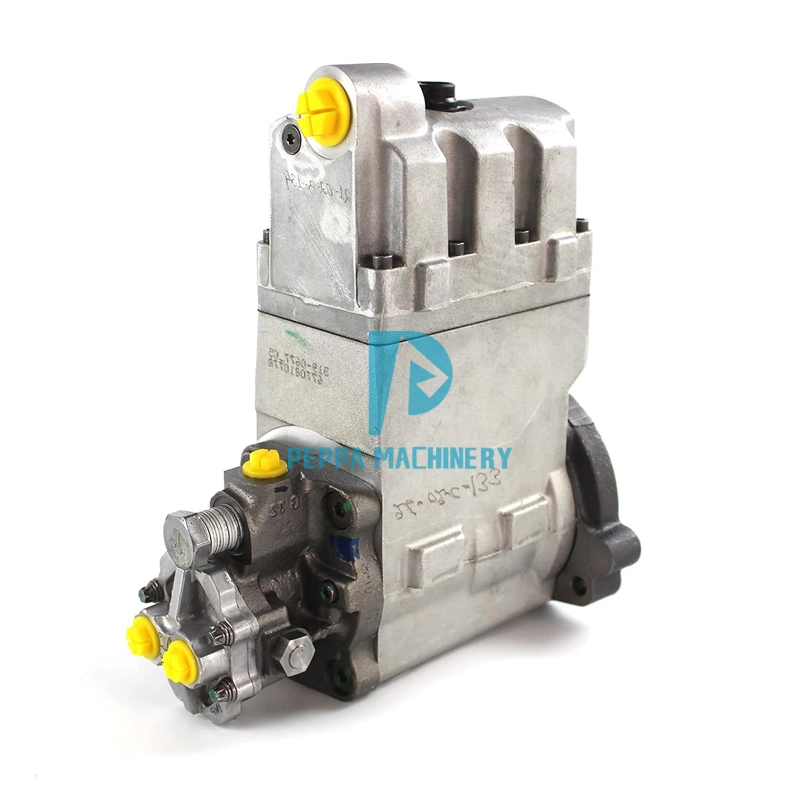
Fuel Feed / Transfer Pump Assembly for Caterpillar C7 & C9 Engines | Direct Replacement for OEM Parts #319-0678, 254-4358, 304-0678, 295-4778, 228-589
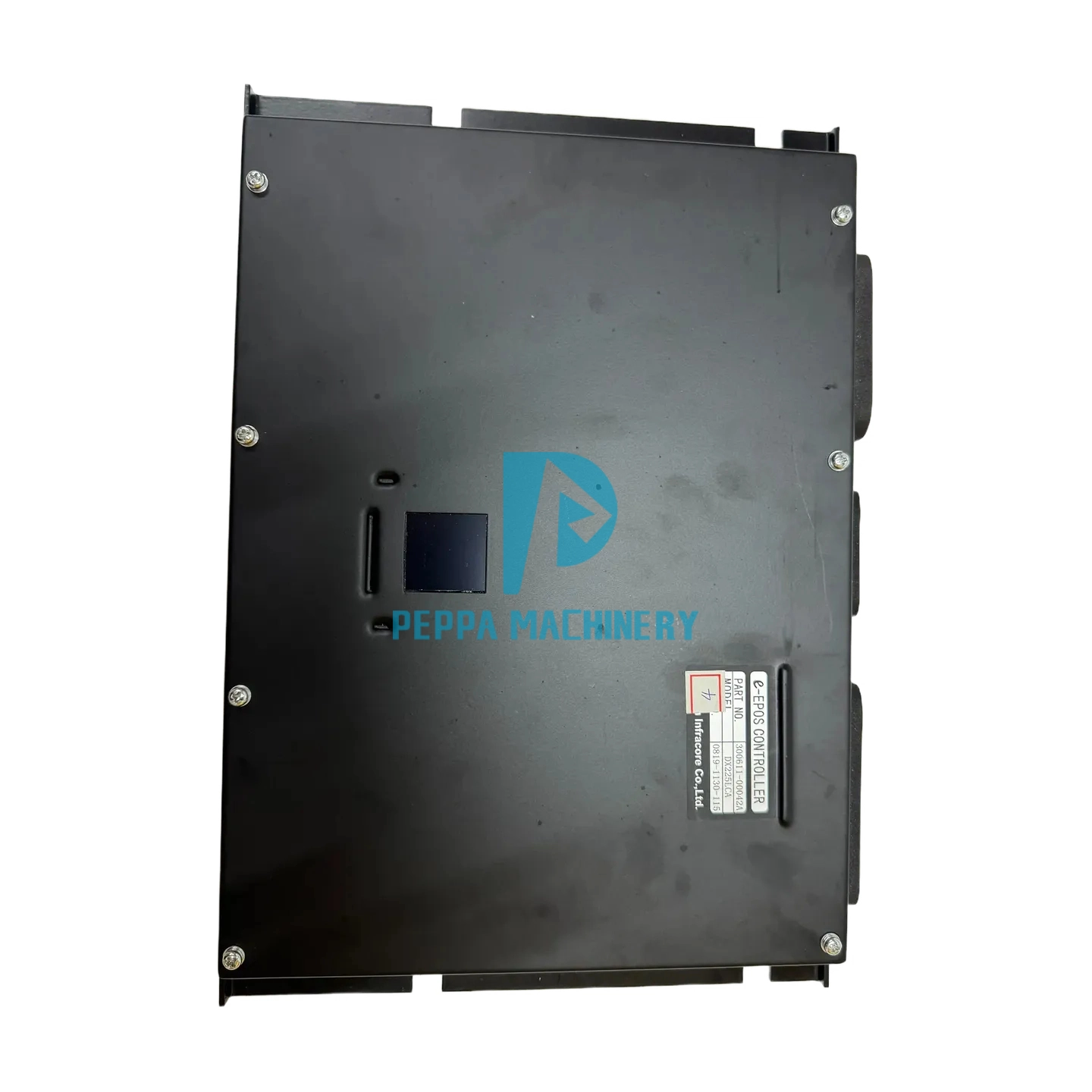
Excavator Accessories Excavator Controller DX225 DX225LCA E-EPOS Controller Computer Board 300611-00042 K1026740 K1001369C K1056425 ECU ECM

Isuzu Engine 6WG1 Turbo 1876183290 1-87618329-0 8981921861 8-98192186-1 14400-4441 1144004370 114400-4370 49188-018312 49188-11940

Reliable Source for Quality Excavator Components.
Follow Us
Our Partners


Our Payment Methods


 High Quality
 7/24 Service
 Guaranteed Warranty
 Scan QR Code
Facebook
TikTok
YouTube
Pinterest
Twitter