








The Ultimate Excavator Parts List: 50+ Critical Components Every Operator Must Know [Diagrams Included]
- What is an Excavator Parts List and Why Does It Matter?
- Key Takeaways: Quick Summary of Excavator Anatomy
- The Undercarriage: The Foundation of Movement (Parts 1-15)
- The Upper Structure and Cab: The Operator's Hub (Parts 16-25)
- The Digging Trio: Boom, Arm, and Bucket Linkage (Parts 26-35)
- The Powerhouse: Engine and Hydraulic Systems (Parts 36-47)
- Specialized Attachments: Beyond the Standard Bucket (Parts 48-55+)
- Gap Analysis: Excavator Parts Lifespan & 2026 Replacement Trends
- Expert Tips: Common Mistakes in Sourcing Excavator Parts
- Case Study: Sourcing High-Quality Parts with Peppa Machinery
- Conclusion
- What are the three main parts of an excavator?
- How often should excavator undercarriage parts be replaced?
- What is the difference between OEM and aftermarket excavator parts?
- Where is the main control valve located on an excavator?
- What is an excavator slew ring?
- How do I find the correct part number for my excavator?
- What are the most commonly replaced excavator parts?
- What are the signs of hydraulic pump failure in an excavator?
What is an Excavator Parts List and Why Does It Matter?
An excavator parts list is a comprehensive blueprint detailing the hydraulic excavator systems, structural frameworks, and mechanical elements of the machine. It serves as a critical reference tool for operators and mechanics to quickly identify, source, and replace faulty components, preventing costly downtime.
Understanding the anatomy of your machinery is vital for operational efficiency. By referencing a detailed parts list, fleets can streamline preventative maintenance and avoid the pitfalls of misidentifying complex internal mechanisms. Fundamentally, as reported by Wikipedia, modern excavators are complex heavy construction equipment consisting of a boom, dipper, bucket, and cab on a rotating platform, all primarily driven by pressurized hydraulic fluid. When you have a firm grasp of these components, your maintenance strategy shifts from reactive to proactive.
Here is why maintaining an accurate parts inventory matters:
- Prevents Costly Downtime: Having a reliable list ensures you can immediately cross-reference part numbers when a breakdown occurs, speeding up the repair process.
- Ensures Exact Compatibility: Utilizing an accurate diagram guarantees you are ordering the correct fit, eliminating the risk of installing mismatched components.
- Extends Machine Lifespan: A clear blueprint encourages timely preventative maintenance, keeping minor wear-and-tear from cascading into catastrophic system failures.
Key Takeaways: Quick Summary of Excavator Anatomy
Excavators are divided into three primary sections: the lower structure or undercarriage, the upper revolving structure known as the house or cab, and the powerful front digging attachment. Mastering these three zones allows operators to effectively diagnose mechanical issues and maintain peak performance.
The complexity of these machines means that specific areas require more attention and budget than others. For example, according to Construction Equipment, a crawler undercarriage can account for 50 percent or more of a machine's lifetime repair tab, making it a focal point for preventative care. The hydraulic systems act as the central nervous system, powering movement through a complex array of valves and cylinders.
- Undercarriage Dominance: Over 50% of routine maintenance costs stem directly from undercarriage wear and tear due to constant ground friction.
- Hydraulic Centralization: The Main Control Valve (MCV) and hydraulic cylinders serve as the lifeblood of the machine, turning engine power into precise physical force.
- Sourcing Precision: Using exact OEM part numbers or verified aftermarket equivalents is crucial for maintaining systemic compatibility and machine safety.
The Undercarriage: The Foundation of Movement (Parts 1-15)
The undercarriage is the lower foundational structure that provides mobility, stability, and traction. It houses the essential excavator undercarriage components that support the massive weight of the equipment while navigating harsh, uneven job site terrains, acting as the bedrock of machine operation.

Operating in mud, rock, and abrasive sand puts immense stress on the lower half of the machine. Proper tensioning and daily cleaning of these parts can drastically increase their lifespan and improve overall fuel economy by removing excess drag.
- Track Chains and Track Shoes: These form the steel or rubber foundation for traction. They bear the brunt of the machine's travel impact.
- Idlers and Sprockets: Idlers regulate track tension and guide the front of the tracks, while Sprockets are gear-like wheels that drive the track movement from the rear.
- Bottom Rollers and Carrier Rollers: These cylindrical components support the immense weight of the machine and smoothly guide the track chains to prevent sagging.
- Track Adjusters and Recoil Springs: These crucial safety mechanisms absorb sudden shocks and maintain proper tension to prevent track derailment.
- Final Drive and Travel Motors: This internal powerhouse translates hydraulic fluid pressure into the mechanical torque needed to propel the massive tracks forward.
The Upper Structure and Cab: The Operator's Hub (Parts 16-25)
The upper structure, commonly called the house, is the rotating platform containing the operator's cab, engine compartment, and control systems. It provides a reinforced, climate-controlled hub where operators safely manage the machine's complex digging functions and oversee site operations.
The house must precisely balance the heavy loads lifted by the front attachments, which is why the counterweight is strategically placed at the rear. Inside the cab, modern technology has transformed how operators interact with the machine, centralizing data and control.
- ROPS/FOPS Cabin: This provides reinforced structural protection against rollovers and falling objects, ensuring maximum operator safety.
- Main Control Joysticks and Pedals: These ergonomic interfaces act as the communication bridge for maneuvering the boom, arm, and track movements.
- Swing Drive and Slewing Ring: The Slewing Ring (or slew bearing) is a massive gear that enables the continuous 360-degree rotation of the upper house independently of the tracks.
- Counterweight: This heavy iron casting is bolted to the rear of the house to counterbalance the extreme weight of lifting loads and prevent the machine from tipping.
- Telematics and Monitor Panels: These are modern 2026+ IoT dashboards for tracking fuel, hydraulic pressure, and GPS data. To fully optimize these diagnostics, many fleets integrate a robust excavator software system solution to seamlessly track predictive maintenance schedules.
The Digging Trio: Boom, Arm, and Bucket Linkage (Parts 26-35)
The digging trio consists of the boom, arm, and bucket linkage, functioning together as the primary front attachment to execute lifting, reaching, and excavating tasks with immense precision. These structural components physically convert hydraulic pressure into raw breakout force.
The structural integrity of these parts is maintained by a series of heavy-duty pivot points. Neglecting to grease these joints daily leads to severe metal-on-metal friction, ultimately resulting in expensive line-boring repairs and structural failure.
- Mono or Articulated Boom: The main lifting structure attached directly to the house. It dictates the machine's overall lifting height and strength.
- Arm (Dipper/Stick): The secondary extension connected to the boom, which dictates the maximum digging depth and reach.
- Boom, Arm, and Bucket Cylinders: These are heavy-duty hydraulic actuators that extend and retract to provide the necessary lifting and breakout force.
- Bucket Linkage and H-Link: The mechanical geometry connecting the bucket to the arm and bucket cylinder, responsible for the powerful curling motions required to scoop earth.
- Pins, Bushings, and Dust Seals: These are the critical pivot points connecting the heavy iron structures. They require daily greasing to purge dirt and prevent catastrophic friction wear.
The Powerhouse: Engine and Hydraulic Systems (Parts 36-47)
The engine and hydraulic systems act as the internal powerhouse of the machine, converting diesel or hybrid-electric energy into pressurized fluid power. This pressurized fluid is the vital lifeblood that drives every critical movement across the entire excavator.
Without a healthy engine and pure hydraulic fluid, the machine is useless. At Guangzhou Peiqi Machinery Equipment CO,LTD (Peppa Machinery), we specialize in providing premium engine cylinder sleeve components, overhaul kits, and turbochargers for industry-leading brands like Caterpillar, Komatsu, and Cummins to ensure your powerhouse never fails under load.
- Diesel or Hybrid-Electric Engine: The primary mechanical power source driving the main hydraulic pumps and electrical alternators.
- Main Hydraulic Pump (Axial Piston Pump): This pump converts the engine's mechanical rotational power into immense hydraulic fluid pressure.
- Main Control Valve (MCV): A highly complex manifold block that meticulously routes pressurized hydraulic fluid to the specific cylinders and travel motors based on the operator's joystick inputs.
- Rotary Manifold (Center Joint): A specialized swivel joint that allows pressurized hydraulic fluid to pass seamlessly between the rotating upper house and the stationary undercarriage travel motors.
- Radiator, Oil Cooler, and Filters: Vital cooling and purification components that maintain optimal fluid temperatures and remove microscopic contaminants from fuel and oil.
Specialized Attachments: Beyond the Standard Bucket (Parts 48-55+)
Specialized attachments are interchangeable, heavy-duty tools mounted to the end of the excavator arm, allowing the machine to perform diverse tasks beyond basic digging. Exploring different excavator attachment types unlocks the full versatility and profitability of your entire fleet.
By utilizing quick couplers, operators can transform a standard digger into a demolition shear, a forestry mulcher, or a material handler in a matter of seconds, drastically reducing the need for multiple machines on a single job site.
- Trenching, Grading, and Rock Buckets: Tailored bucket shapes featuring specialized bucket teeth and side cutters designed for specific soil densities and rock types.
- Hydraulic Thumbs and Grapples: These attachments add a clamping function against the bucket, instantly turning the excavator into a highly efficient material handling machine.
- Rock Breakers (Hammers) and Augers: Heavy-duty hydraulic tools utilized for breaking concrete, demolition tasks, drilling foundation holes, and site preparation.
- Quick Couplers: Hydraulic or mechanical locking mechanisms that allow operators to safely swap between various attachments in seconds without ever leaving the cab.
Gap Analysis: Excavator Parts Lifespan & 2026 Replacement Trends
Parts lifespan analysis involves predicting component failure through measurable wear limits and onboard diagnostic data to schedule proactive maintenance effectively. In 2026, predictive maintenance trends focus heavily on utilizing IoT sensor data to prevent catastrophic failures before they impact the bottom line.
The heavy equipment industry has decisively shifted away from running components to the point of failure. Fleet managers now rely on specific wear metrics and financial gap analyses to determine the absolute most cost-effective time to overhaul a machine.
- Undercarriage Wear Limits: Technicians use specialized calipers to measure sprocket tooth wear and roller flange flattening, allowing them to accurately predict replacement timelines before a track derails.
- Shift Toward Predictive Maintenance: The standard in 2026 involves using onboard telematics sensors to detect minute hydraulic pressure drops, signaling impending seal failures before a cylinder blows out.
- Estimated Cost Breakdown: Navigating the financial differences between replacing a complete final drive assembly versus rebuilding individual planetary gear sets is crucial for maintaining a healthy annual maintenance budget.
Expert Tips: Common Mistakes in Sourcing Excavator Parts
Sourcing errors frequently occur when buyers ignore exact machine serial numbers or fail to understand the nuanced differences between manufacturing sources. Avoiding these mistakes ensures that you procure the correct heavy equipment replacement parts for seamless compatibility and uninterrupted performance.
One of the most debated topics in procurement is choosing between OEM vs aftermarket excavator parts. While OEM guarantees exact specifications, high-quality aftermarket equivalents can save fleets thousands of dollars if sourced from reputable, verified dealers.
- Ignoring the Serial Number: Buying parts based solely on the general excavator model number often leads to incompatible fitment due to mid-year manufacturing changes. Always verify the serial plate.
- OEM vs. Aftermarket Strategy: Invest in Genuine Manufacturer parts for highly sensitive internals (e.g., fuel injectors, main pumps), but utilize verified high-quality aftermarket equivalents for high-wear consumables (e.g., bucket teeth, rollers) to maximize your budget.
- Neglecting Seal Kits and O-Rings: A common rebuilding mistake is the hidden danger of reusing old, hardened hydraulic seals during a cylinder repair, which inevitably leads to immediate pressure leaks.
- Beware of Gray Market Parts: Ensure your parts supplier offers robust warranties and quality assurance guarantees to avoid installing substandard, unsafe components that could damage surrounding systems.
Case Study: Sourcing High-Quality Parts with Peppa Machinery
Sourcing reliable components is effortlessly streamlined when partnering with a professional one-stop wholesale provider like Peppa Machinery. Our customized service support matches extensive industry expertise with tailored solutions to ensure maximum operational efficiency for global fleets.
With over 15 years of dedicated experience located in the Guangzhou Wholesale Center, Guangzhou Peiqi Machinery Equipment CO,LTD understands that every customer has highly unique needs. We provide comprehensive solutions covering engine, electrical, hydraulic, and complex sealing systems.
- Industry-Leading Solution: Peppa Machinery provides a verified, comprehensive database to accurately cross-reference over 50+ critical excavator parts, ensuring exact fitment for global construction clients.
- Real-World Impact: By leveraging our massive inventory of large and small bearings, overhaul kits, and undercarriage components, a recent construction fleet reduced machine downtime by 40% through rapid fulfillment of verified aftermarket final drives.
- Streamlined Procurement: We combine extensive industry expertise with personalized attention, utilizing detailed diagram matching so you get the correct genuine or aftermarket part on the very first try.
Conclusion
Understanding the intricate anatomy of your heavy equipment—from the rugged track chains to the complex main control valve—is the critical first step toward effective maintenance and lower operational costs. By utilizing this 50+ parts list and closely monitoring high-wear components, operators and fleet managers can maximize machine uptime, extend overall equipment lifespan, and significantly boost job site profitability. Contact us today to optimize your heavy equipment replacement parts strategy and secure the best components for your fleet.
What are the three main parts of an excavator?
The three main parts of an excavator are the undercarriage (the lower structure comprising the tracks and travel motors), the house or cab (the upper revolving structure comprising the engine, cab, and counterweight), and the digging attachment (comprising the boom, arm, and bucket).
How often should excavator undercarriage parts be replaced?
Lifespan varies heavily by application and terrain, but a typical steel undercarriage lasts between 2,000 to 4,000 hours of operation. Frequent work in highly abrasive materials like sand or rock will significantly accelerate the wear of sprockets, idlers, and track pads, requiring much earlier replacement.
What is the difference between OEM and aftermarket excavator parts?
OEM (Original Equipment Manufacturer) parts are made directly by the machine's brand (e.g., CAT, Komatsu) and guarantee exact specs but usually cost more. Aftermarket parts are manufactured by third parties, often offering a highly cost-effective alternative that can meet or even exceed OEM quality if sourced from a reputable dealer.
Where is the main control valve located on an excavator?
The main control valve (MCV) is typically located in the upper structure (the house), securely housed in a compartment near the engine and main hydraulic pump. It acts as the central hub routing pressurized hydraulic fluid to various functions like the boom, arm, and travel motors.
What is an excavator slew ring?
Also known as the swing bearing, the slew ring is a massive, gear-driven bearing connecting the upper house to the undercarriage. It allows the upper structure to rotate a full 360 degrees independently of the tracks, giving the machine its signature maneuverability.
How do I find the correct part number for my excavator?
Locate the machine's exact serial number and model number on the manufacturer's identification plate, which is usually found near the cab or boom base. Cross-reference these specific numbers with an official parts catalog, maintenance manual, or by consulting an expert parts supplier to guarantee fitment.
What are the most commonly replaced excavator parts?
High-wear items like bucket teeth, cutting edges, track shoes, bottom rollers, fuel and air filters, and hydraulic cylinder seal kits are the most frequently replaced parts. Implementing regular preventative maintenance helps extend the life of these inevitable consumables.
What are the signs of hydraulic pump failure in an excavator?
Common symptoms include a noticeable loss of digging or lifting power, slow machine cycle times, unusual whining noises from the pump area, and excessively hot hydraulic fluid. Metal shavings found inside the hydraulic filter are a critical, undeniable warning sign of impending internal pump failure.
Compatibility Guide: Overhaul Gasket Sets by Excavator Brand
Best excavator undercarriage parts manufacturers and supplier brands
How to Choose the Right Stop Solenoid for Your Excavator

The Ultimate Guide to Nozzle Fuel Injectors: 2026 Maintenance & Performance Secrets
Excavator Parts
How can I verify compatibility before placing an order?
Please provide us with your machine brand, model number, and the part number (if available). Our team will double-check the compatibility to ensure you receive the correct parts.
Do you provide technical support or installation guidance?
While we do not offer on-site installation, we can provide basic technical advice, diagrams, or documentation to assist your technicians with installation and troubleshooting.
Can I get help choosing the right parts for my machine?
Yes. Our experienced sales team is here to provide professional recommendations and solutions based on your excavator model, part number, or specific requirements.
What types of parts do you mainly offer?
Our main product categories include:
• Engine parts (liner kits, crankshafts, water/oil pumps, etc.)
• Electrical parts (sensors, monitors, throttle motors, wiring harnesses)
• Hydraulic parts (pumps, valves, cylinders)
• Sealing kits (NOK, SKF, PQ brands, floating seals, O-rings)
Are your parts genuine or OEM?
We offer both genuine parts and high-quality OEM alternatives. You can choose according to your budget and application needs. All OEM products are tested to meet or exceed original specifications.

Isuzu SP 4JG1 4JG2 4JG3 Cylinder Liner 1876182070 1-87618207-0 1876182080 1-87618208-0 1876182100 1-87618210-0
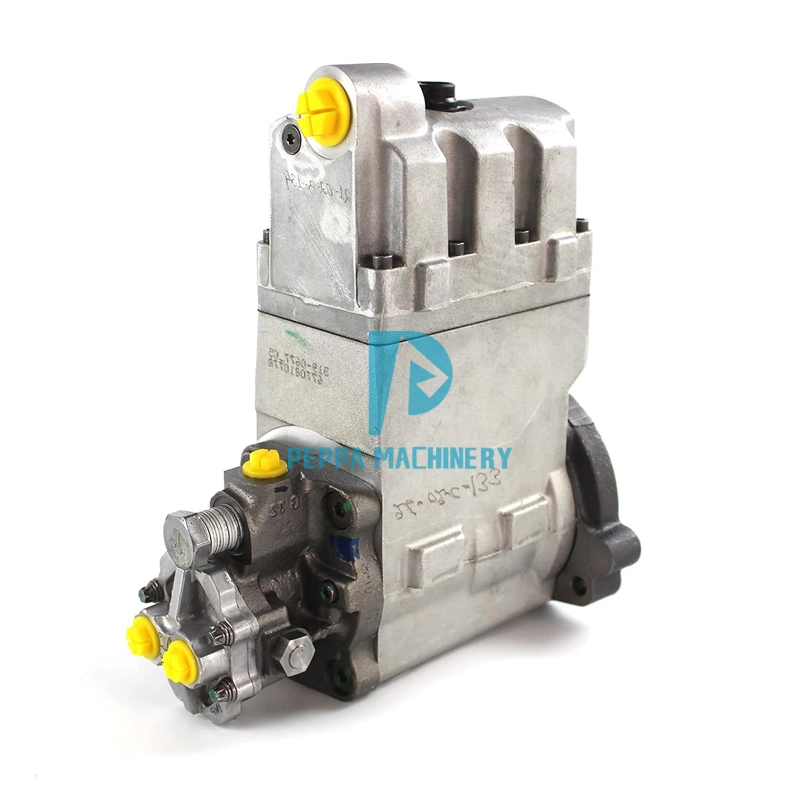
Fuel Feed / Transfer Pump Assembly for Caterpillar C7 & C9 Engines | Direct Replacement for OEM Parts #319-0678, 254-4358, 304-0678, 295-4778, 228-589
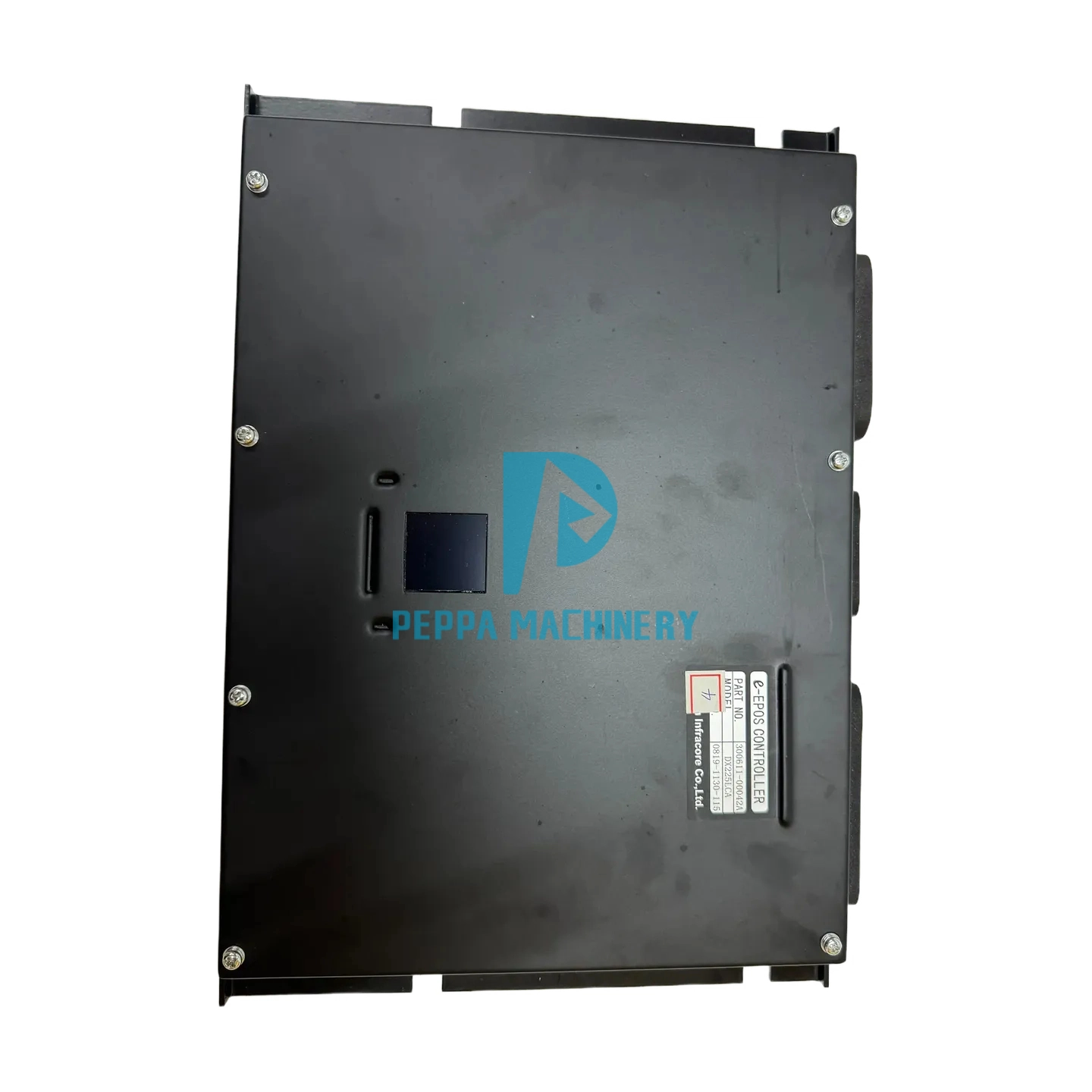
Excavator Accessories Excavator Controller DX225 DX225LCA E-EPOS Controller Computer Board 300611-00042 K1026740 K1001369C K1056425 ECU ECM

Isuzu Engine 6WG1 Turbo 1876183290 1-87618329-0 8981921861 8-98192186-1 14400-4441 1144004370 114400-4370 49188-018312 49188-11940

Reliable Source for Quality Excavator Components.
Follow Us
Our Partners


Our Payment Methods


 High Quality
 7/24 Service
 Guaranteed Warranty
 Scan QR Code
Facebook
TikTok
YouTube
Pinterest
Twitter