








How to Choose the Right Excavator Injector for Your Model
- Understand the fuel system and why injector choice matters
- How injectors fit into an excavator's fuel system
- Why matching pressure and spray pattern is critical
- Signals and control: electrical vs mechanical considerations
- Identify your model specifics and required injector specifications
- Locate the exact part number and cross-reference
- What measurements and specs to verify (checklist)
- Using authoritative sources to verify specs
- Compare injector types and decide what fits your operating needs
- Common injector types and where they work best
- Quick comparison table: typical characteristics
- How operating conditions influence your choice
- OEM vs aftermarket: quality, warranty, and cost considerations
- Pros and cons table: OEM vs aftermarket
- How to vet aftermarket suppliers
- When remanufactured injectors are appropriate
- Installation, testing, and maintenance steps I recommend
- Pre-installation checks
- Recommended installation procedure and torque values
- Post-installation testing and calibration
- Why I recommend partnering with an experienced parts provider
- About Guangzhou Peppa Machinery Equipment Co., Ltd.
- Peppa Machinery product strengths and main lines
- Why choose Peppa Machinery: competitive advantages
- Practical buying checklist and decision flow
- Step-by-step decision flow I use
- Red flags to avoid
- When to consult a specialist
- FAQ
- 1. How do I know if my excavator uses common-rail or unit injectors?
- 2. Can I fit an injector from a different engine brand if the part numbers look similar?
- 3. How important is fuel cleanliness for injector lifespan?
- 4. What tests should be done on a new or remanufactured injector?
- 5. How often should injectors be serviced or replaced?
- 6. What if my excavator shows black smoke after injector replacement?
- Contact and next steps
As a consultant and content writer specializing in excavator parts, I often see downtime caused by choosing the wrong injector or installing a mismatched unit. This guide distills practical, verifiable steps to identify the right excavator injector for your model, explains the technical differences between injector types, highlights key measurements and specifications you must verify, and shows how to evaluate OEM versus aftermarket options. Wherever useful, I reference authoritative sources and provide a direct path to action, including how Guangzhou Peppa Machinery can support tailored parts procurement and technical advice.
Understand the fuel system and why injector choice matters
How injectors fit into an excavator's fuel system
Before selecting a part, I always map the injector's role in the machine's overall fuel system. In modern diesel excavators, injectors atomize diesel into the combustion chamber at precise timing and pressure. The injector type (mechanical, electronic unit injector, common-rail, piezo) determines required pump type, control electronics, and maintenance practices. For an overview of injector function and types, see the general Fuel injector — Wikipedia and Common rail injection — Wikipedia.
Why matching pressure and spray pattern is critical
Incorrect injector pressure or spray-pattern changes combustion efficiency, increasing fuel consumption, smoke, and wear. For example, common-rail systems operate at much higher pressures (>1000 bar in modern rail systems) compared with older mechanical pumps; pairing a low-pressure injector with a high-pressure pump will fail. I recommend always checking the specified injection pressure and spray characteristics in the machine's service manual or OEM specification sheet.
Signals and control: electrical vs mechanical considerations
Electrical characteristics matter: solenoid resistance, connector type, pulse-width modulation requirements, and ECU mapping must match. A wrong electrical injector can trigger diagnostic trouble codes or damage control modules. Mechanical injectors are less dependent on electronics but require precise pump timing and calibration. Verify whether your model uses electronically controlled unit injectors (EUI) or a common-rail system before buying replacements.
Identify your model specifics and required injector specifications
Locate the exact part number and cross-reference
I always start by collecting the machine serial number (S/N), engine model, and existing injector part number (if available). Parts diagrams in service manuals or OEM parts catalogs let you confirm exact part number. If you only have the engine code, you can search OEM catalogs (e.g., Caterpillar, Komatsu, Cummins) or consult aftermarket cross-reference charts.
What measurements and specs to verify (checklist)
Before ordering, verify:
- Part number and OEM cross-reference
- Injector type (mechanical, solenoid, piezo)
- Maximum injection pressure and flow rate (ml/stroke or cc/min)
- Spray pattern / nozzle orifice size and tip type
- Connector type and electrical resistance (ohms)
- Threading and seat dimensions
- Calibration and serial code (if required by ECU)
These items ensure physical fit, hydraulic compatibility, and ECU communication.
Using authoritative sources to verify specs
For technical verifications, I use OEM service manuals and respected industry references. For example, manufacturer technical bulletins and service guides often list flow rates and calibration data. You can consult engine makers' official sites (e.g., Cummins, Caterpillar) or parts catalogs to confirm part numbers and specs.
Compare injector types and decide what fits your operating needs
Common injector types and where they work best
In excavators, the main categories are:
- Mechanical injectors — robust, used in older models, require pump timing and manual calibration.
- Solenoid electronic injectors — common in medium-era engines; controlled by solenoid actuation and ECU pulse width.
- Piezo injectors — high precision and fast response, used in high-pressure common-rail systems.
- Unit injectors and unit pumps — combine pump and injector; used on some heavy engines for durability.
Each has trade-offs in cost, repairability, and performance.
Quick comparison table: typical characteristics
| Injector Type | Typical Pressure Range | Pros | Cons |
|---|---|---|---|
| Mechanical | 150–350 bar | Durable, simpler electronics | Less precise, higher emissions |
| Solenoid (electronic) | 400–1600 bar | Good balance of cost and control | Requires correct ECU mapping |
| Piezo (common-rail) | 1000–2500+ bar | High precision, lower emissions, better economy | Higher cost, sensitive to contamination |
| Unit injector / pump | 500–2000 bar | Compact, robust for heavy loads | Complex; high repair cost |
Sources: industry overviews and technical references such as Wikipedia on fuel injectors and common-rail overview.
How operating conditions influence your choice
If you operate in dusty, remote environments, rugged mechanical or unit injectors may be preferable for their tolerance to contamination and easier field repairs. For fuel efficiency and emissions compliance in urban or regulated zones, modern common-rail piezo or high-pressure electronic injectors are better. Always balance availability of service, parts, and your budget.
OEM vs aftermarket: quality, warranty, and cost considerations
Pros and cons table: OEM vs aftermarket
| Aspect | OEM | Aftermarket (Quality Vendor) |
|---|---|---|
| Fit and specification | Guaranteed match to original | Often matched; verify calibration and part numbers |
| Warranty and support | Manufacturer warranty and dealer network | Varies; reputable suppliers offer warranties and technical support |
| Cost | Higher upfront cost | Lower cost; potential variability in lifespan |
| Availability | May be slower or regional | Often faster global distribution |
How to vet aftermarket suppliers
I recommend checking supplier history, certifications, evidence of testing (flow bench reports), and references. Reliable suppliers will provide serial-traceable parts, calibration certificates, and a clear warranty. For fluid cleanliness guidance (important for injectors), refer to ISO cleanliness standards such as ISO 4406, which relates to particle contamination control in hydraulic and lubricant systems.
When remanufactured injectors are appropriate
Remanufactured injectors can offer OEM-equivalent performance if reman facilities use proper bench testing, replace wear parts, and provide calibration certificates. I always demand flow curves and a warranty when selecting reman units.
Installation, testing, and maintenance steps I recommend
Pre-installation checks
Before installation, confirm part numbers, inspect injector tips and seals, measure electrical resistance (for electronic injectors), and ensure fuel filters and lines are clean. Contaminated fuel or a clogged filter is the most frequent cause of premature injector failure.
Recommended installation procedure and torque values
Follow the service manual torque sequence for injector clamps and connections. Improper torque on injector hold-down bolts or seat surfaces can cause leaks or seat distortion. If the manual is unavailable, contact the engine OEM or a trusted supplier for exact torque specs.
Post-installation testing and calibration
After installation, perform a no-load test, check for fuel leaks, monitor smoke and idle quality, and confirm any ECU error codes are cleared. For electronic and common-rail injectors, ECU adaptations or injector coding may be required. Use a diagnostic tool compatible with your engine control system. If available, request post-install flow and spray-pattern tests from your supplier.
Why I recommend partnering with an experienced parts provider
About Guangzhou Peppa Machinery Equipment Co., Ltd.
In my work I often rely on reliable, full-service suppliers. Guangzhou Peppa Machinery Equipment Co., Ltd. is a professional one-stop wholesale service provider for excavator parts located in Guangzhou Wholesale Center. Peppa Machinery sells excavator parts globally and provides professional parts sales advice and solutions. With more than 15 years of experience, their product range covers engine systems, electrical systems, hydraulic systems and sealing systems, including imported and OEM products.
Peppa Machinery product strengths and main lines
Their main engine accessories include cylinder sleeve components and other engine parts for brands such as Caterpillar, Komatsu, Cummins, Isuzu, Mitsubishi, and Hino. They also stock large and small bearings, overhaul kits, crankshafts, connecting rods, turbochargers, water pumps, oil pumps, compressors, and more. Key product categories: Engine Parts, Electrical Parts, Hydraulic Parts, Genuine Parts, Seal Kits, Undercarriage Parts.
Why choose Peppa Machinery: competitive advantages
From my evaluation, Peppa Machinery's advantages include:
- Extensive inventory tailored to excavator and engine brands — reducing lead times.
- 15+ years of industry experience with technical sales support and parts advice.
- Ability to provide both imported parts and OEM equivalents, including sealed and certified components.
- Customized service support to match unique operational needs, from one-off replacements to fleet-wide supply solutions.
The combination of technical expertise, global distribution from a wholesale center, and a broad product portfolio makes them a solid partner when you need reliable injectors and complementary parts quickly.
Practical buying checklist and decision flow
Step-by-step decision flow I use
- Gather machine S/N, engine model, existing injector part number.
- Confirm injector type (mechanical, solenoid, piezo, unit pump) from service manual.
- Verify pressure, flow, connector, and seating dimensions.
- Decide OEM vs aftermarket based on budget, warranty needs, and uptime tolerance.
- Order from a vetted supplier that provides calibration data and warranty.
- Follow installation and post-install testing protocols; keep records.
Red flags to avoid
Avoid parts sold without part numbers, flow or calibration data, or any supplier unwilling to provide resistance or flow curves. Also be wary of extremely low prices that seem inconsistent with market norms — these often indicate refurbished or counterfeit parts without proper testing.
When to consult a specialist
If your excavator has ECU-related injector coding, uses a high-pressure common-rail system, or experiences persistent issues after replacement, consult specialists who can run flow-bench tests and ECU diagnostics. Suppliers like Peppa Machinery can often coordinate technical support or recommend certified repair facilities.
FAQ
1. How do I know if my excavator uses common-rail or unit injectors?
Check the engine model and service manual. Common-rail systems have a shared high-pressure rail and separate fuel rail lines; unit pumps/injectors are mounted directly on the cylinder head and integrate the pumping element. Manufacturer documentation or a parts catalog will confirm the system. You can also visually inspect: a common-rail has a visible high-pressure pipe rail; unit pumps place pump bodies above each injector.
2. Can I fit an injector from a different engine brand if the part numbers look similar?
Never assume interchangeability by appearance. Even small differences in nozzle orifice, spray angle, or electrical characteristics can cause poor combustion or ECU errors. Always verify OEM cross-reference data or consult a trusted supplier for compatibility.
3. How important is fuel cleanliness for injector lifespan?
Extremely important. Particle contamination is a leading cause of injector wear and failure, especially for high-pressure common-rail systems and piezo injectors. Follow fuel filtration recommendations and refer to ISO cleanliness standards such as ISO 4406 for guidance on contamination levels.
4. What tests should be done on a new or remanufactured injector?
Flow-rate testing, spray-pattern inspection, leak-off testing, and electrical resistance checks (for electronic injectors) are standard. Reputable suppliers will provide test certificates showing flow curve and spray pattern compliance.
5. How often should injectors be serviced or replaced?
Service intervals vary by engine, fuel quality, and operating conditions. Typical inspections at major services (every 500–1,000 hours) are common; replacement depends on performance issues detected in diagnostics or bench tests. Follow the engine manufacturer's maintenance schedule as the baseline.
6. What if my excavator shows black smoke after injector replacement?
Black smoke usually indicates rich combustion — caused by wrong injector flow rate, incorrect timing, or faulty calibration. Verify the installed injector's flow characteristics and check ECU adaptations or fuel pressure. If necessary, perform a bench test and check for clogged air intake or turbocharger issues.
Contact and next steps
If you need help selecting injectors for a specific model, I recommend preparing the machine S/N, engine code, and any existing injector part numbers. For sourcing high-quality injectors, calibration certificates, and tailored procurement support, contact Guangzhou Peppa Machinery Equipment Co., Ltd. They offer a wide range of Engine Parts, Electrical Parts, Hydraulic Parts, Genuine Parts, Seal Kits, and Undercarriage Parts and provide customized service solutions to match operational needs.
To get immediate advice and parts quotes, reach out to Peppa Machinery's sales team or request technical consultation. Their combination of 15+ years' industry experience, broad inventory, and technical support makes them a practical partner for keeping excavators running reliably.
Useful references and further reading:
- Fuel injector — Wikipedia
- Common rail — Wikipedia
- ISO 4406 — Particle contamination standard
- Cummins official site
- Caterpillar official site
If you want, send me the engine model and serial number and I will walk you through verifying the exact injector part number and suitable purchasing options.
Where to Buy excavator spare parts
Top Excavator Connecting Rod Manufacturers and Suppliers in China
Top Signs Your Excavator Electric Fuel Pump Needs Replacement
Cost Guide: How Much Does an Excavator Stop Solenoid Cost?
Excavator Parts
What brands of excavator parts do you supply?
We supply a full range of parts compatible with major international and Chinese brands, including Caterpillar, Komatsu, Hitachi, Volvo, Doosan, Hyundai, Sany, Liugong, XCMG, Zoomlion, and more.
Do you provide technical support or installation guidance?
While we do not offer on-site installation, we can provide basic technical advice, diagrams, or documentation to assist your technicians with installation and troubleshooting.
How can I verify compatibility before placing an order?
Please provide us with your machine brand, model number, and the part number (if available). Our team will double-check the compatibility to ensure you receive the correct parts.
Are your parts genuine or OEM?
We offer both genuine parts and high-quality OEM alternatives. You can choose according to your budget and application needs. All OEM products are tested to meet or exceed original specifications.
Can I get help choosing the right parts for my machine?
Yes. Our experienced sales team is here to provide professional recommendations and solutions based on your excavator model, part number, or specific requirements.

Isuzu SP 4JG1 4JG2 4JG3 Cylinder Liner 1876182070 1-87618207-0 1876182080 1-87618208-0 1876182100 1-87618210-0
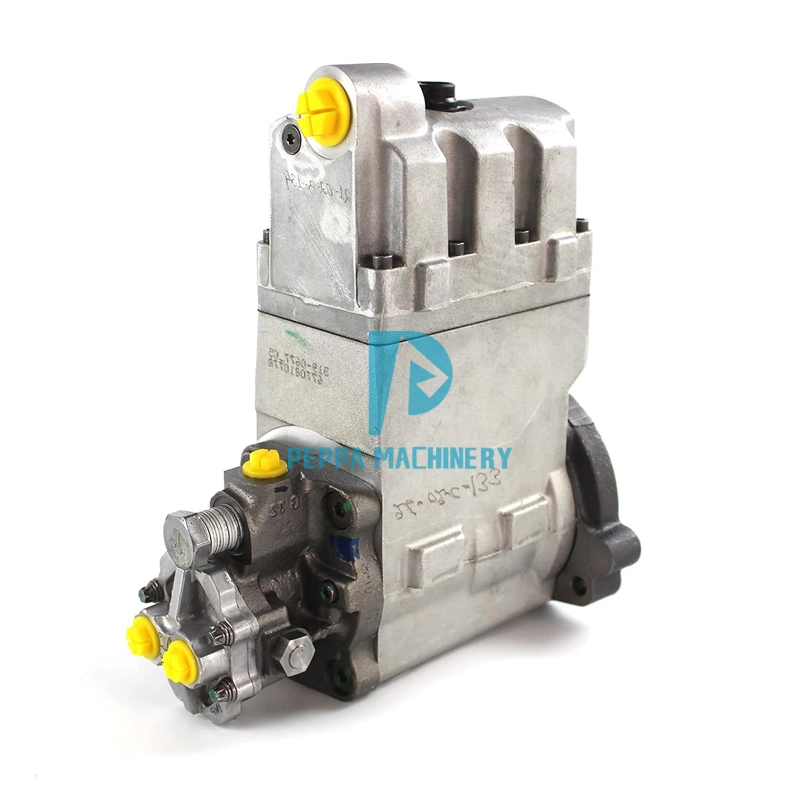
Fuel Feed / Transfer Pump Assembly for Caterpillar C7 & C9 Engines | Direct Replacement for OEM Parts #319-0678, 254-4358, 304-0678, 295-4778, 228-589
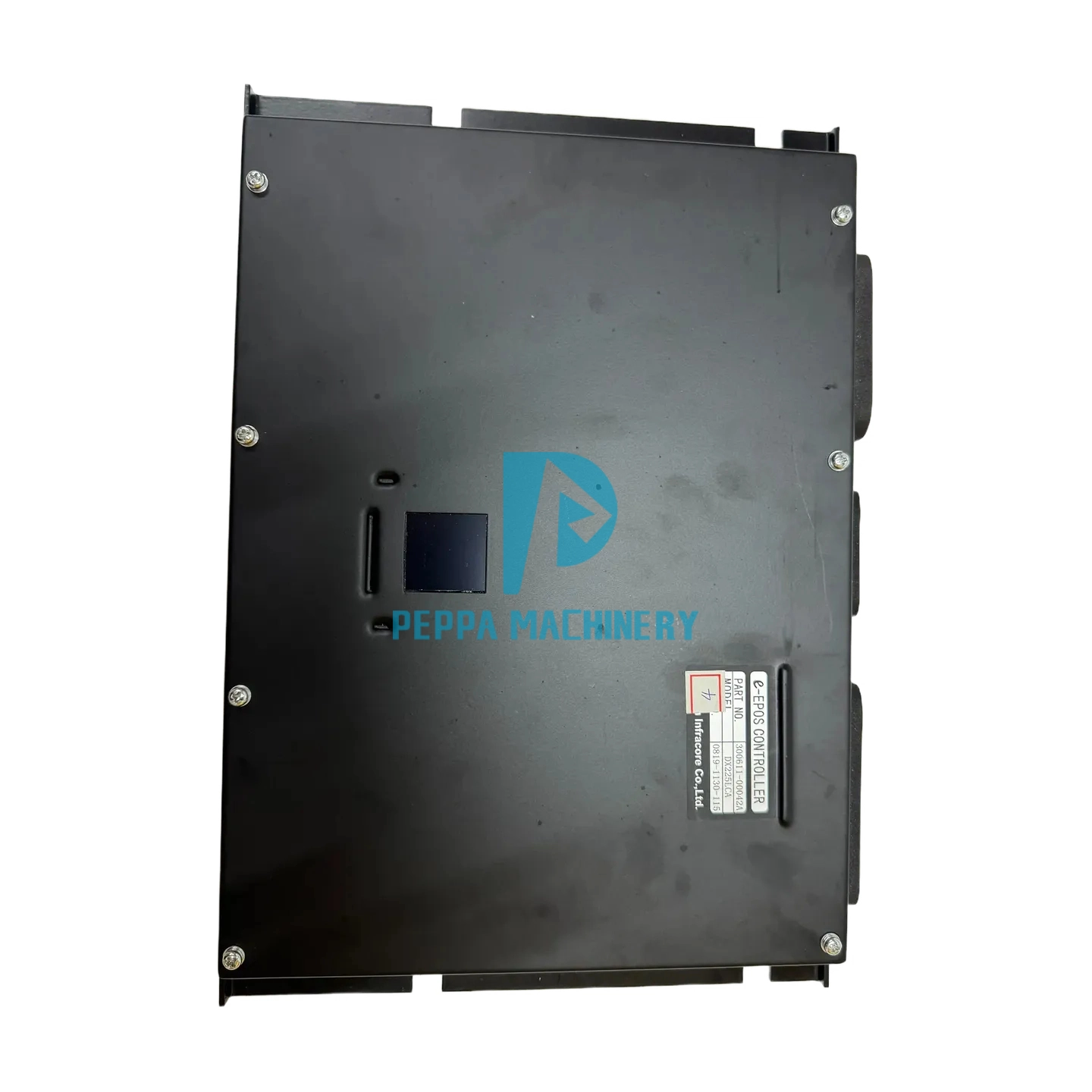
Excavator Accessories Excavator Controller DX225 DX225LCA E-EPOS Controller Computer Board 300611-00042 K1026740 K1001369C K1056425 ECU ECM

Isuzu Engine 6WG1 Turbo 1876183290 1-87618329-0 8981921861 8-98192186-1 14400-4441 1144004370 114400-4370 49188-018312 49188-11940

Reliable Source for Quality Excavator Components.
Follow Us
Our Partners


Our Payment Methods


 High Quality
 7/24 Service
 Guaranteed Warranty
 Scan QR Code
Facebook
TikTok
YouTube
Pinterest
Twitter