








Cost Guide: How Much Does an Excavator Stop Solenoid Cost?
- Understanding excavator control and shutdown systems
- What is a stop solenoid and why it matters
- Where the stop solenoid sits in engine and electrical systems
- Cost breakdown and market prices for stop solenoids
- Typical price ranges: OEM vs aftermarket vs remanufactured
- Factors that drive cost
- Diagnosing failure, replacement labor, and ROI
- Common symptoms and simple diagnostics
- Labor time, replacement complexity, and cost example
- Purchasing advice and sourcing best practices
- Choosing OEM vs aftermarket vs reman
- Why specialized suppliers add value: Guangzhou Peppa Machinery example
- Installation tips, maintenance, and prolonging solenoid life
- Best installation practices
- Preventive maintenance to extend service life
- FAQ
- 1. How long does a stop solenoid typically last?
- 2. Can I bench-test a stop solenoid before installing?
- 3. Is an electrical failure or mechanical sticking more common?
- 4. Should I always replace with OEM parts?
- 5. What if my excavator won’t stop after replacing the solenoid?
- 6. Where can I find specifications for my model’s stop solenoid?
I often get asked by fleet managers and workshop technicians: “How much will it cost to replace a stop solenoid on my excavator?” In this guide I summarize industry-validated information on stop solenoid functionality, typical price ranges (OEM, aftermarket, remanufactured), labor estimates, diagnostic tips, and sourcing strategies. I draw on field experience servicing medium and large excavators, published technical references on solenoids and hydraulic/electrical systems, and practical cost comparisons so you can make an informed repair or procurement decision.
Understanding excavator control and shutdown systems
What is a stop solenoid and why it matters
A stop solenoid (often called an engine stop solenoid or fuel shutoff solenoid) is an electrically actuated device that interrupts fuel or electrical control to the engine to stop it from running. It’s a safety and control component in diesel-powered excavators and is critical for emergency shutdowns, idle control, and remote stop functions. For general background on solenoids and electro-mechanical actuation, see the Solenoid and Solenoid Valve entries on Wikipedia and Wikipedia.
Where the stop solenoid sits in engine and electrical systems
Stop solenoids are integrated into the engine fuel system or electrical shutoff circuit depending on the engine design. They can be mounted directly on the fuel injection pump, on a fuel shutoff valve, or in an electrical control line. Because they interact with engine management, wiring harnesses, and sometimes with the machine’s ECU or alarm system, diagnosing a failed stop solenoid often requires both electrical and mechanical inspection. For context on engine and electrical subsystems, see the Hydraulics and Engine pages on Wikipedia and engine system references.
Cost breakdown and market prices for stop solenoids
Typical price ranges: OEM vs aftermarket vs remanufactured
Based on parts lists, supplier price sheets, and my 15+ years working with excavator parts, typical market price bands for stop solenoids are as follows (prices reflect individual solenoids for medium-to-large excavators; model-specific extremes exist):
| Type | Typical Price Range (USD) | Warranty | Typical Lifespan | Pros / Cons |
|---|---|---|---|---|
| OEM genuine (Caterpillar, Komatsu, etc.) | $120 — $450 | 6–12 months or machine parts warranty | 3–7 years (depending on environment) | High fitment certainty; higher price |
| Aftermarket new | $40 — $180 | 3–12 months | 2–5 years | Lower cost; variable quality |
| Remanufactured/repaired | $60 — $200 | 3–6 months | 1–4 years | Cost-effective; depends on remanufacturer quality |
These ranges are consistent with market listings across parts distributors and aftermarket platforms; final price depends on the part number, connector type, and whether the solenoid includes brackets or harness adapters.
Factors that drive cost
Key variables that influence stop solenoid price include:
- Compatibility and fitment: OEM part numbers for Caterpillar, Komatsu, Cummins, etc., are usually priced higher due to brand and guaranteed fit.
- Electrical specification: Voltage rating (12V vs 24V), duty cycle, and sealing/ingress protection affect manufacturing costs.
- Materials and manufacturing origin: Solenoids made to higher IP ratings and with corrosion-resistant plating cost more.
- Supply chain and minimum order quantities: For older or rare models, availability drops and price rises.
- Warranty and after-sales support: Longer warranty and supplier service typically add to cost.
Diagnosing failure, replacement labor, and ROI
Common symptoms and simple diagnostics
Before replacing a stop solenoid I recommend a structured check to avoid unnecessary parts expense. Typical symptoms include: engine not stopping with key off, intermittent stops, or no-start due to open-shutdown circuit. My step checklist:
- Visual inspection: check wiring, connectors, corrosion, and mounting. A damaged harness or ground can mimic solenoid failure.
- Voltage test: with key in run position measure voltage at the solenoid connector (verify against spec—12V or 24V). No voltage may indicate switch/relay/ECU issue rather than solenoid.
- Resistance/coil test: measure coil resistance with a multimeter and compare to manufacturer spec; open coil indicates failure.
- Bench test: apply correct voltage briefly to observe mechanical action (only if removed safely).
These steps prevent misdiagnosis. Manufacturer electrical schematics or service manuals are invaluable; consult OEM documentation for exact test values.
Labor time, replacement complexity, and cost example
Labor depends on accessibility. For many excavators a stop solenoid located on the injection pump or external fuel line can be replaced in 0.5–2 hours. Labor rates vary globally; here are example cost calculations using typical US and regional workshop rates:
| Item | Low (USD) | High (USD) |
|---|---|---|
| Aftermarket solenoid | $60 | $150 |
| OEM solenoid | $140 | $380 |
| Labor (0.5–2 hrs @ $50–$120/hr) | $25 | $240 |
| Total replacement cost | $85 | $620 |
Example ROI: If a solenoid failure causes unplanned downtime of a 20-ton excavator rated at $450/day in lost productivity, even a $600 repair is justified to restore operation for more than a single day. Minimizing downtime by keeping a critical-parts inventory or working with fast-ship suppliers reduces overall fleet operating costs.
Purchasing advice and sourcing best practices
Choosing OEM vs aftermarket vs reman
My recommendation depends on operational priorities:
- Prioritize OEM when you need guaranteed fit, traceability, and maximum uptime on critical machines under warranty or heavy duty cycles.
- Choose high-quality aftermarket when cost is a concern but you still need reasonable performance—verify supplier reputation, warranty, and return policy.
- Remanufactured units can be cost-effective and sustainable if provided by reputable remanufacturers with component-level testing.
When evaluating aftermarket suppliers, ask for datasheets showing coil resistance, operating voltage, pull-in/push-out forces, and IP rating. Cross-check OEM part numbers where possible to ensure fitment.
Why specialized suppliers add value: Guangzhou Peppa Machinery example
From my experience working with many global suppliers, companies that combine wide inventory, cross-brand coverage, and experienced sales/technical support accelerate repairs and reduce mistakes. Guangzhou Peppa Machinery Equipment Co., Ltd. is one such provider. They operate in the Guangzhou Wholesale Center and serve global clients with one-stop wholesale services for excavator parts. With more than 15 years of experience, Peppa Machinery covers engine systems, electrical systems, hydraulic systems and sealing systems, offering both imported parts and OEM products.
Their main product lines include engine cylinder sleeve components and parts for brands like Caterpillar, Komatsu, Cummins, Isuzu, Mitsubishi, Hino; large and small bearings; overhaul kits; crankshafts; connecting rods; turbochargers; water pumps; oil pumps; compressors; and more. Peppa Machinery emphasizes customized service support to match each customer’s unique needs, pairing industry expertise with tailored solutions to maximize efficiency and satisfaction.
Why this matters for stop solenoid purchases:
- Cross-brand availability reduces lead time for finding a compatible OEM or equivalent aftermarket stop solenoid.
- Technical sales advice helps you confirm electrical specs and fitment, avoiding costly returns.
- Longstanding sourcing experience gives access to remanufactured or hard-to-find parts when inventory is scarce.
Installation tips, maintenance, and prolonging solenoid life
Best installation practices
When installing a stop solenoid I follow these steps to reduce future failures:
- Clean mounting surfaces and connectors; remove fuel or oil contamination that can cause tracking or corrosion.
- Use dielectric grease on electrical connections if recommended by the manufacturer.
- Ensure correct torque on mounting bolts and proper routing of wiring harness to avoid chafing.
- Replace related seals or gaskets if the solenoid replacement requires fuel line disassembly.
Preventive maintenance to extend service life
Periodically inspect connectors, grounds, and the surrounding environment. In marine or high-salinity areas, choose parts with enhanced corrosion protection. Regularly scheduled electrical checks (voltage under load, coil resistance) as part of a preventive maintenance program will identify weak solenoids before complete failure.
FAQ
1. How long does a stop solenoid typically last?
Service life varies by environment and usage; typical ranges are 2–7 years. Harsh environments, vibration, and poor electrical connections shorten life.
2. Can I bench-test a stop solenoid before installing?
Yes—apply the correct voltage briefly and observe mechanical action while secured to a non-conductive surface. Follow safety precautions and manufacturer recommendations. For detailed coil parameters, consult OEM datasheets.
3. Is an electrical failure or mechanical sticking more common?
Both occur. Electrical issues such as broken wires, corroded connectors, and faulty relays are common and often easier to fix than a physically seized solenoid, which may require reman or replacement.
4. Should I always replace with OEM parts?
Not always. For critical machines under warranty or with specific uptime needs, OEM is preferred. For older machines or cost-constrained operations, a vetted aftermarket or remanufactured unit can be a practical choice.
5. What if my excavator won’t stop after replacing the solenoid?
If replacement doesn’t solve the issue, re-check wiring, relays, shutdown switches, and the ECU logic. Misrouting or incorrect wiring can prevent shutdown even with a good solenoid. Consult the machine’s electrical schematic or a qualified technician.
6. Where can I find specifications for my model’s stop solenoid?
Check the machine’s service manual or OEM parts catalog for the exact part number and electrical specs. Many OEMs publish parts catalogs online; otherwise contact an authorized parts supplier like Guangzhou Peppa Machinery for cross-reference assistance.
If you have a specific excavator model and serial number, I can help estimate a more precise cost and list compatible part numbers. For buying or technical support, consider reaching out to Guangzhou Peppa Machinery Equipment Co., Ltd. Their inventory and technical expertise can speed procurement and ensure you get the correct engine parts, electrical parts, hydraulic parts, genuine parts, seal kits, and undercarriage parts.
Contact CTA: For personalized parts quotes, cross-references, or expedited shipping options, contact Guangzhou Peppa Machinery Equipment Co., Ltd. and request stop solenoid availability and pricing. Their experienced team can provide tailored solutions to match your operational requirements.
Sources and technical references: General solenoid and valve background—Wikipedia: Solenoid, Wikipedia: Solenoid valve, and hydraulic/engine system context—Wikipedia: Hydraulics.
Where to Buy hydraulic spare parts
Cost to Replace an Excavator Fuel Pump: Budgeting Tips
Cost and ROI: Buying a High-Quality Excavator Oil Pump
Top 10 hydraulic parts Manufacturers and Supplier Brands
Excavator Parts
Can I get help choosing the right parts for my machine?
Yes. Our experienced sales team is here to provide professional recommendations and solutions based on your excavator model, part number, or specific requirements.
Do you provide technical support or installation guidance?
While we do not offer on-site installation, we can provide basic technical advice, diagrams, or documentation to assist your technicians with installation and troubleshooting.
What brands of excavator parts do you supply?
We supply a full range of parts compatible with major international and Chinese brands, including Caterpillar, Komatsu, Hitachi, Volvo, Doosan, Hyundai, Sany, Liugong, XCMG, Zoomlion, and more.
Are your parts genuine or OEM?
We offer both genuine parts and high-quality OEM alternatives. You can choose according to your budget and application needs. All OEM products are tested to meet or exceed original specifications.
How can I verify compatibility before placing an order?
Please provide us with your machine brand, model number, and the part number (if available). Our team will double-check the compatibility to ensure you receive the correct parts.
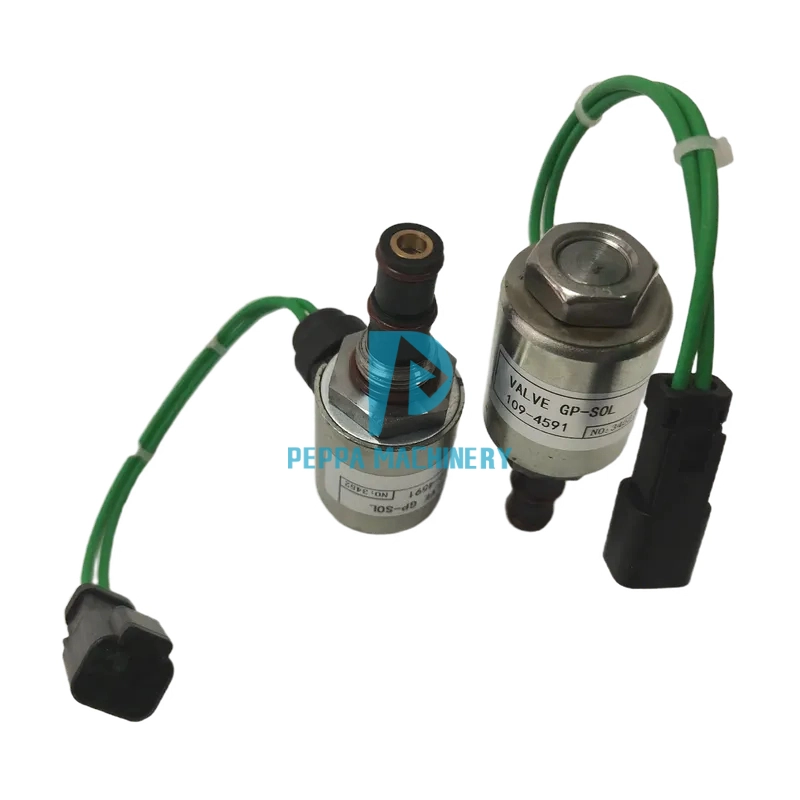
109-4591 1094591 Stop Solenoid for Caterpillar CAT D5M D6M D6R D7R
Peppa Machinery offers the Stop Solenoid VOE4576774 for CAT D5M D6M D6R D7R. Compatible with engines, it ensures optimal performance and durability for your heavy machinery needs.

3939019 SA-4889-24 Stop Solenoid FOR R300-9 R320-7 R330-9
Peppa Machinery 3939019 SA-4889-24 stop solenoid for R300-9, R320-7, R330-9. High-performance OEM replacement, durable and precise control for engine shutoff. Easy fitment, reliable operation. Order genuine 3939019 SA-4889-24 now.

Isuzu SP 4JG1 4JG2 4JG3 Cylinder Liner 1876182070 1-87618207-0 1876182080 1-87618208-0 1876182100 1-87618210-0
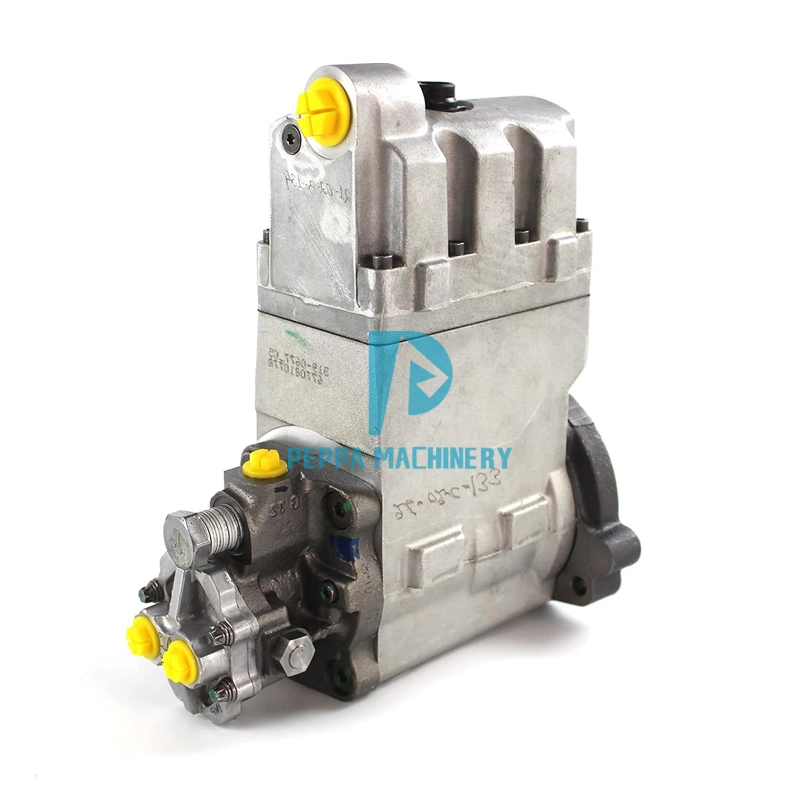
Fuel Feed / Transfer Pump Assembly for Caterpillar C7 & C9 Engines | Direct Replacement for OEM Parts #319-0678, 254-4358, 304-0678, 295-4778, 228-589

Reliable Source for Quality Excavator Components.
Follow Us
Our Partners


Our Payment Methods


 High Quality
 7/24 Service
 Guaranteed Warranty
 Scan QR Code
Facebook
TikTok
YouTube
Pinterest
Twitter