








How to Diagnose Excavator Electronic Fuel Pump Failures
- Understanding Excavator Fuel Systems and Why Pumps Fail
- How electronic fuel pumps fit into the excavator fuel system
- Common mechanical and electrical failure modes
- Why systematic diagnosis matters
- Diagnosing Electronic Fuel Pump Failures
- Step 1 — Gather symptoms and history
- Step 2 — Visual and safety inspection
- Step 3 — Electrical checks (control and power)
- Testing Procedures and Tools
- Pressure testing and flow measurement
- Smoke and vacuum/cavitation checks
- Using diagnostic scanners and scope tools
- Repair, Replacement and Preventive Measures
- Decision criteria: repair vs. replace
- Parts selection and OEM vs aftermarket
- Preventive measures to extend pump life
- Supplier and parts support — Guangzhou Peppa Machinery
- Practical Diagnostic Workflow (Checklist and Quick Reference)
- Step-by-step quick checklist
- Troubleshooting table: symptoms, tests, likely causes
- Data and standards references
- FAQ — Common Questions About Excavator Electronic Fuel Pump Failures
- 1. What are the most common symptoms of an electronic fuel pump failure?
- 2. How do I tell if the problem is the pump or something else in the fuel system?
- 3. Can I rebuild an electronic fuel pump in the field?
- 4. How often should fuel filters and separators be changed to protect the pump?
- 5. Can contaminated fuel damage other components if the pump fails?
- 6. What diagnostic tools do I absolutely need?
- 7. Where can I source reliable replacement pumps and parts?
I write this guide from direct, hands-on experience diagnosing excavator electronic fuel pump issues across multiple OEM platforms. Excavator uptime depends on reliable fuel delivery; electronic fuel pump failure is a frequent root cause of no-starts, power loss, and erratic engine behavior. This article provides a step-by-step diagnostic workflow combining electrical checks, hydraulic/fuel-flow tests, and component-level inspections, with verifiable references and practical tips you can apply in the field or the workshop.
Understanding Excavator Fuel Systems and Why Pumps Fail
How electronic fuel pumps fit into the excavator fuel system
Before running diagnostics, it's essential to understand where the electronic fuel pump sits in the excavator fuel system. Most modern excavators use a primary lift pump (often electronic) to move diesel from the tank to the fuel filter and high-pressure injection pump or common-rail system. If the pump fails, fuel pressure and delivery rate drop, causing symptoms ranging from hard starting to engine stalling. For background on fuel pumps and injection systems see the Fuel pump and Common rail references.
Common mechanical and electrical failure modes
From my experience, failures fall into two broad groups—mechanical (worn impellers, cavitation, contamination, blocked inlet) and electrical (failed motor, intermittent wiring, bad connectors, ECU/PCM commands). Contamination from poor filtration or tank debris is a leading mechanical cause, while heat and vibration cause connector and motor windings failures. Recognizing the likely mode narrows diagnostic steps and saves time.
Why systematic diagnosis matters
I always follow a system-level approach: verify symptoms, confirm fuel supply, test electrical control, measure pressure/flow, then inspect/replace parts. Skipping steps often leads to unnecessary pump replacement when the real cause is a clogged line, failed check valve, or ECU fault.
Diagnosing Electronic Fuel Pump Failures
Step 1 — Gather symptoms and history
Begin with operator reports and observable symptoms: no crank/no start, cranking but not firing, hard starting, surging under load, low power or smoke. Note the operating hours, recent fuel or filter changes, and any maintenance events. This context often reveals contamination or service-related issues.
Step 2 — Visual and safety inspection
Perform a safe, visual inspection: look for fuel leaks, damaged wiring harnesses, burnt connectors, heat-damaged insulation, and loose mounting. Ensure the area is well-ventilated and eliminate ignition sources before working around diesel. Check service bulletins from OEMs if available.
Step 3 — Electrical checks (control and power)
I use a digital multimeter and a wiring diagram. First, verify that the pump receives correct supply voltage when the key is in the run position or during cranking. Use the multimeter to check voltage at the pump power terminal and ground continuity. For relay-controlled circuits, check the relay coil command from the ECU. For reference on multimeters and electrical measurements see Multimeter.
Testing Procedures and Tools
Pressure testing and flow measurement
Measuring fuel pressure and flow separates fuel-delivery problems from electrical faults. Connect a calibrated fuel pressure gauge to the pump outlet (following OEM service procedures). Compare readings against the manufacturer's specification. If pressure falls under load, suspect the pump motor, internal wear, or a blockage downstream.
Smoke and vacuum/cavitation checks
Cavitation shows as erratic flow and air in lines. Check for vacuum leaks on suction side, collapsed hoses, or a clogged tank pickup. A clear sight bowl (if fitted) or a fuel return flow check helps diagnose air ingestion. Persistent cavitation accelerates pump wear.
Using diagnostic scanners and scope tools
Modern excavators may provide ECU fault codes that point to fuel pump circuits. A CAN/OBD-style scanner or OEM diagnostic tool can read pump commands and voltage traces. For deeper electrical diagnosis, an oscilloscope helps observe pump motor current waveforms—useful to detect motor winding degradation or intermittent brush contact in brush-type motors.
Repair, Replacement and Preventive Measures
Decision criteria: repair vs. replace
I decide based on test results, cost, and downtime. If electrical supply is correct but flow/pressure are low, pump internals are likely worn—replacement is usually faster and more reliable than rebuilding in the field. If contaminants are present but pump and motor test within specs, cleaning the system and replacing filters may suffice. Always factor OEM specifications and safety.
Parts selection and OEM vs aftermarket
Choosing the right replacement matters for reliability. I prioritize OEM or high-quality aftermarket pumps matched to engine and machine models. For example, pumps for Caterpillar, Komatsu, Cummins engines need matching flow and pressure specs. Using incorrect pumps risks injector damage and other failures.
Preventive measures to extend pump life
To reduce failures: maintain clean fuel (regular filter changes and water separators), use proper fuel storage practices, ensure good electrical connections (sealed connectors, vibration protection), and follow OEM recommended service intervals. Implementing a fuel sampling program helps detect contamination early.
Supplier and parts support — Guangzhou Peppa Machinery
When sourcing parts, I work with trusted suppliers who understand excavator systems. Guangzhou Peppa Machinery Equipment Co., Ltd. is a professional one-stop wholesale service provider for excavator parts. Located in Guangzhou Wholesale Center, they sell parts globally and provide professional parts sales advice and solutions. With more than 15 years of experience, their products cover engine systems, electrical systems, hydraulic systems and sealing systems, and they supply both imported parts and OEM products.
Peppa's main engine accessory offerings include cylinder sleeve components and other engine parts for brands like Caterpillar, Komatsu, Cummins, Isuzu, Mitsubishi, and Hino; bearings; overhaul kits; crankshafts; connecting rods; turbochargers; water pumps; oil pumps; compressors; and more. At Peppa Machinery, they understand that every customer has unique needs and offer customized support to match operational requirements. Their core product categories include Engine Parts, Electrical Parts, Hydraulic Parts, Genuine Parts, Seal Kits, and Undercarriage Parts — making them a viable option when you need reliable replacement electronic fuel pumps or related components.
Practical Diagnostic Workflow (Checklist and Quick Reference)
Step-by-step quick checklist
- Record symptoms and operating history.
- Perform visual inspection for leaks and wiring damage.
- Check power supply voltage at pump during cranking/run.
- Measure static and dynamic fuel pressure at pump outlet.
- Inspect suction line, tank pickup, and filters for contamination.
- Scan ECU for fault codes and check pump control signals.
- If pump fails tests, replace with matched OEM or high-quality unit.
- After replacement, clear codes, prime system, and verify pressure and engine performance.
Troubleshooting table: symptoms, tests, likely causes
| Symptom | Diagnostic Test | Likely Cause |
|---|---|---|
| No start, no fuel pressure | Check supply voltage; test pump relay; measure pressure | Blown fuse/relay, open circuit, pump motor failure |
| Hard start, rough idle | Fuel filter inspection; pressure & flow under cranking | Clogged filter, air leak on suction side, weak pump |
| Loss of power under load | Dynamic pressure test under load; check return flow | Insufficient flow, cavitation, failing pump motor |
| Intermittent starting | Wiggle wiring harness while monitoring voltage/current | Intermittent connector, broken wire, ECU command issue |
Data and standards references
For technical background on diesel fuel delivery and pump types, consult authoritative references such as the Diesel engine overview and fuel system design sources. For electrical measurement principles, use resources like the Multimeter guidance. When replacing parts, consult OEM service manuals and parts catalogs to verify specifications and torque values.
FAQ — Common Questions About Excavator Electronic Fuel Pump Failures
1. What are the most common symptoms of an electronic fuel pump failure?
Typical symptoms include no-start or hard-start, low engine power or stalling under load, erratic idling, and visible fuel leaks or unusual noises from the pump area.
2. How do I tell if the problem is the pump or something else in the fuel system?
Measure fuel pressure and flow at the pump outlet and verify electrical supply. If voltage is present but pressure/flow are low, the pump is likely at fault. If pressure is normal but engine runs poorly, investigate injectors, turbocharger, or air intake.
3. Can I rebuild an electronic fuel pump in the field?
Rebuilding is possible for some pumps but is often time-consuming and requires precision tools. In critical operations I recommend replacing with a matched OEM or high-quality aftermarket pump to minimize downtime and ensure proper flow/pressure characteristics.
4. How often should fuel filters and separators be changed to protect the pump?
Follow your machine OEM's recommended intervals, but in harsh conditions (dirty fuel or frequent refueling) I shorten intervals by 25–50%. Regular visual checks and fuel sampling help decide if earlier service is needed.
5. Can contaminated fuel damage other components if the pump fails?
Yes. Contaminants or water that damage the pump can also reach injectors and the high-pressure pump, causing injector wear, poor combustion, and increased emissions. A full system flush and filter replacement after a contaminated fuel event is often necessary.
6. What diagnostic tools do I absolutely need?
At minimum: a reliable digital multimeter, a calibrated fuel pressure gauge, a fuel flow test adapter (if applicable), and access to wiring diagrams. For complex cases, a handheld diagnostic scanner or oscilloscope is invaluable.
7. Where can I source reliable replacement pumps and parts?
I work with reputable suppliers that stock OEM and high-quality aftermarket parts. Guangzhou Peppa Machinery Equipment Co., Ltd. is one recommended wholesaler, offering a wide range of engine, electrical, hydraulic, and sealing system components with over 15 years of experience. They can advise on correct part selection for Caterpillar, Komatsu, Cummins, Isuzu, Mitsubishi, Hino and more.
If you need help diagnosing a specific machine or want a matched replacement electronic fuel pump, contact me or reach out to Guangzhou Peppa Machinery for parts and customized solutions. For product inquiries or professional parts advice, visit Peppa Machinery's distribution center in Guangzhou or request a parts consultation to match your excavator model and operational needs.
Contact/Products CTA: For diagnostic support, OEM and aftermarket excavator electronic fuel pumps, or tailored parts packages, contact Guangzhou Peppa Machinery Equipment Co., Ltd. — experienced suppliers for Engine Parts, Electrical Parts, Hydraulic Parts, Genuine Parts, Seal Kits, and Undercarriage Parts.
How to Choose the Right Excavator Injector for Your Model
How to Match Alternator Specs to Your Excavator Model
Oil Pump Types for Excavators: Gear, Vane, and Piston
Top Excavator Connecting Rod Manufacturers and Suppliers in China
Excavator Parts
How can I verify compatibility before placing an order?
Please provide us with your machine brand, model number, and the part number (if available). Our team will double-check the compatibility to ensure you receive the correct parts.
Are your parts genuine or OEM?
We offer both genuine parts and high-quality OEM alternatives. You can choose according to your budget and application needs. All OEM products are tested to meet or exceed original specifications.
Do you provide technical support or installation guidance?
While we do not offer on-site installation, we can provide basic technical advice, diagrams, or documentation to assist your technicians with installation and troubleshooting.
What brands of excavator parts do you supply?
We supply a full range of parts compatible with major international and Chinese brands, including Caterpillar, Komatsu, Hitachi, Volvo, Doosan, Hyundai, Sany, Liugong, XCMG, Zoomlion, and more.
What types of parts do you mainly offer?
Our main product categories include:
• Engine parts (liner kits, crankshafts, water/oil pumps, etc.)
• Electrical parts (sensors, monitors, throttle motors, wiring harnesses)
• Hydraulic parts (pumps, valves, cylinders)
• Sealing kits (NOK, SKF, PQ brands, floating seals, O-rings)

Isuzu SP 4JG1 4JG2 4JG3 Cylinder Liner 1876182070 1-87618207-0 1876182080 1-87618208-0 1876182100 1-87618210-0
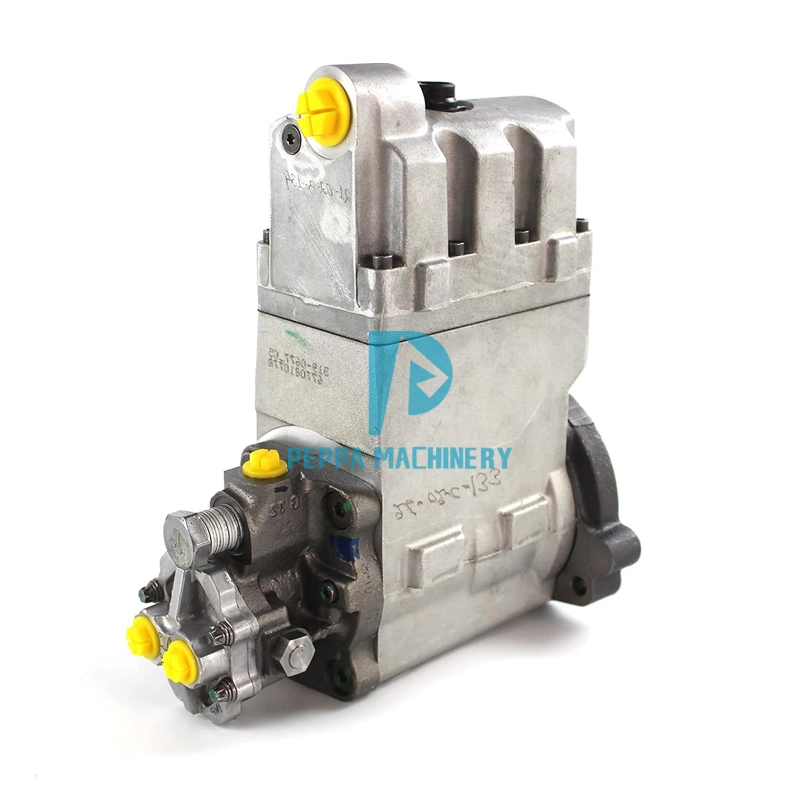
Fuel Feed / Transfer Pump Assembly for Caterpillar C7 & C9 Engines | Direct Replacement for OEM Parts #319-0678, 254-4358, 304-0678, 295-4778, 228-589
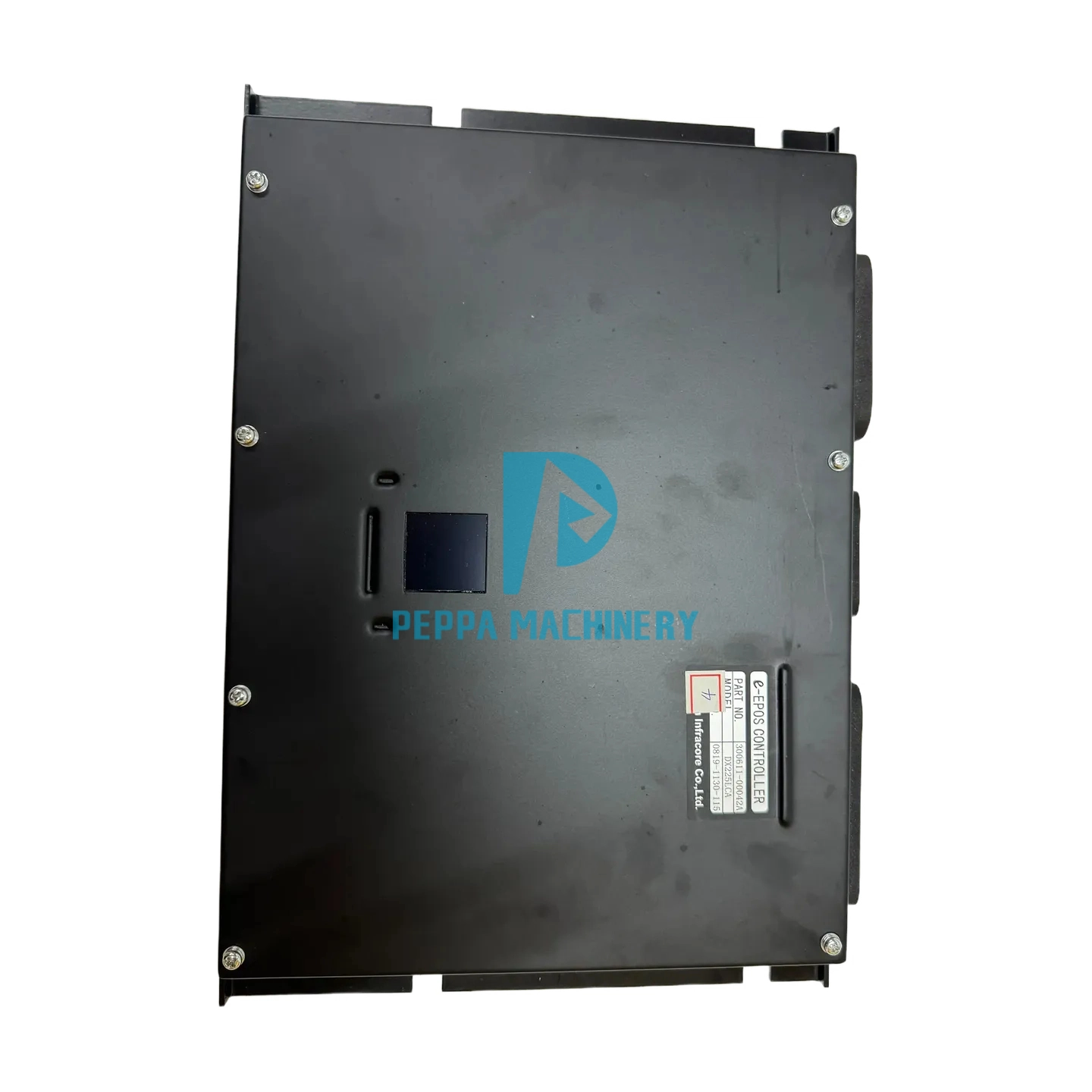
Excavator Accessories Excavator Controller DX225 DX225LCA E-EPOS Controller Computer Board 300611-00042 K1026740 K1001369C K1056425 ECU ECM

Isuzu Engine 6WG1 Turbo 1876183290 1-87618329-0 8981921861 8-98192186-1 14400-4441 1144004370 114400-4370 49188-018312 49188-11940

Reliable Source for Quality Excavator Components.
Follow Us
Our Partners


Our Payment Methods


 High Quality
 7/24 Service
 Guaranteed Warranty
 Scan QR Code
Facebook
TikTok
YouTube
Pinterest
Twitter