








Oil Pump Types for Excavators: Gear, Vane, and Piston
As an experienced professional in the excavator parts industry, I understand the critical role that oil pumps play in the performance and longevity of excavators. The efficiency and reliability of these machines heavily depend on the type of oil pump employed. In this article, I will delve into the three primary types of excavator oil pumps—gear, vane, and piston—providing a comprehensive overview of their designs, applications, advantages, and key considerations for selection.
Understanding Excavator Oil Pumps
Oil pumps are integral components of an excavator's hydraulic system, responsible for circulating hydraulic fluid to various parts of the machine. This circulation ensures that the excavator operates smoothly, efficiently, and with optimal performance. The choice of oil pump significantly influences the machine's operational capabilities, maintenance requirements, and overall service life.
Types of Excavator Oil Pumps
1. Gear Pumps
Design and Operation
Gear pumps consist of two intermeshing gears that rotate within a housing. As the gears turn, they create a vacuum that draws in hydraulic fluid, which is then forced out under pressure as the gears mesh. This simple yet effective design makes gear pumps a popular choice for various applications.
Applications and Advantages
Gear pumps are commonly used in small to medium-sized excavators and auxiliary hydraulic systems where consistent, steady flow is required. Their advantages include:
Simplicity: Fewer moving parts lead to easier maintenance and reduced potential for mechanical failure.
Cost-Effectiveness: Generally less expensive to manufacture and repair compared to other pump types.
Reliability: Proven track record in various industrial applications.
Considerations for Selection
While gear pumps offer several benefits, they may not be suitable for all applications. They are less efficient at higher pressures and may experience pulsations in the flow, which can affect the performance of sensitive hydraulic components.
2. Vane Pumps
Design and Operation
Vane pumps utilize a rotor with sliding vanes that move within a cavity. As the rotor turns, the vanes slide in and out, creating expanding and contracting chambers that draw in and expel hydraulic fluid. This design allows for a more consistent flow compared to gear pumps.
Applications and Advantages
Vane pumps are suitable for medium-sized excavators and applications requiring moderate pressure and flow rates. Their advantages include:
Smooth Flow: Provides a more consistent flow, reducing pulsations that can affect system performance.
Variable Displacement: Some vane pumps can adjust their displacement, allowing for variable flow rates.
Compact Design: Generally more compact than piston pumps, making them suitable for applications with space constraints.
Considerations for Selection
Vane pumps are less efficient at higher pressures and may require more maintenance due to the sliding vanes. They are also sensitive to the cleanliness of the hydraulic fluid, as contaminants can cause wear and reduce pump life.
3. Piston Pumps
Design and Operation
Piston pumps use pistons moving within cylinders to draw in and expel hydraulic fluid. This design allows for high-pressure operation and variable displacement, making piston pumps highly versatile.
Applications and Advantages
Piston pumps are ideal for large excavators and applications requiring high pressure and variable flow rates. Their advantages include:
High Efficiency: Capable of operating at high pressures with minimal energy loss.
Variable Displacement: Allows for precise control of flow rates, adapting to varying operational demands.
Durability: Designed to withstand the rigors of heavy-duty applications, offering a longer service life.
Considerations for Selection
Piston pumps are more complex and expensive than gear or vane pumps. They require high-quality hydraulic fluid and regular maintenance to ensure optimal performance and longevity.
Comparative Overview
To provide a clearer understanding of the differences between these pump types, here's a comparative table summarizing their key features:
| Feature | Gear Pumps | Vane Pumps | Piston Pumps |
|---|---|---|---|
| Design Complexity | Simple | ||
| Moderate | |||
| Complex | |||
| Cost | Low | ||
| Moderate | |||
| High | |||
| Pressure Capability | Low to Medium | Medium | |
| High | |||
| Flow Consistency | Pulsating | ||
| Smooth | |||
| Smooth | |||
| Maintenance Needs | Low | ||
| Moderate | |||
| High | |||
| Ideal Applications | Small to Medium Excavators | Medium Excavators | Large Excavators and Heavy-Duty Work |
Selecting the Right Oil Pump for Your Excavator
Choosing the appropriate oil pump is crucial for ensuring your excavator operates efficiently and has a prolonged service life. Consider the following factors:
Operational Requirements: Assess the typical tasks your excavator performs and the required pressure and flow rates.
Machine Size and Capacity: Ensure the pump type aligns with the size and power of your excavator.
Maintenance Capabilities: Evaluate your ability to maintain the pump, considering factors like complexity and required maintenance intervals.
Budget Constraints: Balance the initial cost of the pump with its long-term operational and maintenance expenses.
Conclusion
Understanding the different types of excavator oil pumps—gear, vane, and piston—is essential for making informed decisions that impact your machine's performance and longevity. By carefully considering the specific needs of your excavator and the characteristics of each pump type, you can ensure optimal operation and efficiency.
Frequently Asked Questions (FAQ)
What is the primary function of an excavator oil pump?
An excavator oil pump circulates hydraulic fluid throughout the machine's hydraulic system, enabling various functions such as lifting, digging, and swinging.
How do I determine which type of oil pump is suitable for my excavator?
Consider factors such as the size of your excavator, the typical tasks it performs, required pressure and flow rates, and your maintenance capabilities.
Can I replace a gear pump with a vane or piston pump?
While it's possible, it's essential to ensure compatibility with your excavator's specifications and to consult with a professional to avoid potential issues.
What maintenance is required for piston pumps?
Piston pumps require regular maintenance, including monitoring hydraulic fluid quality, checking for leaks, and ensuring all components are functioning correctly to maintain optimal performance.
Are there any brands that specialize in excavator oil pumps?
Yes, several manufacturers specialize in excavator oil pumps, offering a range of products tailored to different excavator models and applications.
Contact Us for Expert Advice and Quality Excavator Parts
At Guangzhou Peppa Machinery Equipment Co., Ltd., we are a professional one-stop wholesale service provider for excavator parts, located in Guangzhou Wholesale Center. With over 15 years of experience, we supply a full range of excavator parts compatible with leading brands such as Caterpillar, Komatsu, Cummins, Isuzu, Mitsubishi, and Hino. Our main products include engine accessories, electrical parts, hydraulic parts, genuine parts, seal kits, and undercarriage parts. We understand that every customer has unique needs when it comes to excavator parts, and our customized service support is designed to provide tailored solutions that ensure maximum efficiency and satisfaction. For more information or to consult with our experts, please contact us at jbparts@aliyun.com or visit our website at (https://www.jbexcavatorparts.com/).
OEM vs Aftermarket Excavator Injectors: Pros and Cons
Excavator Injector Types and Compatibility Guide
Top Excavator Crankshaft and Camshaft Manufacturers and Suppliers in China
Excavator Parts
Are your parts genuine or OEM?
We offer both genuine parts and high-quality OEM alternatives. You can choose according to your budget and application needs. All OEM products are tested to meet or exceed original specifications.
How can I verify compatibility before placing an order?
Please provide us with your machine brand, model number, and the part number (if available). Our team will double-check the compatibility to ensure you receive the correct parts.
What brands of excavator parts do you supply?
We supply a full range of parts compatible with major international and Chinese brands, including Caterpillar, Komatsu, Hitachi, Volvo, Doosan, Hyundai, Sany, Liugong, XCMG, Zoomlion, and more.
What types of parts do you mainly offer?
Our main product categories include:
• Engine parts (liner kits, crankshafts, water/oil pumps, etc.)
• Electrical parts (sensors, monitors, throttle motors, wiring harnesses)
• Hydraulic parts (pumps, valves, cylinders)
• Sealing kits (NOK, SKF, PQ brands, floating seals, O-rings)
Do you provide technical support or installation guidance?
While we do not offer on-site installation, we can provide basic technical advice, diagrams, or documentation to assist your technicians with installation and troubleshooting.

Isuzu SP 4JG1 4JG2 4JG3 Cylinder Liner 1876182070 1-87618207-0 1876182080 1-87618208-0 1876182100 1-87618210-0
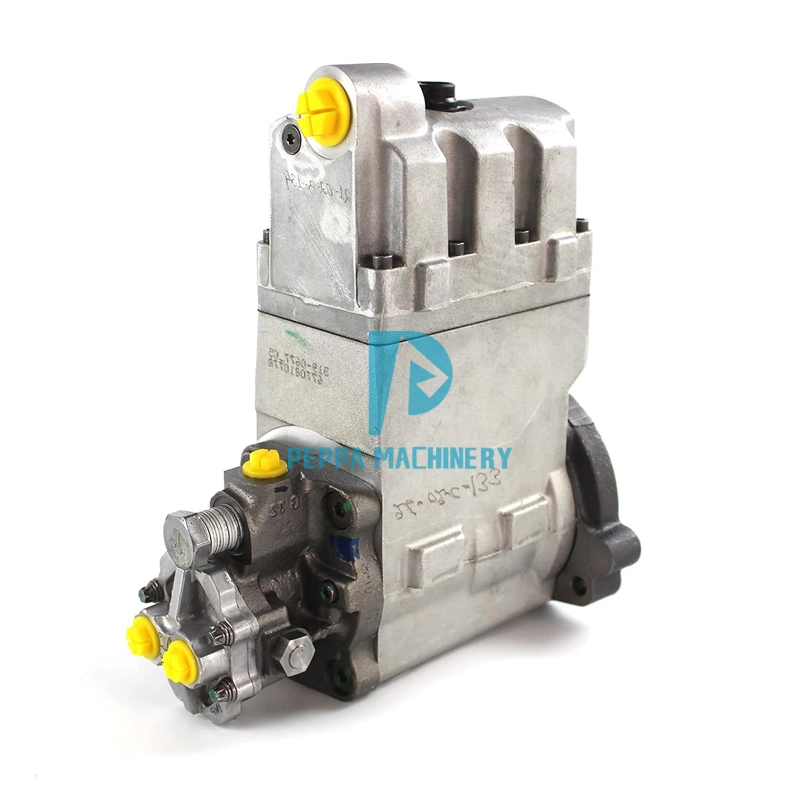
Fuel Feed / Transfer Pump Assembly for Caterpillar C7 & C9 Engines | Direct Replacement for OEM Parts #319-0678, 254-4358, 304-0678, 295-4778, 228-589
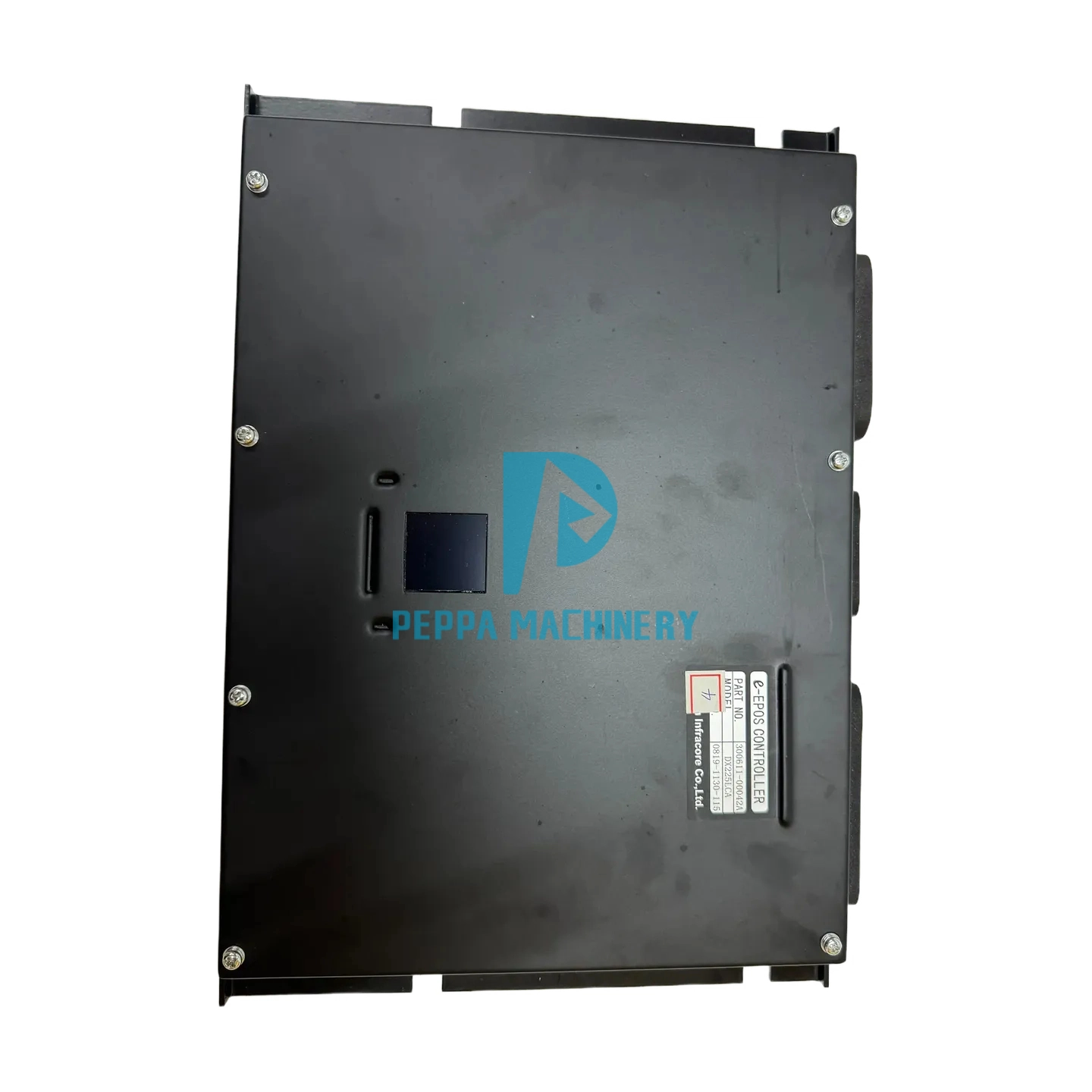
Excavator Accessories Excavator Controller DX225 DX225LCA E-EPOS Controller Computer Board 300611-00042 K1026740 K1001369C K1056425 ECU ECM

Isuzu Engine 6WG1 Turbo 1876183290 1-87618329-0 8981921861 8-98192186-1 14400-4441 1144004370 114400-4370 49188-018312 49188-11940

Reliable Source for Quality Excavator Components.
Follow Us
Our Partners


Our Payment Methods


 High Quality
 7/24 Service
 Guaranteed Warranty
 Scan QR Code
Facebook
TikTok
YouTube
Pinterest
Twitter