








Key Specs to Compare When Buying an Excavator Fuel Pump
- Understanding excavator fuel systems and why pump choice matters
- How the fuel pump fits into the fuel system
- Why spec-matching is critical for excavator reliability
- Common failure modes tied to wrong pump selection
- Key specifications to compare (and how I verify them)
- 1) Compatibility & fitment (engine model, mounting & connectors)
- 2) Delivery pressure and flow rate
- 3) Electrical characteristics & control method (voltage, current, PWM/ECU)
- 4) Materials, sealing and operating temperature range
- 5) Filtration & inlet protection
- 6) Durability, duty cycle & warranty
- Practical tests and inspection steps I perform before installation
- Bench test: flow, pressure and electrical draw
- Visual and mechanical inspection
- In-situ testing and pressure stability
- Procurement decisions: OEM vs aftermarket and sourcing strategy
- Comparing OEM and aftermarket electronic fuel pumps
- How I qualify aftermarket suppliers
- Inventory strategy and spare parts planning
- Vendor profile: sourcing quality parts and a partner I trust
- About Guangzhou Peppa Machinery and why I recommend them
- Peppa Machinery advantages & core product lines
- How I use their services when selecting a pump
- Installation, maintenance and best practices I follow
- Correct installation checklist
- Maintenance and periodic checks
- Troubleshooting quick guide
- FAQ
- Q1: What is the difference between an excavator electronic fuel pump and a high-pressure injection pump?
- Q2: How do I test if a pump is delivering correct flow and pressure?
- Q3: Can I use an aftermarket pump to save cost?
- Q4: How important is filtration when replacing the pump?
- Q5: What electrical parameters should I confirm?
- Q6: How do environmental conditions affect pump selection?
- Conclusion & call to action
As someone who has worked with excavator parts and engine systems for over a decade, I know that choosing the right excavator electronic fuel pump is not just about brand or price. The pump is central to reliable fuel delivery, engine performance and longevity. In this article I walk you through the exact technical specs and practical checks you should compare when buying a pump, show how to test and verify candidates, and explain trade-offs between OEM and aftermarket options. I reference authoritative sources and give actionable recommendations you can use on the job.
Understanding excavator fuel systems and why pump choice matters
How the fuel pump fits into the fuel system
Before comparing specs, I always start by locating where the electronic fuel pump sits in the system. Excavators typically use a low-pressure feed (lift) pump to move diesel from the tank to the primary filter and an injection pump or high-pressure pump (in common-rail systems) to provide injection pressure. These components work together — a weak lift pump can starve the injection system even if the high-pressure pump is fine. For background on roles and types, see Wikipedia - Fuel pump and Wikipedia - Fuel injection.
Why spec-matching is critical for excavator reliability
Excavators operate in dirty, hot and high-vibration environments. I have seen pumps fail early when operators substitute a mismatched electronic fuel pump that didn’t meet suction lift, flow or duty-cycle requirements. Matching key specs prevents cavitation, air ingestion and erratic fuel pressure that cause poor idle, loss of power, or damage to high-pressure pumps and injectors.
Common failure modes tied to wrong pump selection
The typical symptoms I encounter from wrong pumps include intermittent stalling, black smoke under load, hard starting, or surging at idle. These often trace back to insufficient flow/pressure, electrical control mismatch (PWM vs. constant), or poor filtration allowing contaminants into the system.
Key specifications to compare (and how I verify them)
1) Compatibility & fitment (engine model, mounting & connectors)
Compatibility is the first filter: check engine model, serial ranges, mounting flange, bolt pattern, inlet/outlet sizes and electrical connector pinout. I always confirm part numbers against OEM catalogs and wiring diagrams before purchase. A physical fit without correct electrical interface or control signal can be worse than no fit at all.
2) Delivery pressure and flow rate
Delivery pressure and flow rate determine whether the pump can supply enough fuel at the required pressure for all operating conditions (idle, max load, cold starts). Note: delivery pressure for a low-pressure feed pump is very different from the injection pressure generated by high-pressure pumps or common-rail systems (which can reach 1,000–2,000 bar) — see Wikipedia - Fuel injection. Always reference the engine OEM spec. During selection I compare measured flow curves where available, not just a single point rating.
3) Electrical characteristics & control method (voltage, current, PWM/ECU)
Modern electronic pumps may be controlled by PWM signals from the ECU or use a simple on/off circuit. I verify voltage (12V or 24V systems are common in excavators), current draw, and whether the pump requires an external driver or has built-in electronics. Mismatched control strategies can cause incorrect metering or premature electronic module failures.
4) Materials, sealing and operating temperature range
Material compatibility with diesel and biodiesel blends (if used), plus high-temperature resistance, determines longevity. I look for corrosion-resistant housings, high-grade seals (Viton or equivalent for diesel) and operating specs that match the excavator’s environment.
5) Filtration & inlet protection
A pump without adequate inlet protection or tolerance for particulates will accelerate wear. Look for built-in mesh screens, strainer recommendations, and compatibility with the primary fuel filter element size. Good practice is to replace inline filters when replacing pumps.
6) Durability, duty cycle & warranty
Excavator pumps should be rated for extended duty and frequent start/stop cycles. I compare MTBF (mean time between failures) where provided, expected service life in hours, and warranty terms. A longer and clearer warranty often reflects supplier confidence.
| Spec | Why it matters | What I check | Typical values / Notes |
|---|---|---|---|
| Compatibility | Ensures correct fit and electrical match | Engine model, part number, connector, mounting | Verify with OEM parts list and wiring diagram |
| Flow rate | Must supply enough fuel under all loads | Flow curve / LPH at system pressure | Consult OEM; measure with flow test bench |
| Delivery pressure | Prevents cavitation & ensures injector supply | Static and dynamic pressure ratings | Low-pressure pumps: check OEM; injection pumps differ drastically |
| Electrical | Proper control and heat handling | Voltage, current draw, PWM or analog control | Match to excavator electrical system |
| Material & seals | Resists corrosion, biodiesel, heat | Housing material, seal type, temp range | Viton seals, corrosion-resistant alloys preferred |
| Filtration | Prevents contamination and wear | Inlet screen, recommended filter micron rating | Replace inline filters at pump change |
Practical tests and inspection steps I perform before installation
Bench test: flow, pressure and electrical draw
I always bench-test candidate pumps using a pressure gauge and flow meter. Measuring current draw with a clamp meter helps identify blocked or mechanically impaired units. If a supplier provides a flow curve, I request the test conditions (temperature, return-to-tank pressure) to ensure apples-to-apples comparison.
Visual and mechanical inspection
Check the unit for pitting, bearing play, cracked housings, and proper shaft sealing. Verify that the connector pins are corrosion-free and that harness mating is secure. I also inspect the inlet strainer for embedded contaminants that indicate prior abuse.
In-situ testing and pressure stability
After installation I monitor fuel pressure under various loads and temperature conditions. Pressure stability and absence of air in the system are key. I use a data logger or ECU diagnostic tool where available to capture transient conditions during startup and heavy loads.
Procurement decisions: OEM vs aftermarket and sourcing strategy
Comparing OEM and aftermarket electronic fuel pumps
When I evaluate suppliers I weigh cost versus long-term risk. OEM parts normally match original specifications and wiring, while aftermarket options can provide cost savings but require careful validation.
| Factor | OEM | Aftermarket (quality supplier) |
|---|---|---|
| Fit & compatibility | High — direct replacement | Variable — check part number & harness |
| Specification certainty | High — matches factory | Depends on supplier documentation & testing |
| Price | Typically higher | Usually lower |
| Warranty & support | Better traceability and support | Varies; choose vendors with clear warranties |
| Availability | May be limited for older models | Often better aftermarket coverage |
How I qualify aftermarket suppliers
I request lab or bench-test reports, warranty terms, material certifications, and references from other excavator fleet operators. A reliable aftermarket supplier will provide performance curves, control compatibility information, and an easy RMA process.
Inventory strategy and spare parts planning
For fleets I recommend stocking at least one spare electronic fuel pump per critical machine and a selection of seal kits and filters. This reduces downtime and ensures you can replace pumps during peak seasons. Track pump failure modes and cycle times to fine-tune spares levels.
Vendor profile: sourcing quality parts and a partner I trust
About Guangzhou Peppa Machinery and why I recommend them
Guangzhou Peppa Machinery Equipment Co., Ltd. is a professional one-stop wholesale service provider for excavator parts. It is located in Guangzhou Wholesale Center and sells excavator parts to the global region and provides professional parts sales advice and solutions. With more than 15 years of experience, the products cover engine systems, electrical systems, hydraulic system and sealing systems and can provide you with various imported parts and OEM products.
The main products of engine accessories are engine cylinder sleeve components and other engine parts of brands such as Caterpillar, Komatsu, Cummins, Isuzu, Mitsubishi, Hino, etc.; large and small bearings; overhaul kits; crankshafts; connecting rods; turbochargers; water pumps; oil pumps; compressors; etc.
At Peppa Machinery, we understand that every customer has unique needs when it comes to excavator parts. Our customized service support is designed to provide tailored solutions that ensure maximum efficiency and satisfaction. We combine our extensive industry expertise with personalized attention to deliver services that perfectly match your operational requirements.
Peppa Machinery advantages & core product lines
I regularly work with suppliers who offer clear technical documentation and fast global shipping. Peppa Machinery’s strengths that I value are their 15+ years of specialized experience, broad product coverage (Engine Parts, Electrical Parts, Hydraulic Parts, Genuine Parts, Seal Kits, Undercarriage Parts), and ability to source both imported and OEM-equivalent items. Their presence in the Guangzhou Wholesale Center also helps reduce lead times for bulk buyers.
How I use their services when selecting a pump
When I need a replacement excavator electronic fuel pump or supporting items (fuel filters, seal kits, harnesses), I request detailed spec sheets and test reports. Peppa Machinery’s team can help cross-reference OEM numbers, advise on compatibility and supply necessary sealing kits and related electrical components, making installation and commissioning smoother.
Installation, maintenance and best practices I follow
Correct installation checklist
- Verify part number, connector and mounting before powering up.
- Replace fuel filters and clean the tank of visible debris when changing the pump.
- Ensure proper earth/grounding and use recommended wiring gauge to prevent voltage drop.
- Prime the system according to the engine manual to avoid dry running.
Maintenance and periodic checks
I recommend scheduled checks of inlet strainers, pressure stability tests, and electrical inspections. Record current draw and compare against baseline; rising current often precedes mechanical failure.
Troubleshooting quick guide
If you see hard starting, black smoke or loss of power, check fuel pressure and flow first, inspect for air in lines, and confirm the pump receives the correct control signal. Use diagnostic tools and, if necessary, swap with a known-good unit to isolate the problem.
FAQ
Q1: What is the difference between an excavator electronic fuel pump and a high-pressure injection pump?
A: The electronic fuel pump (often a low-pressure feed pump) supplies fuel from the tank to the primary filter and injection pump. A high-pressure injection pump or common-rail pump generates the very high pressures needed for fuel injection. They are distinct components with different specifications and failure modes; confusing them can lead to improper replacements. See Wikipedia - Fuel injection.
Q2: How do I test if a pump is delivering correct flow and pressure?
A: Use a calibrated flow meter and pressure gauge on the pump outlet, run the pump at operating voltage, and compare measured values to OEM specifications or supplier curves. Also measure electrical current. Bench testing before installation is best practice.
Q3: Can I use an aftermarket pump to save cost?
A: Yes, if you validate the aftermarket pump’s specs, test reports and warranty. Choose suppliers that provide traceable test documentation and acceptable return policies. I recommend bench testing and a short burn-in under load before full deployment.
Q4: How important is filtration when replacing the pump?
A: Very important. Contamination is a leading cause of pump and injector failure. Always replace the fuel filter and inspect the tank for debris when replacing the pump. Use recommended micron ratings and quality elements.
Q5: What electrical parameters should I confirm?
A: Confirm system voltage (12V or 24V), maximum current draw, whether the pump requires PWM control or direct power, and connector pinout. Also check anti-run-on or shutoff interlocks controlled by the ECU.
Q6: How do environmental conditions affect pump selection?
A: Dust, vibration, high ambient temperatures, and use of biodiesel blends all affect material and seal choices. Choose pumps rated for the expected operating temperature range and compatible with the fuel you use.
Conclusion & call to action
Choosing the right excavator electronic fuel pump requires careful comparison of compatibility, flow and pressure characteristics, electrical control, materials and filtration, plus validation through bench testing. I recommend you always request performance curves, material specs and a clear warranty from your supplier. For reliable parts and professional sourcing support, Guangzhou Peppa Machinery Equipment Co., Ltd. offers a wide selection of engine, electrical and hydraulic components, backed by 15+ years of experience and tailored service. Contact them if you need OEM or high-quality aftermarket fuel pumps, seal kits, filters, and technical advice to match your excavator model.
For product inquiries, technical advice or to view available pump models and spare kits, contact Peppa Machinery or check their product listings. Quick access to the correct pump, the right seals and filters, and professional support will save you downtime and reduce lifecycle costs.
Contact / View products: Guangzhou Peppa Machinery Equipment Co., Ltd. — professional support for Engine Parts, Electrical Parts, Hydraulic Parts, Genuine Parts, Seal Kits, Undercarriage Parts and more.

The Ultimate Guide to Heavy-Duty Excavator Alternator Selection & Technical Specifications (2026 Edition)
Where to Source Reliable Stop Solenoids for Excavators
Compatibility Checklist: Gasket Kits for Popular Excavator Engines
Where to Buy hydraulic gear pump parts
Excavator Parts
Do you provide technical support or installation guidance?
While we do not offer on-site installation, we can provide basic technical advice, diagrams, or documentation to assist your technicians with installation and troubleshooting.
How can I verify compatibility before placing an order?
Please provide us with your machine brand, model number, and the part number (if available). Our team will double-check the compatibility to ensure you receive the correct parts.
What brands of excavator parts do you supply?
We supply a full range of parts compatible with major international and Chinese brands, including Caterpillar, Komatsu, Hitachi, Volvo, Doosan, Hyundai, Sany, Liugong, XCMG, Zoomlion, and more.
Can I get help choosing the right parts for my machine?
Yes. Our experienced sales team is here to provide professional recommendations and solutions based on your excavator model, part number, or specific requirements.
What types of parts do you mainly offer?
Our main product categories include:
• Engine parts (liner kits, crankshafts, water/oil pumps, etc.)
• Electrical parts (sensors, monitors, throttle motors, wiring harnesses)
• Hydraulic parts (pumps, valves, cylinders)
• Sealing kits (NOK, SKF, PQ brands, floating seals, O-rings)

Isuzu SP 4JG1 4JG2 4JG3 Cylinder Liner 1876182070 1-87618207-0 1876182080 1-87618208-0 1876182100 1-87618210-0
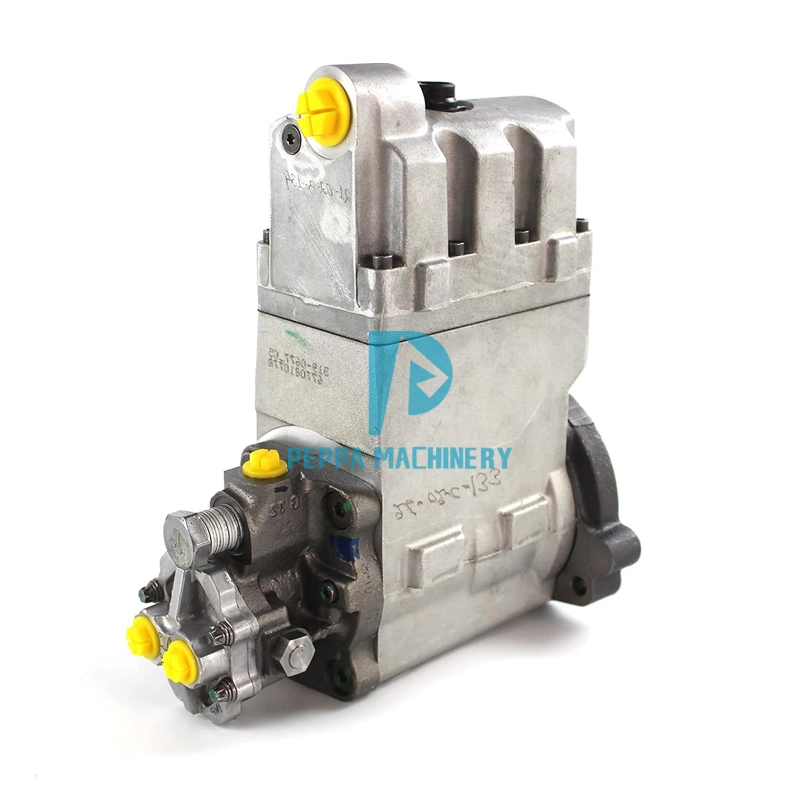
Fuel Feed / Transfer Pump Assembly for Caterpillar C7 & C9 Engines | Direct Replacement for OEM Parts #319-0678, 254-4358, 304-0678, 295-4778, 228-589
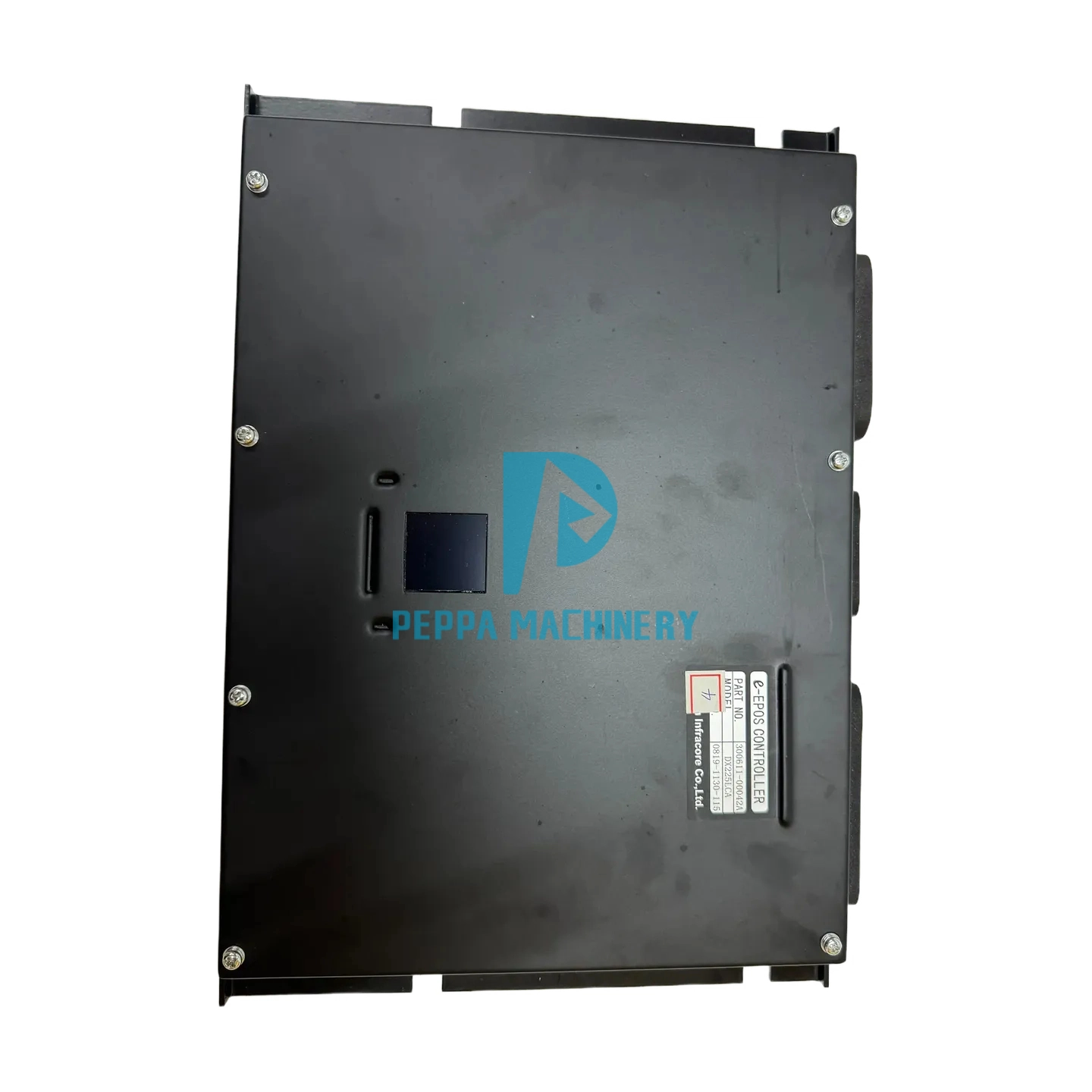
Excavator Accessories Excavator Controller DX225 DX225LCA E-EPOS Controller Computer Board 300611-00042 K1026740 K1001369C K1056425 ECU ECM

Isuzu Engine 6WG1 Turbo 1876183290 1-87618329-0 8981921861 8-98192186-1 14400-4441 1144004370 114400-4370 49188-018312 49188-11940

Reliable Source for Quality Excavator Components.
Follow Us
Our Partners


Our Payment Methods


 High Quality
 7/24 Service
 Guaranteed Warranty
 Scan QR Code
Facebook
TikTok
YouTube
Pinterest
Twitter