








The Ultimate 2026 Guide to Fuel Injection Pumps: Maintenance, Repair, and Performance
- What is a Fuel Injection Pump?
- Key Takeaways: Quick Summary for 2026
- Core Types of Fuel Injection Pumps
- How Fuel Injection Pumps Work: The Mechanics
- Expert Tips: Common Symptoms of a Failing Fuel Injection Pump
- 2026 Market Trends: Future-Proofing Heavy Machinery
- Industry-Leading Solutions for Excavators: Peppa Machinery
- Fuel Injection Pump Maintenance Guide
- Comparing Pump Repair vs. Replacement Strategies
- Conclusion
- FAQs About fuel injection pump
- How long does a fuel injection pump last?
- What causes a fuel injection pump to fail?
- Can a fuel injection pump be repaired or should it be replaced?
- How much does it cost to replace a fuel injection pump?
- What is the difference between an inline pump and a rotary pump?
- How does a common rail injection system work?
- Why is fuel pump atomization important for diesel engines?
- How do I choose the right wholesale supplier for heavy machinery fuel pumps?
What is a Fuel Injection Pump?
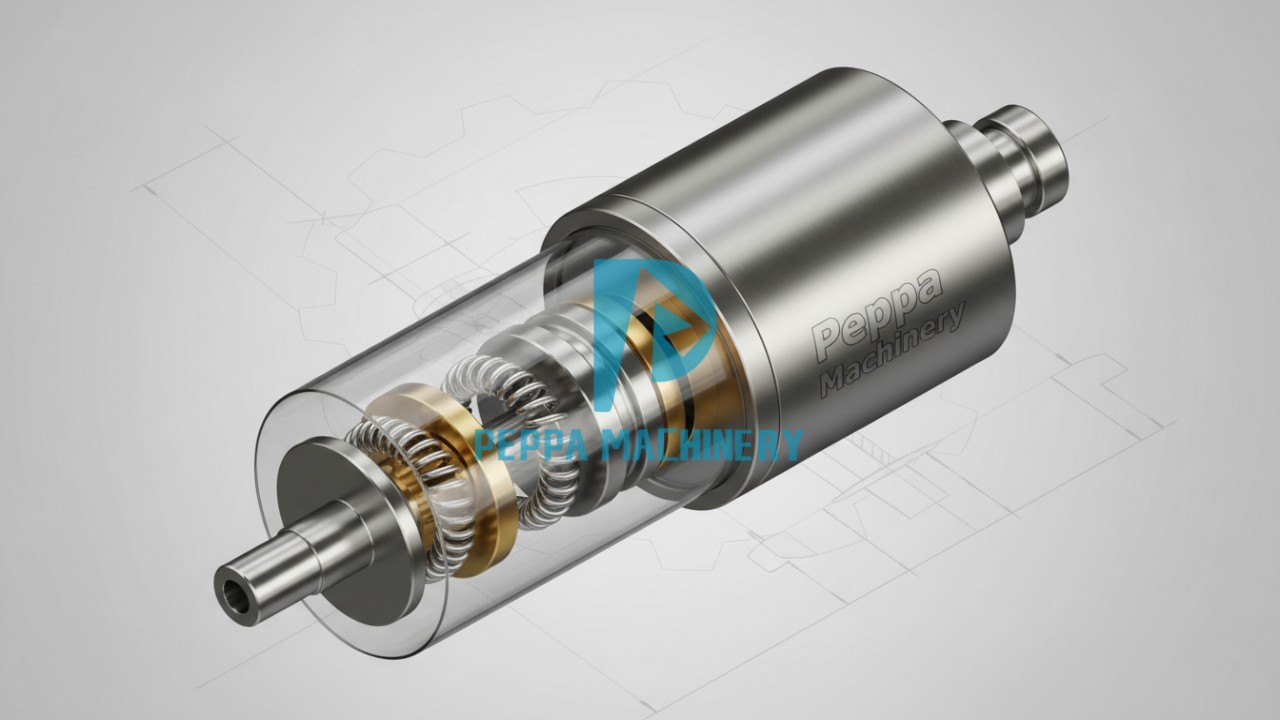
A fuel injection pump is a critical mechanical or electronic component in internal combustion engines, particularly diesels, responsible for delivering fuel into the cylinders. It precisely meters, pressurizes, and distributes fuel at the exact moment required for optimal combustion.
By replacing outdated carburetors and low-pressure delivery systems, modern injection pumps ensure maximum fuel efficiency and compliance with strict global emission standards. The fundamental evolution of these systems, as reported by Wikipedia, shifted automotive and industrial engines away from carburetion by atomizing fuel under high pressure through a small nozzle directly into the combustion chamber. This technological leap allows heavy machinery to achieve greater horsepower while consuming significantly less fuel.
Key Takeaways: Quick Summary for 2026
In 2026, fuel injection systems are highly reliant on Electronic Control Units (ECUs) and common rail technology to maximize efficiency and minimize emissions. Predictive maintenance, driven by smart diagnostics, is now essential for slashing heavy machinery downtime and operational costs.
- Technological Dominance: Fuel injection systems in 2026 are completely reliant on Electronic Control Units (ECUs) and advanced common rail technology.
- Smart Diagnostics: Predictive maintenance is actively slashing heavy machinery downtime by catching pressure anomalies before catastrophic failure occurs.
- Strategic Sourcing: Partnering with experienced wholesale suppliers like Peppa Machinery guarantees fast access to high-quality, OEM-standard replacement parts.
- Performance Upgrades: Upgrading to newer pump iterations drastically improves cold-start performance, lowers overall fuel costs, and extends engine lifespan.
Core Types of Fuel Injection Pumps
The core types of fuel injection pumps include inline pumps, distributor rotary pumps, unit injectors, and common rail systems. Each distinct variation is engineered to meet specific pressurization and delivery requirements across different engine sizes, emission standards, and industrial applications.
- Inline Injection Pumps: These are traditional heavy-duty pumps featuring individual mechanical plungers for each cylinder. They are legendary for their extreme durability in harsh industrial engines and older excavators.
- Distributor (Rotary) Pumps: These are compact systems utilizing a single central injection rotor to distribute fuel to all cylinders. They are more common in light to medium-duty vehicles due to their lighter weight.
- Common Rail Systems: These are modern accumulator systems that separate pressure generation from the actual injection event. They provide ultra-high pressure—often exceeding 29,000 psi, according to documentation on Wikipedia—and utilize precise electronic timing for unparalleled emissions control.
- Unit Injectors: These systems efficiently combine the high-pressure pump and the injector nozzle into a single compact component, completely eliminating the need for external high-pressure fuel lines.
How Fuel Injection Pumps Work: The Mechanics
Fuel injection pumps operate by pulling low-pressure fuel from the tank, utilizing mechanical plungers to pressurize it, and metering the exact required volume. The highly pressurized fuel is then atomized through the injector nozzle into a fine, combustible mist.
- Low-Pressure Delivery: The process begins when the lift pump successfully pulls diesel fuel from the main tank and pushes it through a series of primary and secondary filters to reach the main injection pump.
- Pressurization: Mechanical plungers, radial pistons, or high-pressure gears vigorously compress the fuel to extremely high pressures, often exceeding 30,000 PSI in modern 2026 diesel applications.
- Metering and Timing: The pump's internal mechanics or the connected ECU dynamically regulate the exact volume of fuel and the precise millisecond it must be delivered based on current engine load, speed, and temperature.
- Atomization: Finally, the high-pressure fuel is forcefully pushed through the microscopic holes of the injector nozzle, turning the liquid into a highly combustible fine mist for clean, efficient power generation.
Expert Tips: Common Symptoms of a Failing Fuel Injection Pump
Common symptoms of a failing fuel injection pump include hard starting, engine sputtering or misfiring under load, and drastically poor fuel economy. Identifying these distinct warning signs early is absolutely crucial for effective fuel injection pump troubleshooting and preventing total engine failure.
- Hard Starting: Difficulty starting the engine, especially in cold weather environments, is a massive red flag. This indicates poor fuel atomization or a severe loss of pressure within the pump's internal chambers.
- Engine Sputtering or Misfiring: Inconsistent fuel delivery inevitably causes the engine to hesitate, surge, or misfire when operating under heavy industrial loads.
- Poor Fuel Economy: Worn internal plungers or faulty electronic modules frequently lead to excessive fuel consumption, which is visibly accompanied by thick black smoke billowing from the exhaust.
- Common Mistake: The most devastating mistake operators make is ignoring routine fuel filter replacements. This negligence allows microscopic dirt, rust, and debris to permanently destroy the precision-machined internals of the pump.
2026 Market Trends: Future-Proofing Heavy Machinery
The 2026 market trends for heavy machinery emphasize the integration of AI and IoT for real-time predictive maintenance, compatibility with hybrid powertrains, and strict adherence to new emission standards. These technological advancements dramatically minimize downtime while maximizing environmental compliance.
- AI and IoT Integration: Smart sensors are now actively monitoring pump health, temperature, and pressure in real-time. This allows fleet managers to predict failures before they happen in excavators and heavy tractors.
- Stricter Emission Compliances: Manufacturers are rolling out new pump designs optimized to meet stringent Tier 4 and Tier 5 emission standards outlined by the Environmental Protection Agency. These systems utilize precise multi-stage injection events to drastically cut particulate matter.
- Hybrid Compatibility: We are seeing a massive surge in the seamless integration of traditional diesel injection systems with hybrid-electric powertrains, specifically engineered for modern industrial construction equipment.
Industry-Leading Solutions for Excavators: Peppa Machinery
When heavy machinery unexpectedly breaks down, sourcing reliable replacement parts quickly is critical to your operation. Guangzhou Peiqi Machinery Equipment CO,LTD, known globally as Peppa Machinery, provides an industry-leading One-stop excavator parts solution for global buyers seeking genuine and OEM components.
With over 15 years of deep industry experience, Peppa Machinery stands at the forefront of the heavy equipment sector. We understand that every single customer has highly unique needs when dealing with catastrophic engine failures. That is precisely why our customized service support is heavily designed to provide tailored solutions that ensure maximum operational efficiency.
Our extensive inventory supports world-renowned brands such as Caterpillar, Komatsu, Cummins, Isuzu, Mitsubishi, and Hino. Whether your fleet requires engine cylinder sleeve components, robust turbochargers, or specialized oil pumps, we have the exact parts ready to ship. By leveraging our massive global network, managers looking for excavator engine parts wholesale can confidently reduce their operational downtime, secure high-performance replacement parts, and drastically lower their long-term maintenance overhead.
Fuel Injection Pump Maintenance Guide
A comprehensive fuel injection pump maintenance guide requires utilizing high-quality uncontaminated fuel, adhering strictly to regular filter replacement schedules, and effectively bleeding air from the system. Consistent routine maintenance and professional calibration prevent catastrophic wear on internal precision components.
- Use High-Quality Fuel: You must always use uncontaminated diesel fuel. Consider utilizing advanced lubricity additives to actively protect the high-friction internal mechanical parts of the pump from premature scoring.
- Regular Filter Changes: Swap out primary and secondary fuel filters strictly according to OEM schedules. This is the only proven method to prevent water ingress and abrasive debris from destroying the unit.
- Bleed the System: Ensure all trapped air is meticulously bled from the high-pressure fuel lines after any service is performed. Air pockets cause severe cavitation damage to the injector nozzles.
- Professional Calibration: Have older mechanical inline and rotary pumps rigorously tested and calibrated on a specialized test bench every 3,000 to 5,000 hours of operation.
Comparing Pump Repair vs. Replacement Strategies
Conclusion
Fuel injection pumps are the beating heart of diesel and high-performance engines, demanding strict maintenance and timely repairs to ensure longevity. As we move further into 2026, embracing advanced common rail injection systems and partnering with reliable wholesale suppliers is the absolute key to maximizing machinery performance.
Contact us today to optimize your fuel injection pump strategy.
FAQs About fuel injection pump
How long does a fuel injection pump last?
A well-maintained fuel injection pump can last upwards of 100,000 to 150,000 miles in passenger vehicles. In heavy machinery and excavators, they typically last between 6,000 to 10,000 operating hours, provided clean fuel and regular filter changes are maintained.
What causes a fuel injection pump to fail?
The most common cause of failure is fuel contamination from dirt, water, or rust, which heavily scores the high-precision internal components. Other primary causes include running the fuel tank dry (which completely removes essential lubrication), poor fuel quality, and sudden electrical failures in the Electronic Control Unit (ECU).
Can a fuel injection pump be repaired or should it be replaced?
Many traditional inline and rotary pumps can be successfully rebuilt or repaired by specialized technicians who systematically replace worn seals, plungers, and springs. However, modern high-pressure common rail pumps often require full replacement or highly specialized OEM remanufacturing due to the extreme micro-tolerances involved.
How much does it cost to replace a fuel injection pump?
Costs vary wildly depending on the specific application. A consumer automotive pump might cost anywhere from $500 to $1,500 including labor. For heavy-duty machinery like excavators or commercial trucks, replacement pumps and the associated installation labor can range from $1,500 to well over $4,000.
What is the difference between an inline pump and a rotary pump?
An inline pump strategically uses individual plungers arranged in a straight line for each engine cylinder, making it quite bulky but incredibly durable for heavy-duty industrial use. A rotary (distributor) pump uses a single central plunger and a rotating distributor to carefully route fuel to all cylinders, making it significantly lighter and more compact.
How does a common rail injection system work?
Instead of actively generating pressure for each individual injection event, a high-pressure pump continuously supplies fuel to a shared 'rail' or accumulator. Electronic injectors then rapidly open and close on command from the ECU, drawing highly pressurized fuel directly from this shared rail for incredibly precise, multi-stage combustion.
Why is fuel pump atomization important for diesel engines?
Atomization turns liquid fuel into microscopic droplets. The smaller the droplets, the more surface area is exposed to the intensely hot compressed air inside the cylinder. This ensures rapid, complete, and exceptionally clean combustion, which naturally maximizes horsepower while simultaneously minimizing soot and unburned hydrocarbon emissions.
How do I choose the right wholesale supplier for heavy machinery fuel pumps?
Look for established suppliers with deep industry experience (10+ years) and a highly proven track record of providing OEM and genuine imported parts. Partners like Peppa Machinery seamlessly offer customized service, a broad inventory covering major global brands like Caterpillar and Cummins, and exceptionally reliable global shipping.

The Ultimate Excavator Parts List: 50+ Critical Components Every Operator Must Know [Diagrams Included]
Maintenance Checklist to Extend Excavator Fuel Pump Life
Electric vs Mechanical Fuel Pumps: Excavator Performance
OEM vs Aftermarket Excavator Alternators: Pros and Cons
Excavator Parts
What brands of excavator parts do you supply?
We supply a full range of parts compatible with major international and Chinese brands, including Caterpillar, Komatsu, Hitachi, Volvo, Doosan, Hyundai, Sany, Liugong, XCMG, Zoomlion, and more.
Can I get help choosing the right parts for my machine?
Yes. Our experienced sales team is here to provide professional recommendations and solutions based on your excavator model, part number, or specific requirements.
What types of parts do you mainly offer?
Our main product categories include:
• Engine parts (liner kits, crankshafts, water/oil pumps, etc.)
• Electrical parts (sensors, monitors, throttle motors, wiring harnesses)
• Hydraulic parts (pumps, valves, cylinders)
• Sealing kits (NOK, SKF, PQ brands, floating seals, O-rings)
Do you provide technical support or installation guidance?
While we do not offer on-site installation, we can provide basic technical advice, diagrams, or documentation to assist your technicians with installation and troubleshooting.
How can I verify compatibility before placing an order?
Please provide us with your machine brand, model number, and the part number (if available). Our team will double-check the compatibility to ensure you receive the correct parts.
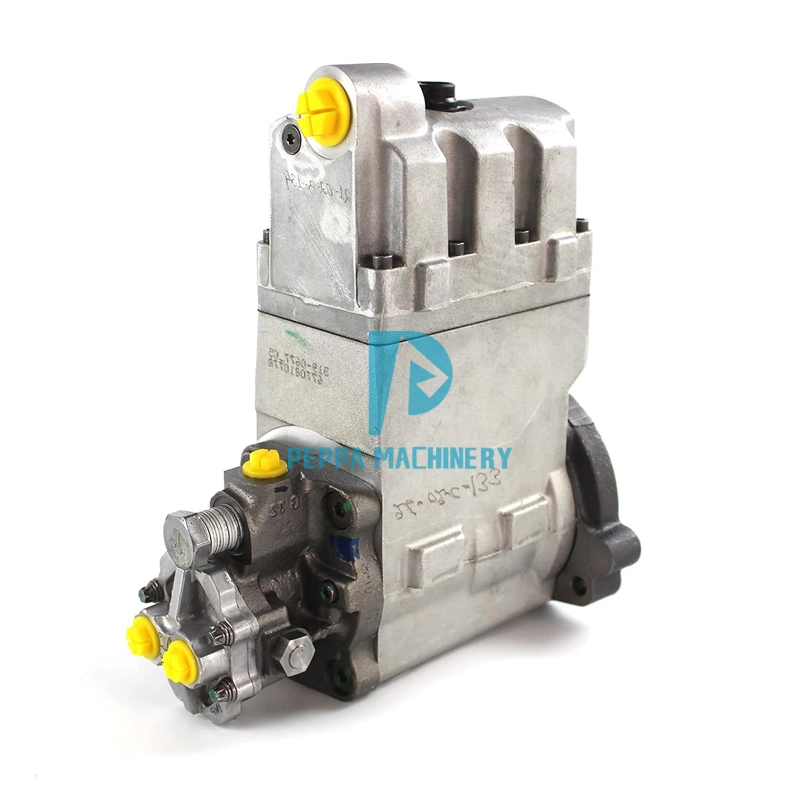
Fuel Feed / Transfer Pump Assembly for Caterpillar C7 & C9 Engines | Direct Replacement for OEM Parts #319-0678, 254-4358, 304-0678, 295-4778, 228-589
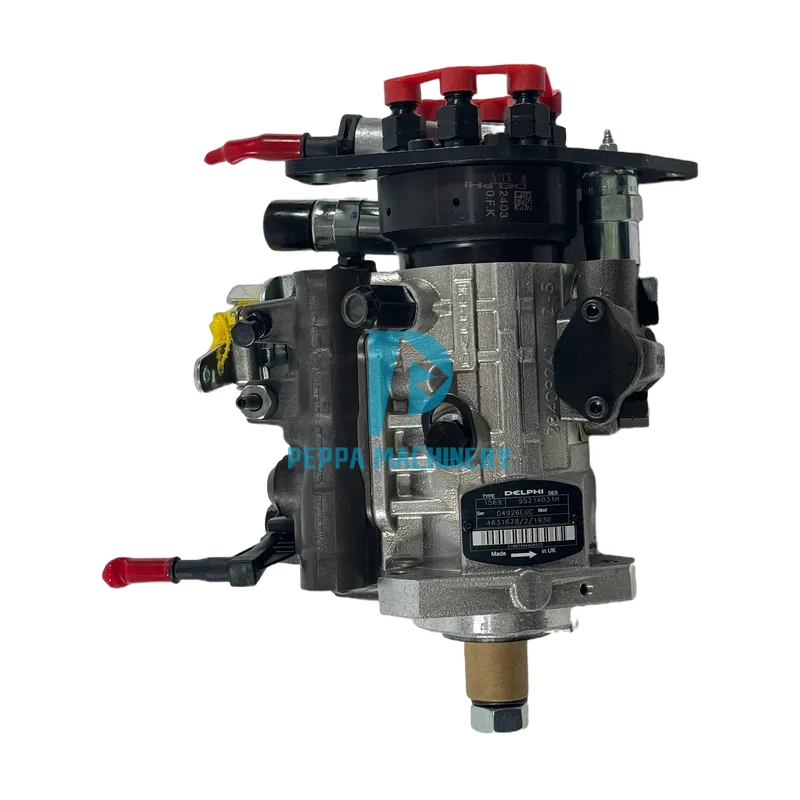
Fuel Injection Pump Assembly | Direct Replacement for Cat® C7.1 Engine (OEM #398-1498 & 463-1678) | Fits 320D2 / E320D2 Excavators
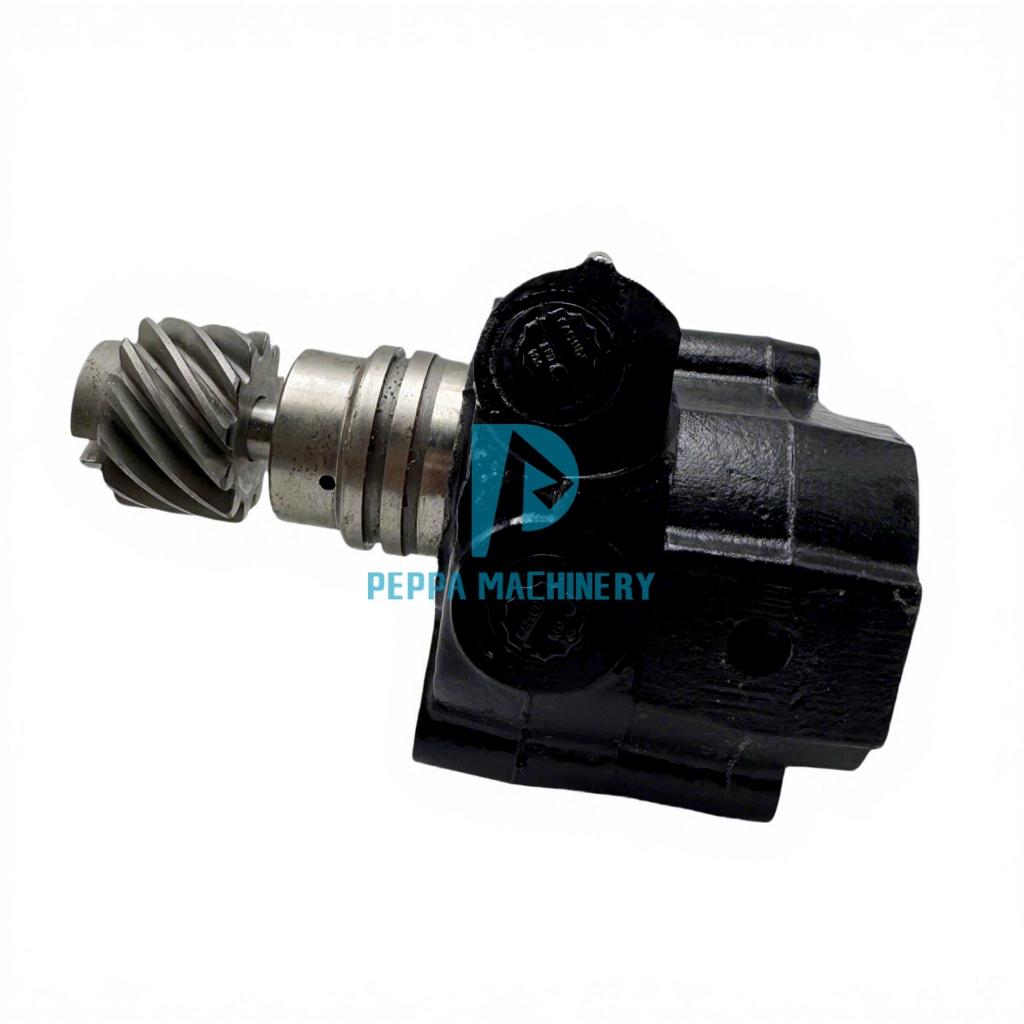
Caterpillar 3412C / 3408 Engine Fuel Injection Pump | Replacement Part #105-7573

Isuzu SP 4JG1 4JG2 4JG3 Cylinder Liner 1876182070 1-87618207-0 1876182080 1-87618208-0 1876182100 1-87618210-0

Reliable Source for Quality Excavator Components.
Follow Us
Our Partners


Our Payment Methods


 High Quality
 7/24 Service
 Guaranteed Warranty
 Scan QR Code
Facebook
TikTok
YouTube
Pinterest
Twitter