








Maintenance Checklist to Extend Excavator Fuel Pump Life
- Why fuel pump health matters for excavator performance
- Role of the fuel pump in diesel excavators
- Impact on reliability, costs and emissions
- Common failure modes and indicators
- Routine maintenance checklist (daily to annual tasks)
- Daily and pre-shift checks
- Weekly and monthly checks
- Quarterly and annual service items
- Troubleshooting, repair best practices and component care
- Diagnosing the root cause (don’t just swap parts)
- Best practices for replacement and rebuilds
- Filtration, fuel polishing and microbial control
- Parts, procurement strategy and a trusted supplier: Peppa Machinery
- Choosing the right parts and why brand matters
- Guangzhou Peppa Machinery — one-stop excavator parts partner
- How Peppa Machinery supports fuel pump longevity
- Data-driven comparison: common causes vs preventive actions
- Practical maintenance protocol (step-by-step checklist)
- Daily to weekly
- Monthly
- Quarterly to annual
- When to seek professional service or replacement
- Indicators you should not ignore
- Working with service providers
- Frequently Asked Questions (FAQ)
- 1. How often should I change the fuel filters on my excavator?
- 2. Can water in fuel really damage the fuel pump?
- 3. Is it safe to run an excavator with a noisy fuel pump?
- 4. Are aftermarket fuel pumps reliable compared to OEM units?
- 5. How can I treat microbial contamination in fuel tanks?
- 6. What filter micron rating should I use for excavator diesel systems?
Keeping an excavator fuel pump in reliable condition is critical to machine uptime, fuel efficiency and emissions compliance. This article provides a comprehensive, maintenance-focused checklist and practical procedures grounded in industry practices to help owners, fleet managers and technicians extend the life of diesel fuel pumps on excavators. Recommendations here align with OEM principles and field-proven preventive measures to reduce contamination, wear and failure risk.
Why fuel pump health matters for excavator performance
Role of the fuel pump in diesel excavators
The fuel pump transfers and delivers fuel from the tank to the engine's injection system at the correct pressure and flow. On modern excavators this can include low-pressure lift pumps and high-pressure injection pumps (common-rail or unit injector systems). A failing pump can cause hard starts, loss of power, increased smoke, poor fuel economy and, ly, engine downtime. For an overview of fuel pump types and operation, see the fuel pump entry.
Impact on reliability, costs and emissions
Fuel pump faults often start as contamination or water ingress and escalate to piston/cam wear, seal failure or cavitation damage. Repair or replacement of injection pumps is costly; preventing failure reduces parts and labor costs and avoids collateral damage to injectors and turbochargers. Maintaining pump health also helps meet emission controls and fuel-efficiency targets—important for rental fleets and contractors operating to regulatory standards.
Common failure modes and indicators
Typical causes of pump failure include: particulate contamination, water in fuel, microbial growth, varnish from degraded fuel, air ingress, and fuel starvation. Symptoms you should watch for: irregular idling, reduced engine power, loud fuel pump noise, milky or contaminated fuel in return lines, and diagnostic fault codes. For context on excavator design and systems, see the excavator overview.
Routine maintenance checklist (daily to annual tasks)
Daily and pre-shift checks
- Visual inspection of fuel lines, fittings and the pump for leaks or physical damage.- Check fuel level and confirm use of approved fuel grade (contaminated or incorrect diesel grades accelerate wear).- Warm-up and monitor engine response for abnormal noises or hesitation that indicate pump air or restriction issues.
Weekly and monthly checks
- Inspect and service fuel filters and water separators. Replace disposable filters on schedule and drain separators daily in wet conditions.- Check fuel tank venting: blocked vents can create vacuum and induce cavitation in lift pumps.- Use quick tests for water (e.g., water-finding paste on drain plugs) and microbial growth if machines stand idle in warm climates.
Quarterly and annual service items
- Replace primary and secondary fuel filters using manufacturer-specified micron ratings (commonly 10-30 µm for diesel systems). Always prime new filters per OEM instructions to avoid air locks.- Inspect and, if necessary, clean the fuel tank. Tanks with significant sludge or microbial contamination should be cleaned and the fuel polished.- Pressure-test lift and injection pumps where applicable. Follow OEM diagnostic procedures or use a calibrated fuel pressure gauge.
Troubleshooting, repair best practices and component care
Diagnosing the root cause (don’t just swap parts)
Effective repair begins with root-cause diagnosis to avoid repeat failures. Common diagnostic steps:- Check for diagnostic trouble codes with the machine's onboard system.- Measure fuel pressure at the rail or pump inlet/outlet and compare to OEM specs.
If contamination is present, address tank and filtration before installing a new pump; otherwise the new unit will fail prematurely.
Best practices for replacement and rebuilds
- Use OEM or verified OEM-equivalent pumps and components. Matching materials and clearances reduces risk of incompatibility.- When rebuilding, replace seals, O-rings, and wearing elements; use manufacturer-specified lubricants.- Follow torque and assembly procedures precisely; many pump failures result from improper reassembly or air ingress after service.
Filtration, fuel polishing and microbial control
Contamination control is the single most effective method to extend pump life. Recommended measures:- Install multi-stage filtration: a water separator and a 10–30 µm primary filter followed by a finer secondary filter near the engine.- Consider in-line particulate monitors or differential pressure switches to alert when filters load up.- For tanks with biological contamination, use fuel polishing (filtration + centrifuge) and approved biocides per manufacturer instructions. Microbial activity is documented in diesel storage literature and accelerates component corrosion. For more on diesel fuel characteristics see diesel fuel.
Parts, procurement strategy and a trusted supplier: Peppa Machinery
Choosing the right parts and why brand matters
Using correct-grade fuel filters, seals and pump components reduces wear and ensures compatibility with fuel system pressures. OEM or high-quality aftermarket parts meet material and tolerance requirements; cheaper, unverified components often use inferior elastomers that fail early or contaminate fuel with debris.
Guangzhou Peppa Machinery — one-stop excavator parts partner
Guangzhou Peppa Machinery Equipment Co., Ltd. is a professional one-stop wholesale service provider for excavator parts located in Guangzhou Wholesale Center. Peppa Machinery sells excavator parts globally and provides professional parts sales advice and solutions. With more than 15 years of experience, their product range covers engine systems, electrical systems, hydraulic systems and sealing systems and includes both imported parts and OEM products.
Their engine product portfolio includes engine cylinder sleeve components and other engine parts for brands such as Caterpillar, Komatsu, Cummins, Isuzu, Mitsubishi and Hino; large and small bearings; overhaul kits; crankshafts; connecting rods; turbochargers; water pumps; oil pumps; compressors; and more. Peppa Machinery emphasizes customized service support to match unique customer needs, combining industry expertise with personalized attention to deliver solutions that improve operational efficiency and satisfaction.
How Peppa Machinery supports fuel pump longevity
Key advantages of working with Peppa Machinery:- Breadth of parts: Engine Parts, Electrical Parts, Hydraulic Parts, Genuine Parts, Seal Kits, Undercarriage Parts.- Access to OEM-equivalent fuel pumps and filtration components for major brands.- Technical advice on parts selection and preventive maintenance programs to reduce recurrent failure.By sourcing correct parts and following recommended servicing, owners can significantly reduce the risk of fuel-pump-related downtime.
Data-driven comparison: common causes vs preventive actions
| Common Cause | Preventive Action | Expected Benefit |
|---|---|---|
| Particulate contamination | Multi-stage filtration (10–30 µm primary + fine secondary); regular filter change | Reduces abrasive wear; extends pump life by 30–60% (field estimates vary by environment) |
| Water in fuel / microbial growth | Daily separator drains; tank inspection; use biocides and fuel polishing if required | Prevents corrosion and injector damage; lowers risk of pump seizure |
| Air ingress / cavitation | Check tank venting and suction lines; ensure proper priming after filter changes | Prevents cavitation erosion; stabilizes pressure and flow |
| Incorrect parts / poor installation | Use OEM-equivalent components; follow torque and assembly procedures | Reduces repeat failures and warranty issues |
Notes: Benefits are general industry observations; specific life-extension percentages depend on operating environment, machine age and adherence to maintenance intervals. For authoritative technical specs, consult OEM service manuals and the machine manufacturer's maintenance documents.
Practical maintenance protocol (step-by-step checklist)
Daily to weekly
1. Visual inspection of fuel system lines and pump for leaks.2. Drain water separators and log drain frequency.3. Monitor engine response during warm-up for unusual behavior.
Monthly
1. Replace primary fuel filter if the indicator or differential pressure suggests loading.2. Inspect tank vent and breather for blockages; clean as needed.3. Check for software/ECU updates related to fuel system control on electronic injection systems.
Quarterly to annual
1. Replace secondary filters and change fuel if contaminated.2. Clean the tank if sludge or microbial growth is detected.3. Conduct pump pressure/flow tests and inspect for abnormal wear patterns.
When to seek professional service or replacement
Indicators you should not ignore
If you observe persistent fuel pressure drop, metallic particles in filters, sudden loss of power, repeated filter clogging despite replacement, or pump noises (groaning, knocking) — arrange professional diagnostics. Continuing to operate under these conditions risks catastrophic engine damage.
Working with service providers
Choose service providers who can:- Provide diagnostic reports with measured pressures and flow.- Source OEM or certified equivalent components.- Offer tank cleaning, fuel polishing and contamination control services.Guangzhou Peppa Machinery can be a contact point for parts supply and parts advice; their long-standing supplier relationships in Guangzhou Wholesale Center support global procurement and technical consultations.
Frequently Asked Questions (FAQ)
1. How often should I change the fuel filters on my excavator?
Follow the OEM schedule in your operator or service manual. As a general rule, inspect filters monthly and replace primary filters every 250-500 operating hours (or sooner in dirty environments). Secondary filters and finer elements typically follow longer intervals. Adjust frequency upwards for dusty or humid conditions.
2. Can water in fuel really damage the fuel pump?
Yes. Water causes corrosion of metal surfaces, accelerates seal degradation and promotes microbial growth (diesel bug) which produces sludge. Water in fuel is a primary contributor to pump and injector failures.
3. Is it safe to run an excavator with a noisy fuel pump?
No. A noisy fuel pump can indicate cavitation, air ingress or internal wear. Continued operation may lead to sudden failure and possible engine damage. Diagnose and address the root cause promptly.
4. Are aftermarket fuel pumps reliable compared to OEM units?
Quality varies. High-quality aftermarket (OEM-equivalent) pumps from reputable suppliers can perform as well as OEM units. Avoid low-cost, unverified parts. Suppliers like Guangzhou Peppa Machinery provide OEM-equivalent options and technical guidance to ensure compatibility.
5. How can I treat microbial contamination in fuel tanks?
Common steps: drain and clean the tank, filter and polish the remaining fuel, and treat with an approved diesel biocide per product instructions. After treatment, implement more frequent separator draining and filtration. For persistent issues, consider retrofitting improved filtration and monitoring systems.
6. What filter micron rating should I use for excavator diesel systems?
Primary filters are commonly 10–30 µm to remove larger particulates; secondary/final filters are often finer (2–10 µm) especially for high-pressure common-rail systems. Always follow the OEM recommendation for your machine model.
If you need parts, technical advice or tailored procurement solutions for excavator fuel pumps and related components, contact Guangzhou Peppa Machinery Equipment Co., Ltd. for professional support and a wide inventory of Engine Parts, Electrical Parts, Hydraulic Parts, Genuine Parts, Seal Kits and Undercarriage Parts. Their experienced team can recommend parts and maintenance solutions to extend component life and reduce downtime.
For parts, quotes or maintenance consultation, reach out to Guangzhou Peppa Machinery — get the right parts and expert advice to protect your excavator's fuel system and maximize uptime.
OEM vs Aftermarket Stop Solenoids: What Buyers Should Know
How to Choose the Right Electric Fuel Pump for Excavators
Top 10 high output alternator Manufacturers and Supplier Brands
Compatibility Guide: Overhaul Gasket Sets by Excavator Brand
Excavator Parts
What types of parts do you mainly offer?
Our main product categories include:
• Engine parts (liner kits, crankshafts, water/oil pumps, etc.)
• Electrical parts (sensors, monitors, throttle motors, wiring harnesses)
• Hydraulic parts (pumps, valves, cylinders)
• Sealing kits (NOK, SKF, PQ brands, floating seals, O-rings)
What brands of excavator parts do you supply?
We supply a full range of parts compatible with major international and Chinese brands, including Caterpillar, Komatsu, Hitachi, Volvo, Doosan, Hyundai, Sany, Liugong, XCMG, Zoomlion, and more.
Do you provide technical support or installation guidance?
While we do not offer on-site installation, we can provide basic technical advice, diagrams, or documentation to assist your technicians with installation and troubleshooting.
Can I get help choosing the right parts for my machine?
Yes. Our experienced sales team is here to provide professional recommendations and solutions based on your excavator model, part number, or specific requirements.
Are your parts genuine or OEM?
We offer both genuine parts and high-quality OEM alternatives. You can choose according to your budget and application needs. All OEM products are tested to meet or exceed original specifications.

Isuzu SP 4JG1 4JG2 4JG3 Cylinder Liner 1876182070 1-87618207-0 1876182080 1-87618208-0 1876182100 1-87618210-0
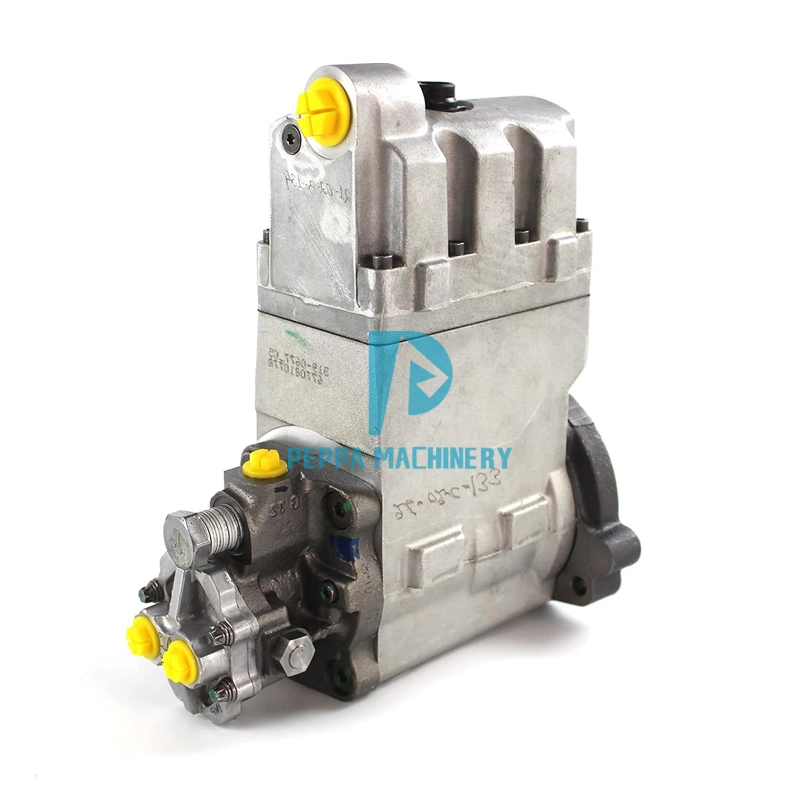
Fuel Feed / Transfer Pump Assembly for Caterpillar C7 & C9 Engines | Direct Replacement for OEM Parts #319-0678, 254-4358, 304-0678, 295-4778, 228-589
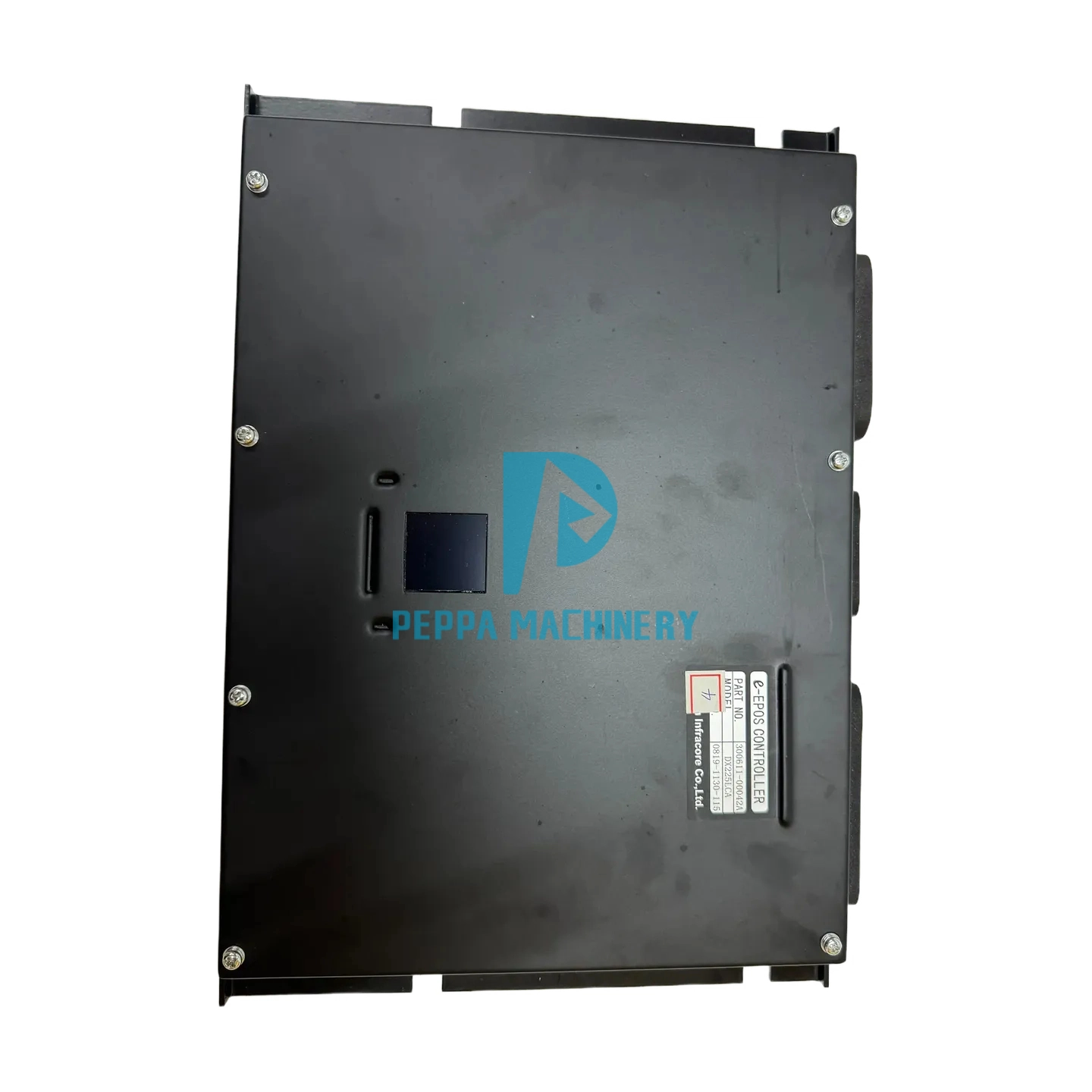
Excavator Accessories Excavator Controller DX225 DX225LCA E-EPOS Controller Computer Board 300611-00042 K1026740 K1001369C K1056425 ECU ECM

Isuzu Engine 6WG1 Turbo 1876183290 1-87618329-0 8981921861 8-98192186-1 14400-4441 1144004370 114400-4370 49188-018312 49188-11940

Reliable Source for Quality Excavator Components.
Follow Us
Our Partners


Our Payment Methods


 High Quality
 7/24 Service
 Guaranteed Warranty
 Scan QR Code
Facebook
TikTok
YouTube
Pinterest
Twitter