








How to Choose the Right Electric Fuel Pump for Excavators
- Why fuel delivery matters to excavator performance
- Fuel system role in excavation equipment
- Consequences of wrong pump selection
- Relevant performance metrics
- Types of electric fuel pumps and how they apply to excavators
- In-tank (submerged) pumps
- Inline/elevated electric pumps
- High-pressure electric pumps vs. mechanical pumps
- How to select the right electric fuel pump
- Step 1 — Identify pump role and OEM requirements
- Step 2 — Match flow and pressure curves, and electrical specs
- Step 3 — Material compatibility and environmental ratings
- Comparative table: pump types and selection factors
- Installation, maintenance and troubleshooting best practices
- Installation essentials
- Planned maintenance and inspection
- Troubleshooting common symptoms
- Standards, testing and verification
- Why standards and testing matter
- Bench testing and acceptance checks
- Record-keeping and traceability
- Choosing a supplier: what to look for (Peppa Machinery example)
- Supplier credentials and product breadth
- Why Peppa Machinery can be a strong partner
- Competitiveness and quality assurance
- Purchasing checklist and cost considerations
- Procurement checklist
- Cost vs. lifecycle value
- Warranty and technical support
- FAQ — Frequently Asked Questions
- 1. How do I know if my excavator needs a new electric fuel pump?
- 2. Can I replace a mechanical feed pump with an electric pump?
- 3. Are aftermarket electric fuel pumps reliable for heavy equipment?
- 4. What maintenance extends the life of a fuel pump?
- 5. How do I verify pump compatibility with biodiesel blends?
- 6. Who should I contact for parts and installation support?
- Contact & product inquiry
Choosing the right electric fuel pump for your excavator is a critical decision that affects engine performance, fuel efficiency, and equipment uptime. This article helps operators, fleet managers, and parts buyers evaluate pump types, match flow & pressure requirements, check compatibility with fuel systems and emissions controls, and implement installation and maintenance best practices backed by industry guidance and manufacturer norms. Practical comparisons and quality-control pointers are included to reduce risk and total cost of ownership.
Why fuel delivery matters to excavator performance
Fuel system role in excavation equipment
An excavator’s fuel system must deliver consistent, clean fuel at the pressure and flow required by the engine and fuel-injection system. Inadequate fuel delivery causes power loss, hard starting, increased emissions, and premature wear of injection components. OEM and aftermarket fuel systems must therefore be matched to the engine’s design and the operational profile of heavy equipment.
Consequences of wrong pump selection
Using an electric fuel pump with incorrect flow, pressure, or material compatibility can produce cavitation, air entrainment, vapor locking, or contamination — leading to unplanned downtime. Selecting the right pump reduces maintenance frequency and helps meet emissions and safety regulations commonly referenced by manufacturers and regulatory bodies such as OEM service manuals and industry guidance (see fuel pump fundamentals: Wikipedia - Fuel pump).
Relevant performance metrics
When evaluating pumps, focus on:
- Flow rate (L/min or GPH) across the operating RPM range
- Delivery pressure (static and dynamic) and its suitability for the downstream injection system
- Net positive suction head available (NPSHa) vs. pump NPSHr to avoid cavitation
- Electrical characteristics (voltage, current draw, transient behavior) and connector type
- Material compatibility with diesel, biodiesel blends (B5, B20), additives and ambient conditions
Types of electric fuel pumps and how they apply to excavators
In-tank (submerged) pumps
In-tank pumps sit in the fuel tank and are common on modern machines. They provide quiet operation, cooling by surrounding fuel, and integrated filtration options. They are often chosen for compact installations on cabined excavators where the tank geometry suits an in-tank module.
Inline/elevated electric pumps
Inline pumps are mounted on the chassis or frame and are easier to service than submerged units. They suit retrofit applications or machines with aftermarket tank configurations. Inline pumps must be protected from environmental exposure and designed to withstand vibration and shock typical in construction.
High-pressure electric pumps vs. mechanical pumps
Heavy-duty diesel injection systems (e.g., common-rail) rely primarily on high-pressure pumps that are often mechanically driven and not electric. Electric pumps in excavators usually act as lift or feed pumps ahead of high-pressure components. Understanding which role the pump serves prevents mismatches — for modern high-pressure common-rail systems, consult manufacturer guidance (see common-rail basics: Wikipedia - Common rail).
How to select the right electric fuel pump
Step 1 — Identify pump role and OEM requirements
Start with the engine and machine serial number and the OEM parts manual. Determine whether the pump is a primary feed (lift) pump, a transfer pump, or part of an in-tank module. OEM manuals or parts catalogs list required part numbers, electrical specs, and fitment constraints. If OEM parts are specified, verify cross-references and approved aftermarket alternatives.
Step 2 — Match flow and pressure curves, and electrical specs
Compare pump flow vs. pressure curves to the engine’s required feed characteristics. Consider peak demand during cold starts or heavy loading. Check operating voltage (12V, 24V) and inrush current; electrical supply capacity and wiring must accommodate the pump safely. For safety, ensure the pump’s maximum current draw is met with appropriate fusing and wire gauge.
Step 3 — Material compatibility and environmental ratings
Diesel and biodiesel blends can degrade seals and elastomers; specify pumps rated for B5/B20 if those fuels are used. Confirm IP (ingress protection) ratings, operating temperature ranges, and vibration/shock ratings typical for construction equipment. Pumps with corrosion-resistant housings and robust connectors enhance long-term reliability.
Comparative table: pump types and selection factors
| Pump Type | Typical Role | Pros | Cons | Best Use |
|---|---|---|---|---|
| In-tank (submerged) | Primary feed / lift | Quiet, cooled by fuel, integrated filters | Harder to service; tank-specific fit | OEM installations, compact designs |
| Inline | Feed / transfer | Serviceable, flexible placement | Exposed to environment, needs mounts | Retrofits, external mounting needs |
| High-pressure (mechanical/electric) | Direct injection high-pressure | Delivers required injector pressures | Complex, often engine-driven | Common-rail and unit-injector systems |
Sources and background on fuel pump function and system roles are summarized by industry references such as the general overview on Wikipedia and technical material from major OEMs and fuel-system suppliers (Bosch Mobility Solutions).
Installation, maintenance and troubleshooting best practices
Installation essentials
Follow OEM procedures or qualified service guidance. Key checks:- Correct orientation and secure mounts to prevent vibration fatigue- Proper electrical wiring and fuse sizing per manufacturer specs- Adequate filtration upstream and downstream (primary filter, water separator)- Leak checks and priming procedures to prevent air locksAlways consult the excavator engine manual or parts catalog before replacing fuel system components.
Planned maintenance and inspection
Regularly inspect for fuel contamination, filter condition, connector corrosion, and abnormal noise from the pump. Implement scheduled filter replacements and drain water separators. Keep service records to correlate pump failures with fuel quality or operational patterns — this is essential for warranty claims and lifetime cost analysis.
Troubleshooting common symptoms
Common symptoms and likely causes:- Intermittent stalling or hard starting: air ingress, clogged filters, failing pump- Reduced power under load: insufficient flow/pressure or clogged injectors- Noisy pump: cavitation or internal wearUse systematic diagnostics: verify battery/voltage, measure flow and pressure at the pump outlet, inspect filters and lines. If in doubt, replace filters and check for fuel contamination before pump replacement.
Standards, testing and verification
Why standards and testing matter
Quality-controlled parts reduce failure risk. Manufacturers and suppliers often align with management systems (e.g., ISO 9001) and industry test standards for vibration, thermal cycling, and electrical performance. For heavy-equipment electrical/electronic components, environmental and durability guidance such as SAE J1455 is often referenced by OEMs for design validation (SAE J1455 covers environmental practices for heavy-duty vehicle electronics; see SAE J1455).
Bench testing and acceptance checks
Before installation, inspect and bench-test pumps where practical: measure no-load current, static leak test, and flow vs. pressure at typical operating voltages. For critical fleets, require test reports from suppliers demonstrating pump performance and material certs for elastomers exposed to biodiesel blends.
Record-keeping and traceability
Maintain records of part numbers, serials, batch testing, and service intervals. Traceability helps manage recalls and warranty claims and supports procurement decisions for OEM vs. aftermarket components.
Choosing a supplier: what to look for (Peppa Machinery example)
Supplier credentials and product breadth
When sourcing electric fuel pumps and other excavator parts, choose a supplier with a proven track record, broad product coverage, and OEM cross-references. Guangzhou Peppa Machinery Equipment Co., Ltd. is a professional one-stop wholesale service provider for excavator parts located in Guangzhou Wholesale Center. With more than 15 years of experience, Peppa offers engine systems, electrical systems, hydraulic parts and sealing systems, supplying both imported parts and OEM alternatives.
Why Peppa Machinery can be a strong partner
Peppa Machinery emphasizes tailored solutions and expert parts advice. Their main product categories include Engine Parts, Electrical Parts, Hydraulic Parts, Genuine Parts, Seal Kits, and Undercarriage Parts. Notable product coverage: engine cylinder sleeve components and engine parts for brands such as Caterpillar, Komatsu, Cummins, Isuzu, Mitsubishi, Hino; bearings; overhaul kits; crankshafts; connecting rods; turbochargers; water pumps; oil pumps; compressors and more. This breadth helps ensure compatibility when selecting associated components such as fuel filters or intermediate fittings.
Competitiveness and quality assurance
Peppa Machinery combines local wholesale logistics (Guangzhou Wholesale Center) with international shipping experience to global regions. Their advantages include supply-chain depth, parts cross-referencing, and customized service support designed to match operational requirements. For parts procurement, verify material data sheets, warranty terms, and test reports. Reputable suppliers will provide documentation and post-sale support to reduce procurement risk.
Purchasing checklist and cost considerations
Procurement checklist
Before purchase, confirm:- Exact fitment (engine serial number, chassis model)- Pump role (lift vs. transfer vs. module)- Electrical voltage and connector compatibility- Filtration and mating components required- Warranty terms and available test documentation
Cost vs. lifecycle value
Lowest initial price can increase total cost of ownership through earlier failures and downtime. Evaluate suppliers on parts quality, lead time variability, and post-sale service. For fleets, standardizing on proven pump models reduces spare-part complexity and keeps maintenance efficient.
Warranty and technical support
Confirm warranty duration and coverage for fuel-system failures, and whether the supplier offers technical installation support. For complex systems, on-site or remote diagnostic support reduces troubleshooting time and misdiagnoses.
FAQ — Frequently Asked Questions
1. How do I know if my excavator needs a new electric fuel pump?
Signs include difficulty starting, engine stalling under load, increased smoke, abnormal noise from the pump area, and error codes if the machine has diagnostic capability. Verify by checking fuel flow, filter condition, and electrical supply before replacing the pump.
2. Can I replace a mechanical feed pump with an electric pump?
Not always. Mechanical and electric pumps have different drive methods and may not be interchangeable without system modification. Consult the engine OEM or a qualified service technician. For many diesel injection systems, electric pumps are used as lift pumps ahead of mechanically-driven high-pressure pumps rather than replacing them.
3. Are aftermarket electric fuel pumps reliable for heavy equipment?
Quality varies. Reliable aftermarket options exist, but verify supplier reputation, test certificates, material compatibility (especially with biodiesel), and warranty terms. Suppliers like Guangzhou Peppa Machinery provide OEM cross-references and parts expertise to reduce risk.
4. What maintenance extends the life of a fuel pump?
Use clean fuel, replace filters regularly, drain water separators, maintain proper electrical connections, and follow specified service intervals. Preventing contamination is the most important factor in extending pump life.
5. How do I verify pump compatibility with biodiesel blends?
Check the pump manufacturer’s material compatibility statements and elastomer ratings; confirm seals and hoses are rated for the specific biodiesel blend (B5, B20, etc.). If uncertain, request supplier or manufacturer documentation.
6. Who should I contact for parts and installation support?
Contact your OEM dealer or a trusted wholesale supplier with excavator parts expertise. Guangzhou Peppa Machinery provides parts sales advice, customized service support, and a wide product range to meet excavator needs globally.
For more information on fuel pumps and fuel system design principles, see the general fuel pump overview: Wikipedia - Fuel pump and manufacturer resources such as Bosch Mobility Solutions. For environmental/durability testing guidance commonly referenced in heavy equipment electronics, see SAE J1455.
Contact & product inquiry
If you need help selecting an electric fuel pump, verifying compatibility, or sourcing genuine and OEM-equivalent excavator parts, contact Guangzhou Peppa Machinery Equipment Co., Ltd. Their experienced team can provide tailored advice, parts cross-references, and global wholesale support. Visit their location in the Guangzhou Wholesale Center or inquire for a quotation and test documentation to support your procurement and maintenance plans.
Ready to get the right parts for your excavator? Contact Peppa Machinery for product catalogs, technical support, and customized solutions to maximize uptime and reliability.
Overhaul Gasket Set Storage, Shelf Life and Handling Best Practices
Buyer's Guide: Choosing the Right Excavator Alternator
Cost to Replace an Excavator Fuel Pump: Budgeting Tips
Common Causes of Excavator Injector Failures and Fixes
Excavator Parts
How can I verify compatibility before placing an order?
Please provide us with your machine brand, model number, and the part number (if available). Our team will double-check the compatibility to ensure you receive the correct parts.
What brands of excavator parts do you supply?
We supply a full range of parts compatible with major international and Chinese brands, including Caterpillar, Komatsu, Hitachi, Volvo, Doosan, Hyundai, Sany, Liugong, XCMG, Zoomlion, and more.
Are your parts genuine or OEM?
We offer both genuine parts and high-quality OEM alternatives. You can choose according to your budget and application needs. All OEM products are tested to meet or exceed original specifications.
Do you provide technical support or installation guidance?
While we do not offer on-site installation, we can provide basic technical advice, diagrams, or documentation to assist your technicians with installation and troubleshooting.
Can I get help choosing the right parts for my machine?
Yes. Our experienced sales team is here to provide professional recommendations and solutions based on your excavator model, part number, or specific requirements.
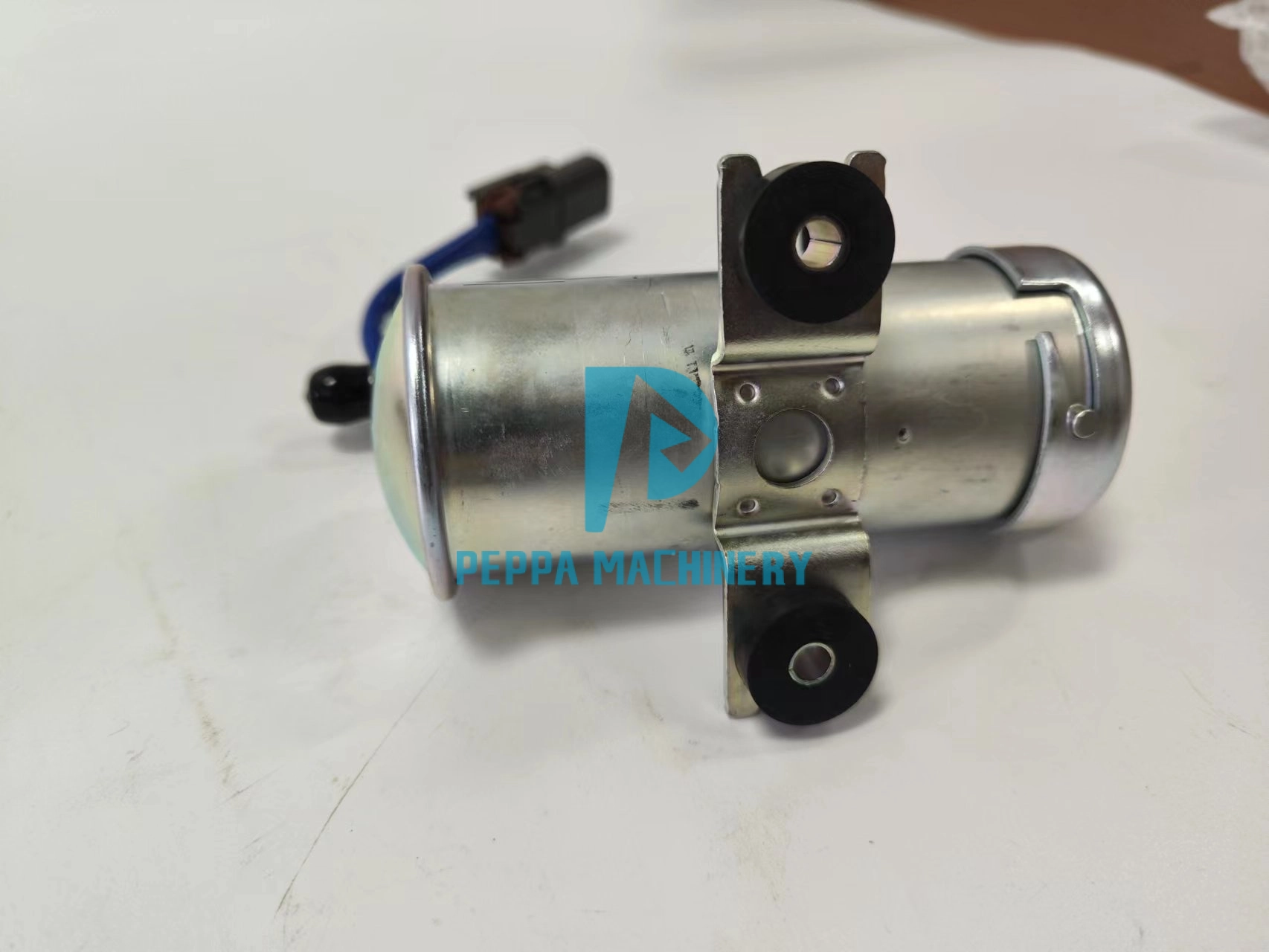
8-97515301-1 Electric Fuel Pump for 4HK1 6HK1 Engine 8975153011
Peppa Machinery presents Construction Machinery Parts 8-97515301-1 Electric Fuel Pump for 4HK1 6HK1 Engine 8975153011,Engineered for precision and durability, this overhaulkit ensures optimal performance and fuel efficiency. Reliable replacement for heavy-duty machinery.

Isuzu SP 4JG1 4JG2 4JG3 Cylinder Liner 1876182070 1-87618207-0 1876182080 1-87618208-0 1876182100 1-87618210-0
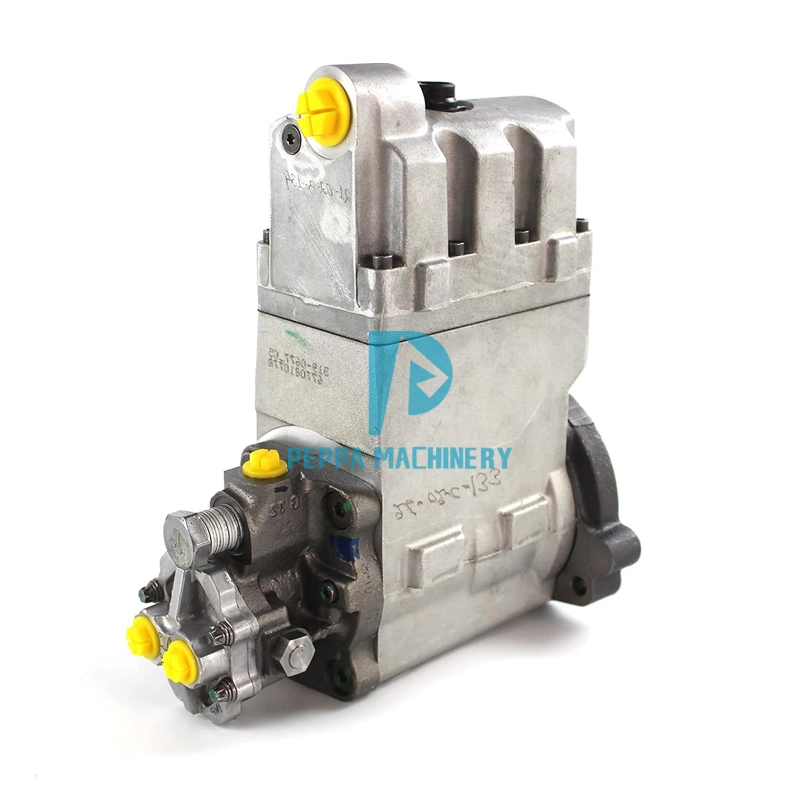
Fuel Feed / Transfer Pump Assembly for Caterpillar C7 & C9 Engines | Direct Replacement for OEM Parts #319-0678, 254-4358, 304-0678, 295-4778, 228-589
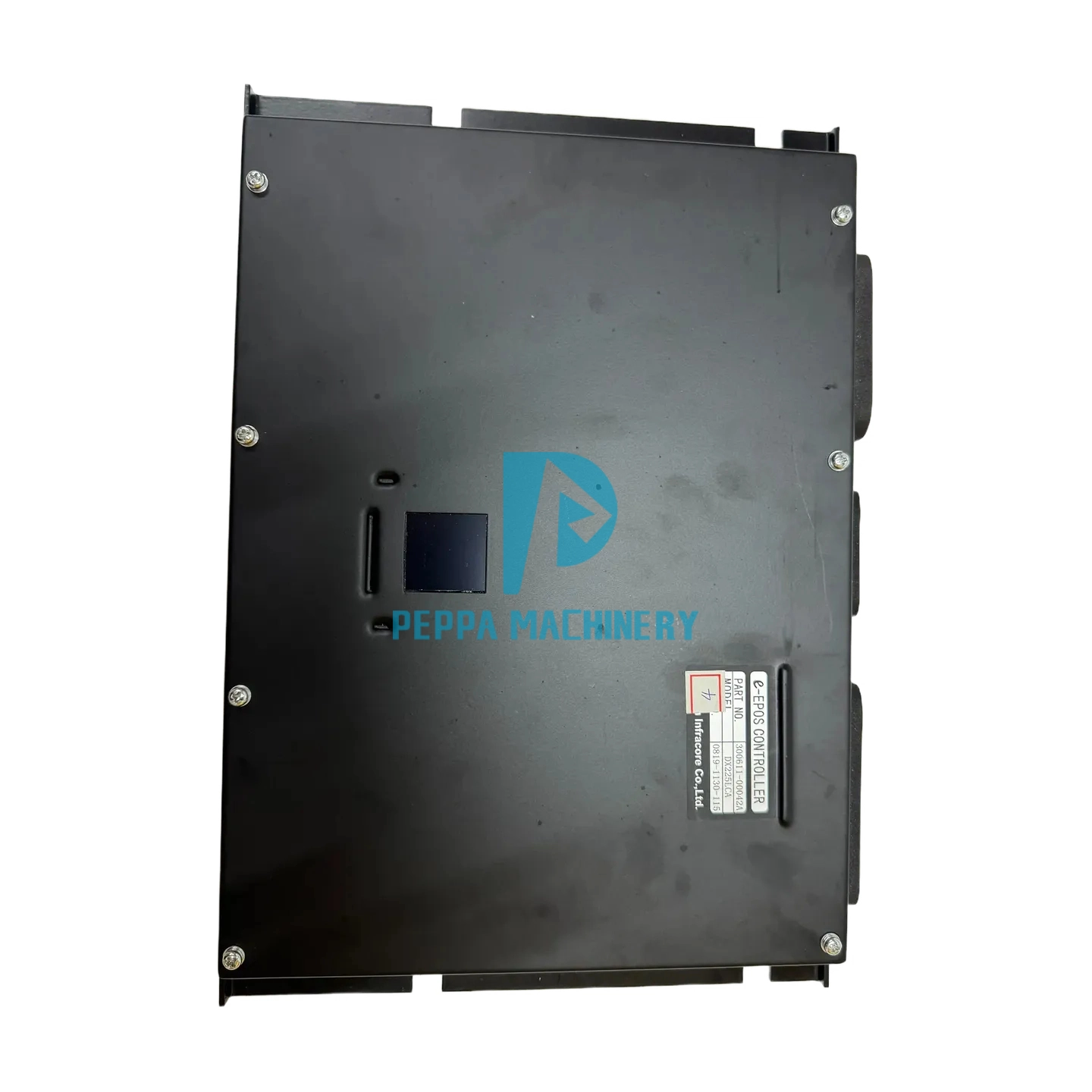
Excavator Accessories Excavator Controller DX225 DX225LCA E-EPOS Controller Computer Board 300611-00042 K1026740 K1001369C K1056425 ECU ECM

Reliable Source for Quality Excavator Components.
Follow Us
Our Partners


Our Payment Methods


 High Quality
 7/24 Service
 Guaranteed Warranty
 Scan QR Code
Facebook
TikTok
YouTube
Pinterest
Twitter