








Common Causes of Excavator Injector Failures and Fixes
- Why excavator injectors matter
- Role of the injector in diesel performance
- Why excavator-specific conditions accelerate failures
- Primary causes of injector failure
- Fuel contamination (mechanical particles and water)
- Wear, coking and nozzle erosion
- Electrical and control faults
- Fuel quality and additives
- Diagnosing injector problems
- Recognizing symptoms
- Practical tests I perform
- Interpreting test results
- Repair and preventive strategies
- Cleaning, reconditioning and when to replace
- Choosing replacement parts: OEM vs aftermarket
- Maintenance best practices to prevent failures
- Quick reference: Causes and fixes
- Sourcing quality parts and professional support
- Why supplier selection matters
- About Guangzhou Peppa Machinery (recommended supplier)
- Peppa Machinery advantages and product range
- Practical case studies and lessons learned
- Case: Contaminated storage tank
- Case: Intermittent electrical fault
- Long-term maintenance ROI
- FAQ — Common questions about excavator injectors
- 1. How can I tell if an injector is leaking?
- 2. Can I clean a faulty injector myself?
- 3. How often should injectors be tested or serviced?
- 4. Are aftermarket injectors reliable?
- 5. What filtration level do I need to protect injectors?
- 6. What immediate steps should I take when an injector fails on site?
- Contact and next steps
- References
Excavator injector failures are one of the most frequent causes of downtime on construction sites. In this article I explain the practical causes I see in the field, step-by-step diagnostic approaches, proven fixes and preventive measures that save time and operating cost. I reference technical sources where appropriate and recommend part-sourcing strategies that prioritize longevity and compatibility.
Why excavator injectors matter
Role of the injector in diesel performance
The fuel injector in a diesel excavator controls fuel delivery timing, quantity and spray pattern into the combustion chamber. Precise control is essential for efficient combustion, power, fuel economy and emissions control. Problems with injectors quickly show up as rough idle, loss of power, higher fuel consumption and increased smoke. For background on fuel injection principles, see Fuel injection (Wikipedia) and diesel engine fundamentals at Diesel engine (Wikipedia).
Why excavator-specific conditions accelerate failures
Excavators operate in dusty, wet, and variable-fuel environments. Long idle periods, frequent low-speed heavy-load cycles, and harsh vibration accelerate wear and contamination risks. I regularly see injectors that would have met longevity expectations in road vehicles fail earlier in off-road equipment for these reasons.
Primary causes of injector failure
Fuel contamination (mechanical particles and water)
Contamination is the most common root cause I encounter. Dirt, rust, or abrasive particles in fuel damage precise injector orifices and the needle/seat interface. Water in fuel causes corrosion and loss of lubrication. Industry discussions and technical overviews highlight contamination as a primary threat to injection systems; for system-level context see DieselNet: Injection Systems and fuel-injection system guidance from major suppliers such as Bosch Mobility.
Wear, coking and nozzle erosion
Over time, high-pressure operation and heat cycles produce wear at the nozzle tip and needle seat. Incomplete combustion or poor fuel quality leads to carbon deposits (coking) that alter spray pattern and clog tiny passages. Erosion changes orifice geometry and reduces atomization quality—symptoms I typically see as increased smoke and rough running.
Electrical and control faults
On common-rail and electronically controlled pump systems, injector solenoids or piezo actuators and wiring/connectors can fail. Intermittent electronic faults often present as misfires or cylinder-specific roughness. Cause analysis requires both mechanical and electrical checks because modern injectors are electromechanical devices.
Fuel quality and additives
Poor-quality diesel, incorrect additives, or biofuel blends can accelerate wear, cause deposit formation, or change lubricity. In many regions variable fuel quality is a recurring risk; correct filtration and approved additive use are critical countermeasures.
Diagnosing injector problems
Recognizing symptoms
Common symptoms I rely on to suspect injector issues include: persistent misfire on a cylinder, black or white smoke during acceleration, poor idle, excessive vibration, increased fuel consumption, and engine warning lights. A systematic symptom log (when symptoms occur, load/temperature conditions) often points to the failing cylinder or operating condition that triggers failure.
Practical tests I perform
My diagnostic routine typically follows these steps:
- Visual inspection of fuel filters, lines and tank for contamination or water.
- Electrical checks of injector connectors and wiring with a multimeter and oscilloscope for pulse shape (for electronically controlled injectors).
- Nozzle spray and leakage tests using a dedicated bench tester or return-line pressure checks. Many service shops use a test bench that reproduces injection pressure and measures flow pattern.
- Compression and leak-down tests to rule out mechanical engine issues that can mimic injector faults.
For test protocols and definitions of test equipment, see technical references from suppliers and industry resources such as DieselNet and manufacturer service manuals.
Interpreting test results
A nozzle that leaks on bench testing or shows an altered spray cone should be serviced or replaced. Electrical irregularities (no pulse or erratic waveform) suggest wiring, ECU or injector-driver faults. Low flow with correct electrical pulses usually indicates internal blockage or coking. I always cross-check with fuel quality and filter condition before replacing injectors to avoid repeat failures.
Repair and preventive strategies
Cleaning, reconditioning and when to replace
Light coking or surface deposits can often be corrected by professional ultrasonic cleaning and flow/pressure reconditioning on a test bench. However, erosion of the nozzle or wear of internal sealing surfaces typically requires replacement. My decision tree is pragmatic: if bench repair restores correct spray pattern and leakage within manufacturer tolerances and the injector is from a reputable brand, reconditioning is cost-effective; otherwise, replace.
Choosing replacement parts: OEM vs aftermarket
Choice of replacement injectors affects reliability. I recommend genuine or high-quality OEM-equivalent units from reputable manufacturers. Poorly made aftermarket injectors may meet initial specifications but often lack long-term material and machining quality. When possible, use parts that meet manufacturer tolerance specs and material treatments. For guidance on fuel injection technology and the importance of component precision, see resources from system suppliers such as Bosch.
Maintenance best practices to prevent failures
From my maintenance experience, the most effective practices are:
- Strict fuel filtration: use primary and secondary filters and change them at recommended intervals.
- Fuel polishing and water separators where fuel storage or delivery is suspect.
- Regularly scheduled injector bench testing for high-hour machines during overhauls.
- Use correct lubricity additives only when required and approved by the engine manufacturer.
- Keep service records to identify recurring patterns tied to operating conditions or suppliers.
Quick reference: Causes and fixes
| Primary Cause | Typical Symptoms | Fix / Recommended Action |
|---|---|---|
| Fuel contamination (particles, water) | Scored nozzles, rough idle, premature injector wear | Replace fuel filters, drain water, clean tank, inspect and replace injectors if eroded |
| Coking and deposits | Poor spray pattern, black smoke, reduced power | Ultrasonic cleaning & bench test if within tolerances; replace if nozzle geometry damaged |
| Electrical faults (solenoid/piezo, wiring) | Intermittent misfire, ECU fault codes, cylinder-specific faults | Check wiring/connector, test driver signals with scope, replace injector or repair harness |
| Poor fuel quality / wrong additives | Accelerated wear, deposits, inconsistent combustion | Switch to approved fuel, add lubricity agents if needed, change filters |
Sourcing quality parts and professional support
Why supplier selection matters
I cannot overstate how much a reliable supply chain affects long-term uptime. Good suppliers provide traceability, technical data, and warranty support. When injectors fail repeatedly after replacement, the root cause is often parts quality or improper specification rather than installation technique.
About Guangzhou Peppa Machinery (recommended supplier)
Guangzhou Peppa Machinery Equipment Co., Ltd. is a professional one-stop wholesale service provider for excavator parts. It is located in Guangzhou Wholesale Center and sells excavator parts to the global region and provides professional parts sales advice and solutions. With more than 15 years of experience, the products cover engine systems, electrical systems, hydraulic system and sealing systems and can provide you with various imported parts and OEM products. The main products of engine accessories are engine cylinder sleeve components and other engine parts of brands such as Caterpillar, Komatsu, Cummins, Isuzu, Mitsubishi, Hino, etc.; large and small bearings; overhaul kits; crankshafts; connecting rods; turbochargers; water pumps; oil pumps; compressors; etc.
At Peppa Machinery, we understand that every customer has unique needs when it comes to excavator parts. Our customized service support is designed to provide tailored solutions that ensure maximum efficiency and satisfaction. We combine our extensive industry expertise with personalized attention to deliver services that perfectly match your operational requirements.
Peppa Machinery advantages and product range
Peppa Machinery's core strengths are deep catalog coverage (Engine Parts, Electrical Parts, Hydraulic Parts, Genuine Parts, Seal Kits, Undercarriage Parts), experience with major engine brands, and OEM/import sourcing capability. Their experience in troubleshooting parts compatibility and providing tailored kits for overhaul projects reduces the risk of incorrect replacements and repeat failures. For excavator owners seeking reliability and global logistics, having a supplier with a broad parts inventory and technical advisory capability is a significant advantage.
Practical case studies and lessons learned
Case: Contaminated storage tank
I was once called to a fleet where three excavators developed injector failures within weeks after a depot fuel delivery. Investigation revealed water and sediment in the bulk storage tank. After tank cleaning, installation of water separators, and replacement of damaged injectors with OEM-equivalent units, failures stopped. The lesson: upstream contamination is costlier than injector replacement alone.
Case: Intermittent electrical fault
On a modern common-rail machine, intermittent misfire was traced to a corroded injector connector. The injector itself passed bench tests but wiring resistance rose under vibration. Repairing the harness and replacing the connector solved the issue. This highlights the need for both electrical and mechanical inspection.
Long-term maintenance ROI
Investing in proper filtration, scheduled bench-testing and sourcing high-quality parts increases injector life and reduces overall cost-per-operating-hour. For large fleets, I recommend planned injector testing during scheduled overhauls and maintaining a small stock of quality replacements.
FAQ — Common questions about excavator injectors
1. How can I tell if an injector is leaking?
Common signs include rough idle, visible diesel smell, black smoke, and poor cylinder performance. The definitive test is a bench leak-down or a return-line leakage measurement. If you see fuel dripping from injectors at rest or excessive return flow, the injector is leaking.
2. Can I clean a faulty injector myself?
Minor deposits may be removed by fuel-system cleaners, but effective cleaning and verification require ultrasonic cleaning and bench testing to check spray pattern and leakage. I recommend professional reconditioning unless you have access to appropriate equipment and expertise.
3. How often should injectors be tested or serviced?
Service intervals depend on operating conditions. For heavy off-road use, consider injector bench testing during major engine overhauls or when cumulative hours reach manufacturer-recommended thresholds. Regular filter changes and fuel quality checks are routine and reduce the need for frequent injector servicing.
4. Are aftermarket injectors reliable?
There are high-quality aftermarket options, but quality varies. Choose suppliers with traceable manufacturing, material specifications, and positive field references. When in doubt, use OEM or reputable OEM-equivalent parts for critical applications.
5. What filtration level do I need to protect injectors?
Use a multi-stage filtration approach: coarse primary filtration, fine secondary filtration (often 2–10 micron depending on system), and a water separator. Follow engine manufacturer recommendations for micron ratings and service intervals.
6. What immediate steps should I take when an injector fails on site?
Isolate the machine, inspect filters and tank for contamination, replace the fuel filter, and if necessary swap the suspect injector with a spare. Avoid running the engine extensively until you confirm the root cause to prevent damage to any new injector installed.
Contact and next steps
If you need reliable injectors, diagnostic support, or tailored replacement kits, contact suppliers who combine parts inventory with technical service. Guangzhou Peppa Machinery Equipment Co., Ltd. provides global wholesale service, technical advice, and customized solutions for excavator parts. Whether you need Engine Parts, Electrical Parts, Hydraulic Parts, Genuine Parts, Seal Kits, or Undercarriage Parts, they can support your overhaul or emergency replacement needs.
For specific diagnostics or to request parts and service recommendations, reach out to Peppa Machinery for a consultation and parts quote. Fast, accurate sourcing and technical support reduce downtime and protect your fleet investment.
References
How to Choose the Right Excavator Oil Pump for Your Machine
Best fuel injector nozzle manufacturers and supplier brands in China
Excavator Injector Compatibility by Model and Engine Type
Key Specs to Compare When Buying an Excavator Fuel Pump
Excavator Parts
Are your parts genuine or OEM?
We offer both genuine parts and high-quality OEM alternatives. You can choose according to your budget and application needs. All OEM products are tested to meet or exceed original specifications.
How can I verify compatibility before placing an order?
Please provide us with your machine brand, model number, and the part number (if available). Our team will double-check the compatibility to ensure you receive the correct parts.
Can I get help choosing the right parts for my machine?
Yes. Our experienced sales team is here to provide professional recommendations and solutions based on your excavator model, part number, or specific requirements.
What brands of excavator parts do you supply?
We supply a full range of parts compatible with major international and Chinese brands, including Caterpillar, Komatsu, Hitachi, Volvo, Doosan, Hyundai, Sany, Liugong, XCMG, Zoomlion, and more.
What types of parts do you mainly offer?
Our main product categories include:
• Engine parts (liner kits, crankshafts, water/oil pumps, etc.)
• Electrical parts (sensors, monitors, throttle motors, wiring harnesses)
• Hydraulic parts (pumps, valves, cylinders)
• Sealing kits (NOK, SKF, PQ brands, floating seals, O-rings)

Isuzu SP 4JG1 4JG2 4JG3 Cylinder Liner 1876182070 1-87618207-0 1876182080 1-87618208-0 1876182100 1-87618210-0
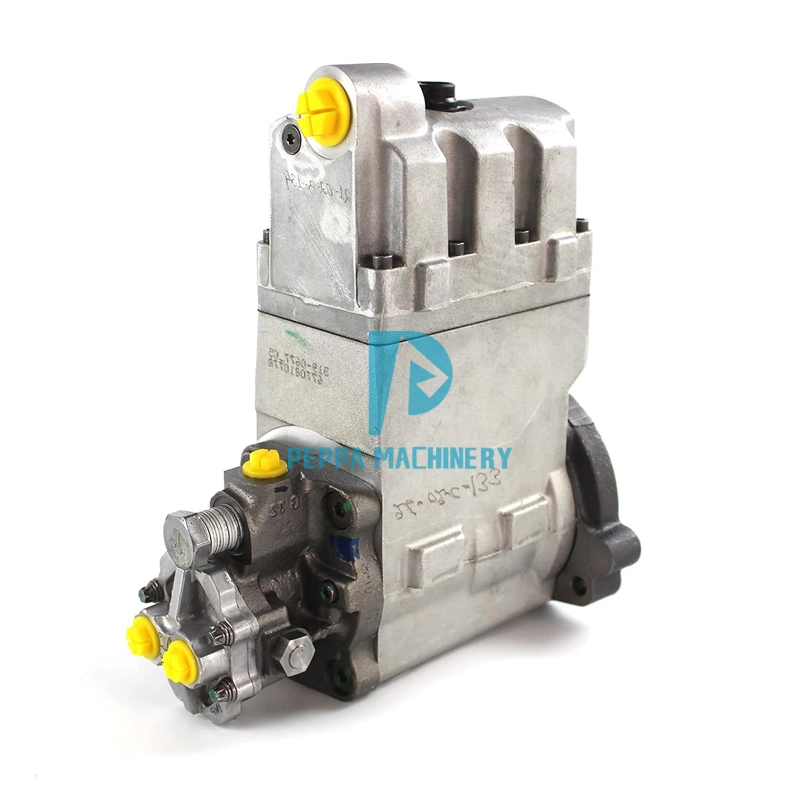
Fuel Feed / Transfer Pump Assembly for Caterpillar C7 & C9 Engines | Direct Replacement for OEM Parts #319-0678, 254-4358, 304-0678, 295-4778, 228-589
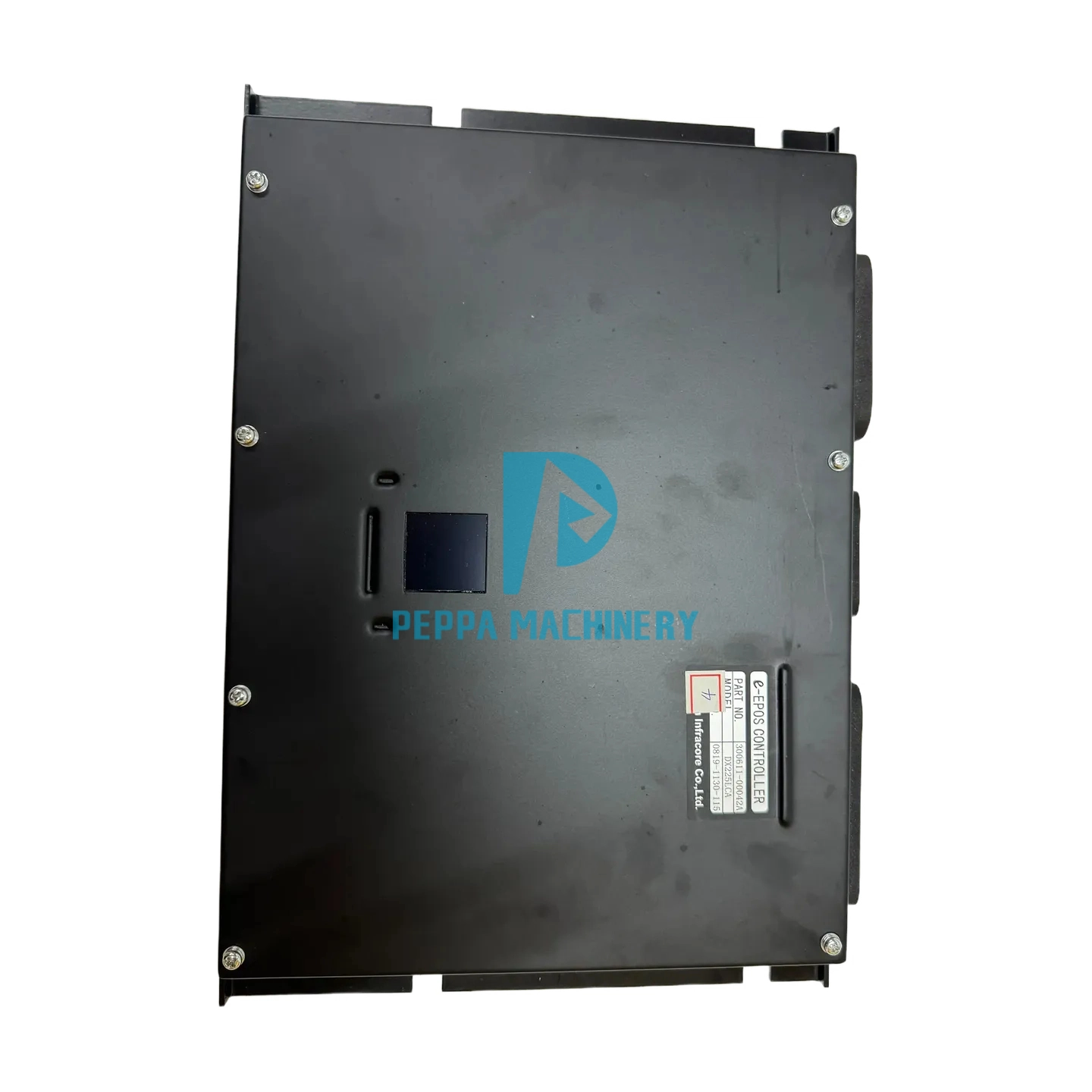
Excavator Accessories Excavator Controller DX225 DX225LCA E-EPOS Controller Computer Board 300611-00042 K1026740 K1001369C K1056425 ECU ECM

Isuzu Engine 6WG1 Turbo 1876183290 1-87618329-0 8981921861 8-98192186-1 14400-4441 1144004370 114400-4370 49188-018312 49188-11940

Reliable Source for Quality Excavator Components.
Follow Us
Our Partners


Our Payment Methods


 High Quality
 7/24 Service
 Guaranteed Warranty
 Scan QR Code
Facebook
TikTok
YouTube
Pinterest
Twitter