








How to Verify Quality When Inspecting an Excavator Oil Pump?
- 1. How can I detect internal leakage in an excavator axial-piston main pump without removing it from the machine?
- 2. What are realistic flow and pressure tolerances to accept for a used excavator oil pump during a bench test?
- 3. Which surface defects on pistons and cylinder block (barrel) are allowable and which require replacement?
- 4. How do I distinguish a genuine OEM excavator oil pump from a high-quality aftermarket or remanufactured unit when serial numbers are missing or inconsistent?
- 5. What testing protocol and instruments should I use to verify cavitation susceptibility in a used excavator oil pump?
- 6. Which contamination particle sizes and cleanliness levels should I enforce when installing a replacement excavator oil pump to avoid premature failure?
Authored by excavator-parts specialists at JBParts (www.jbpartsgz.com). This guide answers six detailed, hard-to-find inspection questions about excavator oil pumps — axial piston and variable-displacement main pumps used in hydraulic systems — with practical, testable procedures you can apply on-site or at the bench.
1. How can I detect internal leakage in an excavator axial-piston main pump without removing it from the machine?
Internal leakage (cross-port or slipping inside the pump) often shows as loss of actuator speed, excessive engine RPM for a given work, or heat build-up in the hydraulic oil. To verify it in-situ without removing the pump, follow a structured test:
- Baseline: Warm the hydraulic system to normal operating temperature and ensure proper oil viscosity per OEM recommendations.
- Pressure-hold test: With the machine stationary and implements blocked (use safe blocking procedures and follow OEM lockout), command a cylinder or motor to hold pressure. Use a calibrated pressure gauge at the pump discharge and at the work port. Significant pressure drop under a steady command indicates internal bypassing or relief-valve leakage downstream; compare pump outlet vs work port readings to isolate pump versus valve issues.
- Flow vs RPM test: Use a portable flow meter or a calibrated flow test adapter at the pump outlet. At a set engine RPM, record delivered flow and compare with OEM pump curve or factory spec. Excessive reduction in flow at rated RPM (beyond typical wear tolerances) suggests internal leakage or worn swashplate/piston group.
- Thermal and acoustic signs: Monitor temperature rise at the pump housing and listen for abnormal whining or grinding. Internal leakage usually increases oil shear and temperature under load.
- Return-line analysis: Fit a sight-glass or particle trap in the return line. Increased metallic fines or a sudden change in return oil appearance during a pressure-hold test is a strong sign of internal pump wear.
- Rated flow tolerance: A new pump should deliver within ±5% of the OEM rated flow at the specified test RPM and pressure. For used or remanufactured units, acceptance is commonly within ±10% of rated flow. If flow loss exceeds ~10%, expect internal wear or damage that will shorten service life.
- Pressure and pressure-hold: The pump must generate the system’s nominal pressure without excessive RPM increase. At rated displacement and RPM, pressure boost and relief activation should match OEM setpoints; abnormal spiking or inability to attain set pressure indicates valve or internal leakage problems.
- Volumetric efficiency: Measured via flow vs theoretical displacement, volumetric efficiency for a healthy axial-piston excavator main pump typically remains high; any substantial drop signals internal leakage. Compare measured flow to calculated theoretical flow based on displacement and RPM.
- Noise and pulsation: Excessive pressure ripple or high acoustic levels at test conditions are signs of worn pistons, block, or poor valve plate sealing. Use a pressure transducer to examine waveform; high-amplitude pulsation at nominal operation is a fail criterion.
- Temperature rise: During sustained load, temperature should stabilize within expected limits. High temperature rise at moderate loads can indicate internal inefficiency.
- Allowable wear: Uniform, polished glazing on piston shoes or slipper faces and light, uniform cylinder bore shine usually indicates normal wear and can often be corrected by reconditioning (e.g., lapping/honing and replacing soft components). Minor surface polishing that does not change dimensions beyond OEM tolerances is generally acceptable.
- Rejectable defects:
- Deep scoring or grooving that is visible, catches a fingernail, or measures beyond allowable surface roughness/diameter tolerance — replace the piston or barrel.
- Pitting or corrosion (caused by water contamination or poor oil) — pitting creates stress concentrators and cannot be reliably repaired; replace affected components.
- Cracks, heat discoloration, or deformation of the slipper/piston or barrel — immediate replacement is required.
- Non-uniform wear patterns, eccentric bores, or out-of-roundness beyond OEM machining tolerances — leads to uneven sealing and accelerated wear; reject and replace.
- Measurable checks: Use a micrometer, bore gauge, and surface roughness gauge to compare against OEM limits. If you don't have OEM numeric tolerances on hand, practical field checks include the fingernail test for grooves, run-out and radial clearance measurement with a dial indicator, and observing piston-to-barrel oil film behavior in bench tests.
- Repair vs replace: Small, uniform glazing and minor roughness can be reconditioned by accredited reman shops using correct surface finish and geometry. Anything that compromises the hydrodynamic oil film or changes displacement must be replaced.
- Packaging and paperwork: Genuine OEM pumps usually come with clear traceability: part numbers, manufacturing date codes, batch numbers, and an OEM certificate or label. Check cross-reference sheets and compare part number formats to official OEM catalogs.
- Physical cues: Compare casting details, finish, weight, and machining quality against a confirmed OEM sample if possible. Differences in casting sharpness, rust protection, or port machining often reveal non-OEM origin. Some high-quality aftermarket units are indistinguishable visually — so use additional checks.
- Material and hardening: Ask the supplier for material certificates, heat-treatment records, or hardness readings for critical components (shaft, pistons, barrel). Reputable remanufacturers provide these documents. If necessary, an independent lab can perform a portable hardness check or spectrometer analysis on request.
- Performance verification: The single most objective test is performance: bench-test flow, pressure, leakage, noise, and efficiency against OEM specs and published pump curves. A pump that meets or exceeds the OEM curve under equivalent test conditions is functionally acceptable regardless of stamping.
- Warranty, support, and traceability: OEM parts or certified remanufactured units typically carry structured warranties, serial tracking, and documented service history. Good aftermarket brands provide test reports, ISO audits of their remanufacturing process, and warranty terms. Consider supplier audits and references for larger purchases.
- Cross-reference through authorized channels: Use OEM parts catalogs, authorized dealer networks, or reputable parts databases to cross-check part geometry, bolt patterns, and mounting data. Mismatched ports or flange patterns are quick giveaways.
- Prepare instrumentation: pressure transducers for inlet and outlet, a calibrated flow meter, a vacuum gauge for inlet line negative pressure measurement, a temperature probe, and an acoustic sensor or high-quality microphone. Document oil viscosity and temperature.
- Baseline inlet conditions: Confirm filters/strainers are clean and suction lines are not collapsed or porous. Ensure the reservoir fluid level and breather condition match OEM recommendations, and note the suction-line length and bends.
- NPSI/NPSH-style checks: While hydraulic pumps are not centrifugal pumps, the concept of net positive suction pressure applies. Gradually reduce inlet pressure (mimicking suction restriction) and record the inlet pressure at which flow begins to drop and audible cavitation (popping/metallic) occurs. Also note the RPM and load when this begins.
- Acoustic and waveform analysis: Use a pressure transducer at the outlet to capture pressure ripple and an acoustic sensor near the pump housing. Cavitation produces characteristic high-frequency spikes and irregular waveform distortion. Compare to a known-good pump if available.
- Particle and damage inspection: After the test, check filters and the pump for metal fines and pitting on rotor/pistons. Cavitation typically leaves distinctive pitting on inlet-side components.
- Quantify susceptibility: Record the inlet pressure (or vacuum) at onset and compare against OEM minimum inlet pressure spec. If the pump cavitates under inlet conditions that are within OEM limits, the pump’s internal tolerances or clearances are likely worn and it should be repaired or replaced.
- Target cleanliness: Cleanliness should meet or exceed the excavator OEM’s hydraulic cleanliness specification. As a widely used industry benchmark for sensitive components, aim for an ISO 4406 cleanliness code of about 16/13/11 or better at installation; check the OEM for the precise target. The finer the pump tolerances, the cleaner the requirement.
- Filtration strategy: Use a high-quality offline (kidney-loop) filtration cart for new-oil or flushing operations. Final fill and flushing should pass through filters rated to remove particulates at 3–10 µm depending on OEM guidance. High beta ratios at 10 µm (β10 ≥ 75) are commonly recommended for final cleanliness assurance.
- New part cleanliness: Insist that replacement pumps arrive cleaned, sealed, and bagged with desiccant. If a remanufacturer supplies the pump, request their post-assembly cleanliness reports and particle-count readings.
- Flushing protocol: When replacing a pump in an existing system, flush the suction and return circuits to remove metal fines and debris before connecting the new pump. Use a flushing plan that dislodges particles from hoses, valves, and cylinders rather than flushing them into the new pump.
- Breathers and sealing: Use proper breathers and close off ports during storage/installation. Replace all O-rings and seals, and torque mounting hardware per OEM to avoid micro-erosion leaks that introduce contamination.
- Continuous monitoring: After installation, perform particle counting on the return and supply lines over the first 50 hours. Rapid particle spikes indicate a flushing or cleanliness failure and must be corrected immediately.
Interpretation: If pressure holds poorly but external lines and valves are confirmed tight, and flow at rated RPM is below expected by more than ~10% (bench and field thresholds depend on OEM), internal leakage is likely. For a final diagnosis, remove and bench-test the pump or have a remanufacturer perform a leak-down test to quantify internal leakage.
2. What are realistic flow and pressure tolerances to accept for a used excavator oil pump during a bench test?
Bench testing is the most objective way to verify pump quality. Use the manufacturer’s published pump curve and spec sheet as the baseline. Where exact OEM data is not available, use the following professional guidance:
Always document test RPM, inlet conditions, fluid viscosity/temperature, and instrumentation used. Acceptance thresholds should be set relative to documented OEM specs where possible; if OEM data is unavailable, use the ±5% (new) / ±10% (used) flow guideline as a practical industry rule-of-thumb.
3. Which surface defects on pistons and cylinder block (barrel) are allowable and which require replacement?
Inspection of rotating group components (pistons, slipper shoes, swashplate, cylinder barrel) is where many remanufactures fail quality expectations. Distinguishing allowance versus rejection is critical:
When in doubt, request the OEM machining tolerances or have the part assessed by a certified remanufacturer. Replacing marginal components often costs less than repeated failures in the field.
4. How do I distinguish a genuine OEM excavator oil pump from a high-quality aftermarket or remanufactured unit when serial numbers are missing or inconsistent?
Counterfeit or misrepresented pumps are a real pain point in the market. Here are practical verification steps you can use when serial numbers or markings are absent or ambiguous:
Conclusion: If serials are missing, rely on a combination of traceability paperwork, material and surface checks, and — most importantly — a full bench performance test under controlled conditions. Functional conformance to the OEM pump curve combined with supplier warranty and QC documentation is the strongest practical assurance.
5. What testing protocol and instruments should I use to verify cavitation susceptibility in a used excavator oil pump?
Cavitation (inlet vaporization causing noise, pits, and accelerated wear) is a common failure mode but is often misdiagnosed. A careful test protocol identifies whether cavitation originates from the pump or the system inlet conditions.
Remedies if cavitation is detected at acceptable inlet conditions: inspect and replace worn pistons/barrels, confirm the suction-strainer mesh and condition, shorten or enlarge the suction line, increase reservoir fluid level, or use an OEM-recommended low-foaming oil. Accurate testing and measurement are essential before deciding on repairs.
6. Which contamination particle sizes and cleanliness levels should I enforce when installing a replacement excavator oil pump to avoid premature failure?
Contamination control is among the most overlooked but highest-impact factors for excavator oil pump life. Before installing a new or remanufactured pump, take these steps:
Proper contamination control before and after installation typically yields the greatest improvement in pump life. It is far more cost-effective to follow disciplined cleanliness and filtration steps than to troubleshoot early-life failures.
Concluding summary: Rigorous inspection and verification of excavator oil pumps — including in-situ leakage checks, objective bench testing to flow/pressure tolerances, careful assessment of piston/barrel surface defects, provenance verification, cavitation susceptibility testing, and strict contamination control — markedly reduce downtime and lifecycle cost. Choosing parts from a supplier that provides traceability, bench-test reports, documented reman processes, and post-installation support gives you the best risk-adjusted outcome. JBParts offers validated remanufactured and OEM-cross pumps, full bench testing, and documentation for each unit to ensure reliability.
For a detailed quote or to request a pump test report, contact us at www.jbpartsgz.com or jbparts@aliyun.com.

Isuzu SP 4JG1 4JG2 4JG3 Cylinder Liner 1876182070 1-87618207-0 1876182080 1-87618208-0 1876182100 1-87618210-0
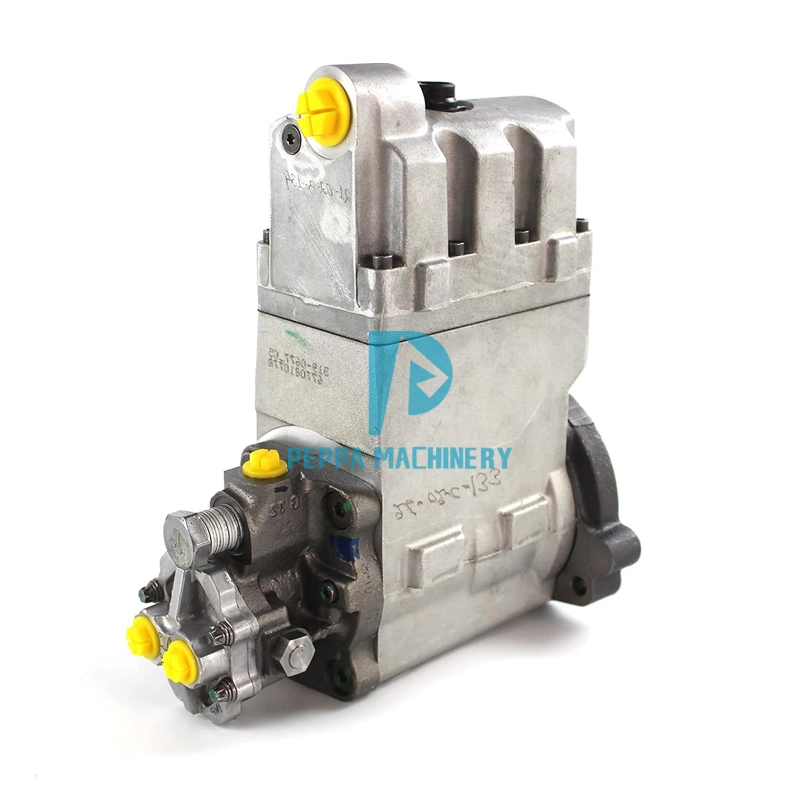
Fuel Feed / Transfer Pump Assembly for Caterpillar C7 & C9 Engines | Direct Replacement for OEM Parts #319-0678, 254-4358, 304-0678, 295-4778, 228-589
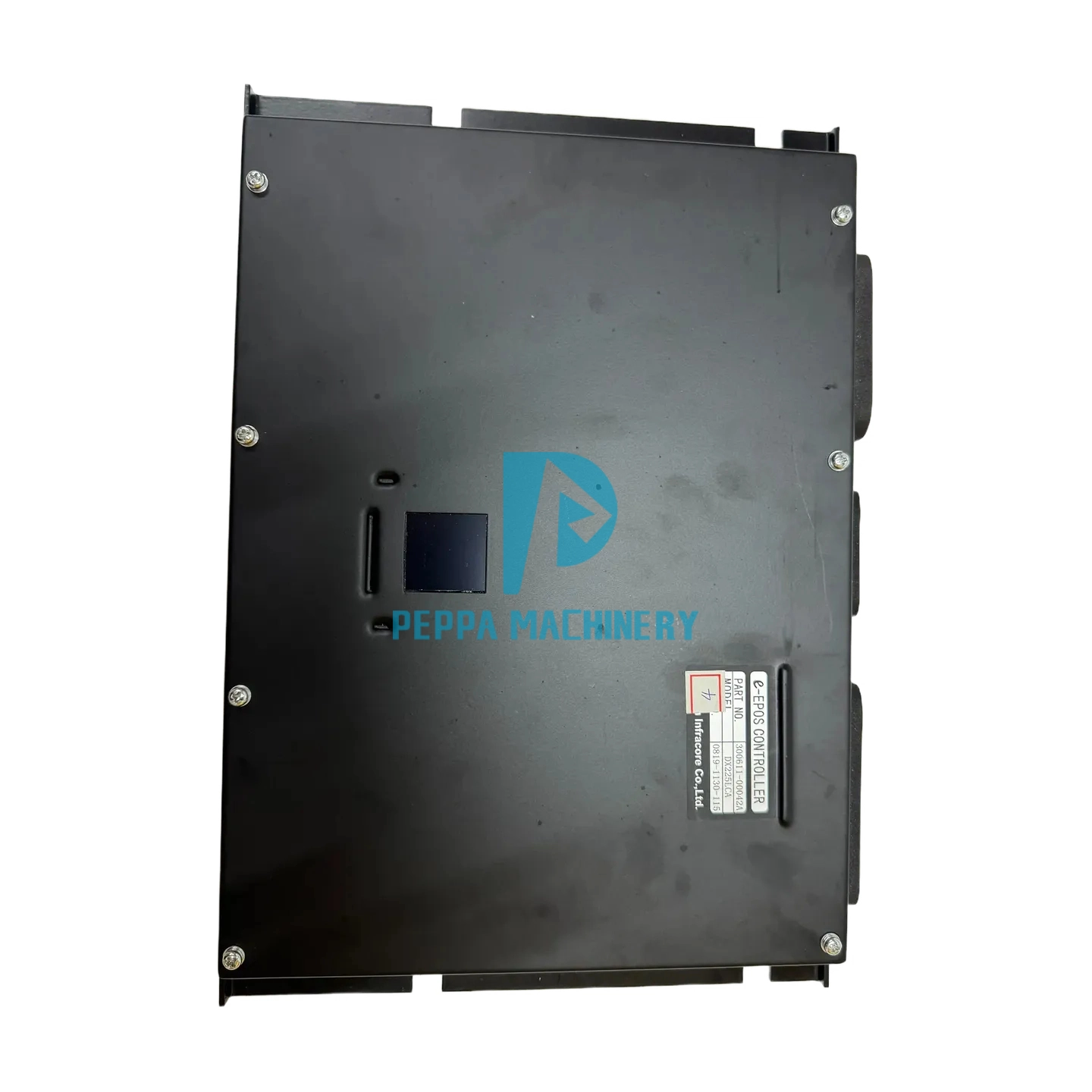
Excavator Accessories Excavator Controller DX225 DX225LCA E-EPOS Controller Computer Board 300611-00042 K1026740 K1001369C K1056425 ECU ECM

Isuzu Engine 6WG1 Turbo 1876183290 1-87618329-0 8981921861 8-98192186-1 14400-4441 1144004370 114400-4370 49188-018312 49188-11940
Excavator Parts
What types of parts do you mainly offer?
Our main product categories include:
• Engine parts (liner kits, crankshafts, water/oil pumps, etc.)
• Electrical parts (sensors, monitors, throttle motors, wiring harnesses)
• Hydraulic parts (pumps, valves, cylinders)
• Sealing kits (NOK, SKF, PQ brands, floating seals, O-rings)
Do you provide technical support or installation guidance?
While we do not offer on-site installation, we can provide basic technical advice, diagrams, or documentation to assist your technicians with installation and troubleshooting.
How can I verify compatibility before placing an order?
Please provide us with your machine brand, model number, and the part number (if available). Our team will double-check the compatibility to ensure you receive the correct parts.
Can I get help choosing the right parts for my machine?
Yes. Our experienced sales team is here to provide professional recommendations and solutions based on your excavator model, part number, or specific requirements.
What brands of excavator parts do you supply?
We supply a full range of parts compatible with major international and Chinese brands, including Caterpillar, Komatsu, Hitachi, Volvo, Doosan, Hyundai, Sany, Liugong, XCMG, Zoomlion, and more.
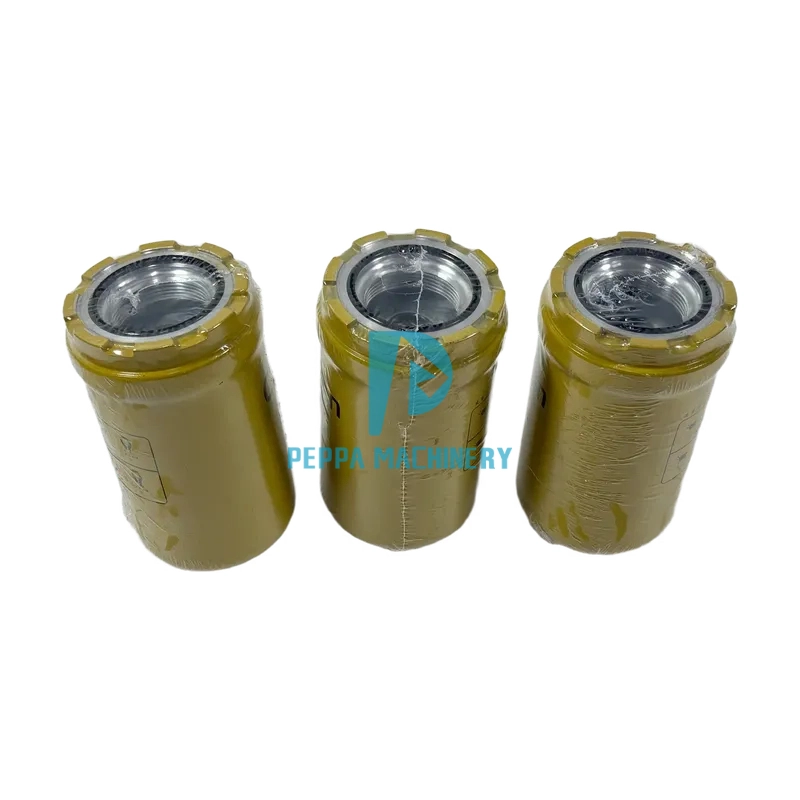
51-8670 Hydraulic Filter Applicable to HF35519 518670 2897836 518670X 1588987 Compatible with Caterpillar 352FVG 325CL
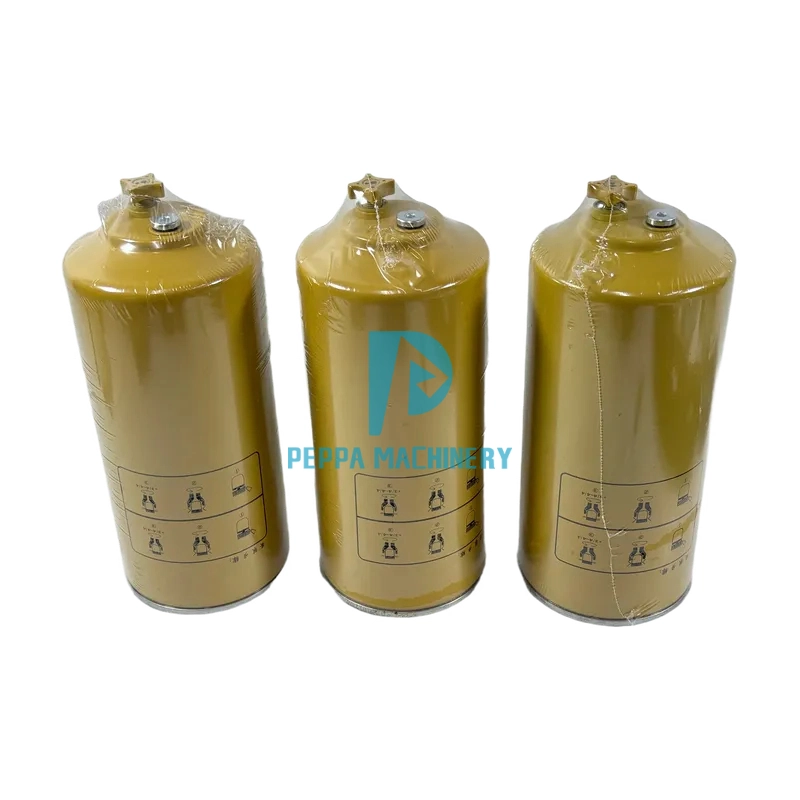
4385386 Fuel Water Separator Fuel Filter 382-0664 Oil-water Separator Hydraulic Oil Filter for CAT 312D2 320D2
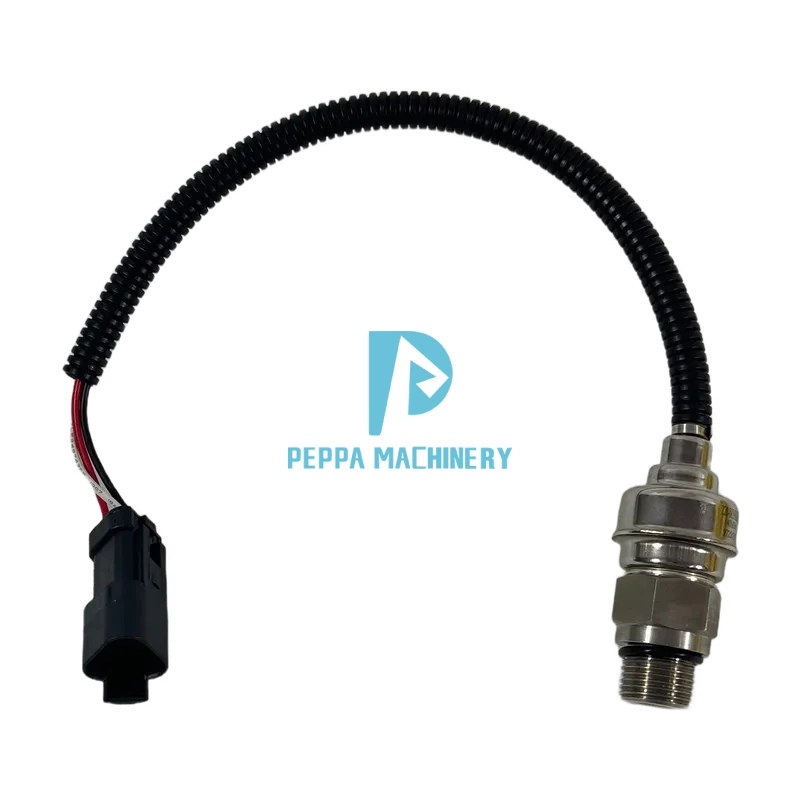
Pressure Sensor 221-8859 106-0178 for Caterpillar CAT 311B 311C 312C 314D 315B 320C 323D 324D 330C 336D 345B 385C
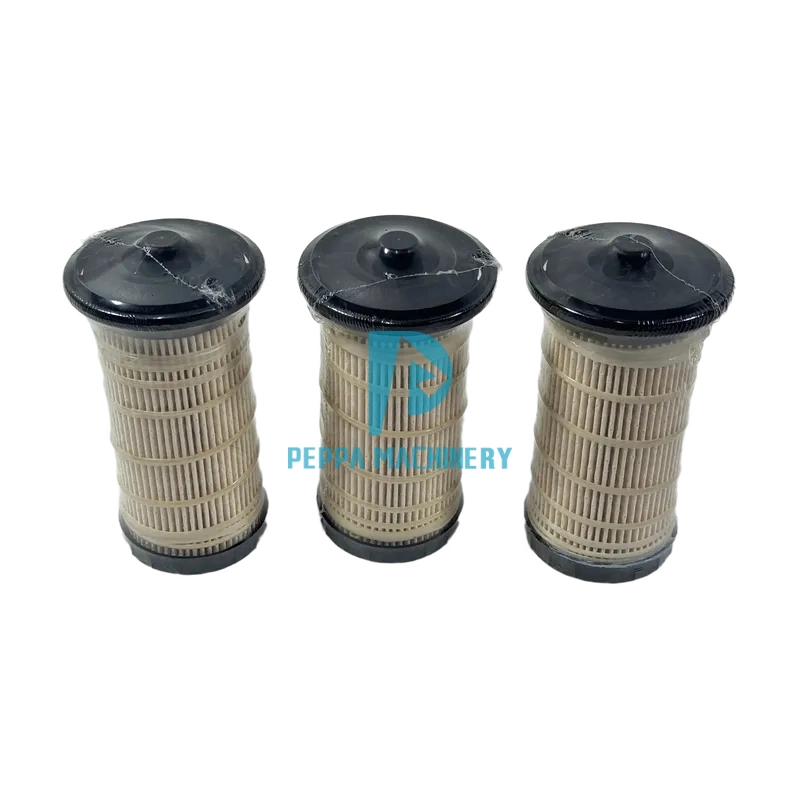
360-8960 Fuel Filter Element for Caterpillar C4.4 & C7.1 Engines | Fits 312D, 320D, 312E, 320E, 326D2, 336D2 Excavators
Get more information
Want to know more? Contact us today to get detailed product specifications, customized solutions, and a free consultation tailored to your needs.
Rest assured that your privacy is important to us, and all information provided will be handled with the utmost confidentiality.

Reliable Source for Quality Excavator Components.
Follow Us
Our Partners


Our Payment Methods


 High Quality
 7/24 Service
 Guaranteed Warranty
 Scan QR Code
Facebook
TikTok
YouTube
Pinterest
Twitter