








How Long Should an Excavator Oil Pump Last Under Heavy Use?
- 1. How Long Should an Excavator Oil Pump Last Under Heavy Use?
- 2. What specific oil cleanliness (ISO 4406) and filter micron ratings prevent premature excavator hydraulic pump wear under heavy cyclical loading?
- 3. How can I distinguish pump cavitation damage from bearing or valve problems before disassembly?
- 4. What pre-purchase bench tests or in-situ diagnostics can reliably predict remaining life of a used excavator hydraulic oil pump?
- 5. When is it more cost-effective to rebuild an excavator piston/axial pump vs replace with an OEM or remanufactured pump?
- 6. Which installation and suction-line corrections most extend service life for high-flow excavator main pumps under continuous heavy operation?
1. How Long Should an Excavator Oil Pump Last Under Heavy Use?
Short answer: there is no single lifetime number — but under heavy, continuous duty you should plan for a shorter service life and monitor condition closely. Industry experience across axial-piston and gear main pumps shows typical service-life ranges that depend on contamination control, temperature management, and operating profile.
Real-world benchmarks (shop experience and remanufacturer test-bench results) you can use as planning values:
- Poor contamination control / frequent cavitation / excessive overheating: pump life can fall below 1,000–2,000 operating hours.
- Typical heavy-use (construction, quarry, long daily cycles) with routine maintenance: expect 1,500–4,000 hours before measurable internal wear or noticeable drop in flow/pressure.
- Optimized heavy-use application (strict ISO cleanliness, correct viscosity, good suction design, scheduled oil analysis): 3,000–6,000+ hours is achievable for modern axial-piston main pumps.
Why the wide range? Hydraulic oil pump lifetime is driven primarily by three avoidable factors: hydraulic fluid contamination (particles & water), pump cavitation (suction issues), and excessive oil temperature. Equipment OEMs and reputable remanufacturers will specify expected duty intervals based on these variables — use those as the baseline and adjust by your field data.
Practical monitoring tips: implement oil analysis every 250–500 hours under heavy duty, track oil temperature (keep continuous operating oil temperature below ~80°C / 175°F when possible), and install pressure/flow logging on critical machines to spot gradual degradation early.
2. What specific oil cleanliness (ISO 4406) and filter micron ratings prevent premature excavator hydraulic pump wear under heavy cyclical loading?
Beginners are often told to “keep the oil clean,” but need exact targets. For heavy-use excavation work, target hydraulic fluid cleanliness and filtration as follows:
- Target ISO 4406 cleanliness: commonly specified targets for main pumps range from 18/16/13 to 16/14/11 depending on pump type and OEM guidance. For severe-duty applications, aim for the tighter end (16/14/11) if the system and filters permit it.
- Return-line filtration: use a high-quality pressure (return) filter rated 3–10 μm absolute for systems that support it. This removes fine wear particles that accelerate piston, valve, and bearing wear.
- Suction strainers and mesh: the suction strainer should be coarse enough to avoid starving the pump (commonly 75–150 μm), but paired with a return filter so contamination captured on return doesn’t recirculate through the pump.
- Bypass and beta ratios: pick filters with proven beta ratios (e.g., Beta 10>200) and replace elements on a scheduled basis — monitor differential pressure to avoid bypassing the element under load.
How to operationalize: install particle counters during commissioning to establish baseline ISO codes, then log the cleanliness after filter changes and major repairs. If ISO counts exceed target, investigate water ingress, tank cleaning, or filter bypass issues immediately.
3. How can I distinguish pump cavitation damage from bearing or valve problems before disassembly?
Many field failures are misdiagnosed. Distinguishing cavitation (inlet-side vapor collapse) from internal wear (bearings, swash plate, valve plate) avoids unnecessary repairs.
Key diagnostic signals and quick tests:
- Noise and vibration signature: cavitation often produces a harsh, metallic rattling or “marbles” sound correlated with pump suction conditions and increases when tank level drops or suction hose is kinked. Bearing/gear wear produces continuous grinding or whining unrelated to suction changes.
- Load correlation: cavitation noise and flow loss typically increase as hydraulic fluid temperature decreases (cold, viscous oil) or when suction conditions worsen (low tank level, clogged suction strainer). Bearing wear symptoms are present across operating conditions.
- Visual oil analysis: cavitation often brings foamy oil, entrained air, or sudden spikes of aluminum/other non-ferrous particles from accumulated deposits; bearing/gear wear shows progressive increases in iron/copper wear metals on sequential oil analyses.
- Measure inlet pressure: install a suction pressure gauge upstream of the pump. A vacuum or abnormally low inlet pressure under otherwise normal tank level and hose size indicates suction restriction and likely cavitation. Compare to the pump manufacturer max inlet vacuum spec.
- Flow & pressure testing: a shop flow test/bench test can show intermittent spikes or flow collapse typical of cavitation. Many remanufacturers can run the pump on their test stand to replicate symptoms.
Document symptoms, oil analysis, inlet pressure, and operating temperature before committing to a full tear-down or replacement — these data points reduce misdiagnosis and unnecessary downtime.
4. What pre-purchase bench tests or in-situ diagnostics can reliably predict remaining life of a used excavator hydraulic oil pump?
When buying used machines or replacement pumps, buyers want a practical, low-cost checklist that predicts remaining life beyond subjective noise checks.
Recommended pre-purchase tests (ranked by return-on-effort):
- Operational checklist on machine: record max working pressure, spool valve behavior, and whether the pump reaches rated flow at rated displacement. Look for sluggish movements or pressure drop under load.
- Suction & return inspection: check tank cleanliness, suction strainer condition, and presence of foaming or heavy metallic sludge in the oil.
- Oil analysis: obtain a lab particle count and elemental wear report. A rising iron trend or high particle count (exceeding target ISO 4406) signals significant internal wear.
- Short bench test (if pump can be removed): run the pump at rated speed on a test stand for flow, pressure, and leakage checks. Measure internal leakage (case drain flow) — excessive leakage is a strong indicator of worn pistons/seals or valve plate wear.
- Vibration/audio analysis: use an accelerometer or stethoscope to detect abnormal harmonic content that correlates with bearing or rotor defects.
Combine these data points into a simple scoring sheet (flow performance, leakage, oil cleanliness, audible anomalies, vibration amplitude). If more than two items flag poor condition, budget for rebuild or replacement.
5. When is it more cost-effective to rebuild an excavator piston/axial pump vs replace with an OEM or remanufactured pump?
Decision drivers: downtime impact, parts availability, warranty & reliability expectations, and long-term total cost of ownership.
Use this decision flow:
- Rebuild if: pump has isolated wear (worn pistons, seals, valve plate) but housings and swash plate are within specs; you have access to a certified remanufacturer or rebuild kit and can test the pump on a bench. Rebuilds can restore performance quickly and at lower immediate cost.
- Replace (OEM or remanufactured) if: the pump shows structural damage (cracked housing, scored bores), the machine is critical and downtime must be minimized with a tested unit, or OEM warranty and guaranteed interchangeability are required. New or fully remanufactured pumps reduce risk of repeat failures on critical fleets.
- Consider lead time and warranty: remanufactured pumps typically come with a shorter lead time than new OEM when stocks exist and often include a bench test warranty. OEM new pumps usually carry longer manufacturer warranties but cost more and may have long delivery times.
Before choosing, request the rebuilder’s bench test report (flow, leakage, pressure), ask about replacement of wear components (pistons, cylinder block, valve plate, bearings, seals), and compare that to the quoted lead time and warranty on a new/reconditioned unit.
6. Which installation and suction-line corrections most extend service life for high-flow excavator main pumps under continuous heavy operation?
Many premature failures are preventable at installation. Follow these practical, field-proven measures:
- Right-size the suction line: keep it as short and straight as possible and use the largest recommended internal diameter to minimize inlet velocity and pressure drop.
- Avoid 90° elbows near the pump inlet and eliminate quick-disconnect restrictions or internal corrugations that trap air.
- Install a properly specified suction strainer with a bypass only if recommended by the pump OEM; ensure it is cleaned on schedule. A too-fine suction screen increases inlet losses and causes cavitation.
- Maintain adequate tank fluid level and baffling to prevent vortexing and air entrainment. Use anti-foam additives only per OEM guidance.
- Temperature control: keep hydraulic fluid within the OEM temperature band; install thermostatic or external oil coolers where continuous high-temperature operation occurs.
- Breather and venting: use proper tank breathers and locate return lines to minimize aeration. Ensure tank vents are clear and fitted with proper mesh to keep contaminants out.
- Commissioning checklist: after installation, run the pump up to speed with a clean oil charge and check inlet pressure, flow, and temperature for at least an hour to reveal early cavitation or leakage issues before putting the machine into service.
Correcting suction-line geometry and filtration is among the highest-impact, lowest-cost actions to extend main pump life under heavy use.
Concluding summary of advantages: Following the practices above — targeting ISO 4406 cleanliness, using appropriate 3–10 μm return filters, monitoring oil temperature and particle counts, performing inlet-pressure checks to prevent cavitation, and choosing rebuild vs replacement based on bench-test evidence — significantly extends the service life of excavator hydraulic oil pumps. The advantages are lower total cost of ownership, fewer unplanned downtimes, and more predictable fleet readiness. Selecting OEM or certified remanufactured pumps with bench-test reports and warranty coverage reduces risk on critical assets.
For accurate pump matching, remanufactured options, and a data-backed quote tailored to your excavator model and duty cycle, contact us for a quote at www.jbpartsgz.com or jbparts@aliyun.com.

Isuzu SP 4JG1 4JG2 4JG3 Cylinder Liner 1876182070 1-87618207-0 1876182080 1-87618208-0 1876182100 1-87618210-0
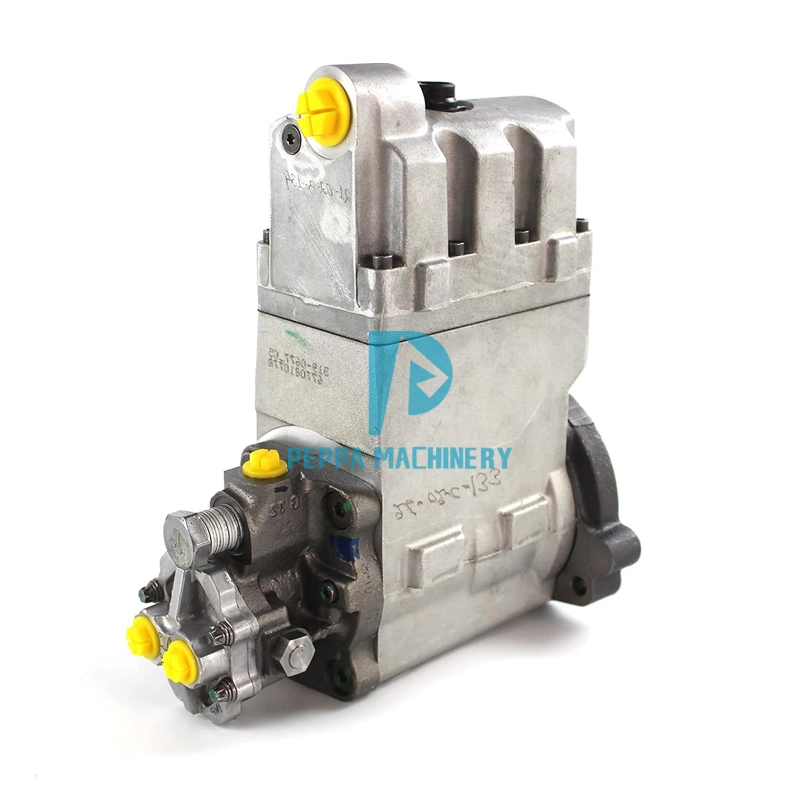
Fuel Feed / Transfer Pump Assembly for Caterpillar C7 & C9 Engines | Direct Replacement for OEM Parts #319-0678, 254-4358, 304-0678, 295-4778, 228-589
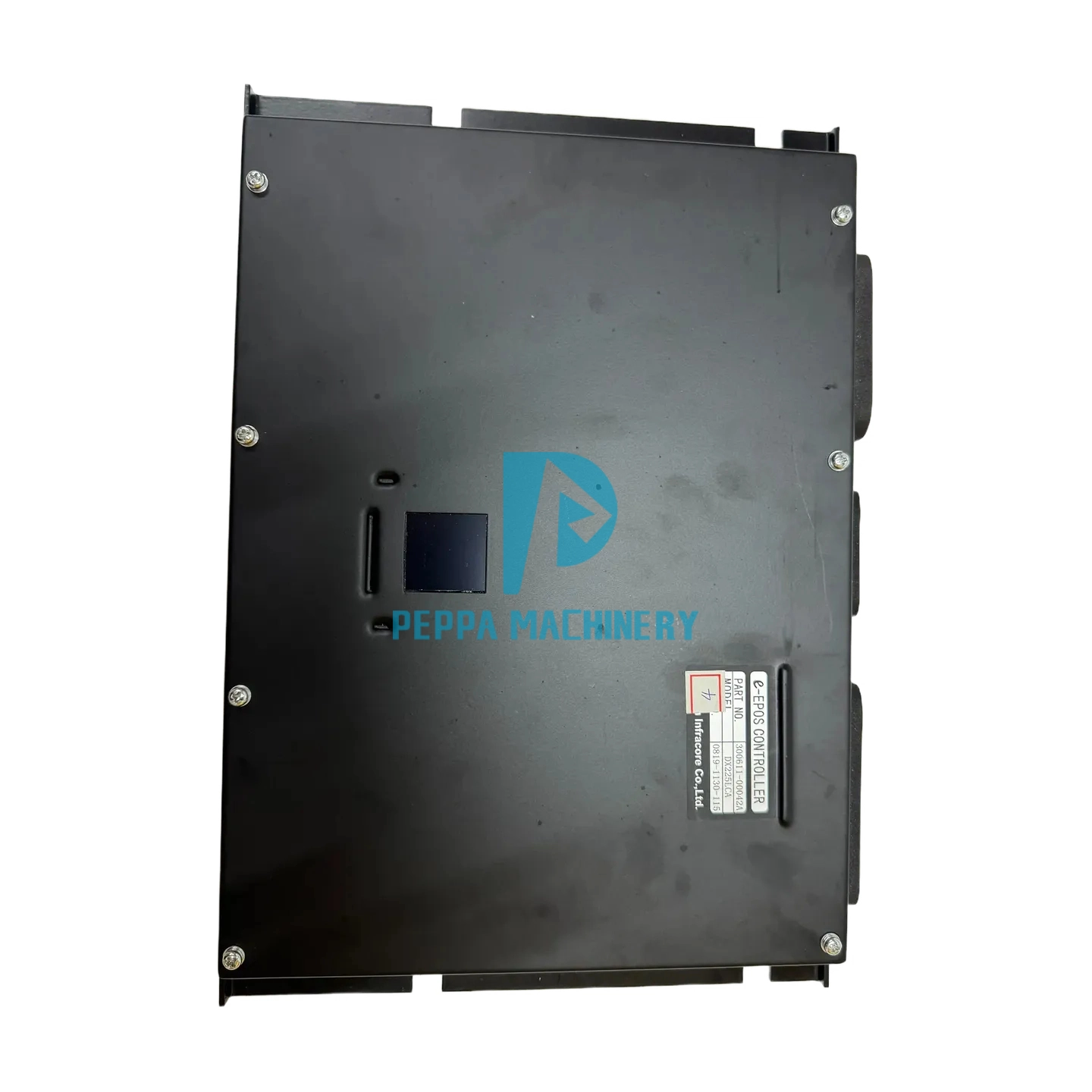
Excavator Accessories Excavator Controller DX225 DX225LCA E-EPOS Controller Computer Board 300611-00042 K1026740 K1001369C K1056425 ECU ECM

Isuzu Engine 6WG1 Turbo 1876183290 1-87618329-0 8981921861 8-98192186-1 14400-4441 1144004370 114400-4370 49188-018312 49188-11940
Excavator Parts
How can I verify compatibility before placing an order?
Please provide us with your machine brand, model number, and the part number (if available). Our team will double-check the compatibility to ensure you receive the correct parts.
Do you provide technical support or installation guidance?
While we do not offer on-site installation, we can provide basic technical advice, diagrams, or documentation to assist your technicians with installation and troubleshooting.
What brands of excavator parts do you supply?
We supply a full range of parts compatible with major international and Chinese brands, including Caterpillar, Komatsu, Hitachi, Volvo, Doosan, Hyundai, Sany, Liugong, XCMG, Zoomlion, and more.
What types of parts do you mainly offer?
Our main product categories include:
• Engine parts (liner kits, crankshafts, water/oil pumps, etc.)
• Electrical parts (sensors, monitors, throttle motors, wiring harnesses)
• Hydraulic parts (pumps, valves, cylinders)
• Sealing kits (NOK, SKF, PQ brands, floating seals, O-rings)
Are your parts genuine or OEM?
We offer both genuine parts and high-quality OEM alternatives. You can choose according to your budget and application needs. All OEM products are tested to meet or exceed original specifications.
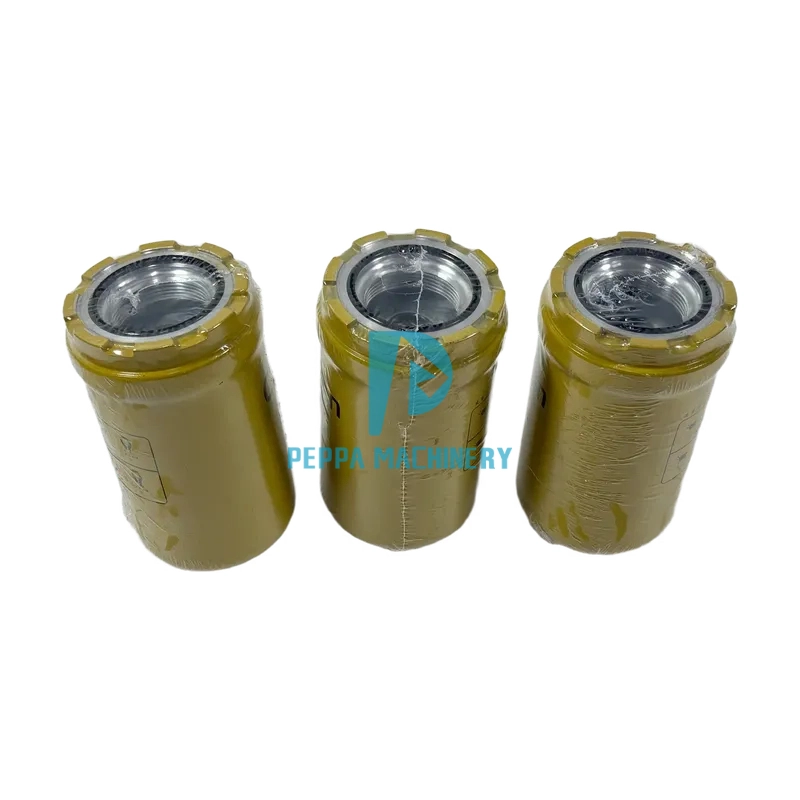
51-8670 Hydraulic Filter Applicable to HF35519 518670 2897836 518670X 1588987 Compatible with Caterpillar 352FVG 325CL
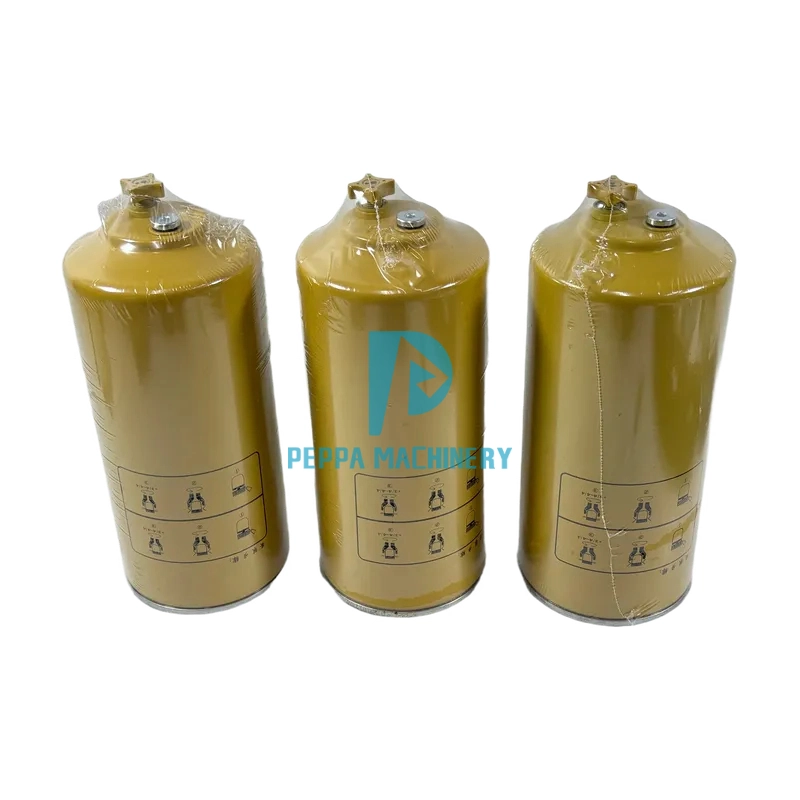
4385386 Fuel Water Separator Fuel Filter 382-0664 Oil-water Separator Hydraulic Oil Filter for CAT 312D2 320D2
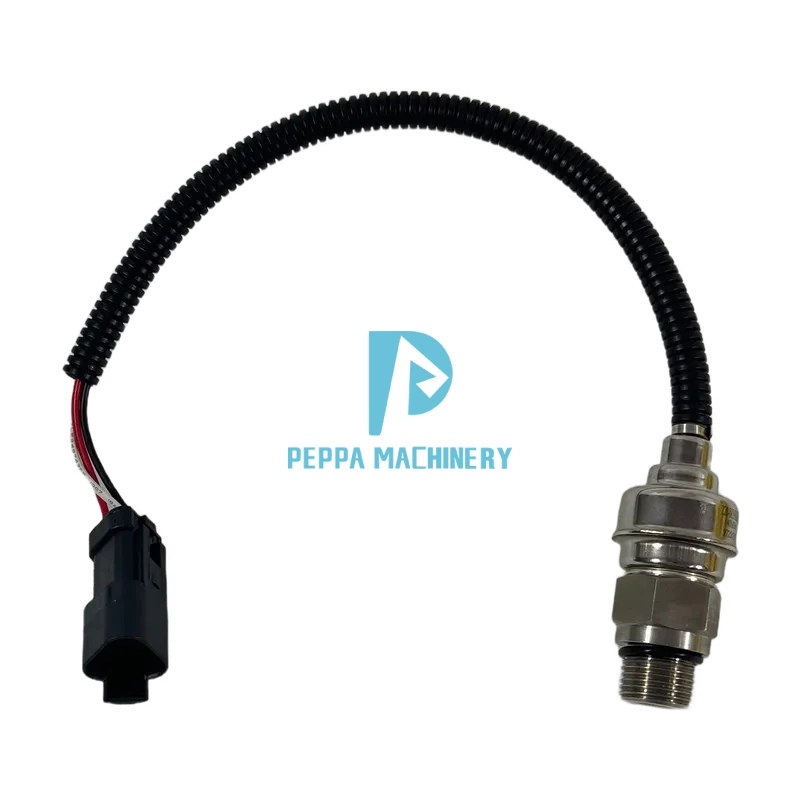
Pressure Sensor 221-8859 106-0178 for Caterpillar CAT 311B 311C 312C 314D 315B 320C 323D 324D 330C 336D 345B 385C
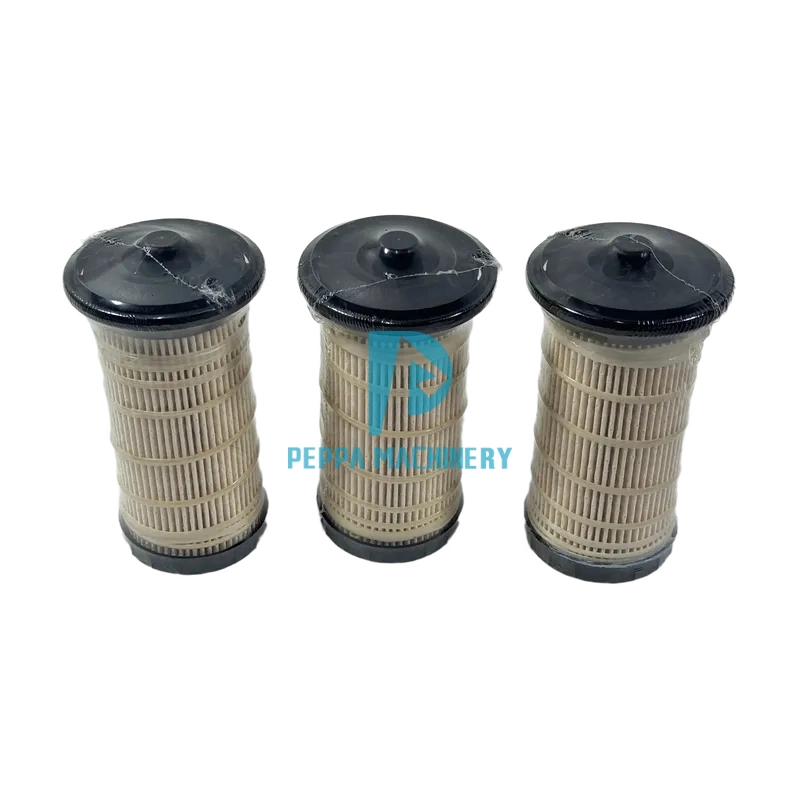
360-8960 Fuel Filter Element for Caterpillar C4.4 & C7.1 Engines | Fits 312D, 320D, 312E, 320E, 326D2, 336D2 Excavators
Get more information
Want to know more? Contact us today to get detailed product specifications, customized solutions, and a free consultation tailored to your needs.
Rest assured that your privacy is important to us, and all information provided will be handled with the utmost confidentiality.

Reliable Source for Quality Excavator Components.
Follow Us
Our Partners


Our Payment Methods


 High Quality
 7/24 Service
 Guaranteed Warranty
 Scan QR Code
Facebook
TikTok
YouTube
Pinterest
Twitter