








How do I choose the right excavator injector for my model?
- 1. How can I reliably identify the exact injector part number and compatibility for my excavator (not just engine model)?
- 2. What injector bench-test specifications should I require before accepting rebuilt or new injectors for my excavator?
- 3. My excavator runs rough only when hot — how do I isolate whether a bad injector, fuel pump, or ECU is the cause?
- 4. Are remanufactured injectors safe for excavators — what quality checks, warranties, and certifications should I require?
- 5. How do I ensure the nozzle spray pattern and opening pressure match when replacing injectors across model years and emission tiers?
- 6. What pre-installation steps and torque/installation checks should I perform to avoid injector leaks or cylinder head damage?
1. How can I reliably identify the exact injector part number and compatibility for my excavator (not just engine model)?
Why this matters: Many beginners assume “engine model = any injector for that model.” In reality, OEM injector part numbers change by serial range, ECU maps, emissions tier, and whether the unit is common-rail or mechanically injected. Installing the wrong injector causes poor combustion, emissions faults, hard starts, and rapid wear.
Step-by-step identification (accurate and field-tested):
- Locate and record the engine serial number and full model stamping from the valve cover or data plate — injector compatibility is tied to engine serial ranges in OEM parts catalogs.
- Read stamped numbers on the injector body/neck: most injectors from major OEMs (Bosch, Denso, Delphi, Zexel) carry a maker code and a lot or part code. Photograph both sides and the nozzle tip; some codes are tiny and need cleaning to read. Do not rely only on visual similarity.
- Use the OEM parts manual or the manufacturer's electronic parts catalog (EPC) to cross-reference the engine serial number with the injector part number. If you don’t have the manual, authorized dealers or an OEM EPC lookup (Komatsu, CAT, Hitachi, Kobelco, Volvo) can confirm the matching injector PN.
- Confirm injection system type: common rail (CR), unit injector (pump-nozzle), or inline pump. Example: many modern excavators moved to CR systems—CR injectors are not interchangeable with unit injectors.
- Ask your supplier for a fitment certificate and the OEM cross-reference. A reputable remanufacturer will provide the original PN they matched to and flow-test reports.
Red flags to avoid: sellers who match only by engine model without serial range; visual-match photos only; injectors sold “fits many models” without documentation. Always insist on parts-catalog confirmation or an EPC lookup reference.
2. What injector bench-test specifications should I require before accepting rebuilt or new injectors for my excavator?
Why this matters: Bench tests are the objective proof that injectors will behave correctly in your engine. Poorly matched injectors cause cylinder imbalance, black smoke, and higher fuel consumption.
Minimum test reports to request (industry-standard, non-negotiable):
- Dynamic flow test at the OEM-specified pressures showing spray quantity per injection event or per minute (for CR systems) and that all injectors fall within a specified tolerance band (typically a tight % range requested by the engine maker).
- Spray pattern test or high-resolution imaging showing atomization and symmetry. No distorted or deflected spray cones.
- Nozzle opening (cracking) pressure and needle lift curve for mechanical/unit injectors; for CR injectors, a full electrical and hydraulic-actuation graph from a Bosch/Delphi/ATE injector bench.
- Leakage/return flow measurement (ml/min) at set pressure—high return usually indicates worn spools or seals and leads to fuel dilution and lower injection quantity at high load.
- Electrical resistance and solenoid response (for electronic injectors), with recorded response times and driver current consumption.
Who can validly produce these tests: certified remanufacturers and OEM centers use Bosch/Delphi/Hartridge/ATE benches. If your supplier can’t provide bench printouts showing the above, do not accept the injectors.
3. My excavator runs rough only when hot — how do I isolate whether a bad injector, fuel pump, or ECU is the cause?
Why this matters: Hot-only problems are common and misdiagnosed. Replacing the wrong component wastes money and downtime.
Diagnostic checklist (practical sequence):
- Read fault codes from the ECU first. Many modern excavators will log cylinder misfire or injector driver faults.
- Perform a cold vs hot cylinder balance: use a diesel cylinder cut-out test (careful with safety) or use a smoke test and listen with a stethoscope over each injector area to detect misfire differences.
- Check fuel rail pressure and pressure stability as the engine warms. A weakening lift pump or pressure regulator that fails when hot will show pressure drop under load.
- Monitor injector return flows when hot. An increase in return flow on a single injector while hot points to that injector’s spool leaking internally (fuel bypassing the needle) — bench-test that injector.
- Swap injectors between cylinders if practical and re-run the hot test. If the roughness moves with the injector, it’s the injector. If it stays on the same cylinder, suspect head/valve/compression or wiring/driver to that cylinder.
- Check wiring and ECU driver outputs with a scope: some injectors show electrical drift when hot (higher resistance), especially in aftermarket units with lower-quality coils.
Recommended next steps: do not replace the whole pump or injectors until you have isolating evidence (swap test or bench report). Certified injector bench testing after removal is the definitive confirmation.
4. Are remanufactured injectors safe for excavators — what quality checks, warranties, and certifications should I require?
Why this matters: Reman injectors are economical but highly variable in quality. A bad reman can be worse than a used injector.
What to require from a reman supplier:
- Proof of reman process: ultrasonic cleaning, replacement of nozzle and seals, spin/cold test, dynamic flow matching, and final calibration per OEM tolerances.
- Bench-test certificates for each injector (not batch summaries). The cert must show flow curves and return flow at the test conditions and state the bench model used (Bosch/Delphi/Hartridge).
- Traceability: unique reman serials traceable to the core and component source, and a clear parts list of replaced items (no hidden reused nozzles).
- Warranty terms: minimum 6–12 months or a specified operating-hours warranty for heavy equipment is common; understand warranty coverage for labor and consequential engine damage.
- Certifications: ISO 9001 or equivalent ISO processes for remanufacturing increase confidence. Supplier associations or membership with recognized industry bodies is a plus.
When to prefer OEM new injectors: for late-model engines with emissions controls (DOC/DPF/SCR) or where ECU adaptation/calibration is required. For older non‑emissions units a quality reman tested and matched to OEM specs is usually a cost-effective option.
5. How do I ensure the nozzle spray pattern and opening pressure match when replacing injectors across model years and emission tiers?
Why this matters: Nozzle-hole count, hole diameter, spray angle, and opening pressure determine combustion quality. Mismatched nozzles change fuel-air mixing, increase soot, and can trigger emission faults.
How to match correctly:
- Get the OEM nozzle code — it’s often stamped separately or listed in the parts manual. That code identifies hole count/diameter and spray form (e.g., hollow vs solid cone).
- For mechanical/unit injectors, ensure the nozzle opening (cracking) pressure and spring characteristics match the OEM specification.
- For common-rail injectors, verify the metered flow characteristic and that the injector’s electrical calibration (injection timing/quantity map) matches the ECU calibration or that the ECU accepts the injector’s ID (some systems require coding or adaptation).
- When swapping between emission tiers (Tier 2 vs Tier 4, or EU Stage II vs Stage IV), do not assume nozzle compatibility — these tiers often use different injection strategies and nozzle geometries to meet emissions goals.
- When in doubt, use flow-matching on the bench: all injectors for the engine should be within the same narrow tolerance band and exhibit similar spray images under bench conditions.
Note: some late-model engines require injector coding in the ECU after replacement. Ask your technician if the injector needs ECU reprogramming/learning to avoid limp-home modes or diagnostic faults.
6. What pre-installation steps and torque/installation checks should I perform to avoid injector leaks or cylinder head damage?
Why this matters: Improper installation causes immediate fuel or combustion leaks, damaged injector bores, or head warpage — all costly repairs.
Practical pre-installation checklist (general industry best practice):
- Clean the injector bore and surrounding head area thoroughly to prevent dirt entering the combustion chamber. Use lint-free cloths and appropriate solvent.
- Replace all sealing components: copper crush washers, O-rings, injector cups, and damping sleeves as required by the manufacturer. Never reuse crush washers unless OEM allows it.
- Confirm injector tip projection/height if the engine has a specified projection tolerance — improper projection changes combustion geometry.
- Hand-thread injectors first to avoid cross-threading. Use the OEM-specified tightening sequence (if multiple injectors) and the torque value from the official service manual (do not rely on generic torque charts). If you do not have the manual, obtain the torque spec from the OEM dealer or official parts documentation.
- Prime the fuel system and bleed air before starting. Run the engine at low idle and inspect for leaks around the injector base and fuel lines.
- After initial run-in (per OEM interval), perform a retest: check for leaks, re-confirm torque only if the manual specifies retightening, and run a smoke/idle balance check.
Do not attempt to over-torque to “seat” the injector — that damages the bore and often causes overheating and gasket failure. When in doubt, consult the OEM service manual or an authorized service center.
Concluding summary — advantages of choosing the right excavator injector and a certified supplier
Choosing the correct, bench-tested excavator injector delivers measurable benefits: restored cylinder balance, reduced fuel consumption, lower smoke/emissions, prolonged engine life, fewer unscheduled downtimes, and predictable warranty coverage. Working with suppliers who provide part-number cross-references, full bench-test certificates (flow, spray, return), and traceable remanufacture processes reduces risk. For modern common-rail systems, proper ECU coding and matched injector flow profiles are essential to maintain emissions compliance and performance.
For a verified quote, fitment confirmation, or to request bench-test certificates for specific injectors, contact JB Parts at www.jbpartsgz.com or email jbparts@aliyun.com — we provide parts-catalog cross-checks, Bosch-standard test reports, and certified reman options.

Isuzu SP 4JG1 4JG2 4JG3 Cylinder Liner 1876182070 1-87618207-0 1876182080 1-87618208-0 1876182100 1-87618210-0
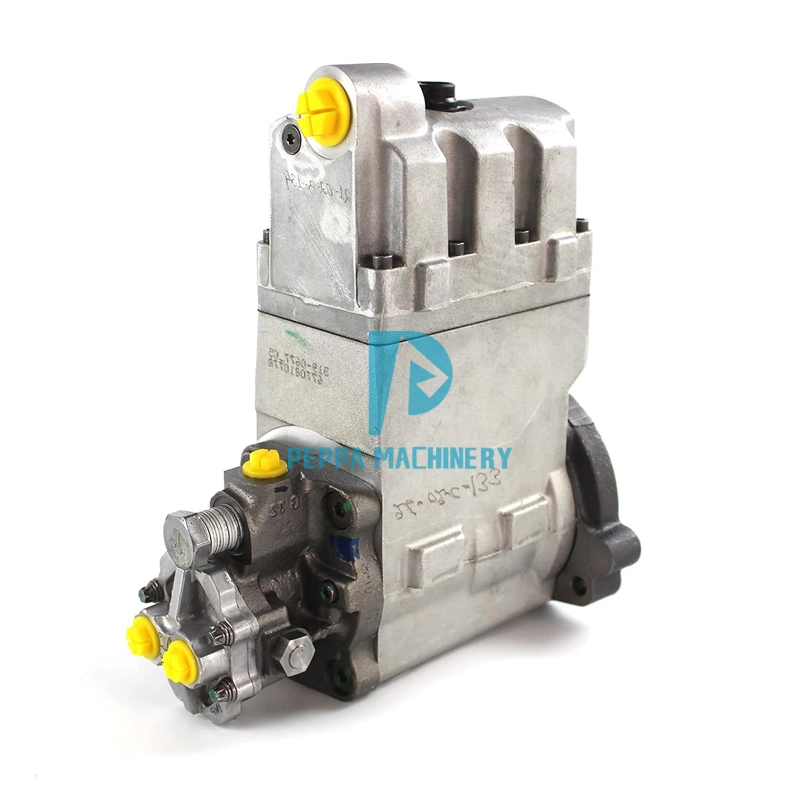
Fuel Feed / Transfer Pump Assembly for Caterpillar C7 & C9 Engines | Direct Replacement for OEM Parts #319-0678, 254-4358, 304-0678, 295-4778, 228-589
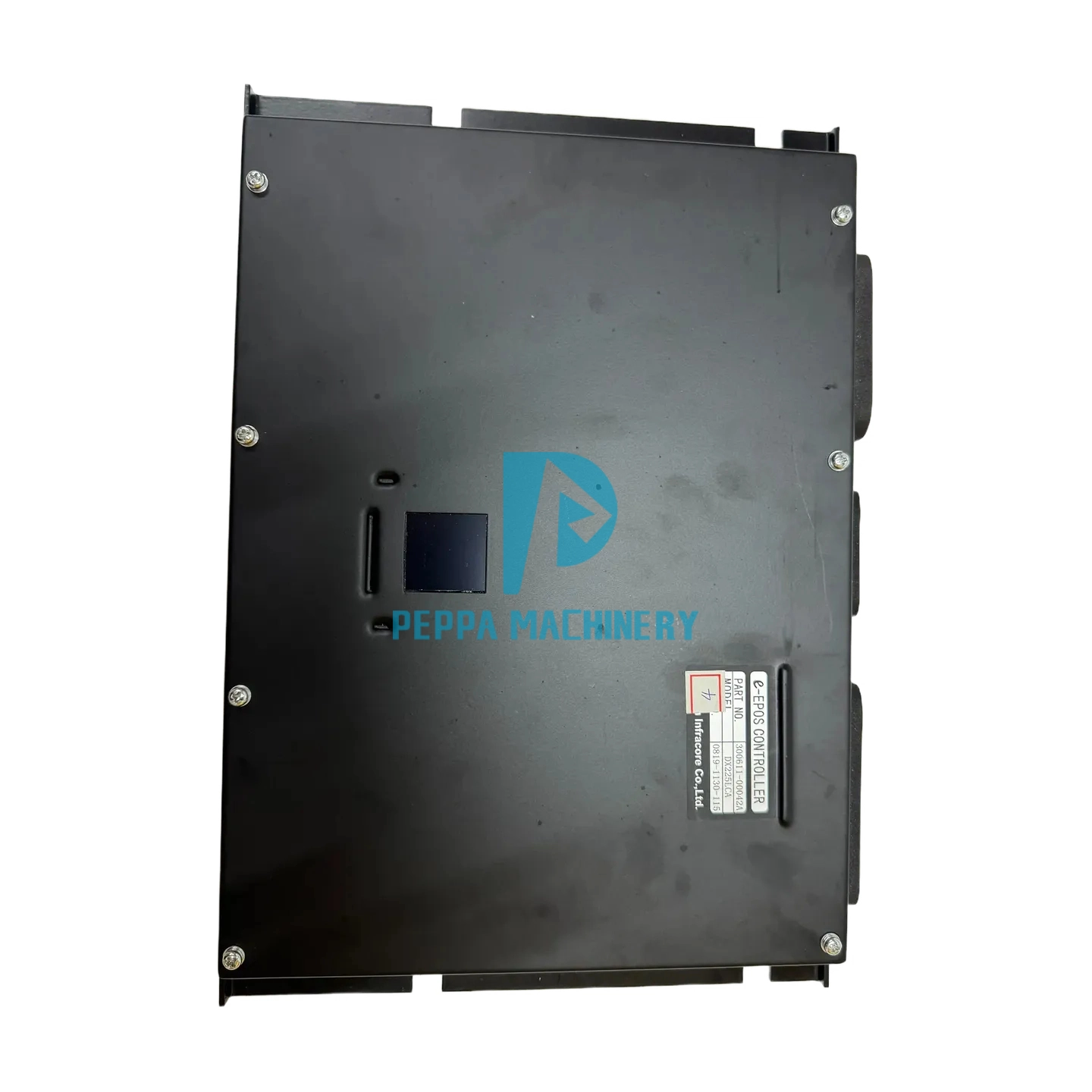
Excavator Accessories Excavator Controller DX225 DX225LCA E-EPOS Controller Computer Board 300611-00042 K1026740 K1001369C K1056425 ECU ECM

Isuzu Engine 6WG1 Turbo 1876183290 1-87618329-0 8981921861 8-98192186-1 14400-4441 1144004370 114400-4370 49188-018312 49188-11940
Excavator Parts
Do you provide technical support or installation guidance?
While we do not offer on-site installation, we can provide basic technical advice, diagrams, or documentation to assist your technicians with installation and troubleshooting.
What brands of excavator parts do you supply?
We supply a full range of parts compatible with major international and Chinese brands, including Caterpillar, Komatsu, Hitachi, Volvo, Doosan, Hyundai, Sany, Liugong, XCMG, Zoomlion, and more.
How can I verify compatibility before placing an order?
Please provide us with your machine brand, model number, and the part number (if available). Our team will double-check the compatibility to ensure you receive the correct parts.
What types of parts do you mainly offer?
Our main product categories include:
• Engine parts (liner kits, crankshafts, water/oil pumps, etc.)
• Electrical parts (sensors, monitors, throttle motors, wiring harnesses)
• Hydraulic parts (pumps, valves, cylinders)
• Sealing kits (NOK, SKF, PQ brands, floating seals, O-rings)
Can I get help choosing the right parts for my machine?
Yes. Our experienced sales team is here to provide professional recommendations and solutions based on your excavator model, part number, or specific requirements.
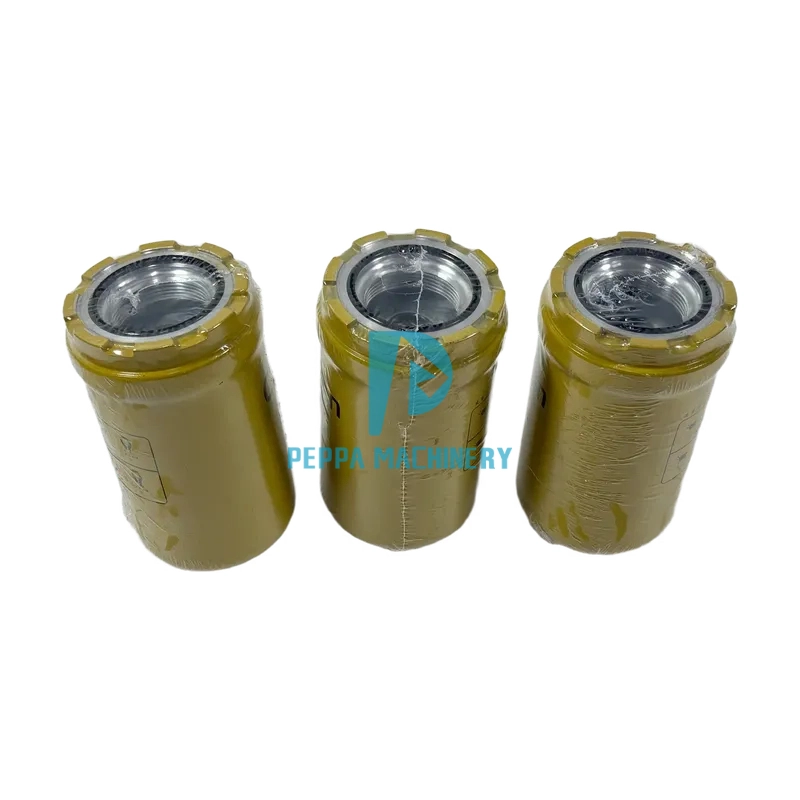
51-8670 Hydraulic Filter Applicable to HF35519 518670 2897836 518670X 1588987 Compatible with Caterpillar 352FVG 325CL
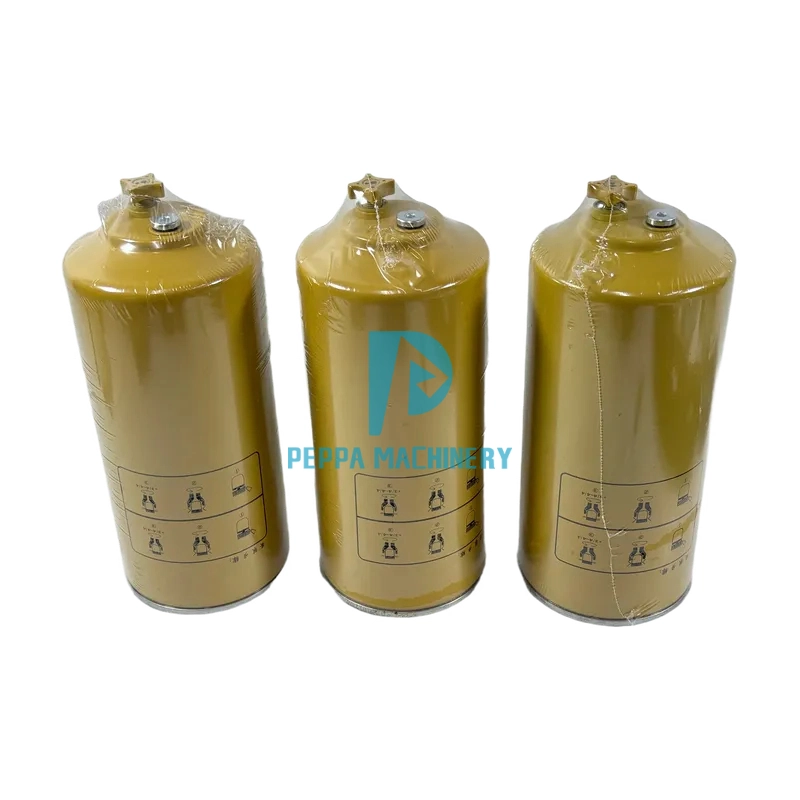
4385386 Fuel Water Separator Fuel Filter 382-0664 Oil-water Separator Hydraulic Oil Filter for CAT 312D2 320D2
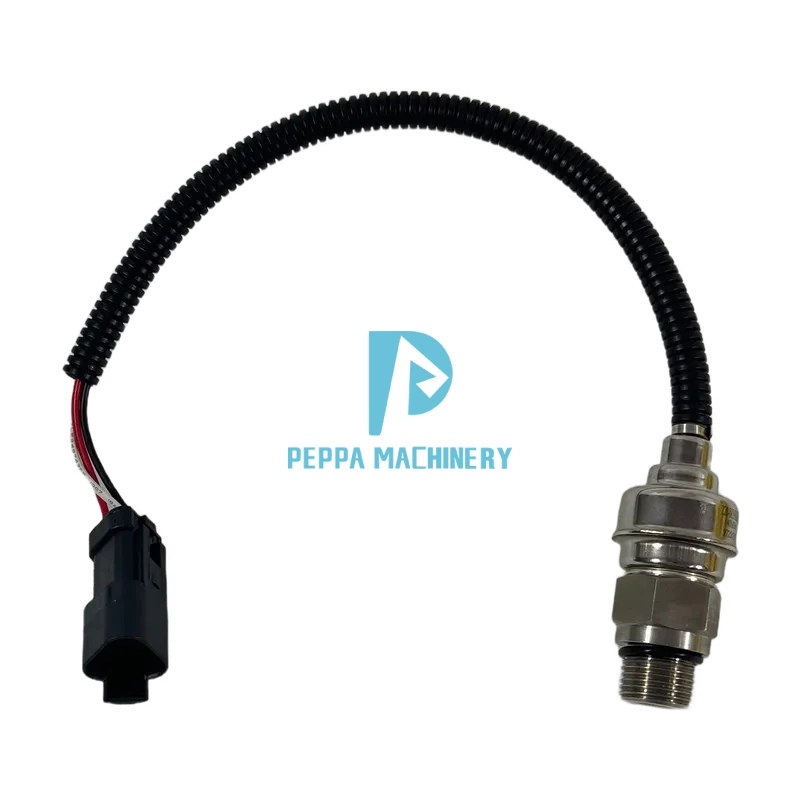
Pressure Sensor 221-8859 106-0178 for Caterpillar CAT 311B 311C 312C 314D 315B 320C 323D 324D 330C 336D 345B 385C
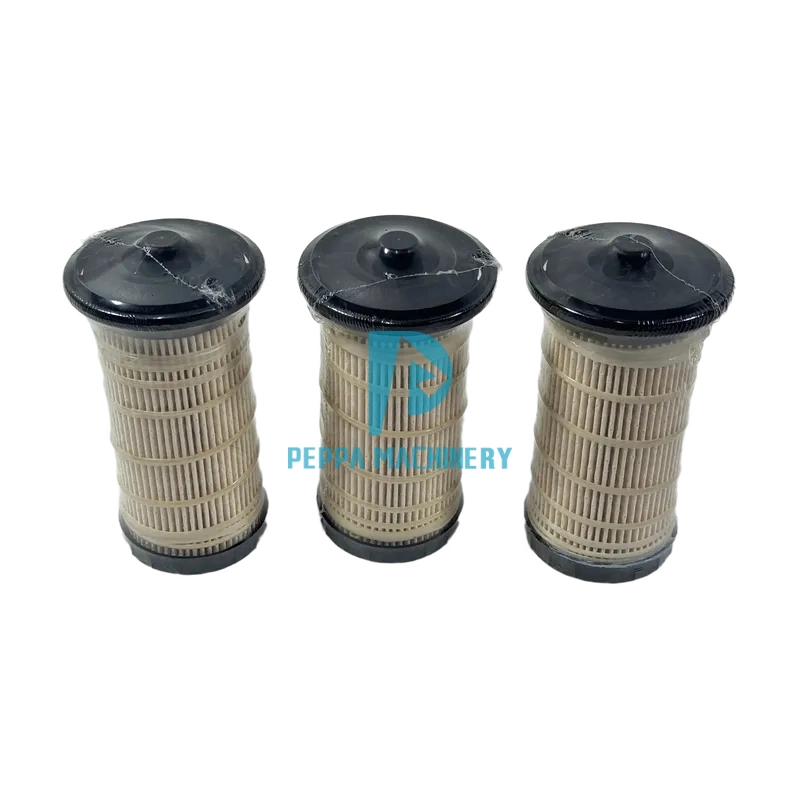
360-8960 Fuel Filter Element for Caterpillar C4.4 & C7.1 Engines | Fits 312D, 320D, 312E, 320E, 326D2, 336D2 Excavators
Get more information
Want to know more? Contact us today to get detailed product specifications, customized solutions, and a free consultation tailored to your needs.
Rest assured that your privacy is important to us, and all information provided will be handled with the utmost confidentiality.

Reliable Source for Quality Excavator Components.
Follow Us
Our Partners


Our Payment Methods


 High Quality
 7/24 Service
 Guaranteed Warranty
 Scan QR Code
Facebook
TikTok
YouTube
Pinterest
Twitter