








Excavator Oil Pump: OEM vs. Aftermarket—Which Is Best?
- 1. How can I diagnose early signs of hydraulic oil pump failure on my excavator without removing the pump?
- 2. Is a remanufactured excavator oil pump worth it versus new OEM when my machine has 10,000+ hours?
- 3. What exact tolerances and factory tests should I demand from an aftermarket supplier to ensure their pump matches OEM efficiency and longevity?
- 4. Can installing a lower-cost aftermarket pump affect fuel efficiency and hydraulic performance — how do I quantify the impact?
- 5. How should I prep my hydraulic system before fitting a replacement pump to avoid premature failure?
- 6. Are there country-specific compliance or import checks I should perform to verify aftermarket excavator oil pump sourcing for EU/US/China markets?
- Concluding summary: advantages of OEM, aftermarket, and remanufactured excavator oil pumps
Excavator Oil Pump: OEM vs. Aftermarket—Which Is Best?
This article answers six high-value, long-tail questions excavator owners and service teams ask when deciding between OEM, remanufactured, and aftermarket hydraulic oil pumps. It embeds practical checks—flow/pressure testing, volumetric efficiency, contamination control, and sourcing verification—so you can reduce risk, downtime, and lifecycle cost.
1. How can I diagnose early signs of hydraulic oil pump failure on my excavator without removing the pump?
Early detection avoids catastrophic downtime. Start with non-invasive indicators, then confirm with on-machine tests.
Symptoms to monitor (daily/weekly):
- Performance loss under load — slower boom or swing speeds when cutting or lifting while engine RPM is steady.
- Intermittent jerky motion, chattering or whining noises from the pump area (listen with an ultrasonic detector if available).
- Rapid temperature rise in the hydraulic oil or higher-than-normal hydraulic-reservoir temperatures after similar duty cycles.
- Foamy or aerated oil in the sight glass or reservoir (sign of suction cavitation).
- Frequent particulate loading on suction strainers or a surge in contamination codes from oil analysis.
Practical on-equipment tests (no removal):
- Static pressure test: fit an inline pressure gauge at the pump’s test port; compare with model-specific OEM pressure specs. Note large dropoffs or inability to hold pressure under load.
- Flow/volumetric check: install a portable flow meter or use an OEM test port and chart pump flow vs engine RPM. Reduced flow at rated RPM suggests internal leakage/wear.
- Suction check: inspect suction line, suction strainer and check for collapsed hoses or improper fittings causing cavitation symptoms.
- Oil analysis and particle count: take a baseline sample and request ISO 4406 contamination codes. A sudden jump in metallic particles (ferrous) indicates internal wear.
- Acoustic/ultrasonic scan: localize abnormal bearing or gear noise before teardown.
Action thresholds: any combination of reduced flow, rising temperature, audible anomalies, and metallic particles warrants out-of-service planning. Always compare readings to the machine’s service manual rather than generic thresholds.
2. Is a remanufactured excavator oil pump worth it versus new OEM when my machine has 10,000+ hours?
Decision depends on machine role, contamination history, downtime cost, and remanufacturer quality.
Key evaluation points:
- System contamination history: if oil analysis shows chronic high particle counts or evidence of hard-particle wear, internal clearances in a reman unit can clog rapidly. In those cases, new OEM is safer unless you also overhaul the system.
- Remanufacturer process and documentation: request refurbishment records, pressure/flow test sheets, replacement-part lists (shafts, bearings, seals), and any surface-treatment details (nitriding, induction hardening). Quality remanufactures should match OEM tolerances and include bench test curves.
- Warranty and acceptance testing: a reputable reman supplier provides a measurable warranty and acceptance data (bench-tested to OEM flow/pressure curves). Confirm warranty covers both parts and labour for a defined period or hours.
- Cost vs lifecycle: remanufactured pumps often save 30–60% of new-OEM cost up-front. But factor expected remaining life: if reman gives 70–90% of new-life and downtime cost is high, reman can be cost-effective. If machine is critical, newer OEM may be justified.
Rule-of-thumb approach:
- Low-to-medium critical machines with clean hydraulic systems and reputable reman supplier = reman recommended.
- High-criticality units, poor contamination history, or no reliable reman traceability = OEM recommended.
3. What exact tolerances and factory tests should I demand from an aftermarket supplier to ensure their pump matches OEM efficiency and longevity?
When vetting aftermarket pumps, treat the purchase as an engineering acceptance test rather than a commodity buy. Ask for the following documented data:
- Flow vs RPM curve and maximum rated pressure curve tested on a hydraulic test bench at ambient and elevated temperatures.
- Volumetric efficiency (%) across common operating RPM/load points. Request data at idle, rated, and max rpm.
- Mechanical efficiency and input torque measurements—these impact engine load and fuel consumption.
- Leakage rates and internal bypass characteristics at rated pressure (quantified in cc/min).
- Allowable shaft runout and concentricity tolerances, plus bearing clearances and gear backlash tolerances.
- Material and surface treatment specifications—gear hardness (HRC or surface hardness), shaft-grade steel, nitriding or induction hardening where applicable.
- Noise level (dB at defined distance and RPM) and cavitation resistance tests (suction-lift/pressure drop tests).
- Batch traceability and serial numbers plus ISO 9001/QS certification and records of factory quality control inspections.
Acceptance criteria sample (ask supplier to match or exceed OEM): volumetric efficiency within 3–5% of OEM spec; bench-tested flow/pressure curves within ±5%; leakage below OEM maximum; documented run-in and test-cycle logs. If the supplier can’t provide these, treat the unit as high risk.
4. Can installing a lower-cost aftermarket pump affect fuel efficiency and hydraulic performance — how do I quantify the impact?
Yes. Pump losses (reduced volumetric or mechanical efficiency) increase engine loading, generate heat, and reduce machine efficiency. To quantify:
Test method:
- Baseline measurement: with the existing pump (or a known-good pump), perform a standardized work cycle (dig/load/swing) while logging engine fuel flow (fuel meter) and hydraulic work output (boom/swing speeds, hydraulic pressure and flow).
- Install the new pump and repeat the identical cycle under similar ambient and load conditions.
- Compare fuel consumed per unit of hydraulic work. Calculate percent change in volumetric flow versus baseline and percent change in fuel consumption.
Interpretation guidance:
- Small efficiency losses (1–3%) are often invisible on short tests but add up in fuel cost over months.
- Losses above ~5–7% in volumetric or mechanical efficiency are typically measurable and will be noticeable as higher fuel use, more heat, or slower cycle times.
- Higher internal leakage increases hydraulic heating and requires more cooling, which indirectly increases fuel burned to run cooling fans or extend operating hours.
Recommendation: when fuel cost or productivity is a major budget line, require the supplier to provide volumetric and mechanical efficiency test data; if unavailable, plan to field-verify before fleet-wide adoption.
5. How should I prep my hydraulic system before fitting a replacement pump to avoid premature failure?
Replacement pump failures commonly result from contaminated oil, trapped air, incorrect installation or inappropriate run-in. Follow this checklist:
- Cleanliness first: drain and flush reservoir; open and clean suction strainers and check mesh size; replace disposable filters and install a low-porosity final filter (confirm micron rating with OEM).
- Oil quality: replace hydraulic fluid if contamination or viscosity mismatch is suspected. Use the OEM-recommended hydraulic fluid and viscosity grade (don’t substitute arbitrary oils).
- Suction condition: inspect suction hose and fittings for kinks, collapsed sections, or undersized diameters. Replace soft or damaged hoses and ensure clamps and fittings are torque-correct.
- Component inspection: check pressure-control valves, relief valve settings, and associated valve spools for wear or chips that can contaminate the pump immediately.
- Pre-oiling: prime the replacement pump with clean hydraulic oil where possible to minimize dry starts. Follow manufacturer run-in instructions (low-load cycles, progressive load increases for the first hour of operation).
- Filter monitoring: fit particle counters or new filter differential gauges and sample oil for analysis at 8, 24 and 72 operating hours to verify that contamination is under control.
- Torque and alignment: use a calibrated torque wrench for mounting bolts, follow flange alignment practice, and verify shaft coupling alignment to avoid bearing stress.
Document every step—installation records and pre/post oil analysis are essential for warranty claims if early failure occurs.
6. Are there country-specific compliance or import checks I should perform to verify aftermarket excavator oil pump sourcing for EU/US/China markets?
Yes—regulatory and procurement risks differ by market. To meet compliance and procurement diligence:
- Certifications: request the supplier’s quality management certificates (ISO 9001) and, where applicable, declarations of conformity (CE for EU market if the assembly falls under relevant directives). For US procurement, evaluate supplier quality systems and any federal contracting requirements.
- Material and testing evidence: ask for material certificates (e.g., EN/ASTM specifications), pressure test certificates, and bench test data. These documents are commonly requested during customs audits or technical inspections.
- Traceability: ensure each pump has an OEM part number cross-reference (if applicable), supplier serial number, and test batch number. This aids warranty handling and compliance checks during import/export.
- Customs and HS codes: classify the pump correctly under the Harmonized System and keep commercial invoices and technical datasheets ready to avoid customs queries, especially for remanufactured goods.
- Local standards: different countries or industries may expect hydraulic cleanliness or testing to specific norms (e.g., ISO 4406 particle code reporting). Ask suppliers to meet or exceed the cleanliness level your OEM manual requires.
Procurement checklist before purchase: supplier QC certificates, bench-test reports, materials declarations, warranty terms, and traceability. Reject any supplier that cannot provide full documentation aligned to the destination-market requirements.
Concluding summary: advantages of OEM, aftermarket, and remanufactured excavator oil pumps
OEM pumps: strongest fit-for-purpose accuracy, guaranteed model-specific specs, and the most predictable long-term performance. Best for mission-critical machines and when system contamination history is poor.
Quality aftermarket pumps: lower up-front cost and faster lead times when suppliers can demonstrate matched flow/pressure curves, volumetric efficiency data, and material/process traceability. Best when vendor provides documented bench tests and a reliable warranty.
Remanufactured pumps: excellent middle ground when the remanufacturer follows OEM tolerances, replaces wear items (shafts, bearings, seals), and supplies complete bench-test documentation. Cost-effective for non-critical assets with clean hydraulic systems.
Final recommendation: base the buy decision on documented test data, oil-system cleanliness, downtime cost, and supplier traceability rather than price alone. For any replacement, follow the pre-installation cleanliness and run-in protocols above to protect the pump and the hydraulic system.
Contact us for a competitively priced quote or technical data: visit www.jbpartsgz.com or email jbparts@aliyun.com.

Isuzu SP 4JG1 4JG2 4JG3 Cylinder Liner 1876182070 1-87618207-0 1876182080 1-87618208-0 1876182100 1-87618210-0
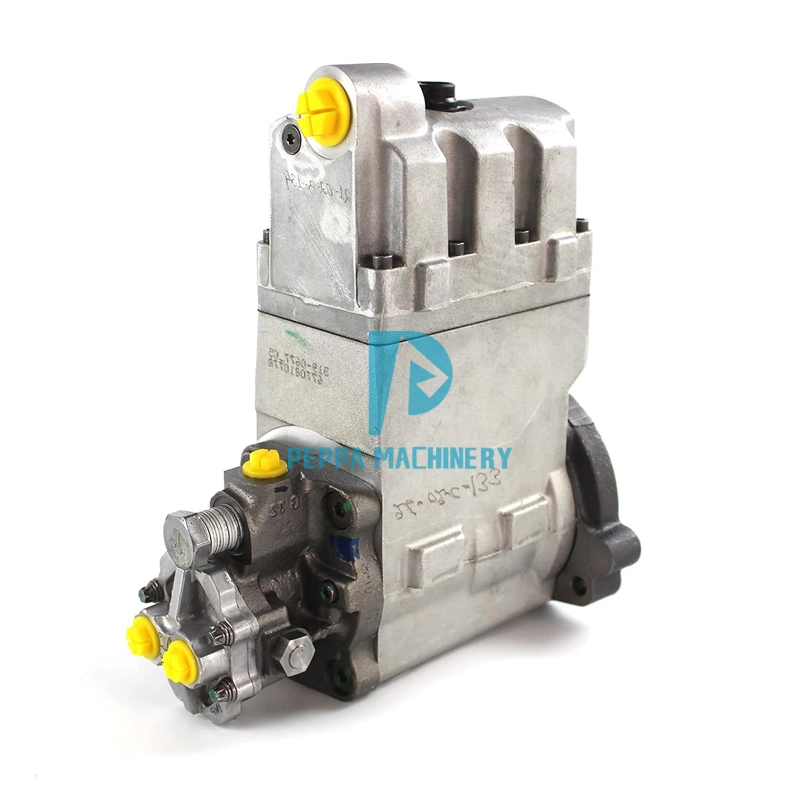
Fuel Feed / Transfer Pump Assembly for Caterpillar C7 & C9 Engines | Direct Replacement for OEM Parts #319-0678, 254-4358, 304-0678, 295-4778, 228-589
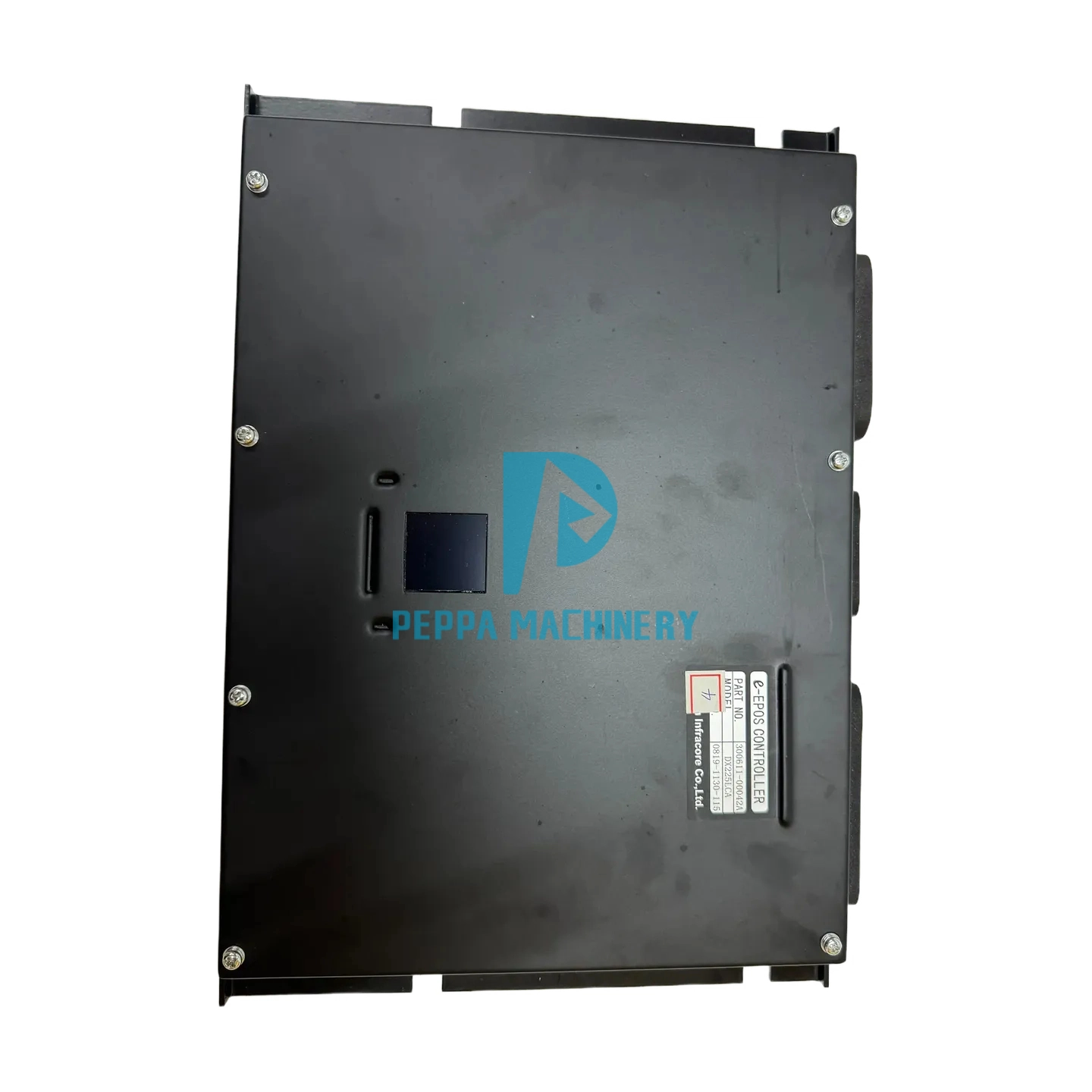
Excavator Accessories Excavator Controller DX225 DX225LCA E-EPOS Controller Computer Board 300611-00042 K1026740 K1001369C K1056425 ECU ECM

Isuzu Engine 6WG1 Turbo 1876183290 1-87618329-0 8981921861 8-98192186-1 14400-4441 1144004370 114400-4370 49188-018312 49188-11940
Excavator Parts
What types of parts do you mainly offer?
Our main product categories include:
• Engine parts (liner kits, crankshafts, water/oil pumps, etc.)
• Electrical parts (sensors, monitors, throttle motors, wiring harnesses)
• Hydraulic parts (pumps, valves, cylinders)
• Sealing kits (NOK, SKF, PQ brands, floating seals, O-rings)
Can I get help choosing the right parts for my machine?
Yes. Our experienced sales team is here to provide professional recommendations and solutions based on your excavator model, part number, or specific requirements.
How can I verify compatibility before placing an order?
Please provide us with your machine brand, model number, and the part number (if available). Our team will double-check the compatibility to ensure you receive the correct parts.
Are your parts genuine or OEM?
We offer both genuine parts and high-quality OEM alternatives. You can choose according to your budget and application needs. All OEM products are tested to meet or exceed original specifications.
What brands of excavator parts do you supply?
We supply a full range of parts compatible with major international and Chinese brands, including Caterpillar, Komatsu, Hitachi, Volvo, Doosan, Hyundai, Sany, Liugong, XCMG, Zoomlion, and more.
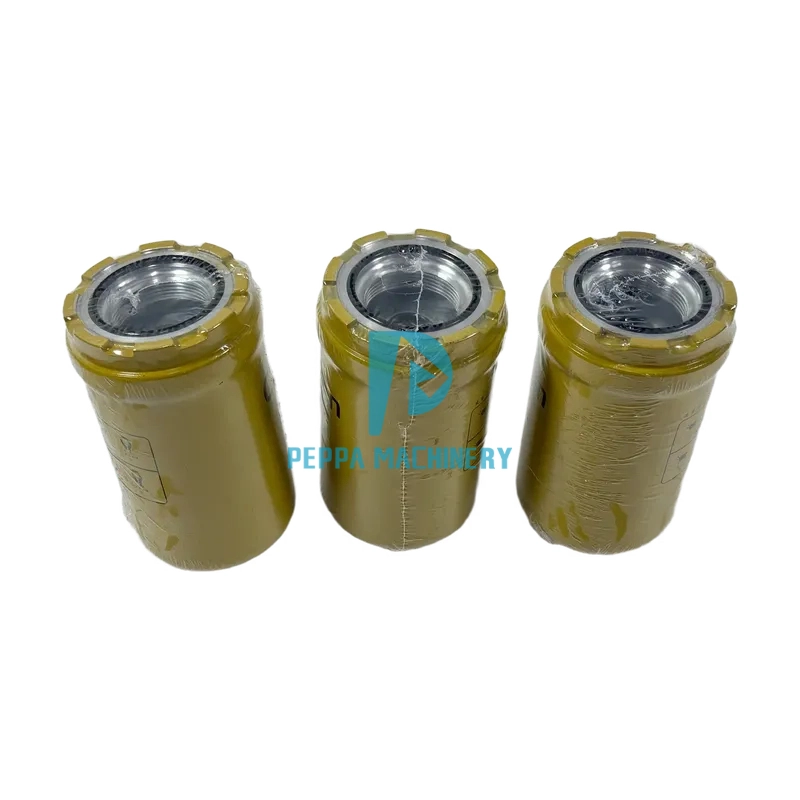
51-8670 Hydraulic Filter Applicable to HF35519 518670 2897836 518670X 1588987 Compatible with Caterpillar 352FVG 325CL
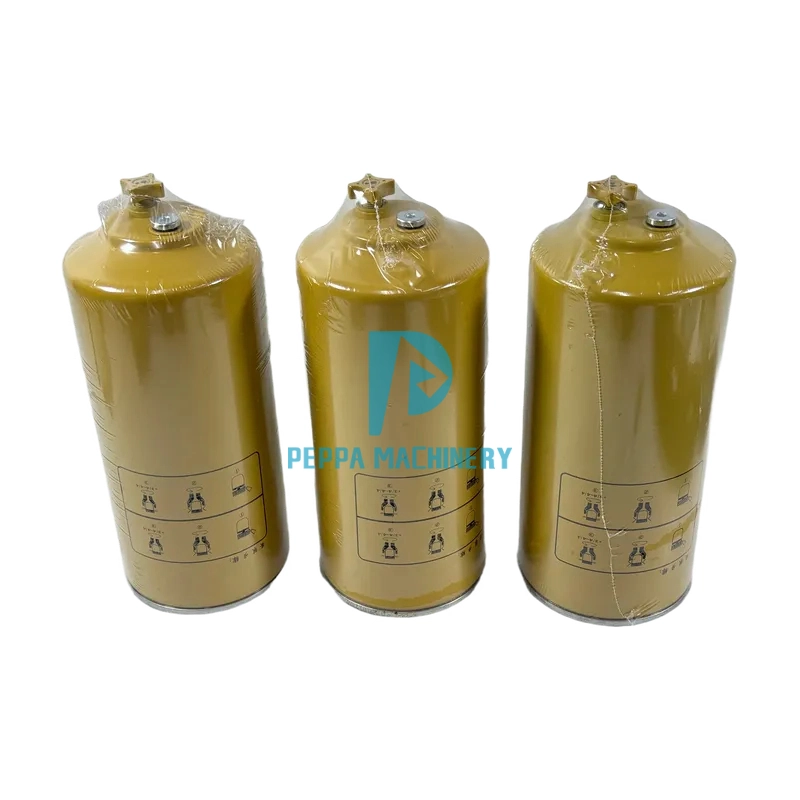
4385386 Fuel Water Separator Fuel Filter 382-0664 Oil-water Separator Hydraulic Oil Filter for CAT 312D2 320D2
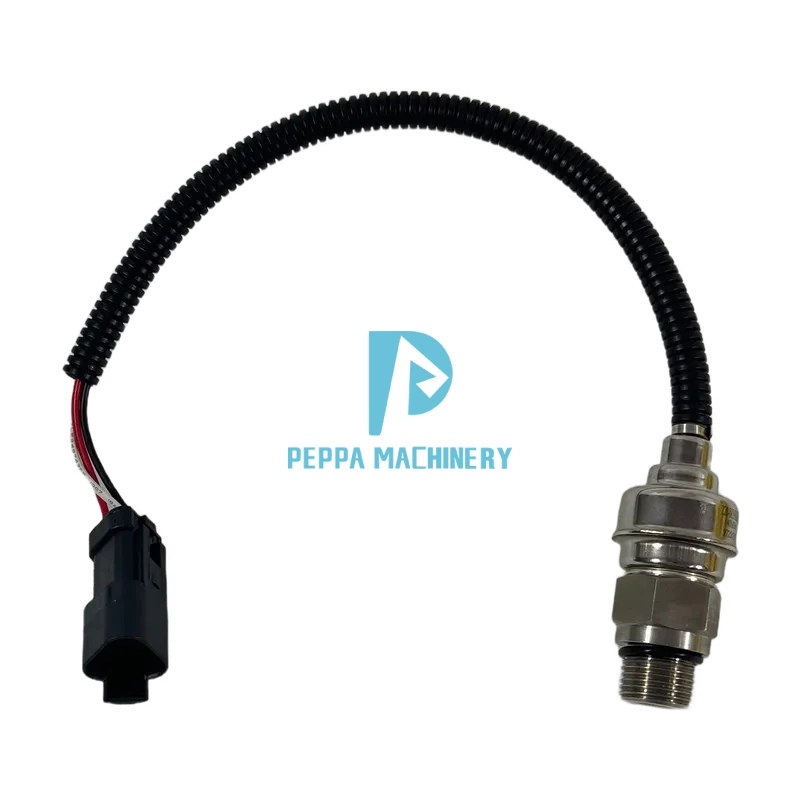
Pressure Sensor 221-8859 106-0178 for Caterpillar CAT 311B 311C 312C 314D 315B 320C 323D 324D 330C 336D 345B 385C
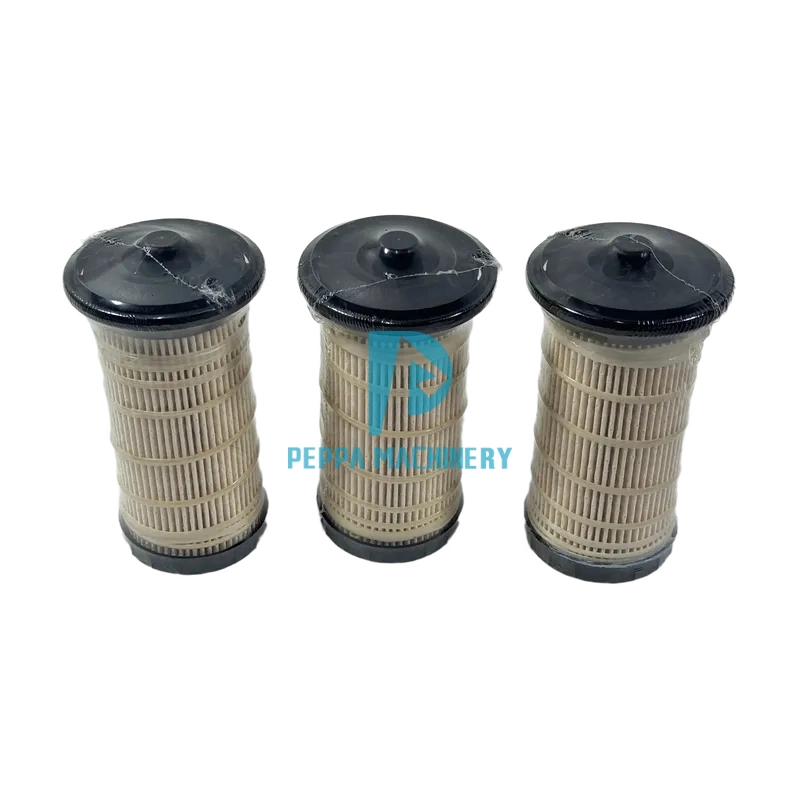
360-8960 Fuel Filter Element for Caterpillar C4.4 & C7.1 Engines | Fits 312D, 320D, 312E, 320E, 326D2, 336D2 Excavators
Get more information
Want to know more? Contact us today to get detailed product specifications, customized solutions, and a free consultation tailored to your needs.
Rest assured that your privacy is important to us, and all information provided will be handled with the utmost confidentiality.

Reliable Source for Quality Excavator Components.
Follow Us
Our Partners


Our Payment Methods


 High Quality
 7/24 Service
 Guaranteed Warranty
 Scan QR Code
Facebook
TikTok
YouTube
Pinterest
Twitter