








How do OEM and aftermarket excavator oil pumps compare?
- How do OEM and aftermarket excavator oil pumps compare in real-world lifecycle cost, fuel efficiency, and machine performance?
- How can I verify an excavator oil pump is compatible before buying (shaft, displacement, mounting, pressure and control type)?
- How do I bench-test a used or reman excavator oil pump to industrial standards before installation?
- What specific contamination-control and installation steps prevent premature excavator oil pump failure?
- How can I detect counterfeit or low-quality aftermarket excavator oil pumps before I buy or install them?
- For a high-hour excavator, is a remanufactured pump a safe middle ground? What reman specs should I demand?
How do OEM and aftermarket excavator oil pumps compare in real-world lifecycle cost, fuel efficiency, and machine performance?
Short answer: they can perform similarly on paper, but differences in tolerances, materials, calibration and testing produce measurable differences in fuel use, cavitation resistance and downtime risk. Modern excavators use variable-displacement axial-piston hydraulic pumps rated commonly between 200–350 bar (3,000–5,000 psi) system pressure and wide flow ranges (small 40–80 L/min, medium 100–250 L/min, large >300 L/min). OEM pumps are built to the manufacturer's displacement tolerances, swashplate control geometry and volumetric efficiency targets—typically >95% when new. That precision reduces internal leakage and heat, giving better fuel efficiency and smoother hydraulic control under load.
Aftermarket pumps vary: reputable aftermarket manufacturers produce units to near-OEM spec and often undercut OEM price by 10–40%. Lower-cost aftermarket units reduce purchase cost but may have wider tolerances, different metallurgy (bearing/shaft hardness), and less strict bench testing. The result can be slightly reduced volumetric efficiency, higher internal leakage and earlier wear—translating to higher fuel use (commonly 2–8% worse in real-world heavy cycling), faster temperature rise, or slower hydraulic response in precision tasks.
Remanufactured (reman) pumps are a third option: when reman is performed to OEM-level rebuild procedures, using matched replacement parts, surface treatments and dynamic balancing on a test bench, reman pumps often deliver performance close to new at lower cost. Key metrics to demand from any vendor: measured flow at specified pressure (L/min at X bar), volumetric efficiency, leakage figures, noise level and test-bench serial trace showing run-in and acceptance.
Decision guide: choose OEM for critical machines where uptime, resale value, and warranty alignment matter (high-hour rental fleets, precision hydraulic controls). Consider high-quality aftermarket for older machines out of warranty where cost is primary. Accept reman when the vendor provides full bench tests, genuine or equivalent internal parts and a clear warranty.
How can I verify an excavator oil pump is compatible before buying (shaft, displacement, mounting, pressure and control type)?
Compatibility is the most common reason replacements fail. Follow this checklist before purchase:
- Identify OEM part number and machine serial number. Use the machine parts manual to cross-reference pump part numbers.
- Confirm pump type: axial-piston (variable), fixed displacement gear, or vane. Excavators typically use variable axial-piston main pumps.
- Measure physical interfaces: shaft diameter and spline count/profile (measure splined section in mm or count splines), mounting flange bolt pattern (SAE flange size), and port thread types (metric/BSP/NPT). Match SAE or OEM flange standards exactly.
- Match hydraulic specs: displacement (cc/rev), rated pressure (bar/psi) and maximum flow (L/min). If unknown, extract displacement from pump tag or parts manual; incorrect displacement changes actuator speed and can overload components.
- Confirm control integration: some pumps have built-in load-sensing electronics or pressure compensators. If your pump had an electro-hydraulic control or position sensor, the replacement must match electrical connectors and signal protocols.
When in doubt, send a clear photo of the pump tag (serial and part numbers), the mounting face, shaft end and ports to your supplier for cross-reference. A correct match prevents catastrophic misfit, including shaft shear, incorrect flow leading to overspeeding or stalled circuits, and voided warranties.
How do I bench-test a used or reman excavator oil pump to industrial standards before installation?
Installing an untested pump risks immediate failure. A proper pump test bench should reproduce rated pressure and flow while recording key metrics. Minimum bench-test protocol:
- Run-in: gradually ramp to rated speed and pressure to check temperature rise and seizure risks (initial 15–30 minutes under controlled load).
- Flow verification: measure displaced flow (L/min) at zero pressure and at rated working pressure; compare to pump nameplate displacement. Volumetric efficiency = measured flow / theoretical flow. New/OEM pumps: expect >95%; acceptable reman: >90% depending on age and specification.
- Leakage test: measure internal (by-pass) leakage at rated pressure. Vendor should provide cc/min leakage data; excessive leakage (>a few % of rated flow) indicates worn pistons/blocks or valve plate issues.
- Pressure endurance: hold at maximum recommended pressure for a defined interval (per OEM or vendor spec) to detect fatigue leaks or relief valve mis-setting.
- Noise and vibration: measure dB(A) at distance and listen for irregular knocking/cavitation noise. Excessive noise often correlates with uneven swashplate or bearing wear.
- Oil cleanliness and temperature: ensure test oil meets cleanliness targets and monitor temperature rise to assess friction losses.
Request and archive the bench-test report with serial number, operator initials, date and measured values. Do not accept a pump without documented run-in and flow/pressure charts.
What specific contamination-control and installation steps prevent premature excavator oil pump failure?
Contamination and poor installation are the most common causes of early pump failure. Follow these best practices:
- Oil cleanliness: target ISO 4406 cleanliness levels per component and OEM recommendations. For main hydraulic pumps, aim for ISO 4406 ≤18/16/13 at installation; for long life, target ≤16/14/11. If servo valves are present, more stringent cleanliness is required.
- Filtration: install a high-quality return-line/routine filtration (10–25 μm absolute, depending on system) and use a dedicated charge/pressure line filter if specified. Use a portable kidney-loop filter to reach cleanliness targets before running the pump under heavy load.
- Flushing and priming: flush hydraulic lines with clean fluid (use a flushing pump or a temporary low-flow pump) until contamination levels are acceptable. Prime the pump correctly to avoid dry-starting (air in the pump causes cavitation and scoring).
- Use correct oil viscosity and anti-wear grade as specified by the machine OEM. Wrong viscosity increases wear and heat.
- Torque and gasket procedures: follow OEM torque specs for flange bolts and use new gaskets/seals to prevent leaks. Over-torquing can warp the mounting flange; under-torquing can create misalignment.
- Initial run-in: operate the pump at reduced load for the first hour while continuously monitoring oil temperature, pressure, and filtration indicators; then perform a full-load bench test or controlled on-machine test.
Document cleanliness numbers before and after installation. A simple particle counter before startup can save hundreds of hours of service life.
How can I detect counterfeit or low-quality aftermarket excavator oil pumps before I buy or install them?
Counterfeit or poor-quality pumps are increasingly common. Use this practical detection checklist:
- Check serial and part numbers: confirm tag numbers with the OEM parts database. Counterfeits often have invalid or duplicated serial numbers.
- Examine finish and weight: genuine pumps usually have consistent machining, correct surface treatments (nitriding or induction hardening visible as uniform finish) and a heavy, solid feel. Very light pumps for their class may indicate cheaper internal castings or hollow components.
- Material and hardness checks: reputable vendors can provide hardness testing or material certificates for shafts and bearing housings. Low-cost units may omit heat treatment, leading to premature wear.
- Packaging and documentation: OEM parts arrive with detailed docs, Q/C tags, QR codes or traceability sheets; aftermarket knock-offs typically lack traceability and proper bench reports.
- Ask for bench-test data: insist on flow vs. pressure charts, volumetric efficiency and leakage numbers. If a supplier cannot produce a test certificate with serial number, treat the part as high risk.
- Buy from authorized dealers or known remanufacturers with a physical presence and warranty. Check reviews from fleet operators and independent service shops for red flags (short lifespans, repetitive failure modes).
If you suspect a counterfeit after delivery, do not install it. Return to supplier and escalate to the OEM if required.
For a high-hour excavator, is a remanufactured pump a safe middle ground? What reman specs should I demand?
Reman can be an excellent value if quality control is strict. A trustworthy remanufacturing process typically includes: complete disassembly, inspection with non-destructive testing of critical components, replacement of wear parts with OEM or OEM-equivalent parts (pistons, valve plate, bearings, seals), reconditioning of the block and rotor surfaces, dynamic balancing, and full bench testing to OEM tolerances.
Specify these reman acceptance criteria before purchase:
- List of replaced parts and specification (including material/hardness for shafts and bearing seats).
- Bench-test report with displacement vs. pressure, volumetric efficiency, leakage and noise levels. Accept figures should be stated (e.g., volumetric efficiency within 90–95% of OEM new specification).
- Warranty terms: minimum 6–12 months or defined hour-based warranty; clear core return and core charge policy.
- Traceability: serial number tagging on reman units and documentation linking to test reports.
- Non-destructive testing evidence for cracks and fatigue-prone parts where applicable.
When reman is done to these standards, many fleets run reman pumps for thousands of hours with cost savings. However, if reman vendors cut corners on materials, surface treatments or bench testing, reman performance can be closer to low-cost aftermarket than OEM.
Summary — advantages and final decision guardrails:
OEM new pumps: best for guaranteed fit, factory tolerances, full OEM warranty and optimized hydraulic mapping—choose for high-value equipment, critical duty cycles and where resale or warranty continuity matters. Aftermarket new pumps: cost-effective for out-of-warranty machines; choose high-quality aftermarket vendors with test certificates. Reman pumps: excellent middle ground when remanufacturing follows OEM-level procedures and provides bench-test evidence and a meaningful warranty.
Across all options, insist on compatibility checks (shaft, displacement, mounting), documented bench-test data, and strict contamination control during installation. Keep cleanliness targets (ISO 4406) in mind and demand test reports with serial numbers.
For a tailored recommendation, documented bench-test certificates and a competitive quote, contact JB Parts at www.jbpartsgz.com or jbparts@aliyun.com — we can supply OEM, quality aftermarket and fully documented reman options.

Isuzu SP 4JG1 4JG2 4JG3 Cylinder Liner 1876182070 1-87618207-0 1876182080 1-87618208-0 1876182100 1-87618210-0
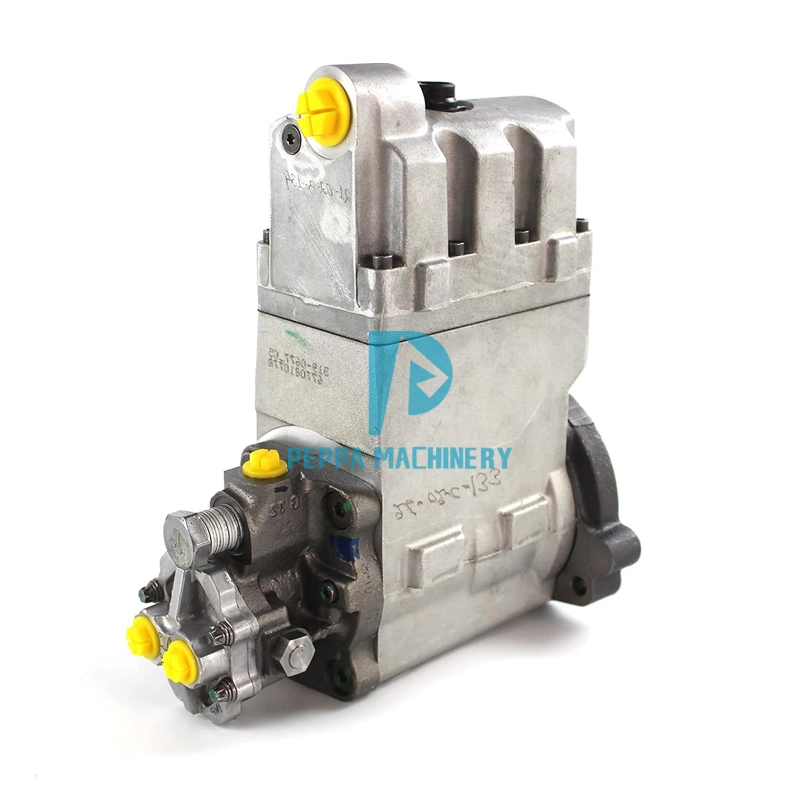
Fuel Feed / Transfer Pump Assembly for Caterpillar C7 & C9 Engines | Direct Replacement for OEM Parts #319-0678, 254-4358, 304-0678, 295-4778, 228-589
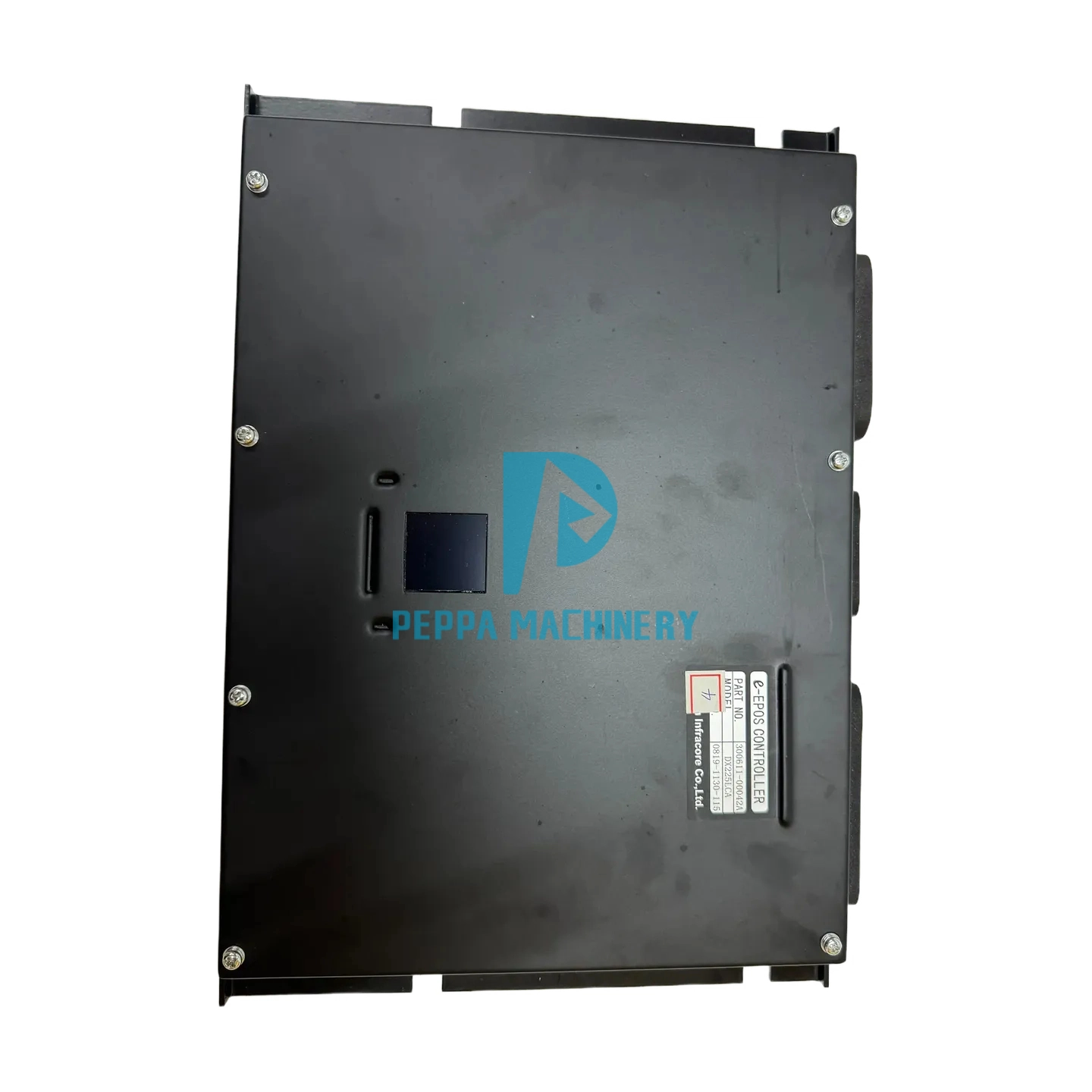
Excavator Accessories Excavator Controller DX225 DX225LCA E-EPOS Controller Computer Board 300611-00042 K1026740 K1001369C K1056425 ECU ECM

Isuzu Engine 6WG1 Turbo 1876183290 1-87618329-0 8981921861 8-98192186-1 14400-4441 1144004370 114400-4370 49188-018312 49188-11940
Excavator Parts
Are your parts genuine or OEM?
We offer both genuine parts and high-quality OEM alternatives. You can choose according to your budget and application needs. All OEM products are tested to meet or exceed original specifications.
How can I verify compatibility before placing an order?
Please provide us with your machine brand, model number, and the part number (if available). Our team will double-check the compatibility to ensure you receive the correct parts.
Do you provide technical support or installation guidance?
While we do not offer on-site installation, we can provide basic technical advice, diagrams, or documentation to assist your technicians with installation and troubleshooting.
What brands of excavator parts do you supply?
We supply a full range of parts compatible with major international and Chinese brands, including Caterpillar, Komatsu, Hitachi, Volvo, Doosan, Hyundai, Sany, Liugong, XCMG, Zoomlion, and more.
Can I get help choosing the right parts for my machine?
Yes. Our experienced sales team is here to provide professional recommendations and solutions based on your excavator model, part number, or specific requirements.
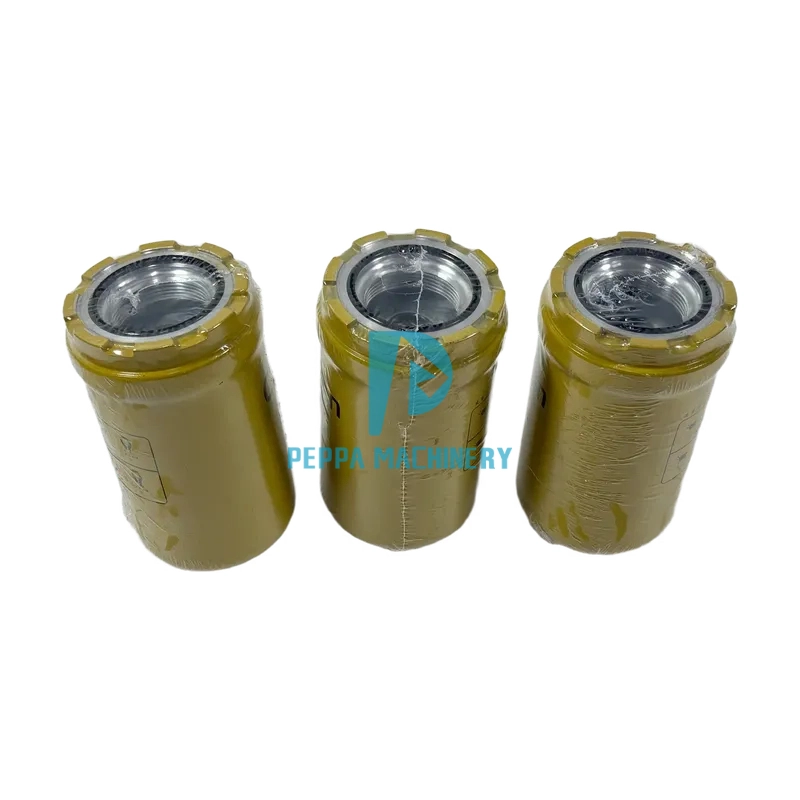
51-8670 Hydraulic Filter Applicable to HF35519 518670 2897836 518670X 1588987 Compatible with Caterpillar 352FVG 325CL
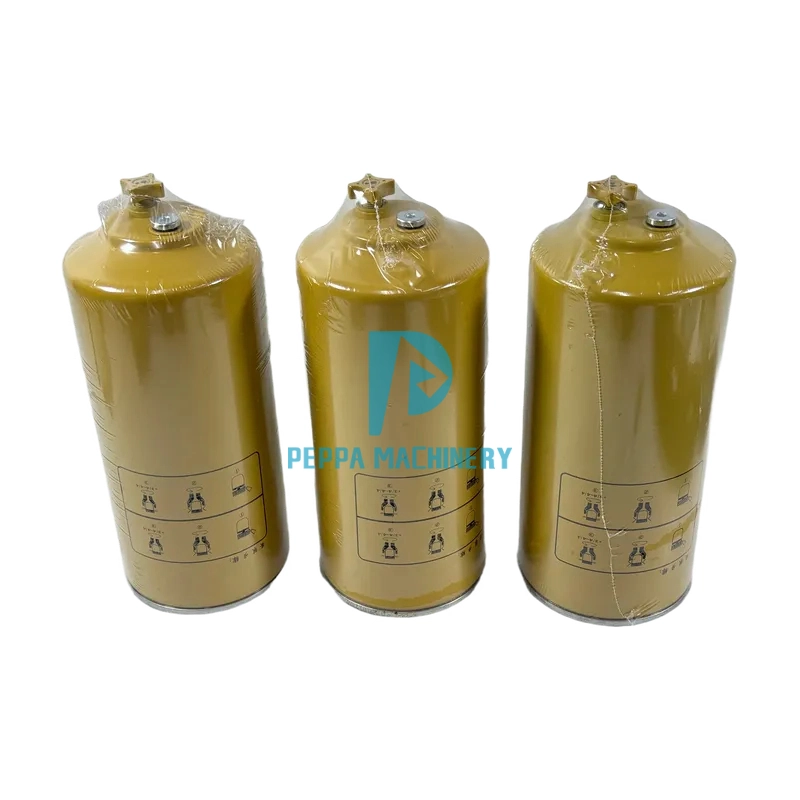
4385386 Fuel Water Separator Fuel Filter 382-0664 Oil-water Separator Hydraulic Oil Filter for CAT 312D2 320D2
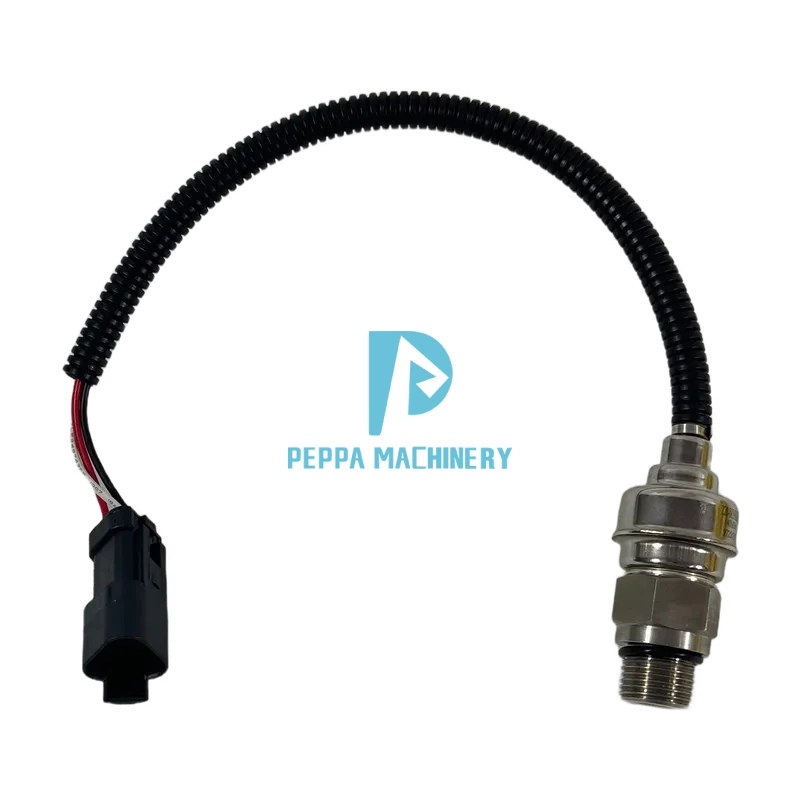
Pressure Sensor 221-8859 106-0178 for Caterpillar CAT 311B 311C 312C 314D 315B 320C 323D 324D 330C 336D 345B 385C
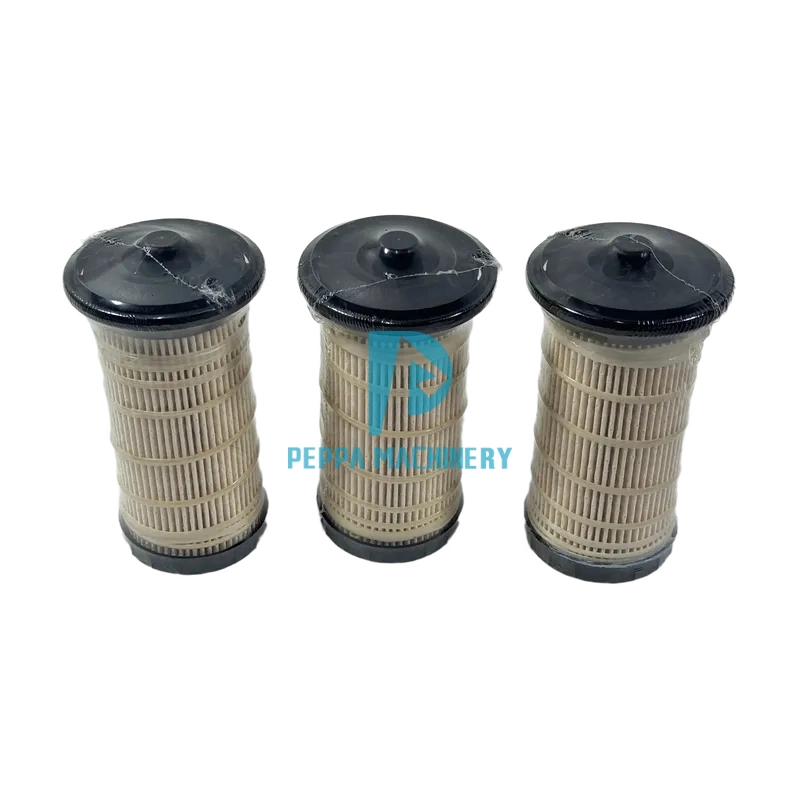
360-8960 Fuel Filter Element for Caterpillar C4.4 & C7.1 Engines | Fits 312D, 320D, 312E, 320E, 326D2, 336D2 Excavators
Get more information
Want to know more? Contact us today to get detailed product specifications, customized solutions, and a free consultation tailored to your needs.
Rest assured that your privacy is important to us, and all information provided will be handled with the utmost confidentiality.

Reliable Source for Quality Excavator Components.
Follow Us
Our Partners


Our Payment Methods


 High Quality
 7/24 Service
 Guaranteed Warranty
 Scan QR Code
Facebook
TikTok
YouTube
Pinterest
Twitter