








Which brands make the most reliable excavator oil pumps?
- 1. How can I tell if my excavator needs a replacement axial-piston (variable) pump or a simpler gear pump — using field tests and measurable symptoms?
- 2. What are the exact internal failure modes of excavator hydraulic oil pumps and how can I inspect/predict remaining life without a full teardown?
- 3. Which brands make the most reliable excavator oil pumps for harsh environments (sand, dust, high heat), and what design features matter most?
- 4. How do I cross-reference and match replacement pump part numbers across OEM, supplier and aftermarket catalogs to avoid a costly compatibility error?
- 5. Rebuild vs New: what is the realistic cost-benefit for replacing an excavator oil pump on 20–40 ton machines?
- 6. What preventive maintenance schedule, hydraulic oil specs and filtration targets will maximize excavator oil pump life?
1. How can I tell if my excavator needs a replacement axial-piston (variable) pump or a simpler gear pump — using field tests and measurable symptoms?
Symptoms can be similar (loss of power, slow boom/swing), so use diagnostic tests rather than guesswork. Begin with these measurable checks used by professional hydraulic shops:
- Static pressure test: install a calibrated pressure gauge at the pump outlet with the implement circuit activated. Typical working pressures on modern medium-to-large excavators range between 20–35 MPa (2,900–5,000 psi) depending on machine and circuit. If relief pressure never reaches the machine’s published working pressure, the pump or relief valve may be worn.
- Flow test (volume): measure pump flow at a given engine RPM using a flow meter or by timed cylinder stroke. Axial-piston variable pumps should show rated displacement variation with swash-plate commands; a gear pump is fixed displacement. Compare measured cc/rev to the plate or name-tag specification (displacement × engine RPM = theoretical flow). A significant drop (10%+) indicates internal wear or leakage.
- Suction/vacuum test: restricted suction or cavitation symptoms (noise, vibration, intermittent power) point to suction-side issues — damaged suction filter, line collapse, or pump internal defects. Use a vacuum gauge at the pump inlet; excessive inlet vacuum (typically > -0.4 bar / -6 psi) indicates suction problems.
- Noise & temperature trends: axial piston pumps make tonal frequency related to swash-plate movement and can be noisy under cavitation; gear pumps make more broadband noise. Thermography showing a hotspot at the pump housing under light load often indicates internal slippage in variable pumps.
- Relief valve isolation: temporarily isolate the circuit and bench-pressure the pump (with OEM procedure) to confirm pump can reach rated pressure independently of downstream valves.
Conclusion for beginners: if flow drops proportionally with pressure loss and the pump cannot meet rated displacement, suspect pump wear (axial piston or gear). If pressure is OK but actuators are slow, check flow control, valves, and contamination first. Always follow the OEM test procedure and safety steps.
2. What are the exact internal failure modes of excavator hydraulic oil pumps and how can I inspect/predict remaining life without a full teardown?
Understanding failure modes helps you plan repairs and avoid repeat failures. Common pump failure modes:
- Cavitation damage: pitting and erosion on suction-side surfaces caused by vapor bubble collapse; shows up as rough, frosted metal on port faces and drives increased noise.
- Abrasive wear from contamination: scoring on piston slides, swash plate, and cylinder barrels; produces ferrous metallic contamination and higher particle counts in oil analysis (ISO 4406 codes rise).
- Fatigue & spalling: subsurface fatigue on gear teeth or pistons appears as flaking/spalls; often from overloading or improper lubrication.
- Mismatch/wear in the swash-plate/piston interface (variable pumps): leads to internal leakage, lower displacement, heat generation, and varnish build-up.
- Seal failure and shaft wear: causes external leaks and ingress of contaminants.
Non-teardown prediction methods used in professional shops:
- Oil analysis: determine ISO 4406 particle code, ferrous particle count, viscosity, water content (target <200 ppm), and acid number. Rising ferrous counts and fine particle levels (<10 μm) indicate active wear.
- Spectrometric wear analysis/ferrography: identifies metal types (iron vs. copper) and particle morphology to distinguish scoring vs. fatigue. A rise in submicron ferrous particles often precedes catastrophic failure.
- Vibration & acoustic signatures: record pump running vibration and acoustic spectrum. Cavitation and impending mechanical failure produce characteristic frequency components; shops compare to baseline signatures.
- Thermal imaging under load: hot spots suggest internal leakage or bearing distress. Compare with normal operating temperature charts from OEM manuals.
- Performance trending: log pressure, flow and temperature over time. Progressive loss of displacement or increasing internal leakage rate predicts remaining useful life.
Using a combination of oil analysis, vibration/acoustics and trend data typically allows experienced technicians to estimate remaining life within a conservative window (weeks to months), enabling planned repair instead of emergency replacement.
3. Which brands make the most reliable excavator oil pumps for harsh environments (sand, dust, high heat), and what design features matter most?
Industry practice and OEM cross-reference lists identify several manufacturers with strong reliability records for hydraulic pumps used on excavators. The most consistently recommended brands are Kawasaki (KPM), Bosch Rexroth, KYB (Kayaba), Nachi, Parker, and Yuken. Why these brands stand out:
- Kawasaki (KPM): long history supplying axial-piston variable pumps to Japanese OEMs; robust swash-plate tolerances and proven anti-cavitation designs.
- Bosch Rexroth: world-class precision machining and hardened surfaces; excellent for high-pressure variable-displacement pumps and integrated valve-pump modules.
- KYB (Kayaba): widely used on compact and medium excavators with good tolerance to shock loads and efficient sealing for dusty conditions.
- Nachi: known for durable piston and rotary group construction, often found in heavy-duty applications.
- Parker: offers modular pumps with strong aftermarket support and filtration recommendations for polluted environments.
- Yuken: reputable for robust gear and piston pumps with emphasis on simplicity and field-serviceability.
Features to prioritize for harsh environments:
- High-suction capability (large inlet ports, good inlet geometry) to avoid cavitation when suction filters clog.
- Hardened, nitrided surfaces and improved clearances to resist abrasive wear.
- Effective port seals and labyrinth protections to limit ingress of dust to shaft seals.
- Variable-displacement pumps with load-sensing (LS) control to reduce heat generation under partial loads.
- Availability of genuine spare parts and pump rebuild kits to enable field repairs.
Choice advice: select a brand that the OEM fitted originally if possible; if replacing with aftermarket, choose a supplier whose pump matches displacement, mounting, shaft and pressure ratings exactly and that has field-proven performance in dusty or hot climates.
4. How do I cross-reference and match replacement pump part numbers across OEM, supplier and aftermarket catalogs to avoid a costly compatibility error?
Mismatched pumps are a common cause of costly returns and downtime. Follow a mechanical-first cross-reference workflow used by service centers:
- Record the pump nameplate: manufacturer, model, serial, displacement (cc/rev), maximum pressure and flow at RPM. If the nameplate is missing, physically measure displacement (see flow test in Q1).
- Document mounting and shaft geometry: flange bolt pattern, pilot diameter, shaft spline count and involute dimensions, overall length, and port thread sizes (SAE, BSPP, metric). Photographs from multiple angles help suppliers verify fit.
- Confirm hydraulic parameters: maximum pressure (MPa/psi), required flow at specified RPM, and whether pump is fixed or variable displacement. Also check control inputs (two-position, proportional, electrical load-sensing) to match control porting.
- Use OEM parts catalogs and cross-reference tables: most OEMs publish pump cross-reference lists that show supplier part numbers (Kawasaki, Rexroth, KYB, Nachi). If unavailable online, contact OEM parts desk with serial numbers.
- When using aftermarket providers, request a dimensional drawing and a sample of the pump’s performance curve (pressure vs. flow). Confirm warranty and return policy in writing.
- Test-fit and bench-run before full installation (couple of hours at low load) to verify no shaft misalignment, interference, or abnormal noise.
Tip: never rely solely on a pump’s reported displacement; incorrect shaft splines or porting can make an otherwise correct pump physically incompatible. If in doubt, consult the OEM parts department or your supplier’s technical team with photos and measurements.
5. Rebuild vs New: what is the realistic cost-benefit for replacing an excavator oil pump on 20–40 ton machines?
Costs vary by brand, region and pump type. Typical industry ranges (2024 market observations):
- Professional rebuild (parts + labor, shop): US$900–3,500 depending on pump complexity and spare parts needed.
- New OEM pump: US$3,000–9,000 (high-pressure axial-piston variable pumps on large excavators are at the upper end).
- High-quality aftermarket complete pump: US$1,500–4,500 (warranty and documentation vary).
Decision factors:
- Severity of internal damage: extensive spalling or shaft damage favors a new OEM pump. Rebuild kits typically replace wear components (bearings, pistons, seals, valve plates) but not heavily scored rotors or housings.
- Downtime cost: if each machine-day costs you US$500–2,000 (lost production + rental), faster turn-around (new pump in stock) justifies higher purchase price.
- Warranty and reliability: OEM pumps usually carry longer warranties and known lifecycle expectations; rebuilt pumps often come with shorter warranties but lower upfront cost.
- Life expectancy: a properly rebuilt pump with genuine parts and precision machining can return 70–90% of original life; a new OEM pump returns full service life.
Recommendation: for mission-critical machines on tight schedules, choose a new OEM or certified OEM-equivalent pump. For older machines near replacement or where budget constraints exist, a professional rebuild with OEM-quality parts is often the most economical choice.
6. What preventive maintenance schedule, hydraulic oil specs and filtration targets will maximize excavator oil pump life?
Proven preventive measures used by fleet managers and recommended in OEM service literature:
- Hydraulic oil grade: most excavators use ISO VG 46 (check your machine’s service manual). In very hot climates consider ISO VG 32 with OEM approval; in very cold climates consider ISO VG 68 or multigrade fluids designed for hydraulic systems. Always use fluids that meet the OEM’s viscosity and anti-wear (AW) specifications.
- Filtration cleanliness targets: aim for ISO 4406 cleanliness codes of 16/13/11 or better for main pressure circuits serving high-pressure pumps. Use absolute-rated pressure filters (3–5 μm) on the pressure side where recommended, and return-line filtration (10 μm) to protect the reservoir and pump suction.
- Suction filtration and breathers: fit a suction strainer and maintain breather elements to prevent air ingress and abrasive dust entry. Replace suction filters at scheduled intervals when accessible.
- Fluid change intervals and sampling: perform oil sampling every 250–500 operating hours for medium-duty use. Change fluid at OEM intervals or when oil analysis shows contamination, high TAN, or viscosity shift. Typical heavy-use drains may be 1,000–2,000 hours depending on conditions.
- Temperature control: avoid sustained oil temperatures above 80–90°C; high temperatures accelerate wear and varnish formation. Use hydraulic coolers and ensure radiator/airflow cleanliness.
- Element replacement and monitoring: change pressure and return filter elements on schedule (commonly every 250–500 hours) and monitor differential pressure. Replace elements earlier in dusty environments.
- Regular leak & mount checks: ensure pump mount bolts and couplings are torqued to spec; misalignment accelerates shaft and bearing wear.
Following these steps — approved hydraulic oil, strict filtration, regular oil analysis and thermal/vibration monitoring — is the single most effective way to double or more the useful life of an excavator hydraulic pump compared with neglected systems.
Concluding paragraph — advantages of following expert pump selection and maintenance:
Choosing reputable brands (Kawasaki, Bosch Rexroth, KYB, Nachi, Parker, Yuken) and matching pump displacement, mounting and control precisely reduces compatibility risk and downtime. Applying targeted diagnostics (pressure/flow, suction vacuum, oil analysis and vibration) lets you predict failures and plan cost-effective repairs. Finally, strict filtration practices, the correct hydraulic oil (OEM-specified viscosity), and scheduled sampling extend pump life, reduce wear debris generation and improve fleet uptime — delivering lower total cost of ownership and safer, more productive excavator operation.
Contact us for a quote or technical cross-reference: visit www.jbpartsgz.com or email jbparts@aliyun.com.

Isuzu SP 4JG1 4JG2 4JG3 Cylinder Liner 1876182070 1-87618207-0 1876182080 1-87618208-0 1876182100 1-87618210-0
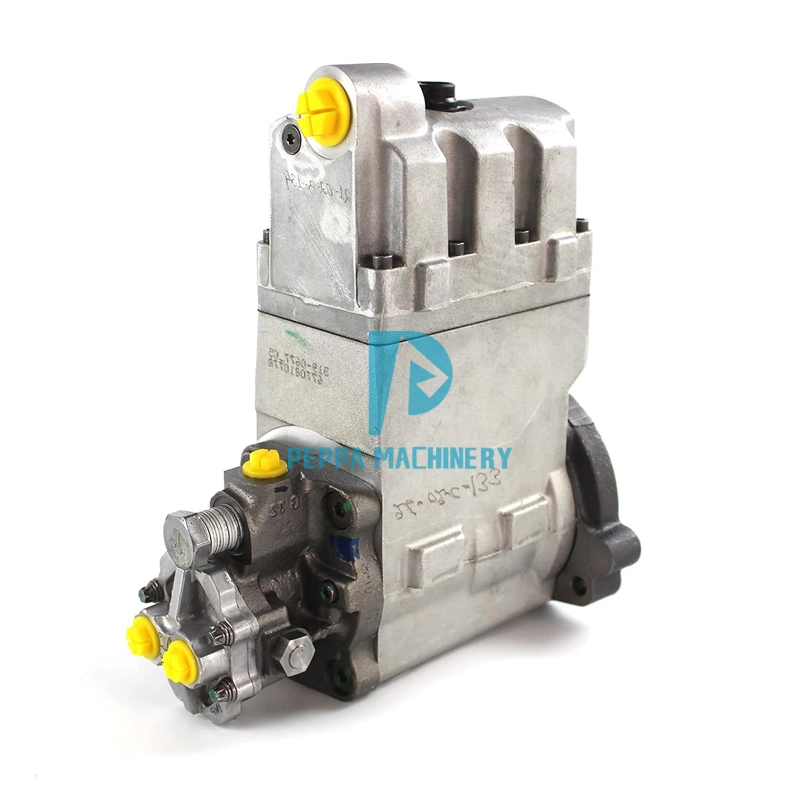
Fuel Feed / Transfer Pump Assembly for Caterpillar C7 & C9 Engines | Direct Replacement for OEM Parts #319-0678, 254-4358, 304-0678, 295-4778, 228-589
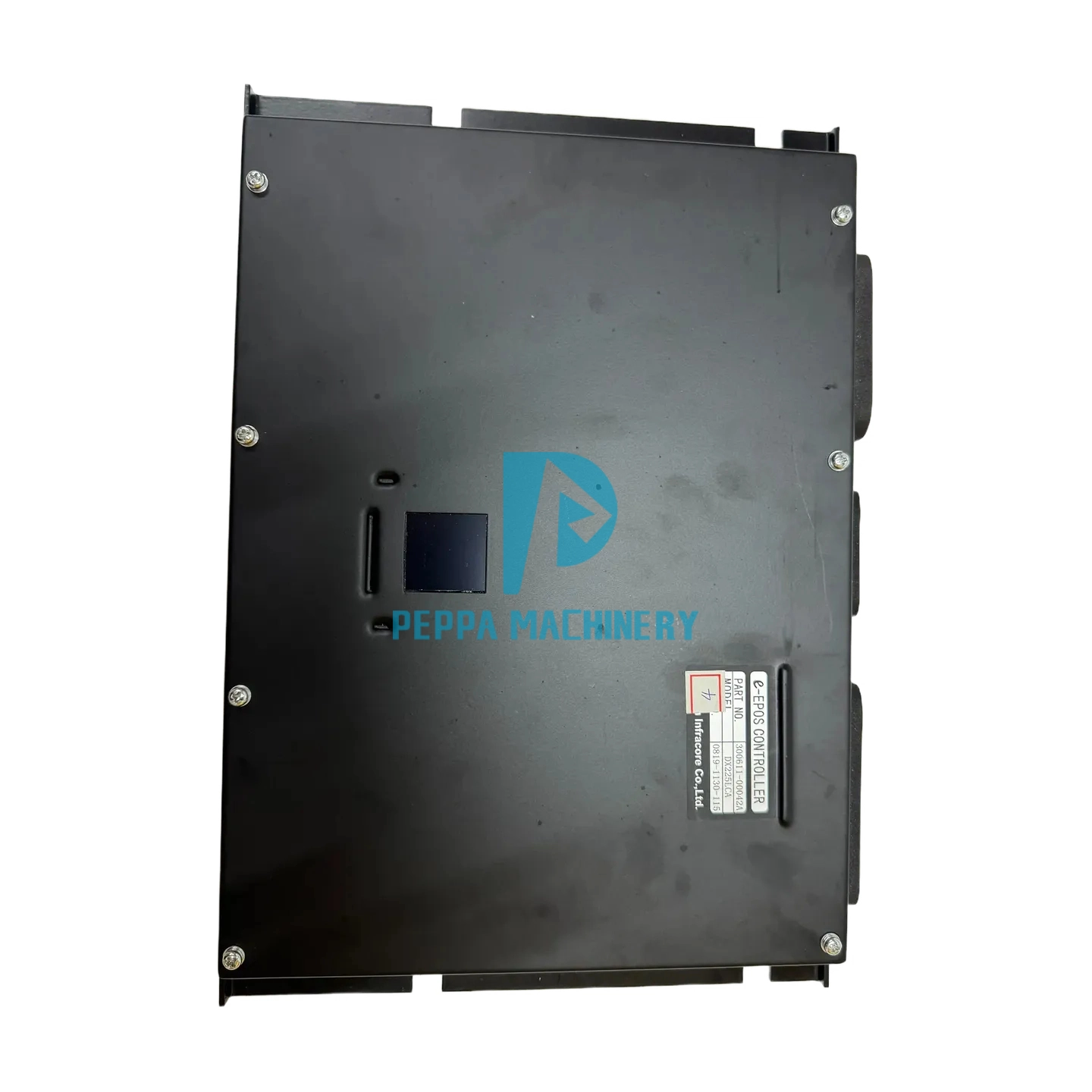
Excavator Accessories Excavator Controller DX225 DX225LCA E-EPOS Controller Computer Board 300611-00042 K1026740 K1001369C K1056425 ECU ECM

Isuzu Engine 6WG1 Turbo 1876183290 1-87618329-0 8981921861 8-98192186-1 14400-4441 1144004370 114400-4370 49188-018312 49188-11940
Excavator Parts
What brands of excavator parts do you supply?
We supply a full range of parts compatible with major international and Chinese brands, including Caterpillar, Komatsu, Hitachi, Volvo, Doosan, Hyundai, Sany, Liugong, XCMG, Zoomlion, and more.
Do you provide technical support or installation guidance?
While we do not offer on-site installation, we can provide basic technical advice, diagrams, or documentation to assist your technicians with installation and troubleshooting.
Are your parts genuine or OEM?
We offer both genuine parts and high-quality OEM alternatives. You can choose according to your budget and application needs. All OEM products are tested to meet or exceed original specifications.
What types of parts do you mainly offer?
Our main product categories include:
• Engine parts (liner kits, crankshafts, water/oil pumps, etc.)
• Electrical parts (sensors, monitors, throttle motors, wiring harnesses)
• Hydraulic parts (pumps, valves, cylinders)
• Sealing kits (NOK, SKF, PQ brands, floating seals, O-rings)
How can I verify compatibility before placing an order?
Please provide us with your machine brand, model number, and the part number (if available). Our team will double-check the compatibility to ensure you receive the correct parts.
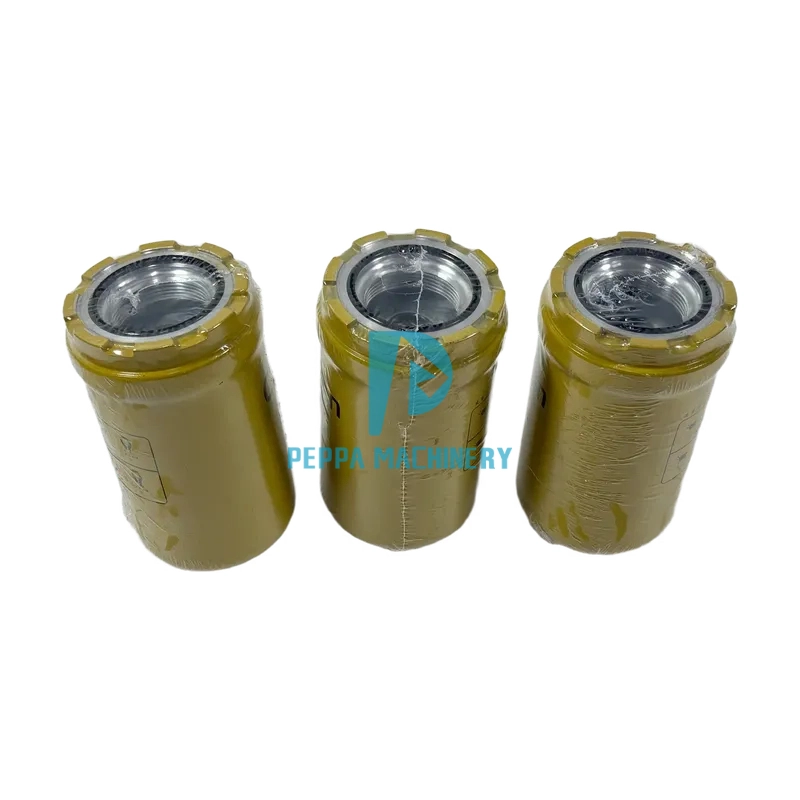
51-8670 Hydraulic Filter Applicable to HF35519 518670 2897836 518670X 1588987 Compatible with Caterpillar 352FVG 325CL
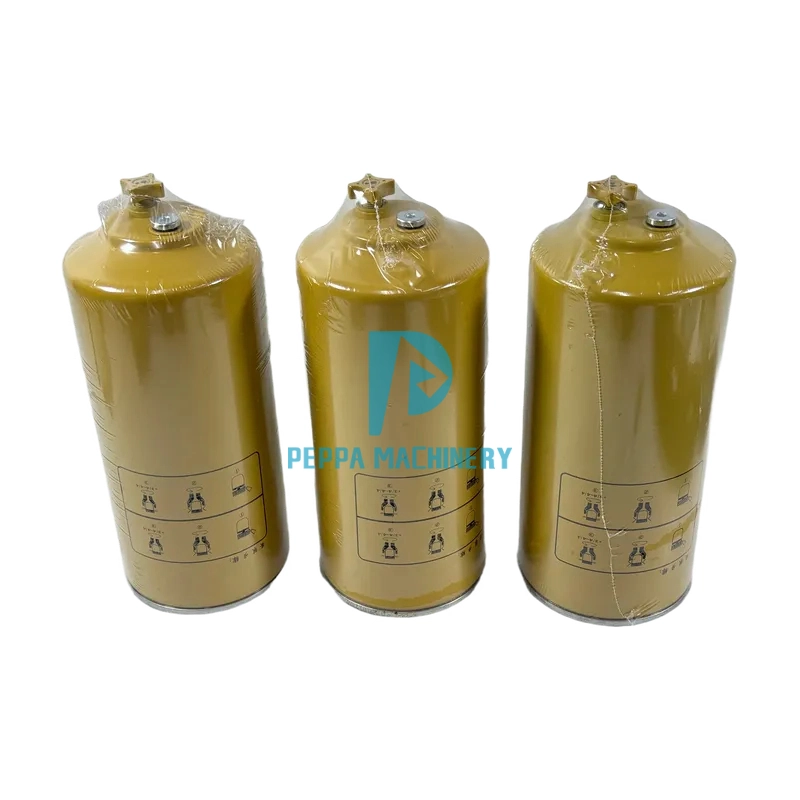
4385386 Fuel Water Separator Fuel Filter 382-0664 Oil-water Separator Hydraulic Oil Filter for CAT 312D2 320D2
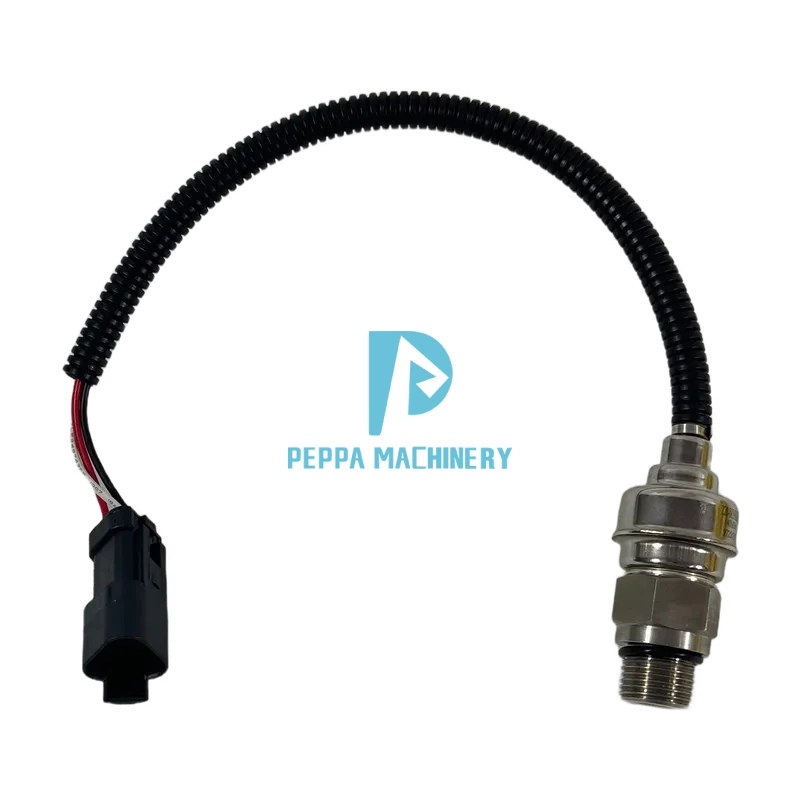
Pressure Sensor 221-8859 106-0178 for Caterpillar CAT 311B 311C 312C 314D 315B 320C 323D 324D 330C 336D 345B 385C
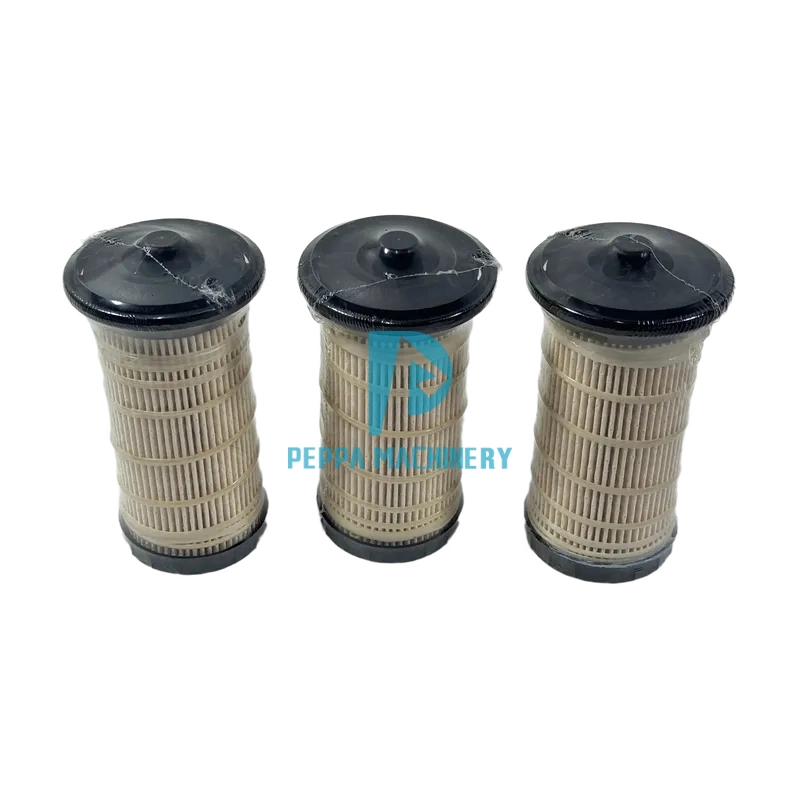
360-8960 Fuel Filter Element for Caterpillar C4.4 & C7.1 Engines | Fits 312D, 320D, 312E, 320E, 326D2, 336D2 Excavators
Get more information
Want to know more? Contact us today to get detailed product specifications, customized solutions, and a free consultation tailored to your needs.
Rest assured that your privacy is important to us, and all information provided will be handled with the utmost confidentiality.

Reliable Source for Quality Excavator Components.
Follow Us
Our Partners


Our Payment Methods


 High Quality
 7/24 Service
 Guaranteed Warranty
 Scan QR Code
Facebook
TikTok
YouTube
Pinterest
Twitter