








The Ultimate Hydraulic Coupler Guide: Types, Operation, and Safety Tips for Connecting Under Pressure
- Introduction
- What is a hydraulic coupler and how does it work?
- What is the difference between flat-face and standard hydraulic couplers?
- How do you safely connect and disconnect hydraulic couplers under pressure?
- Why do hydraulic couplers leak and how can you prevent it?
- What are the different types of hydraulic quick couplers?
- How do I choose the right hydraulic coupler for my equipment?
- Why is it important to use dust caps with hydraulic couplers?
- Are hydraulic couplers interchangeable across different machinery brands?
- Conclusion
- Call to Action
Introduction
In the fast-paced world of heavy machinery, the overall efficiency of your equipment often comes down to the smallest components. Hydraulic couplers are the critical, unsung heroes that act as the primary gatekeepers for seamless hydraulic fluid transfer. Whether you are swapping out an excavator bucket or connecting a tractor implement in the field, understanding how these components operate is vital for minimizing downtime and maximizing productivity.
Despite their small size, quick disconnect fittings endure immense stress, handling highly pressurized fluid in harsh environments. Because they are the primary interaction point between your machine and its tools, treating them as an afterthought can lead to costly leaks, catastrophic system contamination, or even severe workplace injuries.
This comprehensive guide will walk you through the inner workings of hydraulic couplers, outlining the key differences between various types, the mechanics of safe operation, and expert maintenance tips to keep your hydraulic pressure lines running flawlessly.
What is a hydraulic coupler and how does it work?
A hydraulic coupler is a specialized mechanical connector designed to quickly join or separate fluid conductor lines without the need for wrenches or specialized tools. These robust fittings act as the crucial link in hydraulic fluid transfer, enabling heavy machinery, agricultural equipment, and industrial tools to connect with various attachments rapidly and securely.
At its core, a typical hydraulic coupler consists of two interlocking halves: a male plug (often called the nipple) and a female socket. When pushed together, the coupling's locking mechanism—which typically utilizes a series of hardened steel balls and a spring-loaded outer sleeve—engages to hold the two halves tightly in place. This creates a leak-free mechanical seal capable of withstanding immense internal pressure.
Internally, both halves of the coupler feature specialized valving systems. When the halves are disconnected, these internal valves automatically spring shut, trapping the hydraulic fluid inside the hoses and preventing environmental leaks. Upon connection, the internal valves physically push against each other, opening a clear flow path and allowing the pressurized fluid to circulate through the system and power the attached implement.
What is the difference between flat-face and standard hydraulic couplers?
Standard hydraulic couplers, frequently referred to as poppet or agricultural-style couplers, utilize a traditional ball or poppet valve. While highly effective and ruggedly built, their design inherently leaves a small cavity where fluid can pool and environmental dirt can accumulate. When disconnected, it is incredibly common to experience a minor drip of hydraulic fluid, which can be messy and environmentally hazardous over extended periods.
In contrast, flat-face couplers feature a flush-valve design that essentially eliminates internal cavities. According to the ISO 16028 standard, flat-face quick-action couplings are explicitly designed to ensure minimal fluid loss during disconnection and prevent harmful air inclusion during connection. This flush interface makes them incredibly easy to simply wipe clean before use, drastically reducing the risk of internal system contamination.
Because of their advanced clean-break technology, flat-face couplers have become the modern standard for environments that demand pristine cleanliness and minimal spillage. You will find them predominantly used on skid steer attachments, excavators, and compact track loaders, where frequent tool changes occur in dusty, sandy, or muddy conditions.
How do you safely connect and disconnect hydraulic couplers under pressure?
Connecting or disconnecting hydraulic pressure lines while they are fully pressurized can be extremely dangerous and physically difficult. Before attempting to manipulate the connection, you must always first relieve the hydraulic pressure from the system. This is typically done by shutting off the machine's engine and cycling the hydraulic joysticks or controls back and forth to bleed off any trapped hydraulic energy.
Safety is paramount when handling these robust fluid power systems. The Occupational Safety and Health Administration (OSHA) strictly warns against the dangers of high-pressure fluid injection injuries. If a worker is exposed to a pinhole leak or accidental discharge of highly pressurized fluid, it can instantly breach the skin, leading to severe tissue damage or even emergency amputation.
To safely connect your lines, ensure the mating surfaces are completely clean. Align the male and female halves, retract the locking sleeve on the female socket (if operating a manual sleeve), and push them together firmly until the sleeve confidently snaps forward. To disconnect, firmly grip the knurled locking sleeve, pull it back, and carefully separate the halves. Always wear appropriate heavy-duty work gloves and safety glasses when performing these routines.
Why do hydraulic couplers leak and how can you prevent it?
Hydraulic fluid leaks are one of the most common issues operators face in the field, and they usually stem from a handful of predictable causes. The primary culprit is often a damaged or worn O-ring located inside the female socket. When these rubber seals are subjected to high pressure, extreme temperatures, and mechanical friction, they inevitably degrade, tear, or become brittle over time, compromising the watertight seal.
Another major cause of leakage is abrasive contamination. When dirt, sand, or grit gets trapped inside the coupling mechanism, it scratches the precision-machined mating surfaces and prevents the internal valves from seating properly. Furthermore, excessive vibration, side-loading the connection, and extreme pressure spikes can warp the coupler's metal body or displace its internal components.
Preventing leaks requires a proactive and consistent maintenance strategy. Follow these core prevention tips to ensure longevity:
- Wipe before connecting: Always use a clean rag to aggressively wipe the faces of both the male and female ends before making a connection.
- Replace worn seals: Keep a supply of backup O-rings in your toolbox and replace them at the first sign of weeping or physical damage.
- Inspect for physical damage: Routinely check the coupler bodies for dents, hairline cracks, or deformed locking balls.
What are the different types of hydraulic quick couplers?
The fluid power industry relies on a wide array of quick disconnect fittings, each engineered for specific applications, environments, and pressure ratings. The most prevalent type globally is the agricultural (Ag) poppet style, often built to the ISO 5675 standard. These are rugged, cost-effective, and primarily used on tractors and heavy farm implements where a minor drip is manageable.
Another highly popular variant is the flat-face coupler, which we discussed earlier. These are heavily favored in the construction, utility, and demolition sectors due to their clean-break profile and environmental safety. For extremely demanding applications, heavy-duty thread-to-connect couplers are utilized. Instead of a push-to-connect sleeve, these require the operator to literally thread the metal halves together, making them highly resistant to the severe vibration and pressure surges found in large excavators.
Finally, there are specialized connect-under-pressure couplers. These sophisticated fittings feature specialized internal pressure-relief valving that allows operators to easily push the halves together even when thermal expansion has caused residual pressure to build up tightly inside the trapped attachment lines.
How do I choose the right hydraulic coupler for my equipment?
Selecting the correct coupling system is absolutely vital for the safety, efficiency, and longevity of your machinery. The very first specification to evaluate is the maximum operating pressure. Your chosen coupler must have a pressure rating (typically measured in PSI or Bar) that exceeds the maximum output of your machine's hydraulic pump. Failing to properly match the pressure rating can result in catastrophic mechanical failure.
The next critical factor is the flow rate, which is measured in gallons per minute (GPM). If you install a coupler that is too small for your specific system, it will create a severe bottleneck. This leads to excessive heat generation, drastically reduced attachment performance, and premature wear on the pump. Always refer to your equipment manufacturer's specifications to determine the exact flow requirements.
Additionally, pay extremely close attention to the thread type on the back of the coupler where it physically attaches to the hose. Common thread standards include NPT (National Pipe Thread), SAE O-Ring Boss (ORB), and JIC flange. Ensure the thread type and size perfectly match your existing hydraulic hoses to avoid cross-threading and highly dangerous pressure leaks.
Why is it important to use dust caps with hydraulic couplers?
In the world of hydraulic fluid power, contamination is the undisputed, number one enemy. Microscopic particles of dust, dirt, and moisture can wreak absolute havoc on precision-engineered hydraulic systems. Dust caps and plugs act as the essential first line of defense, physically shielding the highly vulnerable connection points of your couplers whenever they are left disconnected.
When a hydraulic tool or attachment is sitting idle in a yard or resting on a muddy job site, its exposed couplers act as a magnet for airborne debris. If this debris is not thoroughly cleaned off before the next use, it will be forcefully pushed directly into the hydraulic fluid stream. Once inside, these abrasive particles act like liquid sandpaper, permanently scoring the internal walls of pumps, control valves, and expensive hydraulic cylinders.
Using brightly color-coded dust caps provides a massive dual benefit. Not only do they keep the delicate internal valving pristine and prevent premature seal failure, but they also help busy operators quickly identify corresponding supply and return lines, significantly speeding up the connection process and preventing costly hose routing mistakes.
Are hydraulic couplers interchangeable across different machinery brands?
A common source of widespread confusion for equipment owners is whether they can mix and match coupler brands like Stucchi, Parker, Faster, and Pioneer. The short answer is yes, but strictly only if they adhere to the exact same international ISO standards. ISO standards ensure that the physical dimensional profiles of the male and female halves match perfectly, regardless of who manufactured them.
For example, any male coupler certified to the globally recognized ISO 16028 standard will seamlessly connect with any female ISO 16028 socket currently on the market. The exact same rule applies to the ISO 5675 standard heavily utilized in the agriculture sector. This standardized interchangeability grants operators the flexibility to source parts from different suppliers without having to replace their entire hose setup.
However, you must constantly exercise caution. Many top manufacturers also produce highly specialized proprietary profiles that are exclusively designed to work only with their own brand. Before attempting to force two different brands together, carefully check the part numbers or the laser-etched markings on the steel coupler body to officially verify their standard compatibility.
Conclusion
Hydraulic couplers may seem like small, deceptively simple components, but they play a monumental role in the performance, safety, and reliability of your entire fluid power systems. By understanding the distinct differences between standard and flat-face profiles, adhering strictly to safety protocols when working around pressure, and practicing rigorous contamination control, you can dramatically extend the lifespan of your heavy equipment. Whether you are outfitting a massive industrial manufacturing plant or managing a single skid steer loader on a farm, choosing the right components and maintaining them properly is the ultimate key to minimizing downtime.
Call to Action
If you need expert assistance selecting the perfect hydraulic couplers to keep your machinery running at peak performance, contact our team of specialists today for a personalized fluid power consultation!

Isuzu SP 4JG1 4JG2 4JG3 Cylinder Liner 1876182070 1-87618207-0 1876182080 1-87618208-0 1876182100 1-87618210-0
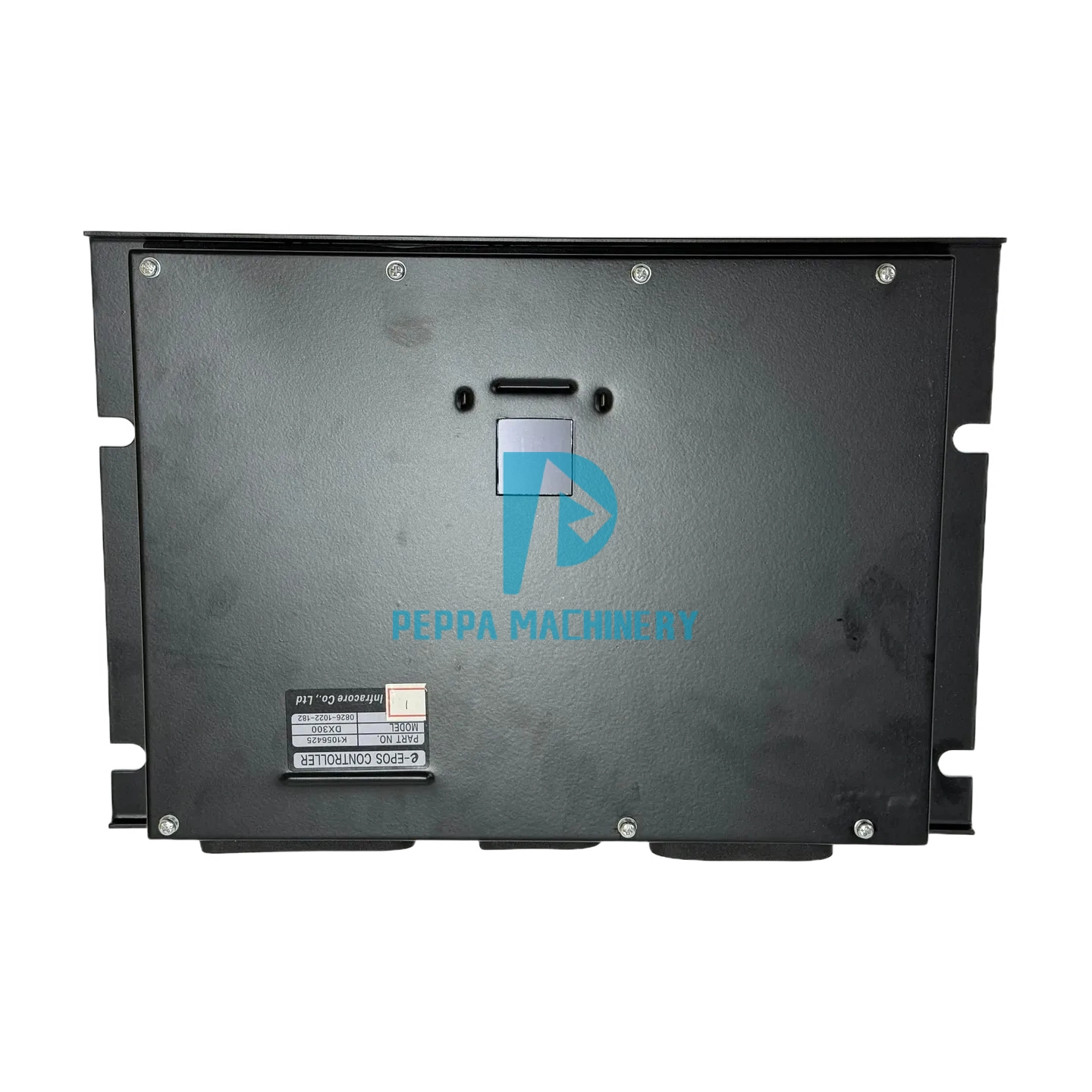
Excavator Control Unit Computer Board K1056425 0826-1022-182 New for Retail Construction Machinery Repair Shops DX300
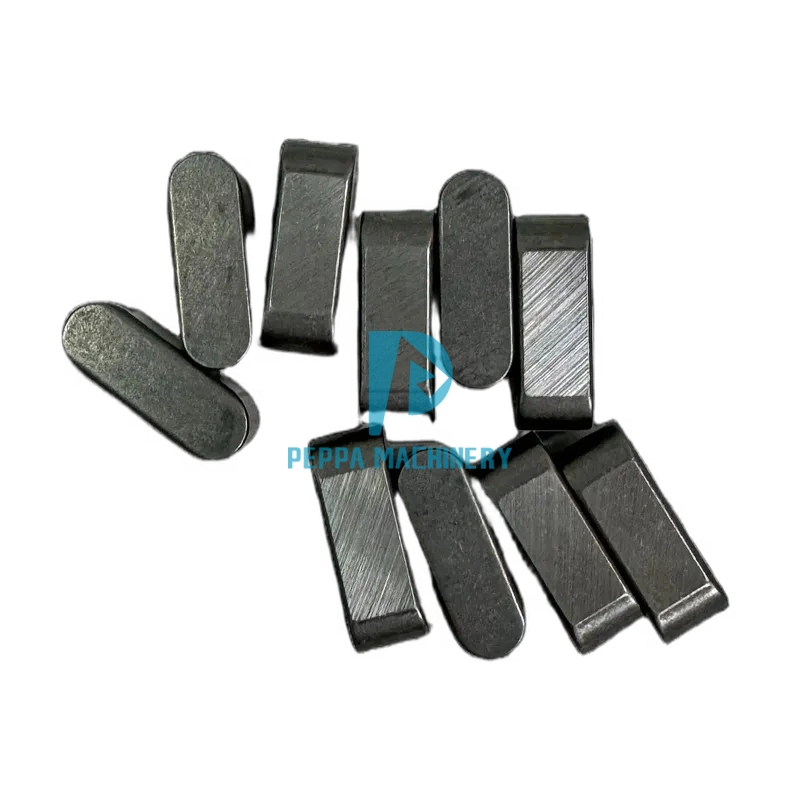
9080107200 9-08010720-0 9-08010-720-0 Camkshaft Feather Key
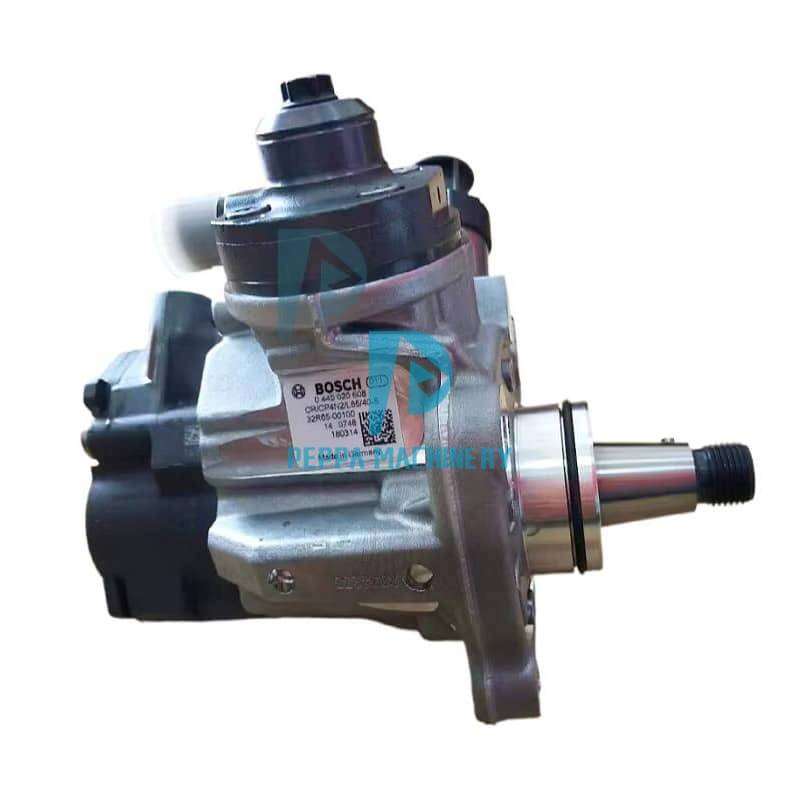
Diesel Fuel Injection Pump Assy 0445020608 32R65-00100 for BOSCH for Mitsubishi Engine in Construction Machinery Parts
Excavator Parts
Can I get help choosing the right parts for my machine?
Yes. Our experienced sales team is here to provide professional recommendations and solutions based on your excavator model, part number, or specific requirements.
What brands of excavator parts do you supply?
We supply a full range of parts compatible with major international and Chinese brands, including Caterpillar, Komatsu, Hitachi, Volvo, Doosan, Hyundai, Sany, Liugong, XCMG, Zoomlion, and more.
Are your parts genuine or OEM?
We offer both genuine parts and high-quality OEM alternatives. You can choose according to your budget and application needs. All OEM products are tested to meet or exceed original specifications.
How can I verify compatibility before placing an order?
Please provide us with your machine brand, model number, and the part number (if available). Our team will double-check the compatibility to ensure you receive the correct parts.
What types of parts do you mainly offer?
Our main product categories include:
• Engine parts (liner kits, crankshafts, water/oil pumps, etc.)
• Electrical parts (sensors, monitors, throttle motors, wiring harnesses)
• Hydraulic parts (pumps, valves, cylinders)
• Sealing kits (NOK, SKF, PQ brands, floating seals, O-rings)
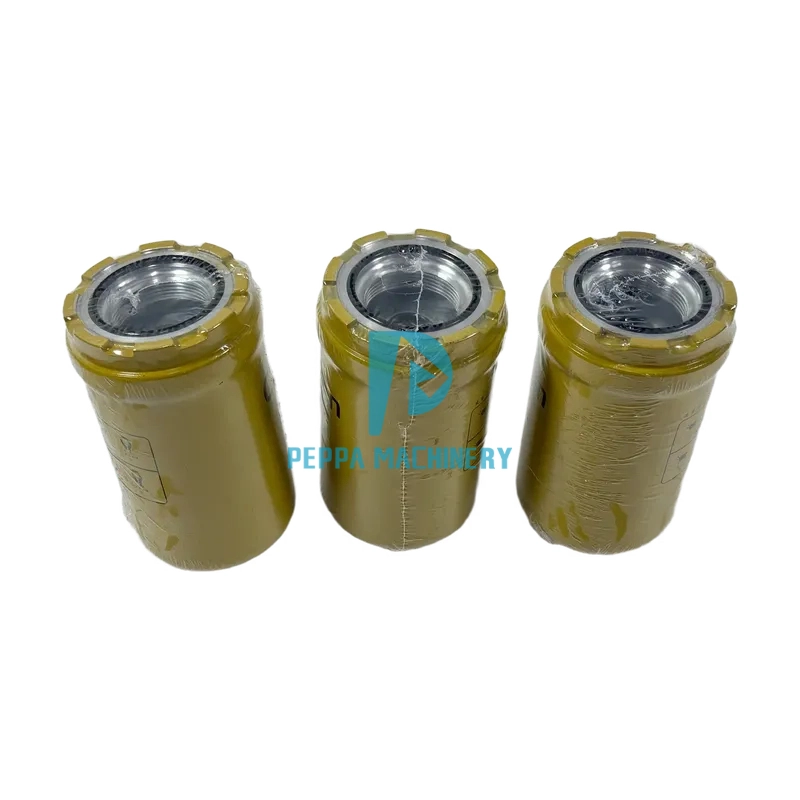
51-8670 Hydraulic Filter Applicable to HF35519 518670 2897836 518670X 1588987 Compatible with Caterpillar 352FVG 325CL
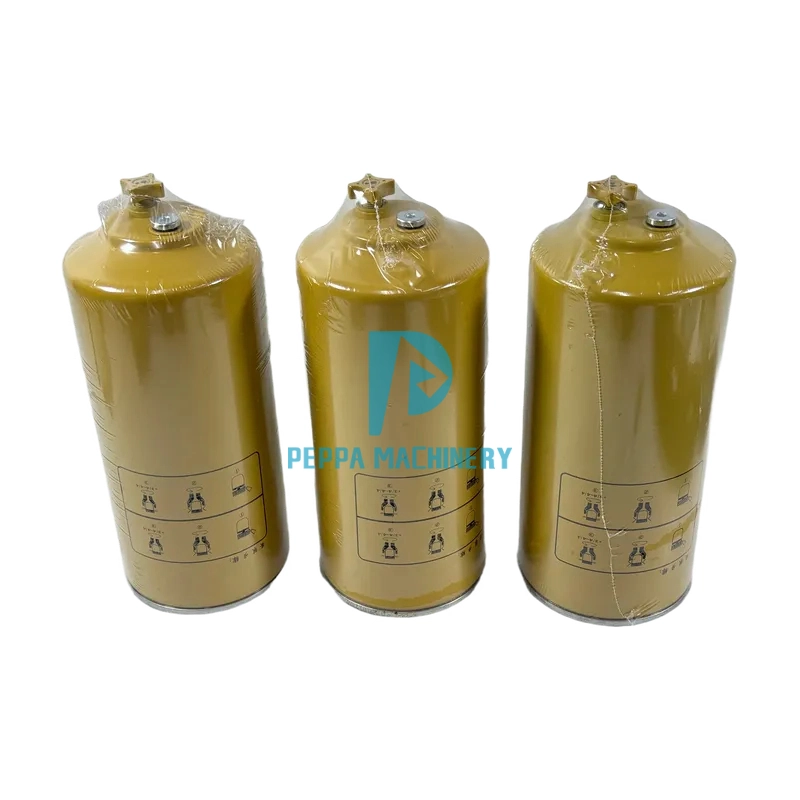
4385386 Fuel Water Separator Fuel Filter 382-0664 Oil-water Separator Hydraulic Oil Filter for CAT 312D2 320D2
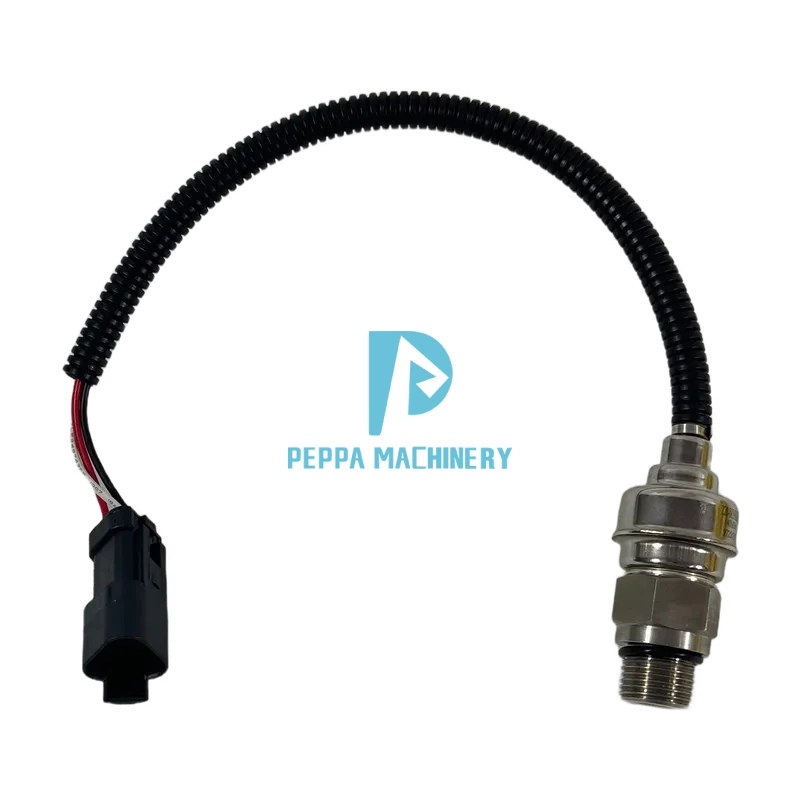
Pressure Sensor 221-8859 106-0178 for Caterpillar CAT 311B 311C 312C 314D 315B 320C 323D 324D 330C 336D 345B 385C
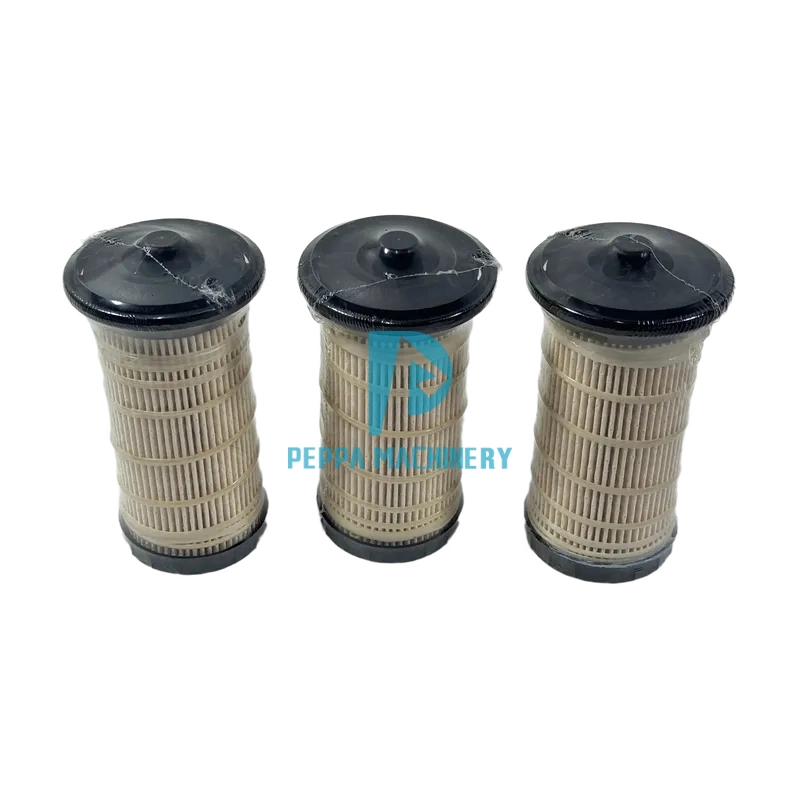
360-8960 Fuel Filter Element for Caterpillar C4.4 & C7.1 Engines | Fits 312D, 320D, 312E, 320E, 326D2, 336D2 Excavators
Get more information
Want to know more? Contact us today to get detailed product specifications, customized solutions, and a free consultation tailored to your needs.
Rest assured that your privacy is important to us, and all information provided will be handled with the utmost confidentiality.

Reliable Source for Quality Excavator Components.
Follow Us
Our Partners


Our Payment Methods


 High Quality
 7/24 Service
 Guaranteed Warranty
 Scan QR Code
Facebook
TikTok
YouTube
Pinterest
Twitter