








OEM vs Aftermarket Gear Pumps: Which Is Best for Buyers?
- 1. How can I verify an aftermarket excavator gear pump’s true displacement and volumetric efficiency before installation?
- 2. Can I mix OEM and aftermarket gear pumps on a multi-pump excavator hydraulic system without causing cavitation or imbalance?
- 3. What specific test certificates and tolerances should I demand from an aftermarket vendor to ensure the pump matches OEM pressure and flow specs?
- 4. How do small differences in port configuration, flange, or shaft fit on aftermarket gear pumps lead to premature seal or bearing failures?
- 5. When rebuilding a gear pump, which internal tolerances and components are critical to restore OEM performance and avoid early re-failure?
- 6. How do I evaluate aftermarket material certifications, heat treatment and traceability for critical rotating parts (rotors, shafts) to avoid premature fatigue and cracking?
- Concluding summary: Advantages of OEM vs Aftermarket Gear Pumps
OEM vs Aftermarket Gear Pumps: Which Is Best for Buyers?
Choosing the correct gear pump for excavator hydraulic systems requires more than price comparison. This guide answers six specific, technical long-tail questions frequently asked by beginners and fleet technicians—covering hydraulic gear pump displacement checks, volumetric efficiency, multi-pump compatibility, port/mounting pitfalls, rebuild tolerances, and vendor traceability. The answers include practical test steps, acceptance tolerances and procurement criteria you can use when evaluating OEM and aftermarket pumps.
1. How can I verify an aftermarket excavator gear pump’s true displacement and volumetric efficiency before installation?
Why it matters: Incorrect displacement or poor volumetric efficiency changes flow distribution across multi-pump circuits, leading to slow actuators, overheating, and mismatched system gains.
What to request and how to test (bench procedure):
- Data to request from the vendor: rated displacement (cc/rev), flow vs. RPM curve, volumetric efficiency at pressures of 0, 100, and 200 bar, and a flow/pressure test certificate performed on a calibrated test bench.
- Simple on-site check method if a bench report is not available: mount the pump in a controlled test loop with a calibrated flowmeter and a tachometer. Run at two known speeds (for example 500 and 1,500 RPM) and measure steady-state flow at zero pressure and at a working pressure close to your system’s typical load (e.g., 150–200 bar).
- Calculate displacement: displacement (cc/rev) = (Q (L/min) × 1000) / RPM. Example: if the flowmeter reads 75 L/min at 1,500 RPM, displacement = (75 × 1000) / 1500 = 50 cc/rev.
- Calculate volumetric efficiency (%): η_v = Q_actual / (displacement × RPM / 1000) × 100. Use readings at different pressures; a healthy gear pump will show modest reduction in volumetric efficiency with increasing pressure. Significant drop (>10–15% from zero to operating pressure) indicates excessive internal leakage or poor clearances.
Acceptance guidance: Confirm displacement within ±3–5% of the advertised cc/rev for precise control circuits. For volumetric efficiency, expect >90% at low pressures and >75–85% at common working pressures for quality gear pumps used in auxiliary/excavator circuits; lower values require investigation.
2. Can I mix OEM and aftermarket gear pumps on a multi-pump excavator hydraulic system without causing cavitation or imbalance?
Why it matters: Different pump internal clearances, efficiency curves, and pressure-flow behavior can cause flow sharing imbalance, pressure spikes, or suction starvation when pumps operate in parallel or share a common suction manifold.
Key compatibility checks:
- Matched displacement: Ensure pumps that operate together have identical cc/rev values within ±1–2% if they share load or provide proportional flows.
- Similar pressure–flow curves: Bench test or request Q–P curves. Pumps with steeper leakage (lower volumetric efficiency at pressure) will deliver less flow under load, upsetting system balance.
- Suction arrangement and NPSH: Confirm both pumps tolerate the local suction pressure. If one pump requires higher minimum suction pressure, it may cavitate while the other operates normally. Use manufacturer NPSH recommendations; reduce risk by ensuring adequate suction head, larger suction lines, and clean filtration.
- Control logic and relief settings: Ensure hydraulic control valves and relief settings are compatible with the combined flow and peak pressure behavior of mixed pumps.
Practical rule: For mission-critical, precision-controlled actuators, avoid mixing OEM and unverified aftermarket pumps. If mixing is unavoidable, bench-test the exact pump combination under representative system pressure, temperature, and suction conditions before field installation.
3. What specific test certificates and tolerances should I demand from an aftermarket vendor to ensure the pump matches OEM pressure and flow specs?
Why it matters: Many aftermarket vendors supply nominal specs with no certificate. You need verifiable test data to make a buying decision.
Required documentation and acceptance criteria:
- Calibrated bench test report showing flow (L/min) vs. RPM at 0, 50, 100, and working pressure points (e.g., 150/200 bar). Bench must list equipment calibration traceability.
- Leakage/volumetric efficiency table vs. pressure and temperature. Acceptable deviation: displacement within ±3–5%; volumetric efficiency at operating pressure within ±10% of OEM spec or published baseline.
- Pressure test/cycle test: proof of pressure hold/burst test per stated rating (e.g., 1.5× rated working pressure held for specified time) and a short-term endurance run (e.g., several hours at rated load or duty cycle representative of expected use). Ask for test duration and duty cycle details.
- Material/certification documents: raw material grade and heat-treatment certificates, bearing and seal part numbers, and any ISO 9001 or ISO 14001 quality declarations. For hydraulic components, also request contamination control evidence consistent with ISO 4406 cleanliness levels for packaged units.
- Dimensional inspection report: key dimensions (shaft diameter, spline count/pitch, mounting flange bores, port threads and sizes) with tolerances matching OEM drawing or allowable interchange tolerance.
Fail-safe tip: Require a sample tested unit or a video of the bench test if an onsite visit is not possible. Do not accept only stamped or signed spec sheets without calibration/traceability references.
4. How do small differences in port configuration, flange, or shaft fit on aftermarket gear pumps lead to premature seal or bearing failures?
Why it matters: Mismatched mechanical interfaces cause misalignment, axial/radial loading changes, and stress concentrations that accelerate seal extrusion, bearing wear and gear tooth fatigue.
Common pitfalls and inspection checklist:
- Port size and thread standard: Aftermarket pumps may use SAE, BSPP, or metric threads. Forcing adapters adds extra fittings and turbulence, increasing pressure drops and leak risk. Verify port ID, thread spec, and recommended torque values.
- Mounting flange flatness and hole pattern: Slight deviations can cause mounting-induced bending moments. Check flange flatness and bolt hole positional tolerance against the OEM mounting face drawing.
- Shaft runout and key/spline tolerance: A different spline profile, minor diameter difference or higher runout transmits cyclic radial loads to bearings. Specify allowable radial runout (for example <0.05 mm TIR for common pump shafts) and spline fit class—request inspection reports.
- Coupling alignment and torsional stiffness: If aftermarket shafts have different stiffness, torsional vibrations may increase. Inspect for misalignment after installation and use flexible couplings where appropriate.
Installation best practices: Use correct gaskets and O-rings specified for the pump’s temperature and fluid; torque bolts in a star pattern to recommended values; verify coupling alignment with a dial indicator or laser tool; and run a low-pressure leak and spin test before pressurizing the system fully.
5. When rebuilding a gear pump, which internal tolerances and components are critical to restore OEM performance and avoid early re-failure?
Why it matters: A poor rebuild with incorrect clearances, reused fatigued components, or substandard replacement parts will fail faster than a new unit.
Critical rebuild items and tolerances (what to measure and why):
- Gear-to-housing clearance and gear-to-gear running clearance: These determine internal leakage and volumetric efficiency. Follow OEM service manuals—if unavailable, aim to match original measured clearances or use typical industry target clearances for gear pumps (tight, controlled clearances in the order of tens of microns). Excessive clearance increases leakage; too-tight can cause scuffing when thermal expansion occurs.
- Bearing play and shaft end float: Excessive axial or radial play changes tooth mesh and can cause thrust-loading on seals. Replace bearings if wear exceeds manufacturer limits; measure shaft end float and radial runout.
- Seal and lip material selection: Use seals rated for operating temperature and hydraulic fluid (mineral oil, biodegradable fluids, etc.). Nitrile (NBR), HNBR or FKM options depend on fluid and temperature. Replace all dynamic seals—do not reuse old ones.
- Wear parts: Replace worn gears, thrust plates, and bushings. Rehardening or polishing used gears is risky unless done to OEM spec. Examine tooth root and face for spalling.
- Surface finish of gear flanks and housing bore: Roughness increases leakage and wear. Request or measure Ra values when possible and lap surfaces as necessary.
Quality control: After rebuild, run the pump on a calibrated bench for flow, pressure, noise and temperature stability for an acceptance run (minimum 30–60 minutes under representative load). Provide rebuilt units with a limited warranty and traceable work records.
6. How do I evaluate aftermarket material certifications, heat treatment and traceability for critical rotating parts (rotors, shafts) to avoid premature fatigue and cracking?
Why it matters: Substandard metallurgy and heat treatment shorten fatigue life and increase risk of catastrophic failure under load.
What to request from the supplier:
- Material certificates (MTC) or mill test reports for key rotating parts listing composition and applicable standard (e.g., EN, ASTM). These documents show batch traceability back to the mill.
- Heat-treatment certificates: Specify required hardening/tempering profiles and target hardness ranges. Ask for post-heat-treatment hardness values or hardness maps if available.
- Surface treatment and finishing records: nitriding, shot peening, or case-hardening details if applicable. These treatments affect fatigue strength and wear.
- Non-destructive testing (NDT) reports: request magnetic particle inspection, dye-penetrant, or ultrasonic testing for critical shafts and forged components when applicable—especially for high-hour fleet components.
- Batch traceability and component serial numbers: insist on unique identifiers so failed parts can be traced back to production lots and corrective action initiated.
Practical acceptance test: Ask the supplier to provide a sample part with test documents and, if possible, a microhardness or metallographic report. If buying in volume, conduct random destructive testing (hardness, microstructure) on samples from production lots to verify compliance.
Concluding summary: Advantages of OEM vs Aftermarket Gear Pumps
OEM gear pumps: offer guaranteed interchangeability, documented dimensional and performance conformity, factory-matching materials and heat treatments, and typically longer warranty and direct technical support. They are preferable for critical systems, precision controls, or when downtime costs are high.
Aftermarket gear pumps: can provide cost savings and faster lead times. High-quality aftermarket units with full bench test certificates, material and heat-treatment documentation, and warranty can be an excellent value—especially for older models where OEMs no longer supply parts. The buyer’s responsibility is to validate displacement, volumetric efficiency, port/mount compatibility, and traceability before purchase.
Final recommendation: Use the checklists above—verify displacement with bench tests, demand test certificates and material traceability, check mounting/shaft tolerances, and avoid mixing unverified pumps in parallel systems. For mission-critical equipment, prioritize OEM or fully-documented aftermarket products that provide test evidence and batch traceability.
Contact us for a quote and technical inspection: visit www.jbpartsgz.com or email jbparts@aliyun.com.
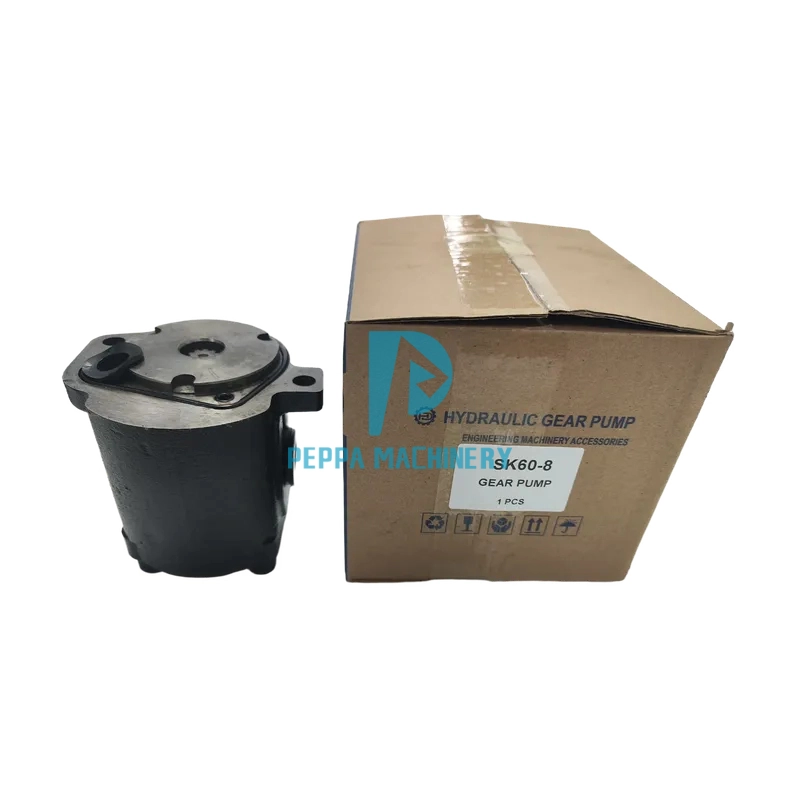
Excavator parts Gear pump SK60-8
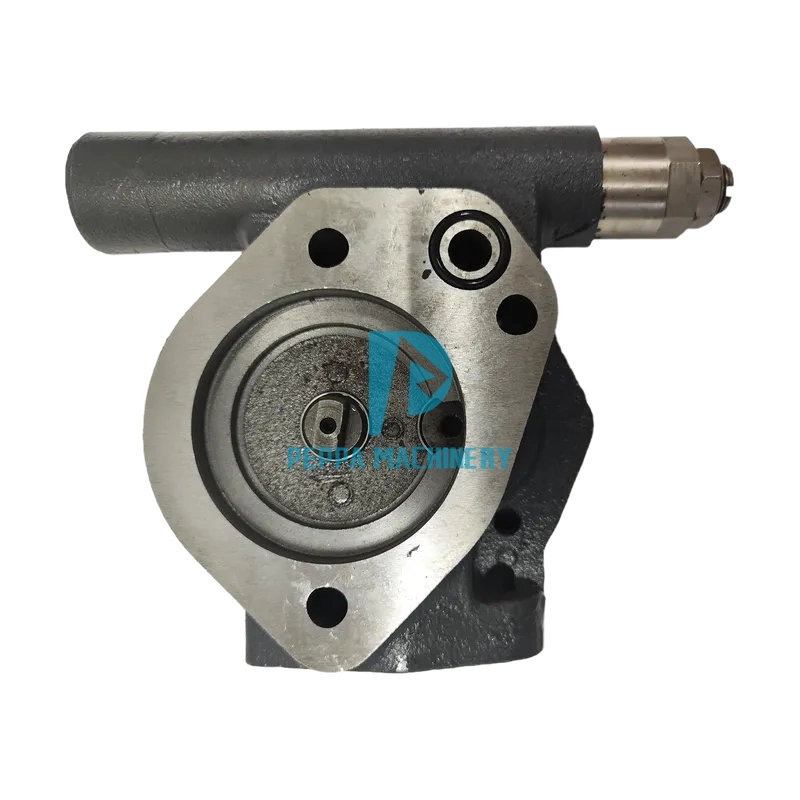
Excavator parts Gear pump PC120-5
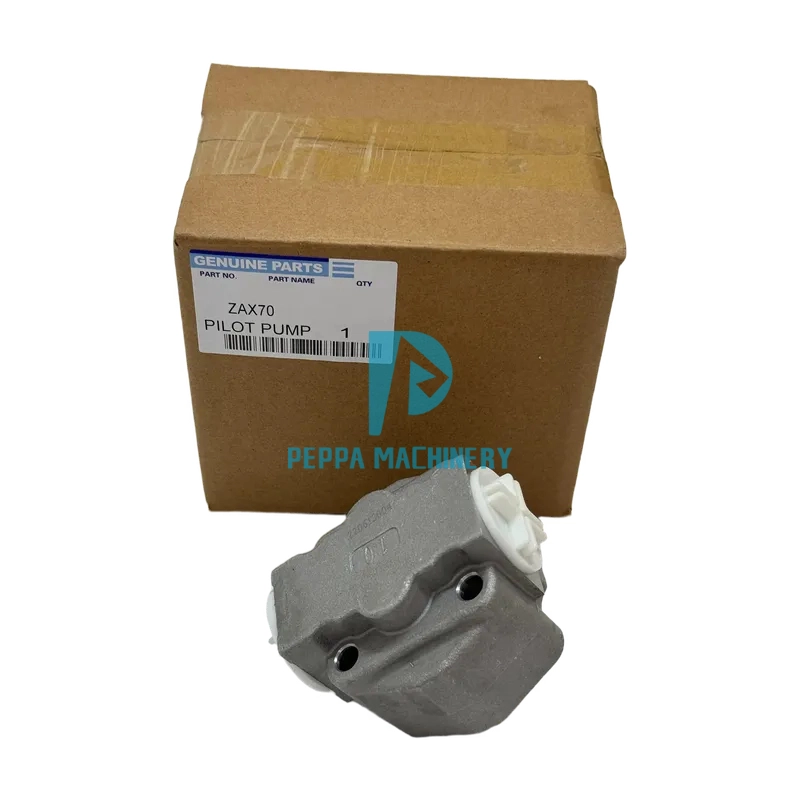
ZAX70 PILOT PUMP GEAR PUMP
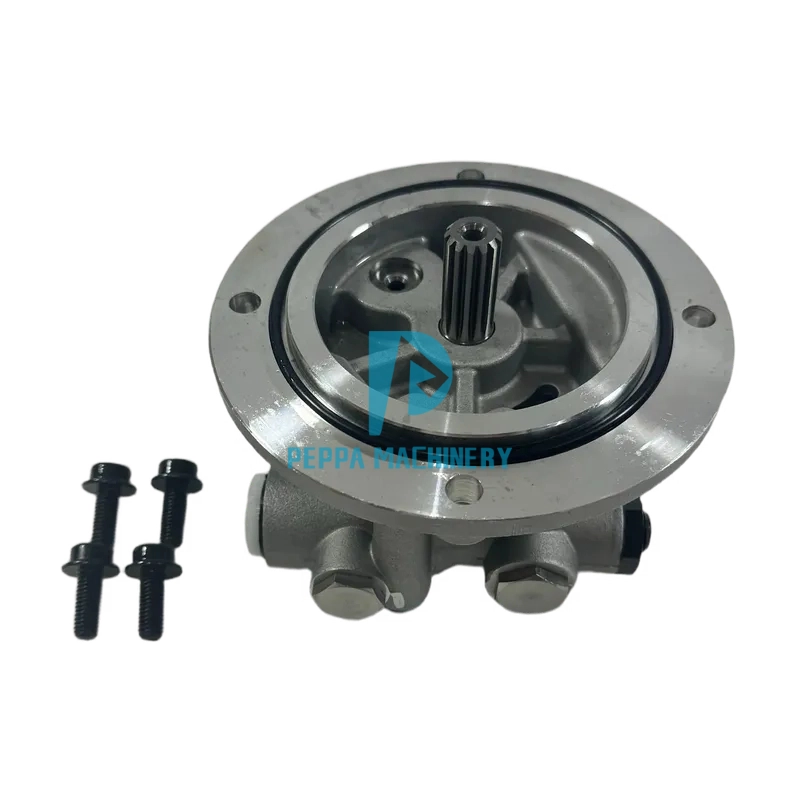
High Quality BRAND NEW 333-k5495 K7V125 PILOT PUMP GEAR PUMP for Excavator
Excavator Parts
What types of parts do you mainly offer?
Our main product categories include:
• Engine parts (liner kits, crankshafts, water/oil pumps, etc.)
• Electrical parts (sensors, monitors, throttle motors, wiring harnesses)
• Hydraulic parts (pumps, valves, cylinders)
• Sealing kits (NOK, SKF, PQ brands, floating seals, O-rings)
How can I verify compatibility before placing an order?
Please provide us with your machine brand, model number, and the part number (if available). Our team will double-check the compatibility to ensure you receive the correct parts.
Can I get help choosing the right parts for my machine?
Yes. Our experienced sales team is here to provide professional recommendations and solutions based on your excavator model, part number, or specific requirements.
Are your parts genuine or OEM?
We offer both genuine parts and high-quality OEM alternatives. You can choose according to your budget and application needs. All OEM products are tested to meet or exceed original specifications.
Do you provide technical support or installation guidance?
While we do not offer on-site installation, we can provide basic technical advice, diagrams, or documentation to assist your technicians with installation and troubleshooting.
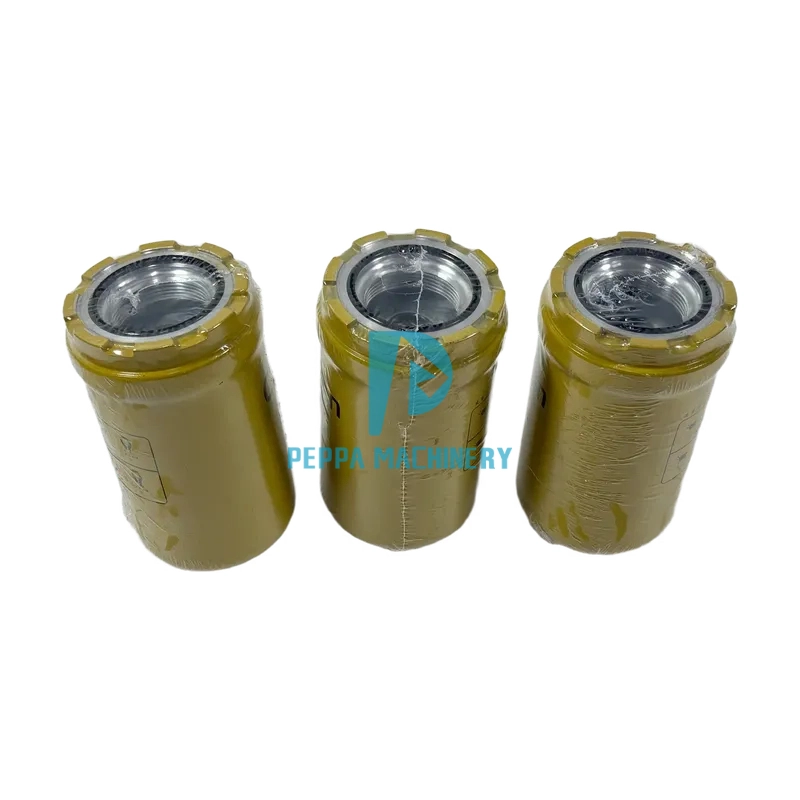
51-8670 Hydraulic Filter Applicable to HF35519 518670 2897836 518670X 1588987 Compatible with Caterpillar 352FVG 325CL
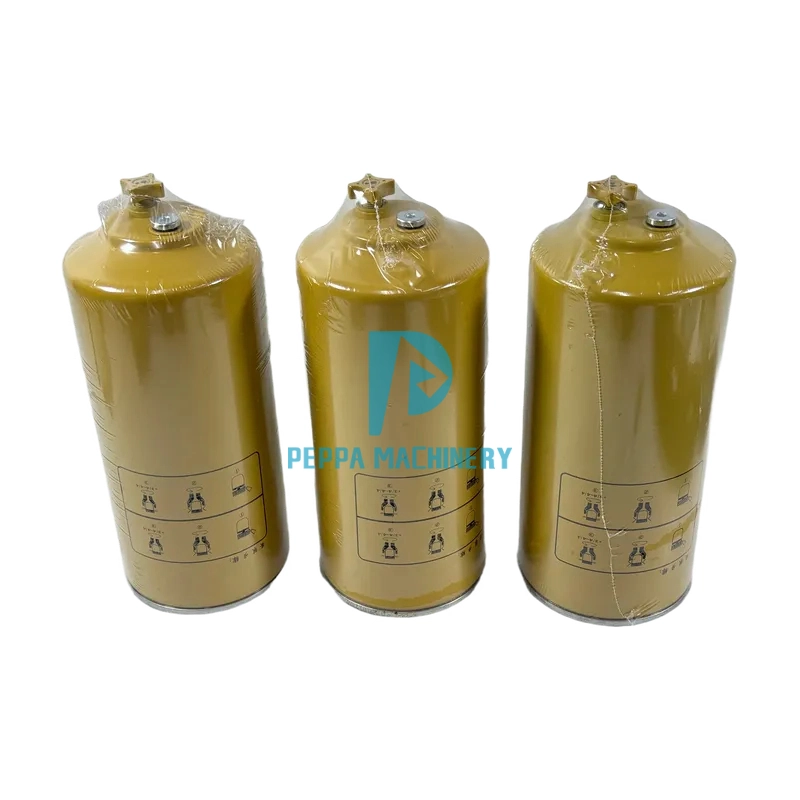
4385386 Fuel Water Separator Fuel Filter 382-0664 Oil-water Separator Hydraulic Oil Filter for CAT 312D2 320D2
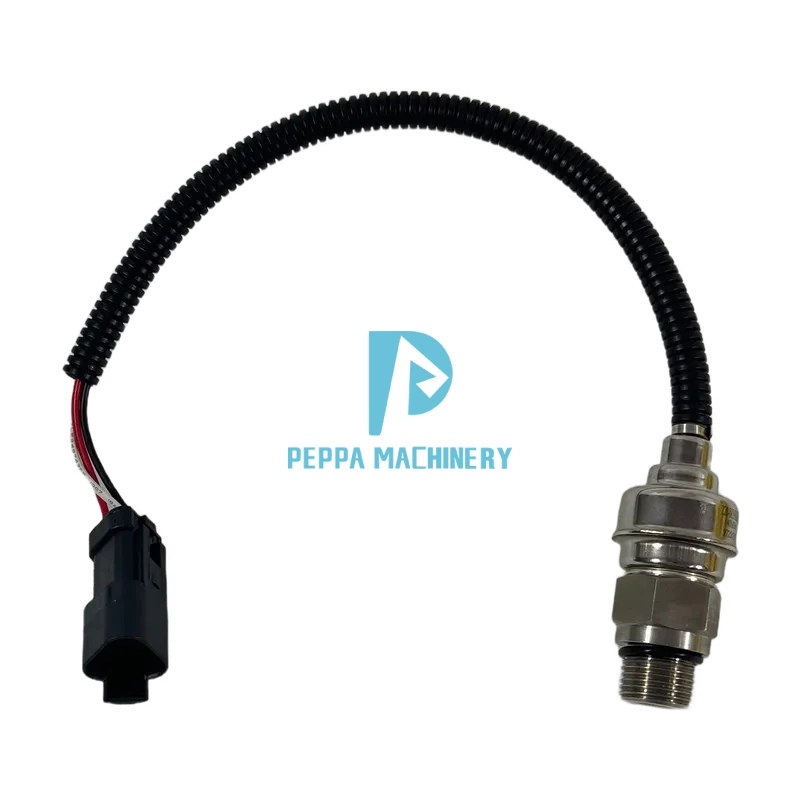
Pressure Sensor 221-8859 106-0178 for Caterpillar CAT 311B 311C 312C 314D 315B 320C 323D 324D 330C 336D 345B 385C
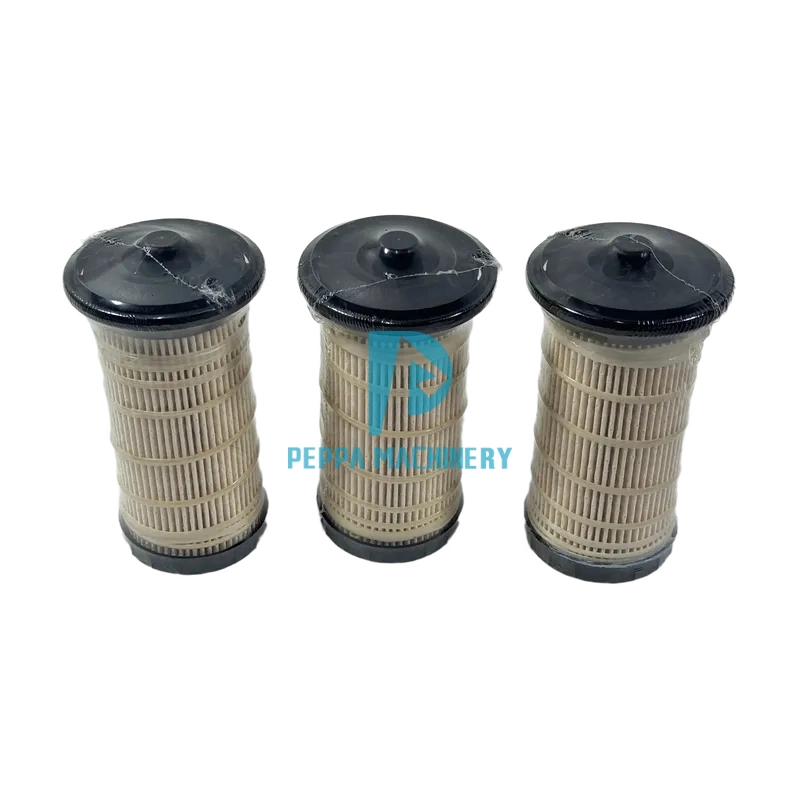
360-8960 Fuel Filter Element for Caterpillar C4.4 & C7.1 Engines | Fits 312D, 320D, 312E, 320E, 326D2, 336D2 Excavators
Get more information
Want to know more? Contact us today to get detailed product specifications, customized solutions, and a free consultation tailored to your needs.
Rest assured that your privacy is important to us, and all information provided will be handled with the utmost confidentiality.

Reliable Source for Quality Excavator Components.
Follow Us
Our Partners


Our Payment Methods


 High Quality
 7/24 Service
 Guaranteed Warranty
 Scan QR Code
Facebook
TikTok
YouTube
Pinterest
Twitter