








How to Choose the Right Gear Pump for Your Excavator?
- 1. How do I calculate the correct gear pump displacement (cc/rev) for a specific excavator hydraulic function (boom, arm, travel) to avoid overspeeding or sluggish operation?
- 2. What inlet/suction line and hydraulic oil viscosity requirements prevent cavitation in a retrofitted gear pump on older excavators?
- 3. How to verify a replacement gear pump's pressure rating and volumetric efficiency are adequate for heavy-load attachments (hammer, shear, auger)?
- 4. Which mounting, shaft, and port differences must I verify to ensure bolt-on compatibility when replacing an OEM gear pump?
- 5. When is it acceptable to use a remanufactured or aftermarket gear pump vs OEM, and what tests/guarantees should I demand?
- 6. How to diagnose early-stage wear in an excavator gear pump using sound, temperature, and flow tests before catastrophic failure?
How to Choose the Right Gear Pump for Your Excavator?
Choosing the right gear pump (hydraulic pump) for an excavator affects performance, reliability and total cost of ownership. This guide answers six deep, practical questions beginners repeatedly ask but rarely find thorough answers to online. The recommendations below reference common industry standards (ISO oil viscosity grades, ISO 4406 contamination classification, SAE port conventions) and real-world hydraulic formulas so you can make confident purchase and retrofit decisions.
1. How do I calculate the correct gear pump displacement (cc/rev) for a specific excavator hydraulic function (boom, arm, travel) to avoid overspeeding or sluggish operation?
Why this matters: Incorrect displacement leads to too-high pump rpm (noise, heat, wear) or too-low flow (sluggish actuators). You must match pump displacement to the hydraulic motor/cylinder flow demand at available engine RPM.
Step-by-step calculation (practical):
- Determine required actuator flow Q_req (L/min) for desired speed. For example, desired boom raising speed converted from m/min or deg/sec to hydraulic flow per OEM spec or testing.
- Find engine idle and rated RPM ranges available while operating the hydraulic function (RPM_available).
- Use the pump flow formula: Flow (L/min) = Displacement (cm3/rev) × RPM / 1000.
- Solve for Displacement: Displacement (cm3/rev) = Flow (L/min) × 1000 / RPM.
Example: If the boom needs 60 L/min at an engine-driven pump speed of 1000 RPM, displacement = 60 × 1000 / 1000 = 60 cm3/rev (60 cc/rev). If the pump is driven through a gearbox, use the pump shaft RPM in the formula.
Practical checks and safety margins:
- Allow 10–20% margin for volumetric losses (volumetric efficiency typically 85–95% for gear pumps under load). So select a pump slightly larger or ensure system redesign accounts for losses.
- Confirm pump maximum continuous speed (manufacturers publish max RPM); do not exceed it.
- If one pump serves multiple circuits, calculate combined flow plus peak flow events and size accordingly or use flow sharing/priority valves.
Semantic insight: When you compute displacement, also check pump displacement stamping, part numbers, and OEM cross-references to avoid mismatches.
2. What inlet/suction line and hydraulic oil viscosity requirements prevent cavitation in a retrofitted gear pump on older excavators?
Why this matters: Cavitation rapidly destroys gear teeth, bearings and shaft seals. Many retrofits fail because inlet conditions were not re-engineered.
Key parameters to control:
- Net Positive Suction Head Available (NPSHa) relative to pump required NPSH (manufacturers provide minimum inlet pressure). For mobile gear pumps, ensure positive inlet pressure at pump eye—avoid long, small-diameter suction tubes and sharp bends.
- Oil viscosity: Gear pumps are sensitive to very low viscosity (excess leakage) and very high viscosity (increased power draw). Typical mobile hydraulic oils are ISO VG 32–46; some environments use ISO VG 46–68. Always use the viscosity range specified by the pump maker and OEM excavator manual.
- Temperature: Cold oil increases viscosity and reduces flow at startup. Warm oil reduces cavitation risk but increases leakage—design for the full operating temperature range (e.g., -20°C to +80°C depending on components).
Practical retrofit checklist to avoid cavitation:
- Use a suction line diameter equal to or larger than the original; minimize length and use gradual bends. Tight flex hoses that collapse under vacuum are a common cause of cavitation.
- Install a proper suction strainer (coarse mesh) and ensure the reservoir fluid level is adequate—keep inlet above minimum eye level recommended by pump maker.
- Measure actual inlet pressure with a pressure gauge at the pump port under maximum flow to confirm NPSHa > NPSHr (minimum inlet pressure from pump manufacturer).
- Use correct oil viscosity (ISO VG) and maintain cleanliness (see ISO 4406 contamination levels). Contaminants accelerate pitting from cavitation.
3. How to verify a replacement gear pump's pressure rating and volumetric efficiency are adequate for heavy-load attachments (hammer, shear, auger)?
Why this matters: Attachments create high peak pressures and flow demands. A pump with insufficient pressure rating or low volumetric efficiency will overheat, slip, and fail prematurely.
Verification process:
- System maximum pressure: Determine the excavator’s maximum relief/working pressure from OEM specs (mobile excavators commonly have working pressures up to ~250 bar for main circuits). Choose a pump with a continuous pressure rating equal to or exceeding system working pressure and a safety margin (typically 10–20%).
- Volumetric efficiency: Ask the supplier for certified volumetric efficiency curves at given pressure and speed (e.g., % vs bar). A typical quality external gear pump retains 85–95% volumetric efficiency at low to moderate pressures; efficiency drops at higher pressures.
- Performance curve testing: Require flow vs pressure (Q-P) curves and displacement confirmation from the vendor. For critical attachments, request a factory or third-party test report showing measured flow at specified RPM and pressure.
Real-world tip: For breakers or hammers that spike pressure frequently, ensure the pump has adequate pressure pulsation damping (accumulators or pulsation dampers) and thermal capacity (oil cooler) to manage heat load from inefficiency.
4. Which mounting, shaft, and port differences must I verify to ensure bolt-on compatibility when replacing an OEM gear pump?
Why this matters: Mechanical mismatch is a leading cause of replacement failures—wrong flange, shaft splines, or port threads can make a pump physically unusable.
Compatibility checklist (measure and verify):
- Mounting flange pattern and bolt circle: Compare pump flange (ISO or OEM-specific) and ensure bolt hole diameter and spacing match the excavator gearbox or bracket.
- Shaft type and size: Confirm shaft diameter, keyway or spline profile, and length. Countershaft and coupling alignment require exact shaft tolerance.
- Rotation direction: Pumps are often rotation-specific (clockwise/counterclockwise looking at shaft). Confirm rotation matches drive direction.
- Ports: Verify port type (SAE O-ring boss, BSPP, NPT) and thread size. Excavator pumps commonly use SAE ports per SAE J518 standards—don't assume metric threads.
- Seals and shaft material: Check seal type (single lip, double lip), shaft coating and corrosion protection if operating in marine or coastal environments.
Advice: Take physical measurements (calipers, thread gauges) or supply an OEM part number to the supplier. If retrofitting a pump with different mounting, consider adapter plates only if the adapter maintains correct shaft alignment and bearing loads.
5. When is it acceptable to use a remanufactured or aftermarket gear pump vs OEM, and what tests/guarantees should I demand?
Why this matters: Cost savings from remanufactured pumps can be offset by shorter life and downtime unless strict quality controls and warranties are in place.
Decision factors:
- Criticality of application: For primary travel or boom circuits on heavy machinery where downtime is costly, prefer OEM or high-grade remanufactured units with full testing and warranty.
- Quality of remanufacturing: Demand a disclosed build process—replacement of bearings, shafts, gears, seals, and surface treatment. Verify tolerance documentation and balancing procedures.
- Testing and certification: Require factory flow/pressure testing and a traceable test report (flow at given RPM and pressure, leakage, noise level). Ask for ISO or ISO-equivalent quality control references.
- Warranty and spare parts: Compare warranty length, coverage, and availability of spare parts (seals, bearings). A 6–12 month minimum warranty and easy access to components is typical for reputable remanufactured pumps.
Practical procurement checklist:
- Ask for an itemized list of replaced components and measured tolerances.
- Request serial-number traceability and test sheet showing volumetric efficiency and pressure testing.
- Negotiate return/repair clauses so a failed remanufactured unit can be returned for analysis and replacement under warranty.
6. How to diagnose early-stage wear in an excavator gear pump using sound, temperature, and flow tests before catastrophic failure?
Why this matters: Early detection prevents complete breakdowns and reduces repair costs.
Simple diagnostics you can perform in the field:
- Flow test: Measure actual flow at a specified RPM and compare with manufacturer-rated displacement. A progressive drop in measured flow (beyond expected temperature/viscosity effects) indicates volumetric loss from internal leakage or worn gear clearances.
- Pressure stability: Monitor system pressure under steady load. Rapid pressure fluctuations or inability to reach set relief pressure indicate leakage or weakening pump delivery.
- Sound and vibration: Gear pumps developing cavitation or internal pitting produce audible high-frequency rattling and increased vibration. Use a handheld vibration meter or simple acoustic comparison against a healthy pump.
- Oil temperature and contamination: Rising oil temperature under normal load indicates increased internal friction or inefficiency. Check hydraulic oil contamination per ISO 4406—metallic particles are a red flag for active wear.
- Visual checks: External leakage from shaft seals, dark metallic particles on magnetic breathers or filters, and unusual wear patterns on couplings and flanges.
Recommended monitoring cadence:
- Daily: Listen for unusual sounds and check for external leaks.
- Weekly/monthly: Measure flow and pressure under known conditions, inspect filters and breathers for metal fines.
- Annually: Full bench test of pump (flow/pressure curves) and oil analysis for wear metals (ferrous particle count).
If you detect early wear, act quickly: replace shaft seals, correct inlet conditions to eliminate cavitation, or arrange for remanufacture before bearing failure causes secondary damage to the drive train.
Concluding summary — Advantages of choosing the right gear pump: Selecting the correct gear pump displacement, pressure rating and inlet configuration improves actuator responsiveness, reduces heat and wear, lowers downtime, and extends hydraulic component life. Proper mounting and port compatibility simplify retrofits. Choosing certified remanufactured pumps with test reports and warranties can lower cost while preserving reliability when selected carefully. Regular monitoring (flow, pressure, sound, oil cleanliness) helps detect problems early and prevents catastrophic failures.
For tailored recommendations, OEM cross-reference checks, and certified pump options for specific excavator models, contact us for a quote at www.jbpartsgz.com or email jbparts@aliyun.com.
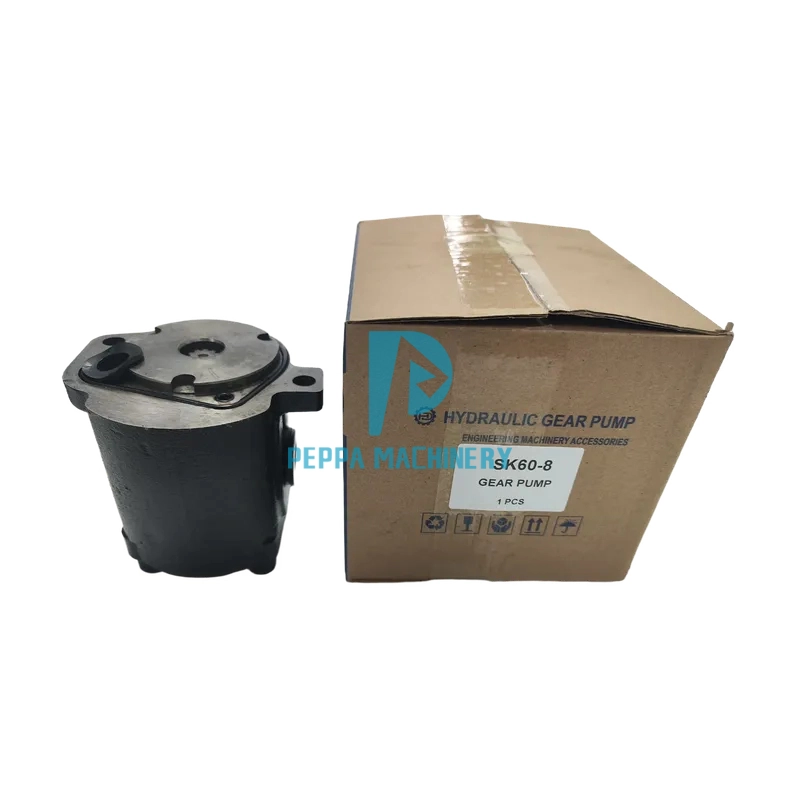
Excavator parts Gear pump SK60-8
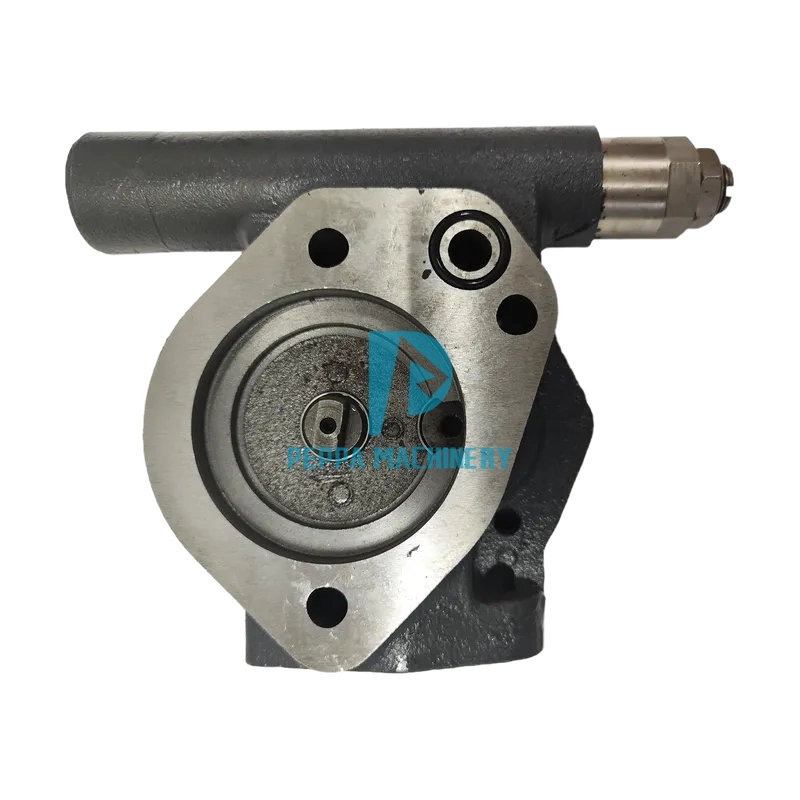
Excavator parts Gear pump PC120-5
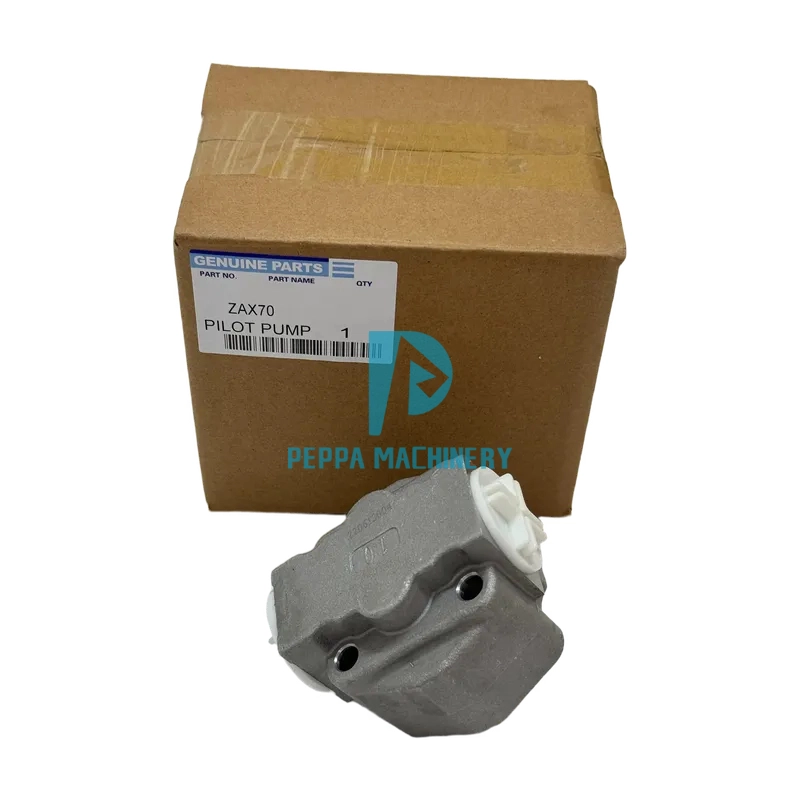
ZAX70 PILOT PUMP GEAR PUMP
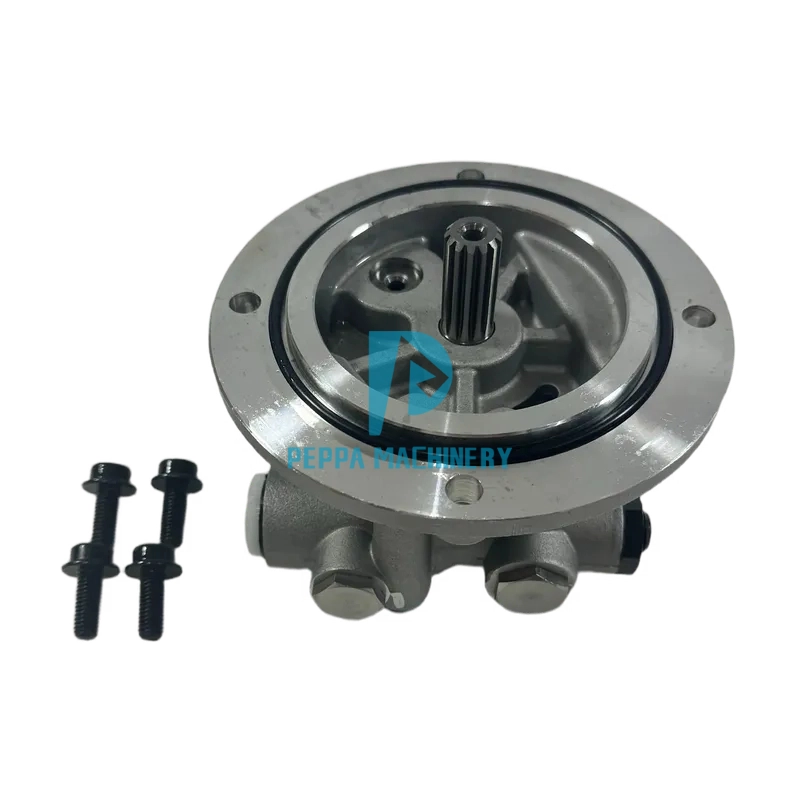
High Quality BRAND NEW 333-k5495 K7V125 PILOT PUMP GEAR PUMP for Excavator
Excavator Parts
Are your parts genuine or OEM?
We offer both genuine parts and high-quality OEM alternatives. You can choose according to your budget and application needs. All OEM products are tested to meet or exceed original specifications.
How can I verify compatibility before placing an order?
Please provide us with your machine brand, model number, and the part number (if available). Our team will double-check the compatibility to ensure you receive the correct parts.
Can I get help choosing the right parts for my machine?
Yes. Our experienced sales team is here to provide professional recommendations and solutions based on your excavator model, part number, or specific requirements.
What brands of excavator parts do you supply?
We supply a full range of parts compatible with major international and Chinese brands, including Caterpillar, Komatsu, Hitachi, Volvo, Doosan, Hyundai, Sany, Liugong, XCMG, Zoomlion, and more.
Do you provide technical support or installation guidance?
While we do not offer on-site installation, we can provide basic technical advice, diagrams, or documentation to assist your technicians with installation and troubleshooting.
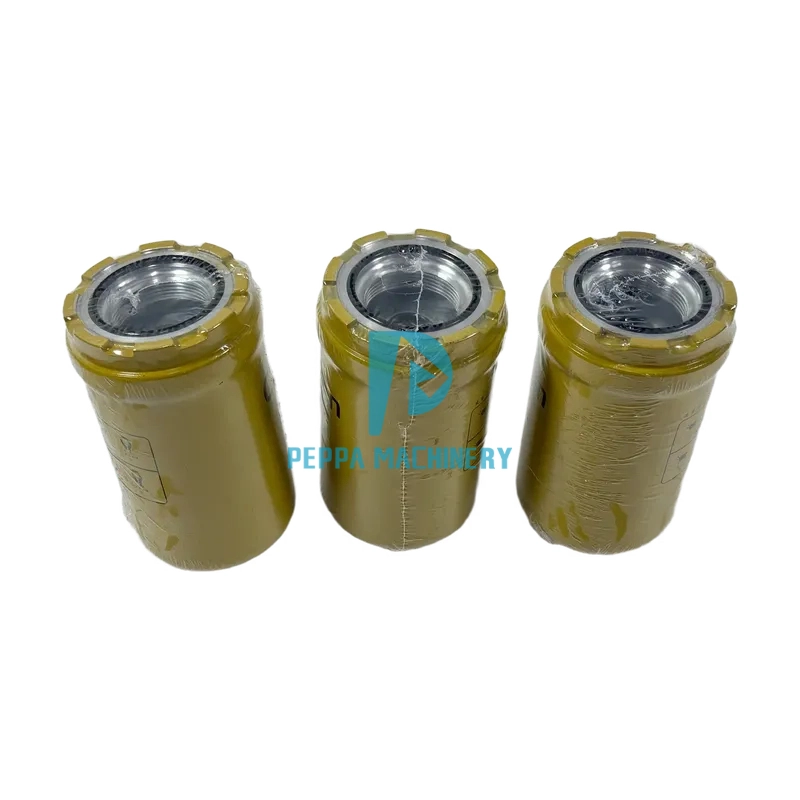
51-8670 Hydraulic Filter Applicable to HF35519 518670 2897836 518670X 1588987 Compatible with Caterpillar 352FVG 325CL
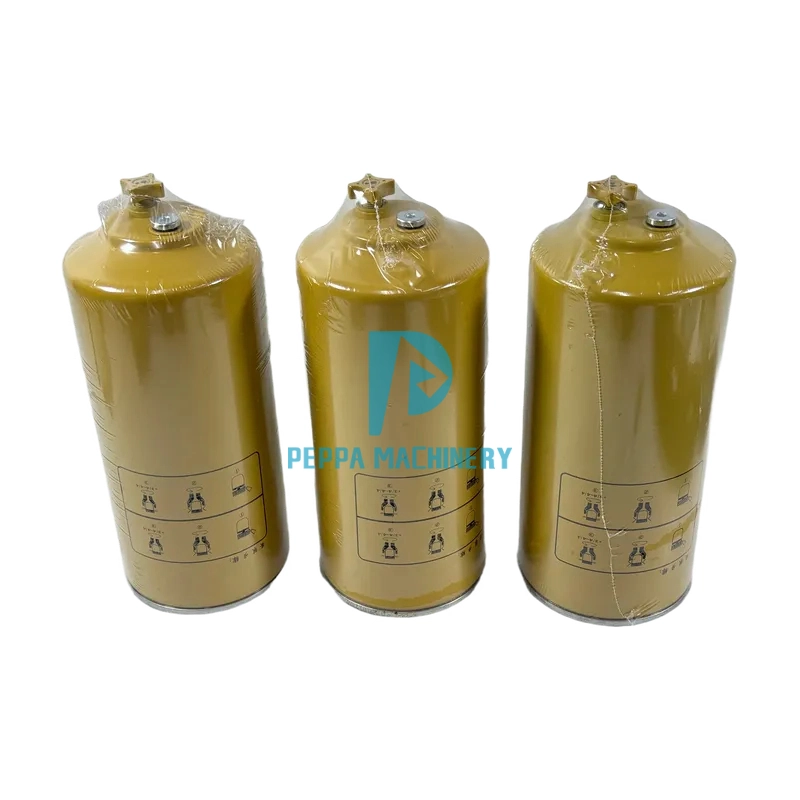
4385386 Fuel Water Separator Fuel Filter 382-0664 Oil-water Separator Hydraulic Oil Filter for CAT 312D2 320D2
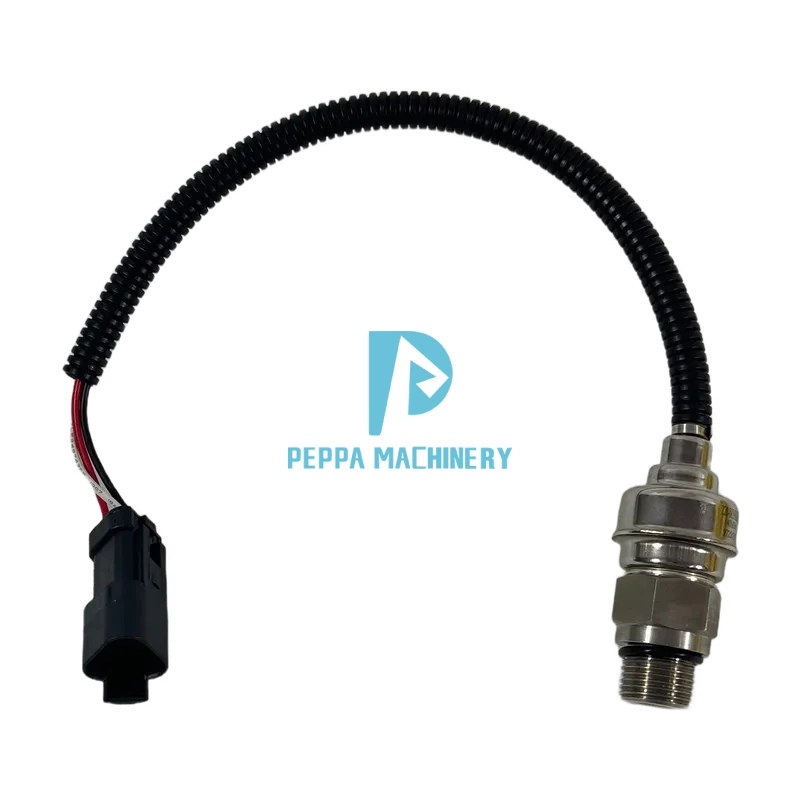
Pressure Sensor 221-8859 106-0178 for Caterpillar CAT 311B 311C 312C 314D 315B 320C 323D 324D 330C 336D 345B 385C
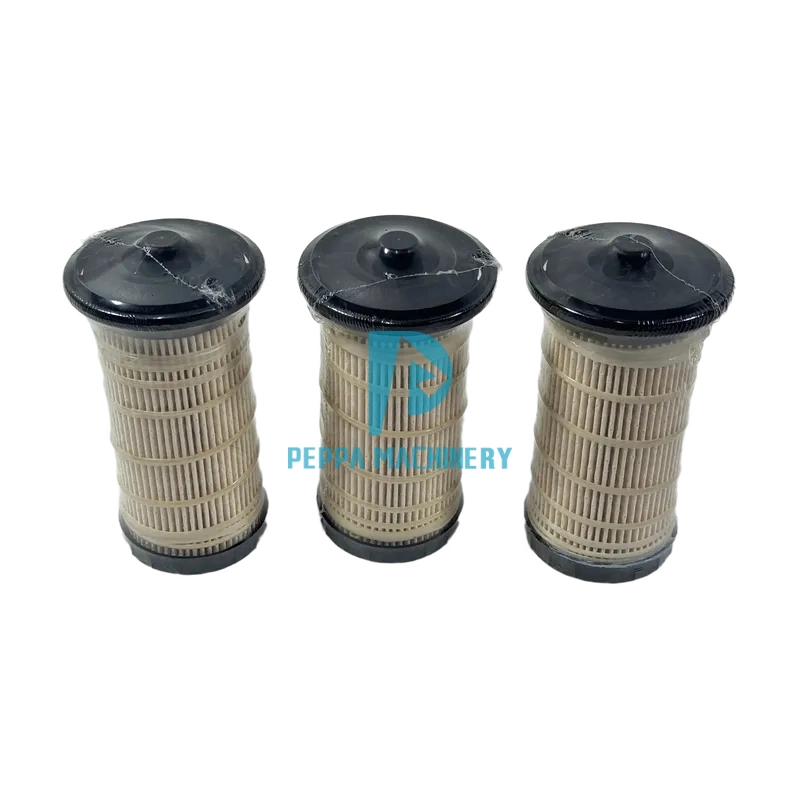
360-8960 Fuel Filter Element for Caterpillar C4.4 & C7.1 Engines | Fits 312D, 320D, 312E, 320E, 326D2, 336D2 Excavators
Get more information
Want to know more? Contact us today to get detailed product specifications, customized solutions, and a free consultation tailored to your needs.
Rest assured that your privacy is important to us, and all information provided will be handled with the utmost confidentiality.

Reliable Source for Quality Excavator Components.
Follow Us
Our Partners


Our Payment Methods


 High Quality
 7/24 Service
 Guaranteed Warranty
 Scan QR Code
Facebook
TikTok
YouTube
Pinterest
Twitter