








Which Gear Pump Specs Matter Most for Excavator Performance?
- 1) How do I size gear pump displacement and flow to match an excavator actuator speed without causing cavitation?
- 2) What maximum pressure rating and relief valve setting should a gear pump handle on a 20‑ton excavator boom circuit?
- 3) Which tolerances, internal clearances and materials in gear pump construction most affect longevity under dirty jobsite hydraulic oil?
- 4) How to evaluate volumetric efficiency and expected flow loss over time for a used or exchange gear pump?
- 5) What shaft seal, port and mounting options reduce downtime when replacing gear pumps on excavators in the field?
- 6) Can I increase excavator hydraulic power by stacking or using tandem gear pumps, and what specs must match to avoid cavitation and imbalance?
1) How do I size gear pump displacement and flow to match an excavator actuator speed without causing cavitation?
Answer:
Sizing a gear pump for an excavator actuator (boom, arm, bucket or hydraulic motor) requires matching required flow to actuator volume and avoiding suction problems that cause cavitation. Use this step-by-step approach:
- Determine required actuator flow (Q_req). For a cylinder, Q_req = (Area of piston or rod end × desired linear speed). For a hydraulic motor, use the motor displacement and required RPM.
- Convert required flow to pump displacement (D): D (cc/rev) = Q_req (L/min) × 1000 / RPM_pump. Example: if the cylinder needs 45 L/min at 1800 rpm pump speed: D = 45×1000/1800 ≈ 25 cc/rev.
- Factor in volumetric efficiency (η_v). Real gear pumps have η_v that falls with pressure and wear (typical fresh values 85–95%). Required displacement corrected: D_corr = D / η_v. Use conservative η_v = 0.85 for initial sizing in excavator duty.
- Check suction performance (NPSHr and inlet conditions). Gear pumps are sensitive to inlet conditions; ensure positive inlet pressure (avoid >0.3 bar suction lift). Running a pump too large (high displacement) at high RPM increases inlet flow velocity and raises risk of cavitation unless inlet plumbing, tank level and oil viscosity are right.
- Verify oil viscosity and temperature. Excavator fluids commonly ISO VG 46 at 40°C (20–46 cSt typical). Lower viscosity at cold start reduces volumetric efficiency and increases cavitation risk. Use an inlet filter, short straight suction lines, and adequate reservoir rise to maintain net positive inlet pressure.
Practical tip: pick a pump displacement that meets flow requirements at the nominal engine RPM and leave headroom. If exact matching is difficult, use a slightly higher displacement with a pressure-compensated flow control or relief valve to prevent overload and reduce cavitation risk.
2) What maximum pressure rating and relief valve setting should a gear pump handle on a 20‑ton excavator boom circuit?
Answer:
Excavator boom circuits on medium-to-large machines often operate at working pressures of 200–320 bar (2,900–4,640 psi) when using piston pumps. External gear pumps are usually used in auxiliary or pilot services and are typically rated lower. For any application, follow these rules:
- Specify pump maximum continuous pressure ≥ the system working pressure plus safety margin. For excavator auxiliary circuits, choose pumps rated for continuous duty at least 160–210 bar if intended for medium pressure use; for heavy-duty main circuits, axial piston pumps are typical.
- Relief valve setting: set relief at the system working pressure plus 10–20% for transient spikes. Example: if your working pressure is 200 bar, relief at 220–240 bar protects both circuit and pump. Note: relief valves protect the system but not the pump from excessive shaft torque and bearing loads if pressure spikes are frequent.
- Intermittent vs continuous rating: pumps often have a maximum intermittent pressure higher than their continuous rating. Use intermittent limits only for short events (manufacturer data required). Repeated exceedances shorten pump life.
- Account for pressure spikes: excavator operations cause rapid directional changes and inertial spikes. Use accumulators, shock suppressors, or pressure snubbers at critical points to protect gear pump bearings and gears.
If the pump will see main-circuit stresses, prefer pumps and materials rated to match the excavator's normal system pressures or use axial piston units. Always consult the pump OEM datasheet for continuous and intermittent pressure limits.
3) Which tolerances, internal clearances and materials in gear pump construction most affect longevity under dirty jobsite hydraulic oil?
Answer:
Jobsite contamination accelerates wear in gear pumps. Key construction factors that determine tolerance to dirty oil:
- Gear and housing material & surface treatment: hardened steel gears or induction-hardened cases resist abrasive wear better than plain cast-iron gears. Surface nitriding or hard-chromed bores improve life under particulate contamination.
- Gear tooth profile and finish: finer finish and optimized tooth geometry reduce local pressures and wear. Improved tooth profiles lower micro-pitting and leakage.
- Internal clearances: small clearances reduce leakage and improve volumetric efficiency but increase sensitivity to particles and thermal expansion. Typical clearances are micron-level and vary by design (often 0.01–0.2 mm ranges depending on pump size). Pumps designed for contaminated environments often balance slightly larger clearances with hardened surfaces.
- Bearings and shaft support: robust bearing designs and larger shaft diameters reduce deflection under load, reducing gear contact stress when particles are present.
- Seal and port design: well-protected lip seals or cartridge seals reduce ingress of external contamination into the pump housings.
- Filtration compatibility and case drain: pumps designed with case drains and provisions for contamination flushing perform better where oil cleanliness is poor.
Filtration spec: to protect gear pumps on excavators, maintain hydraulic oil cleanliness at or better than ISO 18/16/13 for heavy jobsite conditions; for longer life aim ISO 17/15/12 when possible. Regular oil analysis and breathers/return-line filtration reduce abrasive wear significantly.
4) How to evaluate volumetric efficiency and expected flow loss over time for a used or exchange gear pump?
Answer:
To assess a used/exchange pump and predict remaining useful life, perform bench tests and calculate volumetric efficiency and leakage trends.
- Bench test procedure: mount the pump on a test stand, run at a known RPM and temperature with clean test oil, and measure free flow (no load) and load flow at several pressures (e.g., 0, 50, 100, 150 bar). Record flow (L/min) versus pressure.
- Volumetric efficiency (η_v) calculation: η_v = Measured Flow (L/min) / (Theoretical Flow L/min) where Theoretical Flow = D (cc/rev) × RPM / 1000. Typical fresh gear pump η_v at low pressure = 0.88–0.95; at higher pressures it drops.
- Leakage (internal) estimation: Leakage flow ≈ Theoretical Flow − Measured Flow. Track leakage increase over time. A steady increase of >10% compared to OEM baseline indicates significant wear.
- Wear & performance criteria: many users accept up to 10% volumetric loss for auxiliary pumps before replacement; for primary motion control, stay within 5% of OEM performance. Expect η_v to degrade 2–10% over tens of thousands of operating hours depending on contamination, pressure duty and lubrication.
- Thermal and noise inspection: higher-than-normal temperatures and increased noise or vibration often accompany rising internal leakage and mechanical wear.
Document test data and compare with OEM datasheets. If baseline is unavailable, compare to a new identical model under same test conditions to quantify degradation.
5) What shaft seal, port and mounting options reduce downtime when replacing gear pumps on excavators in the field?
Answer:
Minimizing downtime on-site means choosing pump variants and installation details that fit excavator service constraints:
- Seal options: prefer pumps with robust, field-serviceable cartridge seals or double-lip elastomer seals rated for common hydraulic oil temperatures. Cartridge seals allow quick replacement without press-fitting or specialized tooling.
- Port types and thread standards: choose pumps with the same port standards used on your fleet (BSPP, NPT, SAE ORB). Having pumps with compatible thread types avoids adapter fittings in emergencies that add leakage risk.
- Mounting pattern and flange: pumps with common SAE flange patterns (and both clockwise and counterclockwise rotation options) simplify swap-outs. Some designs support interchangeable shaft orientation or rotation with minimal changes.
- Quick-change shaft couplings: modular shaft adapters or splined shafts that accept a range of couplings reduce alignment time.
- Case drain & accessory locations: pumps with standard case-drain ports and easy access to relief valves or pressure taps speed diagnostics.
- Spare-parts strategy: keep an exchange pump with the correct displacement and porting, plus a spare seal/cartridge kit and gasket set on the truck. Label rotation and shaft keys to avoid mistakes.
Choosing pumps with common industry mounting patterns and user-replaceable seal cartridges yields the fastest on-site repairs and lowest downtime.
6) Can I increase excavator hydraulic power by stacking or using tandem gear pumps, and what specs must match to avoid cavitation and imbalance?
Answer:
Tandem and stacked gear pumps are commonly used to supply multiple circuits from one drive, but there are limits and rules:
- Displacement matching: if tandem pumps drive parallel circuits, each pump element’s displacement must match the circuit requirements. If elements are unequal, one circuit can be starved or overloaded.
- Pressure and relief coordination: tandem pumps share a drive but not always the same pressure. Ensure each circuit has correct relief settings and that the pump casing can handle differential pressures and internal leakage paths.
- Shaft torque and drive capacity: adding pump stages increases torque demand on the drive source. Calculate torque: Torque (Nm) ≈ (Pressure (bar) × Displacement (cc/rev)) / (20 × efficiency). Verify the engine or motor and couplings can handle peak torque.
- Suction flow and cavitation: combined inlet flow to a stacked assembly raises inlet velocity; ensure suction plumbing, reservoir size and inlet diameters are adequate to supply required combined flow at acceptable NPSH. Use a larger suction line or separate suction feeds where needed.
- Thermal and volumetric balance: multiple pump elements running at different pressures generate differing internal leakage and heat. Consider case drains and cooling capacity.
In short: stacking can increase total flow but must be designed so each element’s displacement, pressure rating, and inlet plumbing are matched. For heavy excavator hydraulic power increases, axial piston pumps are frequently a better solution due to higher efficiencies and better high-pressure performance.
Concluding paragraph — Advantages of selecting the right gear pump specs for excavator performance
Choosing the correct gear pump specs (displacement, flow rate, pressure rating, volumetric efficiency, suction and porting, seals and materials) delivers predictable actuator speed, longer pump life under contaminated jobsite oil, lower downtime through easier field serviceability, and reliable protection against cavitation and overload. Properly sized and specified gear pumps reduce fuel/stress on prime movers, improve response and control, and lower lifecycle costs compared with underspecified or mismatched units.
For an accurate pump-match, bench testing, and OEM-equivalent replacements tailored to your machine model, contact us for a quote: www.jbpartsgz.com or jbparts@aliyun.com
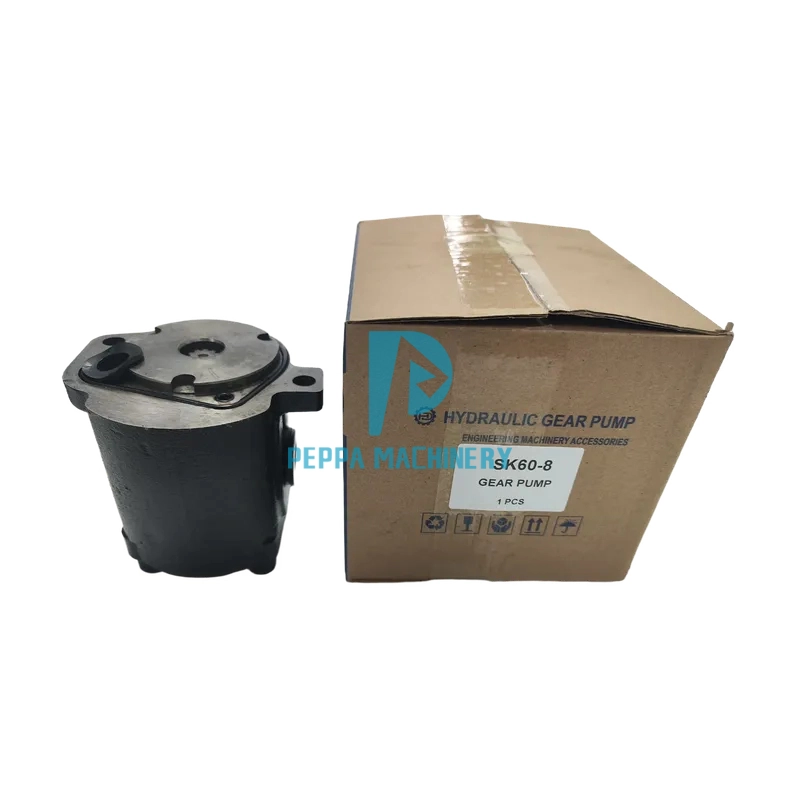
Excavator parts Gear pump SK60-8
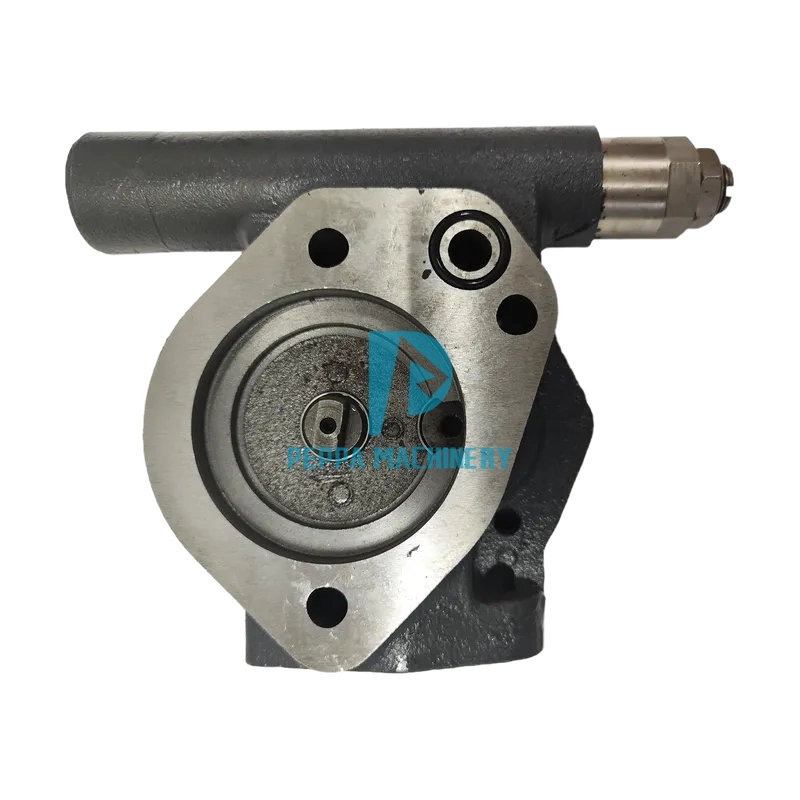
Excavator parts Gear pump PC120-5
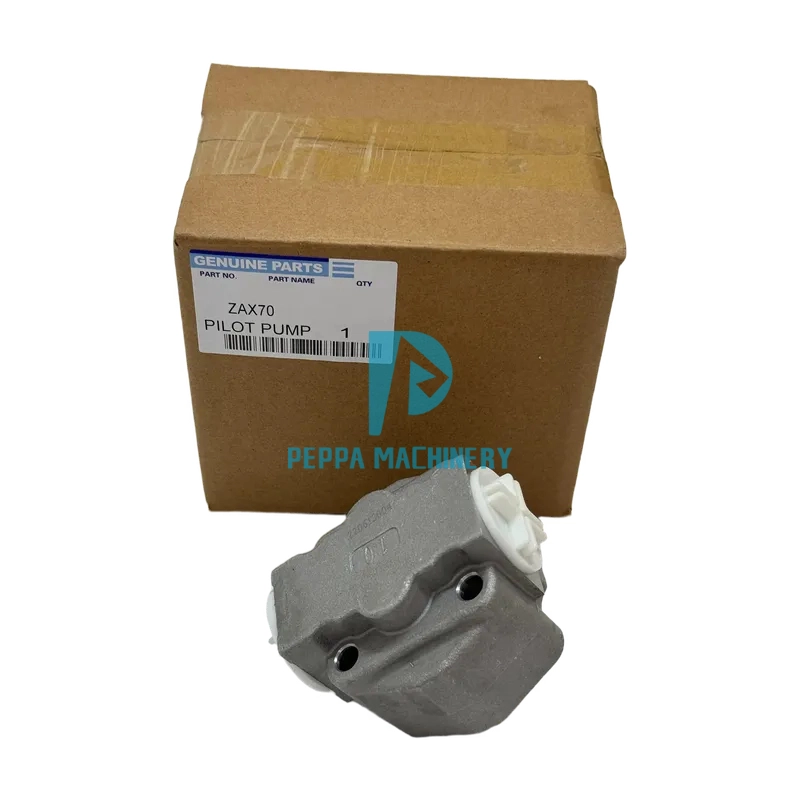
ZAX70 PILOT PUMP GEAR PUMP
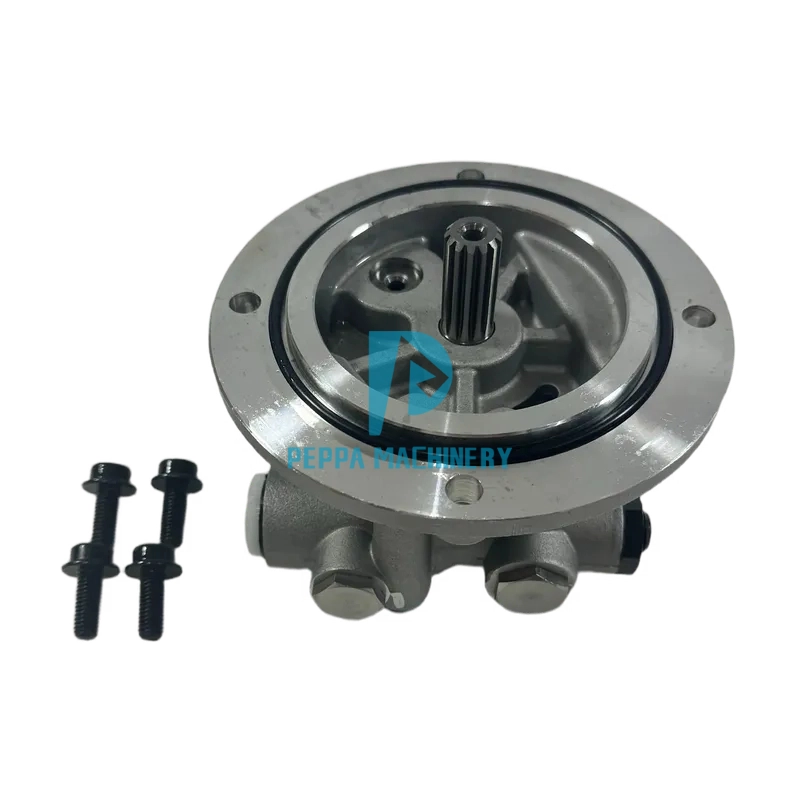
High Quality BRAND NEW 333-k5495 K7V125 PILOT PUMP GEAR PUMP for Excavator
Excavator Parts
What brands of excavator parts do you supply?
We supply a full range of parts compatible with major international and Chinese brands, including Caterpillar, Komatsu, Hitachi, Volvo, Doosan, Hyundai, Sany, Liugong, XCMG, Zoomlion, and more.
Do you provide technical support or installation guidance?
While we do not offer on-site installation, we can provide basic technical advice, diagrams, or documentation to assist your technicians with installation and troubleshooting.
How can I verify compatibility before placing an order?
Please provide us with your machine brand, model number, and the part number (if available). Our team will double-check the compatibility to ensure you receive the correct parts.
What types of parts do you mainly offer?
Our main product categories include:
• Engine parts (liner kits, crankshafts, water/oil pumps, etc.)
• Electrical parts (sensors, monitors, throttle motors, wiring harnesses)
• Hydraulic parts (pumps, valves, cylinders)
• Sealing kits (NOK, SKF, PQ brands, floating seals, O-rings)
Are your parts genuine or OEM?
We offer both genuine parts and high-quality OEM alternatives. You can choose according to your budget and application needs. All OEM products are tested to meet or exceed original specifications.
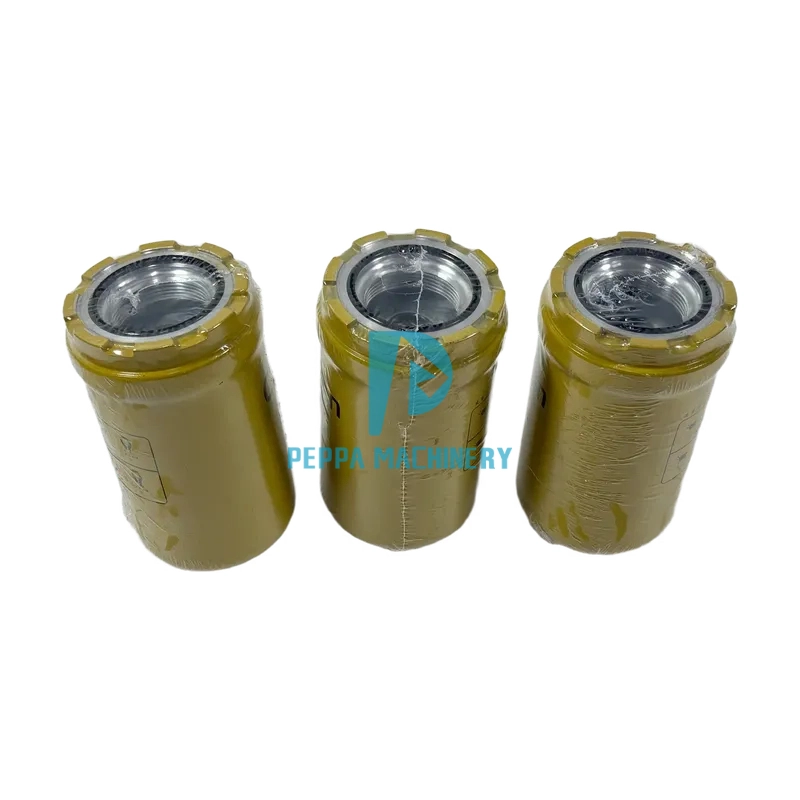
51-8670 Hydraulic Filter Applicable to HF35519 518670 2897836 518670X 1588987 Compatible with Caterpillar 352FVG 325CL
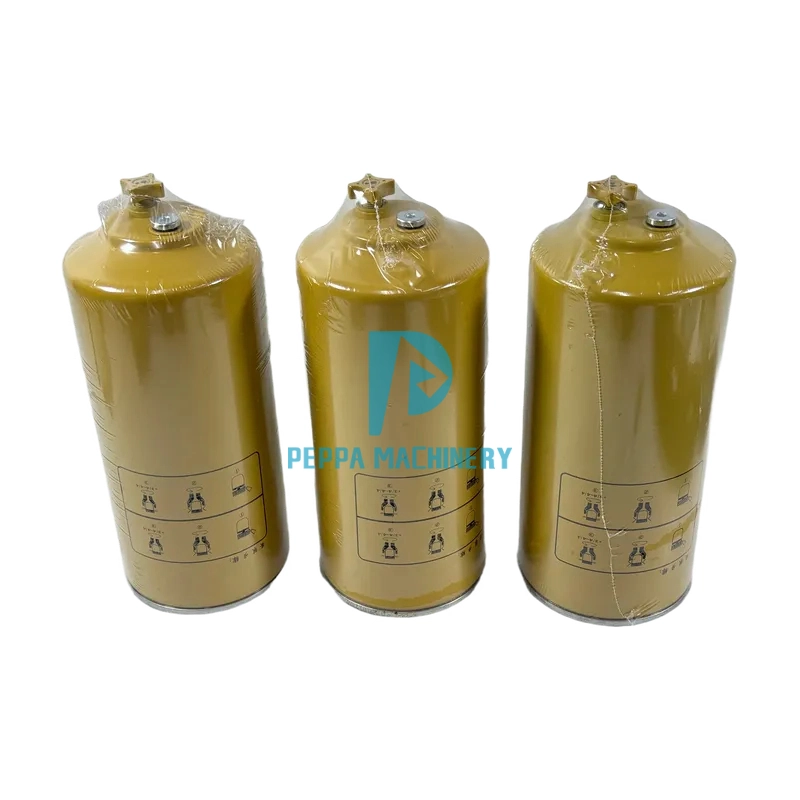
4385386 Fuel Water Separator Fuel Filter 382-0664 Oil-water Separator Hydraulic Oil Filter for CAT 312D2 320D2
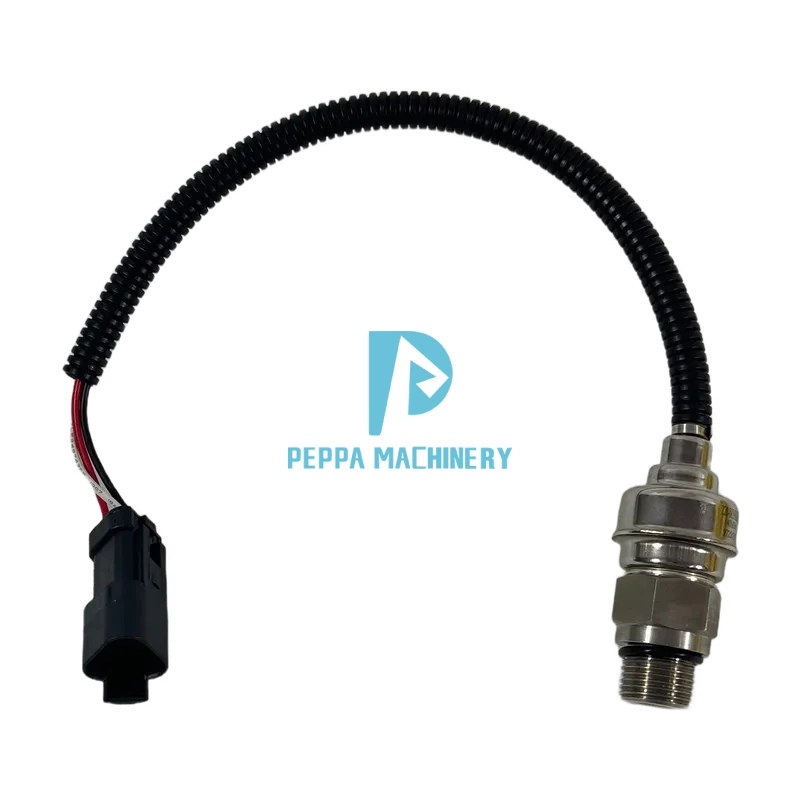
Pressure Sensor 221-8859 106-0178 for Caterpillar CAT 311B 311C 312C 314D 315B 320C 323D 324D 330C 336D 345B 385C
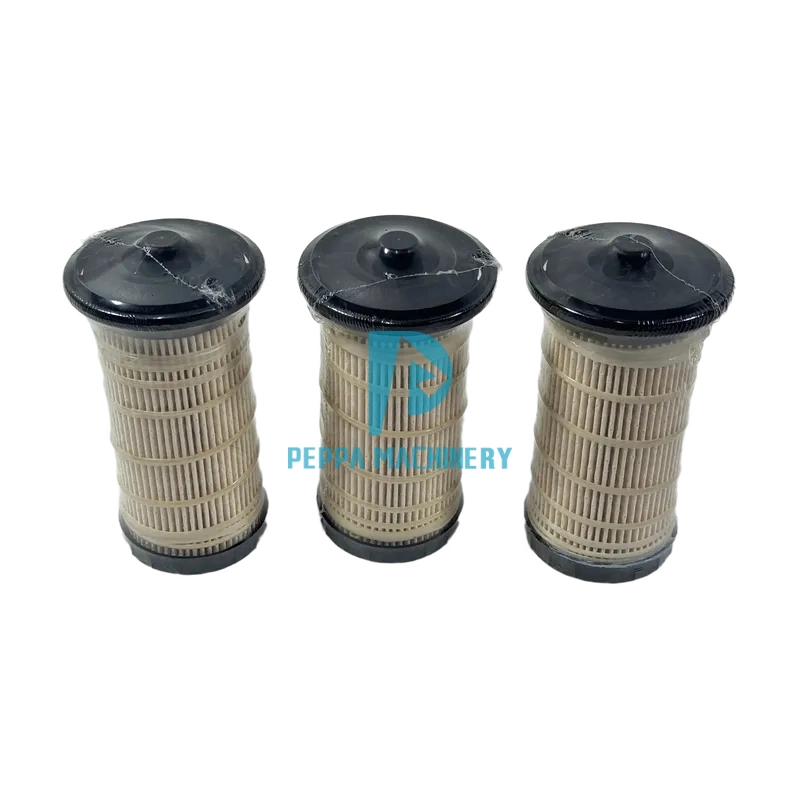
360-8960 Fuel Filter Element for Caterpillar C4.4 & C7.1 Engines | Fits 312D, 320D, 312E, 320E, 326D2, 336D2 Excavators
Get more information
Want to know more? Contact us today to get detailed product specifications, customized solutions, and a free consultation tailored to your needs.
Rest assured that your privacy is important to us, and all information provided will be handled with the utmost confidentiality.

Reliable Source for Quality Excavator Components.
Follow Us
Our Partners


Our Payment Methods


 High Quality
 7/24 Service
 Guaranteed Warranty
 Scan QR Code
Facebook
TikTok
YouTube
Pinterest
Twitter