








How to choose the right excavator alternator for your model?
- 1. How can I confirm whether my excavator needs a 12V or 24V alternator — and what are the safe steps to convert systems without frying the starter or ECU?
- 2. What alternator amperage do I need if I add LED work lights, a heated cab, and extra hydraulic solenoids to my mid-sized excavator?
- 3. How do I identify and match the alternator pulley type and belt profile so I don’t cause belt slip, bearing damage, or alignment problems?
- 4. On-site, how can I diagnose regulator or rectifier (diode) failures with a multimeter and clamp meter — what readings confirm a bad alternator?
- 5. Can I replace my OEM excavator alternator with a brushless aftermarket alternator — what wiring or regulator changes are required and what benefits/risks should I expect?
- 6. What environmental and durability specifications (IP rating, thermal class, vibration rating) should I require for an excavator alternator used in hot, dusty, or marine-adjacent sites?
- Concluding summary — advantages of choosing the right excavator alternator
How to Choose the Right Excavator Alternator for Your Model
Buying an excavator alternator is more than matching a part number. This guide answers six specific, often-misunderstood long-tail questions beginners and fleet techs ask when replacing or upgrading alternators in excavators. It covers voltage systems, amperage sizing for accessories, pulley/belt compatibility, on-site diagnostics (multimeter + clamp meter), brushless aftermarket swaps, and environmental ratings (IP, thermal, vibration). Embedded throughout are practical checks you can perform and the charging-system vocabulary (voltage regulator, rectifier diodes, amperage output, brushless design, pulley profile, harness plug) you’ll see on OEM and aftermarket alternator specs.
1. How can I confirm whether my excavator needs a 12V or 24V alternator — and what are the safe steps to convert systems without frying the starter or ECU?
Why this matters: Installing the wrong-voltage alternator will not charge the battery and can damage the starter, control modules, sensors, and electrical harness.
Step-by-step check:
- Locate the battery voltage at rest (no engine, accessories off). A healthy 12V system reads ≈12.4–12.7V; a 24V system reads ≈24.8–25.4V. Measure across the battery bank (both battery posts together on machines with dual 12V batteries wired in series).
- Start the engine and measure charging voltage across battery posts. Expected ranges are roughly 13.6–14.6V for 12V systems and 27.2–29.2V for 24V systems. If the running voltage is below these ranges, the alternator/regulator or wiring may be faulty.
- Check the alternator nameplate or stamped part number — it often lists nominal system voltage and rated amperage. If the label is missing, trace the heavy positive wire from the alternator to the battery starter bus to confirm system configuration.
Converting systems: Converting a 12V excavator to 24V (or vice versa) is not a simple alternator swap. It requires replacing or reconfiguring battery banks, starter motor, all 12V accessories or step-down converters, wiring harness fusing and often the machine ECU or control modules. For this reason, conversion is rarely cost-effective. If you must convert, consult the OEM electrical and engine manuals and partner with an experienced heavy-equipment electrician to ensure proper starter sizing, charging algorithm compatibility, and harness protection.
2. What alternator amperage do I need if I add LED work lights, a heated cab, and extra hydraulic solenoids to my mid-sized excavator?
Why this matters: Under-sizing the alternator means the battery will be drained during operation; oversizing can be unnecessary cost and require different pulley or mounting choices.
How to size it correctly:
- Inventory the electrical loads. For guidance use realistic average currents: LED work light 5–10A each; cab fan/heater controls 5–15A; proportional valve/solenoid coils 2–20A depending on type; GPS/telemetry 0.3–3A; cab air-conditioning compressor clutch (if electric) 10–40A peak. Check the actual amp rating printed on each accessory.
- Calculate continuous current demand (devices likely to run for long periods) + peak currents (starter motor not included in alternator sizing; alternator handles charging and accessory load). Example: three 8A LED lights (24A) + heated cab 15A + two solenoids 10A = 49A continuous. Add a 10–20% margin for inefficiencies and future accessories → 60–70A nominal alternator recommended.
- Remember alternator output ratings are often specified at specific RPMs. Heavy equipment alternators may deliver rated amperage at idle or engineered pulley ratios; confirm rated output at the machine’s typical idle RPM and whether a PTO or overspeed pulley configuration is needed.
Rule of thumb: Small compact excavators often need 40–80A alternators; mid-sized machines 80–150A; large excavators and added accessory packages sometimes require 150–200A or higher. Always confirm rated output at idle RPM and include a service margin of 15–25% for in-field reliability.
3. How do I identify and match the alternator pulley type and belt profile so I don’t cause belt slip, bearing damage, or alignment problems?
Why this matters: Improper pulley match causes premature belt wear, alternator bearing failure, HVAC compressor issues, and charging loss under load.
Identification and matching steps:
- Inspect the current pulley: count ribs (serpentine multi-rib) or measure width and V-profile. Common belt systems include V-belts (older equipment) and multi-rib serpentine belts. Measure belt width and number of ribs or reference the belt part number.
- Note pulley construction: fixed vs. overrunning clutch (rare on alternators but present on some accessory pulleys), single-groove vs. multi-rib. Match the replacement alternator pulley type exactly to maintain tension and damp vibration.
- Check rotation direction and shaft length. Many alternators are designed for a specific rotation and shaft projection; if the new alternator’s shaft or pulley spacing is different, the belt alignment to other accessories will be off. Measure center-to-center distances and confirm alignment with a straightedge or laser alignment tool.
- Verify harmonic and RPM factors. Alternator loads and crank pulley ratios influence belt speed — check the alternator’s rated RPM range and ensure it will reach rated output at your machine’s idle or used pulley ratio.
When in doubt, bring the old alternator or a belt sample to your parts supplier. Many aftermarket alternators allow pulley swaps to match your belt profile and rotational direction without replacing the entire unit.
4. On-site, how can I diagnose regulator or rectifier (diode) failures with a multimeter and clamp meter — what readings confirm a bad alternator?
Why this matters: Alternator electrical failures may mimic bad batteries or loose wiring. Correct on-site diagnosis prevents unnecessary replacements.
Tools needed: digital multimeter, DC clamp meter (for charge current), optionally an oscilloscope for ripple checks.
Step-by-step diagnostics:
- Visual & safety checks: Inspect positive and ground connections, fuses, and wiring harness for corrosion or damage. Ensure battery terminals are clean and tight.
- Resting battery voltage: with engine off, measure battery. 12V system ≈12.6V; 24V system ≈25.2V. If resting voltage is very low (<12.0V on 12V systems), charge or replace/verify battery first.
- Running voltage: start engine and measure at battery posts. Expect ≈13.6–14.6V (12V) or ≈27.2–29.2V (24V). If lower, alternator/regulator may not be charging; if significantly higher, regulator may be overcharging (risk to electronics).
- Clamp-meter charging current: Clip around the heavy alternator output cable. At idle under typical loads, alternator should deliver current up to its rated idle output; at higher loads (lights, accessories on), currents increase. A near-zero clamp reading when running and loads applied indicates a charging problem.
- Diode/rectifier ripple test: With engine running and accessories on, measure AC voltage across battery with AC range on the meter. Acceptable AC ripple is very low — generally under 0.5 VAC on 12V systems. Higher AC ripple indicates bad diodes in the alternator.
- Voltage drop test: measure voltage drop from alternator B+ terminal to battery positive with the engine running and under load. Voltage drop should be minimal, typically under 0.5V; higher drop indicates corroded wiring or poor connections.
- Field/regulator test: if alternator has an external regulator, test control wire voltages per OEM manual; for internal regulators, observe voltage change when toggling loads. No change suggests regulator fault.
Interpretation: Excessive AC ripple or diode failures point to the alternator rectifier pack; a constant low charging voltage with good wiring points to regulator or internal failure. Replace or rebuild the alternator only after confirming wiring and battery health.
5. Can I replace my OEM excavator alternator with a brushless aftermarket alternator — what wiring or regulator changes are required and what benefits/risks should I expect?
Why this matters: Brushless alternators offer advantages but aren’t drop-in for every application.
Benefits of brushless alternators:
- Longer service life — no brushes to wear and fewer moving internal wear parts.
- Better performance at low RPM in many designs and higher thermal endurance due to reduced internal friction and improved cooling.
- Lower maintenance needs in dusty, dirty jobsite environments.
Compatibility and wiring considerations:
- Regulator type: Many brushless alternators use internal regulators, but some require external excitation circuits. Verify whether your excavator’s existing wiring provides the correct excitation (often a small 'field' or 'L' terminal) or if a harness adapter/regulator module is needed.
- Electrical noise and ECU compatibility: Brushless alternators can have different electromagnetic emission profiles. Ensure the aftermarket unit meets EMC/EMI specifications required by your machine’s control electronics (ask the supplier for test data or conformity statements).
- Mechanical fitment: Brushless units may be slightly larger or have different mounting feet and pulley fits. Confirm physical fit, clearance for cooling airflow, and proper belt alignment before purchasing.
Risks and mitigations:
- Warranty and OEM acceptance: Installing a non-OEM brushless alternator may affect OEM warranty on electrical systems—confirm with your OEM or fleet manager.
- If external regulation is required, ensure the regulator matches your machine’s charge algorithm and that over-voltage protections are in place to protect ECUs and sensors.
Conclusion: Brushless alternators are often an excellent upgrade for high-duty or dusty environments, but confirm regulator compatibility and mechanical fitment. Work with a supplier that provides model-specific harness adapters or documented fitment guidance.
6. What environmental and durability specifications (IP rating, thermal class, vibration rating) should I require for an excavator alternator used in hot, dusty, or marine-adjacent sites?
Why this matters: Alternators in heavy equipment face dust, water spray, high ambient temperatures, and severe vibration. Choosing an alternator without appropriate protection shortens life and increases downtime.
Key specifications to request and verify:
- Ingress protection: Aim for IP65 minimum in dusty/wet conditions; for machines exposed to heavy washdown or salt spray (marine-adjacent), IP67 or higher is recommended. Confirm seals on bearing housings and electrical connectors.
- Insulation and temperature class: Look for stator/coil insulation rated for heavy-duty temperature ranges. Insulation class F (rated to 155°C) is a common baseline for heavy equipment; for extreme heat duty consider higher classes (ask manufacturer for exact class and varnish processes used).
- Vibration and shock ratings: Request vibration testing data or compliance with heavy-equipment standards such as SAE J1455 or equivalent off-highway test regimes. Bearings and mounting bosses must be designed for multi-axis vibration and shock cycles.
- Corrosion resistance: For salt or chemical exposure, specify corrosion-resistant housings and stainless or plated fasteners, and sealed electrical connectors rated for marine use.
Supplier questions to ask before purchase:
- What is the alternator’s IP rating and what test protocols were used?
- What insulation class and varnish process are used for windings?
- Can you provide vibration test reports or references from similar excavator applications?
- Are connector and harness options available that match my OEM harness or include sealed Deutsch-style plugs?
Choosing a unit specified for IP65–IP67, with robust thermal insulation and validated vibration resistance will materially reduce field failures in harsh jobsite and marine-adjacent environments.
Concluding summary — advantages of choosing the right excavator alternator
Selecting the correct excavator alternator (right voltage, sufficient amperage margin, correct pulley and mounting, regulator/rectifier integrity, and appropriate environmental ratings) minimizes downtime, reduces battery cycling and maintenance, prevents electrical damage to control systems, and extends the service life of belts and bearings. Proper on-site testing (resting and running voltage, clamp-meter charging current, AC ripple and voltage-drop checks) ensures you replace only the failed component. For accessory-heavy machines, sizing the alternator with a 15–25% margin and confirming rated output at idle RPM prevents mid-shift power shortfalls.
If you need model-specific alternator fitment, OEM cross-reference, or a quote for an OEM or brushless aftermarket alternator with sealed connectors and high IP rating, contact JB Parts’ technical team — we provide fitment verification and parts with documented specs. Visit www.jbpartsgz.com or email jbparts@aliyun.com for a quote.

Isuzu SP 4JG1 4JG2 4JG3 Cylinder Liner 1876182070 1-87618207-0 1876182080 1-87618208-0 1876182100 1-87618210-0
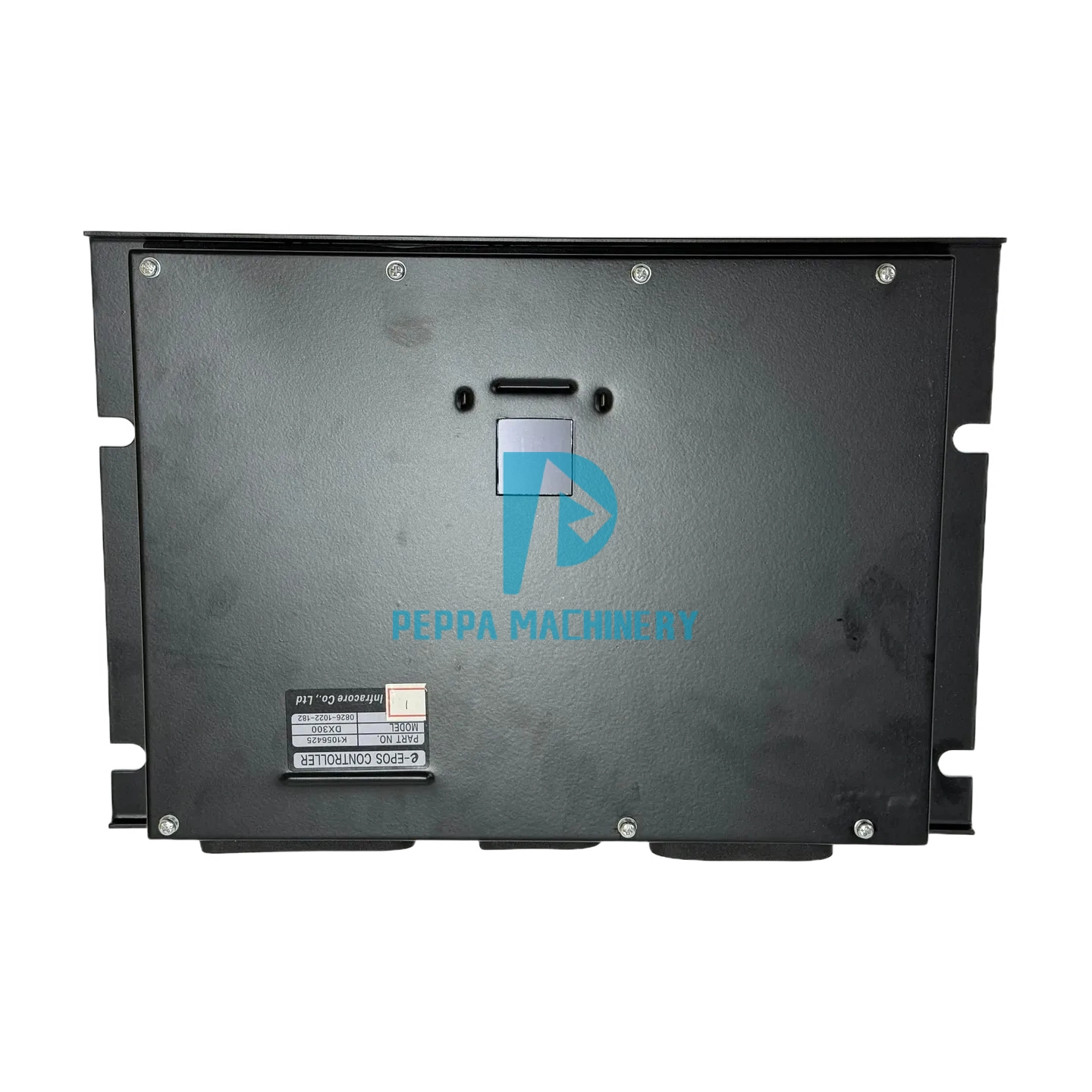
Excavator Control Unit Computer Board K1056425 0826-1022-182 New for Retail Construction Machinery Repair Shops DX300
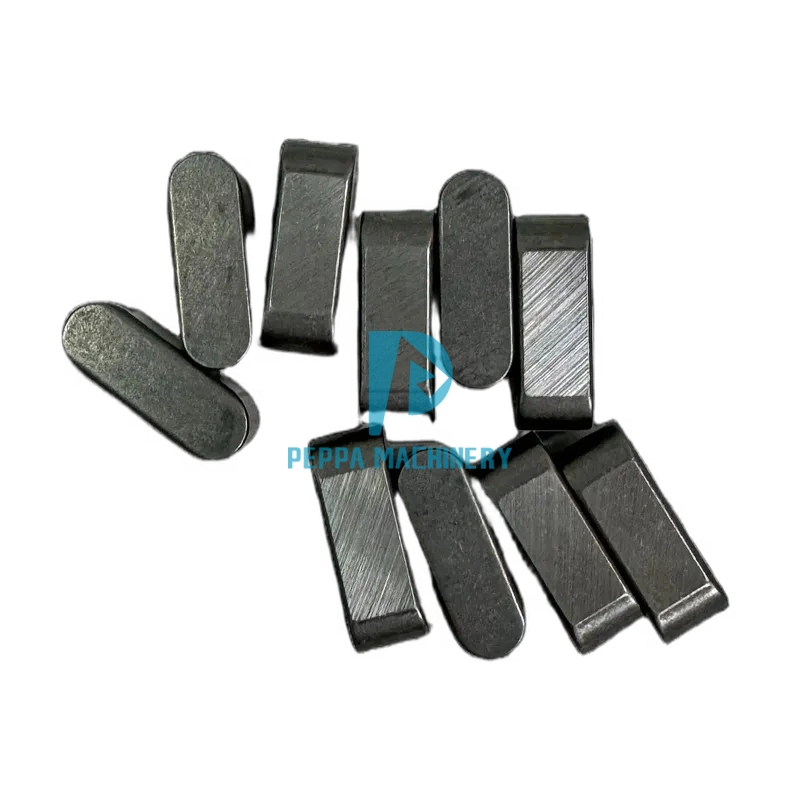
9080107200 9-08010720-0 9-08010-720-0 Camkshaft Feather Key
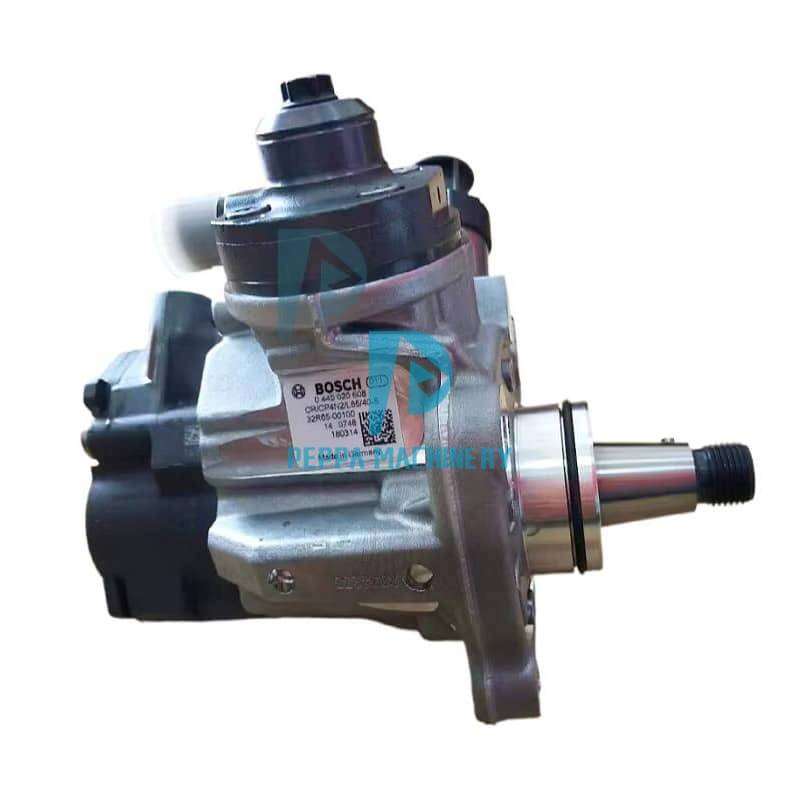
Diesel Fuel Injection Pump Assy 0445020608 32R65-00100 for BOSCH for Mitsubishi Engine in Construction Machinery Parts
Excavator Parts
What brands of excavator parts do you supply?
We supply a full range of parts compatible with major international and Chinese brands, including Caterpillar, Komatsu, Hitachi, Volvo, Doosan, Hyundai, Sany, Liugong, XCMG, Zoomlion, and more.
What types of parts do you mainly offer?
Our main product categories include:
• Engine parts (liner kits, crankshafts, water/oil pumps, etc.)
• Electrical parts (sensors, monitors, throttle motors, wiring harnesses)
• Hydraulic parts (pumps, valves, cylinders)
• Sealing kits (NOK, SKF, PQ brands, floating seals, O-rings)
Are your parts genuine or OEM?
We offer both genuine parts and high-quality OEM alternatives. You can choose according to your budget and application needs. All OEM products are tested to meet or exceed original specifications.
Can I get help choosing the right parts for my machine?
Yes. Our experienced sales team is here to provide professional recommendations and solutions based on your excavator model, part number, or specific requirements.
Do you provide technical support or installation guidance?
While we do not offer on-site installation, we can provide basic technical advice, diagrams, or documentation to assist your technicians with installation and troubleshooting.
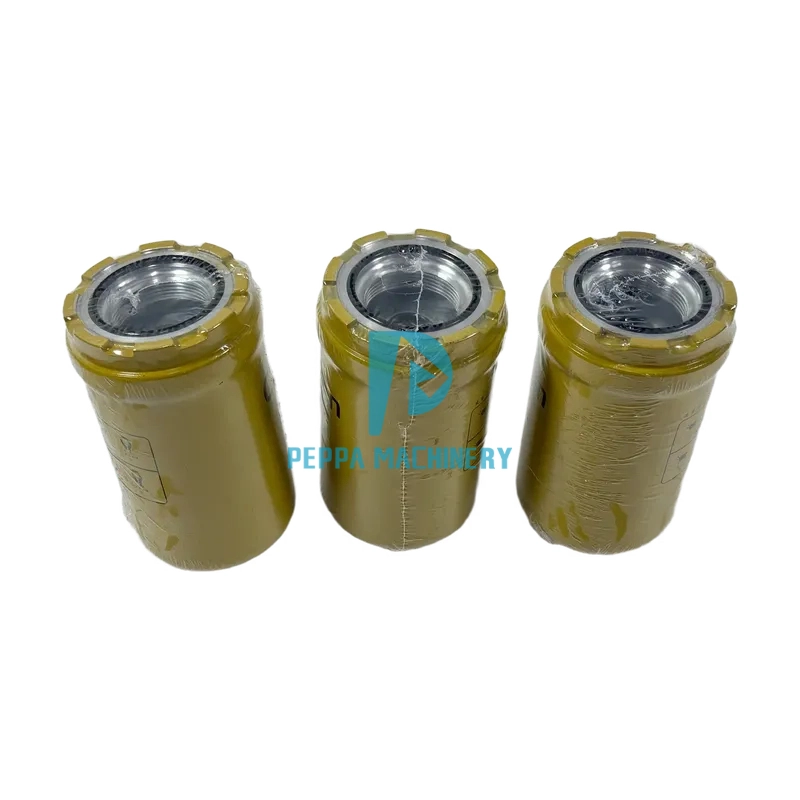
51-8670 Hydraulic Filter Applicable to HF35519 518670 2897836 518670X 1588987 Compatible with Caterpillar 352FVG 325CL
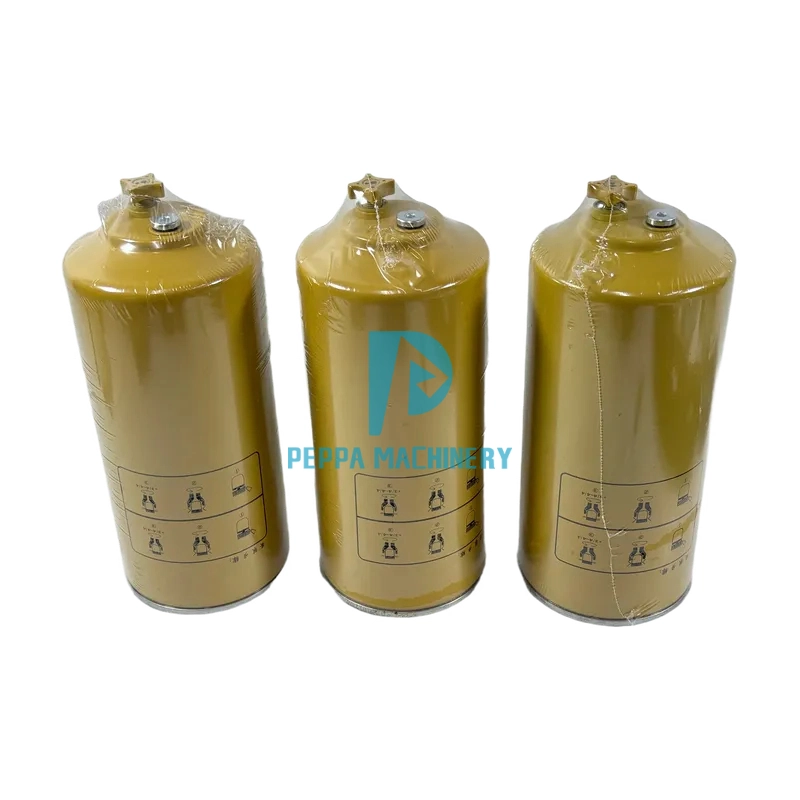
4385386 Fuel Water Separator Fuel Filter 382-0664 Oil-water Separator Hydraulic Oil Filter for CAT 312D2 320D2
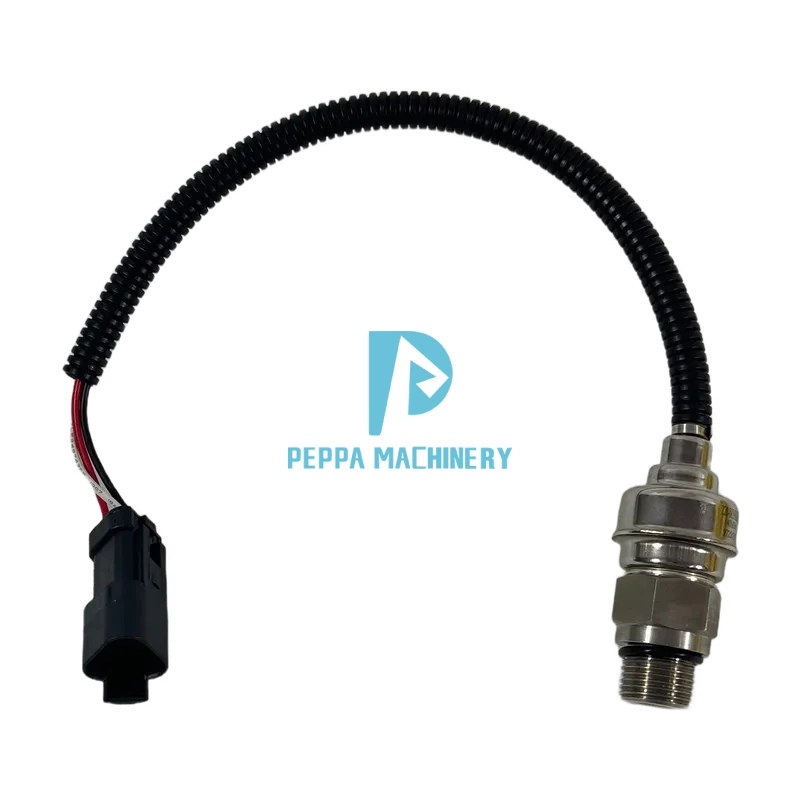
Pressure Sensor 221-8859 106-0178 for Caterpillar CAT 311B 311C 312C 314D 315B 320C 323D 324D 330C 336D 345B 385C
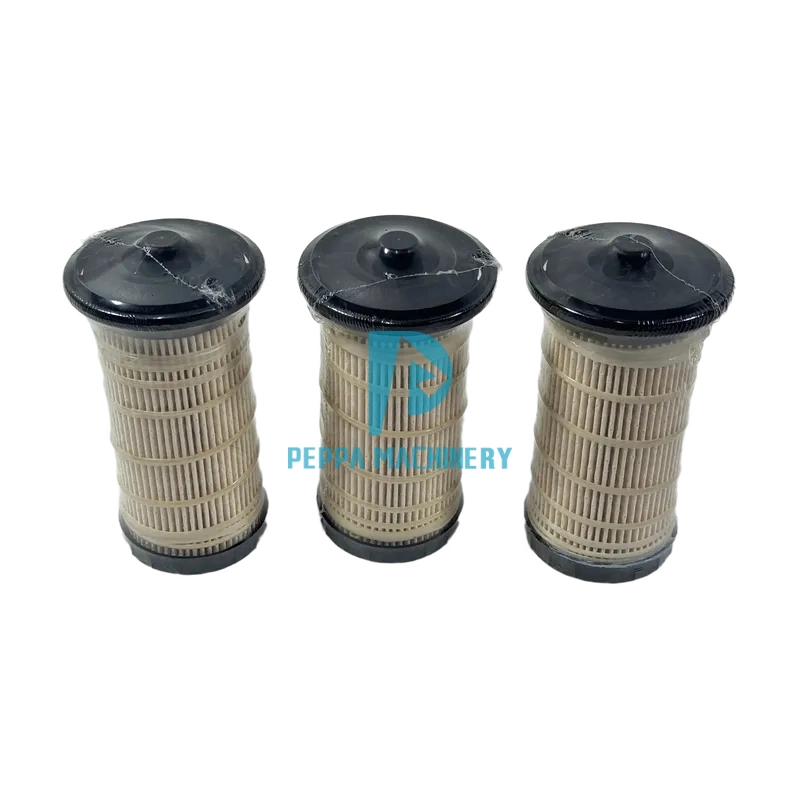
360-8960 Fuel Filter Element for Caterpillar C4.4 & C7.1 Engines | Fits 312D, 320D, 312E, 320E, 326D2, 336D2 Excavators
Get more information
Want to know more? Contact us today to get detailed product specifications, customized solutions, and a free consultation tailored to your needs.
Rest assured that your privacy is important to us, and all information provided will be handled with the utmost confidentiality.

Reliable Source for Quality Excavator Components.
Follow Us
Our Partners


Our Payment Methods


 High Quality
 7/24 Service
 Guaranteed Warranty
 Scan QR Code
Facebook
TikTok
YouTube
Pinterest
Twitter