








The Ultimate Guide to Hydraulic Cylinder Components: Parts, Materials, and Seals Explained
- Introduction
- What are the main parts of a hydraulic cylinder?
- What materials are hydraulic cylinder components made from?
- How do hydraulic cylinder seals work?
- How do you identify different hydraulic cylinder parts?
- What parts need to be replaced when repairing a hydraulic cylinder?
- How do you properly maintain hydraulic cylinder components?
- What are the most common issues and failures with hydraulic cylinder parts?
- What is the difference between single and double-acting hydraulic cylinders?
- Conclusion
- Call to Action
Introduction
Hydraulic cylinders are the unsung heroes of heavy machinery, translating hydraulic fluid power into immense mechanical force. From the towering cranes on a construction site to the precision robotics in a manufacturing plant, these robust devices are the driving force behind modern industrial operations. Without them, the heavy lifting that characterizes today's fluid power systems would be virtually impossible.
Despite their incredible power, the internal mechanics of a hydraulic cylinder are surprisingly straightforward, relying on a few highly engineered components working in perfect harmony. However, when a machine goes down, identifying the exact part that failed requires a deeper understanding of its anatomy. Knowing how these parts interact is the first step toward effective troubleshooting and maintenance.
This comprehensive guide is designed to serve as your ultimate resource for understanding hydraulic cylinder components. We will explore the primary parts, the advanced materials used in their construction, and the intricate workings of hydraulic seals. Whether you are an engineer, a maintenance technician, or simply an enthusiast, this article will equip you with the knowledge to keep your fluid power systems operating at peak performance.
What are the main parts of a hydraulic cylinder?
The anatomy of a hydraulic cylinder consists of several precise components designed to contain high pressures and transfer force efficiently. A standard Wikipedia definition notes that a hydraulic cylinder is a mechanical actuator that provides a unidirectional force through a unidirectional stroke. To achieve this, it relies heavily on its foundational structure, starting with the cylinder barrel. The barrel acts as the primary pressure vessel, providing a seamless, honed interior surface for the internal components to travel along.
Inside the barrel lies the piston, a crucial component that divides the cylinder into two separate pressure chambers. As hydraulic fluid is pumped into one of these chambers, it creates pressure against the piston, forcing it to move. The piston is precisely machined to fit the cylinder bore, ensuring that hydraulic fluid power is efficiently converted into linear motion without bypassing the internal seals.
Attached directly to the piston is the piston rod assembly, which extends outward through the end of the cylinder to connect with the external load. Because it is exposed to the outside environment, the piston rod is typically manufactured from high-tensile, chrome-plated steel to resist wear, bending, and corrosion. The rod is guided by the cylinder head (also known as the gland), which caps the open end of the cylinder barrel and houses vital sealing components.
Finally, the cylinder base (or cap) encloses the blind end of the barrel, entirely sealing the pressure chamber. The base often includes mounting attachments, such as clevises or cross tubes, which anchor the cylinder to the machinery. Together, these primary parts form a closed loop that expertly manages hydraulic fluid power, allowing the cylinder to execute its heavy-duty tasks with precision.
What materials are hydraulic cylinder components made from?
Because fluid power systems operate under extreme stress and high pressure, the materials chosen for hydraulic cylinder components must be exceptionally durable. The cylinder barrel is typically forged from seamless cold-drawn carbon steel or high-strength alloy steel, such as 27SiMn. These materials provide the necessary tensile strength to prevent the barrel from warping or ballooning when subjected to intense internal pressures, while also allowing for a highly polished, honed interior finish.
The piston rod assembly demands materials that can endure both immense physical loads and harsh environmental exposure. Consequently, piston rods are almost exclusively made from high-yield carbon steel or stainless steel that has been hard-chrome plated. The chrome plating provides a frictionless, mirror-like finish that resists rust, corrosion, and the abrasive damage caused by environmental contaminants like dirt and moisture.
Internally, the piston itself is generally manufactured from cast iron, steel, or occasionally high-strength aluminum for weight-sensitive applications. Cast iron and steel offer the rigidity required to bear the brunt of hydraulic forces without deforming. Meanwhile, the cylinder head and base cap are frequently constructed from ductile iron or forged steel, providing a robust anchor point for the cylinder's mounting hardware.
The sealing elements require an entirely different material profile, prioritizing flexibility, extrusion resistance, and chemical compatibility. Industry leaders like Trelleborg Sealing Solutions utilize proprietary materials such as Polytetrafluoroethylene (PTFE) and advanced polyurethanes to ensure maximum durability. Other common seal materials include Nitrile rubber (Buna-N) for standard petroleum-based fluids and Viton for high-temperature or chemically aggressive environments.
How do hydraulic cylinder seals work?
Hydraulic seals are arguably the most critical components within the cylinder, acting as the ultimate guardians of hydraulic fluid power. Their primary function is to create a dynamic or static physical barrier that contains pressurized fluid, preventing it from leaking out of the system or bypassing internal chambers. Without effective seals, the pressure necessary to move the piston rod assembly would instantly dissipate, rendering the cylinder useless.
Piston seals are dynamic seals located on the outer edge of the piston, designed to maintain the pressure differential between the two chambers of the cylinder barrel. As fluid enters one side, the piston seal prevents it from slipping past the piston and into the opposite chamber. This total containment is what forces the piston to move down the cylinder bore, translating hydraulic pressure into mechanical force.
On the other end, rod seals and wiper seals work together within the cylinder head. Rod seals prevent pressurized hydraulic fluid from escaping the cylinder as the rod extends and retracts. According to SKF, high-quality hydraulic seals are meticulously engineered to prevent fluid leakage while withstanding extreme transverse forces and temperature fluctuations. Wiper seals (or scrapers) face the outside environment, physically scraping dirt, mud, and moisture off the retracting rod to protect the internal components from contamination.
In addition to dynamic seals, cylinders rely on static seals, such as O-rings and backup rings, placed between non-moving parts like the cylinder barrel and the base cap. These static seals eliminate tiny gaps between mated metal surfaces, ensuring that the entire enclosure remains leak-proof even under the intense pressure spikes common in fluid power systems.
How do you identify different hydraulic cylinder parts?
Identifying the various parts of a hydraulic cylinder is essential for ordering replacement components or troubleshooting system failures. The most straightforward method is a visual inspection of the exterior. The long, polished metal shaft extending from the unit is the piston rod, while the thick, tubular casing that houses the internal mechanisms is the cylinder barrel. The end where the rod protrudes is the cylinder head (or gland), and the closed, opposite end is the base cap.
When it comes to internal components, precise measurements are often required for identification. Technicians use calipers to measure the cylinder bore, which is the exact internal diameter of the barrel. This measurement dictates the size of the piston and the corresponding piston seals. Similarly, measuring the outside diameter of the piston rod assembly is crucial for identifying the correct rod seals and wiper seals needed for a rebuild.
Another vital identification tool is the manufacturer's tag or the stamped part numbers located on the cylinder barrel or base cap. These alphanumeric codes can be cross-referenced with manufacturer catalogs or hydraulic schematics to pull up an exact bill of materials. Reading fluid power systems schematics allows technicians to identify not only the mechanical parts but also the specific types of ports, valves, and fluid pathways integrated into the cylinder.
Finally, identifying sealing components often requires careful observation of their shape and profile. A standard O-ring is easily recognizable by its circular cross-section, whereas a U-cup seal features a distinct U-shaped lip designed to catch and block pressurized fluid. Wear rings, which are typically made of hard plastic or bronze, can be identified by their split-ring design and are found on both the piston and within the cylinder head to prevent metal-to-metal contact.
What parts need to be replaced when repairing a hydraulic cylinder?
When a hydraulic cylinder undergoes a repair or complete rebuild, the most commonly replaced parts are the soft components, specifically the seal kits. Over time, the intense pressure, friction, and heat generated by fluid power systems cause rubber and polyurethane seals to degrade, harden, or extrude. A comprehensive seal kit replacement typically includes new piston seals, rod seals, wiper seals, and all associated static O-rings to restore the cylinder's leak-proof integrity.
Alongside the seals, wear rings (or guide bands) are almost always replaced during a standard repair. These rings are designed to act as sacrificial components, absorbing the transverse loads and side-loading forces that occur during operation. By replacing worn guide bands, technicians ensure that the metal piston does not scrape against the metal cylinder bore, which would otherwise cause catastrophic and costly damage to the barrel's honed finish.
In more severe cases, hard parts may also require replacement. If the piston rod assembly is deeply scored, pitted by rust, or bent due to overloading, it must be replaced or sent out for professional re-chroming. Even a minor scratch on the rod can act like a blade, slicing through a brand-new rod seal within a few cycles and causing an immediate fluid leak.
Finally, the cylinder barrel itself must be inspected. If the interior cylinder bore is heavily scratched or has ballooned due to extreme over-pressurization, honing the barrel might not be sufficient. In such instances, the entire barrel must be replaced to ensure that the new piston seals can maintain adequate pressure and operate safely.
How do you properly maintain hydraulic cylinder components?
Proper maintenance is the cornerstone of longevity for any hydraulic equipment. The most critical aspect of maintaining hydraulic cylinder components is ensuring the absolute cleanliness of the hydraulic fluid. Contaminated fluid acting like liquid sandpaper is the leading cause of premature seal wear and internal scoring. Regularly changing the hydraulic fluid and strictly adhering to the manufacturer's filter replacement schedule will drastically extend the life of your fluid power systems.
Routine visual inspections are another crucial maintenance practice. Operators should frequently inspect the piston rod assembly before and after use. Look for signs of uneven wear, scoring, pitting, or a localized buildup of hydraulic fluid, which often indicates a failing rod seal. Catching a weeping seal early can prevent a catastrophic blowout and save the internal cylinder bore from heavy contamination.
Lubrication of the external moving parts is equally important. The pivot points where the cylinder connects to the machinery—such as the clevis pins, spherical bearings, or trunnion mounts—must be greased regularly. Proper lubrication at these joints prevents binding and ensures that the cylinder can articulate smoothly, reducing the risk of side-loading forces that can bend the piston rod or unevenly wear the internal guide rings.
Lastly, operating the cylinder within its designed specifications is vital for component preservation. Pushing a cylinder beyond its maximum load capacity or subjecting it to severe pressure spikes can cause the cylinder barrel to balloon or the piston rod to bend. Installing pressure relief valves and routinely calibrating your fluid power systems will protect the cylinder parts from unexpected structural failures.
What are the most common issues and failures with hydraulic cylinder parts?
Despite their rugged construction, hydraulic cylinders are susceptible to several common failures, primarily driven by the harsh environments in which they operate. Seal failure is undoubtedly the most frequent issue. Seals can fail due to normal wear and tear, but premature failure is usually caused by fluid contamination, improper installation, or exposure to temperatures that exceed the material's thermal limits, causing the elastomer to harden and crack.
Another highly common issue is a bent piston rod assembly. This typically occurs when the cylinder is subjected to extreme side-loading or when the machine is used to pry or push loads at an improper angle. A bent rod will not only destroy the rod seals and cylinder head components but can also cause the piston to bind aggressively against the cylinder bore, grinding the system to a halt.
Scoring of the piston rod or the internal cylinder bore is a frequent mechanical failure tied directly to contamination. When the external wiper seal degrades, it allows abrasive particles like silica sand or metal shavings to enter the cylinder. As the rod retracts, these particles are dragged back and forth across the seals and metal surfaces, carving deep grooves that permanently compromise the cylinder's ability to hold hydraulic fluid power.
Ballooning of the cylinder barrel is a less common but highly severe failure. It occurs when the internal hydraulic pressure exceeds the yield strength of the barrel's steel, causing the tube to permanently expand outward. Once a barrel has ballooned, the piston seals can no longer make contact with the cylinder walls, resulting in a total loss of pressure and fluid bypass.
What is the difference between single and double-acting hydraulic cylinders?
Understanding the distinction between single and double-acting hydraulic cylinders is crucial for designing and troubleshooting fluid power systems. A single-acting hydraulic cylinder applies mechanical force in only one direction. It features a single hydraulic port where pressurized fluid enters to extend the piston rod assembly. Because it only uses hydraulic power for extension, it must rely on an external force—such as gravity, the weight of the load, or an internal mechanical spring—to push the fluid out and retract the rod back into the cylinder bore.
In contrast, a double-acting hydraulic cylinder uses hydraulic fluid power to both extend and retract the piston rod. This design incorporates two separate fluid ports, typically located at the base cap and the cylinder head. When fluid is pumped into the base port, it extends the rod; when pumped into the head port, it forces the piston backward, retracting the rod. This dual-action mechanism provides operators with precise control over both the pushing and pulling movements.
The internal construction also differs slightly between the two. Double-acting cylinders require a more robust sealing arrangement on the piston to prevent fluid from bypassing between the two pressurized chambers. Single-acting cylinders, however, only require sealing on the pressure side, as the opposite side is usually vented to the atmosphere to prevent air lock during retraction.
The choice between the two depends entirely on the application. Single-acting cylinders are typically found in equipment like hydraulic jacks or forklift masts, where gravity easily lowers the load. Double-acting cylinders are ubiquitous in heavy earthmoving equipment, such as excavators and backhoes, where immense force and rigid control are required in multiple directions simultaneously.
Conclusion
Hydraulic cylinders are sophisticated marvels of engineering that rely on a network of high-quality components to harness and deliver fluid power. From the resilient steel of the cylinder bore and the hard-chromed finish of the piston rod assembly to the specialized elastomers in the hydraulic seals, every part plays an indispensable role in the system's success.
By familiarizing yourself with these parts, their materials, and their specific functions, you empower yourself to diagnose issues faster and perform more effective maintenance. Regular inspections, strict contamination control, and a solid understanding of fluid power systems will ensure that your machinery continues to operate safely and efficiently for years to come.
Whether you are rebuilding a worn-out cylinder or designing a new hydraulic application, respecting the precise interplay of these components is the key to maximizing both performance and longevity.
Call to Action
Contact us today for a personalized consultation and let our experts help you find the perfect hydraulic cylinder components for your equipment.

Isuzu SP 4JG1 4JG2 4JG3 Cylinder Liner 1876182070 1-87618207-0 1876182080 1-87618208-0 1876182100 1-87618210-0
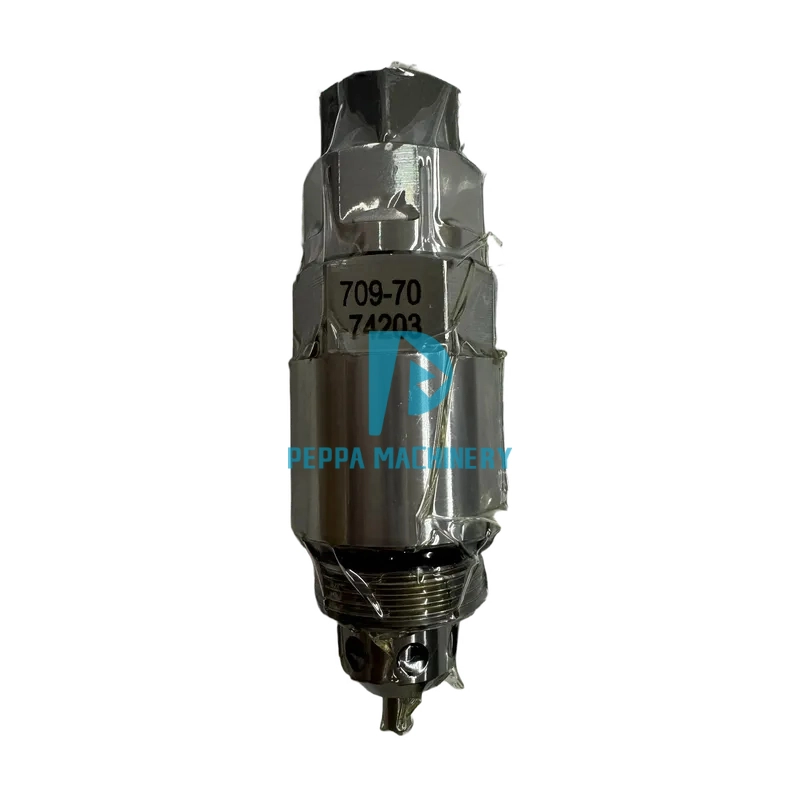
709-70-74203 7097074203 Relief Valve for PC200-5 PC200-6

New for CAT 312D 320D Excavator Spare Parts 4343436 434-3436 221-8859 Metal Pressure Switch and Sensor
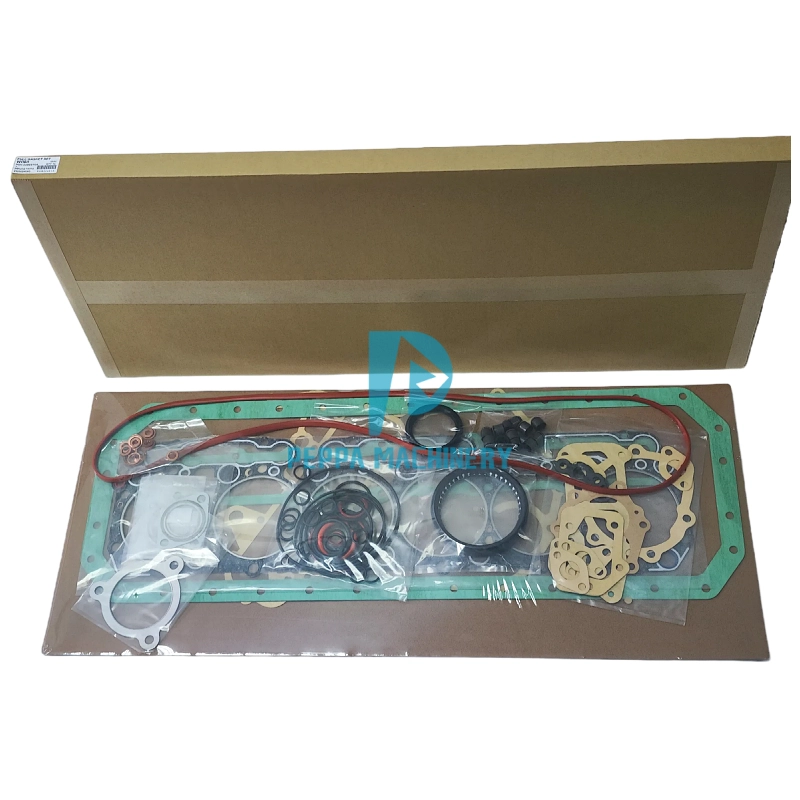
W06D W06DT Engine Overhaul Repair Kit Full Gasket
Excavator Parts
How can I verify compatibility before placing an order?
Please provide us with your machine brand, model number, and the part number (if available). Our team will double-check the compatibility to ensure you receive the correct parts.
What types of parts do you mainly offer?
Our main product categories include:
• Engine parts (liner kits, crankshafts, water/oil pumps, etc.)
• Electrical parts (sensors, monitors, throttle motors, wiring harnesses)
• Hydraulic parts (pumps, valves, cylinders)
• Sealing kits (NOK, SKF, PQ brands, floating seals, O-rings)
Are your parts genuine or OEM?
We offer both genuine parts and high-quality OEM alternatives. You can choose according to your budget and application needs. All OEM products are tested to meet or exceed original specifications.
Can I get help choosing the right parts for my machine?
Yes. Our experienced sales team is here to provide professional recommendations and solutions based on your excavator model, part number, or specific requirements.
What brands of excavator parts do you supply?
We supply a full range of parts compatible with major international and Chinese brands, including Caterpillar, Komatsu, Hitachi, Volvo, Doosan, Hyundai, Sany, Liugong, XCMG, Zoomlion, and more.
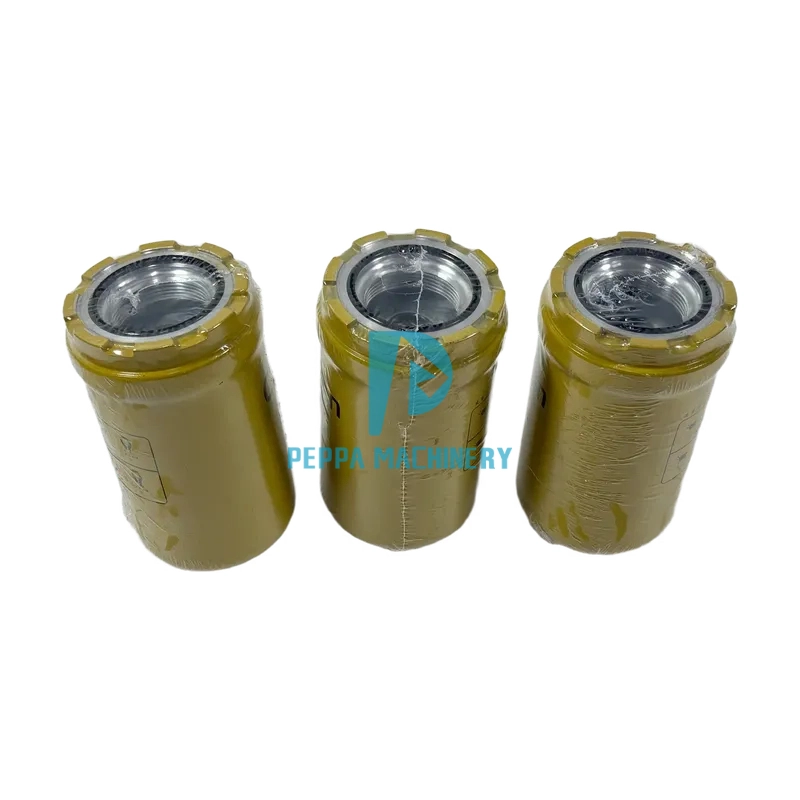
51-8670 Hydraulic Filter Applicable to HF35519 518670 2897836 518670X 1588987 Compatible with Caterpillar 352FVG 325CL
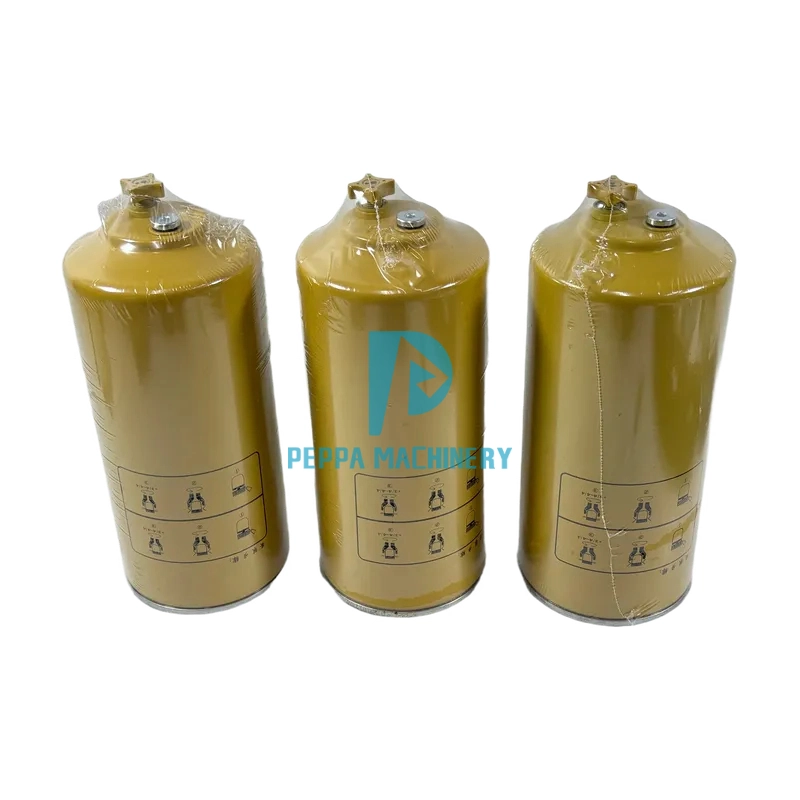
4385386 Fuel Water Separator Fuel Filter 382-0664 Oil-water Separator Hydraulic Oil Filter for CAT 312D2 320D2
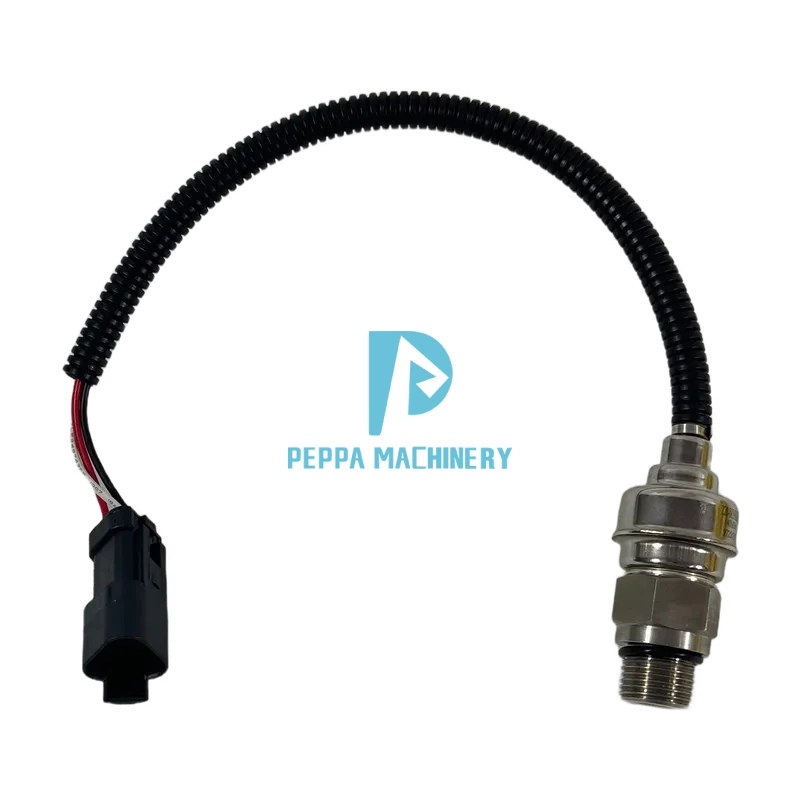
Pressure Sensor 221-8859 106-0178 for Caterpillar CAT 311B 311C 312C 314D 315B 320C 323D 324D 330C 336D 345B 385C
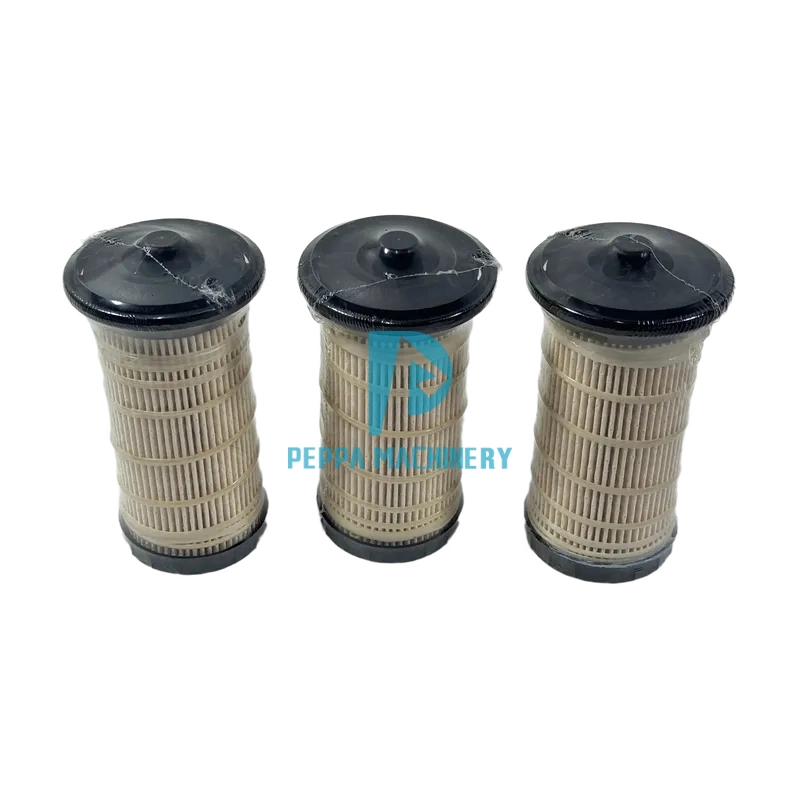
360-8960 Fuel Filter Element for Caterpillar C4.4 & C7.1 Engines | Fits 312D, 320D, 312E, 320E, 326D2, 336D2 Excavators
Get more information
Want to know more? Contact us today to get detailed product specifications, customized solutions, and a free consultation tailored to your needs.
Rest assured that your privacy is important to us, and all information provided will be handled with the utmost confidentiality.

Reliable Source for Quality Excavator Components.
Follow Us
Our Partners


Our Payment Methods


 High Quality
 7/24 Service
 Guaranteed Warranty
 Scan QR Code
Facebook
TikTok
YouTube
Pinterest
Twitter