








How do electric turbochargers reduce excavator emissions?
- 1. How does an electric turbocharger enable higher EGR rates on a diesel excavator without causing excessive soot buildup?
- 2. What electrical power, voltage, and control architecture are required to retrofit an electric turbocharger on a 10-ton excavator?
- 3. How do electric turbochargers interact with DOC, DPF, and SCR aftertreatment to achieve measurable NOx and PM reductions?
- 4. What are the maintenance and durability differences between e-turbos and conventional turbos in dusty, vibrating excavator applications?
- 5. If I replace a variable geometry turbo with an electric-assisted turbo on my excavator, how will fuel consumption and cycle emissions be affected for typical construction duty cycles?
- 6. What failure modes are unique to electric turbochargers on excavators, and what sensors, diagnostics, and spare parts should buyers require?
- Concluding summary: Advantages of electric turbochargers for excavator buyers
How Do Electric Turbochargers Reduce Excavator Emissions? 6 Practical Buyer Questions Answered
Electric turbochargers (e-turbo, electric-assisted turbocharger, battery-assisted turbocharger) are being adopted in off-road machinery to improve transient torque, enable higher EGR rates, and reduce NOx and particulate emissions. Below are six long-tail, purchase-focused questions beginners and fleet engineers frequently ask but which often lack detailed, purchase-actionable answers online.
1. How does an electric turbocharger enable higher EGR rates on a diesel excavator without causing excessive soot buildup?
Mechanism:
- An electric turbo adds an electric motor on the compressor shaft so intake boost can be delivered independently of exhaust turbine energy. That decoupling lets the engine maintain intake boost even when exhaust energy is low (low RPM or transient loads).
- Higher exhaust gas recirculation (EGR) reduces peak combustion temperature and therefore NOx, but conventional turbos often limit EGR because low exhaust energy reduces compressor boost and increases soot risk.
Why soot risk is reduced with an e-turbo:
- With the e-turbo providing boost at low engine speed, the engine can accept higher EGR fractions while maintaining sufficient intake air mass for better air–fuel mixing. Better mixing lowers localized rich zones that produce particulates.
- Improved transient boost control reduces the need for over-fueling (common with conventional turbos to avoid torque dip while waiting for turbine spool), which directly lowers soot formation during load transients.
Practical considerations when specifying an e-turbo for EGR-heavy calibration:
- Request control maps from the supplier showing achievable boost vs. engine speed with predefined EGR rates. Demand demonstration data for your engine family or run a dyno validation.
- Pair the e-turbo with closed-loop EGR control and accurate intake/exhaust pressure and temperature sensors; this avoids EGR instability that can raise PM.
- Confirm the aftertreatment strategy: a slight PM increase at certain points may be acceptable if accompanied by robust DPF regeneration logic and SCR NOx conversion improvements.
2. What electrical power, voltage, and control architecture are required to retrofit an electric turbocharger on a 10-ton excavator?
Key parameters to specify before buying:
- Voltage tier: e-turbo solutions exist for low-voltage (48 V) mild-hybrid systems and high-voltage (200–800 V) architectures. For a 10-ton class excavator (typical engine power in the 40–110 kW range), 48 V e-turbos may be possible for modest assist requirements, while larger assist power or frequent high-power spooling typically needs a higher voltage architecture to keep cable sizes and losses manageable.
- Peak vs. continuous power: an e-turbo's motor must supply high peak power during spool-up (seconds) and much lower continuous power to sustain boost. When evaluating retrofit kits, obtain both peak and continuous motor ratings and the associated duty cycle charts.
- Electrical source: options include a battery pack (standalone or hybrid), a supercapacitor buffer for repeated spool events, or a hydraulic/electric hybrid power unit. For retrofits, adding a small energy buffer (supercaps) often simplifies peak-power needs and reduces battery stress.
Control integration:
- Retrofit requires an inverter with CANbus (or OEM ECU) integration, motor position/speed feedback (e.g., resolver or encoder), and coordinated control with engine torque management and EGR valve/wastegate actuators.
- Safety and electrical protection: specify isolation levels, ground-fault detection, and a control strategy to prevent over-speed and thermal limits. Confirm electromagnetic compatibility (EMC) certification and compliance with off-highway standards where applicable.
Buyer checklist for retrofit feasibility:
- Confirm available electrical architecture (48 V vs. high-voltage) and space for inverter and energy buffer.
- Ask the supplier for a reference retrofit on similar machine class and for CAN message sets needed for ECU integration.
- Require thermal management strategy (oil- or water-cooled motor/inverter) given harsh excavator environments.
3. How do electric turbochargers interact with DOC, DPF, and SCR aftertreatment to achieve measurable NOx and PM reductions?
System-level interactions:
- DOC (Diesel Oxidation Catalyst): by improving low-RPM combustion and reducing unburned hydrocarbons, an e-turbo helps the DOC warm up faster and operate more efficiently.
- DPF (Diesel Particulate Filter): because e-turbo control reduces transient over-fueling and improves air–fuel mixing, less particulate mass is generated during frequent load changes; this reduces DPF loading rate and the frequency/energy required for active regeneration.
- SCR (Selective Catalytic Reduction): lowering engine-out NOx with higher EGR reduces the burden on the SCR system. That can enable smaller urea dosing or improve conversion efficiency, particularly during cold starts and transient operation where SCR performance is limited by exhaust temperature.
Operational examples relevant to excavators:
- During trenching or pick-and-dump cycles with rapid load swings, an e-turbo supplies instant boost to avoid torque dips. Avoiding over-fueling during these transients reduces the spikes in PM that otherwise overload the DPF.
- When the e-turbo enables higher EGR at steady-state loads, the resulting lower NOx allows SCR to achieve compliance with a smaller catalyst volume or reduced urea consumption on some duty cycles.
What to demand from suppliers:
- Integrated system maps showing predicted engine-out NOx and PM across representative duty cycles with and without e-turbo.
- Validation plan including bench testing with your aftertreatment hardware, or co-development statements if the vendor supplies both e-turbo and aftertreatment integration services.
4. What are the maintenance and durability differences between e-turbos and conventional turbos in dusty, vibrating excavator applications?
Additional components and their implications:
- Electrified components: motor windings, inverter electronics, resolver/encoder, and associated wiring add new failure surfaces compared with a conventional turbo. These parts must be specified for off-road duty: wide temperature range, high IP rating (IP66/IP69K), and shock/vibration tolerance.
- Thermal management: e-turbo motors and inverters generate heat and typically require oil or liquid cooling loops; mismanagement leads to thermal aging of windings and electronic components.
- Bearings: high-speed rotor bearings remain critical. Many e-turbos use ceramic or hybrid bearings to cope with mixed lubrication and high rpm; ensure bearings are compatible with existing oil quality and contamination levels typical of your fleet.
Maintenance practices to require:
- Specify oil cleanliness targets and filters; e-turbos are sensitive to contaminated lubrication that degrades bearings and motor cooling paths.
- Include scheduled electrical checks: insulation resistance, connector integrity, and motor current signature analysis.
- Demand an IP and vibration qualification report (e.g., tests aligned with automotive/off-highway standards such as ISO 16750 for electrical/electronic equipment and ISO 10816 or equivalent vibration screening) from the supplier.
Procurement clauses to add:
- Warranty on electrical components and bearings that is separate from the turbocharger core warranty.
- Availability of modular spares (stator, rotor, inverter) and lead-times for replacement assemblies to avoid extended machine downtime.
5. If I replace a variable geometry turbo with an electric-assisted turbo on my excavator, how will fuel consumption and cycle emissions be affected for typical construction duty cycles?
Expected performance nuances:
- Transient-heavy cycles (frequent acceleration, frequent idling to load changes): e-turbos tend to deliver the largest benefits. They remove the common compromise of over-fueling to cover turbo lag, so fuel consumption and instantaneous PM spikes are reduced during transients.
- Steady-state high-load cycles (constant trenching at near-rated load): differences may be smaller because the exhaust energy is sufficient to drive a conventional turbo; however, e-turbos can fine-tune boost to improve combustion stability and slightly lower fuel consumption or enable modest downspeeding.
How to measure real-world impact before purchase:
- Run side-by-side tests on representative cycles: log fuel flow, engine speed, torque, exhaust temperature, NOx and PM (PEMS or portable analyzers), and DPF load. Use the same operator and consistent work pattern to minimize variability.
- Request the supplier provide calibrated engine maps and an expected ROI model for your duty cycle; ensure the model uses your cycle energy profile and includes aftertreatment regeneration frequency.
Buyer tip:
- Insist on a short-term field trial with performance guarantees or measurable acceptance criteria (e.g., X% reduction in transient NOx spikes or Y% reduction in DPF regeneration events over 500 hours) as part of the purchase contract.
6. What failure modes are unique to electric turbochargers on excavators, and what sensors, diagnostics, and spare parts should buyers require?
Unique failure modes:
- Electrical insulation degradation from vibration, heat, or oil contamination leading to motor shorting or reduced motor torque capability.
- Inverter or resolver/encoder failure due to ingress, thermal cycling, or EMI—these are not present on mechanical-only turbos.
- Hybrid failures where an electrical fault triggers mechanical overspeed or a shaft stall, risking rotor damage or bearing seizure.
Essential monitoring and diagnostics to require:
- Motor current/voltage monitoring and fault logging to detect insulation deterioration or phase imbalance.
- Rotor speed and position sensing (resolver/encoder) with plausibility checks; the control must default to a safe mode that prevents overspeed if sensor data is lost.
- Vibration monitoring at the turbo housing or bearing locations to detect early bearing wear; vibration trends are an early indicator before catastrophic bearing failure.
- Temperature sensors for motor/inverter, bearing oil temperature, and inlet/outlet air and exhaust temperatures to detect thermal stress.
Spare parts and service agreements to negotiate:
- Modular consumables: bearings, seals, and rotor/stator kits that can be replaced without changing the entire assembly.
- Inverter and control module availability: demand quick-swap field units and firmware update support under warranty.
- Remote diagnostics and software support: require vendor capability to read fault logs and suggest corrective actions, or ship replacement modules quickly.
Procurement checklist (minimum requirements):
- Specify required sensors and CAN signals to be exposed to fleet telematics for condition-based maintenance.
- Include spare parts list with guaranteed 3–5 year availability and lead times in the contract.
- Demand a field-repairable architecture and clear maintenance intervals tied to measured vibration and electrical diagnostics.
Concluding summary: Advantages of electric turbochargers for excavator buyers
Electric turbochargers bring actionable advantages for excavator fleets: they cut transient NOx and PM spikes by eliminating turbo lag and over-fueling, enable higher EGR operation for long-term NOx reduction, reduce DPF loading and regeneration frequency, and improve operator feel with faster torque response. For retrofit projects, carefully define electrical architecture (voltage, peak/continuous power and energy buffer), integration with ECU and aftertreatment (DPF, DOC, SCR), ruggedization specs (IP rating, vibration and thermal limits), and condition-monitoring sensors. Require vendor data: performance maps, validation plans on representative duty cycles, modular spare availability, and clear warranty terms.
If you'd like a quote or technical datasheets for electric turbocharger retrofit kits and OEM replacements for excavators, contact us for a tailored proposal. Visit www.jbpartsgz.com or email jbparts@aliyun.com.

Isuzu SP 4JG1 4JG2 4JG3 Cylinder Liner 1876182070 1-87618207-0 1876182080 1-87618208-0 1876182100 1-87618210-0
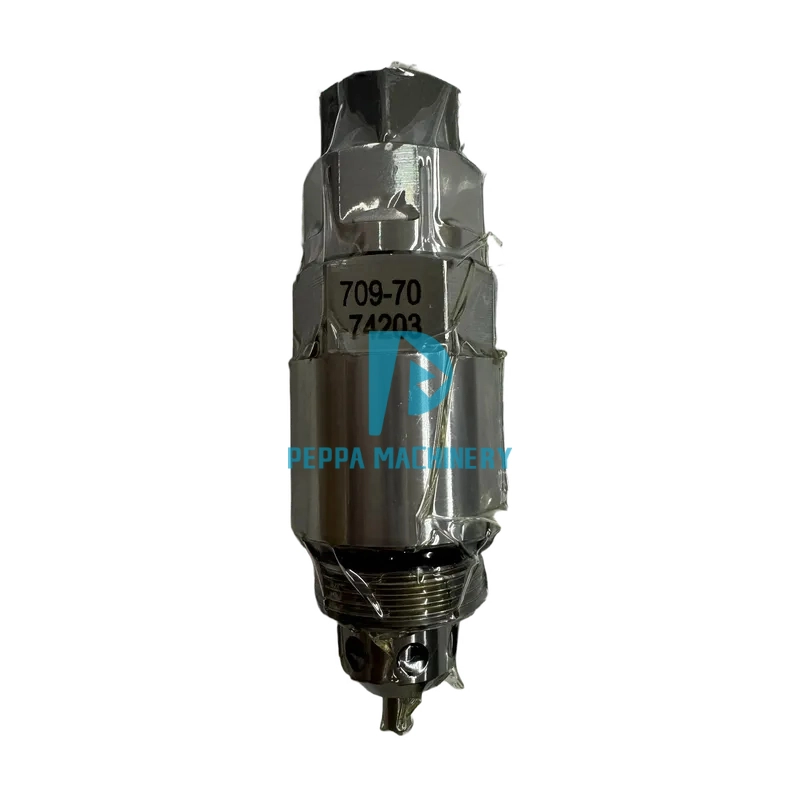
709-70-74203 7097074203 Relief Valve for PC200-5 PC200-6

New for CAT 312D 320D Excavator Spare Parts 4343436 434-3436 221-8859 Metal Pressure Switch and Sensor
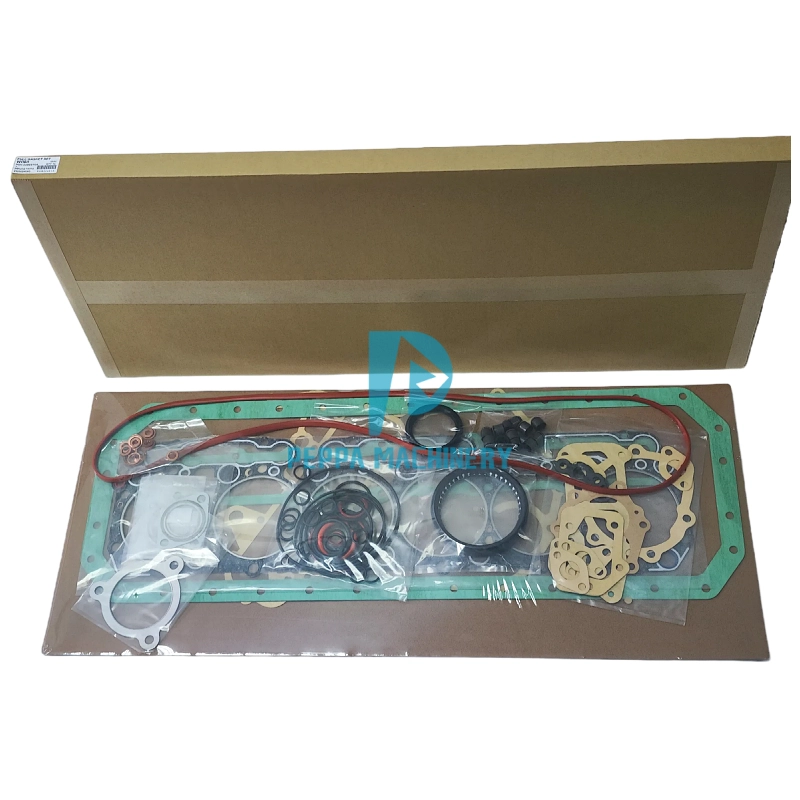
W06D W06DT Engine Overhaul Repair Kit Full Gasket
Excavator Parts
Do you provide technical support or installation guidance?
While we do not offer on-site installation, we can provide basic technical advice, diagrams, or documentation to assist your technicians with installation and troubleshooting.
How can I verify compatibility before placing an order?
Please provide us with your machine brand, model number, and the part number (if available). Our team will double-check the compatibility to ensure you receive the correct parts.
What brands of excavator parts do you supply?
We supply a full range of parts compatible with major international and Chinese brands, including Caterpillar, Komatsu, Hitachi, Volvo, Doosan, Hyundai, Sany, Liugong, XCMG, Zoomlion, and more.
Can I get help choosing the right parts for my machine?
Yes. Our experienced sales team is here to provide professional recommendations and solutions based on your excavator model, part number, or specific requirements.
What types of parts do you mainly offer?
Our main product categories include:
• Engine parts (liner kits, crankshafts, water/oil pumps, etc.)
• Electrical parts (sensors, monitors, throttle motors, wiring harnesses)
• Hydraulic parts (pumps, valves, cylinders)
• Sealing kits (NOK, SKF, PQ brands, floating seals, O-rings)
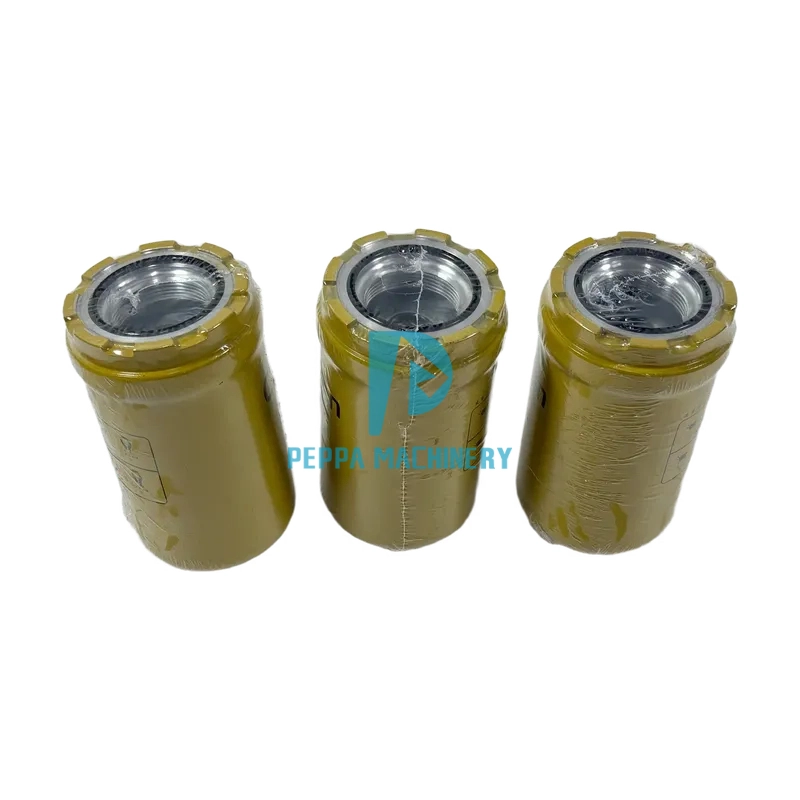
51-8670 Hydraulic Filter Applicable to HF35519 518670 2897836 518670X 1588987 Compatible with Caterpillar 352FVG 325CL
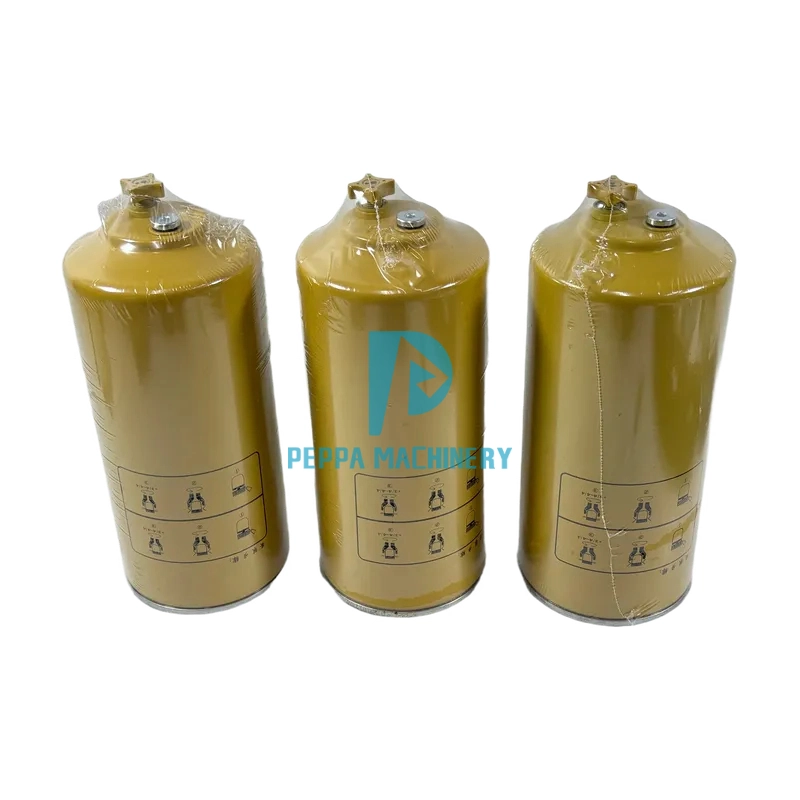
4385386 Fuel Water Separator Fuel Filter 382-0664 Oil-water Separator Hydraulic Oil Filter for CAT 312D2 320D2
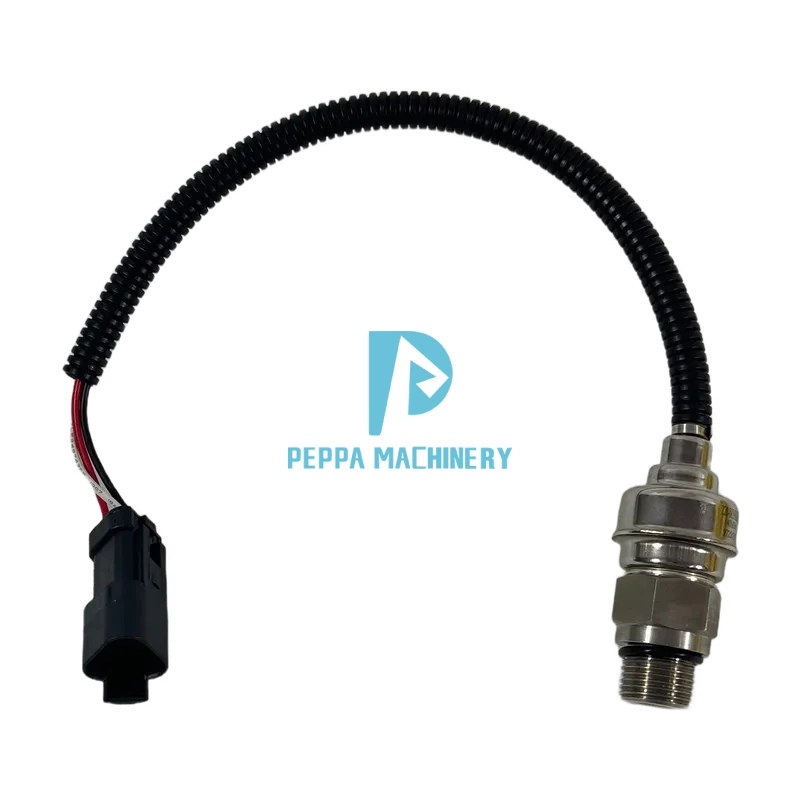
Pressure Sensor 221-8859 106-0178 for Caterpillar CAT 311B 311C 312C 314D 315B 320C 323D 324D 330C 336D 345B 385C
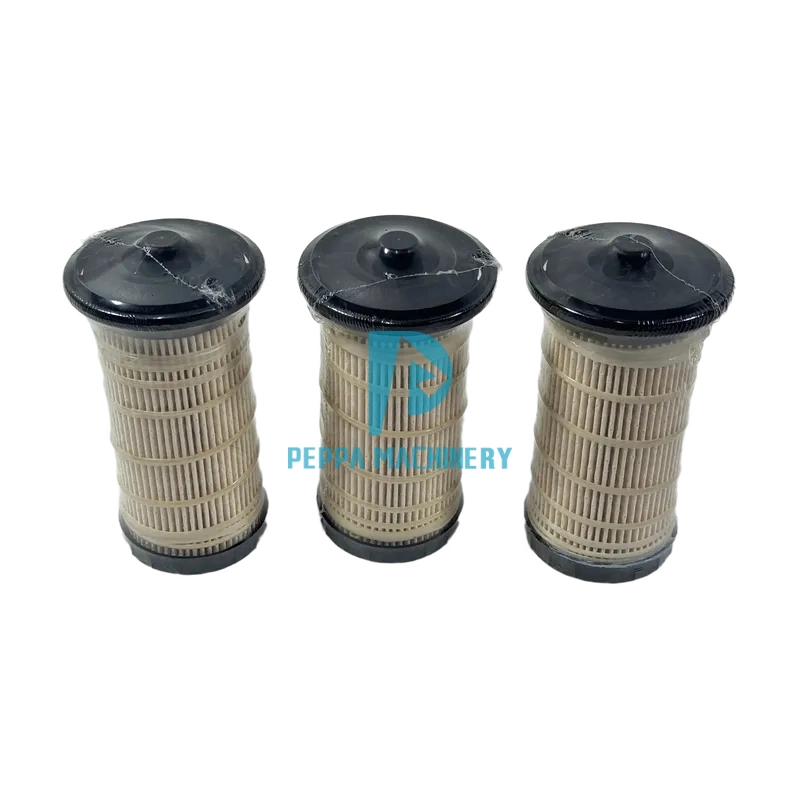
360-8960 Fuel Filter Element for Caterpillar C4.4 & C7.1 Engines | Fits 312D, 320D, 312E, 320E, 326D2, 336D2 Excavators
Get more information
Want to know more? Contact us today to get detailed product specifications, customized solutions, and a free consultation tailored to your needs.
Rest assured that your privacy is important to us, and all information provided will be handled with the utmost confidentiality.

Reliable Source for Quality Excavator Components.
Follow Us
Our Partners


Our Payment Methods


 High Quality
 7/24 Service
 Guaranteed Warranty
 Scan QR Code
Facebook
TikTok
YouTube
Pinterest
Twitter