








Can an electric turbocharger increase excavator power output?
- 1. Can an electric turbocharger increase an excavator’s low-end torque and reduce cycle time without changing the engine displacement?
- 2. What electrical system upgrades are required to install an electric turbocharger on a 15–30 ton excavator?
- 3. If I retrofit an electric turbocharger, what happens to engine warranty, emission compliance and ECU mapping?
- 4. How much real-world fuel savings and productivity improvement can I expect after adding an electric turbocharger to an excavator used mainly for trenching?
- 5. What are the durability and maintenance differences between a conventional turbocharger and an electric turbocharger in harsh construction environments?
- 6. Is retrofitting an electric turbocharger cost-effective compared to upgrading to a higher-displacement engine or purchasing a newer hybrid excavator?
Electric turbochargers (e-turbos / electrically assisted turbochargers) are appearing in heavy equipment discussions because they promise faster boost response, improved low-RPM torque and potential fuel/emissions benefits. For excavator owners and parts buyers, the real questions are about on-site performance, retrofit feasibility, durability and total cost of ownership. Below are six specific, buyer-focused questions that often lack thorough, up-to-date answers online, with detailed, practical responses aimed at helping you make an informed purchase decision.
1. Can an electric turbocharger increase an excavator’s low-end torque and reduce cycle time without changing the engine displacement?
Short answer: Yes—for transient and low-RPM situations. Long answer: An electrically assisted turbocharger reduces or eliminates turbo lag by using an electric motor/generator to accelerate the turbine/compressor shaft before exhaust energy alone is sufficient. That provides immediate boost pressure and significantly improves low-end torque during dig-fill-swing cycles typical of excavator duty.
Key technical points for buyers:
- Mechanism: The e-turbo stores electrical energy (battery or supercapacitor) and applies it mechanically to the compressor shaft to generate boost at low engine speeds. At higher rpm, it can act as a generator to recover energy from exhaust or decelerate the rotor.
- Realistic performance: Expect improved transient torque and faster spool-up; this translates to reduced cycle times in short, repetitive loads (digging, rock breaking). However, an e-turbo does not create free continuous power—sustained peak power is still limited by engine displacement, fuel delivery and exhaust energy unless the engine is remapped or upgraded.
- Duty-cycle sensitivity: The greatest gains appear in high-transient-duty excavators (frequent starts/stops, heavy backfill cycles). Machines that run at steady high load for long periods will see less benefit because the turbo is already spooled by exhaust energy.
Practical buyer tip: Ask suppliers for duty-cycle test data or dyno traces showing low-speed torque and spool time improvements on comparable excavator models. Look for tests that compare standard turbo vs e-turbo under the same hydraulic load profile.
2. What electrical system upgrades are required to install an electric turbocharger on a 15–30 ton excavator?
Short answer: Significant electrical upgrades are usually required. Long answer: An e-turbo needs a dedicated high-power electrical supply, power electronics (inverter), control wiring and adequate thermal management. Typical excavator 24V or 12V systems are insufficient for most commercially viable e-turbo solutions; a high-voltage system (48 V mild-hybrid or >400 V for full hybrid solutions) plus an energy buffer is common.
Components to budget for when buying:
- High-voltage battery pack or supercapacitor module sized for the e-turbo’s peak draw and regeneration profile.
- Inverter/power electronics matched to the turbo motor and the machine’s operating environment (IP6X rating, vibration tolerance).
- Upgraded alternator/generator or auxiliary power unit if you plan to charge the buffer from the engine during operation.
- ECU integration or a dedicated control module to manage boost, motor torque, and to coordinate with engine governors and the hydraulic system.
- Thermal management: additional cooling circuits or oil/air cooling elements for the turbo motor and power electronics.
Practical buyer tip: Request a complete integration specification from the e-turbo vendor showing peak power draw (kW), average energy per cycle (kJ), recommended buffer capacity and recommended charging architecture. That lets you estimate battery/supercapacitor size and whether your under-bonnet space and cooling capacity can accommodate the hardware.
3. If I retrofit an electric turbocharger, what happens to engine warranty, emission compliance and ECU mapping?
Short answer: Retrofitting impacts warranty and emissions unless done with OEM-approved kits or properly certified systems. Long answer: Any change to the induction system, boost control, or engine calibration can affect emissions outputs and how the engine manufacturer views warranty coverage.
Regulatory and warranty considerations:
- Emissions: Boost changes alter air-fuel ratios and NOx/PM behavior. For on-road engines this triggers legal certification issues; for off-road equipment emissions rules vary by region but still require compliance with Tier/Stage standards. Aftermarket e-turbo kits must provide test data or work with approved remapping to preserve compliance.
- Warranty: OEM warranties often exclude unauthorized modifications. Using an OEM-supported e-turbo kit or an installer with documented OEM approvals reduces risk. Keep all test reports and signed integration statements handy.
- ECU Mapping: Proper remapping is essential. The engine control must be updated to change fueling, timing and limiters to match altered boost curves and transient behavior. Poor mapping increases risk of knock, increased cylinder temps, or component stress.
Practical buyer tip: Before purchasing an e-turbo retrofit, obtain written statements from the vendor on emissions compliance, provide the engine serial number and request an installation/warranty impact assessment. If warranty retention is critical, prioritize OEM or manufacturer-endorsed solutions.
4. How much real-world fuel savings and productivity improvement can I expect after adding an electric turbocharger to an excavator used mainly for trenching?
Short answer: Savings and productivity improvements depend heavily on duty cycle; expect best results in transient-heavy tasks (trenching, frequent repositioning). Long answer: Fuel savings come from improved engine efficiency during transients, reduced time spent at inefficient rpms, and potential reduction in hydraulic cycle times. Productivity gains are primarily from faster spool-up and higher available torque at low rpm, which shortens each dig-swing cycle.
p>Factors that determine ROI:
- Duty profile: More start-stops and short bursts = higher gains. Continuous heavy load operations see less relative improvement.
- Operator behavior: Aggressive operator techniques may extract more benefit because the e-turbo mitigates lag and reduces the need for high-rpm throttle blips.
- Integration quality: Well-integrated systems with matched control logic and calibrated fuel maps yield measurable fuel and time savings; poor integration can negate benefits.
- Measurement: Vendors should provide measured cycle-time reductions or fuel use per hour under a representative trenching profile. Ask for third-party or customer site data when possible.
Practical buyer tip: Request a case study or on-site trial on a similar model and duty cycle. Ask the vendor to instrument the machine pre- and post-install (fuel flow, torque, boost pressure and cycle time) so you get real-world ROI numbers rather than marketing claims.
5. What are the durability and maintenance differences between a conventional turbocharger and an electric turbocharger in harsh construction environments?
Short answer: E-turbos introduce electrical and power-electronics maintenance needs but can reduce mechanical stress on turbo components due to lower exhaust-driven spool acceleration cycles. Long answer: Electrically assisted turbochargers add rotating electrical machine components, inverters and wiring—each with its own maintenance and failure modes. However, by reducing aggressive exhaust-driven spool events at low rpm, they can reduce thermal cycling and mechanical fatigue on turbine housings and bearings.
Maintenance considerations:
- Electrical components: Inspect high-voltage cabling, inverter mounts, connectors and protective enclosures regularly for abrasion and ingress. Ensure IP rating and vibration specs meet construction standards.
- Mechanicals: The e-turbo rotor experiences less extreme transient shock when the electrical motor assists spool-up, potentially extending bearing life if lubrication and filtration are adequate.
- Thermal management: Monitor cooling circuits closely. Faulty cooling of the motor or inverter can cause rapid failure, so cooling system cleanliness and coolant change intervals matter more than with pure mechanical turbos.
- Service intervals: Expect additional diagnostic steps (battery health, inverter logs). Work with vendors that supply diagnostic software compatible with your maintenance shop tools.
Practical buyer tip: Ask for MTBF (mean time between failures), recommended inspection intervals, and a list of spare parts the supplier recommends you keep on-hand. Prefer vendors that provide ruggedized, IP6x-rated power electronics specifically designed for off-highway duty.
6. Is retrofitting an electric turbocharger cost-effective compared to upgrading to a higher-displacement engine or purchasing a newer hybrid excavator?
Short answer: It depends on capital cost, expected fuel savings, productivity gains, and remaining machine life. Long answer: A retrofit can be cost-effective when the machine has limited remaining life but is frequently penalized by transient performance; however, if sustained higher power is needed, engine upsizing or purchasing a newer, factory-integrated hybrid may be preferable.
Cost factors to evaluate:
- Initial cost: Include hardware, integration labor, wiring harnesses, battery or capacitor buffer, and ECU remap costs.
- Installation downtime: Consider the cost of machine out-of-service and potential retrofit complexity in the field.
- Operational benefits: Translate reduced cycle time and fuel savings into a monetary value based on your operating hours and fuel costs. Also consider potential reductions in wear or tool replacement due to smoother torque delivery.
- Asset horizon: For machines with short remaining service life, a lower-cost retrofit may be attractive. For long-term fleet renewal, factory hybrid machines or an engine upgrade with warranty may offer better lifetime value.
Practical buyer tip: Create a simple payback model using vendor-provided cycle time and fuel data, factoring in downtime and installation. Compare this with the total cost of ownership of a replacement machine including financing, tax incentives (where applicable), and resale value.
Conclusion — Advantages of electric turbochargers for excavators
Electric turbochargers provide faster boost response, improved low-RPM torque and the potential for better cycle productivity and lower transient fuel use—especially on excavators with high transient duty. They require careful electrical integration, ECU remapping, and specific maintenance practices. For buyers, the decision hinges on duty cycle, remaining machine life, warranty and emissions implications, and whether the expected operational gains justify the integration cost.
If you need application-specific data, integration specifications, retrofit feasibility analysis or a quote for electric turbocharger systems and installation for your excavator fleet, contact us for a detailed assessment and quote.
Website: www.jbpartsgz.com
Email: jbparts@aliyun.com

Isuzu SP 4JG1 4JG2 4JG3 Cylinder Liner 1876182070 1-87618207-0 1876182080 1-87618208-0 1876182100 1-87618210-0
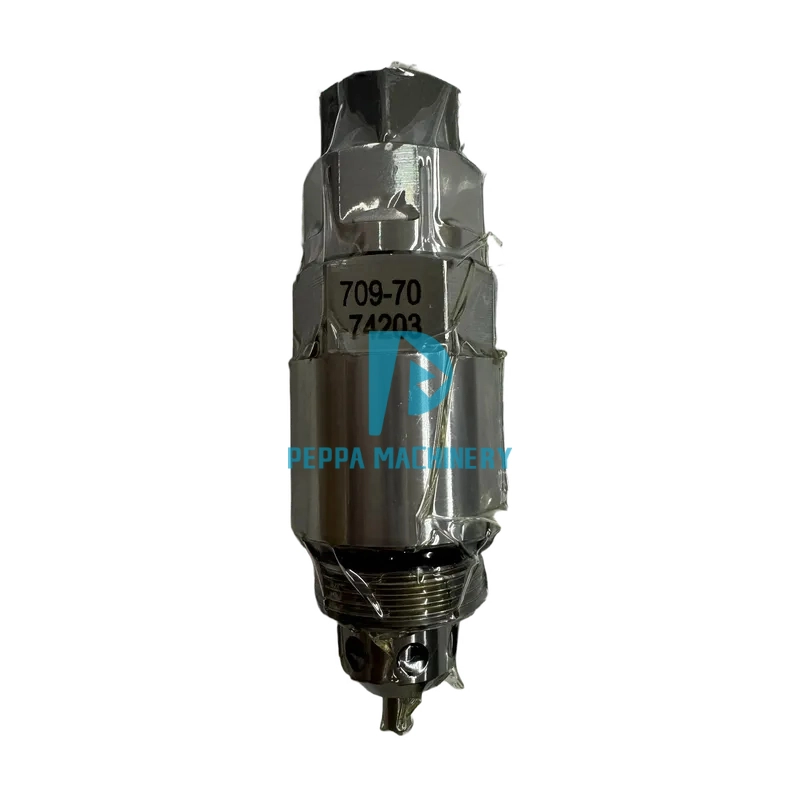
709-70-74203 7097074203 Relief Valve for PC200-5 PC200-6

New for CAT 312D 320D Excavator Spare Parts 4343436 434-3436 221-8859 Metal Pressure Switch and Sensor
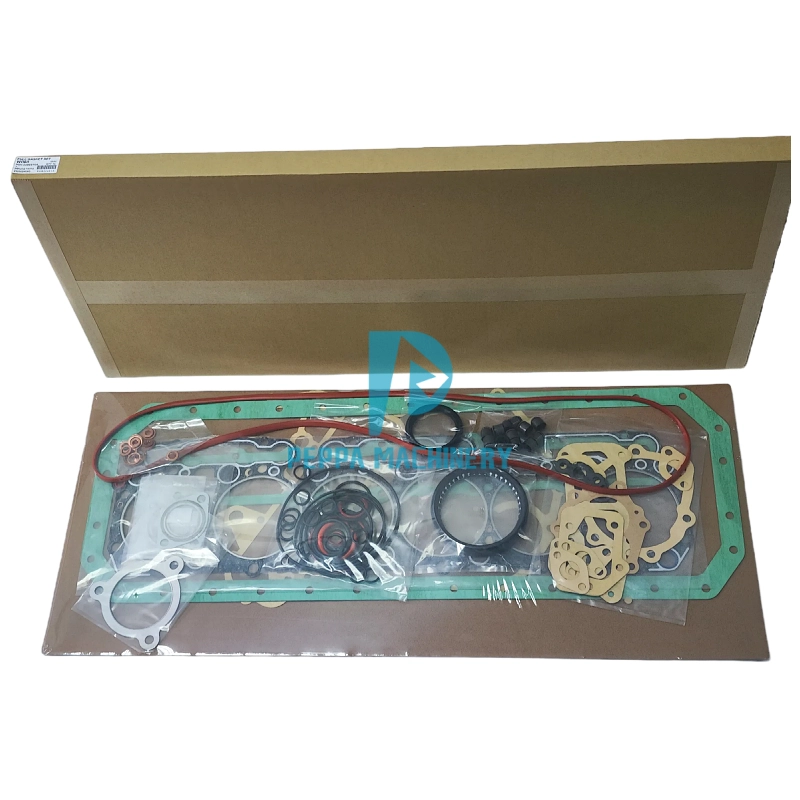
W06D W06DT Engine Overhaul Repair Kit Full Gasket
Excavator Parts
What types of parts do you mainly offer?
Our main product categories include:
• Engine parts (liner kits, crankshafts, water/oil pumps, etc.)
• Electrical parts (sensors, monitors, throttle motors, wiring harnesses)
• Hydraulic parts (pumps, valves, cylinders)
• Sealing kits (NOK, SKF, PQ brands, floating seals, O-rings)
Can I get help choosing the right parts for my machine?
Yes. Our experienced sales team is here to provide professional recommendations and solutions based on your excavator model, part number, or specific requirements.
Do you provide technical support or installation guidance?
While we do not offer on-site installation, we can provide basic technical advice, diagrams, or documentation to assist your technicians with installation and troubleshooting.
What brands of excavator parts do you supply?
We supply a full range of parts compatible with major international and Chinese brands, including Caterpillar, Komatsu, Hitachi, Volvo, Doosan, Hyundai, Sany, Liugong, XCMG, Zoomlion, and more.
Are your parts genuine or OEM?
We offer both genuine parts and high-quality OEM alternatives. You can choose according to your budget and application needs. All OEM products are tested to meet or exceed original specifications.
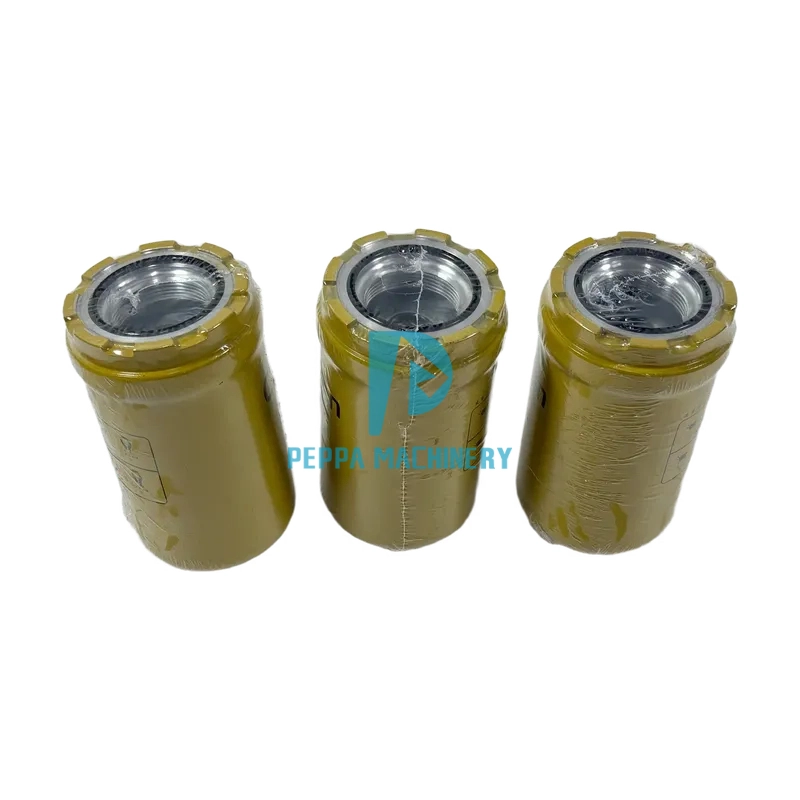
51-8670 Hydraulic Filter Applicable to HF35519 518670 2897836 518670X 1588987 Compatible with Caterpillar 352FVG 325CL
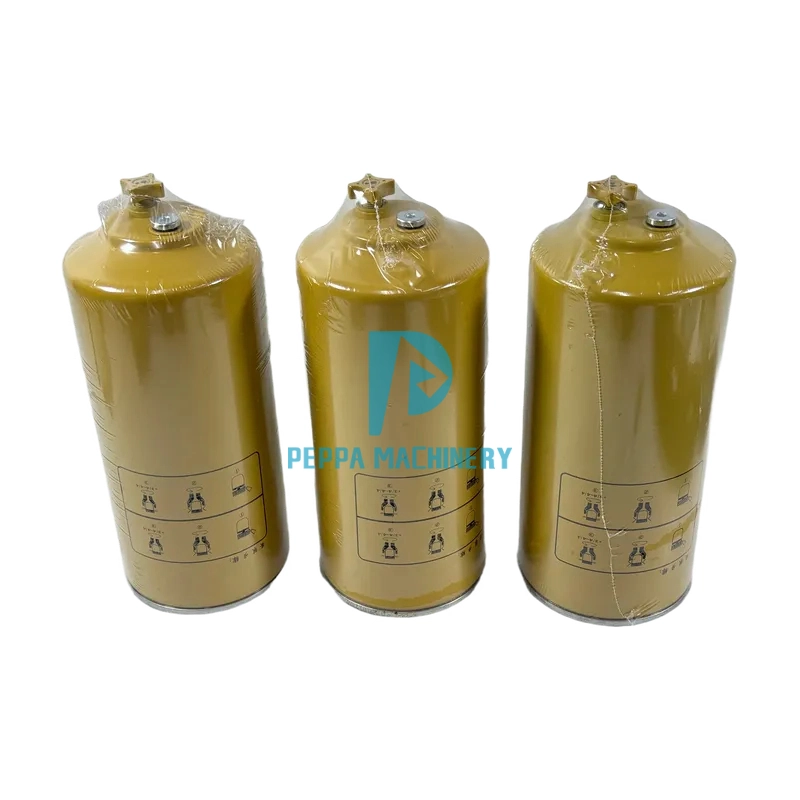
4385386 Fuel Water Separator Fuel Filter 382-0664 Oil-water Separator Hydraulic Oil Filter for CAT 312D2 320D2
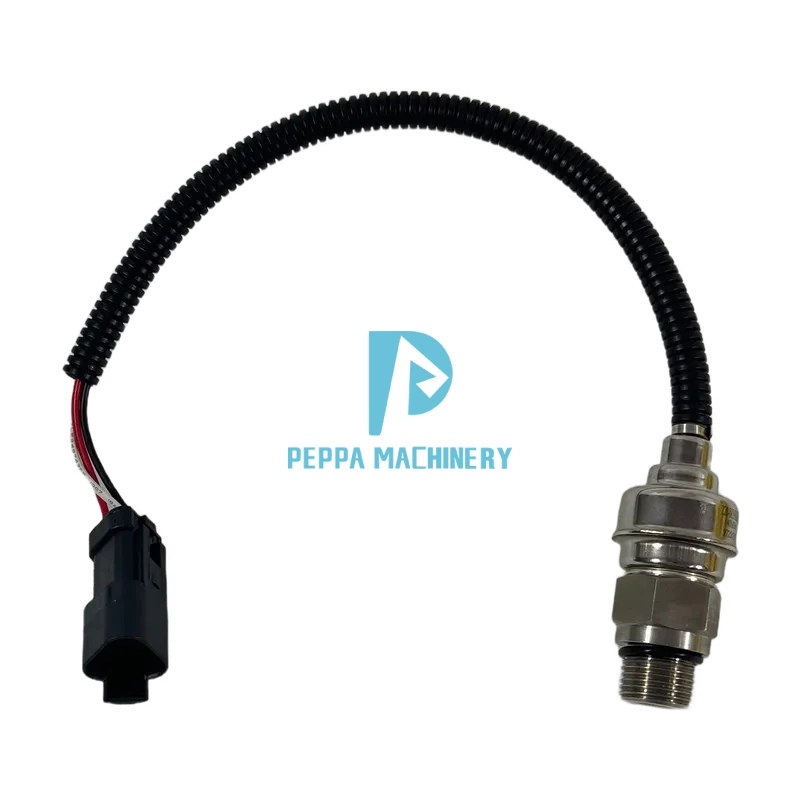
Pressure Sensor 221-8859 106-0178 for Caterpillar CAT 311B 311C 312C 314D 315B 320C 323D 324D 330C 336D 345B 385C
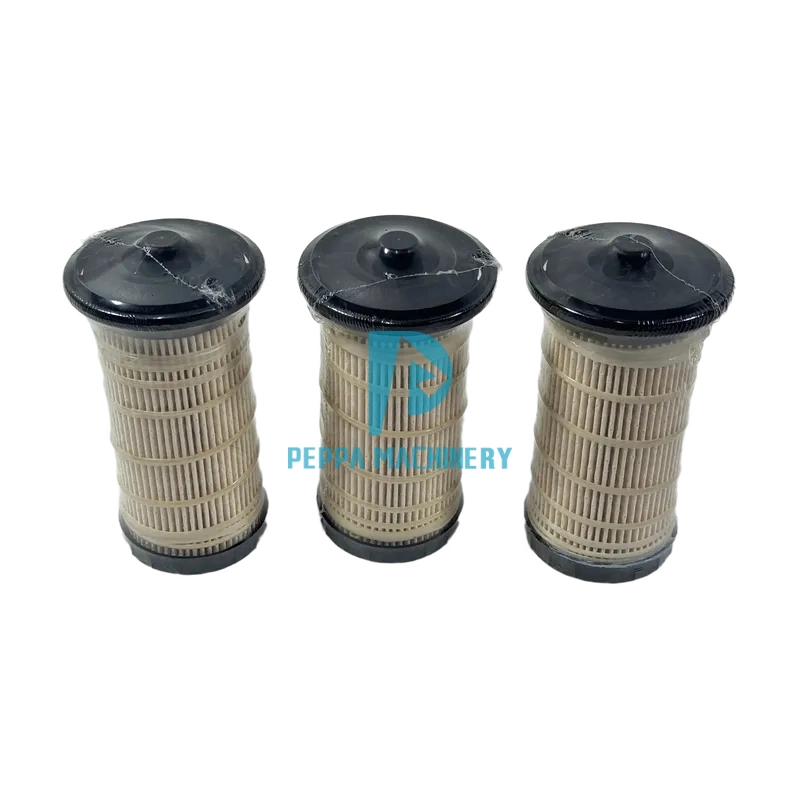
360-8960 Fuel Filter Element for Caterpillar C4.4 & C7.1 Engines | Fits 312D, 320D, 312E, 320E, 326D2, 336D2 Excavators
Get more information
Want to know more? Contact us today to get detailed product specifications, customized solutions, and a free consultation tailored to your needs.
Rest assured that your privacy is important to us, and all information provided will be handled with the utmost confidentiality.

Reliable Source for Quality Excavator Components.
Follow Us
Our Partners


Our Payment Methods


 High Quality
 7/24 Service
 Guaranteed Warranty
 Scan QR Code
Facebook
TikTok
YouTube
Pinterest
Twitter