








Why choose an electric turbocharger for your excavator?
- 1. How much will an electric turbocharger actually reduce turbo lag on my excavator under hydraulic loading — and how do I measure it?
- 2. Can I retrofit an electric turbocharger to an older excavator without remapping the ECU? What modification scope should I budget for?
- 3. What electrical system upgrades are required to support an electric turbocharger on a diesel excavator?
- 4. What are the realistic fuel consumption and emissions impacts for an excavator after installing an electric turbocharger?
- 5. What are the expected maintenance intervals and failure modes for electric turbochargers used in high-dust construction sites?
- 6. How do I estimate ROI and payback when replacing a conventional turbo with an electric turbocharger in fleet excavators?
- Concluding summary: Advantages of electric turbochargers for excavators
Why choose an electric turbocharger for your excavator? 6 beginner FAQs answered
As experienced excavator-parts specialists at JB Parts (www.jbpartsgz.com), we’ve assembled six specific, purchase-focused questions beginners ask about electric turbochargers (electrically-assisted turbochargers / e-turbos) and provided detailed, practical answers. These answers draw on manufacturer datasheet practices, common field experience in heavy equipment, and installation constraints relevant to hydraulic-excavator duty cycles.
1. How much will an electric turbocharger actually reduce turbo lag on my excavator under hydraulic loading — and how do I measure it?
Why this matters: In excavation, short bursts of high engine torque are common (slewing, digging, swing loads). Turbo lag costs cycle time and productivity.
Technical answer: Electrically-assisted turbochargers eliminate or greatly reduce the time the exhaust-driven turbine needs to reach effective speed during rapid load increases by supplementing spool-up with an electric motor. In practical heavy-equipment applications, you should expect a measurable reduction in transient response (time-to-torque) in the order of tens to hundreds of milliseconds compared with a conventional turbo, depending on system design and engine size. Light-vehicle manufacturer claims vary; for heavy equipment, improvement scales with e-turbo power and control strategy.
How to measure on your machine (step-by-step):
- Install transient logging: record engine speed (RPM), turbocharger speed or boost pressure, and torque demand at high sample rate (10–50 Hz minimum).
- Perform controlled step-load tests: e.g., sudden hydraulic pump engagement or throttle step from idle to 80% load under standardized ballast.
- Compare time-to-reach-target-boost or time-to-peak-torque between conventional and e-turbo setups. Log multiple repeats and report median values.
Practical expectation: On medium excavators (15–35 tonne), operators commonly report dramatic improvement in responsiveness during repetitive dig cycles—measurable productivity gains of a few percent in cycle time for certain tasks. Exact figures vary by engine map and the e-turbo’s electrical power rating; always validate with baseline measurements before purchase.
2. Can I retrofit an electric turbocharger to an older excavator without remapping the ECU? What modification scope should I budget for?
Why this matters: Fleet owners want to avoid expensive engine control modifications and minimize downtime.
Realistic answer: A true plug-and-play retrofit is rare. Most retrofit projects require at least some level of control integration between the e-turbo controller and the engine ECU to coordinate boost control, anti-overboost protection, and emissions strategies. Scope typically includes:
- Physical modifications: manifold adaptors, turbocharger flanges, upgraded oil/ coolant lines for the e-turbo’s motor bearings and motor cooling.
- Control integration: CANbus or analog/TTL signals for boost request, fast RPM feedback, and fail-safe logic. Without ECU integration, you risk overboost, poor transient behavior, and emission noncompliance.
- Calibration: engine map adjustments (fuel injection timing, EGR strategy) may be necessary to optimize performance and meet emissions limits.
Budget guidance: plan for mechanical installation plus an electrical/control integration package. For older machines, the dominant cost driver is control engineering and testing rather than the hardware alone. Always ask your supplier for a vehicle-specific integration checklist and require a bench/field validation plan.
3. What electrical system upgrades are required to support an electric turbocharger on a diesel excavator?
Why this matters: Excavator electrical systems are typically sized for charging, lighting, and controls—not multi-kW auxiliary loads.
Key considerations and minimum upgrades:
- Peak electrical power: e-turbo actuators/motors demand high short-duration power. Depending on the e-turbo model, peak power demand for heavy equipment commonly ranges from a few kilowatts up to tens of kilowatts. Obtain the e-turbo datasheet for exact peak and continuous power figures.
- Energy buffering: include a local energy buffer (battery bank, lithium module, or ultracapacitor) to handle transient peaks without overhauling the main alternator. Ultracapacitors are often used for high-power, short-duration demands because they tolerate rapid charge/discharge cycles.
- Charging capacity: alternator/AC generator capacity must recharge the buffer during low-load periods. You may need a high-output alternator or dedicated generator (upgrade 20–50% above baseline depending on duty cycle).
- Power electronics: DC-DC converters/inverters, motor drives, and appropriate fusing and cabling sized for peak currents. Motor controllers must be matched to the e-turbo motor (usually brushless DC motors with dedicated drives).
- Thermal and IP rating: ensure wiring and converters are rated for the equipment’s thermal environment and ingress protection (IP) for construction sites.
Recommendation: request the e-turbo manufacturer’s electrical integration sheet and have an electrical systems engineer validate alternator/buffer sizing against your excavator duty cycle profile.
4. What are the realistic fuel consumption and emissions impacts for an excavator after installing an electric turbocharger?
Why this matters: Owners want quantified payback and compliance with emissions regulations (Tier/Stage levels).
Evidence-based answer: Electrically-assisted turbochargers can reduce fuel consumption and improve transient emissions by enabling better boost control during transient loads, permitting optimal combustion timing, and reducing losses from turbo lag. Documented fleet and OEM reports (across engines and sectors) typically show fuel economy improvements ranging from low single digits up to around 10%, heavily dependent on duty cycle:
- High transient-duty cycles (short bursts, frequent idle-to-load transitions): larger relative savings, often 4–10%.
- Continuous high-load cycles (long, steady loads): smaller savings, often below 3%.
Emissions: improved transient control reduces spikes in particulate and NOx during step loads. E-turbos can help meet emission maps by keeping EGR and turbo boost within optimal windows during transients. However, certification compliance depends on integrated engine calibration and may require re-certification if maps are changed.
Important caveat: These are industry-observed ranges. Always request measured fuel/emission test data for the specific engine+turbine combination under a representative duty cycle before committing to fleet-wide purchases.
5. What are the expected maintenance intervals and failure modes for electric turbochargers used in high-dust construction sites?
Why this matters: Construction sites accelerate wear; maintenance predictability affects uptime and cost of ownership.
Maintenance guidance (practical, industry-aligned):
- Inspection interval: visually inspect external electrical connections, coolant and oil lines every 250 engine hours or at each routine service. Perform a functional check (boost response, abnormal noises) every 500 hours.
- Consumables & serviceables: air intake filtration, oil quality, and coolant condition are critical. Replace engine air filters more frequently in dusty sites (sometimes as often as every 50–100 hours). Poor filtration is the primary cause of turbo and compressor wear.
- Common failure modes: contamination-induced compressor erosion, oil starvation or oil contamination causing bearing failure, damaged electrical connectors or moisture ingress in motor/controller, and cooling circuit blockages. Electrically driven parts add potential failure points (motor drive electronics) but remove extreme thermal stress during low-speed operation.
- Mitigation measures: use pre-cleaners and heavy-duty intake filters, implement a robust oil-change schedule with correct viscosity and cleanliness (monitor via oil analysis), and ensure all electrical enclosures meet IP67/IP69K as required.
Replacement planning: keep a spare actuator/controller or contract a rapid-exchange program with your supplier to minimize downtime for fleet operations.
6. How do I estimate ROI and payback when replacing a conventional turbo with an electric turbocharger in fleet excavators?
Why this matters: Buyers need a defensible financial case for a higher initial investment.
Use this practical ROI framework (step-by-step):
- Baseline metrics: record current annual fuel consumption per machine (liters/year), average diesel cost per liter, and average annual operating hours.
- Estimate realistic fuel saving: choose a conservative fuel-savings percentage based on duty cycle (e.g., 2% for continuous high-load, 4–8% for stop/start, high-transient duty). Ask suppliers for measured data on a similar machine.
- Calculate annual fuel savings = baseline liters × diesel price × savings %.
- Add operating savings: include reduced cycle time (translate saved hours to revenue or labor savings), lower downtime if applicable, and potential maintenance savings from gentler turbo transients. Quantify conservatively.
- Compare against total installed cost: e-turbo unit + integration (mechanical, electrical, calibration, testing). Divide total installed cost by annual net savings to get payback years.
Example (illustrative only): If a 25-ton excavator uses 4,000 L/year at $1.20/L and you conservatively estimate 4% fuel savings, annual fuel savings = 4,000 × 1.20 × 0.04 = $192. If installed cost + integration = $8,000, payback ≈ 41.7 years on fuel alone; add labor/productivity gains (e.g., 4% more output valued at $2,000/year), then payback becomes ~3.6 years. This shows why you must include productivity and emissions-related savings, not just fuel, when calculating ROI.
Conclusion on ROI: Because fuel-only savings can be small for some duty cycles, fleet owners should quantify productivity improvements, maintenance savings, and emissions-compliance benefits to justify investment. Insist on measured before/after data from the supplier on comparable machines.
Concluding summary: Advantages of electric turbochargers for excavators
Electric turbochargers offer faster transient response (reduced turbo lag), improved control of boost during variable loads, potential fuel and emissions reductions, and the possibility to downsize engines while maintaining performance. Key trade-offs are electrical-system upgrades, integration and calibration work, and increased electrical-component maintenance. For fleets with highly transient duty cycles, poor-cycle-time performance, or tight emissions constraints, an e-turbo can deliver measurable productivity and emissions benefits when correctly specified and integrated.
For machine-specific datasheets, integration checklists, and a site-tailored quote, contact our technical sales team at JB Parts: www.jbpartsgz.com or jbparts@aliyun.com. We can provide measured before/after data and an integration plan for your excavator model.

Isuzu SP 4JG1 4JG2 4JG3 Cylinder Liner 1876182070 1-87618207-0 1876182080 1-87618208-0 1876182100 1-87618210-0
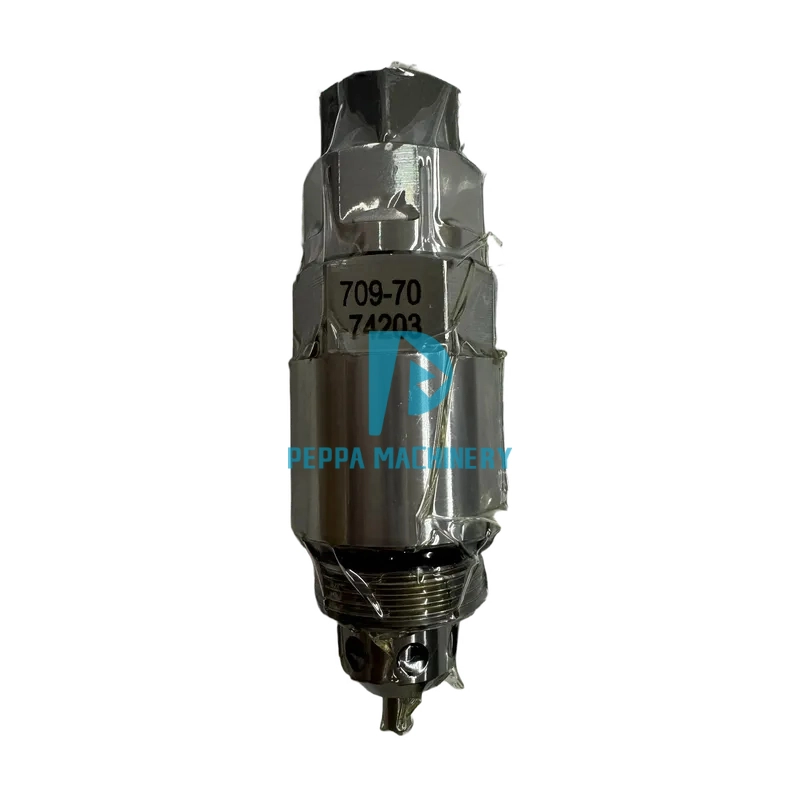
709-70-74203 7097074203 Relief Valve for PC200-5 PC200-6

New for CAT 312D 320D Excavator Spare Parts 4343436 434-3436 221-8859 Metal Pressure Switch and Sensor
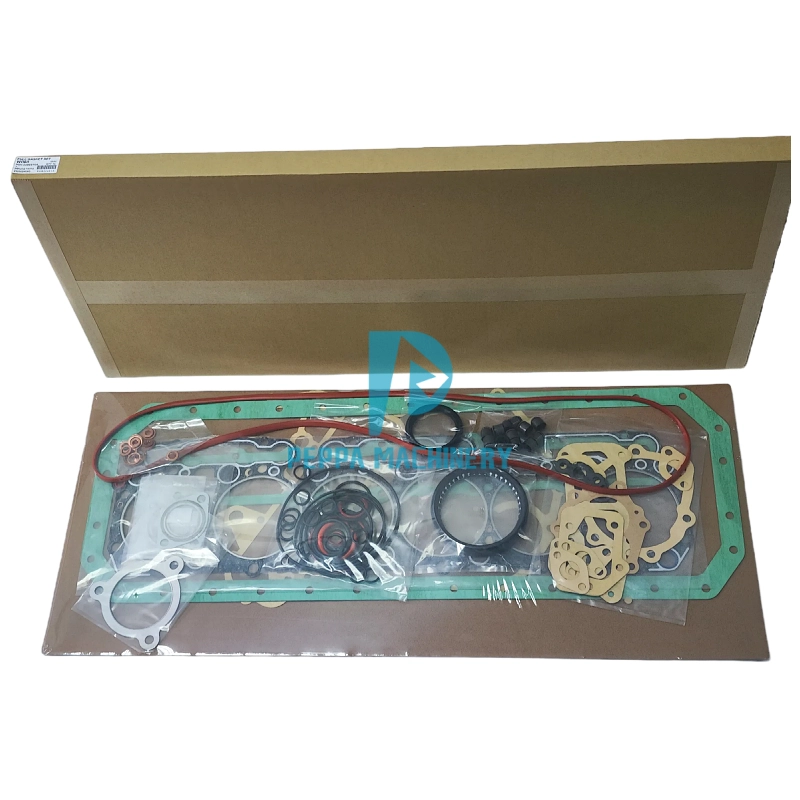
W06D W06DT Engine Overhaul Repair Kit Full Gasket
Excavator Parts
Are your parts genuine or OEM?
We offer both genuine parts and high-quality OEM alternatives. You can choose according to your budget and application needs. All OEM products are tested to meet or exceed original specifications.
Can I get help choosing the right parts for my machine?
Yes. Our experienced sales team is here to provide professional recommendations and solutions based on your excavator model, part number, or specific requirements.
What types of parts do you mainly offer?
Our main product categories include:
• Engine parts (liner kits, crankshafts, water/oil pumps, etc.)
• Electrical parts (sensors, monitors, throttle motors, wiring harnesses)
• Hydraulic parts (pumps, valves, cylinders)
• Sealing kits (NOK, SKF, PQ brands, floating seals, O-rings)
What brands of excavator parts do you supply?
We supply a full range of parts compatible with major international and Chinese brands, including Caterpillar, Komatsu, Hitachi, Volvo, Doosan, Hyundai, Sany, Liugong, XCMG, Zoomlion, and more.
Do you provide technical support or installation guidance?
While we do not offer on-site installation, we can provide basic technical advice, diagrams, or documentation to assist your technicians with installation and troubleshooting.
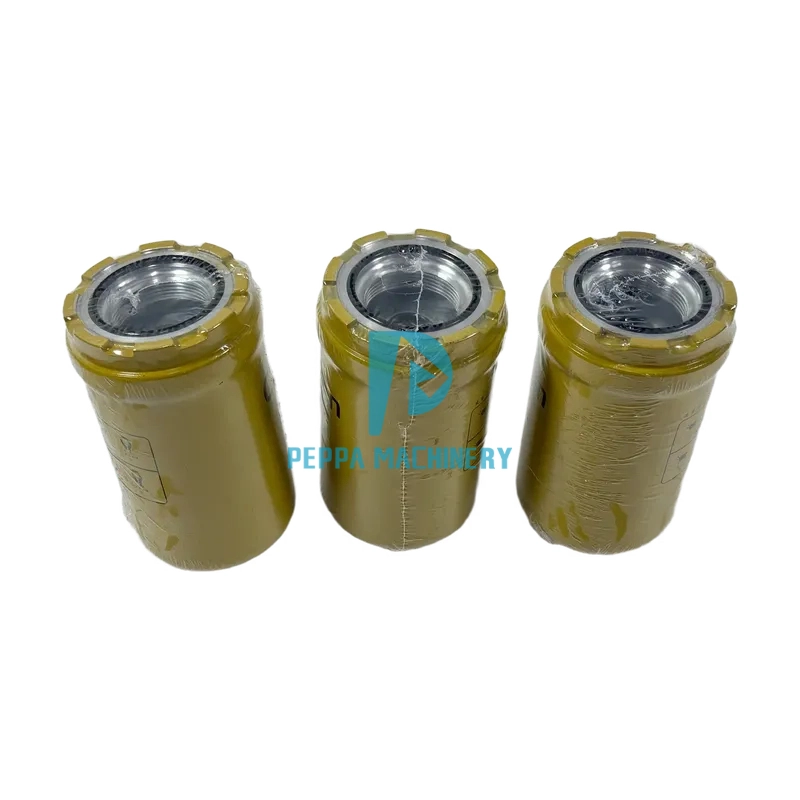
51-8670 Hydraulic Filter Applicable to HF35519 518670 2897836 518670X 1588987 Compatible with Caterpillar 352FVG 325CL
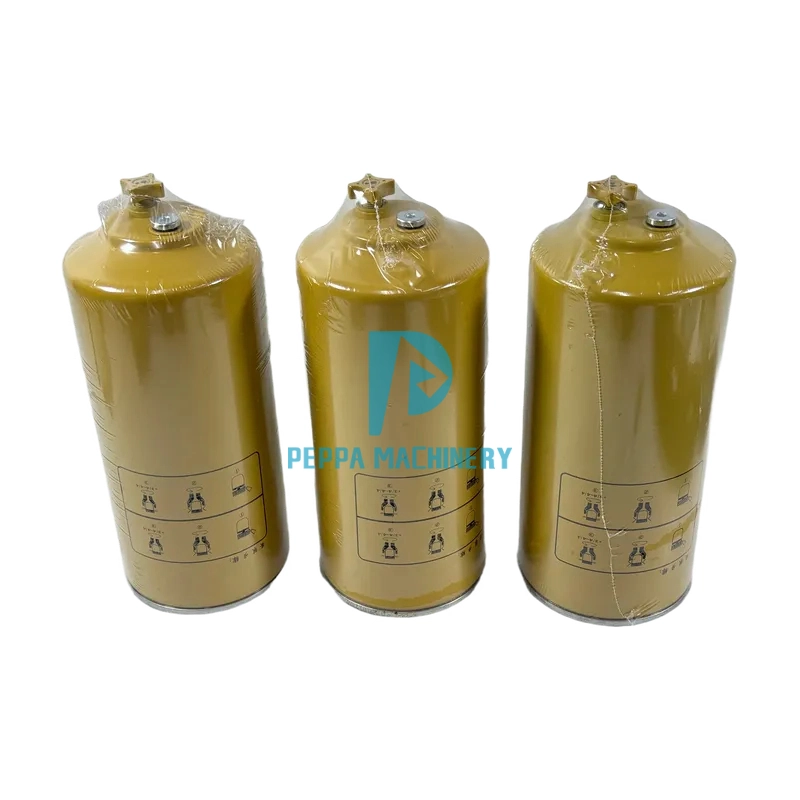
4385386 Fuel Water Separator Fuel Filter 382-0664 Oil-water Separator Hydraulic Oil Filter for CAT 312D2 320D2
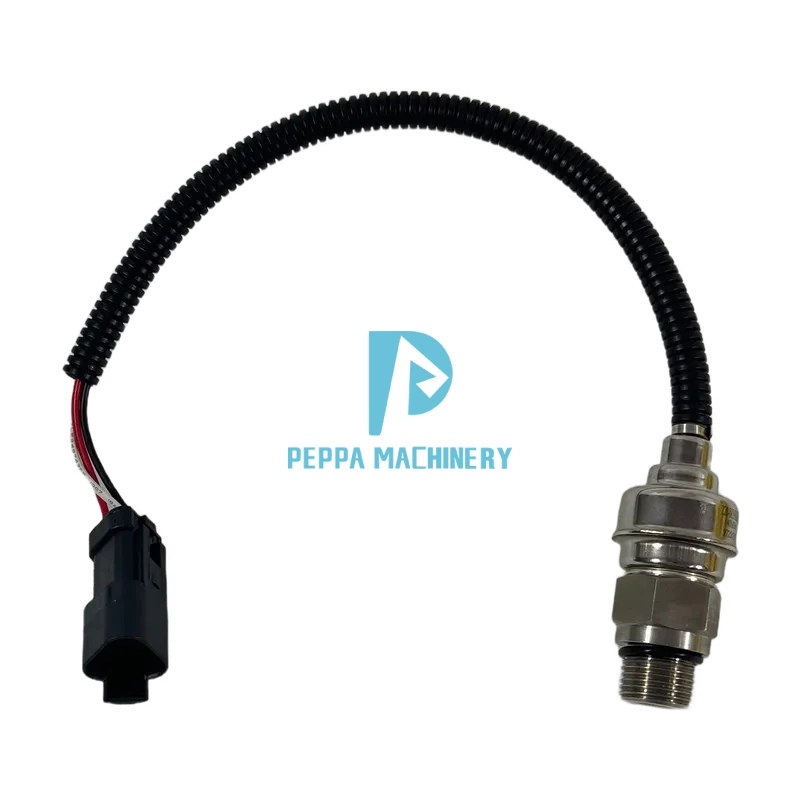
Pressure Sensor 221-8859 106-0178 for Caterpillar CAT 311B 311C 312C 314D 315B 320C 323D 324D 330C 336D 345B 385C
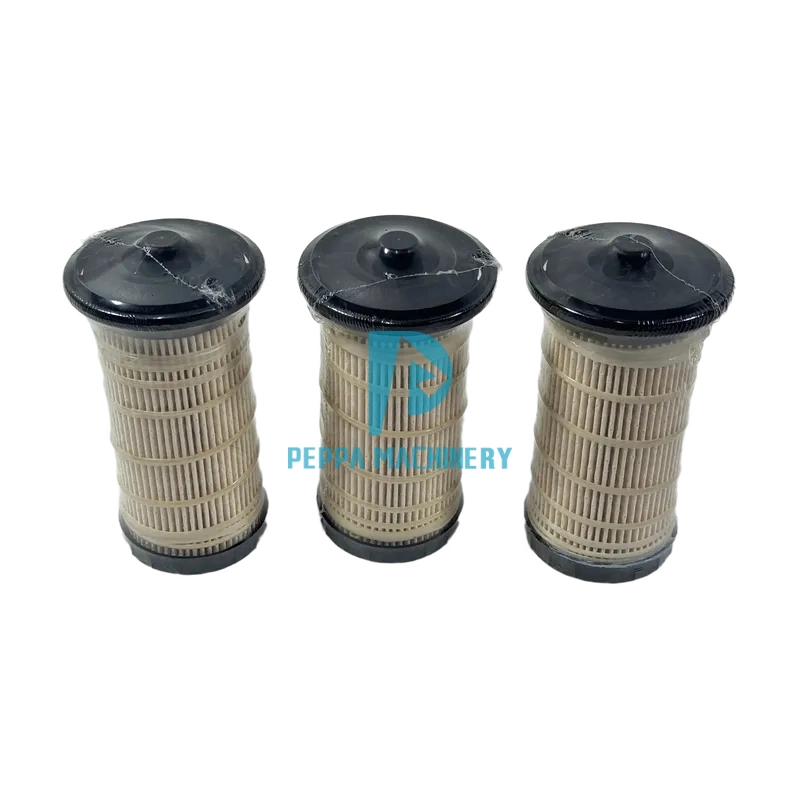
360-8960 Fuel Filter Element for Caterpillar C4.4 & C7.1 Engines | Fits 312D, 320D, 312E, 320E, 326D2, 336D2 Excavators
Get more information
Want to know more? Contact us today to get detailed product specifications, customized solutions, and a free consultation tailored to your needs.
Rest assured that your privacy is important to us, and all information provided will be handled with the utmost confidentiality.

Reliable Source for Quality Excavator Components.
Follow Us
Our Partners


Our Payment Methods


 High Quality
 7/24 Service
 Guaranteed Warranty
 Scan QR Code
Facebook
TikTok
YouTube
Pinterest
Twitter