








The Complete Guide to Your Oil Pump Excavator: Function, Mechanics, and Common Faults
This complete guide details the mechanics, function, and common faults of an oil pump in an excavator. It offers critical insights into identifying issues like pressure loss and fluid leaks while emphasizing the importance of preventative maintenance. Equip yourself with the knowledge to extend the lifespan of your heavy equipment's hydraulic system.
- Introduction
- What is an excavator oil pump and what is its primary function?
- How does an excavator hydraulic pump work?
- What are the most common faults with an excavator hydraulic pump?
- Why does my excavator hydraulic pump fail to build pressure?
- What causes hydraulic pump noise in excavators?
- Why does my excavator hydraulic pump leak fluid?
- How do I know if my excavator's hydraulic pump needs replacement?
- What is the typical lifespan of a hydraulic pump in an excavator?
- What kind of maintenance is required for excavator hydraulic pumps?
- Conclusion
- Call to Action
Introduction
When operating heavy machinery, understanding the core components that drive performance is critical for minimizing downtime and maximizing efficiency. At the heart of this operational power is the oil pump excavator—a robust component that literally pumps life into your earthmoving equipment. Without a fully functioning hydraulic setup, an excavator is nothing more than a static piece of metal.
Whether you are a seasoned operator, a fleet manager, or a heavy equipment maintenance enthusiast, mastering the nuances of your machine's hydraulic fluid power is essential. This guide will take you through everything you need to know about excavator oil pumps, from their foundational mechanics and primary functions to troubleshooting common faults.
By the end of this comprehensive breakdown, you will be equipped with the actionable knowledge required to maintain your excavator hydraulic system, recognize the early warning signs of component failure, and ultimately protect your heavy machinery investment. Let's dive into the core functions, potential pitfalls, and best practices for excavator pump longevity.
What is an excavator oil pump and what is its primary function?
An excavator oil pump, most commonly referred to as a hydraulic pump, is the central powerhouse of the machine's entire hydraulic circuit. Its primary function is to convert the mechanical energy generated by the excavator's internal combustion engine into hydraulic energy. This energy transition creates the fluid flow required to operate the cylinders, motors, and boom arms that give the excavator its digging and lifting capabilities.
By generating a vacuum at the pump inlet, the component draws hydraulic fluid from the main reservoir and forces it into the system under immense pressure. According to a broad definition by Wikipedia, a hydraulic pump is a mechanical source of power that generates flow with enough force to overcome the pressure induced by the load at the pump's outlet.
Without this continuous, high-pressure flow of hydraulic fluid, the actuators would remain stationary. The pump ensures that the exact required volume of fluid is pushed through the valves and into the operational arms, translating the operator's joystick movements into precise, powerful mechanical actions. Essentially, it is the beating heart of the excavator hydraulic system.
How does an excavator hydraulic pump work?
Understanding how an excavator hydraulic pump works requires a basic grasp of fluid dynamics. When the excavator's engine is turned on, it spins the pump's internal shaft. This mechanical rotation drives the internal components—whether they be gears, vanes, or pistons—creating an expanding volume at the pump's intake.
This mechanical action creates a low-pressure area or vacuum that pulls fluid from the hydraulic tank into the pump. As the internal mechanisms continue to rotate, this fluid is trapped and physically transported to the discharge port. In a variable displacement pump, which is highly common in modern excavators, the volume of fluid displaced per rotation can be adjusted dynamically based on the system's demand, enhancing overall fuel and energy efficiency.
Once the fluid reaches the discharge side, the internal cavity shrinks, forcing the fluid out into the hydraulic lines. It is important to note that the pump itself creates flow, not pressure. Pressure is only generated when this flow meets resistance, such as the heavy load of a bucket digging into compacted earth or the restriction of hydraulic valves.
What are the most common faults with an excavator hydraulic pump?
Despite their rugged construction, hydraulic pumps are precision components that operate under extreme stress, making them susceptible to various faults over time. One of the most frequent issues is fluid contamination. When dirt, metal shavings, or water bypass the filters and enter the hydraulic fluid power system, they act as an abrasive paste, scoring the internal surfaces of the pump and severely degrading its efficiency.
Another common fault is aeration and cavitation. Aeration occurs when air enters the fluid, often due to a leak in the intake line. Cavitation happens when the fluid volume demanded by the pump exceeds the supply, creating vapor bubbles that violently collapse against the pump's internal metal surfaces. Both conditions can destroy a pump from the inside out in a matter of hours.
To summarize, the most frequent faults include:
- Fluid Contamination: Dirt and metal shavings act as an abrasive paste inside the pump.
- Aeration and Cavitation: Air and vapor bubbles violently collapse, destroying metal surfaces.
- Heat Degradation: High temperatures thin the fluid, reducing lubrication and blowing seals.
Why does my excavator hydraulic pump fail to build pressure?
When an excavator hydraulic pump fails to build adequate pressure, the machine will suffer from sluggish movements, loss of lifting capability, or total operational failure. One of the primary culprits is excessive internal wear. If the internal clearances between the gears or pistons and the housing become too large due to abrasion, the fluid will simply bypass the pumping mechanism and slip back into the intake, meaning no pressure can be generated against a load.
Another frequent cause is a malfunctioning relief valve. The relief valve is designed to open and bypass fluid back to the tank if the system pressure gets too high. However, if this valve is stuck open due to debris or a broken spring, the fluid will constantly bypass the system actuators, making it impossible for the pump to build operational pressure.
Low fluid levels or using the incorrect fluid viscosity can also result in a lack of pressure. If the pump is starved of oil, it cannot push the required volume to meet the load's resistance. Furthermore, if the fluid is too thin—often due to extreme overheating—it will fail to seal the internal gaps within the pump, drastically lowering the volumetric efficiency.
What causes hydraulic pump noise in excavators?
A healthy hydraulic pump should emit a consistent, smooth hum. When that sound turns into a loud whining, rattling, or knocking, it is a clear indicator of systemic distress. The most common cause of a high-pitched whining noise is aeration. When air gets sucked into the hydraulic circuit—typically through a loose clamp, a damaged intake hose, or a low fluid level in the reservoir—it compresses and decompresses rapidly, creating a loud, distinct whine.
If the noise sounds more like a metallic rattling or the sound of marbles grinding inside the pump, you are likely experiencing cavitation. Cavitation occurs when the pump is starved of fluid, causing the pressure to drop below the fluid's vapor pressure. Tiny vapor bubbles form and then implode with immense force as they reach the high-pressure side of the pump. These micro-implosions chip away at the metal internals and create a severe knocking sound.
Mechanical wear or failure is the third primary cause of pump noise. Worn-out bearings, a damaged gear pump mechanism, or a misaligned drive shaft will cause significant vibration and mechanical grinding. If any of these abnormal noises are detected, the equipment should be shut down immediately to prevent catastrophic, irreversible damage to the pump housing.
Why does my excavator hydraulic pump leak fluid?
External fluid leaks are one of the most visible signs that an excavator's hydraulic pump requires immediate attention. The most frequent cause of fluid leakage is degraded or blown seals. Shaft seals and O-rings are made of elastomeric materials that naturally harden, crack, and lose their elasticity over time due to constant exposure to high heat, pressure spikes, and chemical wear from the hydraulic fluid.
Excessive system pressure can also force fluid past the seals. If the pressure relief valve fails to operate correctly, the system pressure can spike beyond the structural limits of the pump's seals and gaskets, causing them to rupture. Additionally, loose or damaged fittings on the pump's intake and discharge ports are common leakage points, often vibrating loose during rigorous excavation work.
Finally, incorrect maintenance practices, such as overfilling the hydraulic reservoir, can cause excess pressure to build up in the pump case, pushing oil out through the weakest points. Identifying the exact source of the leak—whether it is coming from the shaft seal, a flange fitting, or a hairline crack in the pump housing—is critical for executing a proper and lasting repair.
How do I know if my excavator's hydraulic pump needs replacement?
Determining whether to repair or replace a failing hydraulic pump relies heavily on monitoring performance drops and physical symptoms. The most obvious sign is a severe reduction in operational speed and power. If your excavator struggles to lift normal loads, the boom moves at a fraction of its usual speed, and the engine bogs down heavily during operation, the pump is likely suffering from severe internal bypass and failing to produce adequate flow.
Visual inspections of the hydraulic fluid can also provide definitive answers. If you pull a fluid sample and find it glittering with brass, bronze, or steel flakes, the internal components of the pump are disintegrating. Once a pump begins shedding metal into the excavator hydraulic system, a complete replacement—along with a thorough system flush—is usually mandatory to prevent those shavings from destroying the new pump and other downstream valves.
Lastly, consider the physical condition of the pump housing. If there are visible cracks in the casing, or if the cost of replacing internal cartridges, bearings, and seals approaches the cost of a brand-new unit, replacement is the most economical and reliable choice. A rebuilt pump with a compromised housing will never hold pressure correctly.
What is the typical lifespan of a hydraulic pump in an excavator?
The lifespan of a hydraulic pump in an excavator is highly variable and depends entirely on the operating environment, load severity, and the strictness of the maintenance schedule. Under ideal conditions, a high-quality variable displacement piston pump in a mid-sized crawler excavator can easily last between 8,000 to 10,000 operating hours before requiring a major overhaul or replacement.
However, this lifespan can be drastically cut short by poor fluid management. Operating a pump with contaminated fluid, ignoring clogged filters, or frequently running the machine hot can destroy a brand-new pump in fewer than 1,000 hours. The continuous presence of cavitation or aeration can cut the pump's life down to mere days if left unaddressed.
To ensure you get the maximum expected hours out of your pump, operators must adhere to OEM (Original Equipment Manufacturer) guidelines. Regular fluid analysis, keeping the oil cool, and operating the machine within its designed load capacities are the ultimate determining factors in how many years of service the pump will provide.
What kind of maintenance is required for excavator hydraulic pumps?
Preventative maintenance is the absolute best defense against premature pump failure. The foundation of this heavy equipment maintenance is strict fluid management. Operators must routinely check the hydraulic fluid levels daily to prevent aeration and cavitation. Furthermore, the hydraulic fluid must be completely drained and replaced at the manufacturer's specified intervals.
Key maintenance tasks include:
- Daily Fluid Checks: Monitor fluid levels every morning to prevent aeration.
- Routine Oil Changes: As noted by industry authorities at Heavy Equipment Guide, a standard mid-size crawler excavator should have its hydraulic oil changed every 2,000 operating hours to ensure optimal performance.
- Filter Replacements: Swap out return and suction filters every 500 hours to catch microscopic contaminants.
- Visual & Auditory Inspections: Listen for abnormal whining and inspect for weeping seals daily.
Addressing a small leak or a slight whine early on can save thousands of dollars in emergency replacements and project downtime.
Conclusion
The oil pump excavator is the undisputed powerhouse of your heavy machinery, dictating the speed, power, and efficiency of every movement on the job site. By understanding its fundamental mechanics—how it converts mechanical power into hydraulic flow—you can better appreciate the necessity of rigorous upkeep. From recognizing the dangerous sounds of cavitation to maintaining a pristine fluid environment, proactive care is your best strategy for extending the life of this critical component. Equip yourself with the right maintenance schedules, monitor for common faults, and never ignore the early warning signs of pressure loss or fluid leaks.
Call to Action
If you are experiencing hydraulic issues or need expert advice on replacing your excavator's oil pump, contact our specialist team today for a comprehensive consultation and parts quote.

Isuzu SP 4JG1 4JG2 4JG3 Cylinder Liner 1876182070 1-87618207-0 1876182080 1-87618208-0 1876182100 1-87618210-0
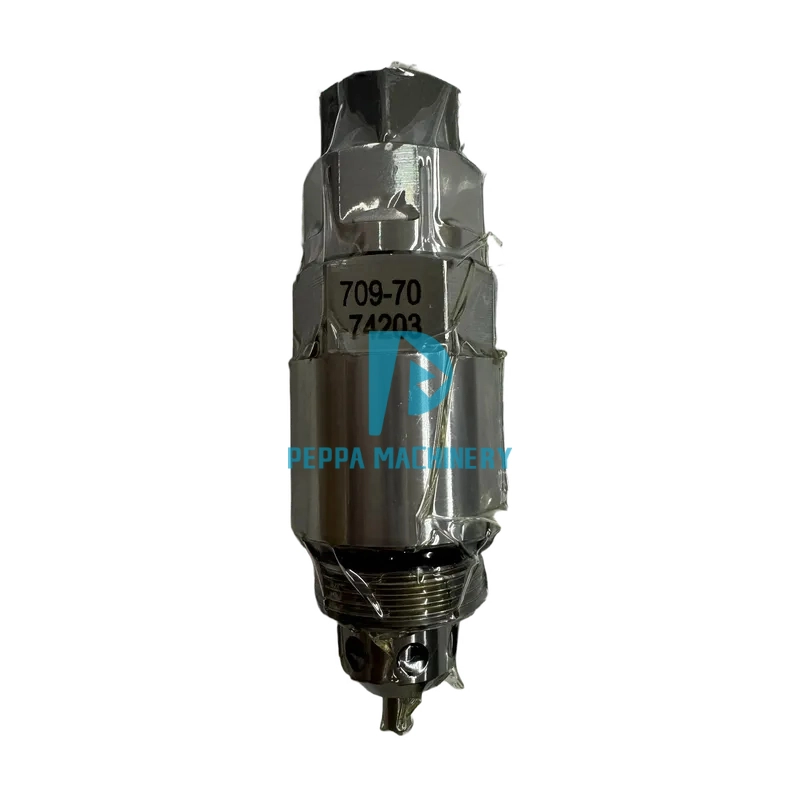
709-70-74203 7097074203 Relief Valve for PC200-5 PC200-6

New for CAT 312D 320D Excavator Spare Parts 4343436 434-3436 221-8859 Metal Pressure Switch and Sensor
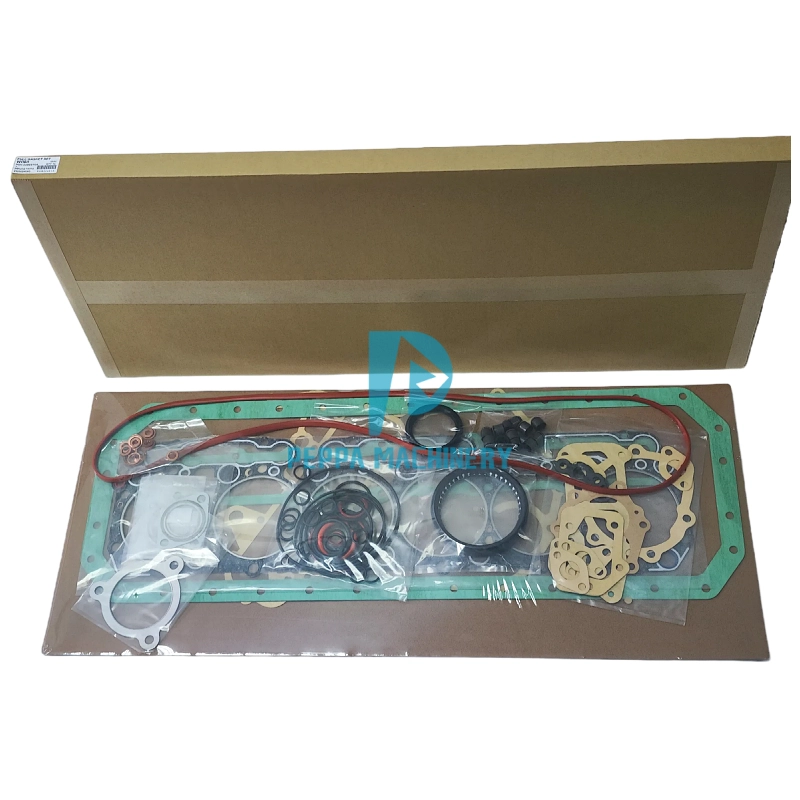
W06D W06DT Engine Overhaul Repair Kit Full Gasket
Excavator Parts
Can I get help choosing the right parts for my machine?
Yes. Our experienced sales team is here to provide professional recommendations and solutions based on your excavator model, part number, or specific requirements.
What types of parts do you mainly offer?
Our main product categories include:
• Engine parts (liner kits, crankshafts, water/oil pumps, etc.)
• Electrical parts (sensors, monitors, throttle motors, wiring harnesses)
• Hydraulic parts (pumps, valves, cylinders)
• Sealing kits (NOK, SKF, PQ brands, floating seals, O-rings)
What brands of excavator parts do you supply?
We supply a full range of parts compatible with major international and Chinese brands, including Caterpillar, Komatsu, Hitachi, Volvo, Doosan, Hyundai, Sany, Liugong, XCMG, Zoomlion, and more.
Are your parts genuine or OEM?
We offer both genuine parts and high-quality OEM alternatives. You can choose according to your budget and application needs. All OEM products are tested to meet or exceed original specifications.
How can I verify compatibility before placing an order?
Please provide us with your machine brand, model number, and the part number (if available). Our team will double-check the compatibility to ensure you receive the correct parts.
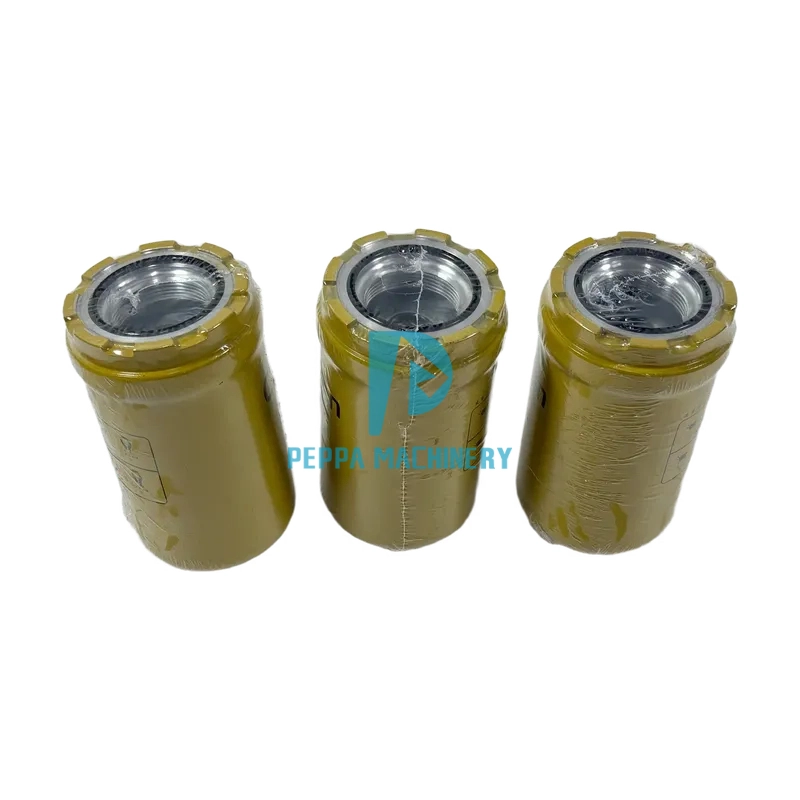
51-8670 Hydraulic Filter Applicable to HF35519 518670 2897836 518670X 1588987 Compatible with Caterpillar 352FVG 325CL
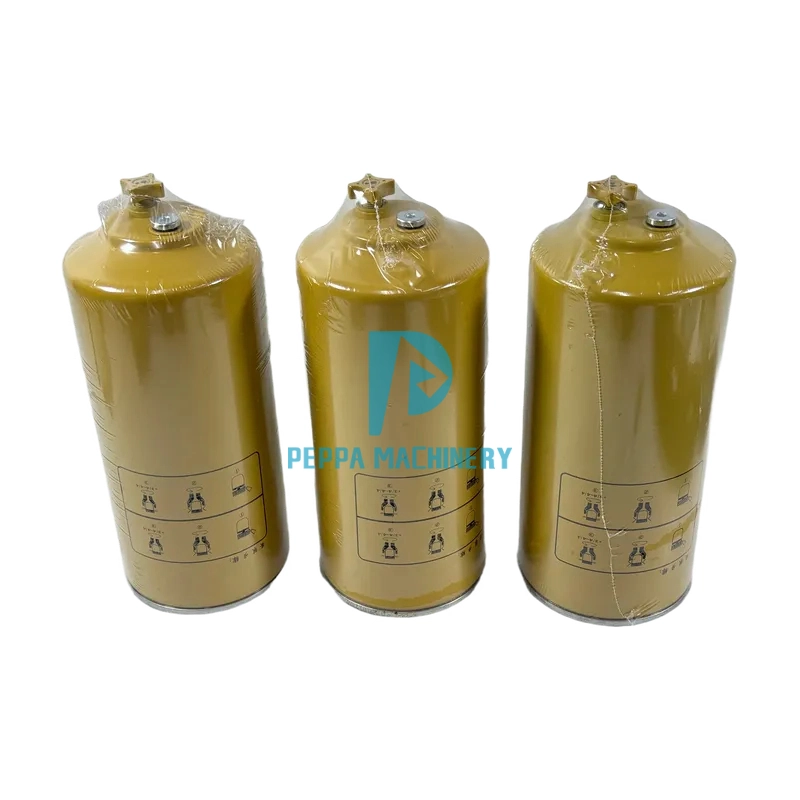
4385386 Fuel Water Separator Fuel Filter 382-0664 Oil-water Separator Hydraulic Oil Filter for CAT 312D2 320D2
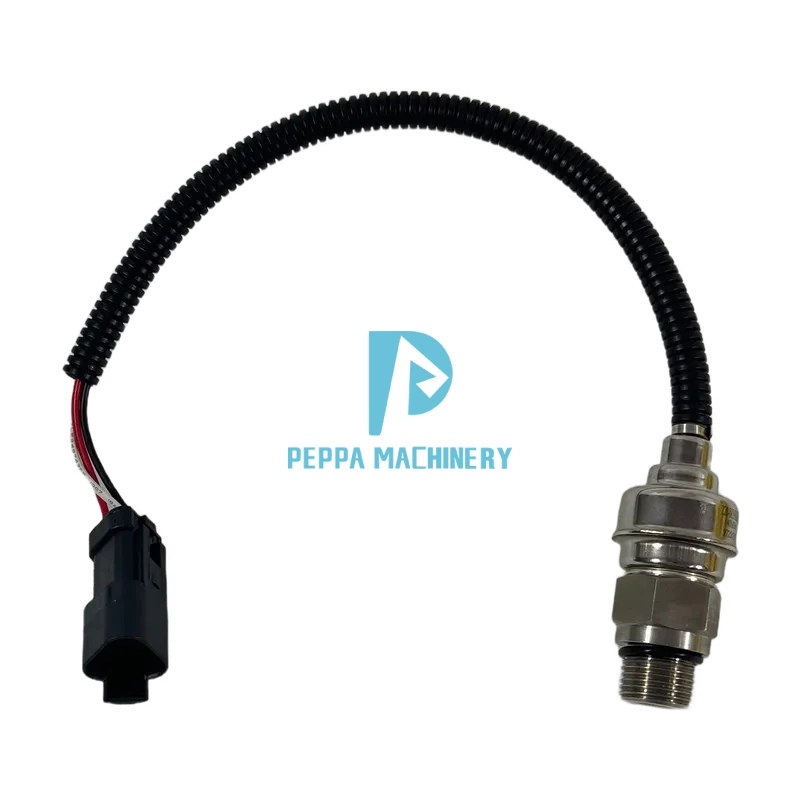
Pressure Sensor 221-8859 106-0178 for Caterpillar CAT 311B 311C 312C 314D 315B 320C 323D 324D 330C 336D 345B 385C
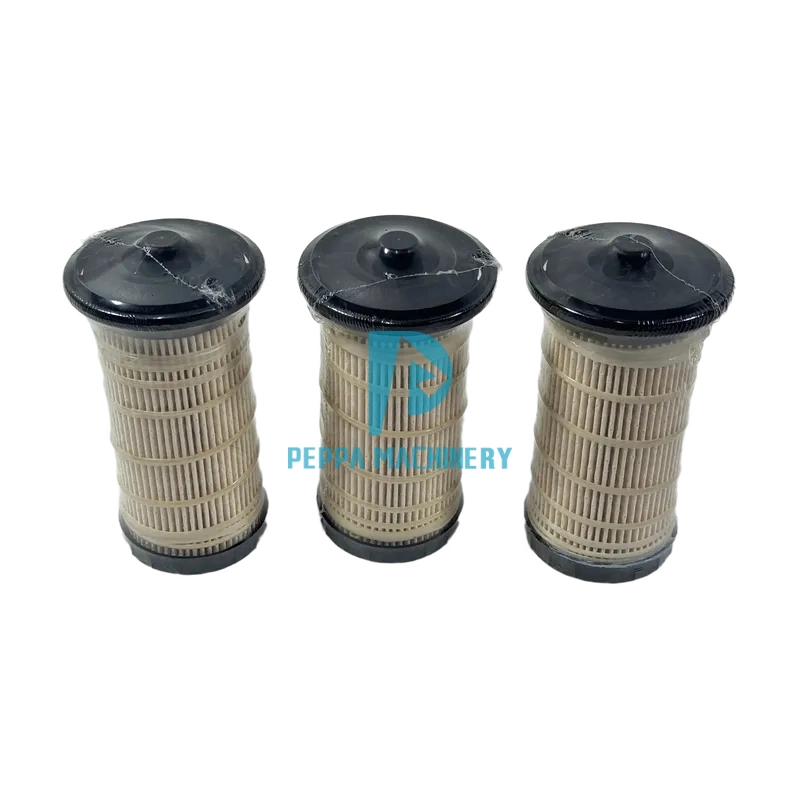
360-8960 Fuel Filter Element for Caterpillar C4.4 & C7.1 Engines | Fits 312D, 320D, 312E, 320E, 326D2, 336D2 Excavators
Get more information
Want to know more? Contact us today to get detailed product specifications, customized solutions, and a free consultation tailored to your needs.
Rest assured that your privacy is important to us, and all information provided will be handled with the utmost confidentiality.

Reliable Source for Quality Excavator Components.
Follow Us
Our Partners


Our Payment Methods


 High Quality
 7/24 Service
 Guaranteed Warranty
 Scan QR Code
Facebook
TikTok
YouTube
Pinterest
Twitter