








How does an electric turbocharger improve excavator fuel efficiency?
- 1. How exactly does an electric turbocharger reduce fuel consumption during short-cycle excavator work (dig, swing, dump) versus a conventional turbo?
- 2. What are the real retrofit considerations and ROI when fitting an e-turbo to an existing hydraulic excavator?
- 3. How should I size an electric turbocharger for a specific excavator engine (motor kW, compressor map match, and expected boost profile)?
- 4. What control and sensor upgrades are required when integrating an electric turbocharger with an excavator’s engine and hydraulic control system?
- 5. How does an electric turbocharger affect DPF regeneration, exhaust aftertreatment temperatures, and SCR dosing on diesel excavators?
- 6. What are the real-world reliability risks and maintenance differences for electric turbochargers in construction environments, and how can I mitigate them?
1. How exactly does an electric turbocharger reduce fuel consumption during short-cycle excavator work (dig, swing, dump) versus a conventional turbo?
Answer:Electric turbochargers (e-turbos or electric boost devices) reduce fuel consumption in cyclical excavator duty by addressing transient inefficiencies that conventional exhaust-driven turbos cannot. In short-cycle operations the engine frequently moves between low-speed idle and high-load states. Traditional turbos rely on exhaust energy to spool the compressor, so during the rapid load steps there is turbo lag and a period where the engine must burn extra fuel to produce the needed torque. An e-turbo uses an integrated electric motor/generator to actively spin the compressor independent of exhaust energy, producing immediate boost on demand.
How that saves fuel in measurable terms:
- Reduced transient enrichment: The ECM/ECU needs to inject less extra fuel to achieve required torque during spool-up. OEM and independent tests for on-road and off-highway engines report cycle-dependent fuel savings commonly in the 3–10% range; the exact number depends on load profile and machine utilization.
- Lower steady-state BSFC at lower RPM: By providing boost at lower engine speeds, an e-turbo enables efficient operation at reduced engine rpm for the same hydraulic power, letting the engine operate in a more favorable brake-specific fuel consumption (BSFC) window.
- Reduced time spent at high-rpm recoveries: Faster spool-up shortens the duration of high-fuel-rate transient events.
Practical note: For excavators with high-frequency short cycles (e.g., bucket-filling and dumping with many seconds per cycle), the percentage savings trend toward the higher end; for long sustained loads (e.g., heavy ripping), benefits are lower because exhaust energy is already sufficient to drive a conventional turbo.
2. What are the real retrofit considerations and ROI when fitting an e-turbo to an existing hydraulic excavator?
Answer:Retrofit feasibility and ROI depend on mechanical fit, engine control integration, operational profile, and total cost of installation. Key points to evaluate:
- Compatibility and packaging: Check exhaust manifold flange, turbine housing clearance, compressor inlet plumbing, and available electrical space. Many retrofit kits are engine-specific; a universal kit usually needs significant customization.
- ECU and control integration: Effective performance requires close integration with the engine control module (ECU) or a supplemental controller on CANbus for torque-request mapping, boost targets, and safety limits. Without proper tuning, you can get drivability, DPF regeneration, or emissions-compliance issues.
- Electrical system capacity: E-turbos draw peak power during spool assistance. Off-highway e-turbos typically use motors in the 2–10 kW class; confirm alternator/generator, battery, or hybrid energy storage can supply peak bursts and regenerative return.
- Durability and IP rating: Construction sites demand IP67-class sealing for motor/electronics, robust high-temp bearings, and protected connectors.
- Installation downtime and warranty implications: OEMs may void certain warranties on engines if not approved. Factor in installation labor and potential machine downtime.
ROI calculation approach (practical method):1) Establish baseline fuel consumption (L/hr) and annual operating hours. 2) Estimate realistic fuel saving percentage based on duty cycle (use 3–10% range; short-cycle designs lean higher). 3) Calculate annual fuel savings in currency. 4) Subtract recurring maintenance delta. 5) Divide retrofit capital cost by net annual savings to get payback years.
Example (illustrative): If an excavator consumes 12 L/hr, operates 2,000 hrs/year, diesel price $1.20/L, and e-turbo saves 6%:
- Annual fuel cost = 12 2,000 $1.20 = $28,800
- Annual saving = 6% * $28,800 = $1,728If retrofit kit + installation = $8,000, simple payback ≈ 4.6 years (excluding grants, downtime benefits, or additional lifecycle value).
Real-world note: Integrated factory e-turbo options often provide faster ROI than aftermarket retrofits because of optimized engine calibration and warranty coverage.
3. How should I size an electric turbocharger for a specific excavator engine (motor kW, compressor map match, and expected boost profile)?
Answer:Proper sizing requires matching the compressor and electric motor characteristics to the engine’s airflow and transient torque demand. Steps to size correctly:
- Gather engine data: peak airflow (m3/min or kg/s), torque curve across RPM, targeted boost pressures, and exhaust energy map.
- Choose the compressor wheel and housing so the compressor operating points fall within the efficient range of the compressor map at mapped engine conditions (idle, low rpm, rated load). Avoid surge and choke zones.
- Select motor power and torque: For meaningful transient assistance, electric motor peak power typically should allow the compressor to reach required boost in the target spool-up time. For many excavator engines, electric assist motors between 2–10 kW provide useful assistance; larger engines or aggressive spool targets may need more power.
- Thermal and bearing considerations: Off-highway turbochargers must handle higher soot and particulate loads; select robust journal or thrust bearings, and ensure adequate oil and coolant supply if required.
- Consider integrated motor-generator sizing: If you expect regeneration (using turbine energy to charge batteries), ensure the generator rating and power electronics match expected energy flows.
Practical guidance: Work with a turbo supplier to obtain a compressor map and run steady-state and transient simulations with your engine’s airflow data. Many manufacturers provide matching tools; uncontrolled match can cause poor fuel economy, surge events, or premature wear.
4. What control and sensor upgrades are required when integrating an electric turbocharger with an excavator’s engine and hydraulic control system?
Answer:An e-turbo is more than a hardware swap; it requires integrated control and new or upgraded sensors for safe, efficient operation:
- Required sensors: precise boost pressure sensor(s) upstream and downstream of the compressor, intake air temperature (IAT), mass air flow or manifold absolute pressure, turbine inlet temperature (TIT) monitoring (if used for protection), motor current and RPM sensors, and oil pressure/temperature for turbo bearings.
- Control logic: The ECU must coordinate requested torque with e-turbo assist, manage motor current limits, handle regen strategies, and protect against compressor surge and over-speed. This usually requires OEM ECU calibration or a CAN-capable e-turbo controller that can harmonize with the engine controller.
- Safety interlocks: Provide fail-safe modes to prevent uncontrolled boost, runaway spool, or motor over-temperature. Implement soft-start limits, overcurrent protection, and boost-limiting maps tied to engine knock/torque limits.
- Integration with hydraulic controls: Because excavator hydraulic power demand depends on pump loads, integrating load-sensing information (hydraulic pressure/flow) can optimize boost requests and reduce unnecessary assist.
Operational result: Proper electronic integration is essential. Poor integration will nullify fuel benefits and can increase wear or emissions noncompliance.
5. How does an electric turbocharger affect DPF regeneration, exhaust aftertreatment temperatures, and SCR dosing on diesel excavators?
Answer:E-turbos change exhaust thermal behavior and oxygen content dynamics; both affect aftertreatment systems:
- DPF regeneration: E-turbos can help or hinder DPF regeneration. They can supply immediate boost to raise combustion efficiency and exhaust temperatures during transient load events, enabling quicker passive or active regeneration. However, if the e-turbo allows the engine to consistently operate at lower exhaust flows/temperatures (because of engine-downspeeding), you may need recalibrated regeneration strategies to ensure adequate DPF temperatures when needed.
- SCR (selective catalytic reduction): The NOx formation/aftertreatment effectiveness depends on exhaust temperature and oxygen levels. Faster boost response can allow better transient control of combustion timing and EGR interaction, which can reduce NOx production at peaks and reduce SCR urea dosing overall. But integration is required so the SCR dosing map remains effective with the altered exhaust temperature/time profiles.
- DOC and oxidation catalysts: Electric assist can modulate oxygen content and exhaust temperature to improve conversion efficiency during transients.
Bottom line: Adding an e-turbo should include recalibration of DPF regen algorithms, SCR dosing strategies, and aftertreatment thermal management to prevent unintended increases in maintenance or urea consumption.
6. What are the real-world reliability risks and maintenance differences for electric turbochargers in construction environments, and how can I mitigate them?
Answer:Real-world risks: dust/abrasion, shock/vibration, thermal cycling, contamination (fuel/oil/particulates), electrical connector ingress, and bearing wear are the main failure modes in construction equipment. Specific points:
- Bearings and lubrication: Turbo bearings see high temperatures and soot-laden oil on diesel engines. Choose turbos with proven bearing designs for off-road duty and ensure oil feed/return lines meet OEM specifications (filtration and pressure).
- Motor/electronics sealing: Motors and controllers must be IP6x rated (IP67 or better) for dust and water; connectors should be sealed and protected from mechanical damage.
- Thermal protection: Use temperature sensors and safe-mode routines; ensure adequate cooling for the motor and power electronics.
- Shock and vibration: Mechanical mounts should include vibration isolation; connectors should be strain-relieved.
- Diagnostics and servicing: Good systems provide fault codes through CANbus, allowing preventative maintenance. Expect new spare parts (motor assembly, power electronics) and training for technicians.
Maintenance differences and actionable mitigations:
- Inspect electrical harnesses and connectors frequently; use dielectric grease and protective conduits.
- Maintain oil quality and change intervals; follow recommended oil filtration to extend bearing life.
- Monitor boost response and motor current trends via telematics to detect early degradation.
- Choose vendors offering field-proven products with off-highway test data, and request MTBF (mean time between failures) or test reports.
Summary reliability expectation: With correct selection (IP-rated motor, robust bearings, and correct oil/cooling) and an appropriate maintenance plan, e-turbos can meet heavy-duty construction reliability comparable to conventional turbos, but only if electrical and control subsystems are treated as integral components rather than add-ons.
Concluding paragraph:Electric turbochargers deliver measurable fuel-efficiency and transient-performance advantages for excavators—especially in short-cycle, high-transient duty—by eliminating turbo lag, enabling engine downspeeding, improving BSFC windows, and offering better aftertreatment thermal control when calibrated correctly. When considering purchase or retrofit, prioritize compressor map matching, controller/ECU integration, electrical supply capability, IP-rated hardware, and a supplier with off-highway validation. Doing so maximizes the potential 3–10% fuel savings, reduces cycle-based fuel spikes, and can improve DPF/SCR performance when properly calibrated.
For a quote or help selecting an electric turbocharger retrofit or OEM option for your excavator, contact us at www.jbpartsgz.com or jbparts@aliyun.com.

Isuzu SP 4JG1 4JG2 4JG3 Cylinder Liner 1876182070 1-87618207-0 1876182080 1-87618208-0 1876182100 1-87618210-0
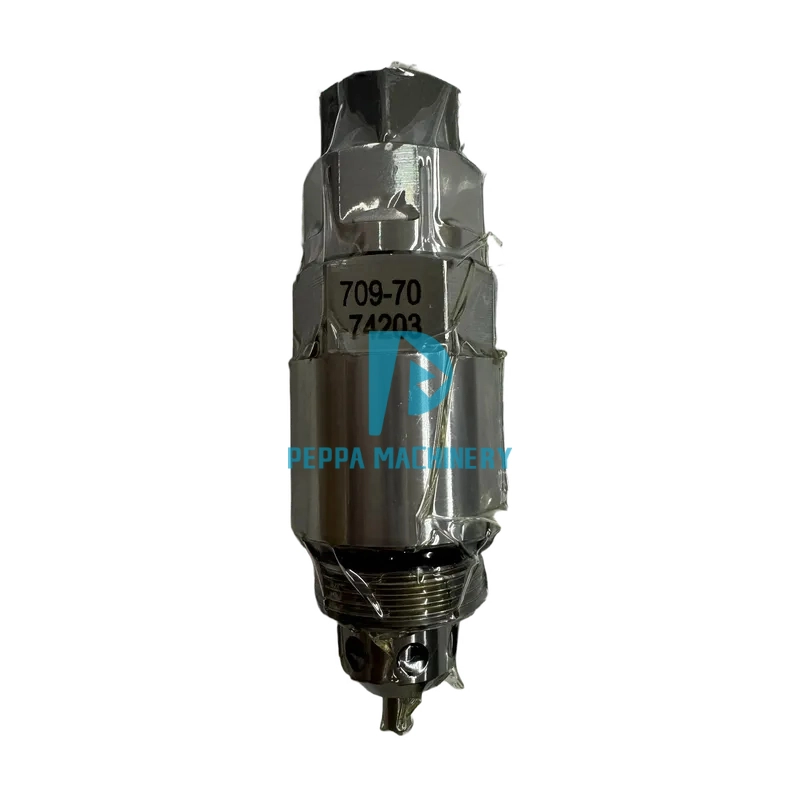
709-70-74203 7097074203 Relief Valve for PC200-5 PC200-6

New for CAT 312D 320D Excavator Spare Parts 4343436 434-3436 221-8859 Metal Pressure Switch and Sensor
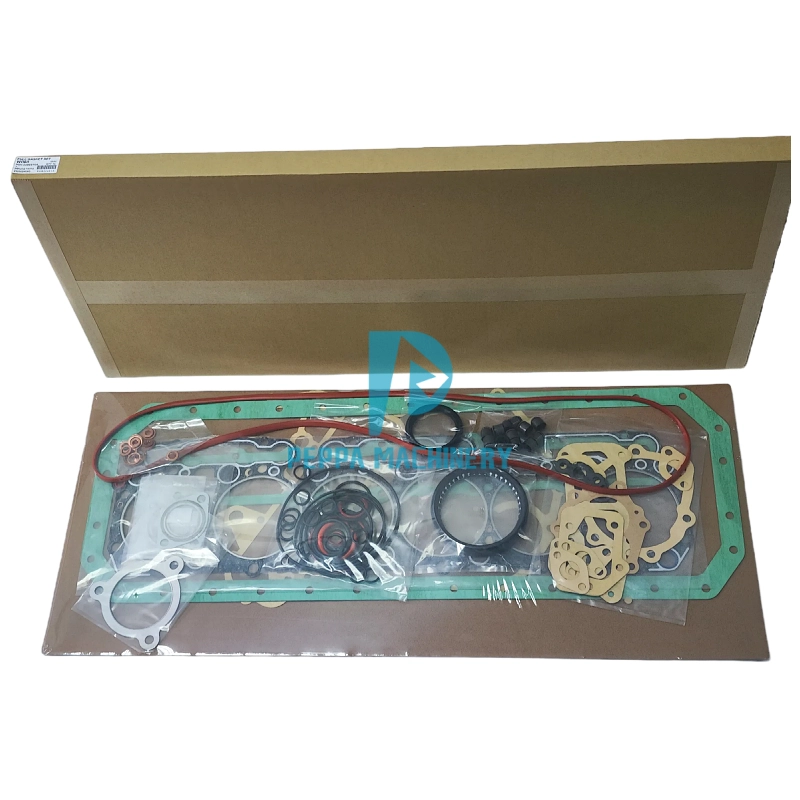
W06D W06DT Engine Overhaul Repair Kit Full Gasket
Excavator Parts
What types of parts do you mainly offer?
Our main product categories include:
• Engine parts (liner kits, crankshafts, water/oil pumps, etc.)
• Electrical parts (sensors, monitors, throttle motors, wiring harnesses)
• Hydraulic parts (pumps, valves, cylinders)
• Sealing kits (NOK, SKF, PQ brands, floating seals, O-rings)
Can I get help choosing the right parts for my machine?
Yes. Our experienced sales team is here to provide professional recommendations and solutions based on your excavator model, part number, or specific requirements.
Do you provide technical support or installation guidance?
While we do not offer on-site installation, we can provide basic technical advice, diagrams, or documentation to assist your technicians with installation and troubleshooting.
Are your parts genuine or OEM?
We offer both genuine parts and high-quality OEM alternatives. You can choose according to your budget and application needs. All OEM products are tested to meet or exceed original specifications.
What brands of excavator parts do you supply?
We supply a full range of parts compatible with major international and Chinese brands, including Caterpillar, Komatsu, Hitachi, Volvo, Doosan, Hyundai, Sany, Liugong, XCMG, Zoomlion, and more.
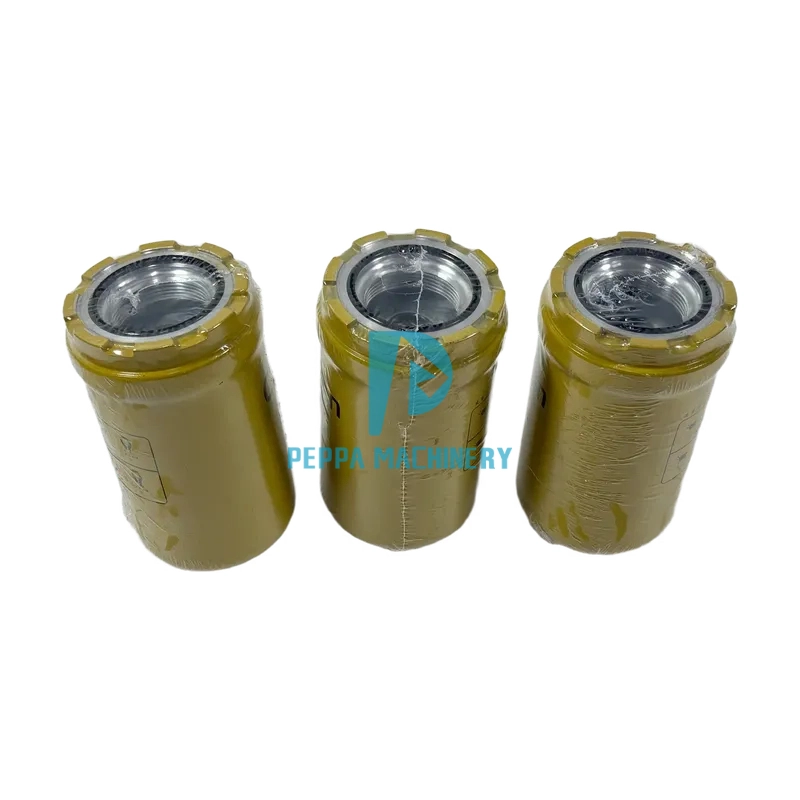
51-8670 Hydraulic Filter Applicable to HF35519 518670 2897836 518670X 1588987 Compatible with Caterpillar 352FVG 325CL
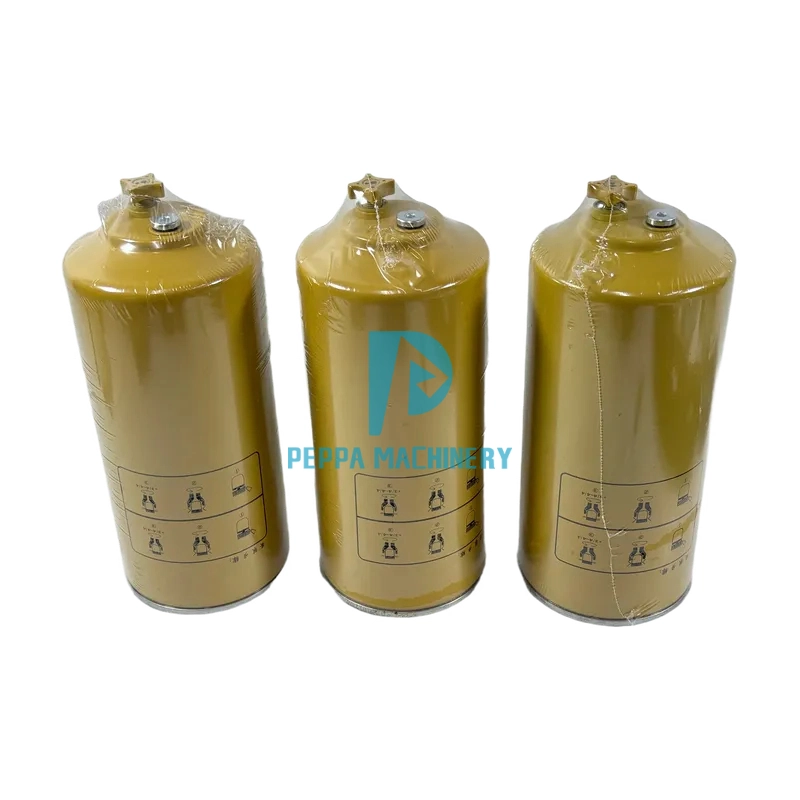
4385386 Fuel Water Separator Fuel Filter 382-0664 Oil-water Separator Hydraulic Oil Filter for CAT 312D2 320D2
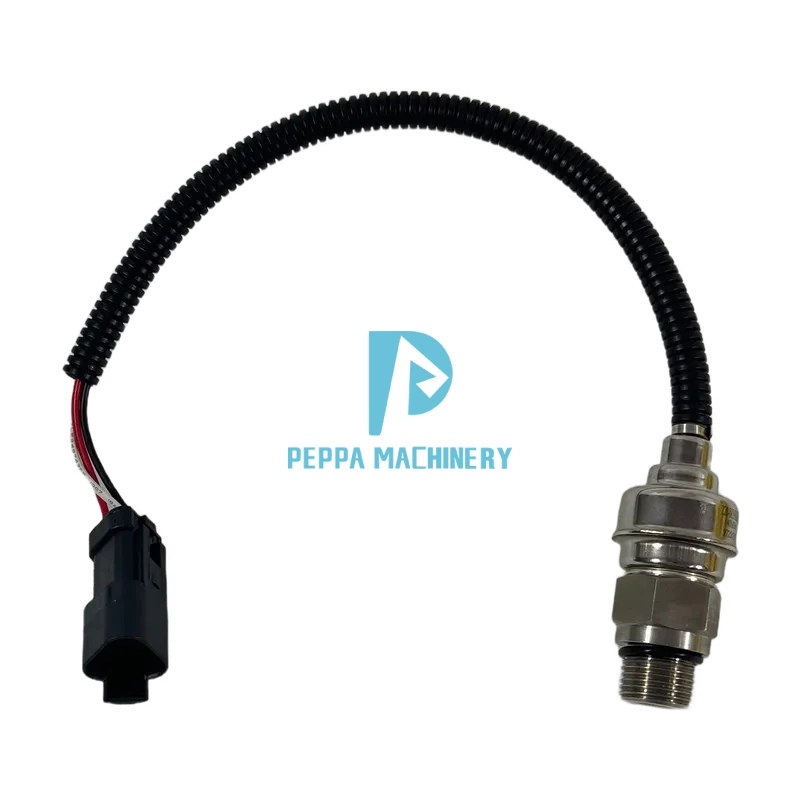
Pressure Sensor 221-8859 106-0178 for Caterpillar CAT 311B 311C 312C 314D 315B 320C 323D 324D 330C 336D 345B 385C
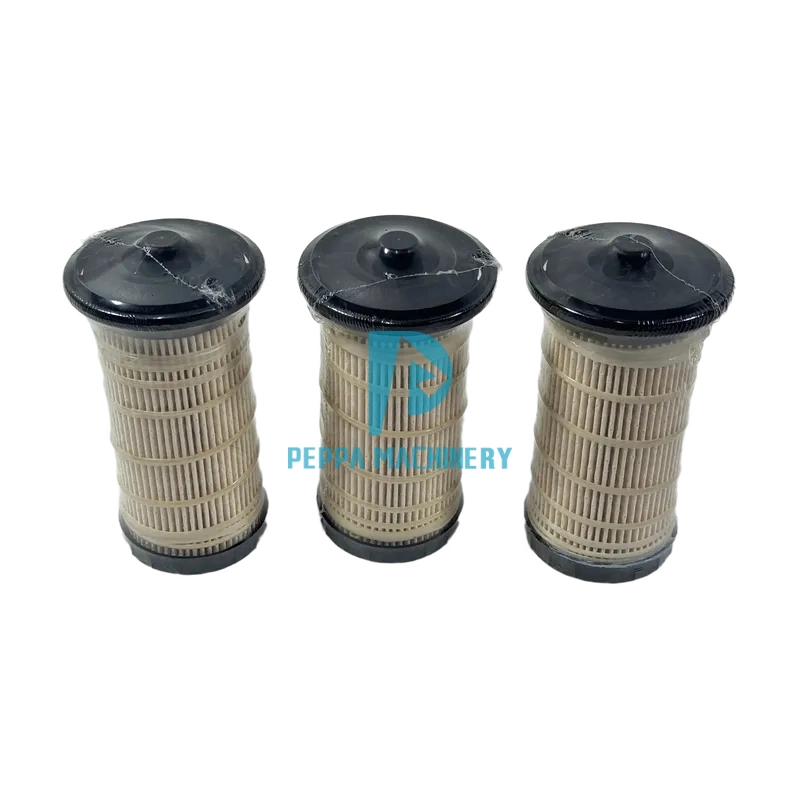
360-8960 Fuel Filter Element for Caterpillar C4.4 & C7.1 Engines | Fits 312D, 320D, 312E, 320E, 326D2, 336D2 Excavators
Get more information
Want to know more? Contact us today to get detailed product specifications, customized solutions, and a free consultation tailored to your needs.
Rest assured that your privacy is important to us, and all information provided will be handled with the utmost confidentiality.

Reliable Source for Quality Excavator Components.
Follow Us
Our Partners


Our Payment Methods


 High Quality
 7/24 Service
 Guaranteed Warranty
 Scan QR Code
Facebook
TikTok
YouTube
Pinterest
Twitter