








Electric vs traditional turbochargers: which is more cost-effective?
- 1) Can an electric turbocharger be retrofitted to a legacy diesel excavator without upgrading the alternator or battery — what are the exact electrical requirements and installation pain points?
- 2) What is the real ROI timeline when replacing a traditional turbo with an electric turbo on a 20-ton excavator used in urban digging versus long-haul trenching?
- 3) How do electric turbochargers perform in high-dust, high-vibration excavator environments — what sealing, IP rating, and cooling measures are required to avoid premature failures?
- 4) Will installing an electric turbocharger affect my excavator's emissions certification and warranty, and what documentation is required for regulatory compliance?
- 5) What spare parts and maintenance schedule should parts buyers expect for electric turbochargers compared to traditional turbos — cost per service and common failure modes?
- 6) When is a hybrid (electric-assisted) turbocharger preferable to a fully electric turbo for heavy excavators — how should buyers size it for RPM range and load profile?
- Conclusion: Advantages of Electric Turbochargers for Excavators
Electric Turbocharger: Electric vs Traditional Turbochargers — Practical Answers for Excavator Parts Buyers
As excavator fleets move toward higher efficiency and tighter emission limits, electric turbochargers (e-turbos, electric boost systems) and hybrid turbocharger solutions are drawing interest. This post answers six specific, high-value buyer questions that are often under-explained online. Content is grounded in OEM field reports and industry whitepapers (e.g., Garrett, BorgWarner and heavy-equipment technical briefs) and focuses on diesel excavator parts procurement, installation and total-cost outcomes.
1) Can an electric turbocharger be retrofitted to a legacy diesel excavator without upgrading the alternator or battery — what are the exact electrical requirements and installation pain points?
Short answer: Usually no. Retrofitting an electric turbocharger onto a legacy excavator almost always requires electrical-system upgrades or an additional power source. Electric turbochargers and electric superchargers contain a motor, an inverter/controller and often need transient peak power far above their steady-state draw. For light-duty e-turbos used on passenger engines, motor power is commonly 1–10 kW; for heavy-duty or excavator-scale units the motor/inverter package can reach roughly 5–30 kW depending on target boost and spool time. These are real-world industry ranges reported by e-boost suppliers and OEM pilot projects.
Key installation considerations and pain points:
- Peak vs continuous power: e-turbos demand high peak power for near-instant spool. Alternators sized for legacy excavators are often rated for steady loads (lights, hydraulics) and cannot supply multi-kW peaks. You will likely need a dedicated battery bank/capacitor buffer or alternator upgrade with power electronics.
- DC bus and inrush current: Inverter startup inrush can trip fuses or damage wiring unless mitigated. Proper DC cabling, fusing and a high-current contactor are required.
- Cooling and thermal management: The e-motor and inverter produce heat. Excavator environments already strain cooling circuits; expect to add liquid or air-cooling circuits or relocate the electronics to a protected compartment.
- EMC and grounding: High-power inverters create electromagnetic interference; shielding and correct grounding are necessary to avoid ECU glitches in engine controllers or hydraulic electronics.
- Mechanical fitment and exhaust interaction: Packaging the compressor, motor and control electronics without disrupting exhaust routing, DPF/aftertreatment, or hydraulic plumbing is often the hardest practical challenge.
- Estimate baseline fuel use: liters/hour × annual hours for the machine (use telematics or operator logs).
- Estimate realistic fuel savings from electrified boost: industry field tests report overall fuel economy improvements in the 3–10% range from e-turbo and e-assist systems when integrated with proper ECU calibration. Lower values (3–4%) are typical for long steady-state work; higher values (6–10%) are observed in mixed or low-speed duty cycles where turbo lag previously caused inefficient combustion.
- Compute annual fuel savings = baseline fuel × % improvement × fuel price.
- Add secondary savings: reduced particulate/NOx aftertreatment loading (lower DPF regeneration frequency), less engine idling due to improved low-RPM torque, and reduced downtime from better transient response. Monetize conservatively (10–30% of fuel savings as an estimate depending on maintenance records).
- Determine added cost: incremental capex (electric turbo hardware + integration + electrical upgrades) and any recurring maintenance High Quality.
- Payback = incremental cost / annual net savings.
- Enclosure IP rating: Aim for IP6x for dust protection and IPx4–IPx6 for water spray; in practice, OEM heavy-equipment modules often use IP67-rated electronics enclosures for inverters/controllers placed inside the cab or in sealed bays.
- Bearing technology: For dusty and high-temp exhaust zones, hybrid ceramic ball bearings with sealed lubrication or advanced journal bearings with robust oil supply are preferable. Ensure the turbo supplier provides validated life curves for shock and vibration levels typical of your excavator model.
- Vibration isolation: Use elastomeric mounts or tuned mounts to decouple the compressor and electronics from chassis vibration. Avoid direct mounting to hydraulic pumps or other high-shock points.
- Cooling strategy: Electric motors and inverters require active cooling — either liquid-cooled integration into machine coolant circuits or dedicated air ducts with filtered intake. In heavy dust environments, air cooling needs robust filtration and frequent maintenance; liquid cooling with a closed-loop is often more reliable.
- Filtration and pre-screening: Protect compressor intakes with staged filters and a pre-cleaner for dusty sites. Pressure drop trade-offs affect boost; consult supplier for optimized filtration that balances performance and protection.
- Emissions certification: Changing boost control and transient torque affects NOx and particulate formation. For machines subject to EPA, EU Stage or local Stage regulations, aftermarket changes can trigger re-certification or at least documented validation. Some jurisdictions strictly prohibit powertrain modifications without OEM approval.
- Warranty risk: OEM warranties typically exclude unauthorized modifications to emission systems, turbochargers and engine calibration. Installing an aftermarket e-turbo without a manufacturer-approved kit or documented co-engineering can void parts of the powertrain warranty.
- Documentation required: Detailed integration drawings, ECU calibration reports, emission test runs or validation logs, and a statement of conformity may be required. Suppliers should provide software and hardware change records, CAN message maps, and safety certifications (CE, E-Mark where applicable).
- Practical mitigation: Use OEM-approved retrofit kits or work with the OEM or a Tier-1 supplier for a certified integration. In many fleet cases OEMs have partnership programs for electrification/hybridization that preserve warranty and compliance.
- Compressor wheel and shaft assembly (service kit)
- Seals and bearing cartridges (for serviceable units)
- Electric motor/inboard rotor assembly (replaceable module)
- Inverter/controller module
- Power and sensor harnesses, fuses and contactors
- Cooling hoses, heat exchangers and filters (if liquid-cooled)
- Daily/weekly: Visual checks of electrical connectors and cooling lines, intake filter inspection in dusty sites.
- Every 500–2,000 operating hours: Inspect inverter mounting, measure insulation resistance on motor windings, check for oil leaks if the turbo shares engine oil supply.
- Every 3,000–6,000 hours: Replace filters, inspect bearing clearances and perform end-of-life diagnostics. (Intervals depend on specific supplier recommendations.)
- Duty cycle: If your machine spends substantial time at high load and high RPM (long-trench, highway hauling), a hybrid turbo retains turbine efficiency at high exhaust energy while giving electric assist during low-RPM transients. If the machine performs frequent low-speed, high-torque cycles (urban digging), a stronger electric assist increases value.
- Electrical infrastructure constraints: Hybrid e-assist can often be implemented with lower additional electrical capacity than fully electric turbo systems because the turbine contributes most of the work at high load.
- Engine map and RPM window: Size the e-assist motor to cover the worst-case low-RPM torque deficit — typically a fraction of peak engine power. Suppliers provide turbine maps and compressor maps; match the assisted compressor map to your engine’s torque curve to avoid surge or choke conditions. In practice, request the supplier to run a match analysis using your engine’s brake-specific fuel consumption (BSFC) map and torque vs RPM curve.
- Variable Geometry Turbocharger (VGT) vs fixed geometry: For many excavator diesel engines, a VGT combined with mild e-assist gives the most flexible control. Full electric/compressor-only solutions shine when aggressive spool-up at near-zero exhaust energy is required.
Recommendation: Before purchase, request from the supplier (or from JB Parts) a full electrical integration spec: peak kW, steady kW, inrush current, recommended DC bus voltage, recommended battery/capacitor sizing, cooling power, communication interface (CAN), and EMC mitigation measures. If your excavator lacks a modular high-voltage bus, plan on a dedicated battery buffer or alternator upgrade.
2) What is the real ROI timeline when replacing a traditional turbo with an electric turbo on a 20-ton excavator used in urban digging versus long-haul trenching?
Short answer: ROI depends on duty cycle; e-turbos deliver the fastest payback in stop-start, low-RPM urban digging where turbo lag reduction and optimized combustion give highest fuel and emissions gains. For steady-state trenching at high RPM, gains narrow and payback lengthens.
How to model ROI (practical method):
Example (illustrative, not prescriptive): an urban 20-ton excavator operating 2,000 hours/yr at 12 L/hr baseline fuel (~24,000 L/yr). At $1/L diesel and a 6% fuel saving, annual fuel savings = 24,000 × 0.06 × $1 = $1,440. If integration hardware and electrical upgrades cost $10,000 incremental, break-even ~7 years, excluding maintenance/emissions benefits. If the duty cycle yields 10% savings and secondary benefits add value, payback shortens to ~3–4 years.
Bottom line: Request fleet-specific telematics-based simulations from suppliers. JB Parts can run a site-specific ROI model using your hours, fuel price, and duty cycle.
3) How do electric turbochargers perform in high-dust, high-vibration excavator environments — what sealing, IP rating, and cooling measures are required to avoid premature failures?
Short answer: E-turbos can be engineered for harsh sites, but success depends on component selection (bearing type, IP rating), installation location, and protective systems. Off-the-shelf automotive e-turbos are not automatically suitable for heavy-equipment exposure without ruggedization.
Technical requirements to ask for:
Field-proven approach: Place the inverter and control electronics in a sealed cabinet inside the machine body, route plumbing and compressed-air lines through protected channels, and use a buffered electrical energy store (capacitor) located in a clean bay. Demand manufacturer-provided shock/vibration test reports (ISO 16750, SAE J1455 or equivalent) and an IP rating certificate as procurement documents.
4) Will installing an electric turbocharger affect my excavator's emissions certification and warranty, and what documentation is required for regulatory compliance?
Short answer: Yes, modifications to the air induction and engine map can affect emissions certification and warranty. The degree depends on local regulations and OEM warranty terms.
Regulatory and warranty considerations:
Actionable step: Before ordering, request a letter from the supplier detailing whether the kit is 'type-approved' or whether additional emissions testing is required in your jurisdiction. If the supplier cannot supply compliance paperwork, budget for re-validation testing and consult local regulators.
5) What spare parts and maintenance schedule should parts buyers expect for electric turbochargers compared to traditional turbos — cost per service and common failure modes?
Short answer: Electric turbochargers shift some wear points from pure mechanical/turbocharger failures to electrical and cooling subsystems. Expect fewer traditional turbine bearing failures (if implemented correctly) but new failure modes: inverter faults, motor brush/winding or bearing issues, and coolant/electrical connector degradation in harsh sites.
Typical spare parts list to inventory:
Maintenance schedule guidance:
Cost comparison: Electric components (motor + inverter) are typically higher unit-cost than a single traditional turbocharger cartridge, but potential savings come from fewer exhaust-side thermal failures and fewer forced downtime events caused by turbo lag-induced operator overload. When budgeting, include diagnostic tooling (software licences for motor/inverter logs) and certified technicians for electronic faults. Request supplier MTBF (mean time between failures) data and replacement part pricing to build a spare-parts TCO model.
6) When is a hybrid (electric-assisted) turbocharger preferable to a fully electric turbo for heavy excavators — how should buyers size it for RPM range and load profile?
Short answer: Hybrid e-assist (an electric motor assisting a conventional turbine rather than replacing it) is often the best compromise for heavy excavators. It improves transient response and allows exhaust energy harvesting at high load without the large electrical infrastructure a fully electric system requires.
Decision factors and sizing guidance:
Procurement tip: Ask suppliers for a MAP-based performance simulation (compressor+turbine+engine) and a recommended e-assist rating. A qualified vendor will deliver expected torque vs RPM curves pre- and post-installation and a proposed calibration file for the ECU.
Authoritative note: These recommendations reflect common industry data and field reports from heavy-equipment integration projects. For specific numeric validation (power draw curves, compressor maps, and life tests), request OEM supplier test reports or independent lab data. JB Parts can help source those documents for your excavator model.
Conclusion: Advantages of Electric Turbochargers for Excavators
Electric turbochargers and e-assist hybrid turbochargers offer clear advantages for modern excavator fleets: substantially reduced turbo lag and improved low-RPM torque, potential fuel economy gains (typically in the 3–10% range depending on duty cycle), lower aftertreatment loading, and better transient control that enhances operator productivity. However, they introduce electrical, cooling and EMC design requirements and can affect regulatory status and warranty if not implemented via OEM-approved pathways. For many fleets — especially those operating in stop-start, urban or emissions-constrained environments — hybrid or fully electric-assisted turbo solutions can be cost-effective when integrated correctly.
For a site-specific integration study, ROI model, or a quote on electric turbocharger retrofit kits and compatible spare parts, contact JB Parts at www.jbpartsgz.com or via email at jbparts@aliyun.com. Our technical team has hands-on experience in excavator turbocharger retrofits and can provide supplier test reports, ECU calibration packages and installation specs.

Isuzu SP 4JG1 4JG2 4JG3 Cylinder Liner 1876182070 1-87618207-0 1876182080 1-87618208-0 1876182100 1-87618210-0
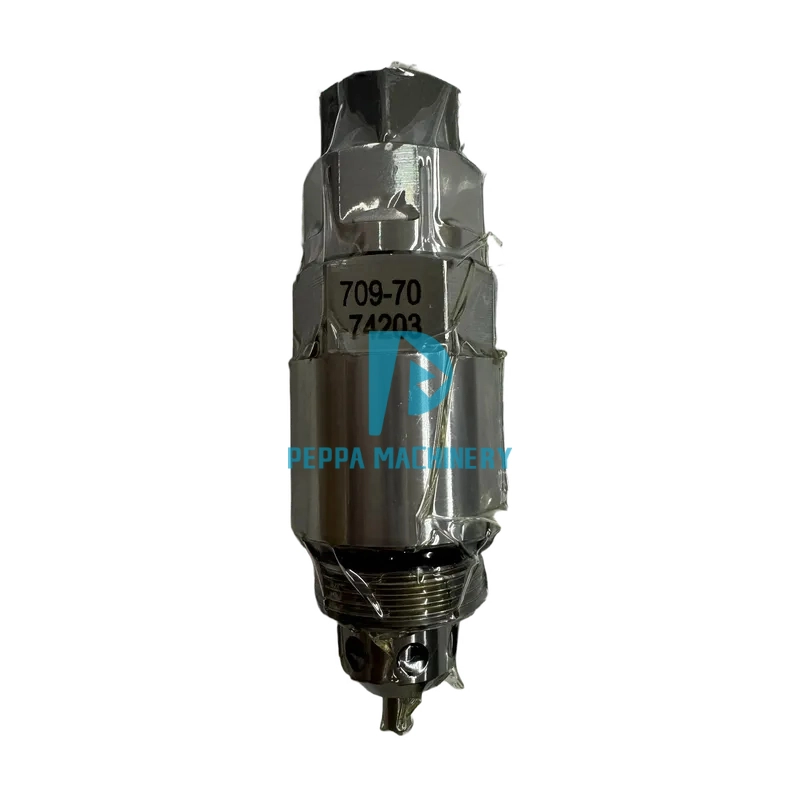
709-70-74203 7097074203 Relief Valve for PC200-5 PC200-6

4BG1 6BG1 Liner Set 1878141050 1-87814105-0 1878141060 1-87814106-0 1878141070 1-87814107-0 Genuine Engine Parts
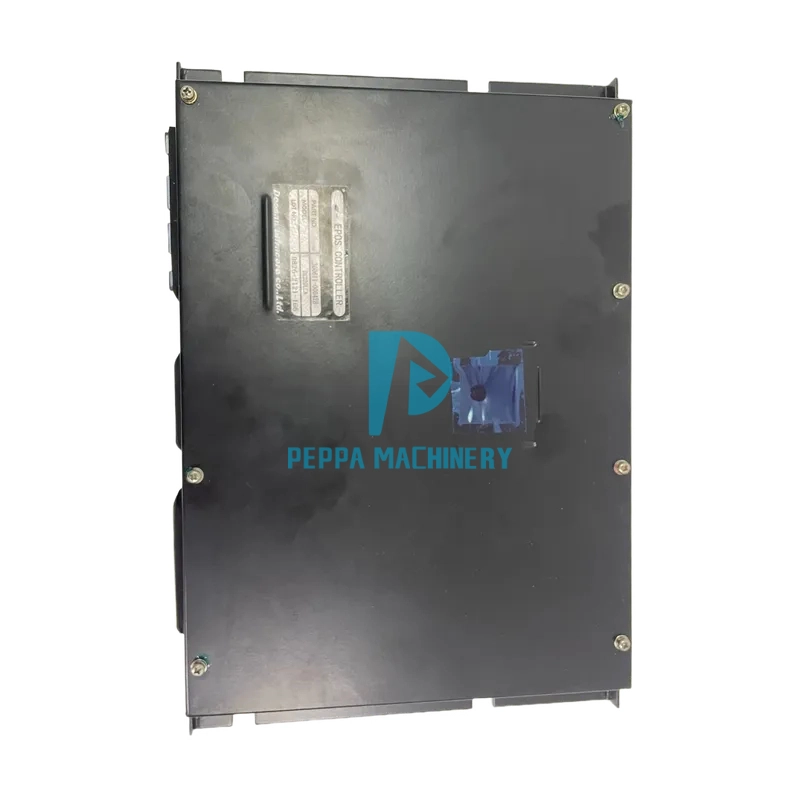
Direct-Injection Engine ECU Electric Controller 300611-00042B New Condition Iron Material for DX220LCA Excavator
Excavator Parts
Can I get help choosing the right parts for my machine?
Yes. Our experienced sales team is here to provide professional recommendations and solutions based on your excavator model, part number, or specific requirements.
Are your parts genuine or OEM?
We offer both genuine parts and high-quality OEM alternatives. You can choose according to your budget and application needs. All OEM products are tested to meet or exceed original specifications.
What brands of excavator parts do you supply?
We supply a full range of parts compatible with major international and Chinese brands, including Caterpillar, Komatsu, Hitachi, Volvo, Doosan, Hyundai, Sany, Liugong, XCMG, Zoomlion, and more.
What types of parts do you mainly offer?
Our main product categories include:
• Engine parts (liner kits, crankshafts, water/oil pumps, etc.)
• Electrical parts (sensors, monitors, throttle motors, wiring harnesses)
• Hydraulic parts (pumps, valves, cylinders)
• Sealing kits (NOK, SKF, PQ brands, floating seals, O-rings)
Do you provide technical support or installation guidance?
While we do not offer on-site installation, we can provide basic technical advice, diagrams, or documentation to assist your technicians with installation and troubleshooting.
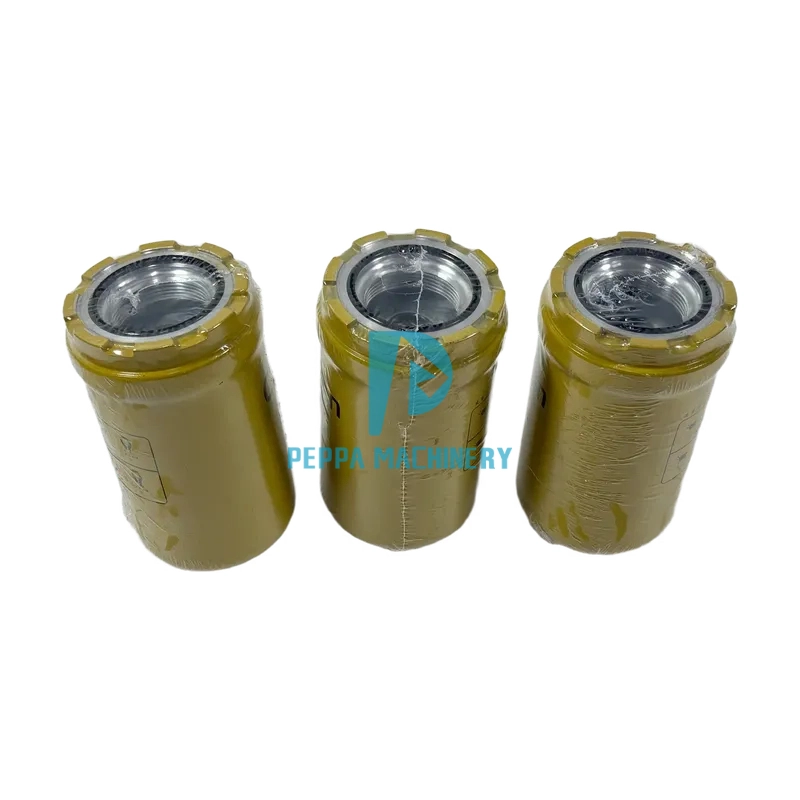
51-8670 Hydraulic Filter Applicable to HF35519 518670 2897836 518670X 1588987 Compatible with Caterpillar 352FVG 325CL
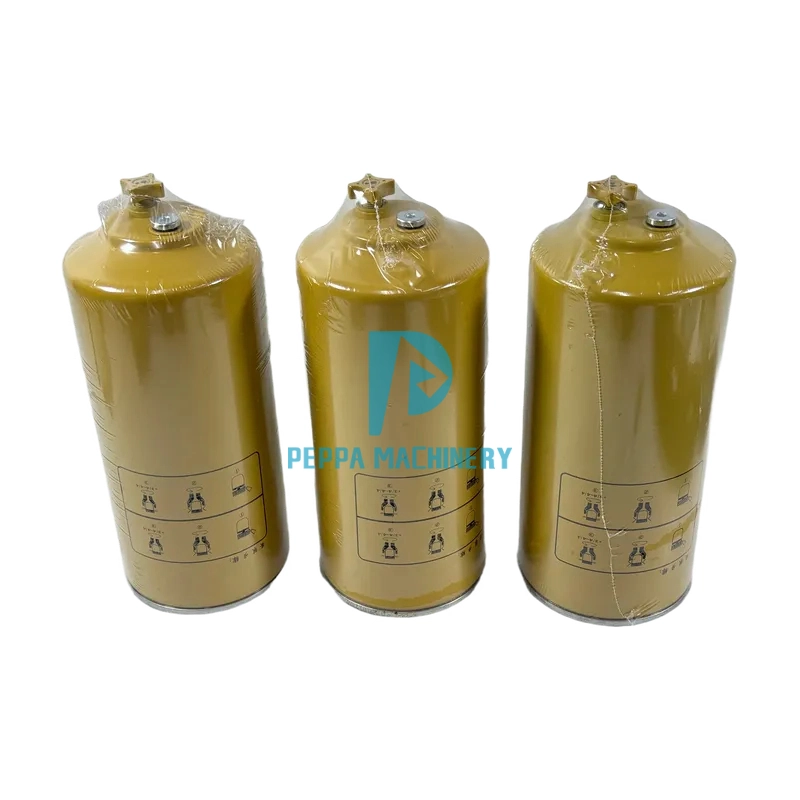
4385386 Fuel Water Separator Fuel Filter 382-0664 Oil-water Separator Hydraulic Oil Filter for CAT 312D2 320D2
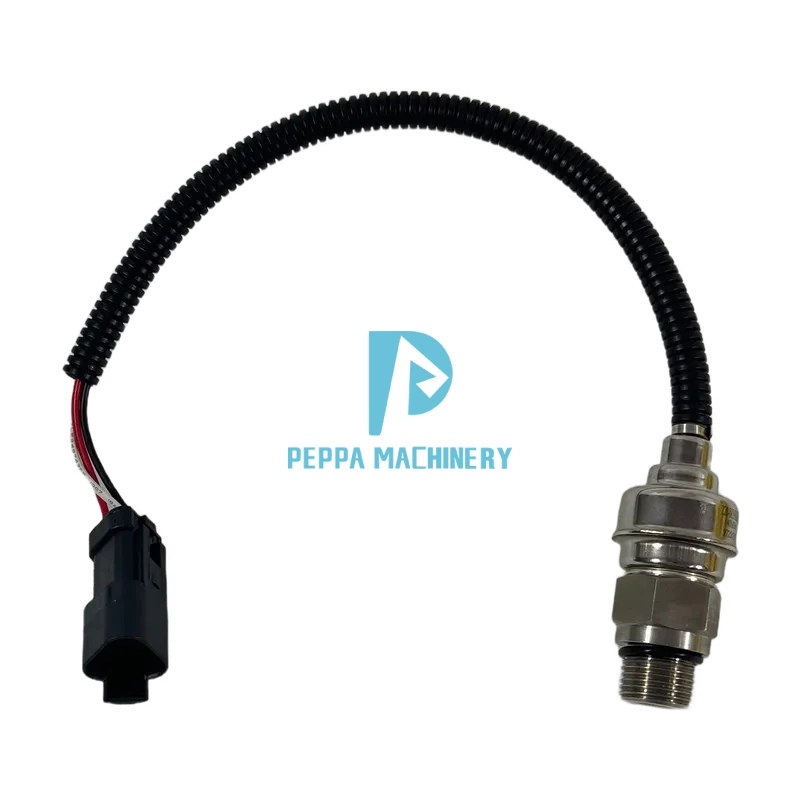
Pressure Sensor 221-8859 106-0178 for Caterpillar CAT 311B 311C 312C 314D 315B 320C 323D 324D 330C 336D 345B 385C
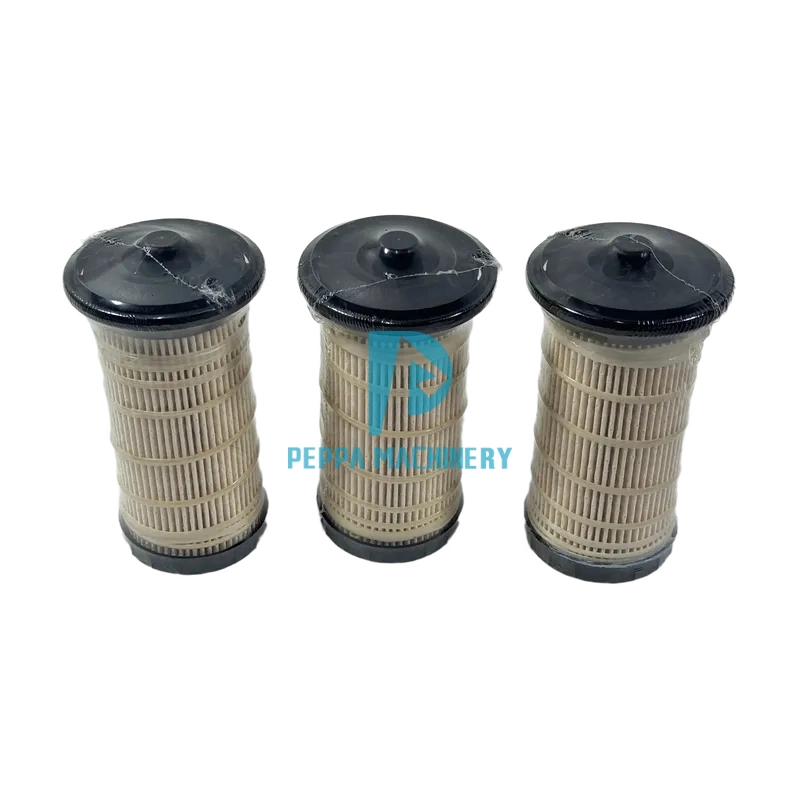
360-8960 Fuel Filter Element for Caterpillar C4.4 & C7.1 Engines | Fits 312D, 320D, 312E, 320E, 326D2, 336D2 Excavators
Get more information
Want to know more? Contact us today to get detailed product specifications, customized solutions, and a free consultation tailored to your needs.
Rest assured that your privacy is important to us, and all information provided will be handled with the utmost confidentiality.

Reliable Source for Quality Excavator Components.
Follow Us
Our Partners


Our Payment Methods


 High Quality
 7/24 Service
 Guaranteed Warranty
 Scan QR Code
Facebook
TikTok
YouTube
Pinterest
Twitter