








Excavator Fuel Pump Guide: Symptoms, Causes of Failure, and How It Works
- Introduction
- What is an excavator fuel pump and how does it work?
- What are the most common symptoms of a bad excavator fuel pump?
- What causes an excavator fuel pump to fail?
- How long does an excavator fuel pump typically last?
- How do you test and diagnose a faulty excavator fuel pump?
- Can you still operate an excavator with a failing fuel pump?
- How do you replace an excavator fuel pump?
- What are the maintenance requirements to extend the life of an excavator fuel pump?
- Conclusion
- Call to Action
Introduction
When operating heavy machinery, the heart of your engine's performance lies in its fuel delivery. An excavator fuel pump is an incredibly precise and robust component responsible for pulling diesel from the tank and delivering it to the engine under intense pressure. Without a functioning pump, even the most powerful excavator is reduced to a massive, immovable piece of metal on the job site.
Understanding the intricacies of your machine's fuel delivery network is vital for anyone involved in heavy equipment maintenance. As emission standards have become stricter and engine designs more advanced, the demands placed on these pumps have skyrocketed. They are no longer just simple transfer devices; they are highly engineered diesel engine components that operate at extreme pressures to ensure optimal combustion.
In this comprehensive guide, we will dive deep into everything you need to know about excavator fuel pumps. From recognizing the early warning signs of failure to understanding their internal mechanics and lifespan, this article provides the essential knowledge required to keep your machinery running efficiently and profitably.
What is an excavator fuel pump and how does it work?
An excavator fuel pump is a critical mechanical or electronic device that transports diesel fuel from the storage tank to the engine's combustion chambers. In modern heavy equipment, this process is usually handled by a two-stage system. The first stage involves a low-pressure lift pump that draws the diesel out of the tank and pushes it through a series of primary filters and water separators.
Once the fuel is cleaned of impurities, it reaches the high-pressure fuel injection system. This is where the magic happens. The high-pressure pump compresses the diesel to extraordinary levels—often exceeding 30,000 PSI in modern common rail setups. This immense pressure is necessary to force the fuel through the microscopic holes in the fuel injectors, atomizing the diesel into a fine mist that ignites instantly upon compression in the cylinder.
As noted by mtu Solutions, modern common rail fuel injection systems are intricately designed to inject fuel at high pressure at precisely the right moment, while accurately metering the quantity to reduce emissions and maximize power. By controlling the timing and volume electronically, these pumps allow excavators to tackle massive workloads while remaining remarkably fuel-efficient.
What are the most common symptoms of a bad excavator fuel pump?
Identifying a failing pump early can save thousands of dollars in secondary engine damage. Operators must remain vigilant and monitor the machine for any changes in performance, as early detection prevents catastrophic fuel injection system failures.
The most prevalent indicators include:
- Hard-start or no-start conditions: A pump that cannot build adequate pressure leaves the engine cranking without firing.
- Unexplained power loss: When the excavator is under load, a weak pump fails to deliver the demanded volume, causing sputtering.
- Abnormal exhaust smoke: Inconsistent fuel pressure leads to incomplete combustion, producing thick black or white exhaust smoke.
If any of these symptoms appear during operation, it is a clear sign that the internal mechanisms of the pump are struggling. Ignoring these warnings often results in the excavator stalling completely during a critical lift, creating both a safety hazard and a costly recovery situation.
What causes an excavator fuel pump to fail?
While these pumps are built for extreme durability, they are not invincible. The precision engineering required to generate high pressure makes them highly susceptible to certain external factors and operational habits.
The primary culprits behind pump failure include:
- Fuel Contamination: Dirt, rust, and water destroy the diesel's lubricating properties and act like sandpaper on internal diesel engine components.
- Running Dry: According to heavy equipment experts at EquipmentShare, maintaining optimal fuel flow is an absolute requirement; running out of fuel causes catastrophic metal-to-metal friction.
- Neglected Maintenance: Operating with clogged filters forces the lift pump to work twice as hard, leading to premature motor burnout and seal degradation.
Ultimately, normal wear and tear will eventually degrade any mechanical device, but operator error and poor fluid management accelerate this process exponentially. By understanding these root causes, site managers can implement better fueling protocols to protect their machinery.
How long does an excavator fuel pump typically last?
The lifespan of an excavator fuel pump varies significantly depending on the operating environment, fuel quality, and adherence to maintenance schedules. On average, a high-quality OEM fuel pump in a heavy-duty excavator is designed to last between 5,000 and 10,000 operating hours. For machines that are meticulously maintained, it is not uncommon to see pumps easily exceed this benchmark before requiring a rebuild or replacement.
However, it is important to contrast this with automotive equivalents to understand the scale of endurance. Specialists at United Diesel Repair note that while highway diesel truck pumps average a lifespan of around 100,000 miles, heavy machinery is subjected to constant, high-RPM static loads in dust-filled environments. This makes hours of operation a much more accurate metric for excavators than mileage.
Aftermarket replacement pumps or remanufactured units may have a slightly shorter lifespan if not rebuilt to exact factory specifications. To maximize the longevity of any fuel pump, fleet managers must strictly adhere to OEM guidelines regarding fluid cleanliness, filter replacement intervals, and daily water-separator drainage.
How do you test and diagnose a faulty excavator fuel pump?
Proper diagnosis begins with a thorough visual and electronic inspection. Mechanics will first hook up a diagnostic scanner to the excavator's Electronic Control Module (ECM) to check for specific fault codes related to fuel rail pressure or delivery timing. Simultaneously, they will inspect the external fuel lines for obvious leaks, kinks, or collapsed hoses that could be restricting flow.
If the electronic data points to a pressure issue, the next step involves manual mechanical testing. Technicians will attach a mechanical pressure gauge to the low-pressure lift pump to ensure it is delivering the correct baseline pressure to the injection pump. Following this, they test the high-pressure side to verify if the pump can reach the manufacturer's specified output (often tens of thousands of PSI) under load.
One of the most telling diagnostic tests is inspecting the primary and secondary fuel filters. If a mechanic cuts open a fuel filter and discovers microscopic metal shavings or "glitter," it is a definitive confirmation that the internal components of the high-pressure fuel pump are disintegrating. In this scenario, testing is complete, and a full system replacement and flush are immediately required.
Can you still operate an excavator with a failing fuel pump?
While an excavator might technically still turn on and move with a failing fuel pump, operating it in this condition is highly discouraged and incredibly risky. A weak pump will starve the engine of fuel, making it unpredictable. The machine could stall out abruptly while swinging a heavy load or tracking across an incline, creating a severe safety hazard for the operator and ground crew.
Beyond safety, the financial risks of continuing to run the machine are massive. As the internal components of a failing pump grind together, they shed fine metal debris. This contaminated fuel is then forced directly into the delicate and expensive fuel injection system. What could have been a simple pump replacement quickly escalates into replacing all the injectors and the common rail, easily tripling the repair bill.
Ultimately, attempting to squeeze a few more hours of productivity out of a dying pump will result in exponentially higher downtime and repair costs. If you notice symptoms of fuel starvation or pressure loss, the most cost-effective decision is to ground the equipment immediately and call a certified diesel technician.
How do you replace an excavator fuel pump?
Replacing an excavator fuel pump is a complex procedure that requires strict cleanliness and technical expertise. The process begins with extensive preparation: the machine must be parked in a clean environment, the battery disconnected, and the entire area around the pump thoroughly pressure-washed. Even a single grain of sand entering the open fuel lines during the swap can destroy the new pump instantly.
Next, the technician carefully relieves the residual pressure in the fuel system before disconnecting the high-pressure steel lines, low-pressure supply hoses, and electronic sensor harnesses. The pump is then unbolted from its mounting point, which is often directly gear-driven by the engine's timing cover. Care must be taken to ensure the engine timing is locked or marked correctly, as the injection pump's timing is critical for engine operation.
Once the new pump is seated and bolted to the correct torque specifications, all lines are reconnected using new seals and O-rings. The final and most crucial step is bleeding the system. The technician must prime the lift pump and bleed all trapped air out of the fuel lines and filters before attempting to start the engine, ensuring the new pump does not run dry upon ignition.
What are the maintenance requirements to extend the life of an excavator fuel pump?
Maximizing the operational life of your pump requires a proactive and disciplined approach to daily and scheduled upkeep. Preventative care is always far cheaper than replacing an entire high-pressure system.
To keep your equipment in peak condition, adhere to these maintenance requirements:
- Strict Filter Replacements: Use high-quality OEM filters and replace them exactly as specified by the manufacturer (typically every 250 to 500 hours).
- Daily Water Management: Drain the water separator during your morning walk-around inspection to prevent internal rust.
- Smart Tank Practices: Always top off the fuel tank at the end of a shift to push out warm air and prevent overnight condensation.
Implementing these straightforward heavy equipment maintenance habits ensures that only clean, lubricated, and water-free diesel enters the pump. This dramatically reduces internal wear, preserving the efficiency and longevity of your excavator for years to come.
Conclusion
The fuel pump is the undisputed lifeline of your excavator's diesel engine. From the low-pressure lift pump to the incredibly precise high-pressure common rail injection system, these components work in perfect harmony to turn diesel into raw digging power. Understanding how they operate, recognizing the symptoms of failure, and knowing what causes them to break down empowers equipment owners to take a proactive approach to machine health.
By prioritizing clean fuel, strict maintenance schedules, and rapid diagnostics, you can easily maximize the lifespan of your pump and avoid catastrophic engine failures. Remember that when it comes to diesel engines, preventative care is always a fraction of the cost of reactive repairs. Keep your filters clean, your tank full, and your fuel water-free, and your excavator will continue to perform flawlessly on the toughest jobs.
Call to Action
Contact our team of heavy equipment specialists today to schedule a comprehensive diagnostic check or to source high-quality replacement fuel pumps for your machinery.

Isuzu SP 4JG1 4JG2 4JG3 Cylinder Liner 1876182070 1-87618207-0 1876182080 1-87618208-0 1876182100 1-87618210-0
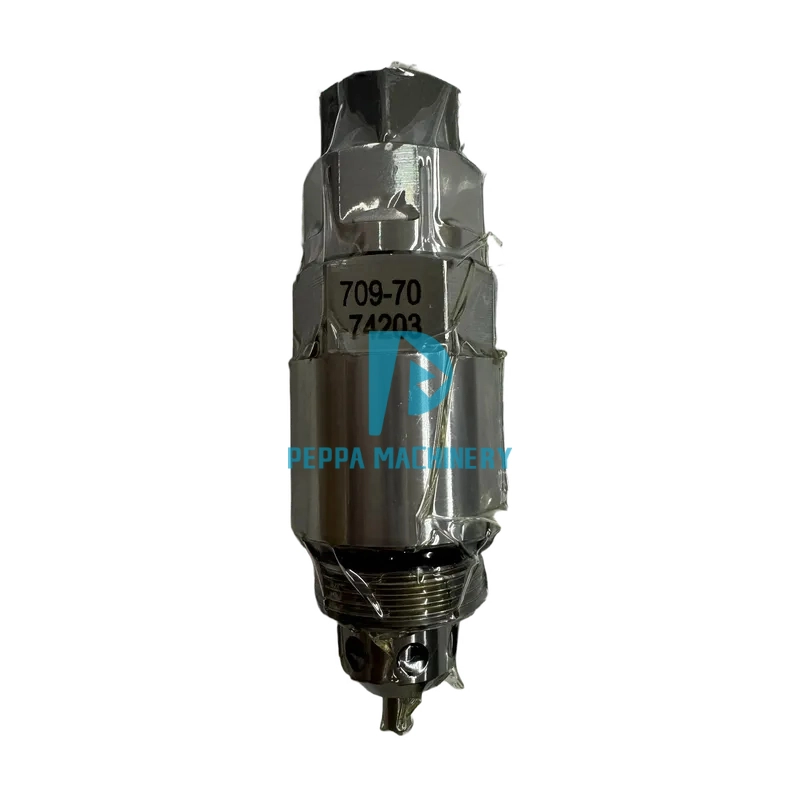
709-70-74203 7097074203 Relief Valve for PC200-5 PC200-6

4BG1 6BG1 Liner Set 1878141050 1-87814105-0 1878141060 1-87814106-0 1878141070 1-87814107-0 Genuine Engine Parts
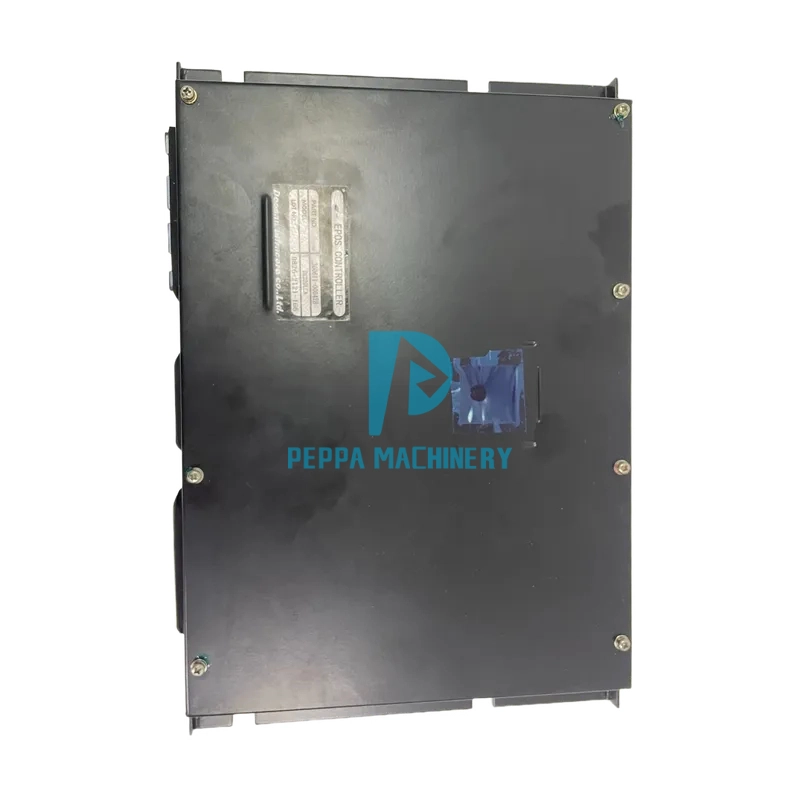
Direct-Injection Engine ECU Electric Controller 300611-00042B New Condition Iron Material for DX220LCA Excavator
Excavator Parts
Are your parts genuine or OEM?
We offer both genuine parts and high-quality OEM alternatives. You can choose according to your budget and application needs. All OEM products are tested to meet or exceed original specifications.
What types of parts do you mainly offer?
Our main product categories include:
• Engine parts (liner kits, crankshafts, water/oil pumps, etc.)
• Electrical parts (sensors, monitors, throttle motors, wiring harnesses)
• Hydraulic parts (pumps, valves, cylinders)
• Sealing kits (NOK, SKF, PQ brands, floating seals, O-rings)
What brands of excavator parts do you supply?
We supply a full range of parts compatible with major international and Chinese brands, including Caterpillar, Komatsu, Hitachi, Volvo, Doosan, Hyundai, Sany, Liugong, XCMG, Zoomlion, and more.
How can I verify compatibility before placing an order?
Please provide us with your machine brand, model number, and the part number (if available). Our team will double-check the compatibility to ensure you receive the correct parts.
Do you provide technical support or installation guidance?
While we do not offer on-site installation, we can provide basic technical advice, diagrams, or documentation to assist your technicians with installation and troubleshooting.
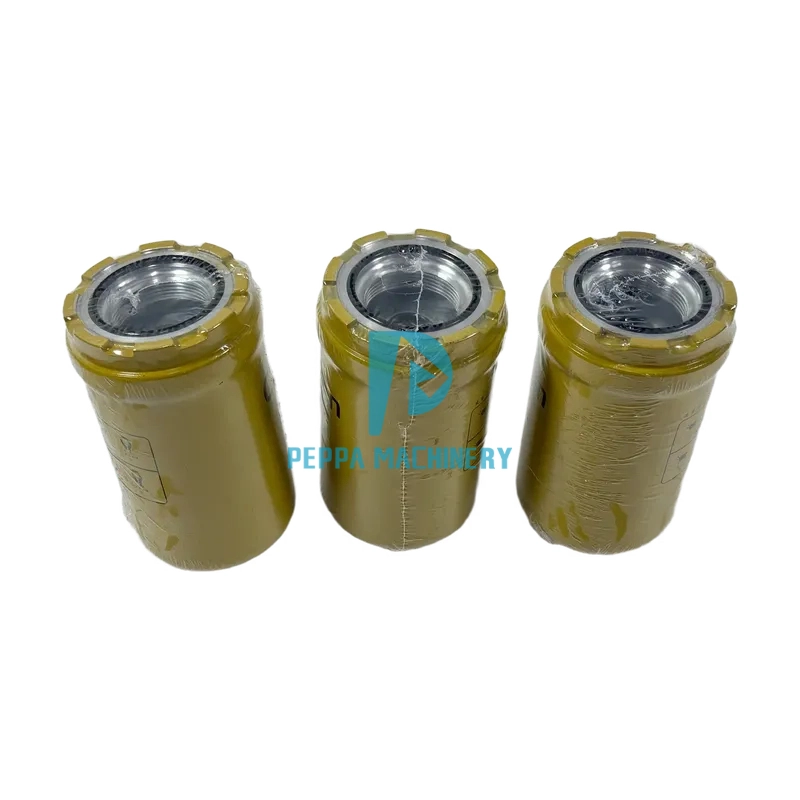
51-8670 Hydraulic Filter Applicable to HF35519 518670 2897836 518670X 1588987 Compatible with Caterpillar 352FVG 325CL
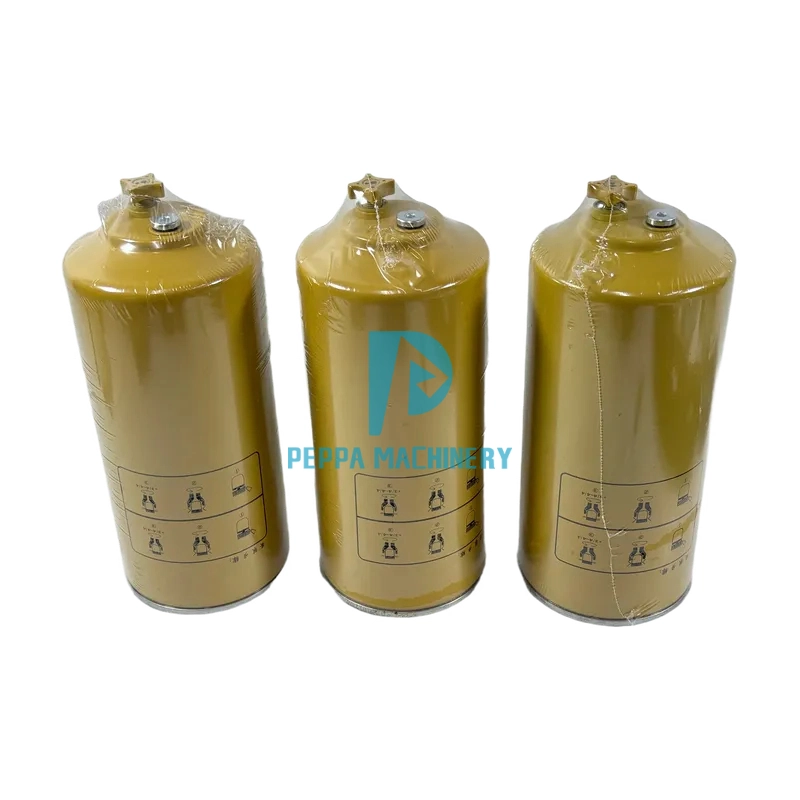
4385386 Fuel Water Separator Fuel Filter 382-0664 Oil-water Separator Hydraulic Oil Filter for CAT 312D2 320D2
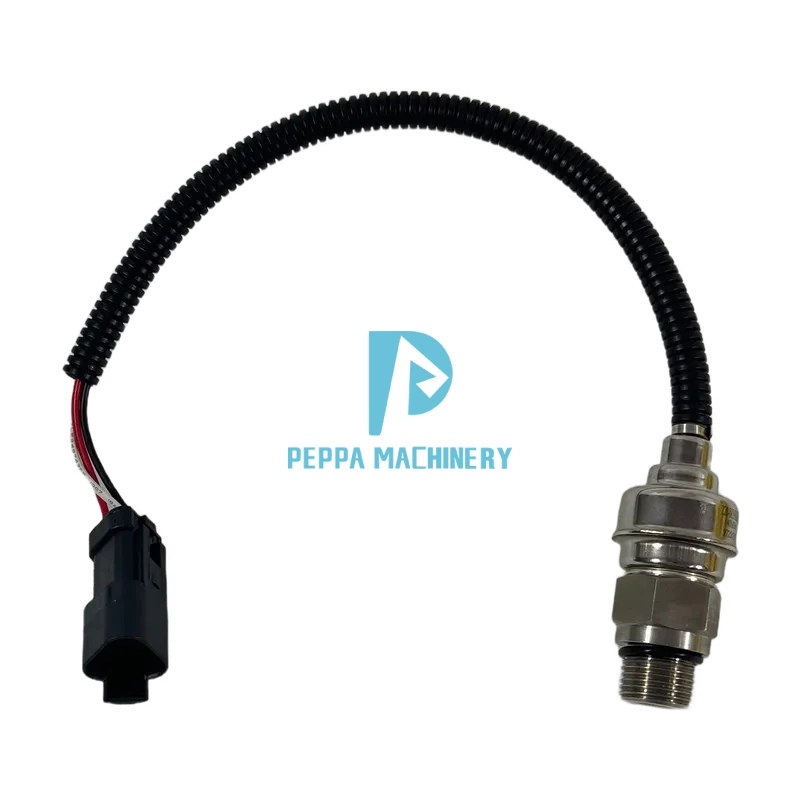
Pressure Sensor 221-8859 106-0178 for Caterpillar CAT 311B 311C 312C 314D 315B 320C 323D 324D 330C 336D 345B 385C
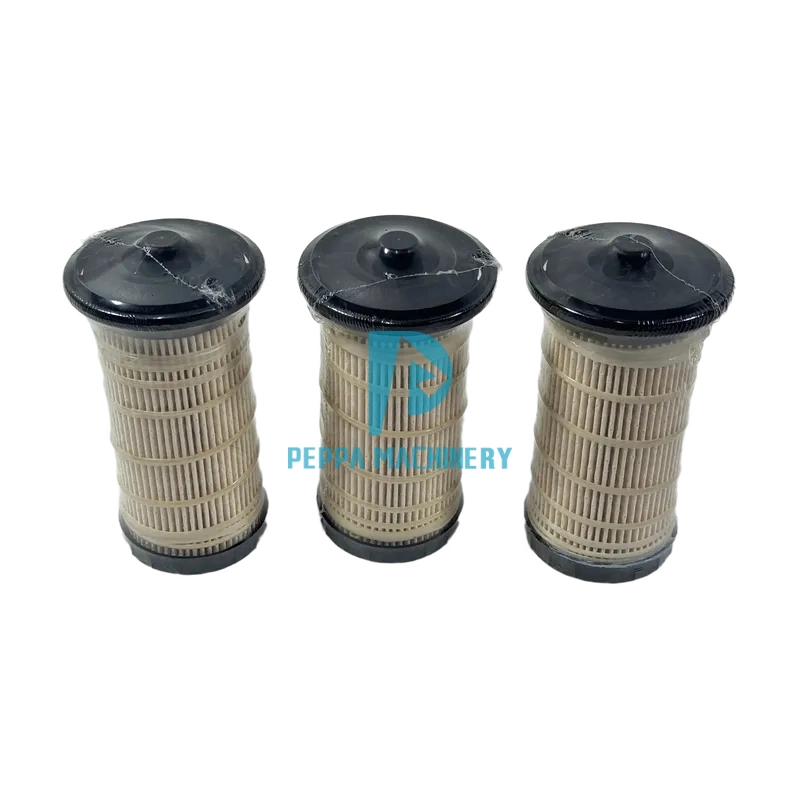
360-8960 Fuel Filter Element for Caterpillar C4.4 & C7.1 Engines | Fits 312D, 320D, 312E, 320E, 326D2, 336D2 Excavators
Get more information
Want to know more? Contact us today to get detailed product specifications, customized solutions, and a free consultation tailored to your needs.
Rest assured that your privacy is important to us, and all information provided will be handled with the utmost confidentiality.

Reliable Source for Quality Excavator Components.
Follow Us
Our Partners


Our Payment Methods


 High Quality
 7/24 Service
 Guaranteed Warranty
 Scan QR Code
Facebook
TikTok
YouTube
Pinterest
Twitter