








The Ultimate Guide to the Mini Turbocharger: How It Works and Boosting Small Engines
Discover the mechanics and benefits of mini turbochargers in this comprehensive guide. Learn how forced induction can drastically improve the horsepower and fuel efficiency of small-displacement engines while exploring maintenance tips to extend the life of your turbo.
- Introduction
- What is a mini turbocharger?
- How does a mini turbocharger work?
- Can you install a turbocharger on a small engine?
- How much horsepower does a mini turbocharger add?
- Does a mini turbocharger improve fuel efficiency?
- What are the common symptoms of mini turbocharger failure?
- Why do mini turbochargers fail?
- How can you maintain and extend the life of a mini turbocharger?
- Conclusion
- Call to Action
Introduction
There is something undeniably thrilling about a small engine that punches far above its weight class. For decades, mechanical enthusiasts and engineers have sought ways to extract maximum performance from compact motors without simply increasing their physical footprint.
Enter the mini turbocharger—a compact marvel of engineering designed to transform sluggish small engines into high-performing powerhouses. Whether you are modifying a recreational vehicle or looking to improve the efficiency of industrial equipment, understanding this technology is the first step toward achieving your performance goals.
In this comprehensive guide, we will explore everything you need to know about the mini turbocharger. From the foundational mechanics of how it operates to practical advice on installation, expected horsepower gains, and crucial maintenance tips, this article provides the ultimate roadmap for boosting your small engine safely and effectively.
What is a mini turbocharger?
A mini turbocharger is essentially a scaled-down version of a standard turbocharger. It operates on the exact same principles as the units found in modern passenger cars and commercial trucks but is engineered with a much smaller physical footprint.
It is designed specifically for a small displacement engine, typically ranging from 190cc to 1000cc. Because of their compact size, they are incredibly versatile and can be adapted to fit in tight engine bays where traditional forced induction systems would never fit.
Despite their miniature size, these units feature all the critical components of their larger counterparts. They contain a compressor housing to draw in air, a center cartridge with oil-lubricated bearings, and a internal wastegate to carefully regulate exhaust flow and prevent over-pressurization.
By utilizing these miniature forced induction systems, mechanics can dramatically increase the volumetric efficiency of small engines. This allows recreational vehicles like go-karts, ATVs, dirt bikes, and even small tractors to produce immense, reliable power.
How does a mini turbocharger work?
The core principle of forced induction remains the same regardless of the turbocharger's size. Instead of relying solely on atmospheric pressure and engine vacuum to draw air into the cylinders, the system forcibly pushes dense, compressed air into the intake.
According to Wikipedia, a turbocharger is powered by the kinetic energy of the engine's exhaust gases, which distinguishes it from mechanically driven superchargers. The hot, expanding exhaust flows out of the engine and into the turbo's turbine housing, spinning the exhaust gas turbine at incredibly high speeds.
This turbine is connected via a rigid center shaft to a compressor wheel located in the opposite housing. As the exhaust spins the turbine, the compressor wheel rotates simultaneously, drawing in ambient air, compressing it, and forcing it directly into the engine's intake manifold.
Because the air is tightly compressed, it packs far more oxygen molecules into the same physical volume. When this dense air is combined with a proportionately larger amount of fuel, it creates a much more powerful combustion event, significantly boosting the engine's overall power output and torque.
Can you install a turbocharger on a small engine?
Yes, installing a turbo on a small engine is entirely possible and has become increasingly popular among both amateur mechanics and professional tuners looking for extreme performance gains.
You will frequently find mini turbos, such as the widely used VZ21 model, retrofitted onto dirt bikes, snowmobiles, side-by-sides, and even upgraded lawnmowers. They are also used in compact industrial and agricultural equipment to improve heavy lifting capabilities without swapping to a larger motor.
For industrial applications, such as upgrading compact construction machinery, modifying the powertrain requires careful planning. If you are working on heavy-duty small machinery, referencing a comprehensive Excavator Parts Guide can help you identify the surrounding hydraulic and mechanical components that might need reinforcement to handle the extra power.
The installation process itself generally requires custom fabrication. You will need to fabricate a custom exhaust manifold to mount the turbo, run proper oil feed and drain lines tapped into the engine block to lubricate the bearings, and build custom intake piping to route the compressed air into the carburetor or throttle body.
How much horsepower does a mini turbocharger add?
The exact power increase you can expect depends heavily on the engine's baseline performance, its structural integrity, and the amount of boost pressure generated by the turbocharger.
On average, a well-tuned mini turbocharger setup can easily increase a small engine's horsepower by 30% to 50% on relatively low, safe boost settings. This allows for a massive transformation in the vehicle's acceleration, towing capacity, and top speed.
For example, on a 500cc engine originally making 40 horsepower, adding a mini turbo at a conservative boost level could push the output to 60 horsepower. In extreme custom racing builds, pushing 12 to 15 psi of boost can effectively double the factory horsepower output, bringing it closer to 80 or 90 horsepower.
However, it is vital to upgrade internal engine components, such as forged pistons and stronger connecting rods, if you plan on running high boost levels. Small, naturally aspirated engines are not always built to handle the extreme cylinder pressures created by heavy forced induction.
Does a mini turbocharger improve fuel efficiency?
Interestingly, yes—turbocharging is a highly effective tool for improving fuel economy when implemented correctly, which is why major automakers have universally embraced the technology over the last decade.
The automotive industry heavily utilizes the concept of engine downsizing. By replacing a larger, heavier naturally aspirated engine with a smaller turbocharged one, you reduce overall engine weight and internal frictional losses while effortlessly maintaining the same peak power output.
As reported by Car and Driver, real-world highway testing of turbocharged vehicles often shows that they can match or exceed their official EPA fuel-economy estimates, validating the efficiency of exhaust-driven forced induction during steady-state cruising.
When a small turbocharged engine is off-boost—such as when idling or maintaining a low cruising speed—it consumes fuel at the lower rate of a standard small engine. It only consumes extra fuel when you demand maximum acceleration and the turbo spools up, offering an excellent, dynamic balance of everyday economy and on-demand performance.
What are the common symptoms of mini turbocharger failure?
Recognizing the signs of a failing mini turbo early can save your engine from catastrophic damage. Catching these warning signs prevents minor component wear from turning into a complete, expensive engine rebuild.
One of the most obvious symptoms is a sudden or gradual loss of engine power. If your vehicle feels sluggish, hesitates under load, or struggles to accelerate, the turbo may not be building adequate boost pressure to properly feed the engine.
Unusual noises are also a major red flag that should never be ignored. Listen carefully for the following sounds:
- Whining or Howling: Often described as a loud dentist drill sound, which strongly indicates internal bearing failure.
- Rattling: Usually points to a loose wastegate actuator flap or broken turbine blades clashing against the housing.
- Hissing: Suggests a boost leak in the charge pipes or intercooler rather than a mechanical failure of the turbo itself.
Finally, look out for excessive, thick exhaust smoke. Blue or gray smoke points to internal oil seals failing, allowing hot oil to leak into the exhaust or intake tract and burn alongside the fuel. Additionally, your vehicle's check engine light might illuminate due to unexpected manifold pressure readings.
Why do mini turbochargers fail?
Mini turbochargers operate under incredibly extreme conditions, spinning at upwards of 150,000 to 250,000 RPM while enduring scorching exhaust temperatures. Because of these harsh environments, even minor operational issues can lead to rapid mechanical failure.
Oil starvation or contamination is the absolute leading cause of premature turbo failure. Turbos rely on a constant, high-pressure flow of clean engine oil to lubricate and cool the high-speed shaft bearings. If the oil is dirty, degraded, or if the feed line becomes blocked, the internal bearings will be destroyed in a matter of seconds.
Foreign Object Damage (FOD) is another frequent culprit that physically ruins turbochargers. This destructive process can happen in two main areas:
- Compressor Damage: Dust, dirt, or debris bypassing a torn air filter will easily chip and erode the delicate aluminum compressor blades.
- Turbine Damage: Broken engine valves, spark plug tips, or severe carbon chunks exiting the combustion chamber can catastrophically destroy the exhaust gas turbine.
Lastly, excessive heat and over-speeding take a heavy toll. Pushing the turbo beyond its intended mechanical limits, improperly adjusting the boost controller, or failing to let the engine cool down before shutoff can warp internal components and crack the hot-side cast housing.
How can you maintain and extend the life of a mini turbocharger?
Proper, proactive maintenance is the absolute key to ensuring your mini turbocharger lasts just as long as the engine it is attached to.
First and foremost, you must strictly adhere to frequent oil changes using high-quality synthetic oil. Clean, thermally stable oil is the lifeblood of any turbocharged system, preventing dangerous friction and heat buildup within the center housing rotating assembly (CHRA).
Adopt smart driving habits, particularly during engine startup and shutdown. Allow the engine to idle and warm up for a minute before driving aggressively; this ensures the thick oil is fully circulated. Similarly, let the engine idle for a minute before shutting it off to allow fresh oil to cool the turbo, preventing stagnant oil from baking and coking onto the extremely hot bearings.
Finally, meticulously maintain your intake system. Regularly inspect and replace your engine air filter to prevent Foreign Object Damage (FOD) to the rapidly spinning compressor wheel. Additionally, periodically check your charge pipes and vacuum lines for leaks to ensure the turbo isn't overworking and over-speeding to compensate for lost air pressure.
Conclusion
The mini turbocharger is an incredible piece of engineering that brings the immense, proven benefits of forced induction to the fascinating world of small engines. By harnessing wasted exhaust energy, these compact devices deliver massive performance and efficiency gains.
Whether you are modifying a recreational off-road vehicle, upgrading a high-speed motorcycle, or enhancing compact industrial equipment, understanding how these devices operate allows you to maximize their potential safely and effectively.
By respecting their mechanical limits and adhering to strict maintenance protocols—especially regarding oil quality, air filtration, and temperature management—you can enjoy a reliable, massive boost in horsepower and efficiency for years to come.
Call to Action
If you are ready to upgrade your equipment with high-quality components or need expert advice on maximizing engine performance, contact us today for a personalized consultation!

Isuzu SP 4JG1 4JG2 4JG3 Cylinder Liner 1876182070 1-87618207-0 1876182080 1-87618208-0 1876182100 1-87618210-0
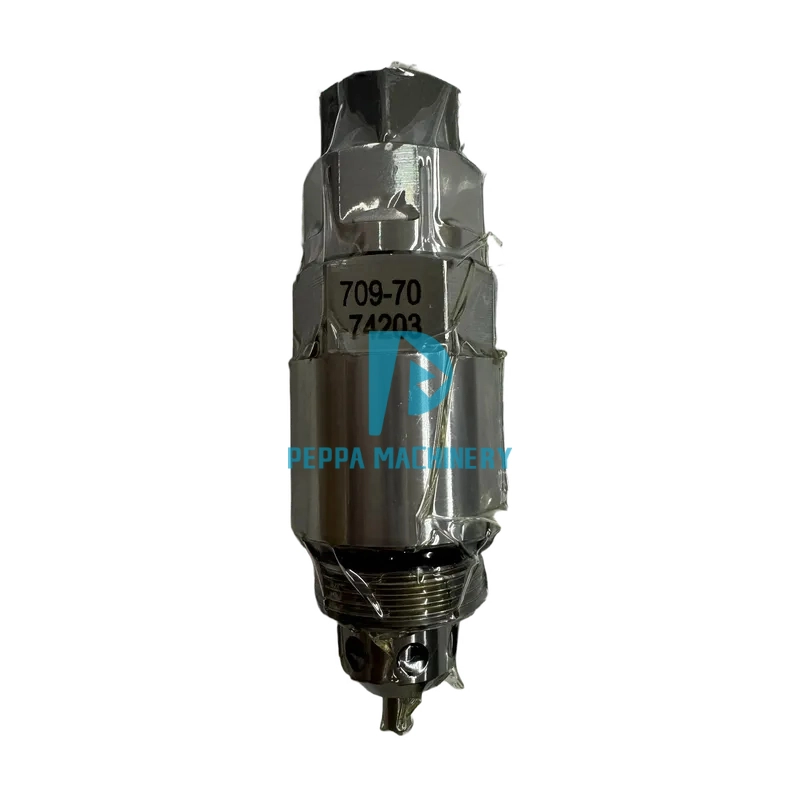
709-70-74203 7097074203 Relief Valve for PC200-5 PC200-6

4BG1 6BG1 Liner Set 1878141050 1-87814105-0 1878141060 1-87814106-0 1878141070 1-87814107-0 Genuine Engine Parts
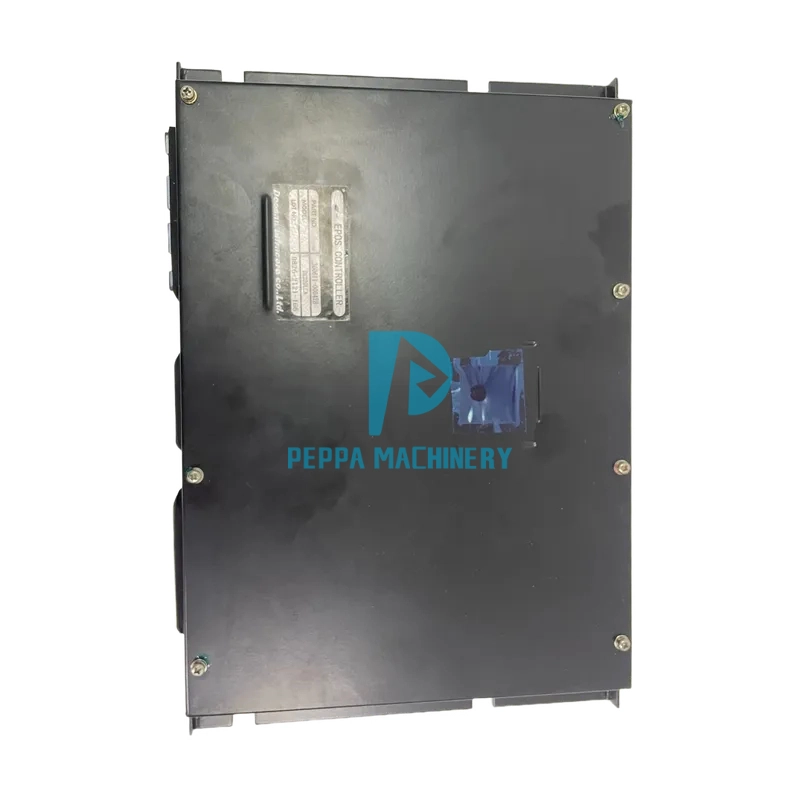
Direct-Injection Engine ECU Electric Controller 300611-00042B New Condition Iron Material for DX220LCA Excavator
Excavator Parts
What brands of excavator parts do you supply?
We supply a full range of parts compatible with major international and Chinese brands, including Caterpillar, Komatsu, Hitachi, Volvo, Doosan, Hyundai, Sany, Liugong, XCMG, Zoomlion, and more.
Are your parts genuine or OEM?
We offer both genuine parts and high-quality OEM alternatives. You can choose according to your budget and application needs. All OEM products are tested to meet or exceed original specifications.
Do you provide technical support or installation guidance?
While we do not offer on-site installation, we can provide basic technical advice, diagrams, or documentation to assist your technicians with installation and troubleshooting.
Can I get help choosing the right parts for my machine?
Yes. Our experienced sales team is here to provide professional recommendations and solutions based on your excavator model, part number, or specific requirements.
How can I verify compatibility before placing an order?
Please provide us with your machine brand, model number, and the part number (if available). Our team will double-check the compatibility to ensure you receive the correct parts.
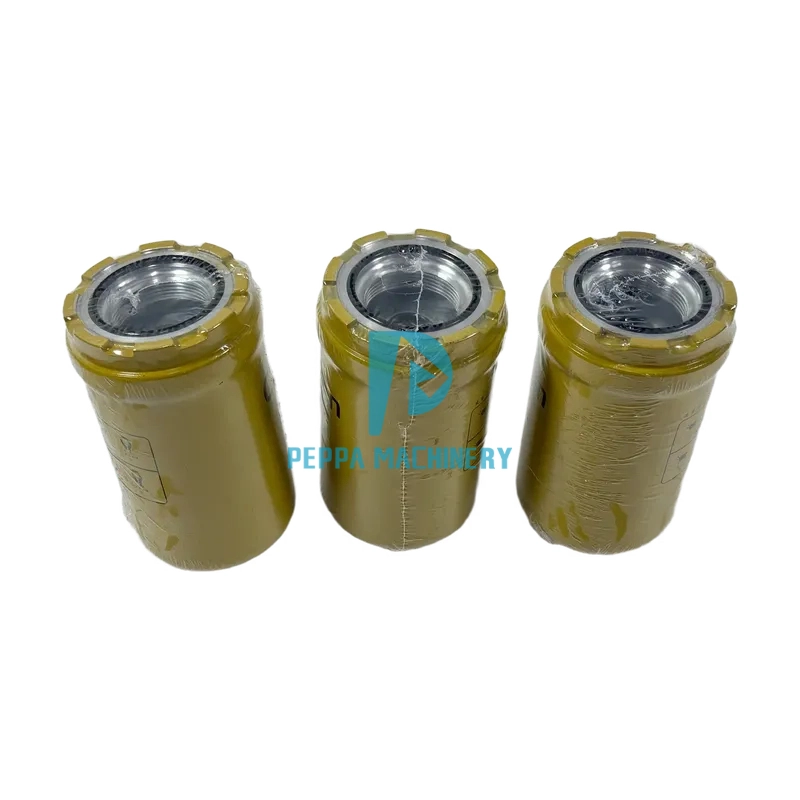
51-8670 Hydraulic Filter Applicable to HF35519 518670 2897836 518670X 1588987 Compatible with Caterpillar 352FVG 325CL
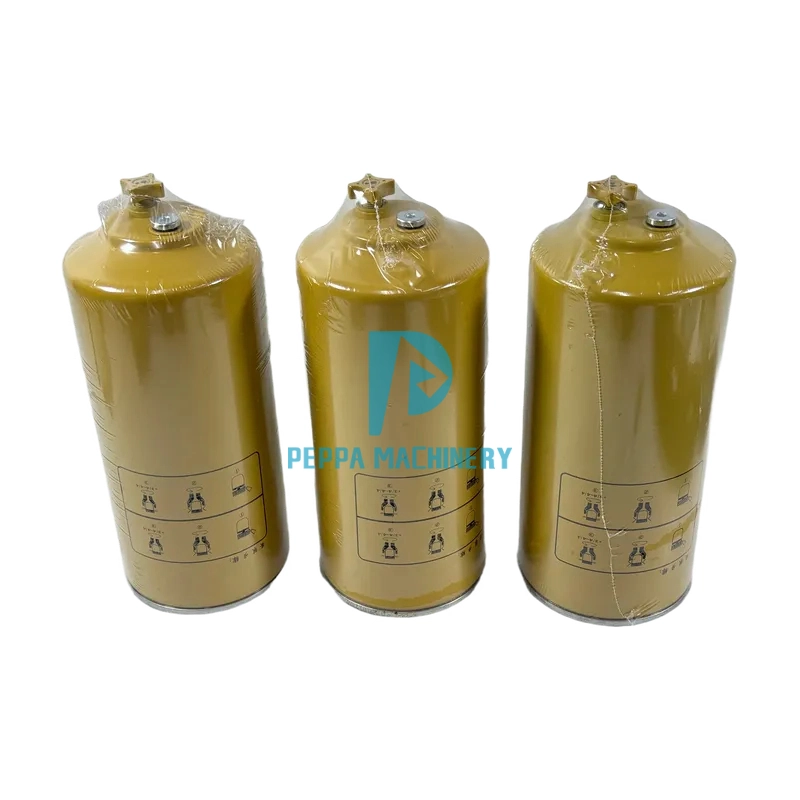
4385386 Fuel Water Separator Fuel Filter 382-0664 Oil-water Separator Hydraulic Oil Filter for CAT 312D2 320D2
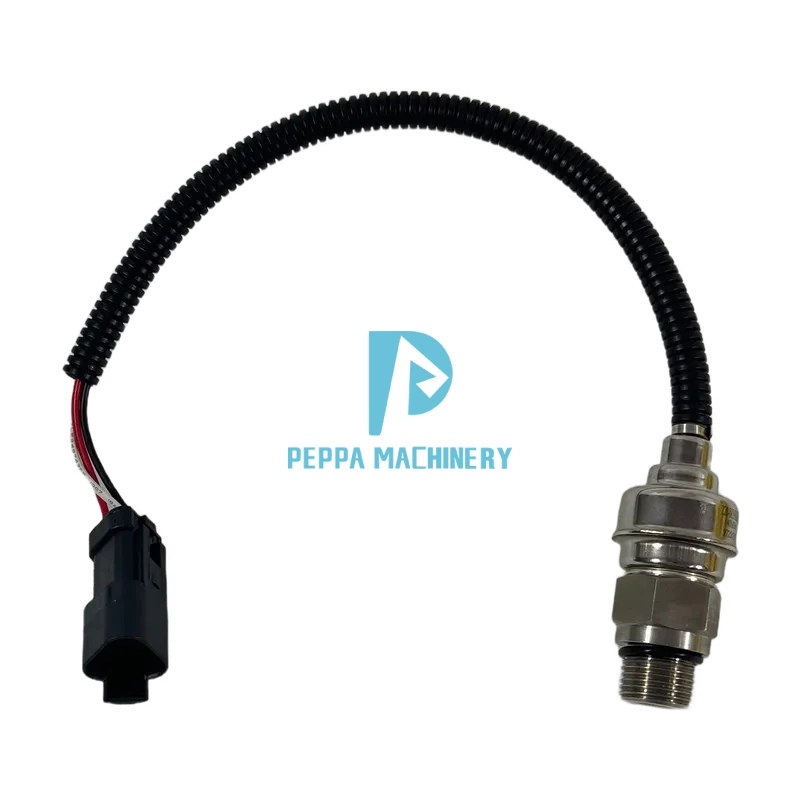
Pressure Sensor 221-8859 106-0178 for Caterpillar CAT 311B 311C 312C 314D 315B 320C 323D 324D 330C 336D 345B 385C
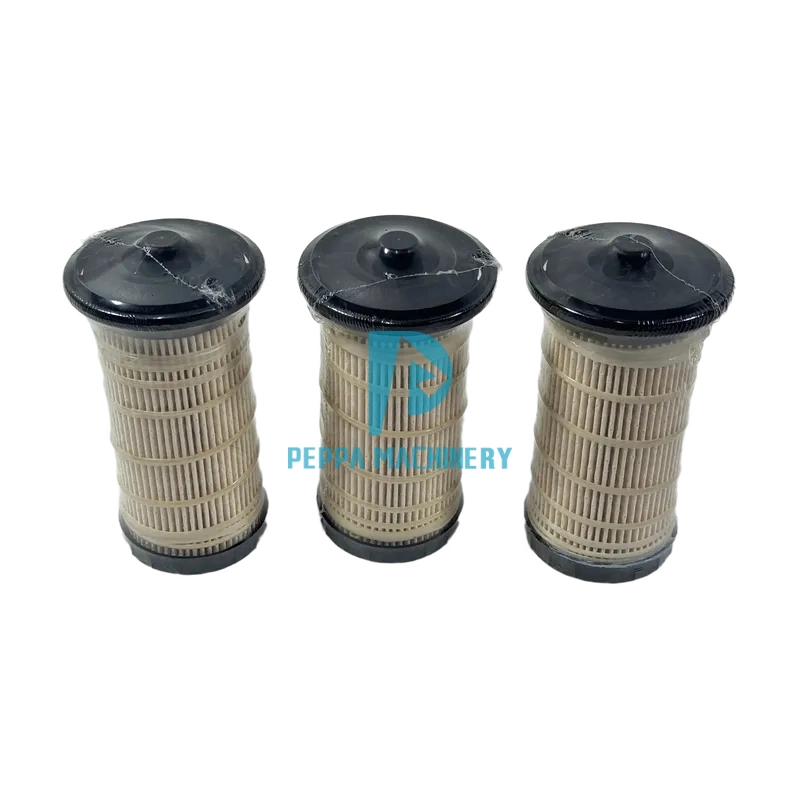
360-8960 Fuel Filter Element for Caterpillar C4.4 & C7.1 Engines | Fits 312D, 320D, 312E, 320E, 326D2, 336D2 Excavators
Get more information
Want to know more? Contact us today to get detailed product specifications, customized solutions, and a free consultation tailored to your needs.
Rest assured that your privacy is important to us, and all information provided will be handled with the utmost confidentiality.

Reliable Source for Quality Excavator Components.
Follow Us
Our Partners


Our Payment Methods


 High Quality
 7/24 Service
 Guaranteed Warranty
 Scan QR Code
Facebook
TikTok
YouTube
Pinterest
Twitter