








Glow Plugs Explained: How They Work and Why Your Diesel Engine Needs Them
- Introduction
- What does a glow plug do in a diesel engine?
- How do glow plugs work?
- What is the difference between a glow plug and a spark plug?
- What are the common symptoms of a bad glow plug?
- How long do glow plugs typically last?
- Can you start a diesel engine without glow plugs?
- How do you test a glow plug?
- What does it mean when the glow plug light stays on?
- Conclusion
- Call to Action
Introduction
If you own or operate a diesel vehicle, you might have wondered about the magic that happens when you turn the key on a freezing winter morning. Unlike their gasoline counterparts, diesel engines require a unique set of components to bring them to life, especially when the temperature drops. This is where the mighty glow plug steps into the spotlight.
Navigating the complexities of your vehicle's ignition system can feel overwhelming, but understanding these small, pencil-shaped heating devices is crucial for long-term engine health. They are the unsung heroes of the diesel combustion process, ensuring that your motor starts smoothly and efficiently, regardless of the weather outside.
In this comprehensive guide, we will break down everything you need to know about these essential components. From diagnosing cold start issues to exploring the inner workings of the combustion chamber, this article covers how these devices function, how to maintain them, and why your diesel engine simply cannot thrive without them.
What does a glow plug do in a diesel engine?
At its core, a glow plug acts as a localized heat source tailored specifically for a diesel engine's unique starting requirements. Because diesel engines rely heavily on high pressure and temperature to ignite fuel, starting them in frigid conditions presents a distinct thermodynamic challenge. The cold metal of the engine block absorbs the heat generated during the initial compression stroke, making spontaneous ignition highly difficult.
To counter this, glow plugs are installed directly into the cylinder head, with their tips extending into the combustion chamber (or pre-chamber). When activated, they rapidly heat up, introducing essential thermal energy into the surrounding air-fuel mixture. This pre-heating process raises the internal temperature of the cylinder to a critical threshold, guaranteeing that the diesel fuel vaporizes and ignites the moment it is injected.
Without this localized heat source, a diesel engine would struggle immensely to overcome the chilling effect of a cold block. By warming the internal environment, these components not only make starting possible but also promote a cleaner, more efficient initial burn. This reduces harmful exhaust emissions and prevents the heavy vibrations often associated with a struggling cold engine.
How do glow plugs work?
To understand how these devices operate, you have to look at their internal construction. A glow plug is essentially a specialized heater, designed to withstand the extreme pressures and corrosive gases found inside an engine. When you turn your ignition key to the "on" position (before cranking), the vehicle's electrical system sends battery voltage to the plug's internal heating element.
This electrical current passes through a carefully calibrated resistor coil housed within the metal tip. As the current flows, the high electrical resistance of the coil causes it to generate intense heat, often reaching temperatures upwards of 1,000°C (1,832°F) in a matter of seconds. As noted by industry experts at Wikipedia, a glow plug is a heating device used to aid starting of the engine in cold weather, remaining active until the engine reaches a minimum operating temperature.
Modern vehicles utilize advanced control modules to regulate this process. These modules monitor ambient temperature, engine coolant temperature, and other variables to calculate exactly how long the heating element needs to remain active. Some newer, three-phase systems even continue to supply a lower voltage to the plugs for a short period after the engine has started—a phase known as "after-glowing"—which helps stabilize the diesel combustion process and significantly cuts down on cold-start emissions.
What is the difference between a glow plug and a spark plug?
While both components play pivotal roles in an engine's ignition system, their functions and the types of engines they serve are entirely different. The fundamental distinction lies in how gasoline and diesel engines ignite their respective fuels. Gasoline engines require a direct, controlled spark to ignite a highly volatile air-fuel mixture, whereas diesel engines utilize spontaneous combustion triggered by intense compression and heat.
Because of this difference, spark plugs are strictly found in gasoline engines. They work continuously while the engine is running, receiving high-voltage electrical charges from an ignition coil to create a visible electrical spark across a tiny gap at their tip. This spark fires thousands of times per minute, initiating the combustion stroke every single time a cylinder cycles.
Conversely, glow plugs are exclusive to diesel engines and do not create a spark at all. Instead of firing continuously, they merely act as a temporary heating aid. As highlighted by Champion Auto Parts, spark plugs are only found in gasoline engines, whereas glow plugs are strictly used in diesel engines to pre-heat the cylinders rather than provide a continuous spark.
What are the common symptoms of a bad glow plug?
Identifying a failing component early can save you from being stranded on a freezing morning. Because the engine relies on this heat for proper ignition, a malfunctioning heating element will immediately disrupt the starting sequence. One of the most glaring symptoms is experiencing prolonged cranking times or absolute failure to start, which are classic cold start issues.
Another prominent red flag is the presence of thick, discolored exhaust smoke immediately after starting the engine. If a plug has failed, the diesel fuel injected into that specific cylinder may not burn completely. This unburned fuel is expelled through the exhaust manifold, typically manifesting as heavy dark grey or white smoke. Once the engine warms up and compression heat takes over, the smoke will often disappear.
Furthermore, a bad plug can severely impact your engine's idle quality. If one cylinder is not firing correctly due to a lack of initial heat, the engine will run unevenly, causing rough idling, juddering, or misfiring. Key symptoms to watch out for include:
- Hard starting or failure to start in winter weather.
- Rough idling and heavy engine vibration right after ignition.
- White or dark grey smoke pouring from the exhaust upon startup.
- Decreased fuel efficiency and a noticeable drop in acceleration power.
How long do glow plugs typically last?
Like any consumable automotive part, these heating elements have a finite lifespan. They endure incredibly harsh conditions, constantly expanding and contracting under extreme temperature fluctuations while facing the immense pressures of the combustion chamber. Despite this brutal environment, they are manufactured with durable materials like platinum and iridium to ensure impressive longevity.
On average, a quality set of glow plugs will easily last for several years before degrading. According to automotive service data from Bumper, you can generally expect your glow plugs to last between 80,000 to 100,000 miles under normal driving conditions. However, vehicles subjected to severe winter climates will naturally wear out their plugs faster because the elements are activated more frequently and for longer durations.
Maintenance practices also play a huge role in their longevity. Using high-quality diesel fuel, changing fuel filters regularly, and ensuring your vehicle's electrical system is outputting the correct voltage will prevent premature burnout. When it is finally time to replace them, mechanics universally recommend replacing the entire set at once, as the failure of one plug usually indicates that the others are nearing the end of their lifecycle as well.
Can you start a diesel engine without glow plugs?
The ability to start a diesel engine without functioning heating elements depends entirely on the ambient temperature and the specific engine design. In the heat of summer, or if the engine has already been running and is at operating temperature, the air drawn into the cylinders is often warm enough to facilitate spontaneous combustion through compression alone. In these scenarios, the engine will likely fire up without a hitch.
However, attempting this in cold weather is a completely different story. Without the auxiliary heat provided by the plugs, the cold cylinder walls will rapidly sap the thermal energy generated by the starter motor's compression stroke. The fuel simply won't reach its flashpoint. You might find yourself cranking the engine for an extended period, which forces unburned fuel into the exhaust and washes the lubricating oil off the cylinder walls.
Even if you manage to force the engine to start through prolonged cranking, doing so places immense strain on your vehicle. Operating without these aids can lead to:
- Starter motor burnout due to excessive and continuous cranking.
- Battery drain, potentially leaving you stranded with a completely dead electrical system.
- Increased engine wear due to poor initial lubrication and aggressive vibrations.
How do you test a glow plug?
Testing your diesel engine's heating elements is a straightforward diagnostic procedure that can usually be performed with a basic digital multimeter. The goal of the test is to measure the electrical resistance (in ohms) of the plug to determine if the internal heating coil is intact or if it has burned out and created an open circuit.
To begin, ensure the vehicle is turned off and the keys are removed from the ignition. You must first locate the plugs, which are threaded into the cylinder head much like spark plugs. Carefully remove the electrical connector or bus bar that links them together. To perform the multimeter test:
- Set your multimeter to read Ohms (resistance).
- Place the black (negative) probe on a solid metal ground on the engine block.
- Place the red (positive) probe directly onto the top terminal of the glow plug.
A healthy plug will typically display a very low resistance reading, usually between 0.5 and 2.0 ohms, indicating that the electrical path is clear and functioning. If the multimeter displays infinite resistance (or "OL" for open loop), it means the internal filament has broken and the plug is completely dead. Always test all of the plugs, as finding one bad one means a full set replacement is highly advisable.
What does it mean when the glow plug light stays on?
Every modern diesel vehicle features a specific indicator light on the dashboard—often shaped like a coiled spring or wire filament. Under normal operating conditions, when you turn the key to the "on" position, this light illuminates to signal that the plugs are actively heating the combustion chamber. Once the light turns off (usually after 2 to 10 seconds), it is your cue that the engine is ready to be cranked.
However, if this indicator light flashes while you are driving, or if it remains permanently illuminated after the engine is running, the vehicle's computer is alerting you to a malfunction. This behavior serves as a specific "check engine" warning for the diesel pre-heating network. It indicates that the engine control unit has detected an electrical fault, an open circuit, or a failing component within the system.
Common culprits for a flashing or persistent light include a burned-out plug, a faulty timer relay, or a damaged temperature sensor that is sending incorrect data to the control module. Ignoring this warning light is never recommended, as it will almost certainly lead to severe cold start issues the next time the temperature drops, and could even force the vehicle into a reduced-power "limp mode" to protect the engine.
Conclusion
Glow plugs are tiny but mighty components that play a foundational role in the reliable operation of any diesel engine. By pre-heating the cylinder environment, they ensure that your vehicle starts effortlessly, runs smoothly from the very first second, and minimizes harmful exhaust emissions. Understanding how they function and recognizing the early warning signs of failure can save you from unexpected breakdowns and costly secondary repairs.
Whether you are performing a routine multimeter test or replacing a set that has finally reached its 100,000-mile lifespan, staying proactive with your engine's pre-heating system is essential. By treating your vehicle to timely maintenance and paying attention to that coiled light on your dashboard, you guarantee that your diesel engine remains a dependable workhorse, no matter how cold the winter gets.
Call to Action
Contact us today to schedule a comprehensive diesel engine inspection and ensure your vehicle is ready to conquer any climate!

Isuzu SP 4JG1 4JG2 4JG3 Cylinder Liner 1876182070 1-87618207-0 1876182080 1-87618208-0 1876182100 1-87618210-0

4BG1 6BG1 Liner Set 1878141050 1-87814105-0 1878141060 1-87814106-0 1878141070 1-87814107-0 Genuine Engine Parts
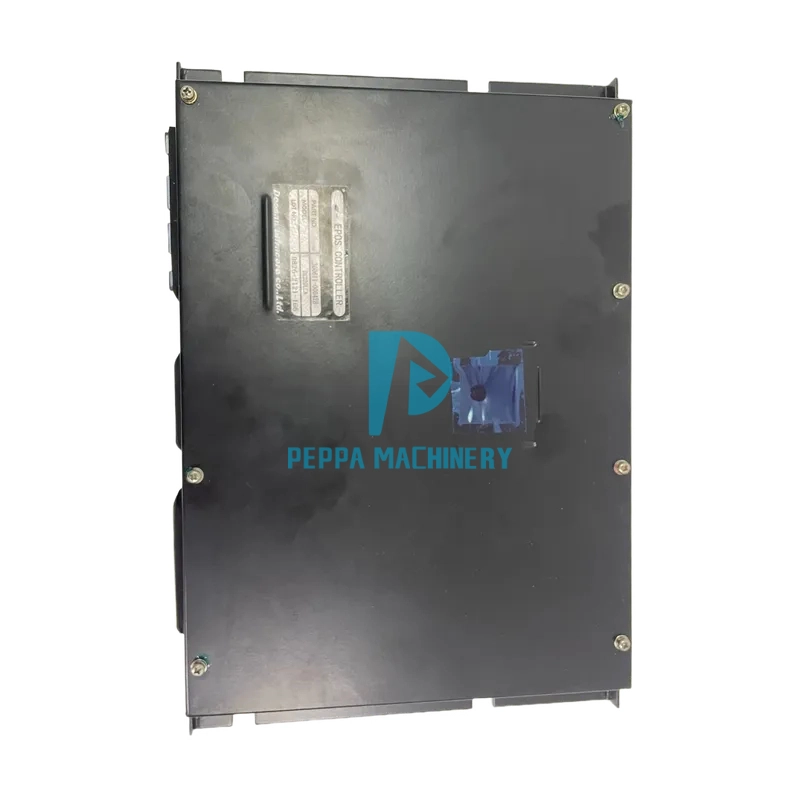
Direct-Injection Engine ECU Electric Controller 300611-00042B New Condition Iron Material for DX220LCA Excavator
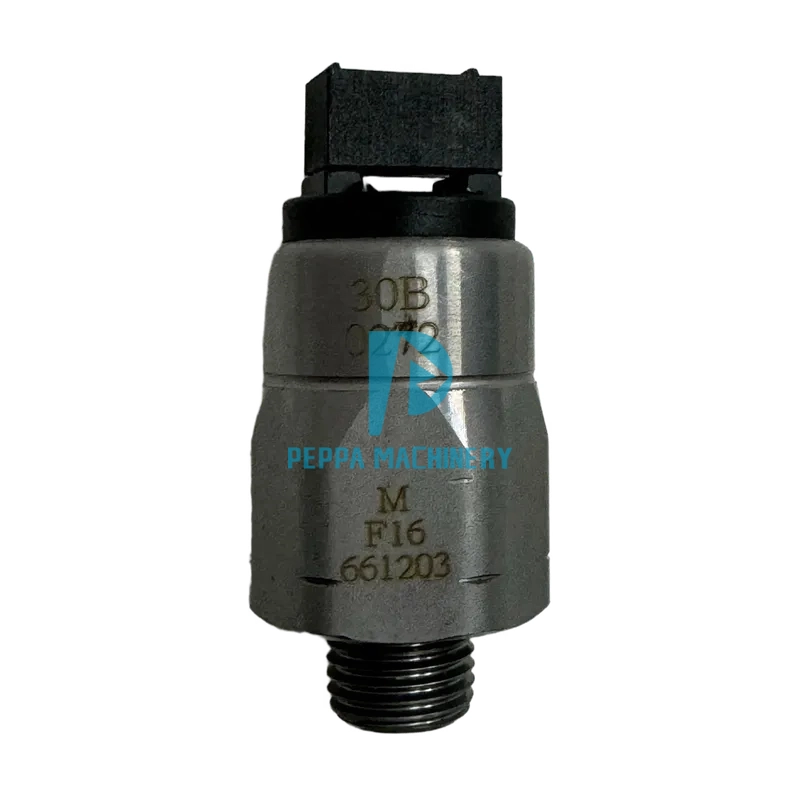
Sany Excavator Electric Oil Pressure Switch Hydraulic Oil Pressure Sensor for Engine Model 661203 661204 660404
Excavator Parts
How can I verify compatibility before placing an order?
Please provide us with your machine brand, model number, and the part number (if available). Our team will double-check the compatibility to ensure you receive the correct parts.
Are your parts genuine or OEM?
We offer both genuine parts and high-quality OEM alternatives. You can choose according to your budget and application needs. All OEM products are tested to meet or exceed original specifications.
What types of parts do you mainly offer?
Our main product categories include:
• Engine parts (liner kits, crankshafts, water/oil pumps, etc.)
• Electrical parts (sensors, monitors, throttle motors, wiring harnesses)
• Hydraulic parts (pumps, valves, cylinders)
• Sealing kits (NOK, SKF, PQ brands, floating seals, O-rings)
Do you provide technical support or installation guidance?
While we do not offer on-site installation, we can provide basic technical advice, diagrams, or documentation to assist your technicians with installation and troubleshooting.
What brands of excavator parts do you supply?
We supply a full range of parts compatible with major international and Chinese brands, including Caterpillar, Komatsu, Hitachi, Volvo, Doosan, Hyundai, Sany, Liugong, XCMG, Zoomlion, and more.
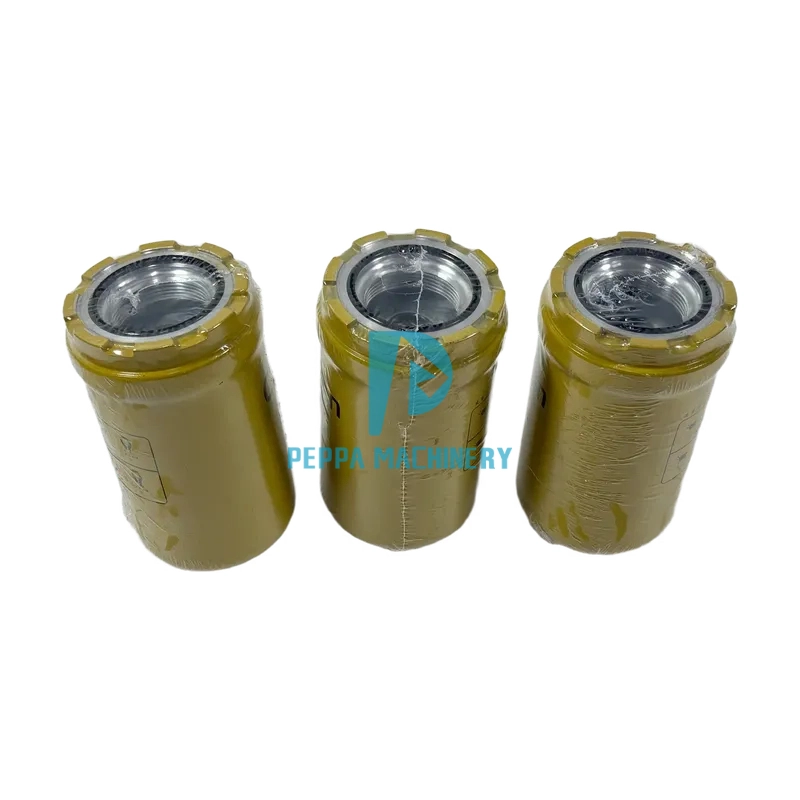
51-8670 Hydraulic Filter Applicable to HF35519 518670 2897836 518670X 1588987 Compatible with Caterpillar 352FVG 325CL
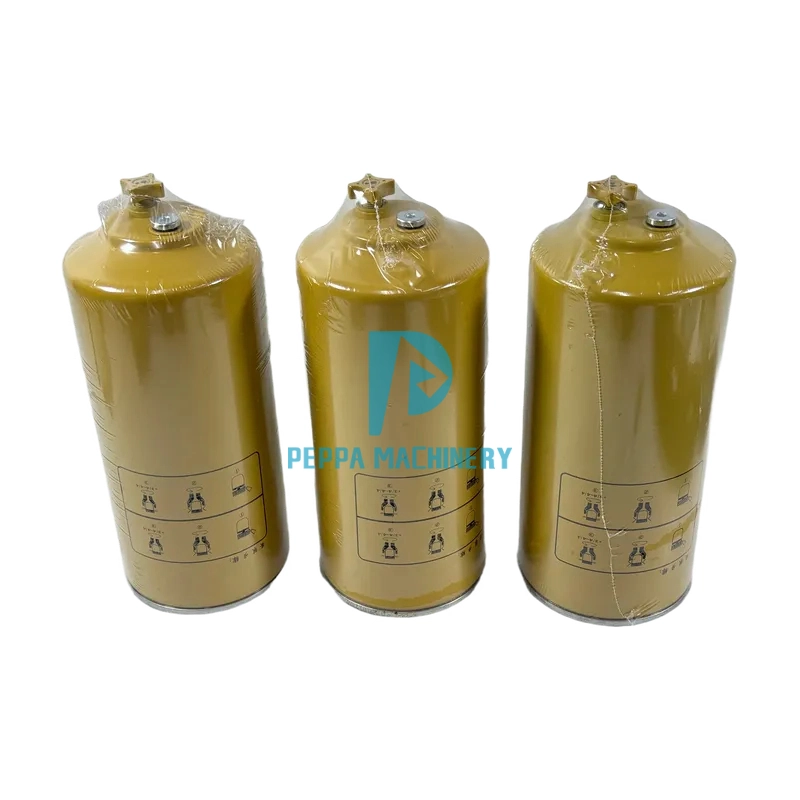
4385386 Fuel Water Separator Fuel Filter 382-0664 Oil-water Separator Hydraulic Oil Filter for CAT 312D2 320D2
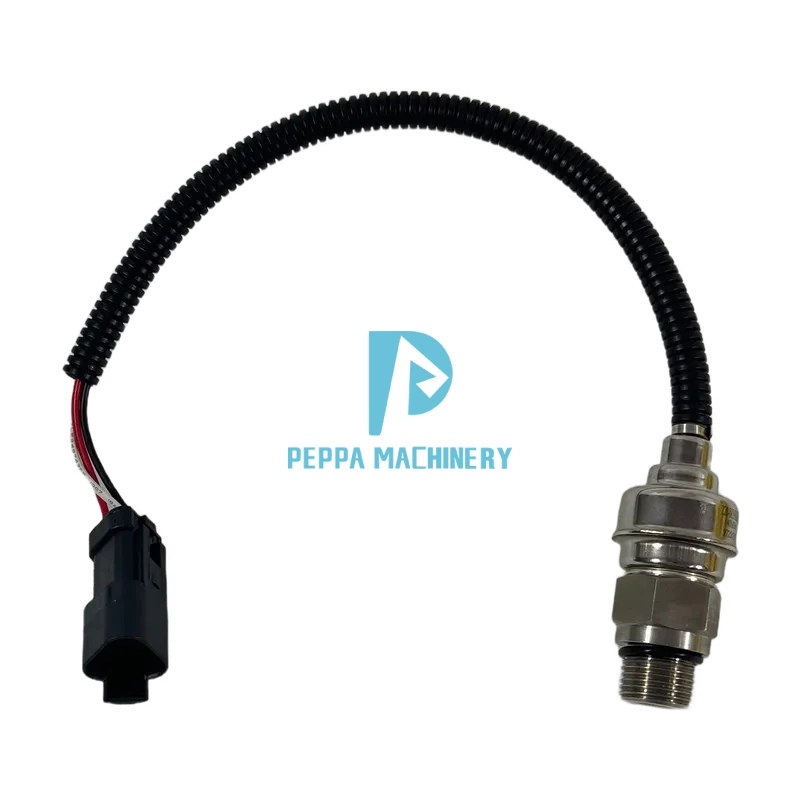
Pressure Sensor 221-8859 106-0178 for Caterpillar CAT 311B 311C 312C 314D 315B 320C 323D 324D 330C 336D 345B 385C
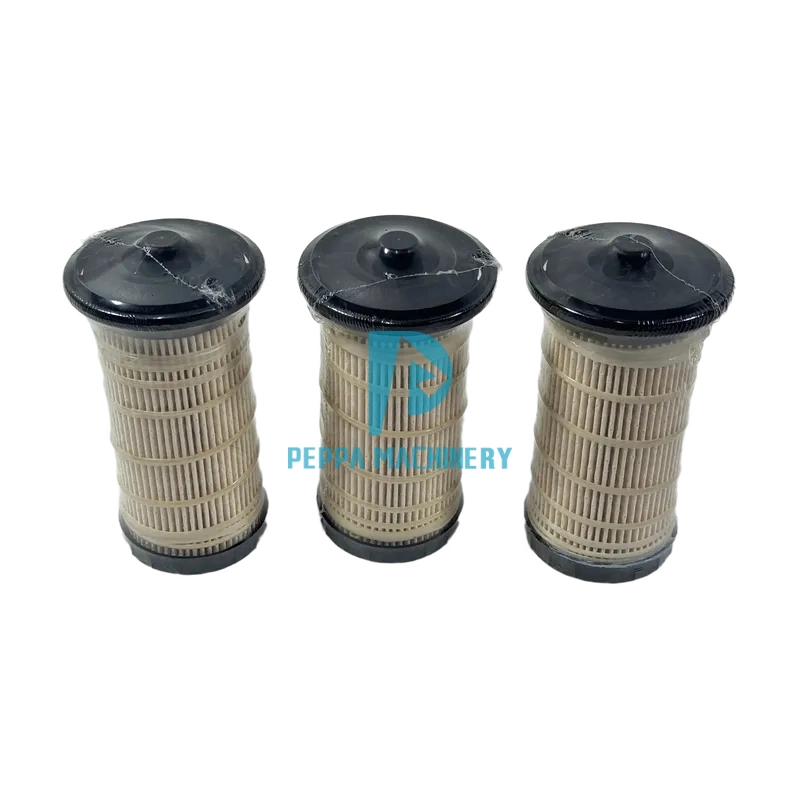
360-8960 Fuel Filter Element for Caterpillar C4.4 & C7.1 Engines | Fits 312D, 320D, 312E, 320E, 326D2, 336D2 Excavators
Get more information
Want to know more? Contact us today to get detailed product specifications, customized solutions, and a free consultation tailored to your needs.
Rest assured that your privacy is important to us, and all information provided will be handled with the utmost confidentiality.

Reliable Source for Quality Excavator Components.
Follow Us
Our Partners


Our Payment Methods


 High Quality
 7/24 Service
 Guaranteed Warranty
 Scan QR Code
Facebook
TikTok
YouTube
Pinterest
Twitter