








Are electric turbochargers compatible with OEM excavator engines?
- 1) Can an electric turbocharger be retrofitted to a 24V OEM excavator engine without major electrical upgrades?
- 2) Will installing an electric turbocharger on an OEM excavator void the engine warranty or invalidate emissions certification?
- 3) How do electric turbochargers affect thermal management and coolant/oil routing on long excavator duty cycles?
- 4) What ECU/engine-control integration is required so an e-turbo works safely with OEM engine maps, VGT, EGR, and DPF systems?
- 5) Can existing exhaust flange, backpressure, and VGT systems on older excavator engines handle an electric turbocharger without causing excessive EGTs or mechanical stress?
- 6) What are realistic fuel-consumption and emissions improvements for excavators switching to electric turbocharging in field conditions?
- Concluding summary: Advantages and purchase guidance
As excavator-parts specialists with hands-on OEM and aftermarket retrofit experience, we address the specific compatibility gaps beginners face when evaluating electric turbochargers (e-turbo / e-booster / electric compressor) for OEM excavator engines. Below are six long-tail, pain-point-oriented questions followed by detailed, practical answers, checklists, and risk-mitigation guidance to help procurement and field teams make informed purchase and retrofit decisions.
1) Can an electric turbocharger be retrofitted to a 24V OEM excavator engine without major electrical upgrades?
Short answer: Usually not. Why: most commercially available electric turbochargers and e-boosters are designed for higher-voltage architectures (48V or higher) to meet power, transient response, and thermal requirements. Excavators commonly use 12V or 24V vehicle/equipment electrical systems that cannot supply the required continuous and peak power without significant upgrades.
Technical detail and checklist:
- Power and voltage: Automotive/passenger e-turbos typically integrate with 48V mild-hybrid systems to deliver fast transient torque with a manageable current draw. Heavy-duty and industrial e-turbos may require inverter/battery packs operating at 48–400V depending on power level. A 24V alternator cannot provide the sustained peak power or rapid charge/discharge cycles needed.
- Required components for retrofit: high-voltage battery (or 48V battery stack), inverter/drive for the e-turbo motor, DC-DC converters (for 24V bus stability), high-current cabling, fusing, and a properly rated power distribution module. Expect to add a battery management system (BMS) and safety interlocks per ISO 6469/ISO 26262 sector guidance when HV is present.
- Space and mounting: excavator engine bays are compact; adding an inverter and battery bank needs mechanical packaging and vibration-isolation design. Cooling for the inverter and e-motor (air or liquid) must be managed.
- Recommendation: For a retrofit on 24V machines, first evaluate whether a dedicated 48V retrofit kit from an experienced supplier is available. If not, consider an OEM-supported mild-hybrid conversion or accept that electrical architecture upgrades (alternator/generator + battery/inverter) are required.
2) Will installing an electric turbocharger on an OEM excavator void the engine warranty or invalidate emissions certification?
Short answer: Possibly—installation can void warranties and affect emissions certification unless the retrofit is approved by the OEM or installed under a certified emissions-equivalent program.
Details and mitigation:
- Warranty: Most OEM engine warranties specify that unspecified aftermarket modifications that affect engine performance, emissions control, or durability can void warranty coverage. Adding an e-turbo changes boost maps, transient loads, and sometimes exhaust temperature profiles—areas covered by many warranty clauses.
- Emissions/Type Approval: Heavy equipment engines are certified to regional standards (e.g., EPA Tier / EU Stage). Retrofits that alter combustion, EGR interaction, or DPF regeneration timing can change NOx/PM outputs and may invalidate type approval. In many jurisdictions, aftermarket modifications must be certified to maintain compliance.
- Best practice: seek OEM-approved retrofit kits or work with Tier-1 integrators who supply a Statement of Compatibility or Supplemental Type Certificate. If purchasing a retrofit from a non-OEM supplier, obtain written warranty and emissions outcome guarantees and specify acceptance testing (chassis/engine dyno and emissions measurement) pre-install.
3) How do electric turbochargers affect thermal management and coolant/oil routing on long excavator duty cycles?
Short answer: Electric turbochargers add heat sources (e-motor losses and inverter heat) and change exhaust temperature dynamics; excavators on long-idle or high-load cycles require upgraded cooling and possibly independent e-turbo cooling loops.
In-depth considerations:
- Heat sources: e-turbo internals (motor windings, inverter semiconductors) generate heat during peak boosts and prolonged operation. Unlike conventional turbochargers where heat primarily originates from exhaust gases, e-turbos combine exhaust and electrical heat loads.
- Cooling topologies: manufacturers use three strategies—air-cooled e-motor, engine coolant-integrated liquid cooling, or dedicated liquid cooling loops (preferred for heavy-duty). For excavators, dedicated liquid cooling with a small pump and radiator (or integration into existing charge-air cooling) often yields best durability.
- Oil and bearing cooling: many e-turbos still rely on oil or hybrid bearing lubrication; ensure oil supply lines, filtration, and temperature control match the new thermal profile. Elevated oil temps reduce lubricant life and bearing life; cooling or oil-water heat exchangers may be required.
- Recommendation: require supplier thermal maps (power vs. operating temperature) and duty-cycle testing data. If not provided, specify acceptance tests replicating typical machine cycles (long excavating shifts with idle/idle-with-holding loads) and monitor EGT, oil temp, and inverter temp for at least 8–16 hours continuous operation.
4) What ECU/engine-control integration is required so an e-turbo works safely with OEM engine maps, VGT, EGR, and DPF systems?
Short answer: Full functional integration with the engine control module (ECM) or a dedicated supervisory controller is essential. Simple stand-alone e-turbo units that rely on open-loop control risk conflicting commands with Variable Geometry Turbo (VGT) actuators, EGR, and DPF regeneration strategies.
Integration details:
- Command and feedback signals: an e-turbo needs setpoint signals (desired boost), actual boost feedback (MAP), turbine speed, motor current, and temperature telemetry. The ECM must be aware of e-turbo state to coordinate VGT position, EGR dosing, and fueling.
- Control modes: common architecture uses the ECM as master and an e-turbo controller as a slave via CAN or a specified interface. Alternatively, a supervisory controller mediates commands between ECM and e-turbo if OEM ECM reprogramming is not permitted.
- Safety interlocks: implement fail-safe states—if inverter fails, e-turbo should default to passive mode (wastegate or VGT controls ensure safe boost), and ECM should reduce fueling to avoid overboost or high EGTs. Hard limits and watchdogs are mandatory to meet machine-safety expectations.
- Software validation: expect to commission updated engine calibration maps (fueling, timing) that account for altered boost response. This requires engine dyno testing and on-vehicle validation. If OEM calibration access is unavailable, use a Tier-1 integrator experienced in ECU remapping for heavy-duty diesel engines.
5) Can existing exhaust flange, backpressure, and VGT systems on older excavator engines handle an electric turbocharger without causing excessive EGTs or mechanical stress?
Short answer: Not always. Mechanical compatibility must be verified—exhaust flange geometry, turbine housing match, and backpressure behavior under combined electrical and exhaust-driven boost need careful assessment.
p>Practical engineering checks:
- Flange and mounting: ensure flange dimensions, centerline, and turbine inlet diameter match the e-turbo or use a validated adapter that does not introduce flow restrictions.
- Backpressure effects: because e-turbos can produce boost before substantial exhaust flow, the exhaust system sees different pressure pulsations. If the exhaust system is restrictive (corroded mufflers, collapsed pipes, or undersized DPF), EGTs and backpressure can spike during transient conditions. Measure static and dynamic backpressure across typical cycles.
- VGT interaction: if the engine already uses a VGT, the combined control of VGT and e-turbo must avoid control conflicts that could drive the VGT into positions causing compressor surge or excessive turbine temperatures. Hardware or software interlocks are necessary.
- Recommendation: perform CFD or bench flow tests and a backpressure sweep on the engine to validate that the new e-turbo does not create flow separation or surge at low exhaust mass flow. If exhaust restrictions exist, upgrade piping or DPF flow capacity before installation.
6) What are realistic fuel-consumption and emissions improvements for excavators switching to electric turbocharging in field conditions?
Short answer: Gains vary with duty cycle; realistic fuel reductions are often in the single-digit percentages for typical excavator cycles, while transient emissions (NOx and PM) and operator-perceived responsiveness show more measurable improvement.
Evidence-based guidance:
- Fuel savings: industry deployments and independent tests on hybridized turbo systems commonly report 3–8% fuel reduction depending on duty profile. The higher end is achieved on highly transient cycles (frequent load changes and idling), where e-boost compensates for turbo lag and enables more efficient fueling. On steady high-load work, gains are smaller.
- Emissions: electric assistance reduces turbo lag and allows tighter control of air-fuel ratio during transients, reducing incomplete combustion spikes (which impact PM). NOx reduction depends on how the improved air delivery integrates with EGR control—properly integrated systems can lower NOx during transients and reduce DPF regeneration frequency.
- Operator productivity: quicker torque delivery improves cycle times and can indirectly reduce fuel burned per task, which should be considered when evaluating ROI.
- Verification: require OEM or supplier-provided in-field test data on representative excavator models and a third-party emissions test report (engine dynamometer with WHTC-like or customer duty cycles). Don’t rely on lab-only claims—insist on field-run data for machines under real loads and temperatures.
Bottom line: e-turbos deliver clear transient-performance and emissions-control benefits, but measurable fuel savings and certification depend on tight system integration and the machine’s duty cycle.
Concluding summary: Advantages and purchase guidance
Electric turbochargers (e-turbo, e-booster, hybrid turbo systems) can deliver significant improvement in transient torque response, reduce turbo lag, and help lower transient NOx/PM peaks—benefits that matter for modern excavator applications. However, compatibility with OEM excavator engines is not plug-and-play: you must evaluate electrical architecture (48V or HV requirements), ECU/control integration, thermal management, exhaust backpressure, warranty/emissions implications, and validate results on the real duty cycle. For buyers: insist on OEM-approved kits or Tier-1 integrator solutions, require dyno and on-machine validation data, get written warranty/emissions performance commitments, and budget for electrical and cooling upgrades where needed.
If you need a practical feasibility assessment or a retrofit quote for electric turbocharger upgrades tailored to your excavator fleet, contact us for a quote at www.jbpartsgz.com or jbparts@aliyun.com.

Isuzu SP 4JG1 4JG2 4JG3 Cylinder Liner 1876182070 1-87618207-0 1876182080 1-87618208-0 1876182100 1-87618210-0

4BG1 6BG1 Liner Set 1878141050 1-87814105-0 1878141060 1-87814106-0 1878141070 1-87814107-0 Genuine Engine Parts
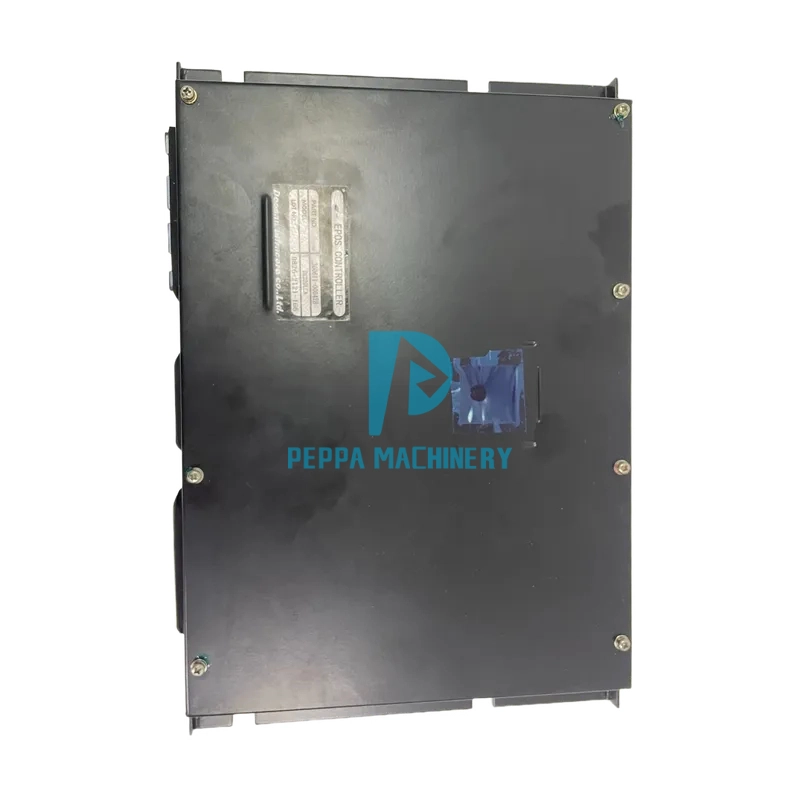
Direct-Injection Engine ECU Electric Controller 300611-00042B New Condition Iron Material for DX220LCA Excavator
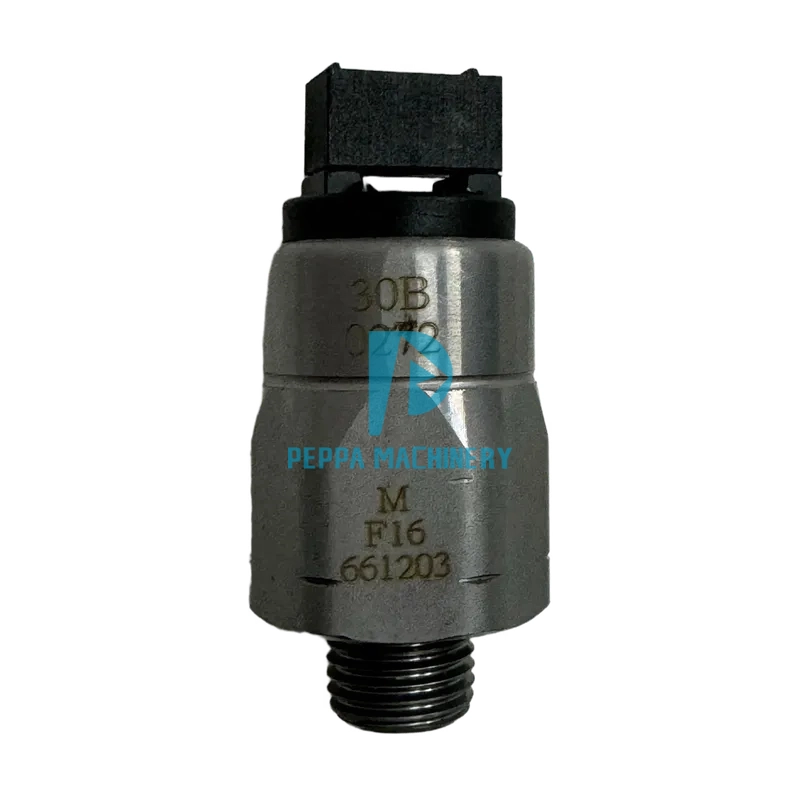
Sany Excavator Electric Oil Pressure Switch Hydraulic Oil Pressure Sensor for Engine Model 661203 661204 660404
Excavator Parts
Do you provide technical support or installation guidance?
While we do not offer on-site installation, we can provide basic technical advice, diagrams, or documentation to assist your technicians with installation and troubleshooting.
Are your parts genuine or OEM?
We offer both genuine parts and high-quality OEM alternatives. You can choose according to your budget and application needs. All OEM products are tested to meet or exceed original specifications.
How can I verify compatibility before placing an order?
Please provide us with your machine brand, model number, and the part number (if available). Our team will double-check the compatibility to ensure you receive the correct parts.
What types of parts do you mainly offer?
Our main product categories include:
• Engine parts (liner kits, crankshafts, water/oil pumps, etc.)
• Electrical parts (sensors, monitors, throttle motors, wiring harnesses)
• Hydraulic parts (pumps, valves, cylinders)
• Sealing kits (NOK, SKF, PQ brands, floating seals, O-rings)
Can I get help choosing the right parts for my machine?
Yes. Our experienced sales team is here to provide professional recommendations and solutions based on your excavator model, part number, or specific requirements.
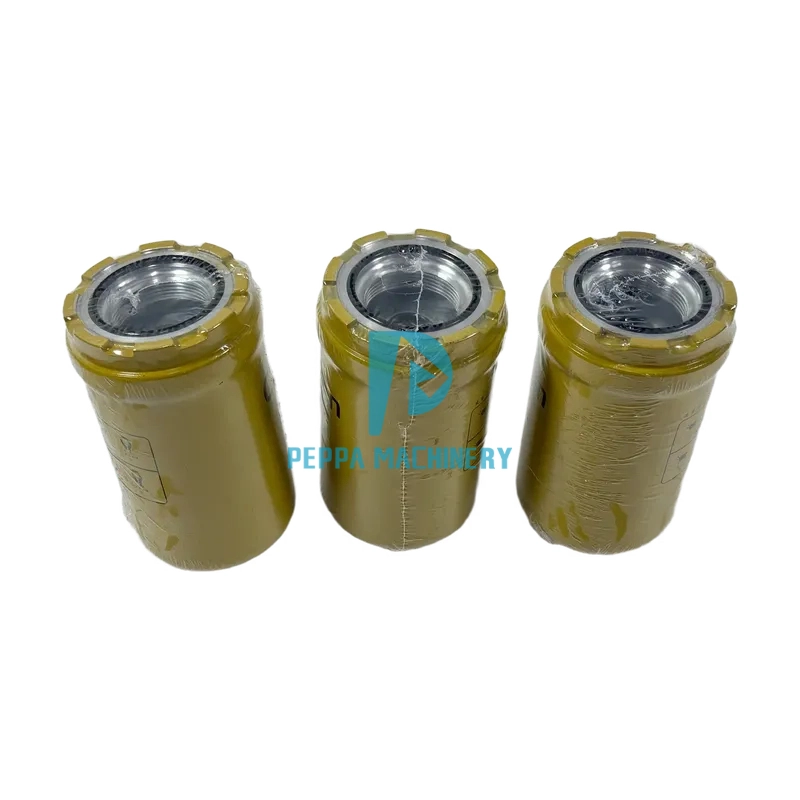
51-8670 Hydraulic Filter Applicable to HF35519 518670 2897836 518670X 1588987 Compatible with Caterpillar 352FVG 325CL
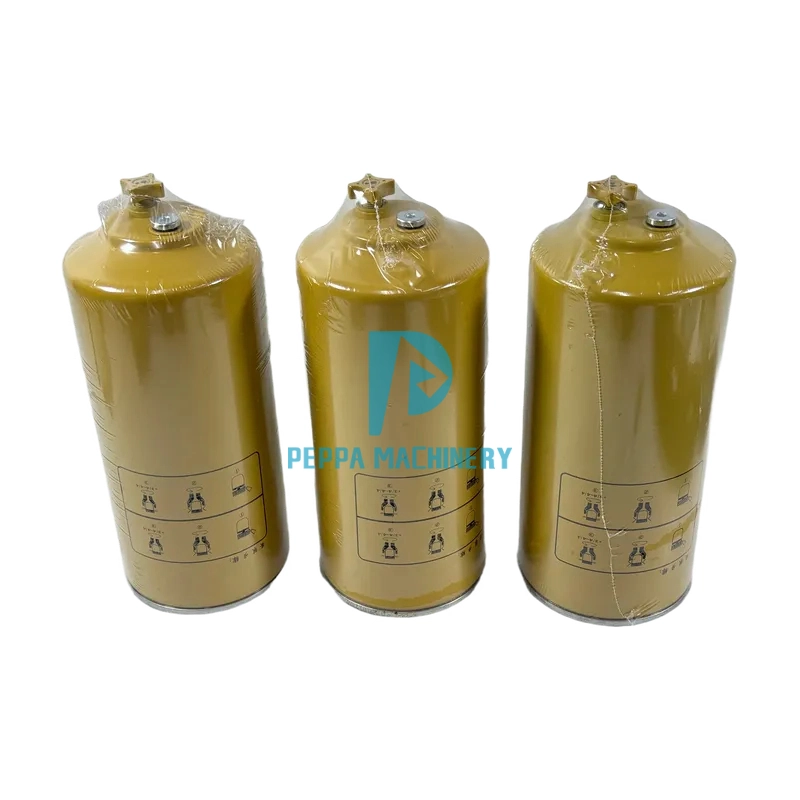
4385386 Fuel Water Separator Fuel Filter 382-0664 Oil-water Separator Hydraulic Oil Filter for CAT 312D2 320D2
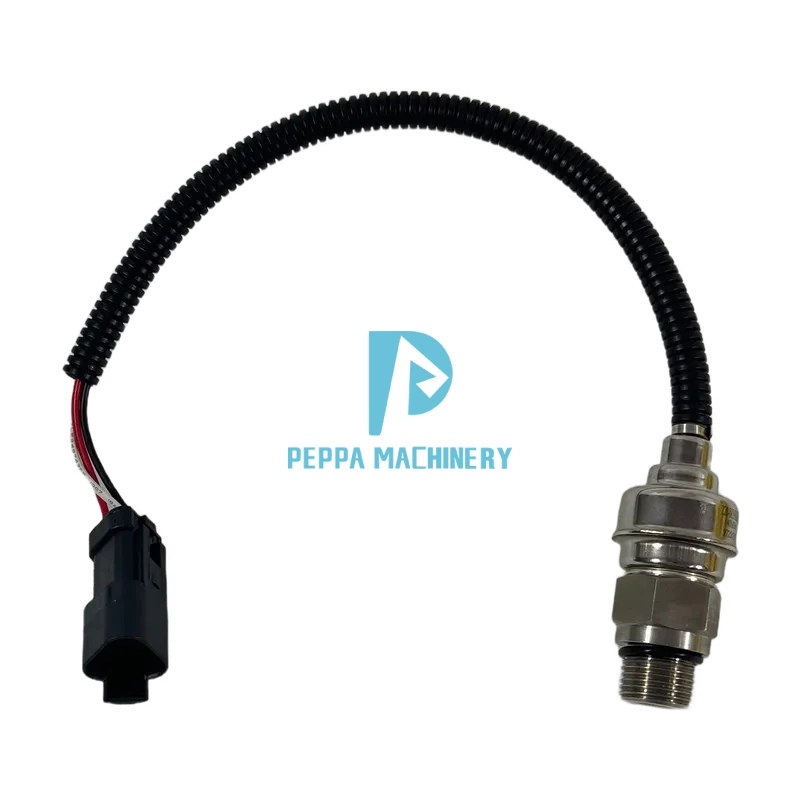
Pressure Sensor 221-8859 106-0178 for Caterpillar CAT 311B 311C 312C 314D 315B 320C 323D 324D 330C 336D 345B 385C
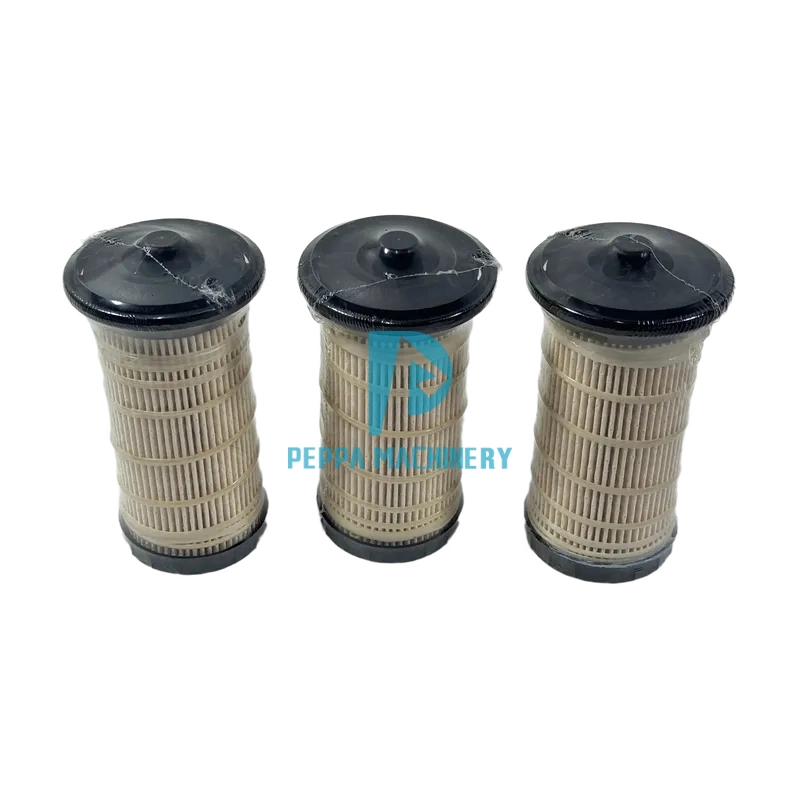
360-8960 Fuel Filter Element for Caterpillar C4.4 & C7.1 Engines | Fits 312D, 320D, 312E, 320E, 326D2, 336D2 Excavators
Get more information
Want to know more? Contact us today to get detailed product specifications, customized solutions, and a free consultation tailored to your needs.
Rest assured that your privacy is important to us, and all information provided will be handled with the utmost confidentiality.

Reliable Source for Quality Excavator Components.
Follow Us
Our Partners


Our Payment Methods


 High Quality
 7/24 Service
 Guaranteed Warranty
 Scan QR Code
Facebook
TikTok
YouTube
Pinterest
Twitter