








How do electric turbochargers reduce excavator fuel costs?
- 1) Can an electric turbocharger retrofit on a 10–20 ton excavator realistically cut fuel use by ~10% — what power rating and battery buffer are required?
- 2) How does an electric-assisted turbocharger actually reduce transient diesel consumption during repeated digging cycles?
- 3) What are the real maintenance and failure modes of electric turbochargers in high-dust, high-heat excavator environments?
- 4) When comparing variable-geometry turbochargers (VGT) vs. electric turbocharger electrification for excavator fuel savings, which gives better ROI for rental fleets?
- 5) How should control logic be integrated between the engine ECU and the e-turbo to prevent overspeed, minimize backdrive stresses, and keep emissions compliant?
- 6) How to calculate payback for installing an electric turbocharger on an excavator — step-by-step example with realistic numbers?
1) Can an electric turbocharger retrofit on a 10–20 ton excavator realistically cut fuel use by ~10% — what power rating and battery buffer are required?
Electric turbochargers (e-turbos or electric-assisted turbochargers) can produce measurable fuel savings on mid-sized excavators by eliminating turbo lag and reducing transient enrichment during heavy dig cycles. Real-world and independent supplier data (AVL, Ricardo modeling and supplier test reports from Garrett/BorgWarner-class systems) indicate typical fuel reductions of 5–15% on heavy-duty transient duty cycles — the exact number depends on duty profile, engine size, and control integration.
Power and energy requirements (practical ranges):
- Peak electrical power: for 10–20 ton class excavators, an e-turbo generally needs a peak electrical boost of about 3–10 kW during spool-up. Smaller 8–12 ton machines trend toward the 3–6 kW range; larger single-engine machines may need more.
- Duty energy buffer (battery/capacitor): e-turbo spikes are short (seconds). A buffer of 0.5–3 kWh (or a high-power supercapacitor bank) typically covers repeated spool events in typical dig cycles without taxing the main electrical system.
Practical considerations: ensure the excavator’s alternator and electrical architecture can handle peak draws, or add a dedicated buffer with a DC/DC or DC/AC power electronics pack and isolation from starter battery. Retrofit kits from reputable OEMs specify required alternator and battery upgrades; do not assume plug-and-play for older machines.
2) How does an electric-assisted turbocharger actually reduce transient diesel consumption during repeated digging cycles?
Mechanism: The e-turbo’s electric motor accelerates the compressor wheel independently of exhaust energy. During load increases (boom down, bucket in load), conventional turbos suffer lag while exhaust flow ramps up, causing transient enrichment (extra fuel) to avoid smoke and maintain response. An e-turbo spools instantly, delivering boost pressure faster so the ECU can inject less extra fuel to reach target torque.
Why this saves fuel:
- Reduced transient enrichment: less unburnt fuel needed to meet torque demand.
- Better air–fuel matching: more stable combustion reduces cycle-to-cycle variance and lowers peak fuel flow spikes.
- Enables engine downsizing and lower mean effective pressure in some cases, further improving steady-state efficiency.
Measured effects: on standardized transient cycles, electrified boosting often reduces peak fuel flow spikes and improves BSFC during transient segments; published supplier/consultant reports place overall transient-cycle fuel improvements commonly between 5% and 12% depending on duty.
3) What are the real maintenance and failure modes of electric turbochargers in high-dust, high-heat excavator environments?
Common failure modes and mitigations:
- Bearing and rotor damage: e-turbos run high shaft speeds (often >80–100k rpm). Contamination, oil quality, or lubrication starvation are primary risks. Use proven high-temp bearing materials and ensure clean oil supplies and correct oil-scavenge plumbing.
- Motor/electronics heat stress: integrated electric motors and inverters must be protected by thermal management (oil cooling or dedicated liquid cooling) and IP-rated enclosures. Thermal cycling in excavators is severe — choose systems rated for high ambient and radiant heat.
- Ingress and dust: hydraulic oil mist, dust and moisture require IP67 or better housings and robust sealing. Pre-filter and keep compressor intake clean; retrofit kits must include upgraded intake filtration if original plumbing is reused.
- Vibration and shock: mining-grade mounting and vibration damping are necessary. OEM e-turbos designed for off-road use include reinforced housings and vibration-isolated mounts.
Maintenance schedule: inspect electrical connectors, cooling lines, and compressor intake filters at the same cadence as hydraulic filters (typically 250–500 hours), and perform oil condition checks more frequently for retrofits with altered oil return paths.
4) When comparing variable-geometry turbochargers (VGT) vs. electric turbocharger electrification for excavator fuel savings, which gives better ROI for rental fleets?
Technical differences:
- VGT: mechanically adjusts turbine geometry to improve low-end boost and reduce lag without needing electrical power. Good for broad torque control and long-term durability.
- Electric turbo (e-turbo): actively spools compressor with electrical power, giving near-instant boost and superior transient response, especially on short-cycle duties.
ROI considerations for rental fleets:
- Duty profile: short duty cycles (repeated dig/travel repeats, urban construction) favor e-turbo because transient savings compound per cycle. Long, steady-state loads (sustained trenching, roadworks) benefit less and VGT can be more cost-effective.
- Retrofit cost: VGT is typically factory-fit at lower incremental cost when ordered new; retrofitting a VGT to non-VGT engine is often impractical. E-turbo retrofit kits are more expensive (components, power electronics, battery buffer) but can be retrofit on existing engines if packaging and electrical upgrades are acceptable.
- Maintenance and uptime: rental fleets value ruggedness. VGT has fewer electrical dependencies and may be easier to service in remote sites. E-turbo requires electrical troubleshooting skills and possibly more complex cooling/electrical maintenance.
Summary recommendation: for rental fleets with high short-cycle utilization and operator variability in duty, e-turbos can give faster fuel payback despite higher upfront cost. For general-purpose or steady-state heavy work, VGT or OEM-fitted turbo solutions often provide better lifecycle ROI.
5) How should control logic be integrated between the engine ECU and the e-turbo to prevent overspeed, minimize backdrive stresses, and keep emissions compliant?
Control architecture essentials:
- CAN-based communication: the e-turbo controller must communicate with the engine ECU over CAN (J1939 or equivalent) to exchange torque requests, available electrical power, and diagnostic states. Predefined messages should include spool demand, motor torque limits, speed limits, and fault flags.
- Torque/boost blending strategy: implement a supervisory controller that blends electric boost with conventional exhaust-driven boost based on engine speed, load, and electrical availability. Prevent simultaneous conflicting commands that can cause overspeed.
- Overspeed protection: hardware (speed sensors) plus software-limited motor torque must be present; if speed exceeds safe limits, controller must dump torque and open bypass valves (if available) to avoid mechanical damage.
- Emissions compliance: e-turbo improves transient NOx and particulate control by stabilizing combustion, but the overall emissions system (EGR, aftertreatment) must be validated. Work with engine OEM or emissions integrator to ensure ECU maps and aftertreatment dosing remain within certified windows; any changes to fueling or boost must be validated against Type Approval or local Tier/Stage standards.
Integration best practice: use a systems-engineering approach—mechanical packaging, electrical supply, and ECU maps validated on a transient test cycle (e.g., ISO 14396, OEM-specific dig cycles) before fleet deployment.
6) How to calculate payback for installing an electric turbocharger on an excavator — step-by-step example with realistic numbers?
Step-by-step ROI calculation (example ranges based on industry experience):
- Baseline fuel consumption: measure average fuel burn per hour under representative duty. Example: 12 L/h.
- Annual usage: machine hours/year. Example: 1,500 h/year.
- Diesel price: local rate. Example: $1.20 per liter.
- Expected fuel savings: conservative-to-optimistic range 5–12% depending on duty. Use a middle-case 10% for this example.
Annual fuel cost before: 12 L/h 1,500 h $1.20 = $21,600.Annual savings at 10%: $2,160.
- Installed cost of e-turbo retrofit (parts + integration + electrical upgrade): rough installed range $8,000–$18,000 (varies by kit complexity, local labor). If you choose a mid-range $12,000 installed:Payback = $12,000 / $2,160 ≈ 5.6 years.
Sensitivity notes:
- If diesel is $1.60/L and hours are 2,000/year, payback shortens dramatically.
- If measured savings are only 5%, payback doubles; if 15% it shortens by one-third.
Decision checklist: run a short field trial on a few units, instrument fuel flow (or use calibrated fuel counters), log duty cycles, then scale the measured percentage to the fleet and re-run ROI math. Consider resale value: improved fuel economy may boost fleet resale appeal and reduce downtime for fuel-related service.
Concluding summary — advantages of electric turbochargers for excavators
Electric turbochargers deliver targeted benefits for excavator owners: they dramatically reduce turbo lag and transient enrichment, improving fuel efficiency in short-cycle and high-transient duties; they can enable engine downsizing strategies and smoother operator response; and when integrated with correct power buffering and ECU logic they reduce peak fuel spikes and contribute to lower emissions peaks. Downsides include higher upfront retrofit cost, additional electrical and cooling needs, and a requirement for robust sealing and maintenance in harsh environments. For fleets with heavy short-cycle use or high fuel costs, a field-validated e-turbo retrofit often yields a positive ROI within several years.
For expert selection, compatibility checks or a retrofit quote, contact us for a tailored proposal: www.jbpartsgz.com or jbparts@aliyun.com.

Isuzu SP 4JG1 4JG2 4JG3 Cylinder Liner 1876182070 1-87618207-0 1876182080 1-87618208-0 1876182100 1-87618210-0
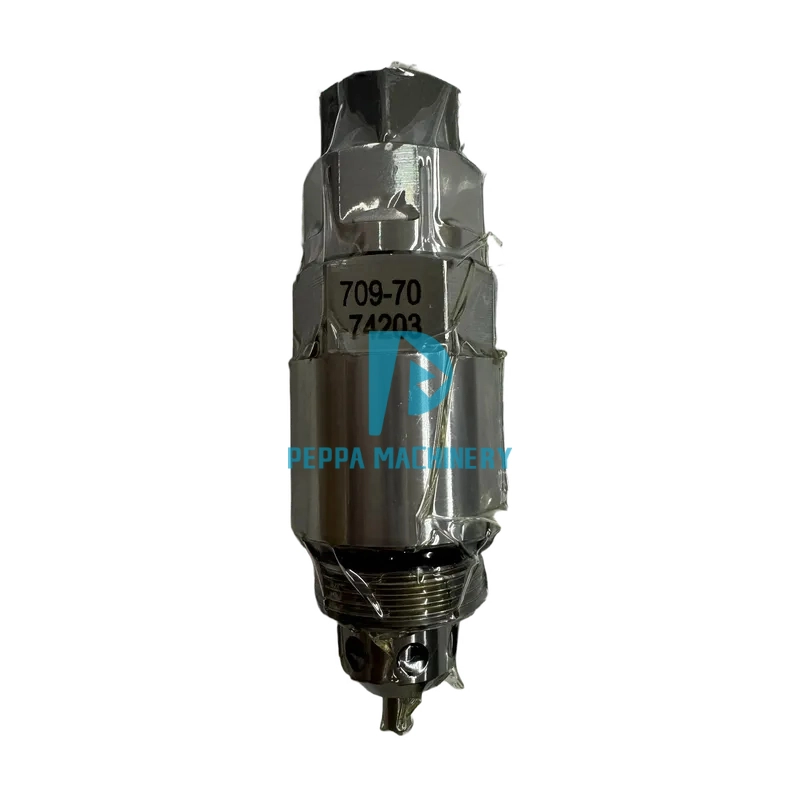
709-70-74203 7097074203 Relief Valve for PC200-5 PC200-6

New for CAT 312D 320D Excavator Spare Parts 4343436 434-3436 221-8859 Metal Pressure Switch and Sensor
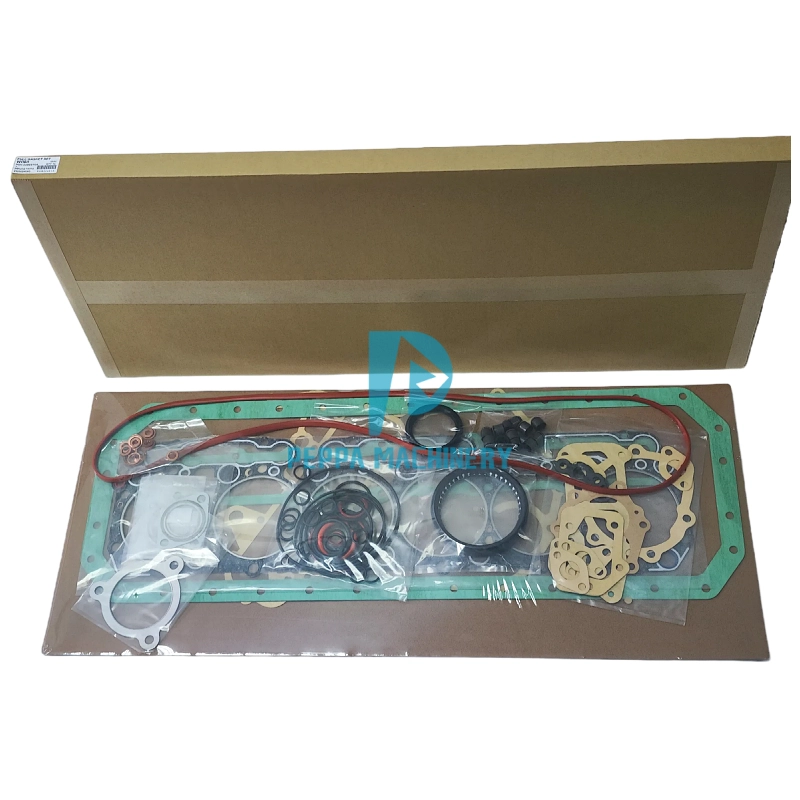
W06D W06DT Engine Overhaul Repair Kit Full Gasket
Excavator Parts
Are your parts genuine or OEM?
We offer both genuine parts and high-quality OEM alternatives. You can choose according to your budget and application needs. All OEM products are tested to meet or exceed original specifications.
How can I verify compatibility before placing an order?
Please provide us with your machine brand, model number, and the part number (if available). Our team will double-check the compatibility to ensure you receive the correct parts.
Do you provide technical support or installation guidance?
While we do not offer on-site installation, we can provide basic technical advice, diagrams, or documentation to assist your technicians with installation and troubleshooting.
What brands of excavator parts do you supply?
We supply a full range of parts compatible with major international and Chinese brands, including Caterpillar, Komatsu, Hitachi, Volvo, Doosan, Hyundai, Sany, Liugong, XCMG, Zoomlion, and more.
Can I get help choosing the right parts for my machine?
Yes. Our experienced sales team is here to provide professional recommendations and solutions based on your excavator model, part number, or specific requirements.
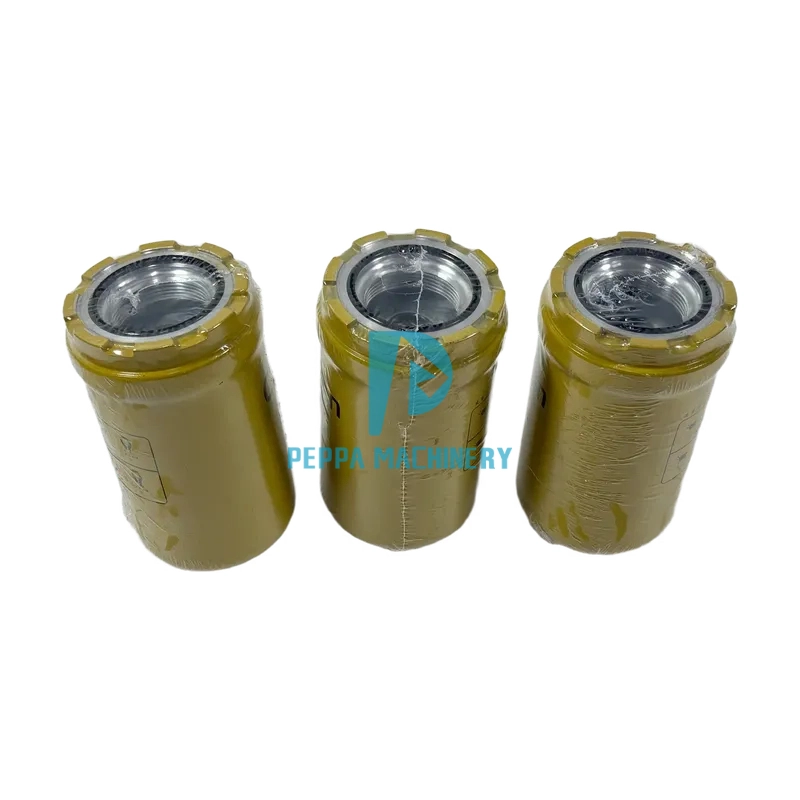
51-8670 Hydraulic Filter Applicable to HF35519 518670 2897836 518670X 1588987 Compatible with Caterpillar 352FVG 325CL
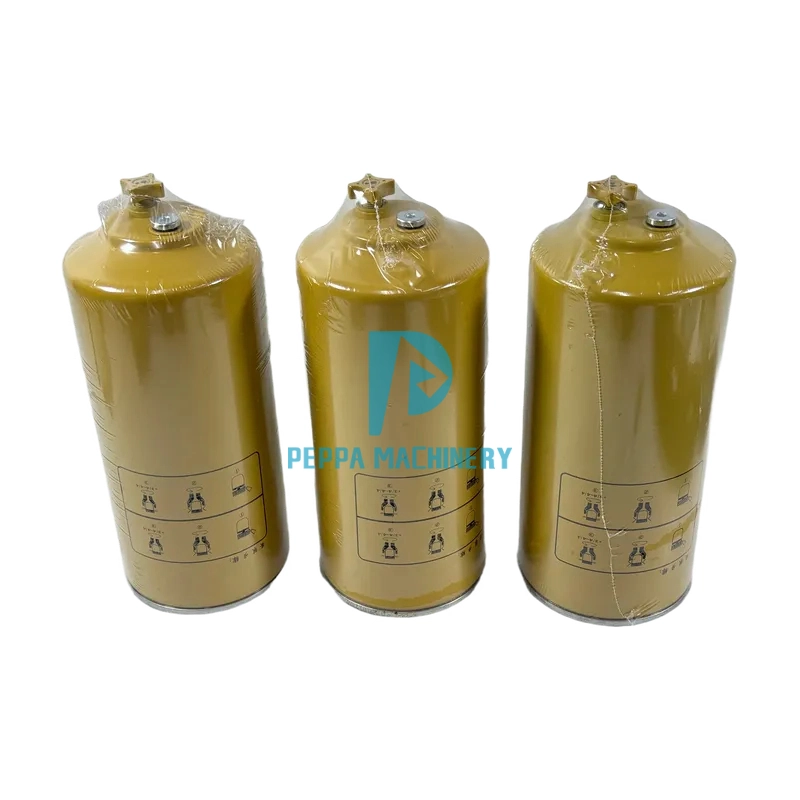
4385386 Fuel Water Separator Fuel Filter 382-0664 Oil-water Separator Hydraulic Oil Filter for CAT 312D2 320D2
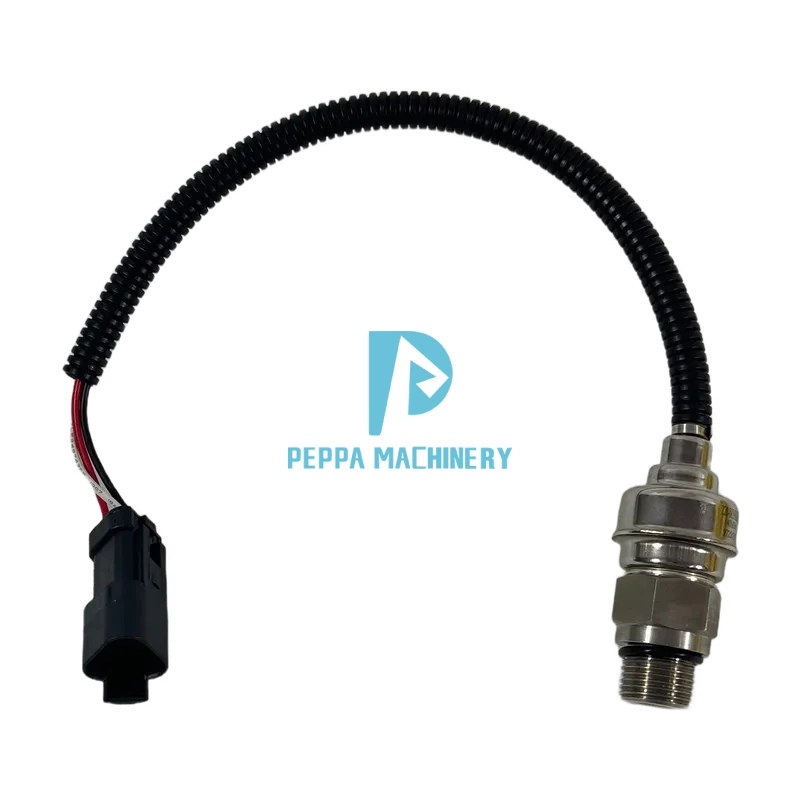
Pressure Sensor 221-8859 106-0178 for Caterpillar CAT 311B 311C 312C 314D 315B 320C 323D 324D 330C 336D 345B 385C
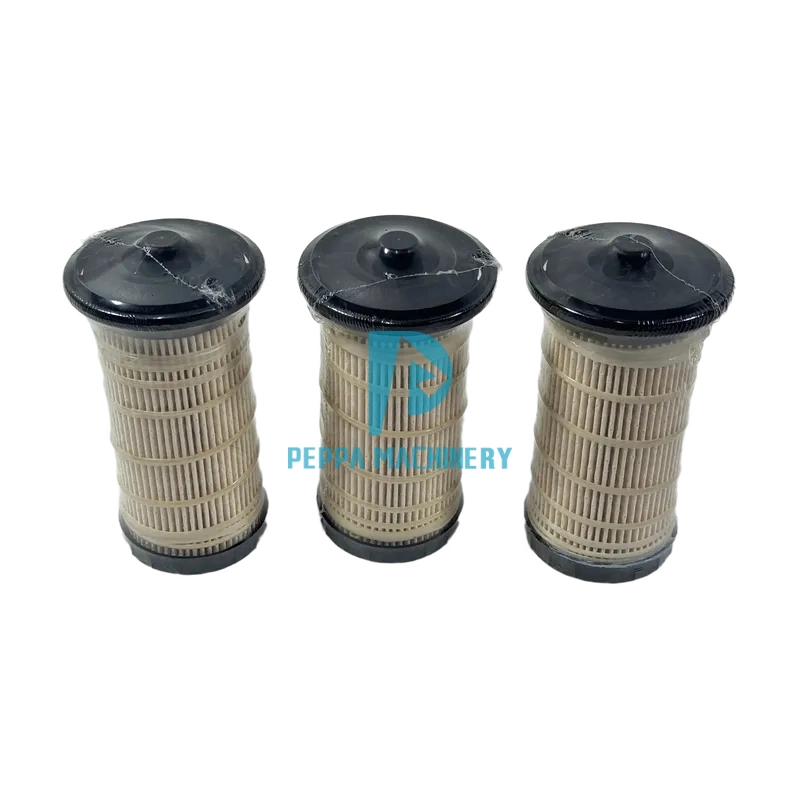
360-8960 Fuel Filter Element for Caterpillar C4.4 & C7.1 Engines | Fits 312D, 320D, 312E, 320E, 326D2, 336D2 Excavators
Get more information
Want to know more? Contact us today to get detailed product specifications, customized solutions, and a free consultation tailored to your needs.
Rest assured that your privacy is important to us, and all information provided will be handled with the utmost confidentiality.

Reliable Source for Quality Excavator Components.
Follow Us
Our Partners


Our Payment Methods


 High Quality
 7/24 Service
 Guaranteed Warranty
 Scan QR Code
Facebook
TikTok
YouTube
Pinterest
Twitter