








How long do diesel stop solenoids last on heavy equipment?
- 1. How long do diesel stop solenoids last on heavy excavators operating 10+ hours per day?
- 2. What specific electrical and mechanical tests identify an aging or failing stop solenoid before catastrophic failure?
- 3. Can contaminated diesel or blocked fuel lines cause the stop solenoid to fail — and how should buyers mitigate this when sourcing parts?
- 4. Is it safe to replace an OEM excavator diesel stop solenoid with a cheaper aftermarket unit, and what compatibility checks must be done first?
- 5. How does engine compartment heat affect diesel stop solenoid longevity, and what field-proven heat-mitigation strategies extend service life?
- 6. If a stop solenoid fails during operation, what are safe, in-field emergency procedures for stopping an excavator — and what temporary fixes are permissible?
For quotes or OEM part queries, contact us at jbparts@aliyun.com or visit www.jbpartsgz.com.
1. How long do diesel stop solenoids last on heavy excavators operating 10+ hours per day?
Expected service life depends on duty cycle, environment, and design. In high-hour heavy equipment (10+ hours/day), a diesel stop solenoid or shutdown solenoid typically reaches end-of-life sooner than on light-use machines. Practical field data from service centers and parts suppliers indicate these ranges:
- Very heavy daily duty (continuous 10+ hours, harsh environment, high vibration): 1–4 years.
- Mixed duty (regular operation, periodic downtime): 3–7 years.
- Light duty or well-controlled environment: 6–12+ years.
Why the wide range? Key factors are heat exposure inside the engine bay, vibration levels, contamination in the fuel system, electrical transients, and whether the solenoid is designed for continuous duty or intermittent operation. Manufacturers publish rated duty cycles and IP (ingress protection) ratings — always match the solenoid specification to the excavator's operating conditions when purchasing.
2. What specific electrical and mechanical tests identify an aging or failing stop solenoid before catastrophic failure?
Perform a systematic diagnostic sequence so you don’t replace parts unnecessarily. Use a digital multimeter, a bench power source (matching the solenoid voltage), and a visual inspection:
- Visual & mechanical check: Remove the solenoid and inspect the plunger, return spring, and bore for corrosion, scoring, carbon build-up or fuel varnish. Check free plunger travel — it should move smoothly by hand without sticking.
- Continuity and coil resistance: Measure coil continuity then compare coil resistance to the OEM specification. A shorted or open coil indicates failure. If OEM spec is unavailable, look for dramatic deviation from known-good sample units rather than absolute numbers.
- Voltage under load: Back-probe the connector while energizing the circuit. Supply voltage should be close to nominal (within ~10% when the circuit is designed correctly). Significant voltage drop indicates wiring, connector corrosion, or relay issues.
- Current draw and heating: Measure current draw during operation. Excessive current or rapid heating means shorting or low coil resistance; zero current means open circuit. Compare to OEM values where available.
- Functional bench test: Energize the solenoid with the correct voltage and observe plunger travel and return speed. Delayed movement, slow return, or intermittent action under power are early failure signs.
Document test values and keep them with the equipment file; trend analysis helps predict replacement intervals before failures occur.
3. Can contaminated diesel or blocked fuel lines cause the stop solenoid to fail — and how should buyers mitigate this when sourcing parts?
Yes. While the solenoid is an electro-mechanical device, many diesel stop solenoids operate inside or on the fuel metering system; fuelborne contamination (water, sediment, varnish) can cause plunger sticking, seal swelling, and accelerated mechanical wear. Key mitigation steps when buying or installing parts:
- Source parts with robust sealing and corrosion-resistant internal surfaces. Prefer solenoids listed for fuel-service use and from suppliers that provide contamination-resistant designs.
- Follow preventive maintenance: primary and secondary fuel filters, regular water separators, and scheduled filter replacement intervals reduce particulate and water reaching the solenoid.
- If the machine has a history of contaminated tanks, inspect and clean the fuel tank and lines before installing a new solenoid to avoid immediate recontamination.
- Consider inline pre-filters or strainers upstream of the solenoid on machines operating in dusty or remote environments.
When purchasing, ask vendors for part construction details (materials, coatings) and whether their stop solenoid design minimizes fuel exposure to critical moving parts.
4. Is it safe to replace an OEM excavator diesel stop solenoid with a cheaper aftermarket unit, and what compatibility checks must be done first?
Cost is a factor, but safety, compatibility, and lifecycle cost matter more for shutdown solenoids. Before substituting an aftermarket unit, verify these compatibility points:
- Voltage and coil characteristics: Voltage rating (12V/24V), coil resistance, and whether the unit is intended for continuous or intermittent duty must match the excavator circuit.
- Plunger travel and force: The plunger must move the same distance and apply comparable force to fully close/open the fuel linkage or valve. Incorrect stroke can cause partial shutdown or no shutdown.
- Mechanical fit and mounting: Bracket holes, connector type, and overall envelope must match. Improper mounting increases vibration and shortens life.
- Environmental rating: Choose parts with sealing and IP ratings appropriate to your engine bay (ingress of water, oil spray, and dust).
- Testing and warranty: Request bench test reports, sample testing, or a short-term warranty from the aftermarket supplier. Ask for vibration and thermal cycle performance data if available.
A cheaper part that doesn’t meet these checks can cost more in downtime and secondary damage. When in doubt, match OEM part number or use a reputable aftermarket supplier who provides full specifications and return policies.
5. How does engine compartment heat affect diesel stop solenoid longevity, and what field-proven heat-mitigation strategies extend service life?
Heat accelerates insulation breakdown in the coil, reduces magnet strength, weakens return springs, and can degrade seals — all reducing solenoid life. Field-proven strategies:
- Heat shielding: Install thin metal or composite shields between the solenoid and direct exhaust or turbocharger heat sources.
- Remote mounting: When possible, use a remote-mount solenoid kit to move the solenoid out of the highest-temperature zone into a cooler area with short, shielded fuel runs.
- Vibration isolation: Use rubber mounts or vibration-damping brackets to minimize high-frequency vibration that, combined with heat, speeds mechanical fatigue.
- Select heat-rated parts: Buy solenoids specified for elevated temperatures or continuous-duty applications and request temperature rating data from suppliers.
- Improve engine bay airflow: Ensure cooling fans and shrouds are intact so hot spots don’t develop next to the solenoid.
Document ambient temperatures where machines operate and choose solenoids rated for those ranges; buyers should request thermal cycling test data from manufacturers for critical fleet units.
6. If a stop solenoid fails during operation, what are safe, in-field emergency procedures for stopping an excavator — and what temporary fixes are permissible?
Safety first: do not perform improvised wiring bypasses that defeat the fuel shutoff permanently. Follow manufacturer emergency shutdown procedures in the operator manual. Field-proven emergency steps:
- Use the machine’s emergency stop (E-stop) or kill switch if available — these are tested to safe operation standards.
- If E-stop or kill switch is not available and the engine must be stopped immediately for safety, isolate the battery or remove the ignition/engine stop fuse(s) as a controlled emergency action. Ensure the parking brake and standard lockout procedures are followed before doing electrical isolation.
- A temporary mechanical stop (manual fuel shutoff lever on the pump or inline shutoff valve) is preferable to electrical jury-rigs. Many machines have a manual manual actuator or service valve for emergencies — know its location before field deployment.
- Do not strip or bypass the solenoid wiring to keep the machine running; that creates safety and emissions risks and may violate regulations or warranties.
- After emergency stop, tag the machine out of service and replace the failed solenoid with a correctly specified unit, or perform a proper repair with OEM-approved parts. Record the incident and cause for fleet maintenance records.
Train operators on emergency shutdown procedures and keep a compact service kit (multimeter, spare fuses, a properly specified spare solenoid if mission-critical) on site for high-risk deployments.
Concluding summary: Choosing quality, application-matched diesel stop solenoids for excavators reduces downtime and lifecycle cost. Advantages include correct plunger travel and force, proper coil and duty-cycle rating, sealing against fuel contamination, thermal and vibration resistance, and backed warranties and technical support. For fleets operating long shifts or in harsh environments, investing in rugged, tested solenoids and following preventive fuel-filtration and thermal-mitigation practices delivers longer life and predictable maintenance intervals.
Contact JBParts for OEM and high-quality aftermarket excavator stop solenoids, compatibility checks, and volume quotes: visit www.jbpartsgz.com or email jbparts@aliyun.com.

Isuzu SP 4JG1 4JG2 4JG3 Cylinder Liner 1876182070 1-87618207-0 1876182080 1-87618208-0 1876182100 1-87618210-0

4BG1 6BG1 Liner Set 1878141050 1-87814105-0 1878141060 1-87814106-0 1878141070 1-87814107-0 Genuine Engine Parts
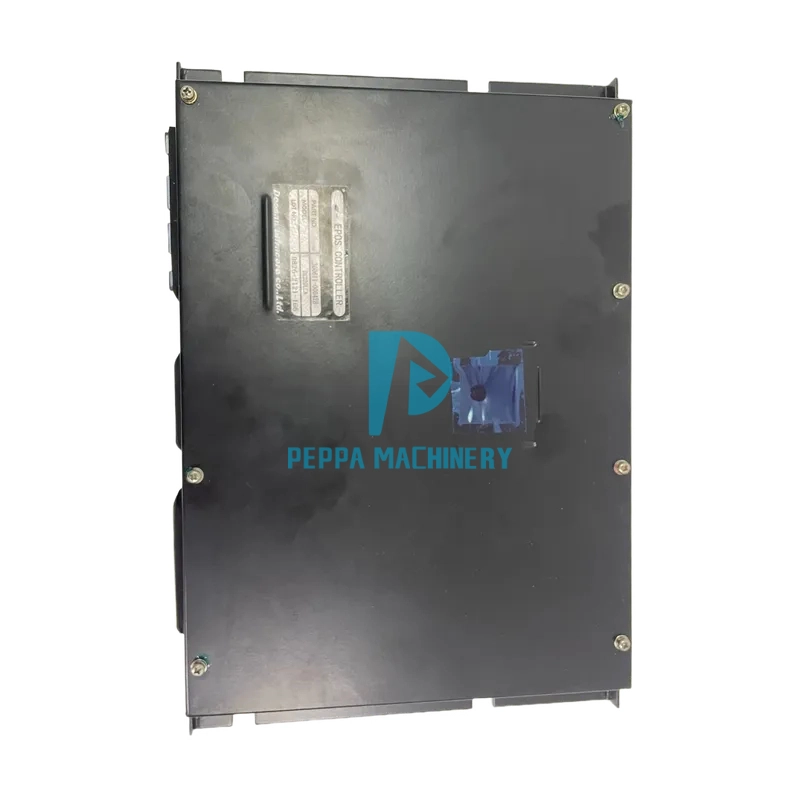
Direct-Injection Engine ECU Electric Controller 300611-00042B New Condition Iron Material for DX220LCA Excavator
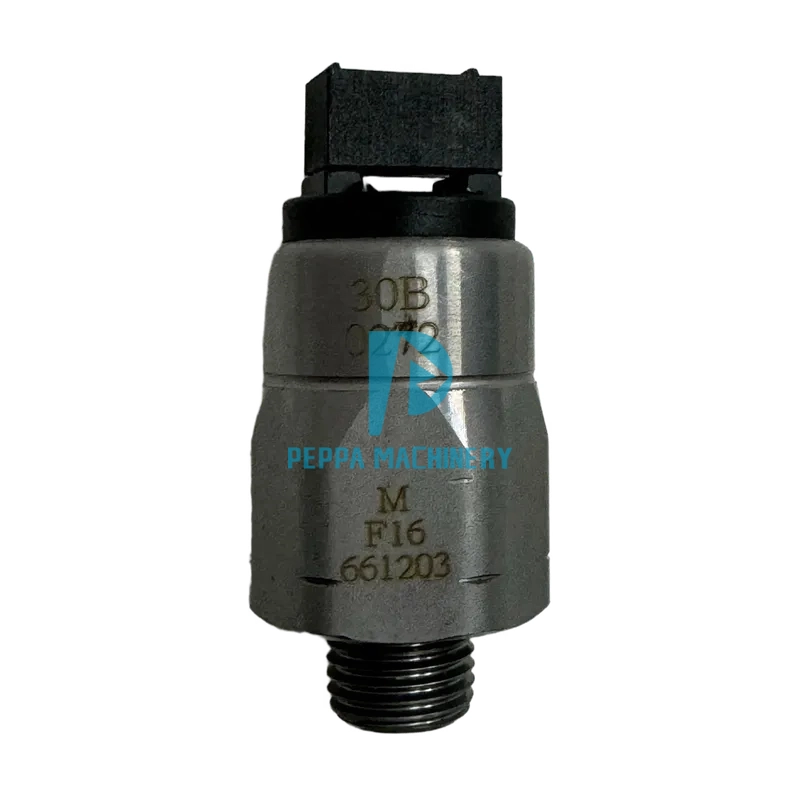
Sany Excavator Electric Oil Pressure Switch Hydraulic Oil Pressure Sensor for Engine Model 661203 661204 660404
Excavator Parts
How can I verify compatibility before placing an order?
Please provide us with your machine brand, model number, and the part number (if available). Our team will double-check the compatibility to ensure you receive the correct parts.
Do you provide technical support or installation guidance?
While we do not offer on-site installation, we can provide basic technical advice, diagrams, or documentation to assist your technicians with installation and troubleshooting.
Are your parts genuine or OEM?
We offer both genuine parts and high-quality OEM alternatives. You can choose according to your budget and application needs. All OEM products are tested to meet or exceed original specifications.
What brands of excavator parts do you supply?
We supply a full range of parts compatible with major international and Chinese brands, including Caterpillar, Komatsu, Hitachi, Volvo, Doosan, Hyundai, Sany, Liugong, XCMG, Zoomlion, and more.
What types of parts do you mainly offer?
Our main product categories include:
• Engine parts (liner kits, crankshafts, water/oil pumps, etc.)
• Electrical parts (sensors, monitors, throttle motors, wiring harnesses)
• Hydraulic parts (pumps, valves, cylinders)
• Sealing kits (NOK, SKF, PQ brands, floating seals, O-rings)
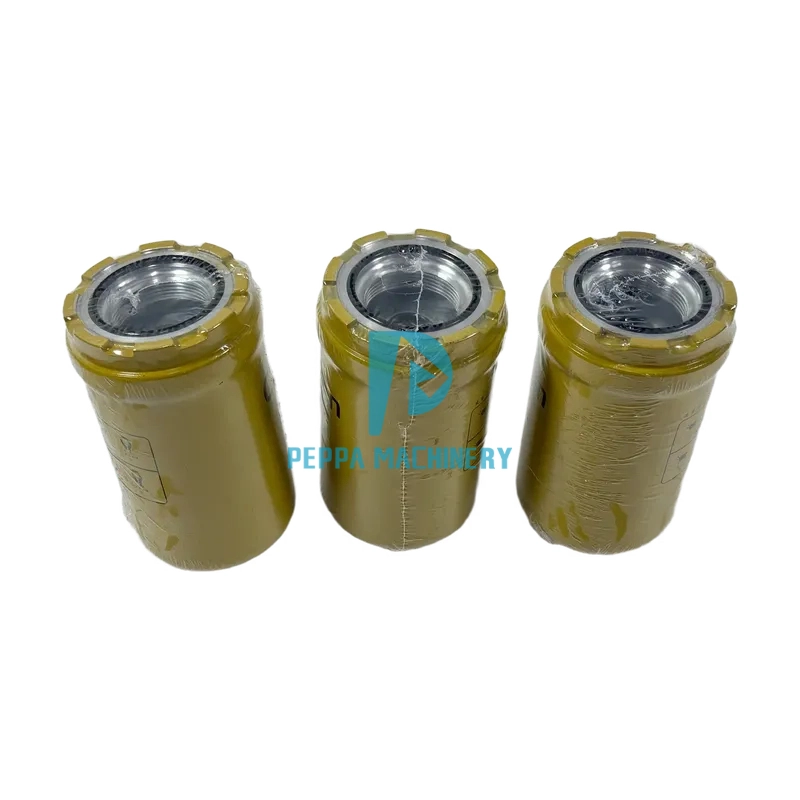
51-8670 Hydraulic Filter Applicable to HF35519 518670 2897836 518670X 1588987 Compatible with Caterpillar 352FVG 325CL
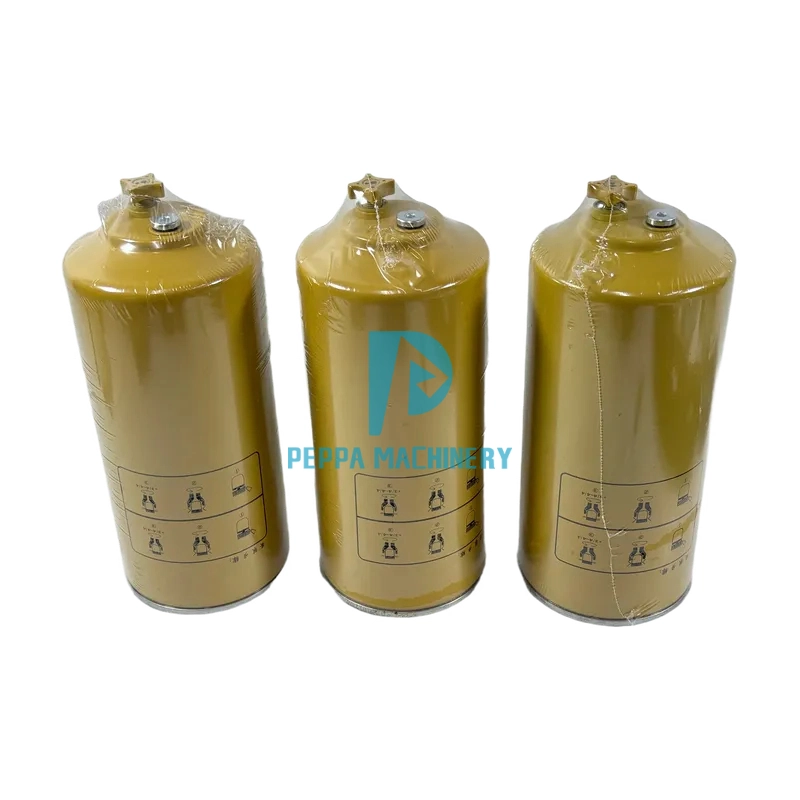
4385386 Fuel Water Separator Fuel Filter 382-0664 Oil-water Separator Hydraulic Oil Filter for CAT 312D2 320D2
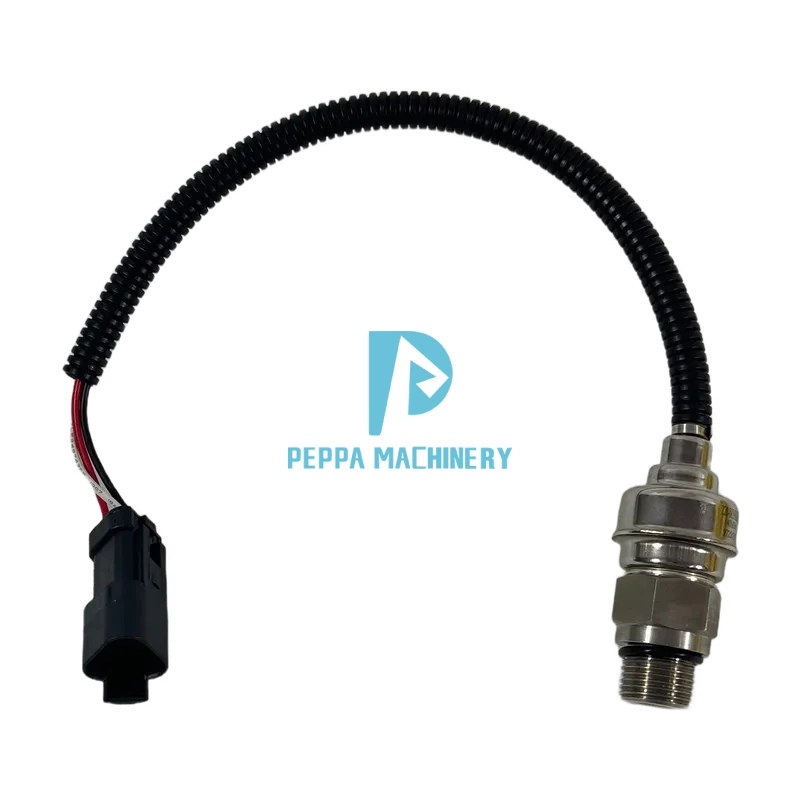
Pressure Sensor 221-8859 106-0178 for Caterpillar CAT 311B 311C 312C 314D 315B 320C 323D 324D 330C 336D 345B 385C
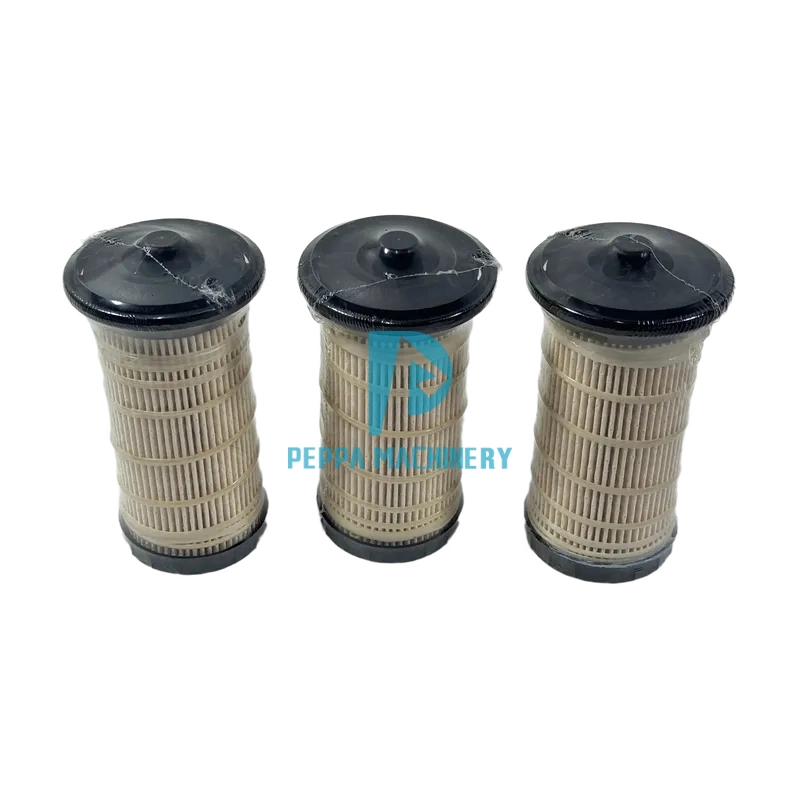
360-8960 Fuel Filter Element for Caterpillar C4.4 & C7.1 Engines | Fits 312D, 320D, 312E, 320E, 326D2, 336D2 Excavators
Get more information
Want to know more? Contact us today to get detailed product specifications, customized solutions, and a free consultation tailored to your needs.
Rest assured that your privacy is important to us, and all information provided will be handled with the utmost confidentiality.

Reliable Source for Quality Excavator Components.
Follow Us
Our Partners


Our Payment Methods


 High Quality
 7/24 Service
 Guaranteed Warranty
 Scan QR Code
Facebook
TikTok
YouTube
Pinterest
Twitter