








Can replacing the diesel stop solenoid improve excavator efficiency?
- 1. How can I diagnose a sticking diesel stop solenoid on my excavator that causes delayed shutdown or the engine staying on?
- 2. Can replacing the diesel stop solenoid improve excavator efficiency and reduce fuel consumption?
- 3. What electrical tests and safe voltage checks should I perform before buying a replacement excavator diesel stop solenoid?
- 4. How do I verify OEM compatibility and fitment when ordering a diesel stop solenoid for older excavator models?
- 5. Are aftermarket diesel stop solenoids reliable for heavy excavator duty cycles, and what warranty or quality indicators should I check?
- 6. What are the correct installation and adjustment steps to prevent premature failure of a new diesel stop solenoid on an excavator?
When excavator owners and maintenance teams search for 'diesel stop solenoid' solutions they need clear, purchase-ready answers. Below are six specific, beginner-focused long-tail questions that often lack up-to-date, practical answers online, followed by in-depth, actionable guidance. This content uses industry terminology like shutdown solenoid, fuel shutoff solenoid, coil testing, multimeter checks, and OEM part compatibility, and is written to help you evaluate, purchase, test and install the right stop solenoid for your excavator.
1. How can I diagnose a sticking diesel stop solenoid on my excavator that causes delayed shutdown or the engine staying on?
Symptom-focused diagnosis is the quickest way to identify a sticking diesel stop solenoid. Typical symptoms are delayed shutdown (engine runs a long time after stop command), engine that won’t stop at all, intermittent shutoff, or slow return-to-idle after shutdown. Follow these steps:
- Safety first: park on level ground, set parking brake, chock tracks/wheels, disconnect battery negative while preparing, and follow lockout-tagout for the machine.
- Visual inspection: remove panels to access the solenoid and throttle/fuel linkage. Look for fuel residue, corrosion, bent linkage, or visible carbon deposits around the plunger. A dirty or corroded plunger commonly causes sticking.
- Manual movement check: with battery disconnected, manually operate the actuator or plunger (if accessible) to see if it moves freely. It should slide smoothly with spring return. Any binding, roughness or visible pitting indicates mechanical wear or contamination.
- Electrical check: reconnect battery and measure control voltage at the solenoid connector when a shutdown command is given. Confirm the machine is supplying the correct voltage (12V or 24V depending on model) and that voltage collapses when shutdown is requested. If control voltage is present but the plunger does not move, suspect a mechanical/coil failure.
- Coil test: use a multimeter to check coil continuity and compare to OEM spec. An open circuit indicates coil failure; a shorted coil will show very low resistance and may draw excessive current. If you don’t have the OEM spec to compare, note that coil resistance varies by design—match the replacement to the machine voltage and original part number.
- Fuel contamination check: debris in the fuel injection pump or rack can prevent the stop mechanism from fully closing. If solenoid operation is confirmed electrically and mechanically but the engine still runs, inspect the fuel system—replace fuel filters, check water separators and clean the pump area. A binding injection pump rack or worn pump parts can mimic solenoid failure.
- Bench test the solenoid: remove the solenoid and apply the correct system voltage from a bench power source while supporting the armature. It should pull in smoothly and return when power is removed. Intermittent pull-in or slow movement confirms a failing solenoid.
Diagnosis must isolate electrical, mechanical and fuel-system causes. If electrical tests are OK but the plunger binds or deposits are visible, replacement is usually the correct course. If the solenoid operates correctly but the engine still runs, inspect the pump linkage and governor components.
2. Can replacing the diesel stop solenoid improve excavator efficiency and reduce fuel consumption?
Short answer: Yes — but only when the existing solenoid or its related components are contributing to inefficient operation. Replacing a worn or malfunctioning shutdown solenoid can improve operational efficiency in several ways:
- Reduced idling fuel loss: a sticking solenoid that fails to cut fuel rapidly will allow the engine to continue consuming fuel after shutdown commands, especially on machines with frequent start/stop cycles.
- Improved throttle control: some solenoids work with governor linkages; if the stop mechanism isn’t returning correctly, the engine may not settle at optimal idle, increasing fuel consumption and emissions.
- Prevented secondary failures: a failing solenoid can stress the injection pump or governor, resulting in suboptimal fuel delivery and higher consumption over time.
However, replacing the solenoid will not magically improve fuel economy if other factors drive inefficiency. Common confounding causes include clogged injectors, incorrect injection timing, poor air intake, hydraulic system inefficiencies, improper operator habits, or an emission control issue. For a measurable improvement in fuel efficiency after solenoid replacement, follow these best practices:
- Confirm the solenoid was the root cause through the diagnostic steps above (bench test, voltage checks, mechanical inspection).
- Replace fuel filters and inspect injectors and injection timing if the machine has high hours or visible smoke. Fuel system maintenance combined with a properly functioning fuel shutoff solenoid gives the best results.
- Match the replacement to OEM specifications (voltage, stroke, plunger type) to ensure full closure of fuel rack or cut-off spool.
- After replacement, perform a baseline fuel burn test or monitor fuel usage over a representative duty cycle to quantify improvements. Record fuel per hour before and after replacement under similar operating conditions to measure effectiveness.
In short, replacing a defective diesel stop solenoid can improve efficiency and reduce fuel waste when the solenoid itself is the failure point. For aging machines, pair the solenoid replacement with fuel-system maintenance for the best outcome.
3. What electrical tests and safe voltage checks should I perform before buying a replacement excavator diesel stop solenoid?
Before purchasing a new solenoid, validate electrical parameters so you buy the correct voltage, coil style and connector. Errors here lead to poor performance or premature failure. Follow these steps:
- Identify system voltage: most mid-to-large excavators use 24V electrical systems; smaller units and auxiliary circuits may be 12V. Check the machine’s electrical manual or measure the battery system resting voltage to confirm. Purchase a solenoid that matches system voltage exactly.
- Measure control voltage under load: use a digital multimeter to measure voltage at the solenoid connector while commanding run/stop from the cab. Confirm you see full system voltage at the connector when the solenoid is energized. Voltage significantly lower than battery voltage indicates wiring or relay issues you should address before replacing the solenoid.
- Check ground integrity: a poor ground will prevent effective solenoid pull-in even with correct voltage. Measure voltage drop between solenoid ground and chassis under energization; high voltage drop indicates poor connections or corroded grounding points.
- Coil resistance and polarity: measure coil resistance with the solenoid disconnected and compare to OEM specs if available. If specs aren’t available, record the measured value so you can match the replacement coil resistance and power draw. Avoid replacing with a solenoid whose coil resistance differs widely—this affects current draw and may overload the existing wiring or control relay.
- Inspect wiring and connectors: look for brittle insulation, corroded terminals, and evidence of overheating. If wiring is suspect, repair or replace wiring harnesses before installing a new solenoid to prevent repeated failures.
Document the voltage, connector type, coil resistance and mounting style before ordering. This prevents buying the wrong replacement and minimizes downtime.
4. How do I verify OEM compatibility and fitment when ordering a diesel stop solenoid for older excavator models?
Compatibility is the most common purchase error. To ensure correct fitment:
- Record the original part number: check the solenoid body for stamped numbers, the excavator parts manual, or the serial plate on the machine for recommended part codes. Cross-reference that number with the supplier.
- Note physical mounting details: measure bolt hole spacing, flange shape, shaft/plunger stroke length, and linkage interface. Even small stroke differences can prevent full closure of the fuel rack.
- Confirm electrical connector type: many solenoids use sealed Deutsch or proprietary connectors. Match the connector or plan to reuse the machine’s pigtail with a professionally crimped mate to avoid water ingress and poor connections.
- Match electrical specs: voltage, coil resistance and current draw must align with the machine’s control circuit. If the OEM solenoid is discontinued, request an exact-fit replacement or adapter kit from trusted suppliers rather than improvising.
- Check vendor cross-reference charts: reputable parts suppliers and OEM catalogs provide cross-reference tables. Validate the replacement part using the machine year, model, engine serial number, and original part number.
- Request technical data sheets: ask the supplier for dimensional drawings and electrical data. If buying aftermarket, insist on fitment guarantees or return policy in case of mismatch.
For older machines where OEM parts are obsolete, consider rebuilding the original solenoid with a qualified service provider or obtaining a carefully matched aftermarket unit with documented compatibility. Maintain a record of the part numbers and test results to expedite future replacements.
5. Are aftermarket diesel stop solenoids reliable for heavy excavator duty cycles, and what warranty or quality indicators should I check?
Not all aftermarket parts are equal. When evaluating aftermarket diesel stop solenoids for heavy-duty excavator use, focus on these quality indicators:
- Material and sealing: look for corrosion-resistant housings, stainless or plated plungers, and high-quality seals. Heavy-duty applications expose solenoids to vibration, moisture and fuel vapors—robust sealing prevents early failure.
- Duty rating: confirm the solenoid is rated for continuous or intermittent duty as required. Some solenoids are not designed for frequent cycling. Heavy excavator usage often demands solenoids with a high cycle life rating.
- Thermal rating and coil insulation: the coil should tolerate engine compartment heat. Ask for insulation class and temperature limits—lower-grade coils can degrade quickly in hot environments.
- OEM-equivalent specifications: match stroke, holding force, coil resistance and connector type. Reputable aftermarket manufacturers publish these specs and provide test certificates.
- Warranty and return policy: choose suppliers offering at least a 6–12 month warranty on parts for heavy-equipment use, with clear RMA procedures. Longer warranties and service support indicate confidence in product quality.
- Supplier reputation and traceability: purchase from suppliers who provide lot codes, QC test records, and a clear supply chain. Suppliers that back parts with technical support and installation guidance reduce risk.
For critical machines, prioritize OEM or OEM-equivalent parts from established heavy-equipment parts distributors. If choosing lower-cost aftermarket options, verify the above indicators and consider stocking a tested spare to avoid field failures.
6. What are the correct installation and adjustment steps to prevent premature failure of a new diesel stop solenoid on an excavator?
Proper installation is essential to maximize the life of a replacement diesel stop solenoid. Follow these best practices:
- Use OEM torque specs: mounting bolts and linkage fasteners should be tightened to the manufacturer’s torque values. Over-tightening can distort the housing or restrict plunger movement; under-tightening causes vibration and loosening.
- Ensure correct plunger clearance and stroke: confirm the solenoid plunger has the intended travel and that linkage is adjusted so the fuel rack is fully closed when the solenoid is de-energized. Incorrect adjustment can leave the pump partially open and accelerate wear.
- Protect wiring and connectors: route wiring away from hot exhaust components and sharp edges. Use stress relief, heat protection sleeves, and sealed connectors to prevent moisture ingress and chafing. Reuse OEM grommets or replace them if brittle.
- Check grounding: ensure a solid chassis ground at the solenoid mounting or via a dedicated ground strap. Poor grounding causes heating and intermittent operation leading to early failure.
- Perform a post-install bench test: with the solenoid installed, operate several run/stop cycles from the cab and observe full movement and repeatability. Verify voltage under load and listen for smooth pull-in and return.
- Inspect after break-in: after initial operation (about 10–20 cycles or first shift day), recheck torque and linkage adjustment. Some new parts seat during first use and need slight re-torqueing.
- Document the install: record part number, serial/lot number, installation date, and test voltages for future warranty or troubleshooting events.
Following correct installation steps and preventive measures will avoid common early-failure causes like vibration loosening, heat damage, or mechanical binding.
Concluding summary: Replacing a diesel stop solenoid can restore reliable shutdown behavior, reduce idling fuel loss and prevent collateral damage to fuel-system components when a solenoid is demonstrably defective. For best results, diagnose thoroughly, match OEM electrical and mechanical specifications, choose quality components from reputable suppliers, and follow correct installation and grounding practices. Combined with routine fuel-system maintenance and correct operator habits, a properly specified and installed fuel shutoff solenoid contributes to more efficient and reliable excavator operation.
If you need a quote, parts cross-reference, or technical support to pick the correct shutdown solenoid for your excavator model, contact JB Parts at www.jbpartsgz.com or email jbparts@aliyun.com. Our team provides part verification, dimensional drawings and fitment guarantees for heavy-equipment stop solenoids.

Isuzu SP 4JG1 4JG2 4JG3 Cylinder Liner 1876182070 1-87618207-0 1876182080 1-87618208-0 1876182100 1-87618210-0

4BG1 6BG1 Liner Set 1878141050 1-87814105-0 1878141060 1-87814106-0 1878141070 1-87814107-0 Genuine Engine Parts
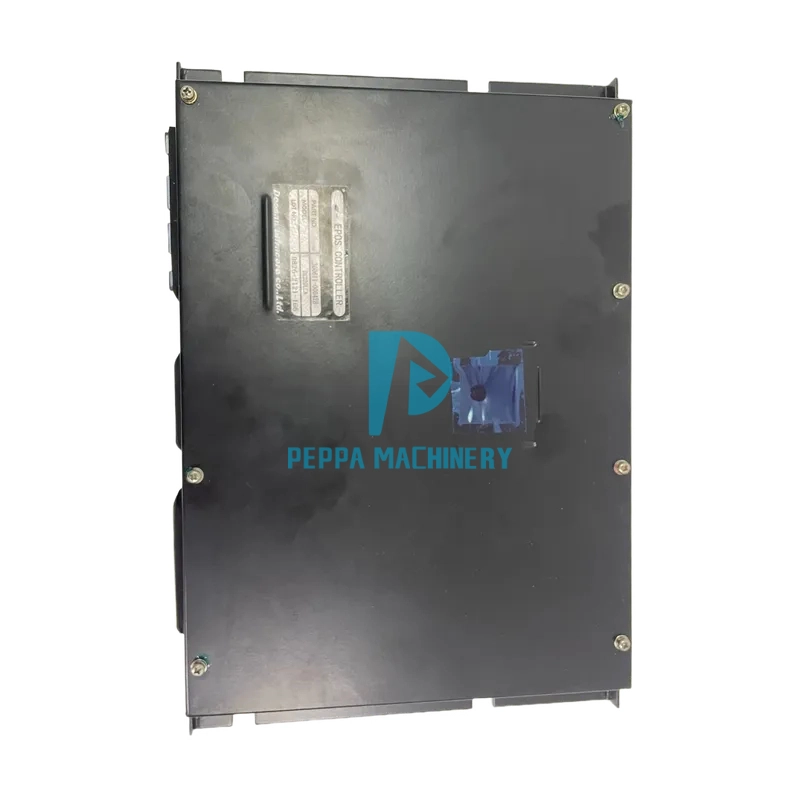
Direct-Injection Engine ECU Electric Controller 300611-00042B New Condition Iron Material for DX220LCA Excavator
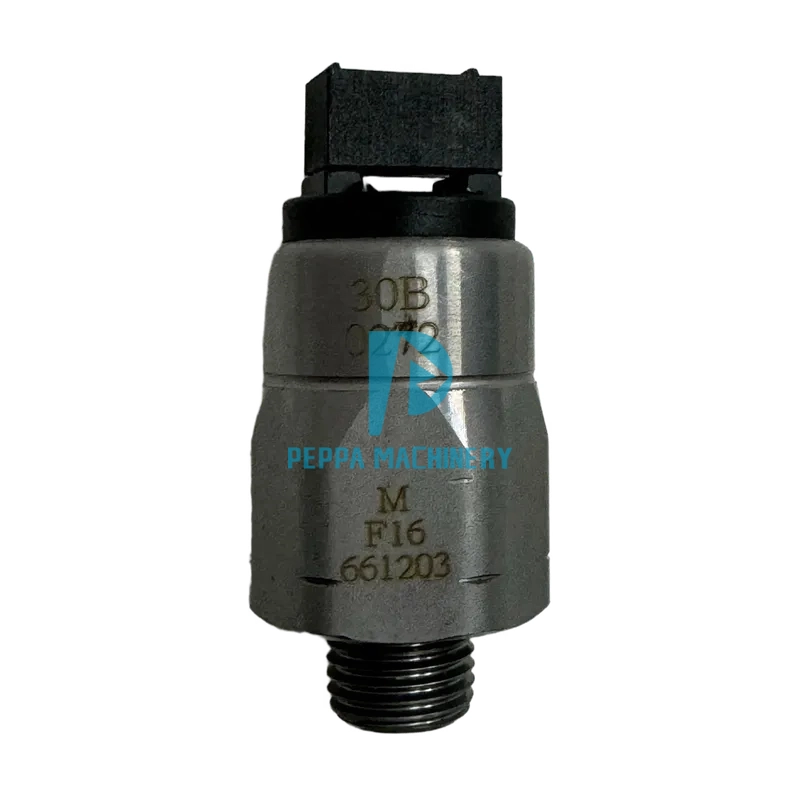
Sany Excavator Electric Oil Pressure Switch Hydraulic Oil Pressure Sensor for Engine Model 661203 661204 660404
Excavator Parts
Do you provide technical support or installation guidance?
While we do not offer on-site installation, we can provide basic technical advice, diagrams, or documentation to assist your technicians with installation and troubleshooting.
What types of parts do you mainly offer?
Our main product categories include:
• Engine parts (liner kits, crankshafts, water/oil pumps, etc.)
• Electrical parts (sensors, monitors, throttle motors, wiring harnesses)
• Hydraulic parts (pumps, valves, cylinders)
• Sealing kits (NOK, SKF, PQ brands, floating seals, O-rings)
Are your parts genuine or OEM?
We offer both genuine parts and high-quality OEM alternatives. You can choose according to your budget and application needs. All OEM products are tested to meet or exceed original specifications.
How can I verify compatibility before placing an order?
Please provide us with your machine brand, model number, and the part number (if available). Our team will double-check the compatibility to ensure you receive the correct parts.
What brands of excavator parts do you supply?
We supply a full range of parts compatible with major international and Chinese brands, including Caterpillar, Komatsu, Hitachi, Volvo, Doosan, Hyundai, Sany, Liugong, XCMG, Zoomlion, and more.
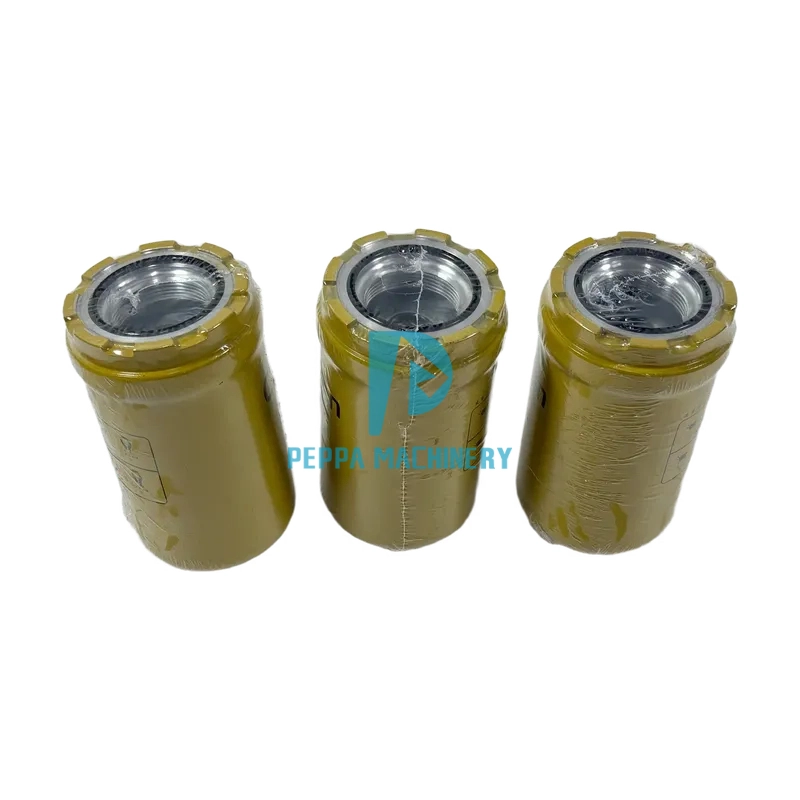
51-8670 Hydraulic Filter Applicable to HF35519 518670 2897836 518670X 1588987 Compatible with Caterpillar 352FVG 325CL
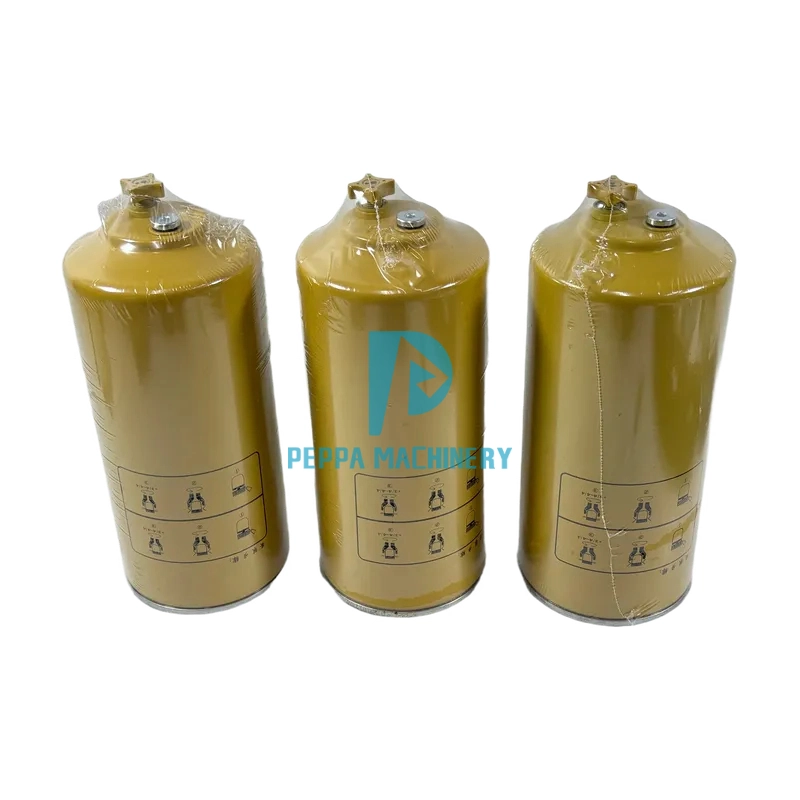
4385386 Fuel Water Separator Fuel Filter 382-0664 Oil-water Separator Hydraulic Oil Filter for CAT 312D2 320D2
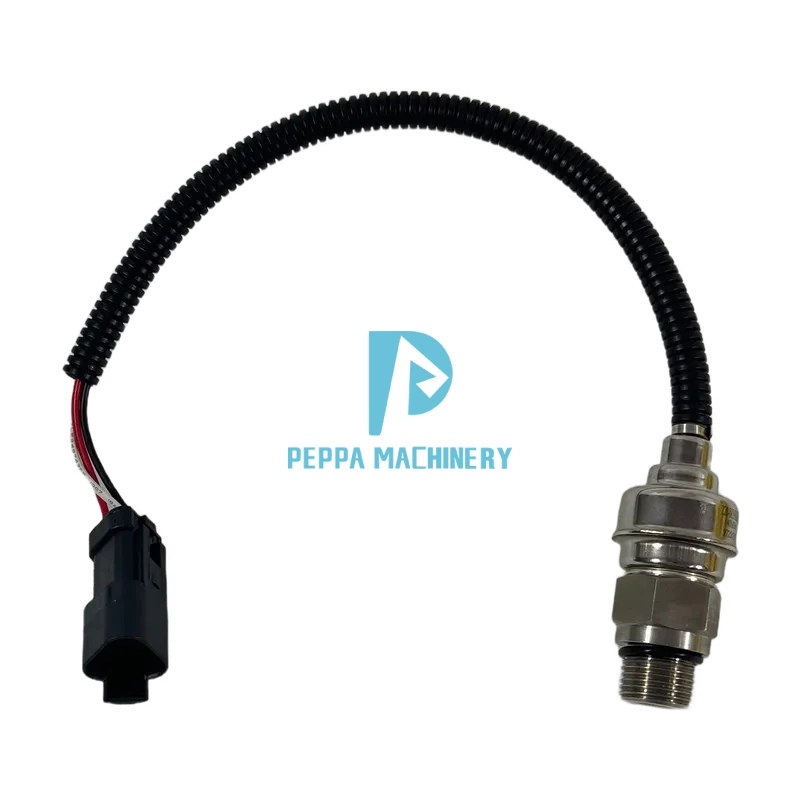
Pressure Sensor 221-8859 106-0178 for Caterpillar CAT 311B 311C 312C 314D 315B 320C 323D 324D 330C 336D 345B 385C
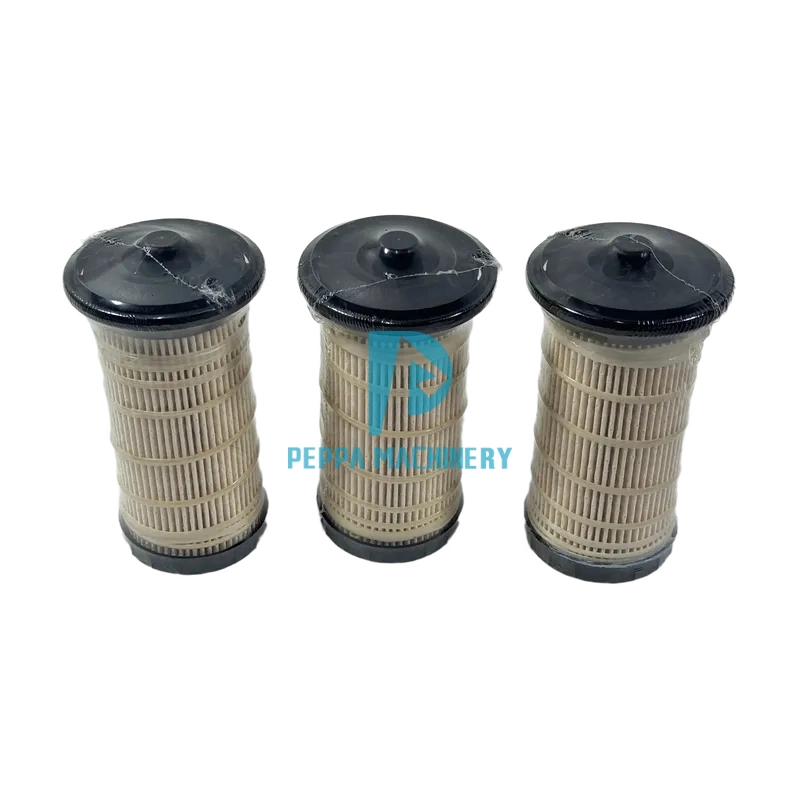
360-8960 Fuel Filter Element for Caterpillar C4.4 & C7.1 Engines | Fits 312D, 320D, 312E, 320E, 326D2, 336D2 Excavators
Get more information
Want to know more? Contact us today to get detailed product specifications, customized solutions, and a free consultation tailored to your needs.
Rest assured that your privacy is important to us, and all information provided will be handled with the utmost confidentiality.

Reliable Source for Quality Excavator Components.
Follow Us
Our Partners


Our Payment Methods


 High Quality
 7/24 Service
 Guaranteed Warranty
 Scan QR Code
Facebook
TikTok
YouTube
Pinterest
Twitter