








What is a diesel stop solenoid and why do excavators need it?
- 1. How can I accurately test a diesel stop solenoid on an excavator when the engine won't stop, without removing the fuel injection pump?
- 2. What exact measurements and specs (voltage, stroke, mounting threads, coil resistance) must I match when replacing a diesel stop solenoid on a Komatsu or CAT excavator to avoid engine run-on?
- 3. Why does my excavator's engine continue to run (diesel runaway) even after replacing the stop solenoid, and how do I diagnose the root cause?
- 4. Can I convert a 12V diesel stop solenoid to 24V on older excavators, and what modifications are needed to ensure safe operation?
- 5. What maintenance schedule and preventive checks should fleet managers perform on diesel stop solenoids to prevent unexpected downtime on job sites?
- 6. How to choose between OEM and aftermarket diesel stop solenoids for excavators to balance cost, reliability, and warranty?
1. How can I accurately test a diesel stop solenoid on an excavator when the engine won't stop, without removing the fuel injection pump?
Diagnosing a suspected diesel stop solenoid (also called a fuel shutoff or engine stop solenoid) in-situ is common on job sites. Follow these safe, proven steps before removing the injection pump:
- Safety first: Park on level ground, chock wheels, isolate the battery, wear eye/hand protection and keep fire extinguisher nearby.
- Visual & electrical check: Inspect the connector and wiring for corrosion, loose crimps, melted insulation or broken strands. Corrosion at the connector is a frequent failure point on excavators exposed to moisture and vibration.
- Measure coil resistance: With the solenoid disconnected, use a digital multimeter to read ohms across the coil pins. Typical ranges vary by model—many 12V stop solenoids are in the single- to low-double-digit ohms range (low-impedance) while some are high-impedance (tens to hundreds of ohms). Always compare to the OEM spec; if no spec is available, record the value and compare with the identical replacement part.
- Voltage presence test: Reconnect, start the engine, and measure voltage at the solenoid connector while operating the key switch and stop circuit. You should see rated system voltage (12V or 24V) when the solenoid should be energized. If voltage is present but the solenoid does not actuate, the coil is likely faulty.
- Bench (direct) actuation test: With the solenoid unmounted and isolated from the vehicle harness, apply the correct DC voltage briefly from a jumper battery or bench supply (observe polarity if specified). A functioning plunger should move cleanly (you may hear a click). If the plunger is sluggish or stuck, the solenoid is mechanically impaired—contamination or corrosion in the plunger bore is common on older excavators.
- Load test & observe stop behavior: With the engine running and safe disconnects in place, have an assistant operate the stop circuit while you measure voltage and watch the plunger. If voltage drops under load or wiring is undersized, the solenoid may not receive sufficient current to fully close the fuel rack—causing continued engine run-on.
Key takeaway: combining resistance readings, voltage-at-connector checks, and a bench actuation will tell you whether the solenoid itself is bad or whether the problem is wiring, relays, or a mechanical fault in the injection pump.
2. What exact measurements and specs (voltage, stroke, mounting threads, coil resistance) must I match when replacing a diesel stop solenoid on a Komatsu or CAT excavator to avoid engine run-on?
Replacement accuracy matters. Installing a physically similar solenoid with different electrical or mechanical specs can produce partial travel and leave the engine running. When sourcing a compatible stop fuel solenoid, verify each of these parameters:
- Operating voltage: 12V vs 24V — do not substitute without conversion (see Q4).
- Coil resistance (ohms) and rated current: ensures your machine’s wiring and driver relay can deliver sufficient current.
- Plunger stroke (travel in mm): insufficient travel won’t fully close the fuel rack or stop valve.
- Plunger diameter and mating geometry: the plunger must seat correctly and not bind.
- Mounting type & thread pitch or flange location: assures proper alignment and sealing on the injection pump body.
- Connector type and polarity: IP-rated electrical connectors and correct pinout prevent intermittent failures from vibration and moisture.
- Action type: normally closed vs normally open and spring return force—some systems require the solenoid to default to the stop position when de-energized.
- Environmental ratings: temperature range, vibration tolerance, IP rating—excavators operate in harsh conditions.
Practical tip: photograph the mounted solenoid, note the injection pump model and serial number, and measure stroke and mounting dimensions before ordering. If possible, obtain the replacement’s datasheet and compare stroke, coil rating, and form factor against the OEM part.
3. Why does my excavator's engine continue to run (diesel runaway) even after replacing the stop solenoid, and how do I diagnose the root cause?
When the solenoid replacement doesn’t stop the engine, don’t assume the new solenoid is defective—common root causes beyond the solenoid include:
- Mechanical bypass or stuck injection pump rack: the fuel control mechanism inside some pumps can seize or be warped, so the solenoid cannot fully cut fuel.
- Internal pump leakage or worn plungers: leakage can maintain fuel flow despite the stop mechanism.
- Wrong replacement part: incorrect stroke or low holding force prevents full closure.
- Wiring/relay/ECU faults: no full voltage under load due to corroded harness, bad ground, failing relay, or ECU output limitations.
- External fuel/oil ingestion: turbocharger or crankcase/oil leaks causing the engine to combust oil or blow-by—this is not stopped by fuel shutoff.
Structured diagnostic steps:
- Confirm the new solenoid actuates fully under full battery voltage on the installed machine (measure voltage at connector while commanding stop).
- If solenoid actuates, mechanically verify rack position and fuel flow in the pump with a qualified technician or per OEM service manual.
- Inspect for oil/air sources that could sustain combustion even with fuel cut (smoke color and smell help): bluish smoke may indicate oil burning; black smoke points to excess fuel.
- If electrical supply drops under load, trace wiring and replace corroded connectors/relays.
In many field cases, the root cause was a combination: a slightly undersized aftermarket solenoid plus corroded wiring that together failed to provide full travel under engine vibration. Always verify both electrical delivery and mechanical movement.
4. Can I convert a 12V diesel stop solenoid to 24V on older excavators, and what modifications are needed to ensure safe operation?
Short answer: replacing a 12V solenoid with a 24V unit by simple resistor tricks is unsafe and unreliable. Acceptable solutions:
- Replace the solenoid with a direct-fit 24V version specified for your pump and machine. This is the best, most reliable option.
- Use a proper DC-DC converter or dedicated driver/relay assembly sized for the solenoid’s inrush current if you must adapt voltage—ensure the converter can handle solenoid inductive loads and duty cycles on excavators.
Why not use resistors or half-voltage hacks? Resistive drops cause heat, variable voltage under battery load, slower actuation, and potential failure to fully stroke. Solenoid coils are specified for voltage and current; substituting changes magnetic force, heating, and life expectancy. For safety and to avoid engine run-on, always match the rated voltage or install an approved driver and verify full actuation.
5. What maintenance schedule and preventive checks should fleet managers perform on diesel stop solenoids to prevent unexpected downtime on job sites?
Proactive checks reduce field failures. A recommended preventive maintenance (PM) plan for excavator stop solenoids:
- Daily/Pre-shift: Visual inspection for loose connectors, oil/fuel contamination, and obvious physical damage. Ensure harness is secured away from hot surfaces and pinch points.
- Monthly or every 50–200 hours: Clean connectors, apply dielectric grease, check connector retention clips and ground points, and confirm full actuation at idle using control inputs.
- Every 500–1,000 hours: Multimeter resistance checks and voltage drop tests under operation. Inspect mounting hardware, plunger free travel (where serviceable), and replace any solenoid showing intermittent behavior.
- Spare parts strategy: Keep one OEM-equivalent stop solenoid per machine or per site depending on utilization and remote location. Train operators to identify symptoms early (slow shutdowns, inconsistent stop behavior).
Document failures with photos and serial numbers; log parts replaced and the measured values at failure. This data improves procurement decisions and ensures the correct solenoid spec is ordered next time.
6. How to choose between OEM and aftermarket diesel stop solenoids for excavators to balance cost, reliability, and warranty?
Choosing OEM versus aftermarket requires balancing budget and uptime risk:
- OEM advantages: guaranteed fit, correct stroke and coil spec, and often better corrosion/vibration resistance with full OEM warranty and direct compatibility with injection pump tolerances. Recommended for mission-critical fleets and late-model machines under warranty.
- Aftermarket advantages: lower unit cost and wider availability. The best aftermarket suppliers publish full datasheets (stroke, coil resistance, voltage, pinout, IP rating) and offer tested cross-references to Bosch, Denso, or Stanadyne pump models.
- What to require from any supplier: datasheet, dimensional drawing, coil resistance and current specs, operating temperature, ingress protection rating, warranty, and a clear fitment cross-reference (pump model, OEM part number).
Procurement checklist:
- Match voltage, stroke, and mounting exactly.
- Demand a datasheet and test report or return policy.
- Prefer vendors that can verify compatibility by injection pump model/serial or supply replacement with a test-backed warranty.
At JB Parts (www.jbpartsgz.com), we provide full datasheets, fitment support, and cross-reference checks for excavator diesel stop solenoids—helping you balance cost and uptime.
Concluding summary of advantages: specifying and installing the correct diesel stop solenoid—matched by voltage, stroke, coil rating, and environmental protection—significantly reduces the risk of engine run-on, improves shutdown reliability, and minimizes downtime on excavator fleets. Choosing parts backed by datasheets, fitment verification, and warranty (OEM or reputable aftermarket) gives measurable uptime benefits and easier field service. For fast quotes and expert cross-references, contact us at www.jbpartsgz.com or email jbparts@aliyun.com to get the exact diesel stop solenoid spec for your excavator.

Isuzu SP 4JG1 4JG2 4JG3 Cylinder Liner 1876182070 1-87618207-0 1876182080 1-87618208-0 1876182100 1-87618210-0

4BG1 6BG1 Liner Set 1878141050 1-87814105-0 1878141060 1-87814106-0 1878141070 1-87814107-0 Genuine Engine Parts
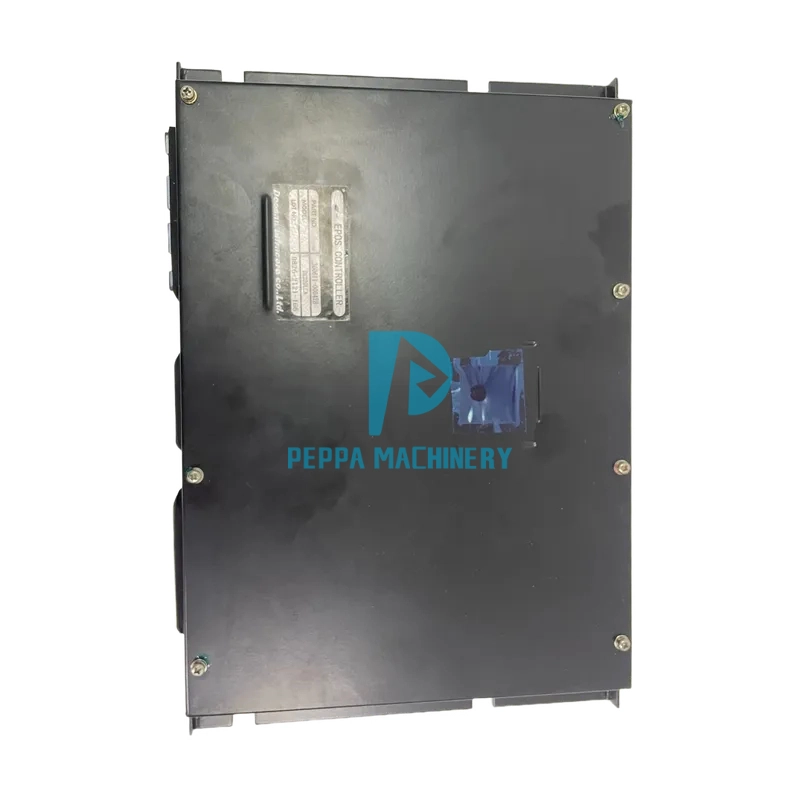
Direct-Injection Engine ECU Electric Controller 300611-00042B New Condition Iron Material for DX220LCA Excavator
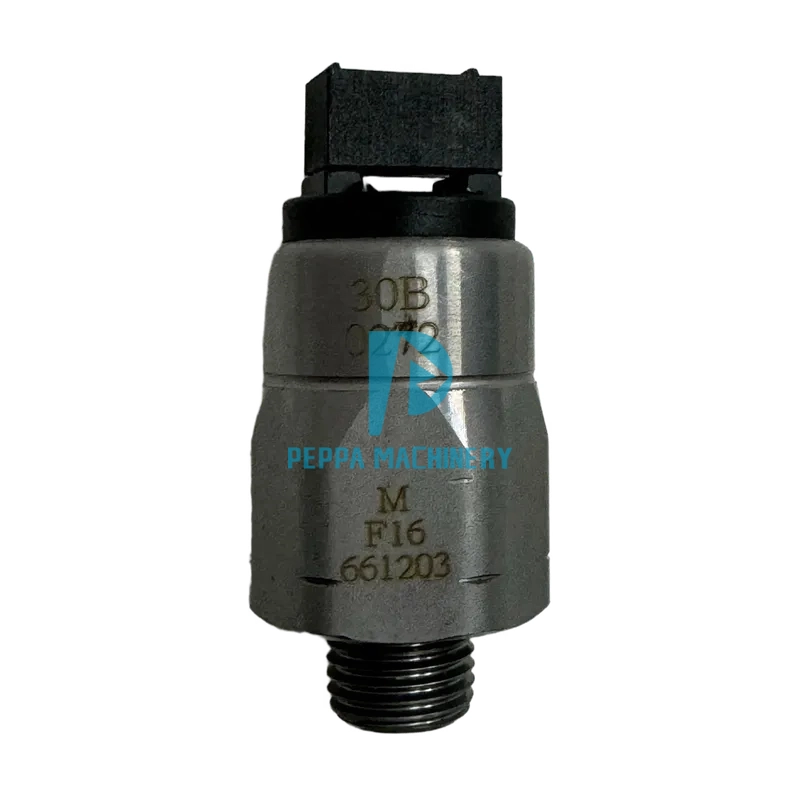
Sany Excavator Electric Oil Pressure Switch Hydraulic Oil Pressure Sensor for Engine Model 661203 661204 660404
Excavator Parts
Can I get help choosing the right parts for my machine?
Yes. Our experienced sales team is here to provide professional recommendations and solutions based on your excavator model, part number, or specific requirements.
Do you provide technical support or installation guidance?
While we do not offer on-site installation, we can provide basic technical advice, diagrams, or documentation to assist your technicians with installation and troubleshooting.
What brands of excavator parts do you supply?
We supply a full range of parts compatible with major international and Chinese brands, including Caterpillar, Komatsu, Hitachi, Volvo, Doosan, Hyundai, Sany, Liugong, XCMG, Zoomlion, and more.
What types of parts do you mainly offer?
Our main product categories include:
• Engine parts (liner kits, crankshafts, water/oil pumps, etc.)
• Electrical parts (sensors, monitors, throttle motors, wiring harnesses)
• Hydraulic parts (pumps, valves, cylinders)
• Sealing kits (NOK, SKF, PQ brands, floating seals, O-rings)
How can I verify compatibility before placing an order?
Please provide us with your machine brand, model number, and the part number (if available). Our team will double-check the compatibility to ensure you receive the correct parts.
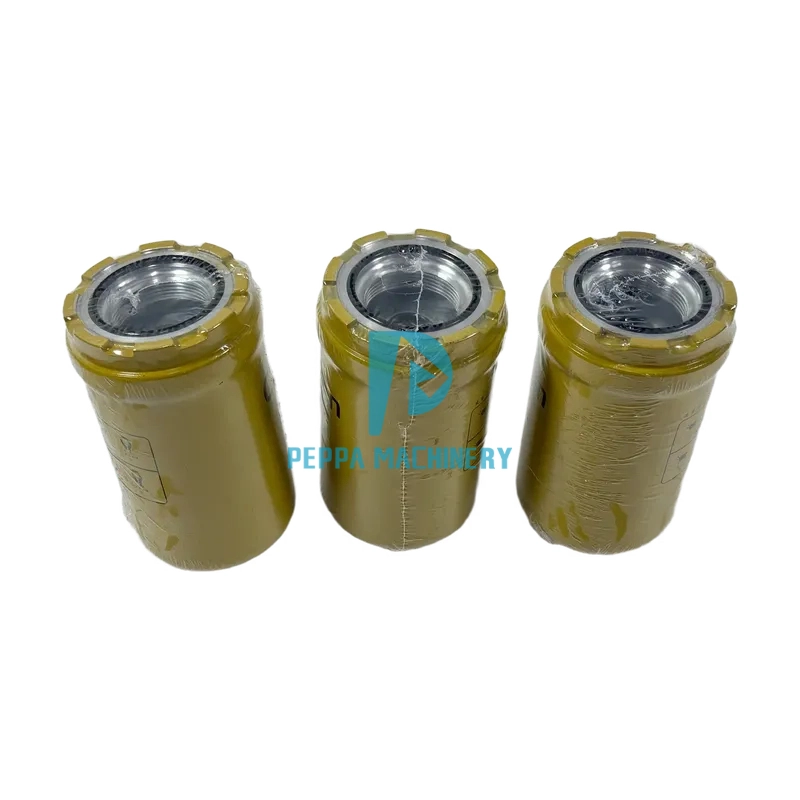
51-8670 Hydraulic Filter Applicable to HF35519 518670 2897836 518670X 1588987 Compatible with Caterpillar 352FVG 325CL
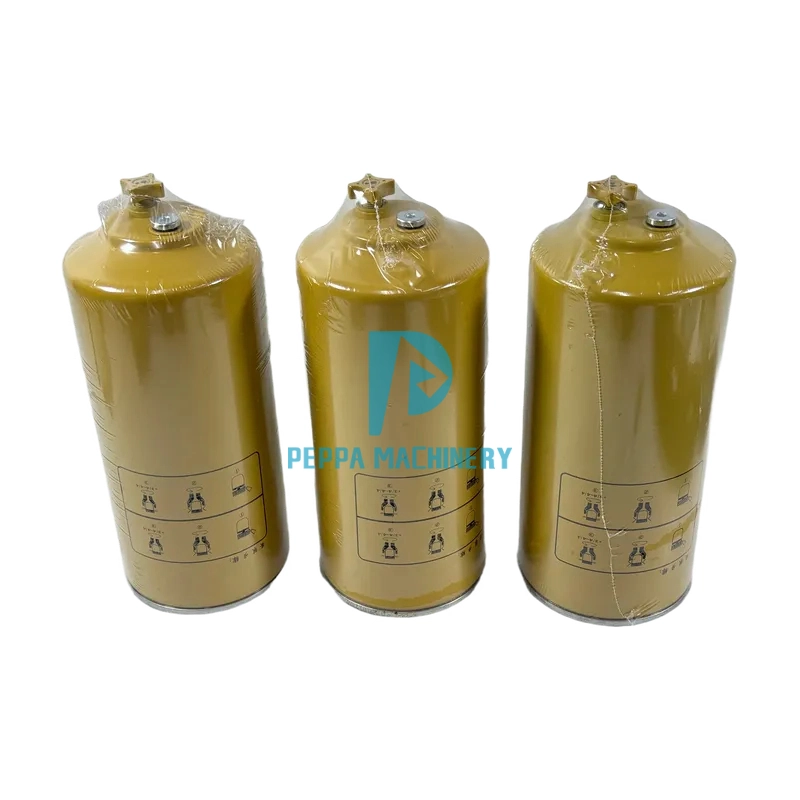
4385386 Fuel Water Separator Fuel Filter 382-0664 Oil-water Separator Hydraulic Oil Filter for CAT 312D2 320D2
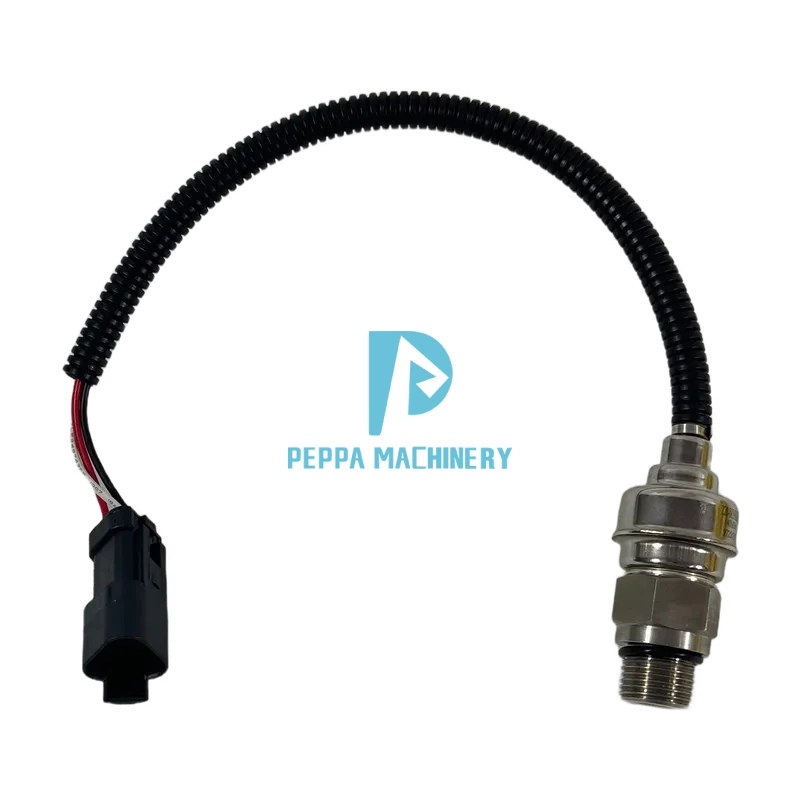
Pressure Sensor 221-8859 106-0178 for Caterpillar CAT 311B 311C 312C 314D 315B 320C 323D 324D 330C 336D 345B 385C
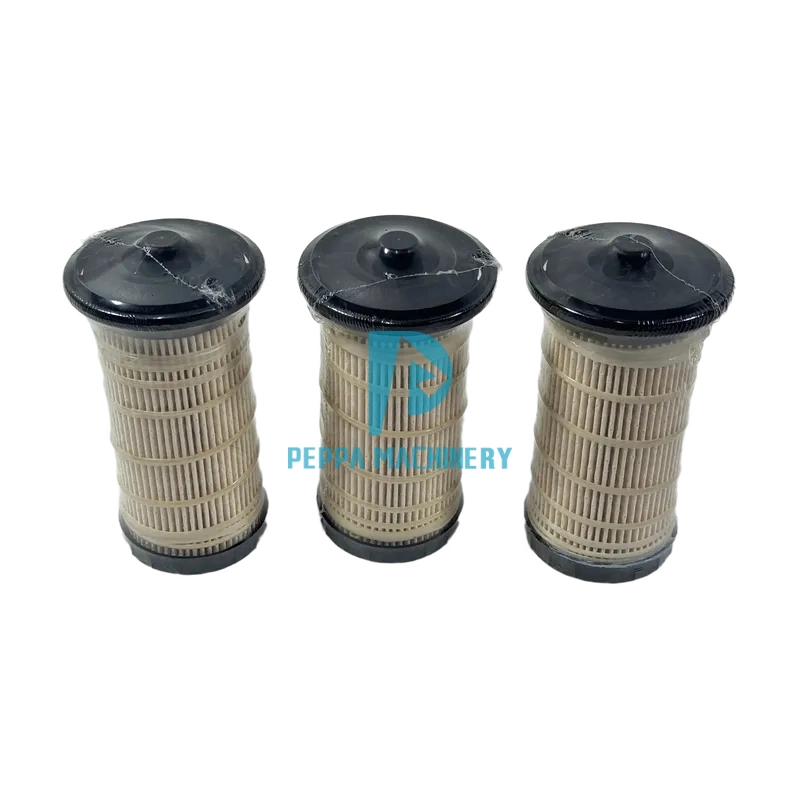
360-8960 Fuel Filter Element for Caterpillar C4.4 & C7.1 Engines | Fits 312D, 320D, 312E, 320E, 326D2, 336D2 Excavators
Get more information
Want to know more? Contact us today to get detailed product specifications, customized solutions, and a free consultation tailored to your needs.
Rest assured that your privacy is important to us, and all information provided will be handled with the utmost confidentiality.

Reliable Source for Quality Excavator Components.
Follow Us
Our Partners


Our Payment Methods


 High Quality
 7/24 Service
 Guaranteed Warranty
 Scan QR Code
Facebook
TikTok
YouTube
Pinterest
Twitter